It is tempting for car makers to branch out beyond the automotive industry. For some companies, expanding into other sectors is a way to invest profits earned from building cars into businesses that may be even more profitable. For others, diversification provides a safety net during economic downturns when new car sales decline. Over the decades, many automotive companies have ventured into industries that seem completely unrelated to vehicles. Some of these projects became major successes, while others ended in failure. From newspapers and robots to luxury hotels and even sausages, car makers have produced an astonishing variety of products and services. Here are some of the most surprising examples.
Also Read: Virtual Reality vs. Augmented Reality: What's the Difference?
BMW’s Bobsled
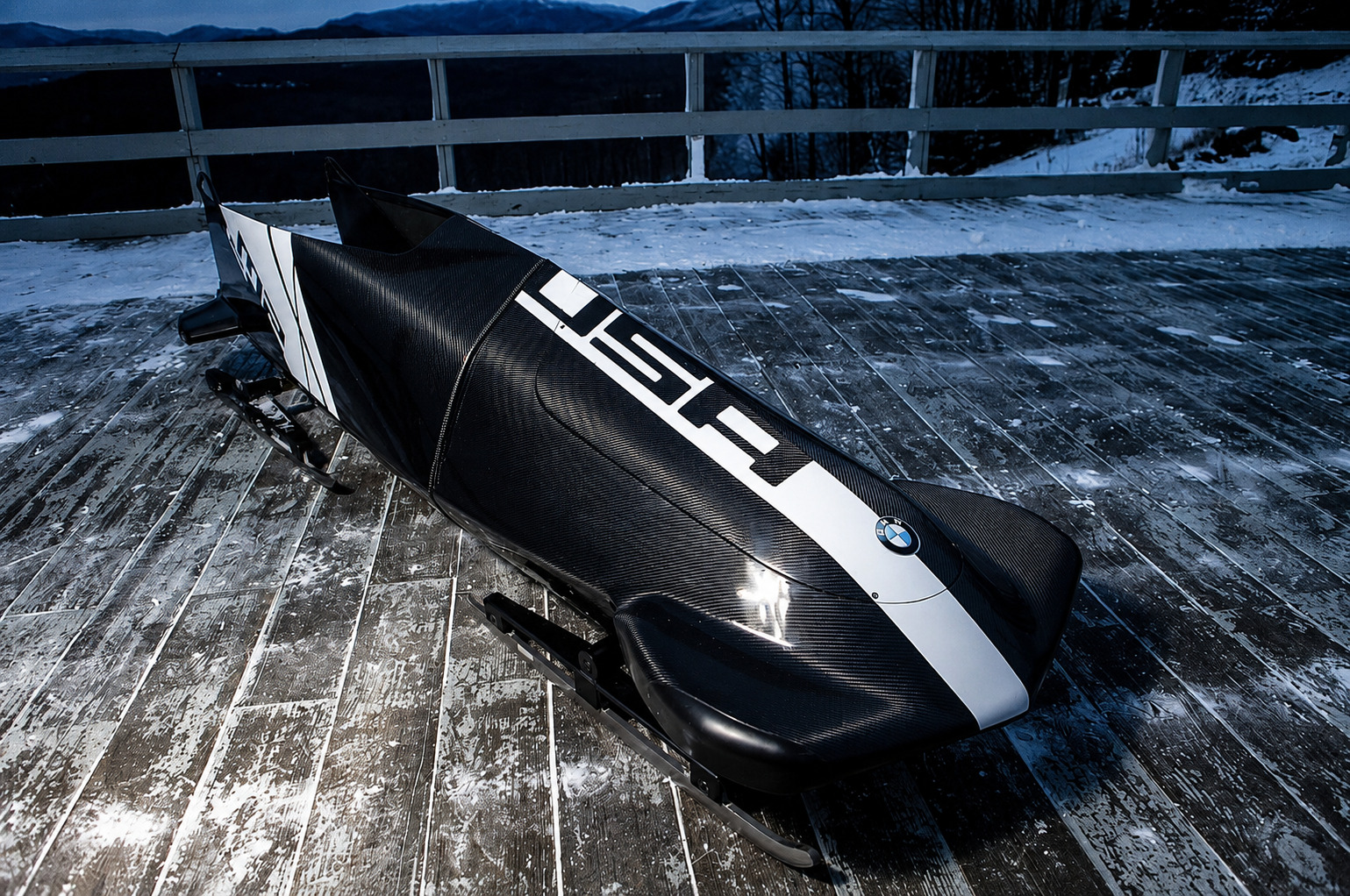
Starting in 2012, BMW's North American division spent more than a year designing a bobsled for the United States Olympic team. The company used its expertise in composite materials to create a lightweight two-person sled made from carbon fiber. BMW also applied its extensive knowledge of aerodynamics, allowing its designers to develop a completely new sled shape intended to improve performance on the ice.
The project proved successful when the American bobsledding team used the sled at the 2014 Winter Olympics in Sochi, Russia. The team finished in third place, earning a bronze medal and securing its first Olympic podium finish since 1952. BMW's involvement demonstrated how automotive engineering skills could be applied successfully to a completely different type of vehicle.
Fiat’s Daily Newspaper
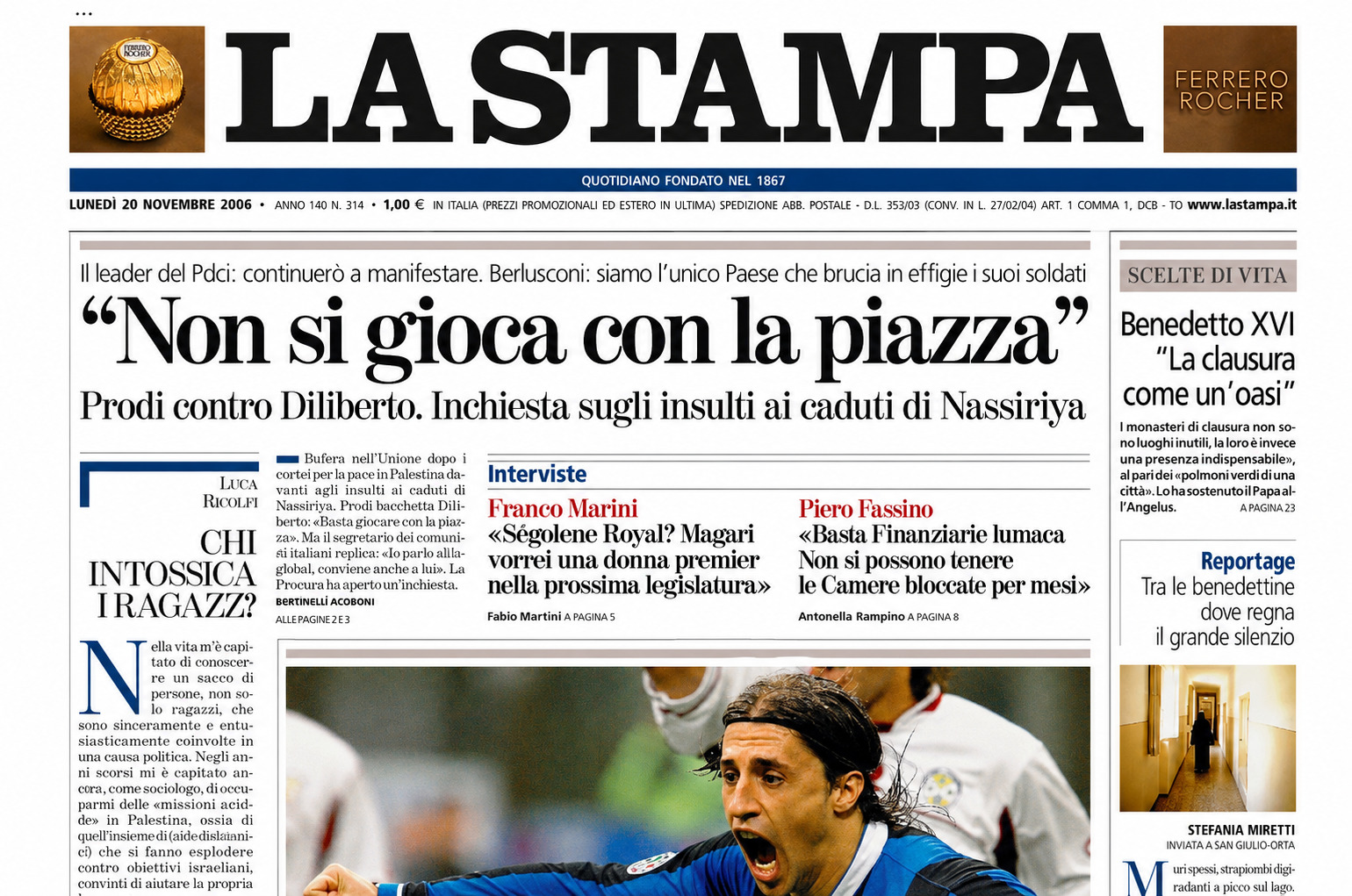
Fiat entered the newspaper business in 1926 when it purchased the Turin-based Italian newspaper La Stampa. Under Fiat's ownership, the newspaper expanded significantly, growing from a regional publication into one of Italy's largest and most influential daily newspapers.
The publication attracted international attention in 1978 after it published a series of satirical articles about former Libyan leader Muammar Gaddafi. In response, Gaddafi threatened to retaliate against Fiat itself rather than the newspaper. He warned that he would place Fiat on a boycott list unless La Stampa dismissed its editor. However, the newspaper refused to give in to the pressure, and Gaddafi ultimately did not carry out his threat.
In 2014, Fiat and the powerful Perrone family combined La Stampa and Il Secolo XIX into a new company called Italiana Editrice. Fiat's successor company, Fiat Chrysler Automobiles, eventually sold its ownership interest in La Stampa in 2017, ending nearly a century of involvement in the newspaper business.
Ford’s Industrial Town
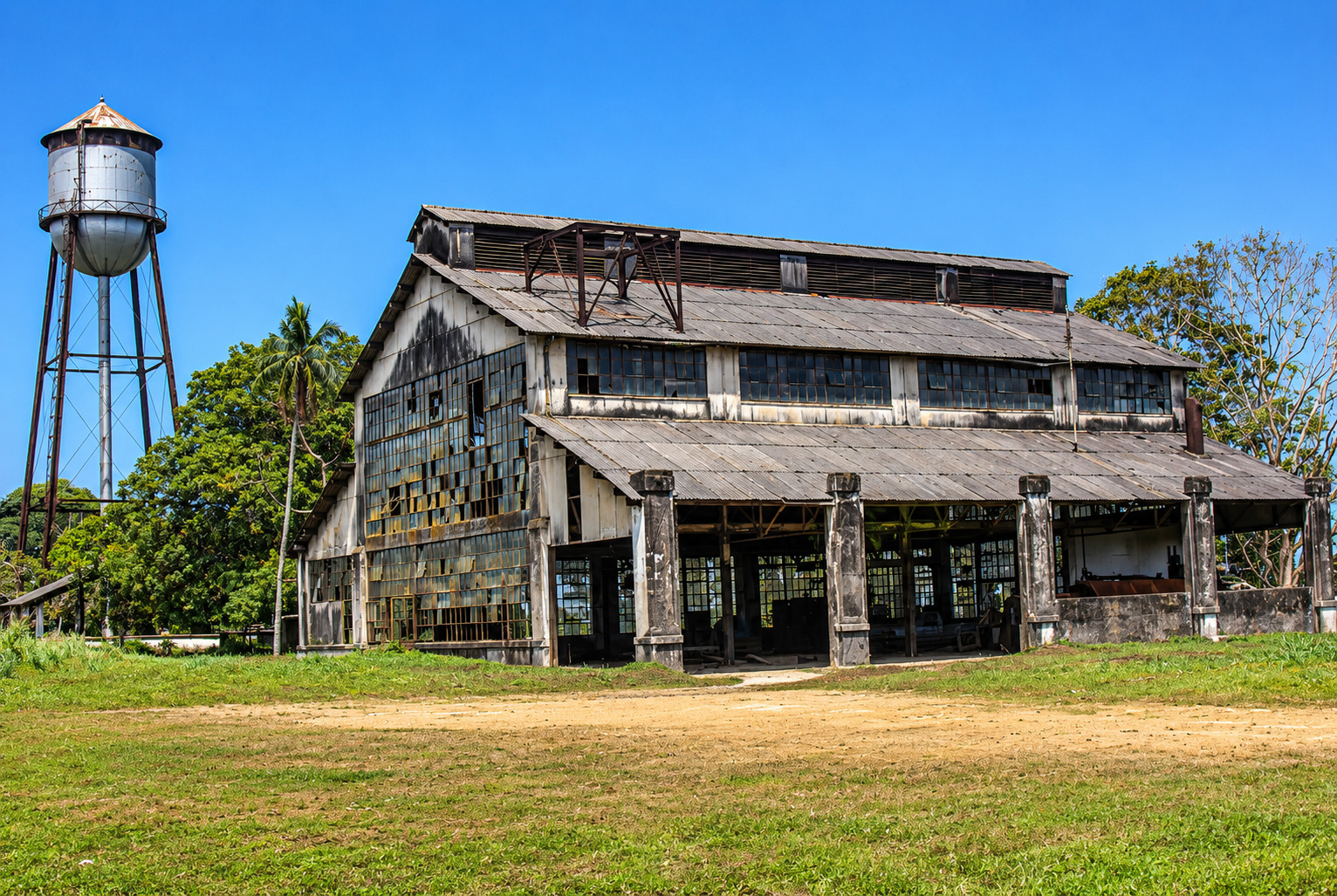
In 1926, Henry Ford launched one of the most ambitious projects in automotive history when he established an entire town in Brazil. The settlement, known as Fordlândia, was created to secure a reliable source of natural rubber, which was essential for manufacturing tires and other vehicle components.
Located deep within the Amazon rainforest, Fordlândia was designed as a planned community featuring American-style houses, schools, recreational facilities, and a hotel for visiting guests. The town was divided into separate areas for Brazilian workers and American managers, reflecting the social structure Ford wanted to create.
Unfortunately, the project faced numerous challenges. The rubber trees suffered from disease and pests, while workers struggled with the harsh tropical environment. As a result, production never met expectations. Ford abandoned the town in 1934 and later deserted a second rubber-producing settlement in 1945 after realizing that synthetic rubber was easier and more practical to manufacture. Today, approximately 3,000 people still live in Fordlândia, which remains a fascinating reminder of Ford's ambitious experiment.
Audi, BMW, and Mercedes-Benz’s Mapping Service
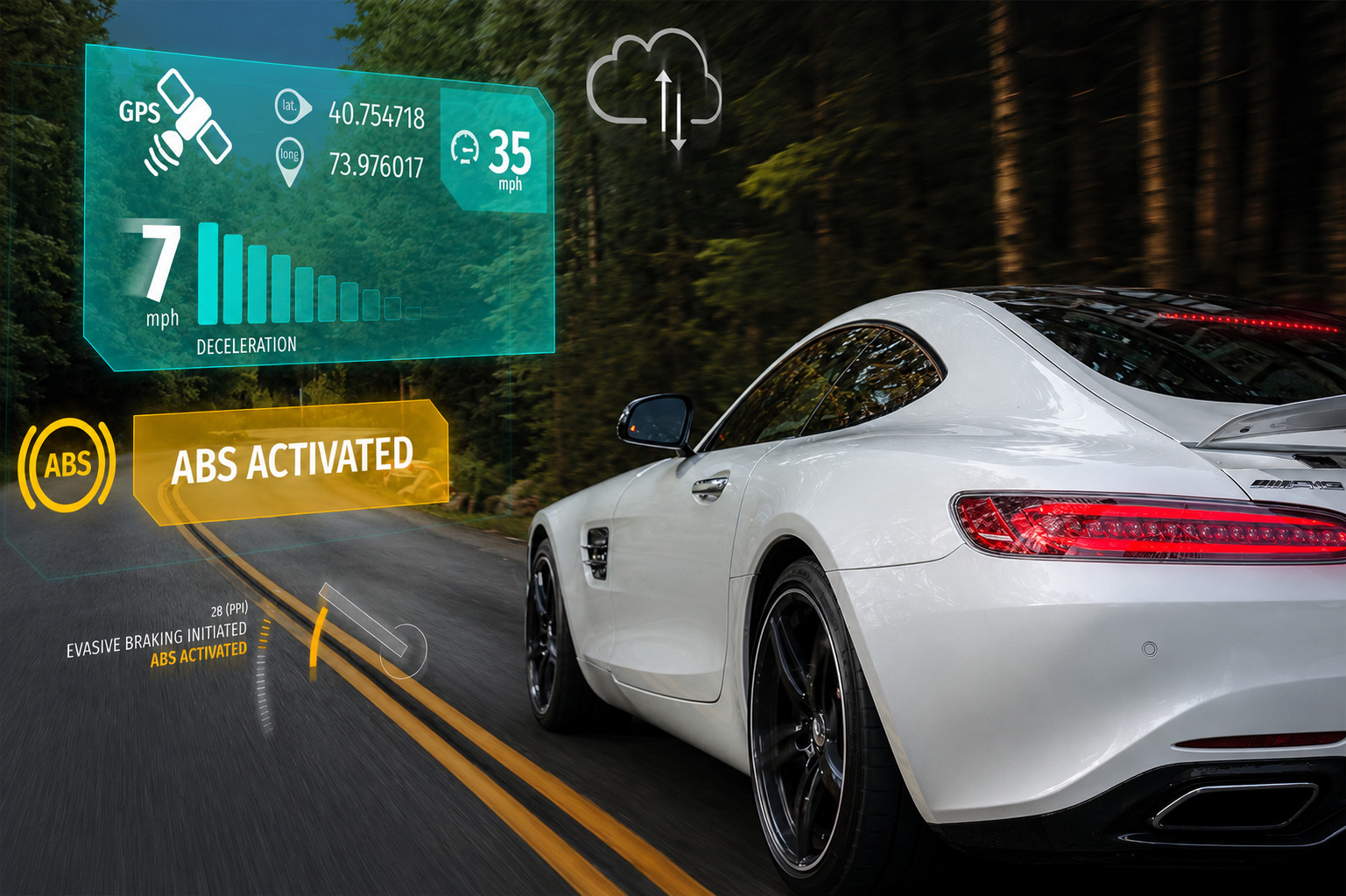
Although Audi, BMW, and Mercedes-Benz are fierce competitors in the luxury automobile market, they joined forces in 2015 to purchase the HERE mapping service from Nokia. Each company acquired an equal share in the business, which was previously known as Navteq.
The purchase was driven by the growing importance of digital mapping technology for self-driving vehicles. Daimler, Mercedes-Benz's parent company at the time, explained that owning a mapping service would allow automakers to shape future navigation systems according to their own needs rather than relying on technology companies such as Apple or Google. The acquisition highlighted how important digital technology had become to the future of transportation.
GM's Electronic Data Systems
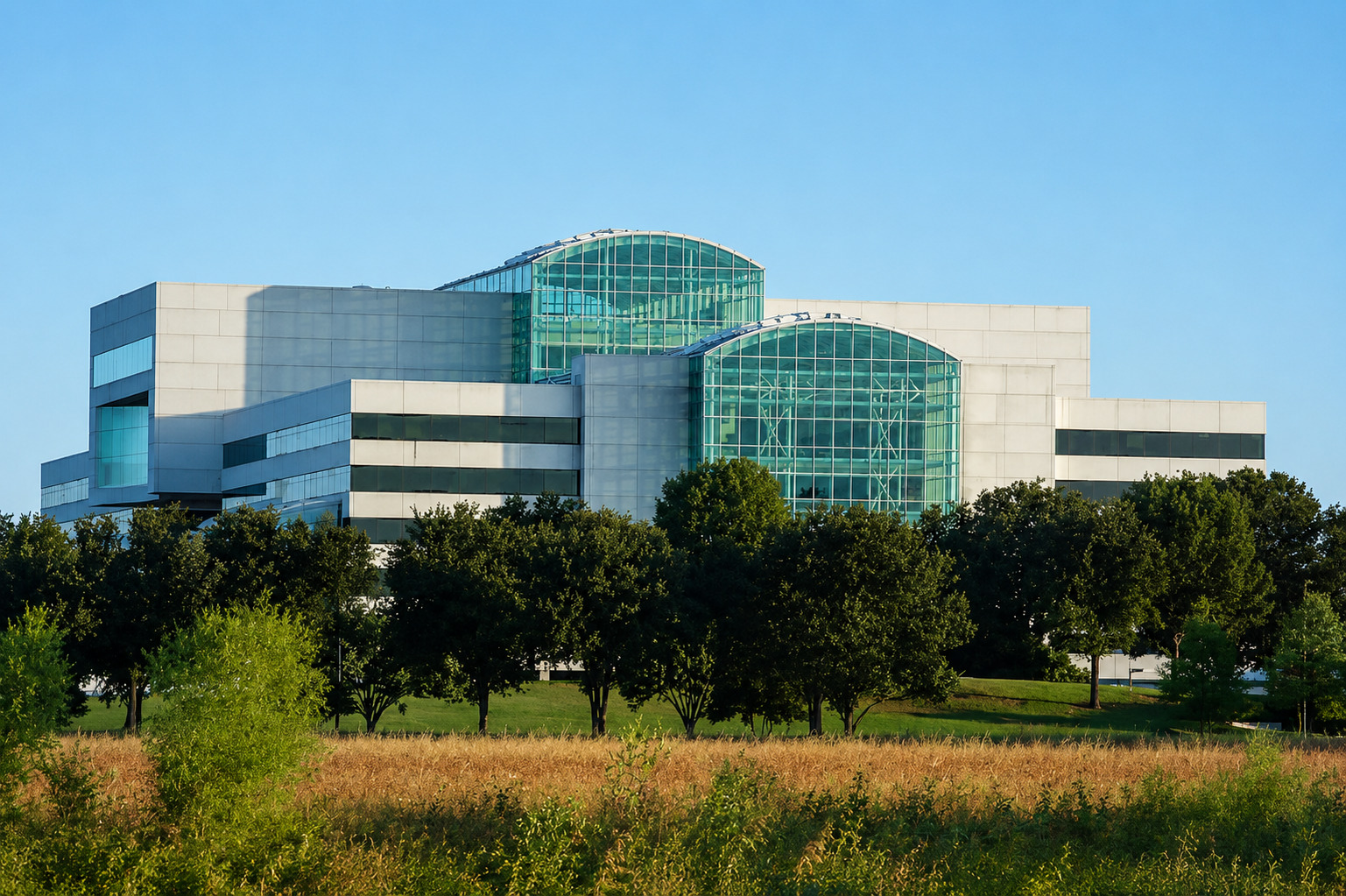
General Motors expanded beyond the automotive industry in 1984 when it purchased Ross Perot's computer services company, Electronic Data Systems, commonly known as EDS. Company executives believed the acquisition would help modernize GM's computer systems and improve efficiency by taking advantage of EDS's expertise in information technology.
The investment initially appeared promising, as EDS experienced strong growth shortly after the acquisition. However, over time, it became clear that the two organizations had very different corporate cultures and operating methods. Cooperation between the companies became increasingly difficult, and the relationship eventually deteriorated.
Recognizing that the partnership was not delivering the expected benefits, General Motors spun off EDS as an independent company in 1996. More than a decade later, Hewlett-Packard acquired EDS in 2008.
Also Read: This Expensive Beer Used Ingredients From Space
GM's Hughes Electronics Corporation
In 1985, General Motors outbid both Boeing and its long-time rival Ford, to acquire Hughes Aircraft from the estate of billionaire Howard Hughes. Following the acquisition, Hughes Aircraft was merged with Delco Electronics to form GM Hughes Electronics.
The aerospace expertise gained through Hughes allowed General Motors to introduce new technologies into its vehicles. One notable achievement was the development of the first production heads-up display, which appeared in the 1988 Oldsmobile Cutlass Supreme. Beyond automotive applications, the company manufactured satellites, missiles, and numerous other aerospace products.
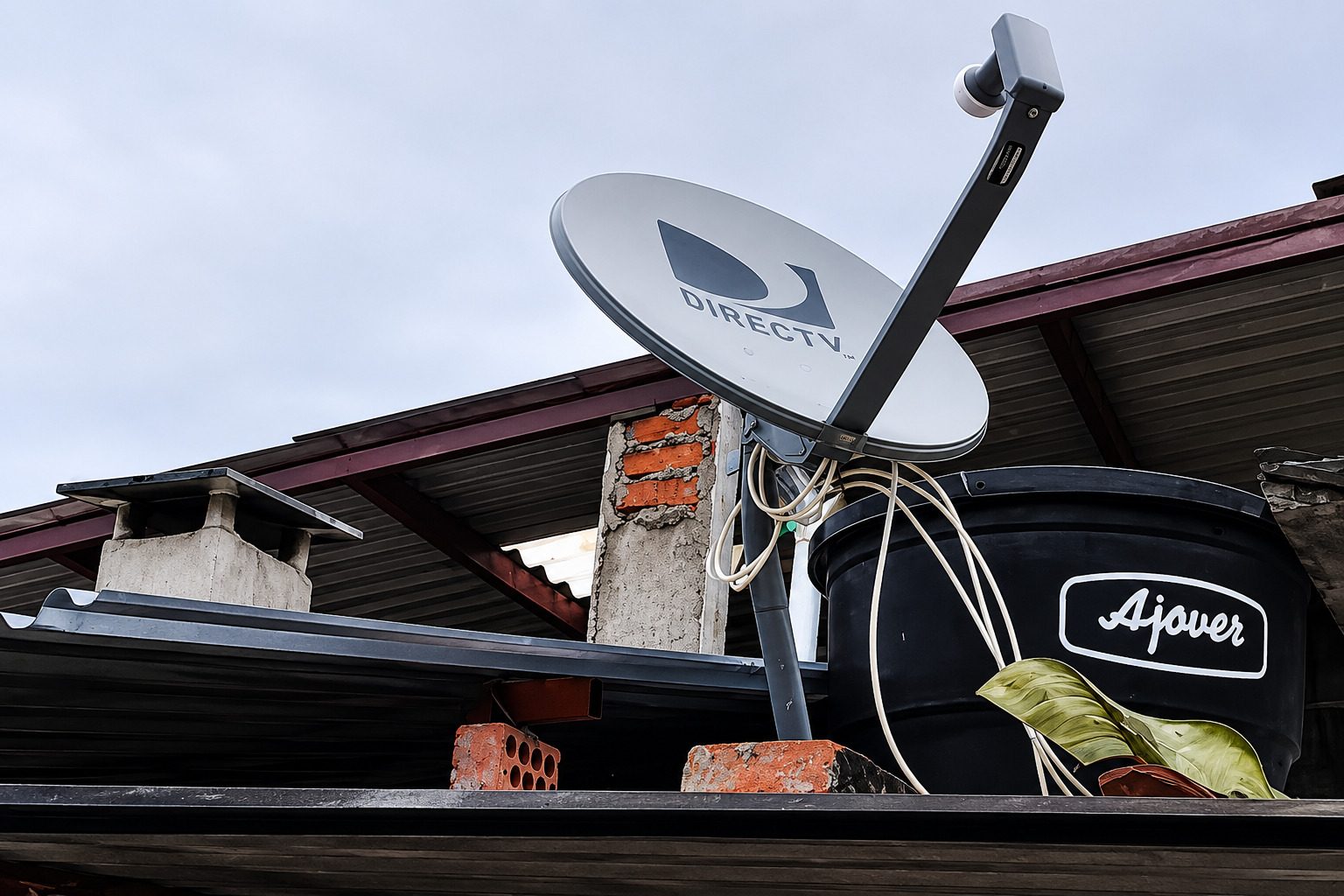
The business became even more widely known in 1994 when it launched DirecTV, a digital satellite television service that reached millions of American households. As profits declined during the late 1990s and early 2000s, General Motors gradually sold off most of its interests in the company. DirecTV eventually became part of AT&T.
Ford’s Sidewinder Missiles
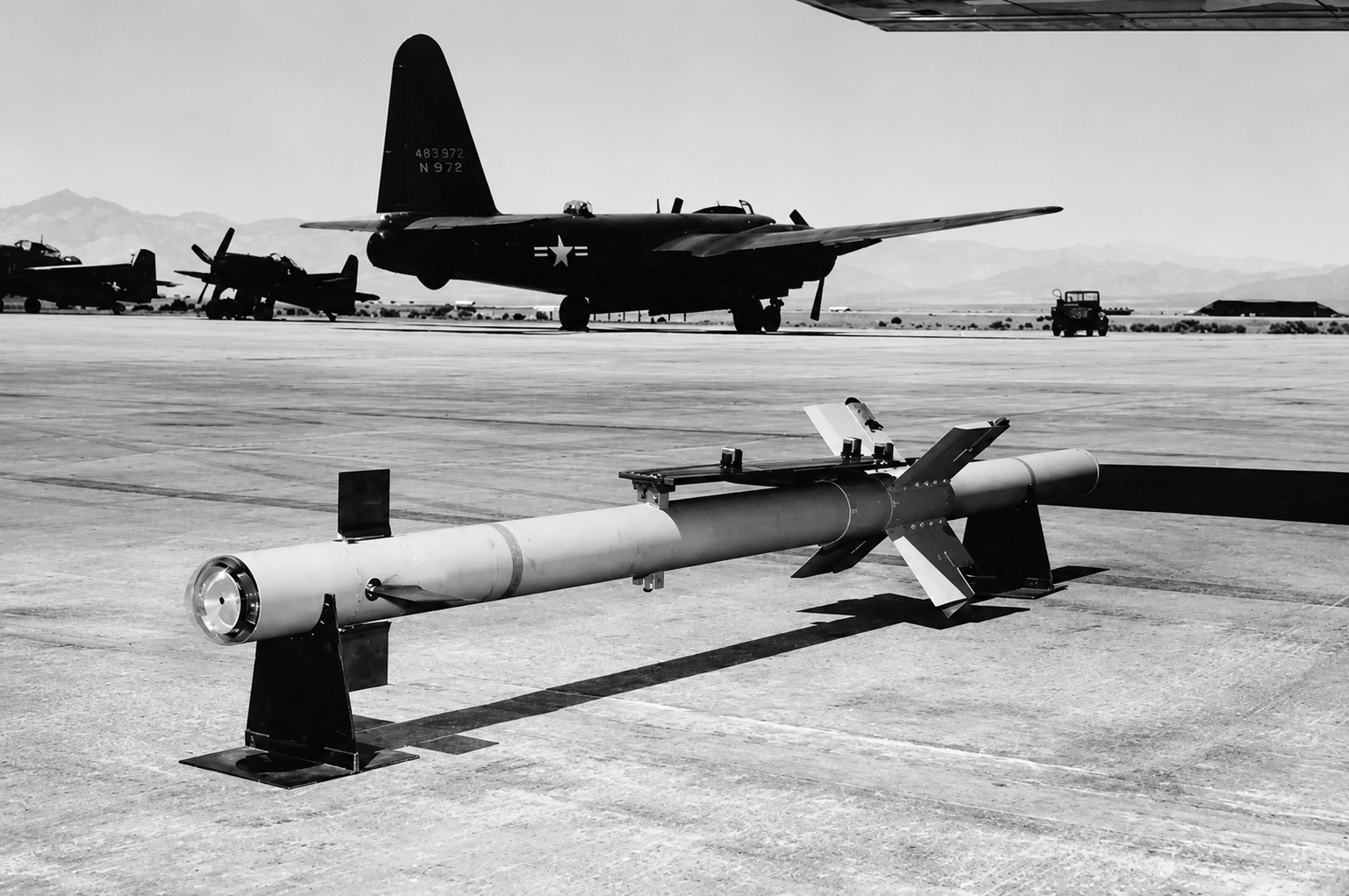
Ford entered the aerospace and defense industry in 1951 when Ford Aerospace secured a contract from the United States Navy to help engineer and manufacture components for the AIM-9 Sidewinder air-to-air missile. The company initially produced the missile's guidance and control systems while also providing logistical support.
The AIM-9 Sidewinder became one of the most successful and widely used missiles in military history. It saw extensive use during the Vietnam War and remains in service in various upgraded forms with military forces around the world.
Ford remained active in the aerospace business for decades before selling the division in 1990. The operation eventually became part of Lockheed Martin, one of the world's largest defense contractors.
Honda’s Robot
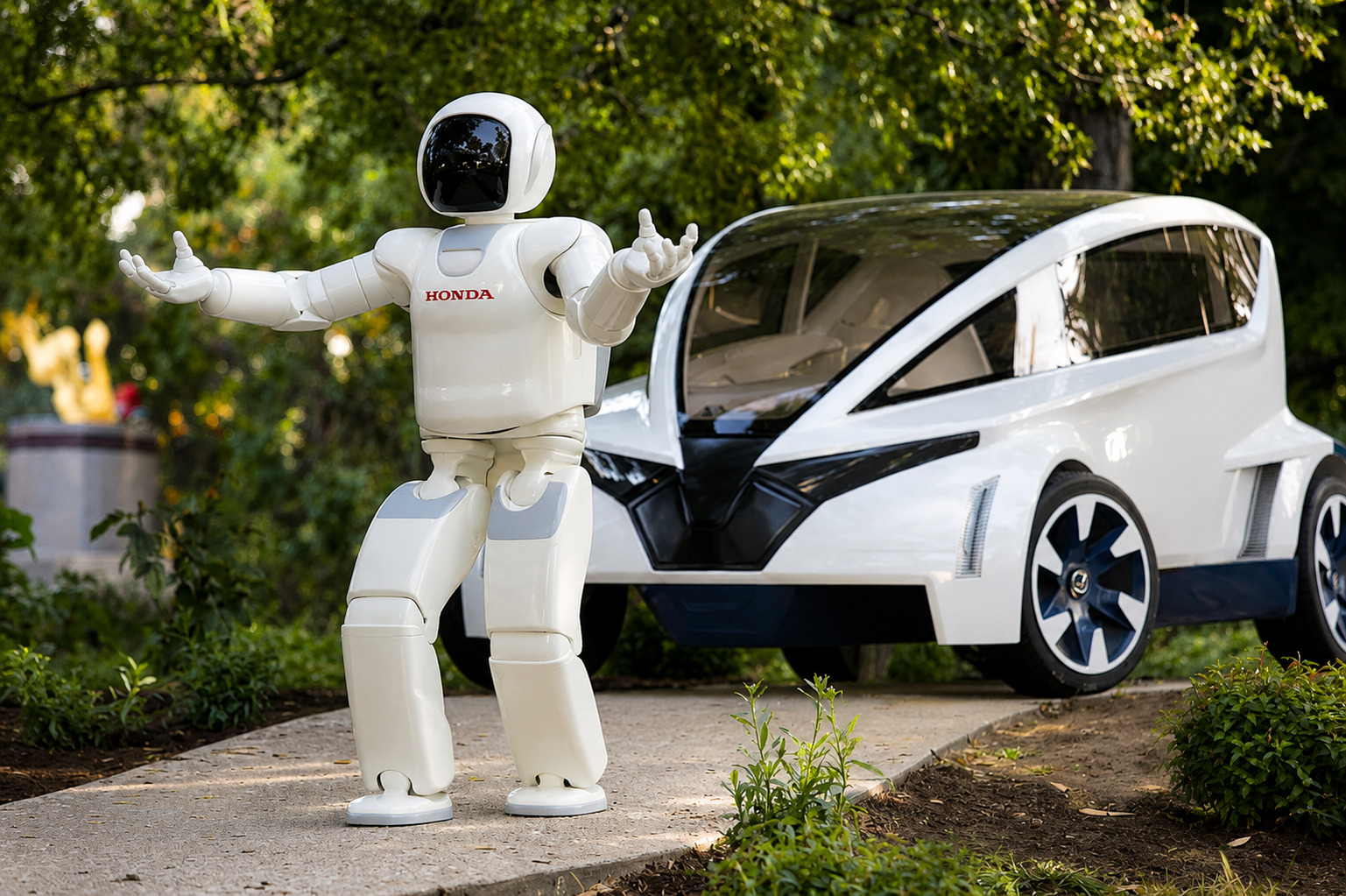
Honda is widely known for producing automobiles and motorcycles, but the Japanese company has also made significant contributions to robotics. One of its most famous creations is Asimo, a humanoid robot capable of walking, running, jumping, and interacting with people.
Asimo was designed to mimic human movement as closely as possible. The robot could recognize its own name, respond to commands, shake hands, and navigate around obstacles. It represented decades of research into artificial intelligence and robotics.
Over the years, Asimo became a global symbol of Honda's technological innovation. The robot regularly appeared at public events and demonstrations both in Japan and internationally. When not traveling, it was often displayed at Honda's headquarters in Tokyo.
Hyundai’s Trains
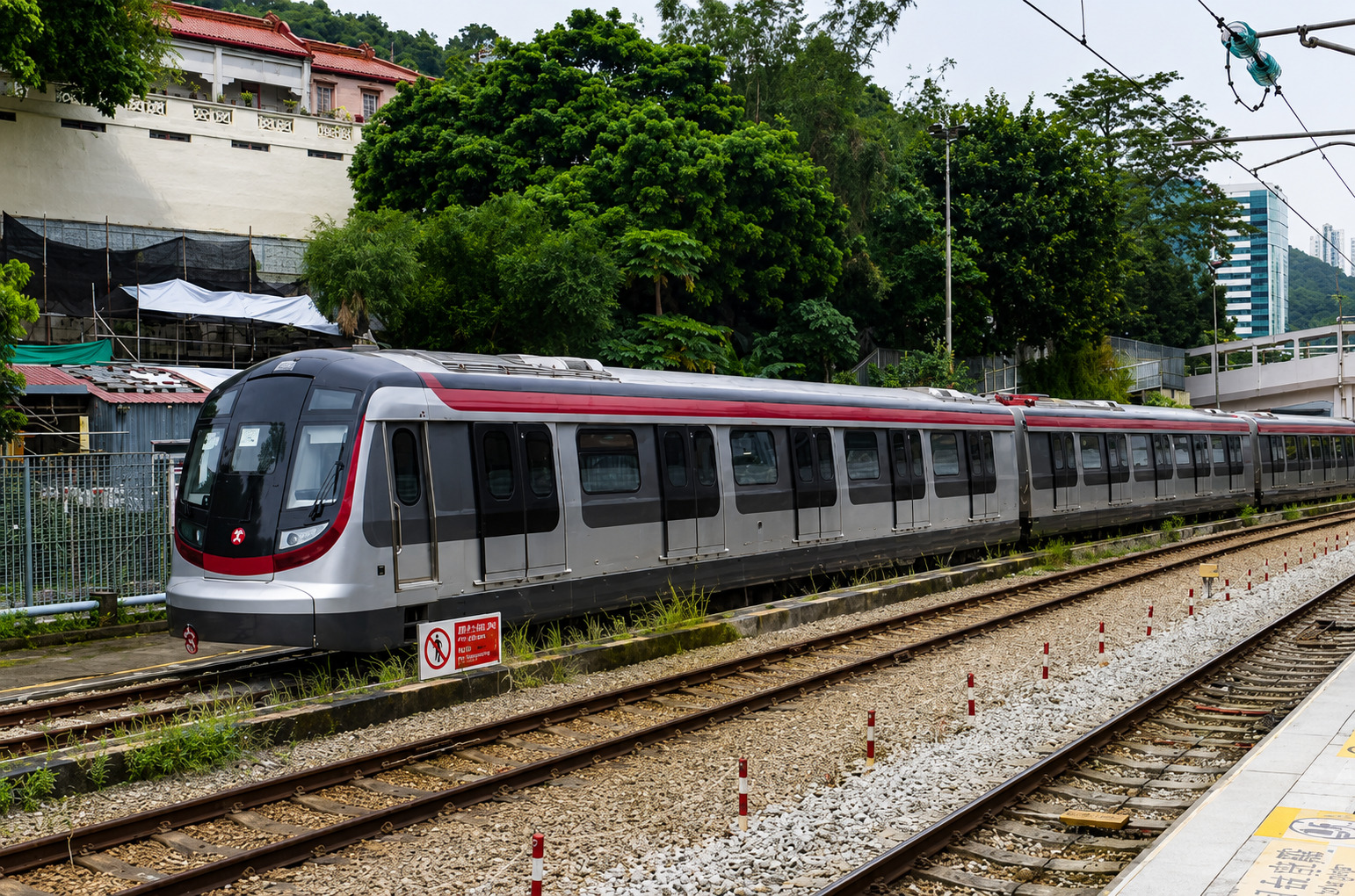
Hyundai is best known around the world for its automobiles, but the South Korean company has expanded into many other industries. Through its Hyundai Rotem division, the company designs and manufactures a wide range of railway vehicles, including light rail cars, high-speed trains, diesel-electric locomotives, and subway cars. Hyundai Rotem has supplied transportation systems to numerous countries, making it an important player in the global rail industry.
The company's activities extend far beyond rail transportation. Hyundai also produces industrial machinery, assembly-line equipment, artillery systems, aircraft components, and robots. This broad range of products demonstrates how the company has used its engineering expertise to become a major industrial conglomerate rather than simply an automobile manufacturer.
Ford’s Savings Accounts

Ford has also entered the financial services sector through its Ford Credit division. In the United Kingdom, Ford Credit obtained the banking license necessary to offer savings products to customers. These products include flexible cash savings accounts and other financial services designed to help customers manage their money.
According to the company's official information, Ford Credit manages billions of pounds every year. The division plays a significant role in Ford's business by providing financing for vehicle purchases and offering banking services. Other car manufacturers have adopted similar strategies. For example, Renault operates financial services through its RCI Banque division, which offers banking products in several European countries.
Also Read: Why NASA Carried Space Shuttles on Top of Boeing 747s
Mitsubishi’s Many Many Things
Mitsubishi is one of the most diversified business groups in the world. While many people recognize the Mitsubishi name because of its automobiles, the company is involved in a vast range of industries. Its businesses include mining, real estate, banking, oil refining, shipbuilding, transportation, and advanced manufacturing.
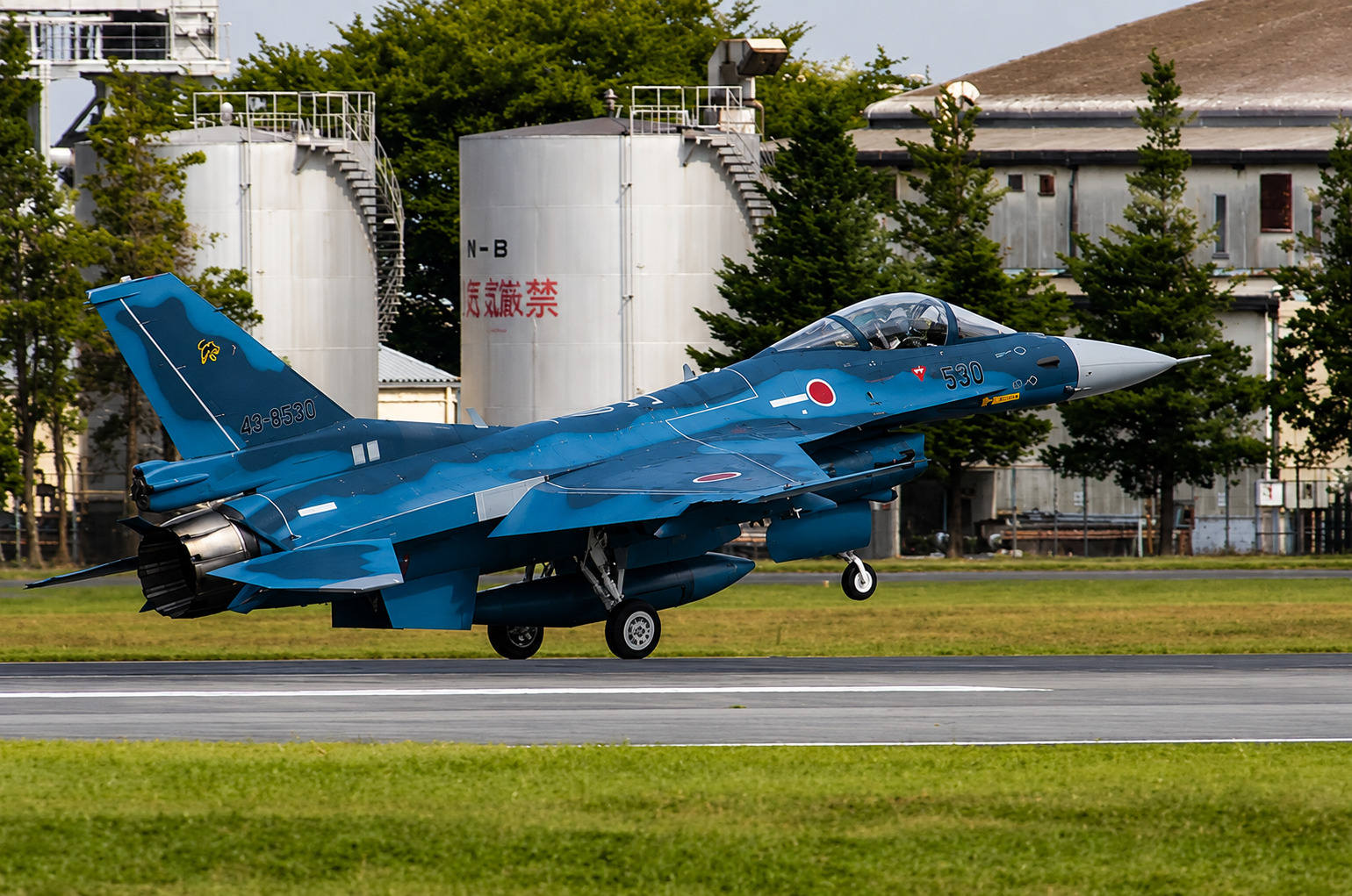
The group has a long history in aerospace and defense. During the Second World War, Mitsubishi built the famous Zero fighter aircraft for Japan. Today, it continues to manufacture military aircraft under license, including Japanese versions of the F-15, F-16, and F-35 fighter jets. Mitsubishi also produces air-conditioning systems, industrial equipment, and electronic systems that are used in offices, factories, and homes around the world.
Peugeot Bicycles
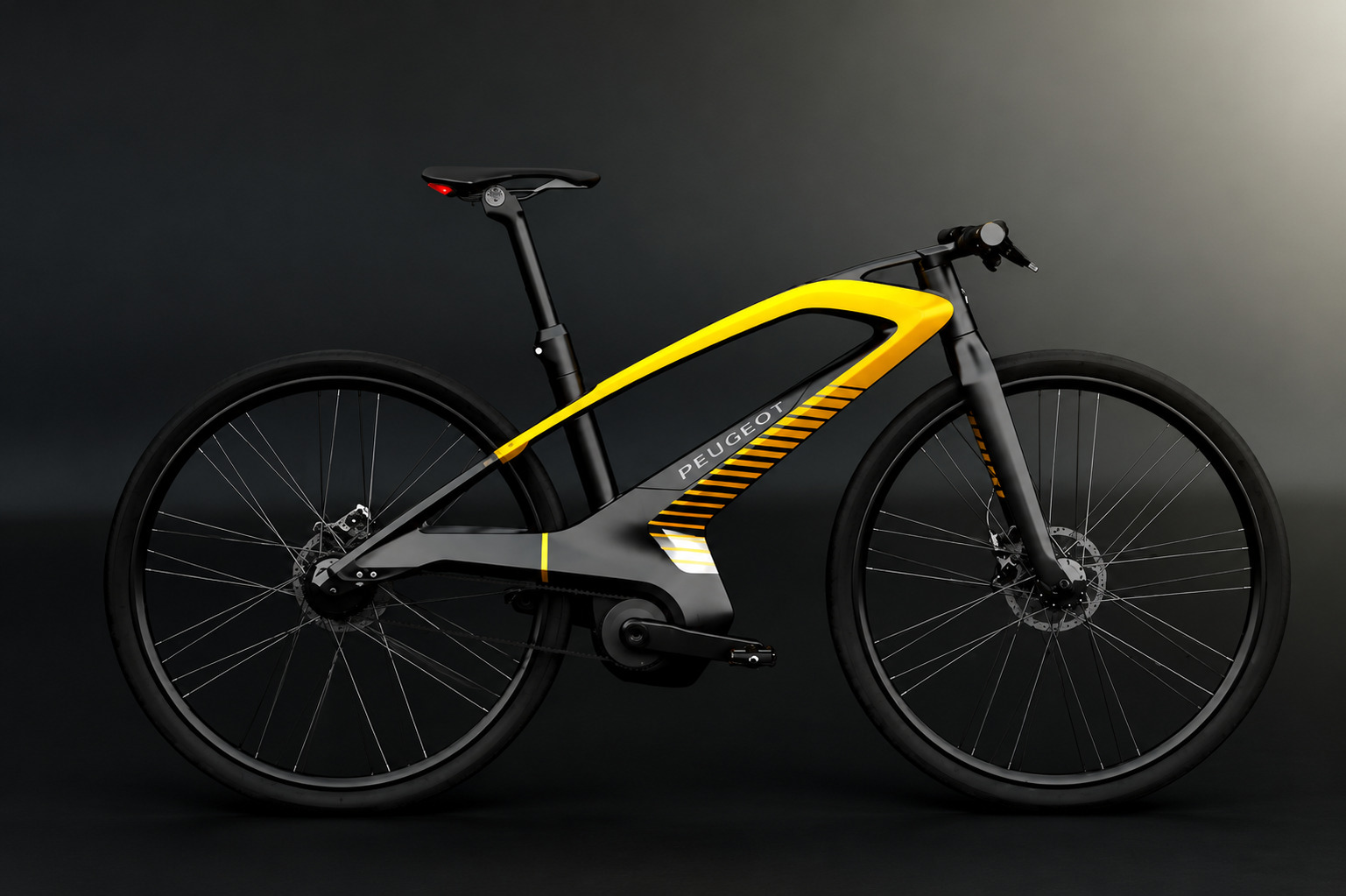
Peugeot's history in transportation began long before the company started building automobiles. In 1882, Peugeot introduced its first high-wheeler bicycle. As cycling became more popular during the late nineteenth century, the company expanded its range to include tricycles and bicycles with equal-sized wheels.
The bicycle and automobile divisions eventually became separate businesses in 1926. Despite the separation, Peugeot bicycles have continued to be produced and remain well known among cycling enthusiasts. Today, the brand operates as part of the Cycleurope group, which also manufactures bicycles under names such as Bianchi, Puch, and Gitane.
Tata’s Hotels
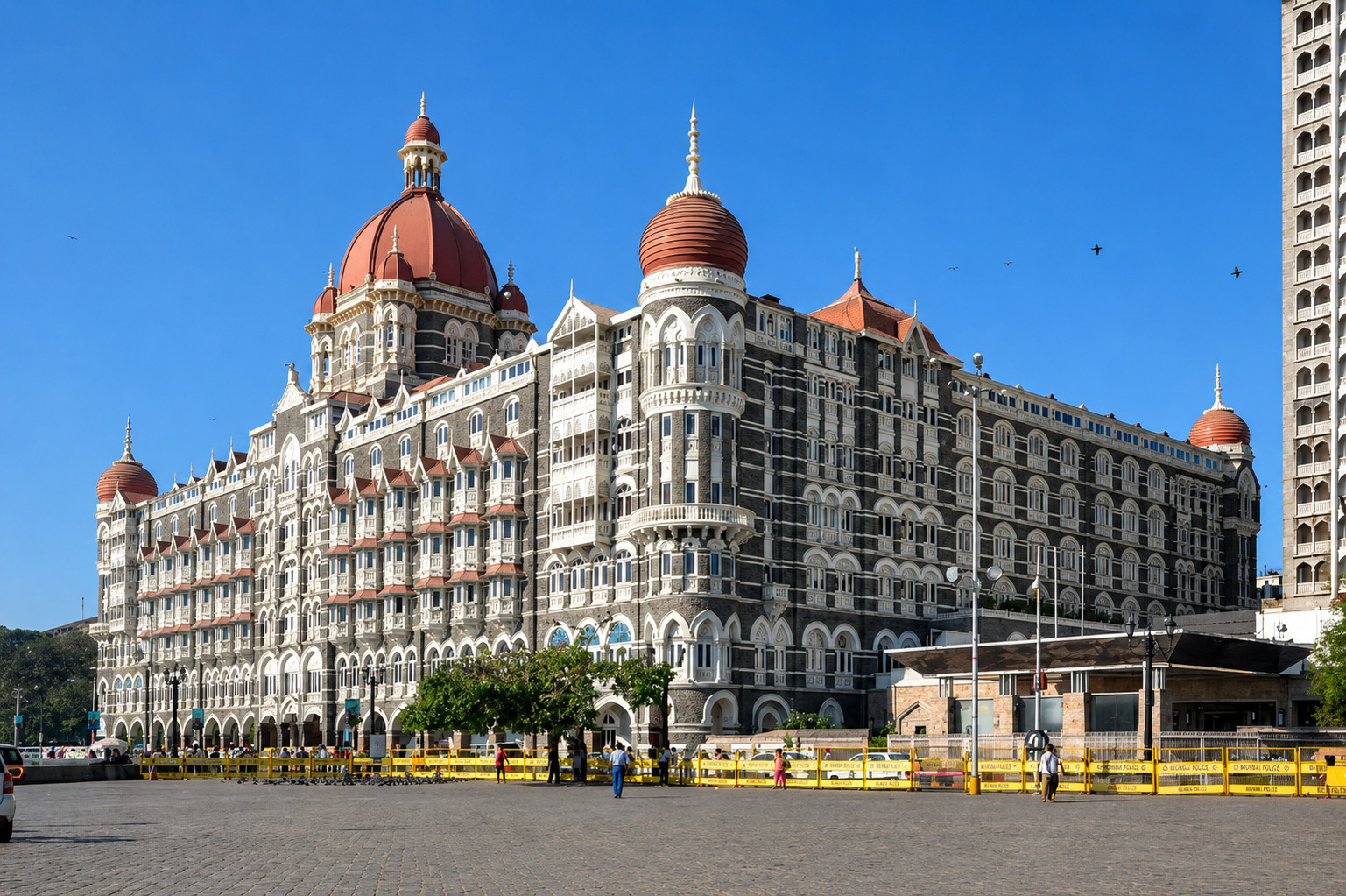
Tata is widely known in the automotive world because it owns Jaguar and Land Rover, but the Indian conglomerate has interests in many other sectors. One of its most famous businesses is hospitality. Tata entered the hotel industry in 1903 when it opened the luxurious Taj Mahal Palace Hotel in Mumbai.
Over the years, the Indian Hotels Company grew into one of the largest hotel groups in Asia. However, hotels represent only a small part of Tata's enormous business empire. The group operates more than 100 companies involved in technology, telecommunications, insurance, beverages, aviation, and many other industries. Tata companies provide computer services, produce coffee and tea, offer life insurance, and even operate airlines. This vast network of businesses makes Tata one of the most diversified corporations in the world.
Peugeot’s Salt, Pepper, and Coffee Grinders
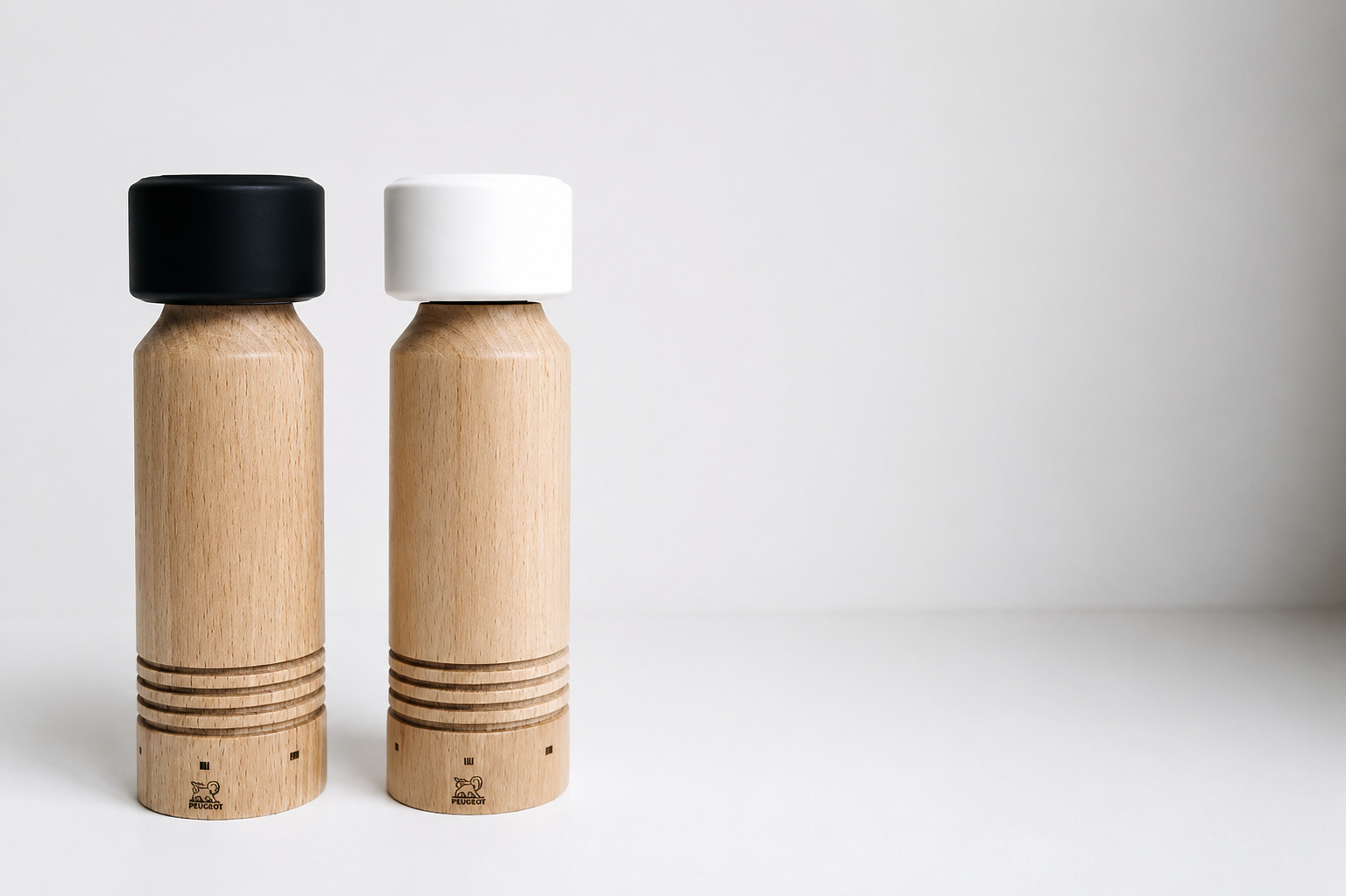
Many people are surprised to learn that Peugeot's history in kitchen products predates its involvement in automobiles. The company introduced its first coffee grinder in 1840 and entered the pepper grinder market in 1874.
Its first pepper grinder, known as the Model Z, was originally made from porcelain. Over time, wood became the preferred material, but the basic design remains largely unchanged and continues to be produced today. Although the grinder business and the automobile division operate independently, both remain connected through the Peugeot family, which continues to hold ownership interests in the businesses.
Tonino Lamborghini’s Coffee
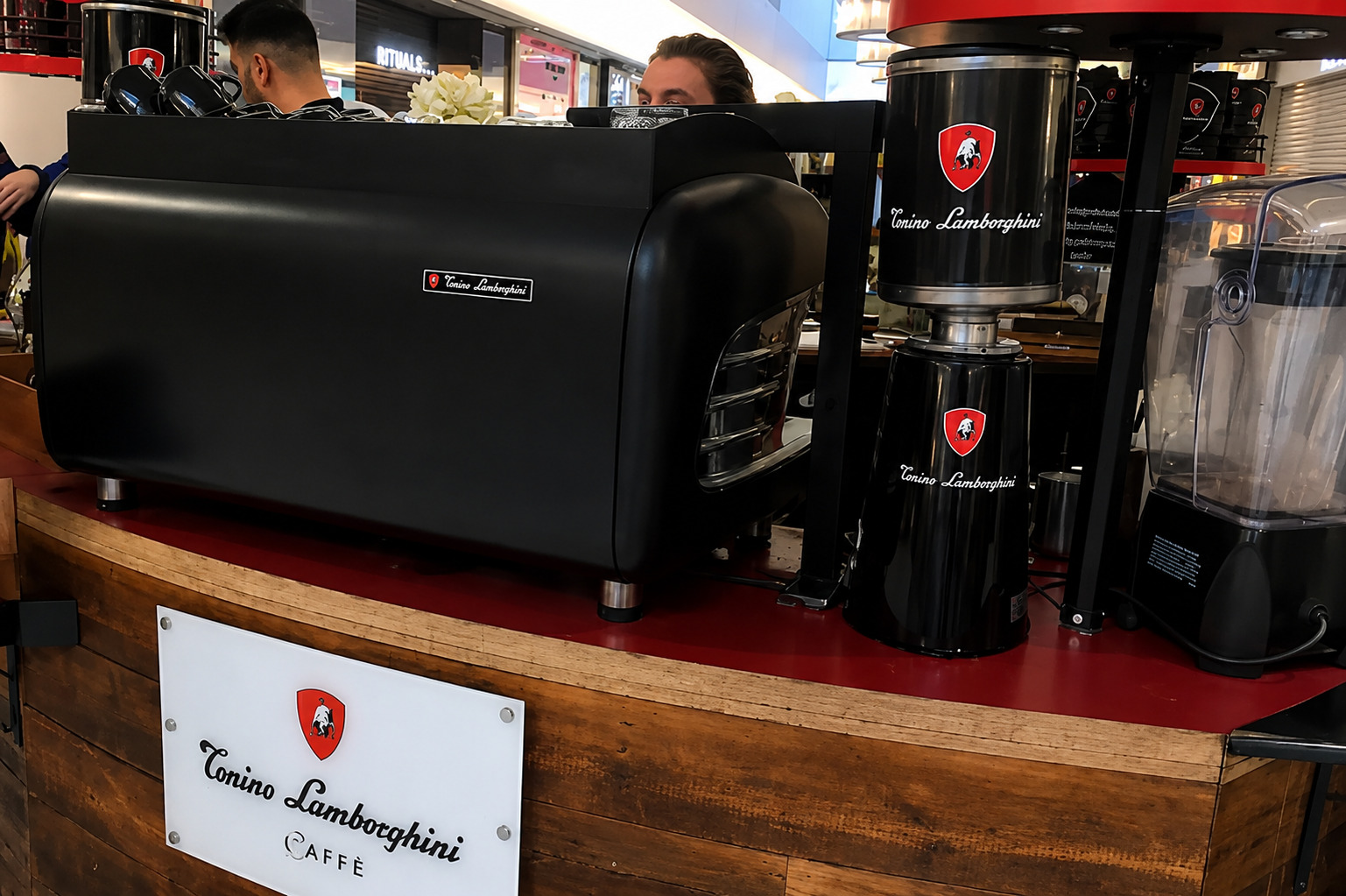
Ferruccio Lamborghini sold the Lamborghini automobile company in 1974 and later retired to focus on wine production and other personal interests. Although the modern Lamborghini car company became part of the Volkswagen Group, Ferruccio's family continued using the Lamborghini name in other ventures.
His son created the Tonino Lamborghini brand, which focuses on luxury lifestyle products. The brand produces sunglasses, watches, wallets, ties, and numerous other accessories. It has also expanded into food and beverages, offering coffee, chocolate, vodka, and energy drinks. Through these products, the Lamborghini name continues to appear far beyond the automotive industry.
Tesla’s Home Batteries

Tesla is known primarily for electric vehicles, but the company has also expanded into energy storage and renewable power. One of its most successful non-automotive products is the Powerwall, a rechargeable home battery system.
The Powerwall stores electricity generated by solar panels or supplied by the electrical grid. During power outages, the stored energy can keep a home running for extended periods. Tesla promotes the system as a way for homeowners to increase energy independence and reduce reliance on traditional utility companies. The company also manufactures solar panels, creating a complete residential energy solution.
Also Read: How NASA Secretly Hid an SR-71 in Plain Sight
Peugeot Power Tools
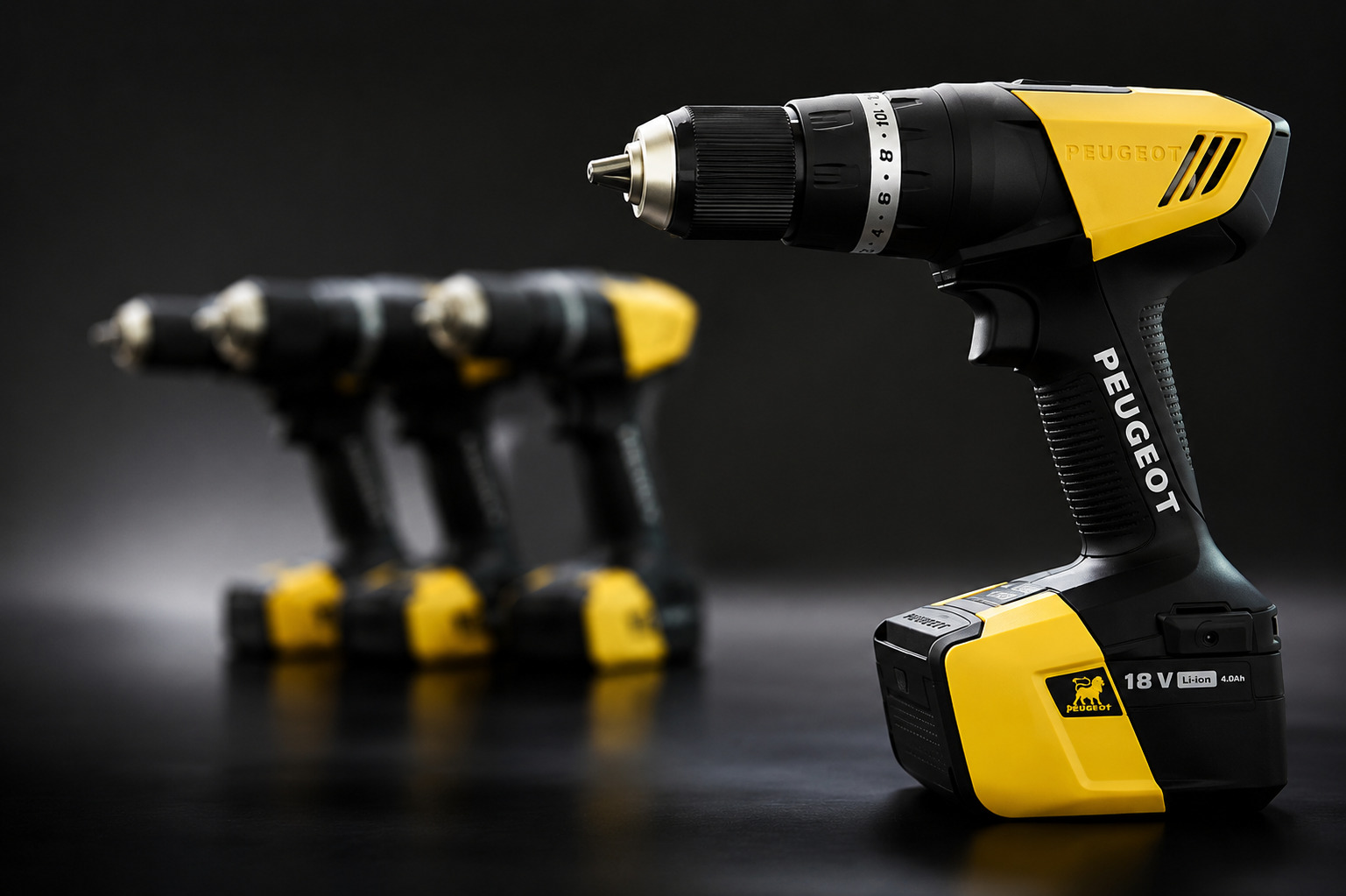
Long before entering the automotive industry, Peugeot built a reputation as a manufacturer of tools. The company began producing hand tools in 1810, making items such as saws, drills, grinding equipment, drill bits, and clamps.
Tool manufacturing remained an important part of Peugeot's business for generations. However, in 2012, the Peugeot family sold the rights to the tool-making operation to a French company named MPO. Despite the sale, Peugeot's long history in tool production remains an important part of the company's heritage.
Toyota’s Houses

Toyota entered the housing market in 1975, applying its manufacturing expertise to residential construction. The company designs and builds prefabricated houses in Japan that are assembled using factory-produced components.
Toyota offers several types of homes, some of which can be completed in as little as 45 days. These houses are designed to meet modern standards of comfort, efficiency, and durability. The company also provides warranties that can last up to 60 years, demonstrating confidence in the quality of its construction methods.
GM’s Trains
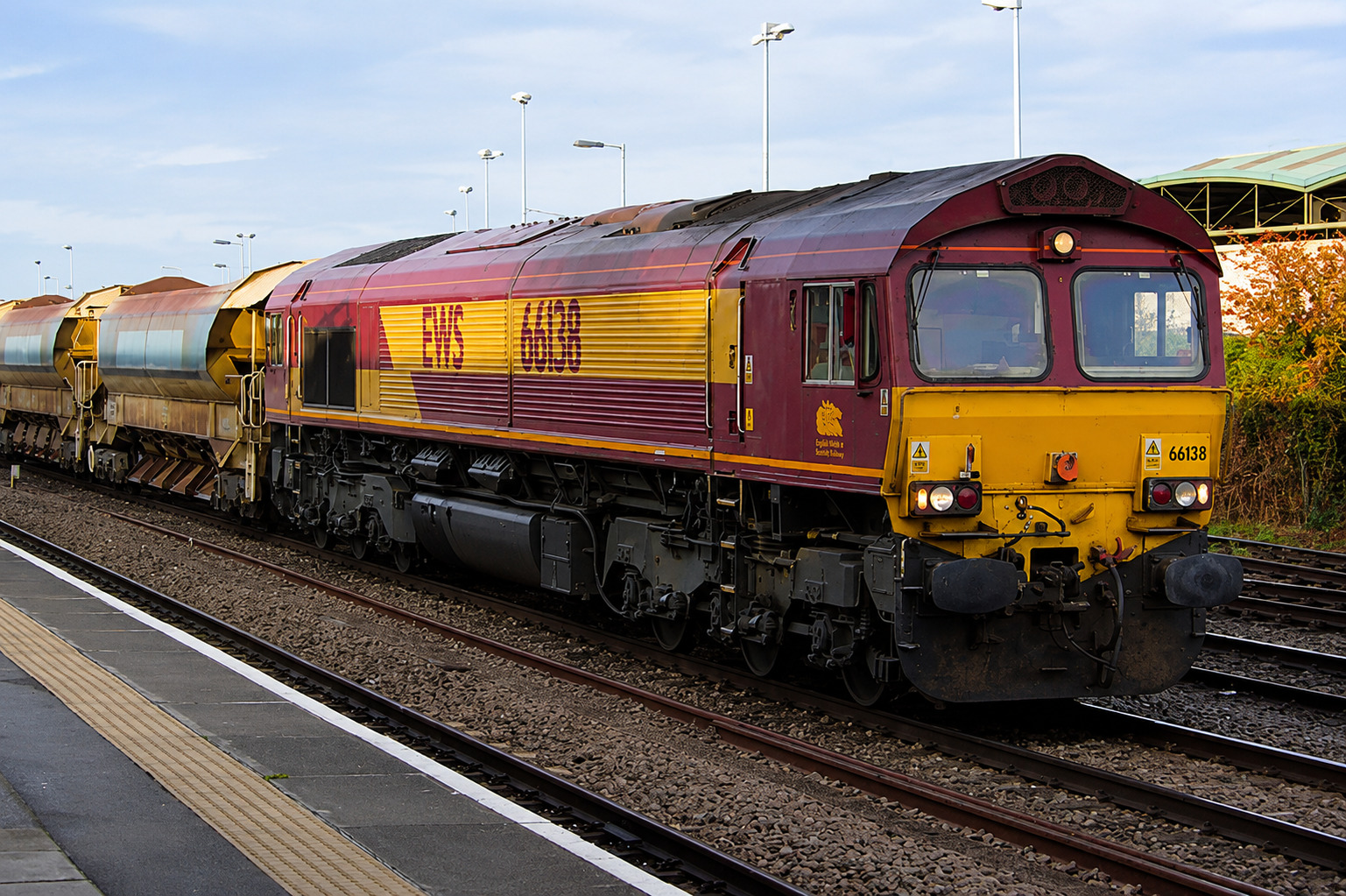
General Motors entered the railway business in 1930 when it purchased the Electro-Motive Company. At the time, GM executives believed that rail transportation would eventually move away from steam power and adopt diesel engines.
The prediction proved correct. Electro-Motive became one of the largest manufacturers of diesel locomotives in North America and competed closely with General Electric. The company exported locomotives around the world and helped transform rail transportation during the twentieth century. Although General Motors eventually sold the business in 2005, its influence on railway technology remains significant.
Citroën’s V-shaped Gears
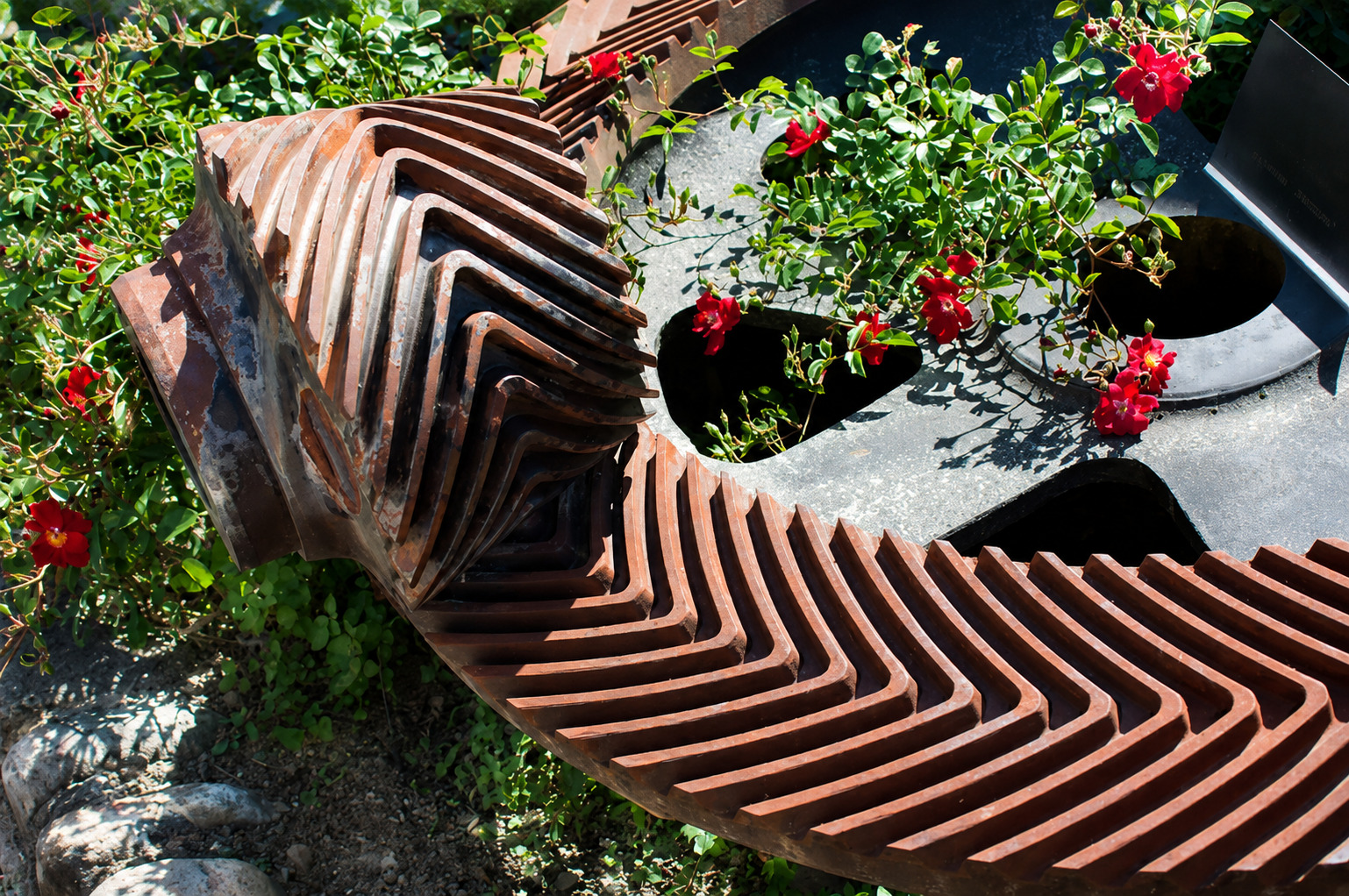
Before founding the automobile company that bears his name, André Citroën built a successful business producing gears with distinctive V-shaped teeth. These gears were stronger and quieter than many alternatives available at the time.
Citroën obtained patents for the design and established manufacturing operations in both France and Russia. His gears were supplied to numerous industrial clients, helping him build the financial foundation that later supported his automotive ambitions.
When André Citroën founded his automobile company in 1919, he chose a logo inspired by the V-shaped gear teeth. The famous double-chevron emblem remains one of the most recognizable automotive logos in the world today.
Toyota’s Speedboats
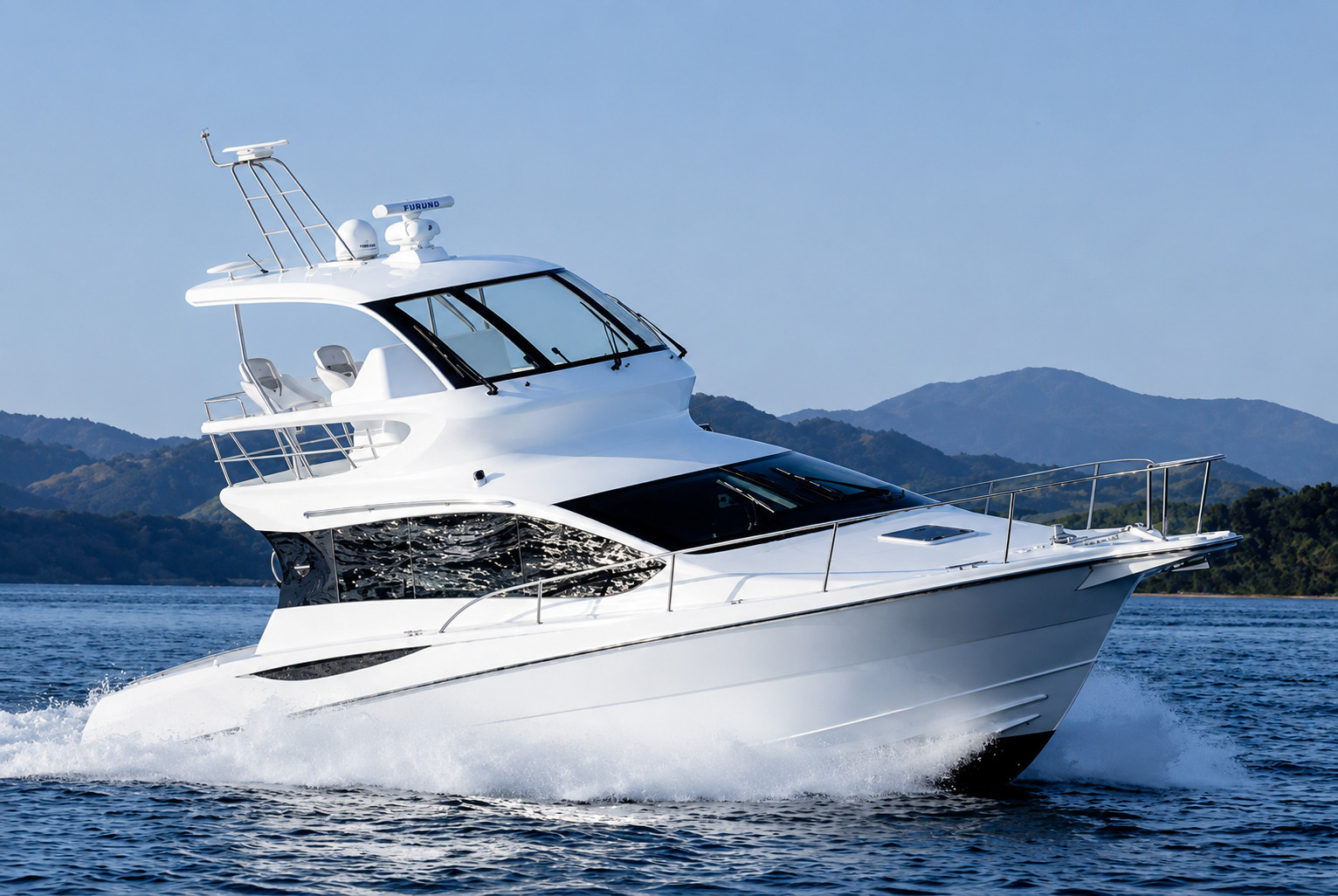
Toyota expanded into the marine industry in 1990, bringing its engineering expertise from automobiles into the world of luxury boating. The company recognized that many of the technologies used in vehicles could also be applied to boats, particularly engines, reliability systems, and manufacturing processes.
One of Toyota's most notable marine products is the Ponam 35, a luxury speedboat powered by two 4.5-liter V8 diesel engines similar to those used in the Toyota Land Cruiser. Together, these engines produce approximately 740 horsepower and allow the vessel to reach speeds of around 30 knots, or about 35 miles per hour. Measuring nearly 12 meters in length, the boat can comfortably carry up to 12 passengers.
Unlike Toyota's mass-produced automobiles, the Ponam 35 is built in very limited numbers. The company manufactures only around 15 of these boats each year, making them highly exclusive products aimed at wealthy buyers seeking luxury and performance on the water.
Also Read: This ‘Virtual Train’ Lets Elderly Couples Travel the World Without Leaving Home
Citroën's Helicopter
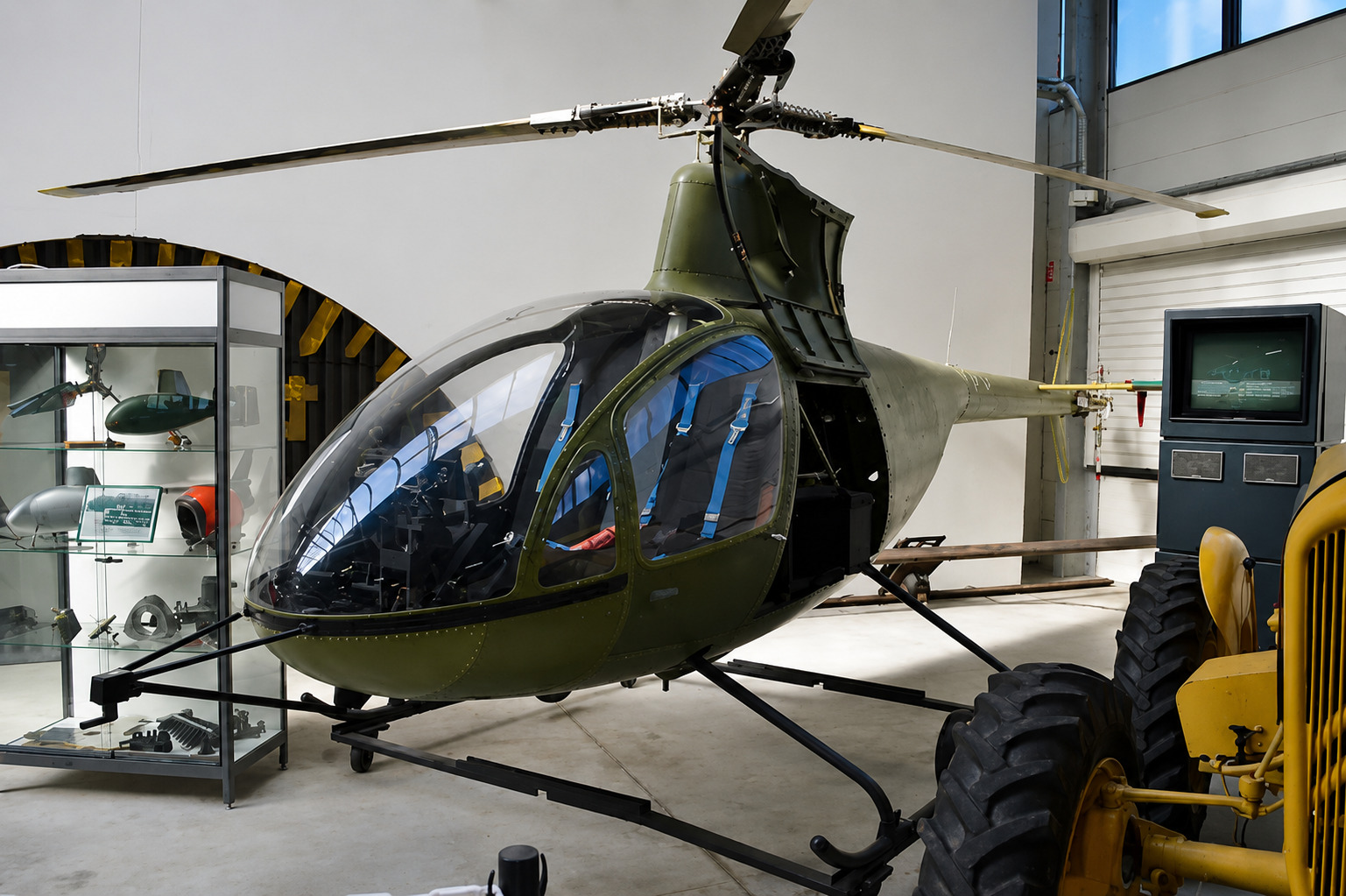
Citroën once attempted to enter the aviation industry by developing a personal helicopter known as the RE-2. The project emerged as part of the company's effort to find new applications for rotary engine technology developed through Comotor, a joint venture with German automaker NSU.
The helicopter used a modified version of the Wankel rotary engine that had previously powered the Citroën GS Birotor. Engineers equipped the aircraft with larger rotors and an improved fuel injection system designed specifically for aviation use. During testing, Citroën even removed the prototype's doors as a precautionary safety measure, allowing pilots to escape more easily if something went wrong.
Although the helicopter successfully flew, it suffered from significant engine overheating problems at higher engine speeds. These issues prevented it from obtaining the certifications necessary for commercial use. Development progressed slowly until Peugeot acquired Citroën and decided to terminate the project, directing the company to focus on more profitable automotive ventures. By the time development ended, the RE-2 had accumulated only 38 hours of flight time.
Honda's Private Jets
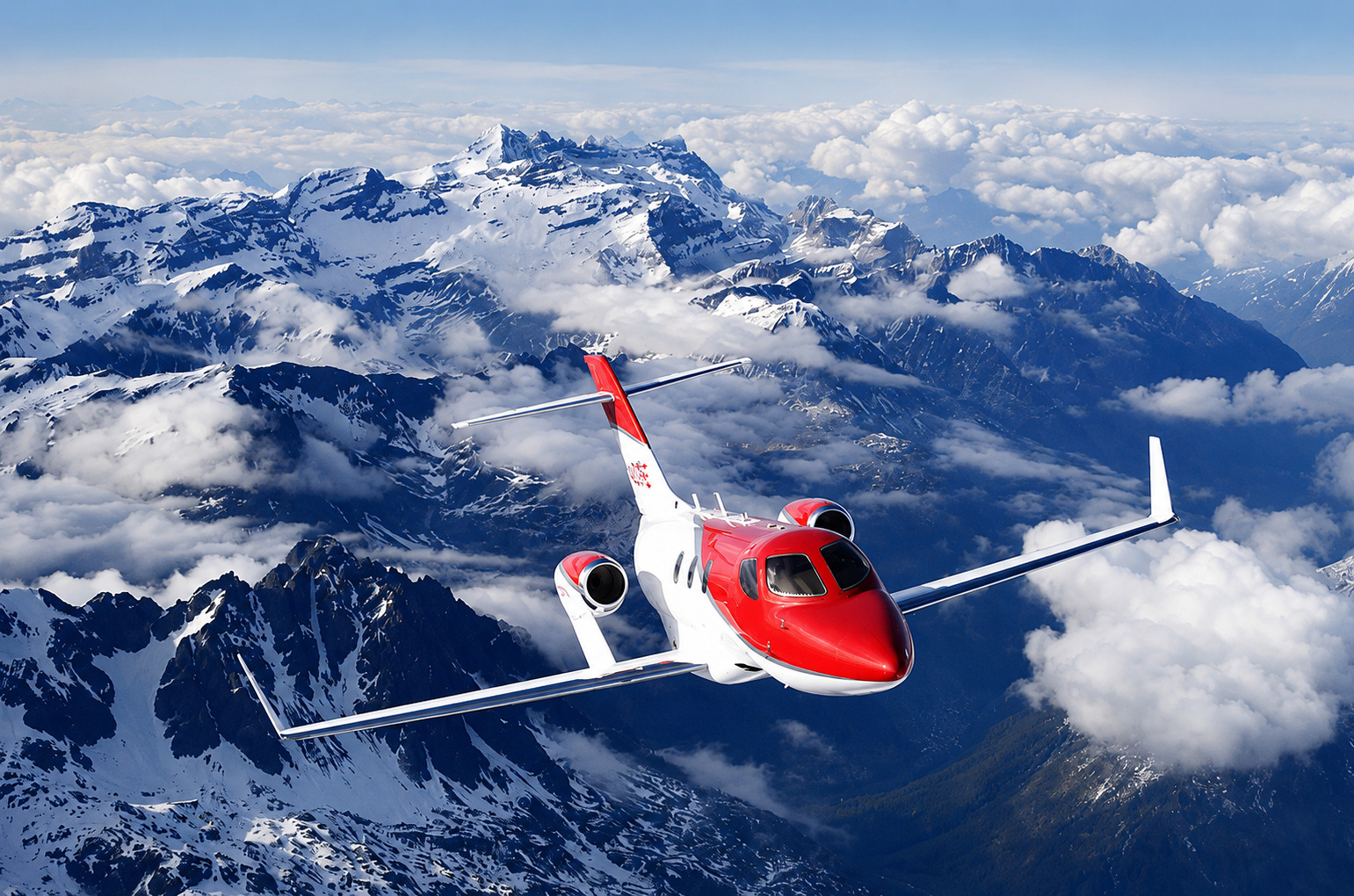
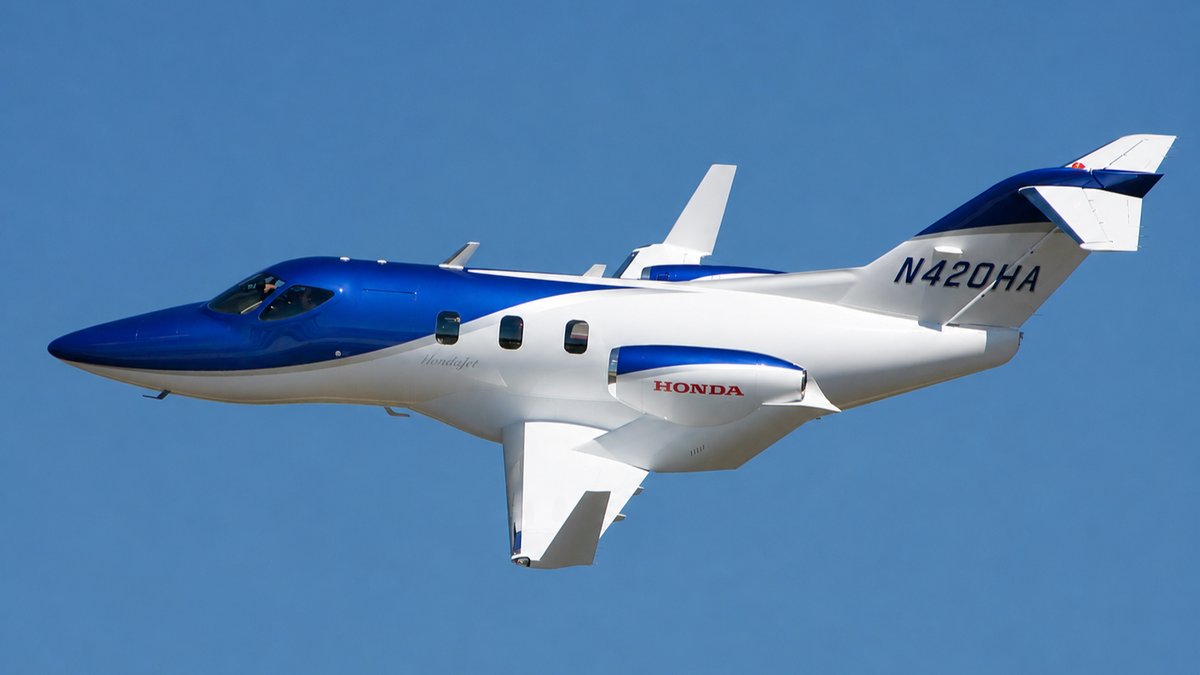
Honda's ambitions extend well beyond motorcycles and automobiles. The company entered the aviation industry with the development of the HondaJet, officially known as the HA-420.
Designed as a compact business jet, the HondaJet offers seating for up to six passengers and two crew members. It targets private owners, business executives, and charter operators seeking a modern and efficient aircraft. One of the aircraft's most distinctive features is the placement of its engines above the wings, a design that improves cabin space and fuel efficiency.
The HondaJet is manufactured at Honda's facility in Greensboro, North Carolina. Since entering production, it has become one of the best-selling aircraft in its category. More than 200 examples have been built, demonstrating that Honda's engineering expertise can succeed not only on roads but also in the skies.
Volkswagen’s Sausages
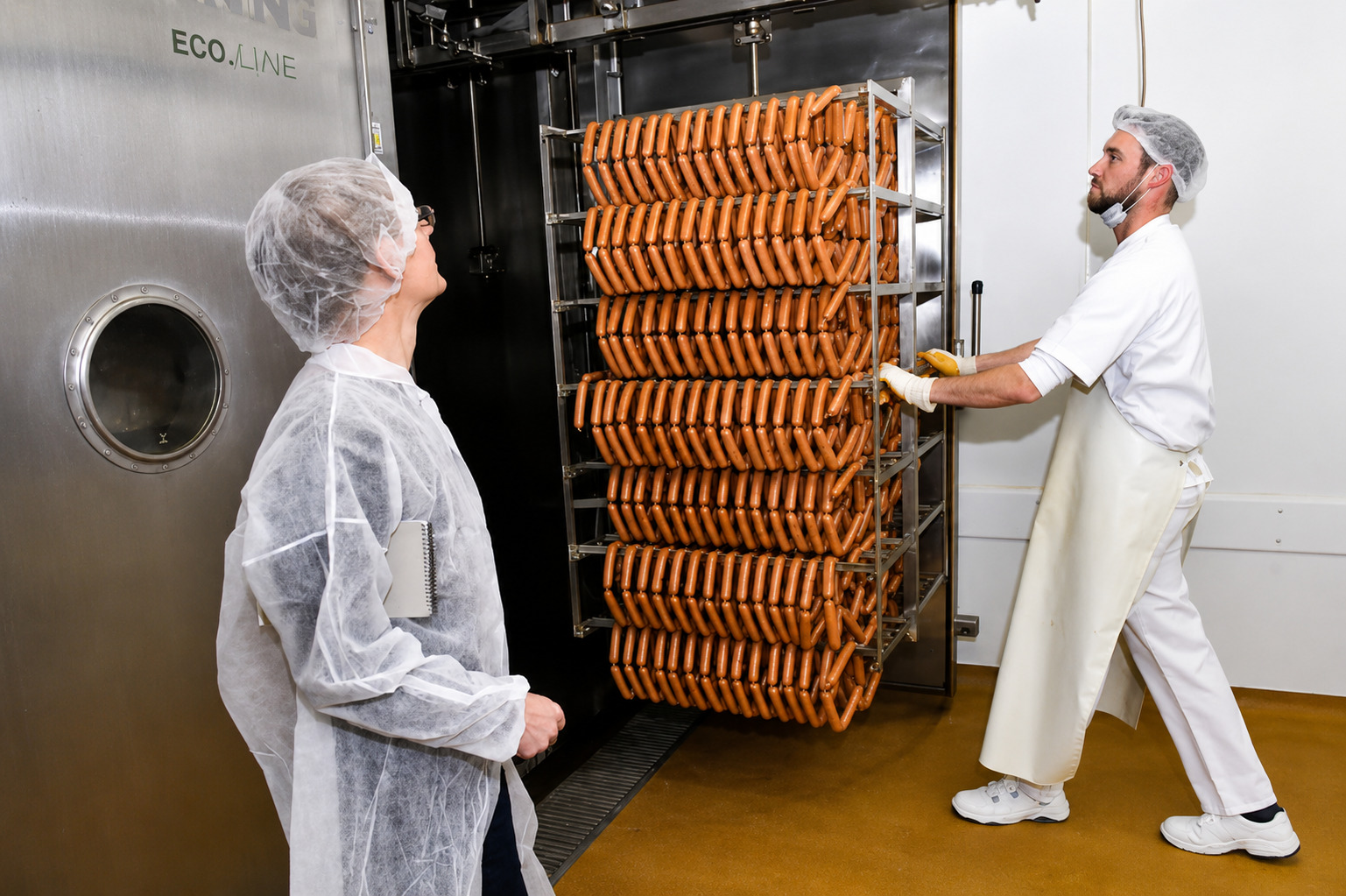
One of Volkswagen's most surprising products is a food item rather than a vehicle. For decades, the German automaker has produced pork sausages used to make currywurst, a popular German fast-food dish.
The sausages are manufactured for employees working at Volkswagen facilities, served in company-owned restaurants, and sold during special events such as automotive exhibitions and classic car gatherings. In some areas, they are even available in local grocery stores. Volkswagen also produces its own ketchup specifically designed to accompany the sausages.
The product has become remarkably successful. Volkswagen manufactures approximately seven million sausages every year, a number that often exceeds the company's annual vehicle production in certain years. The sausages are treated like official Volkswagen products and even carry their own company part number, just like automotive components.
Also Read: Chocolate Wasn’t Originally Made for Eating: Here’s How It Was First Used
GM’s Face Masks
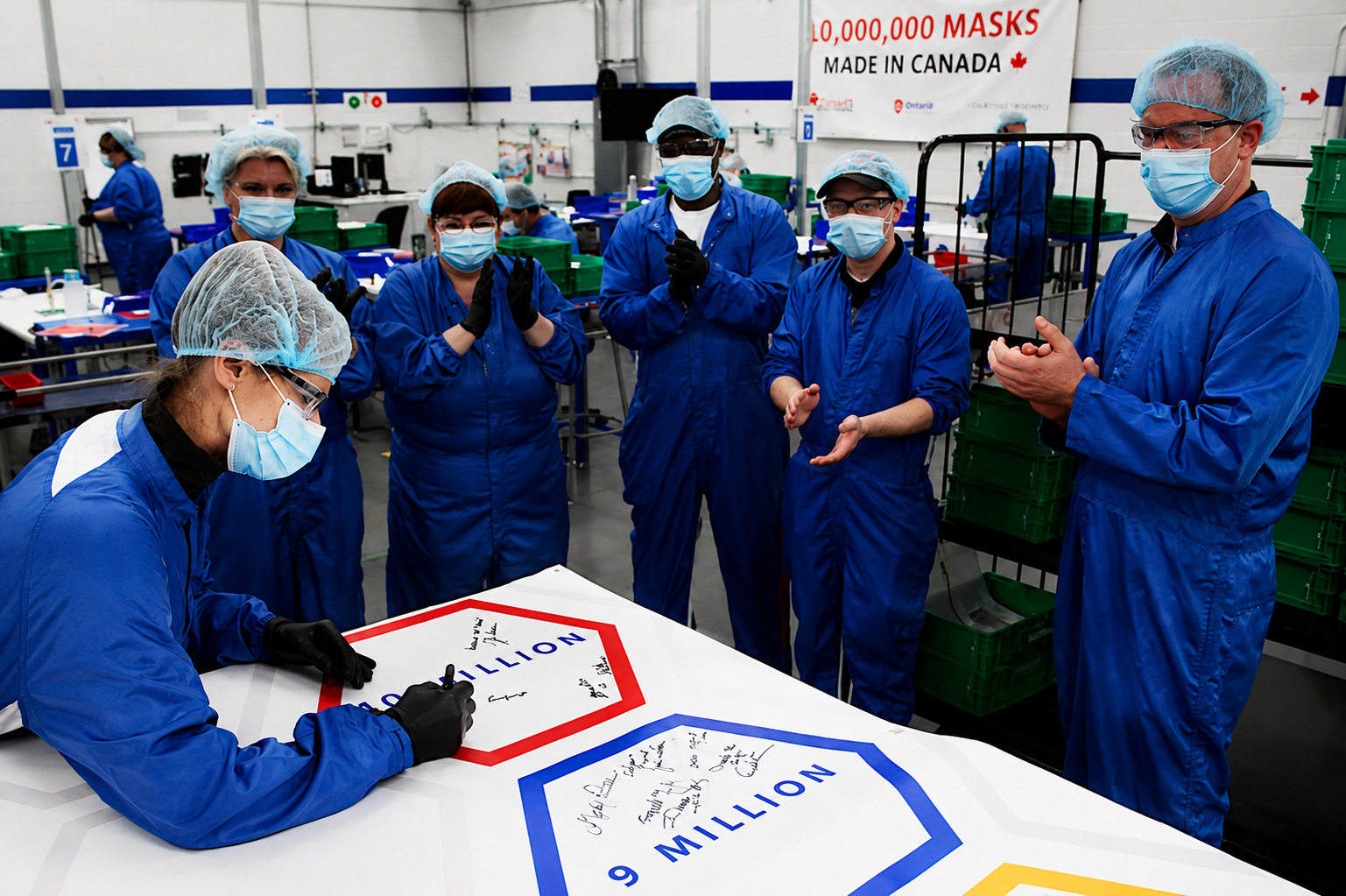
During the global COVID-19 pandemic, General Motors joined many manufacturers in helping address shortages of medical equipment. The company quickly adapted part of its manufacturing capacity to produce protective face masks for healthcare workers and essential personnel.
The GM Technical Center in Warren, Michigan, was reportedly capable of producing around 1.5 million masks each month. As the pandemic continued, the company expanded its efforts to include more advanced respiratory protection equipment.
In Canada, GM's manufacturing facility in Oshawa, Ontario, played a major role in supplying protective equipment. The plant fulfilled a contract with the Public Health Agency of Canada to provide 10 million face masks, demonstrating how automotive manufacturing facilities could be rapidly repurposed during a public health emergency.
GM’s Heart Pump
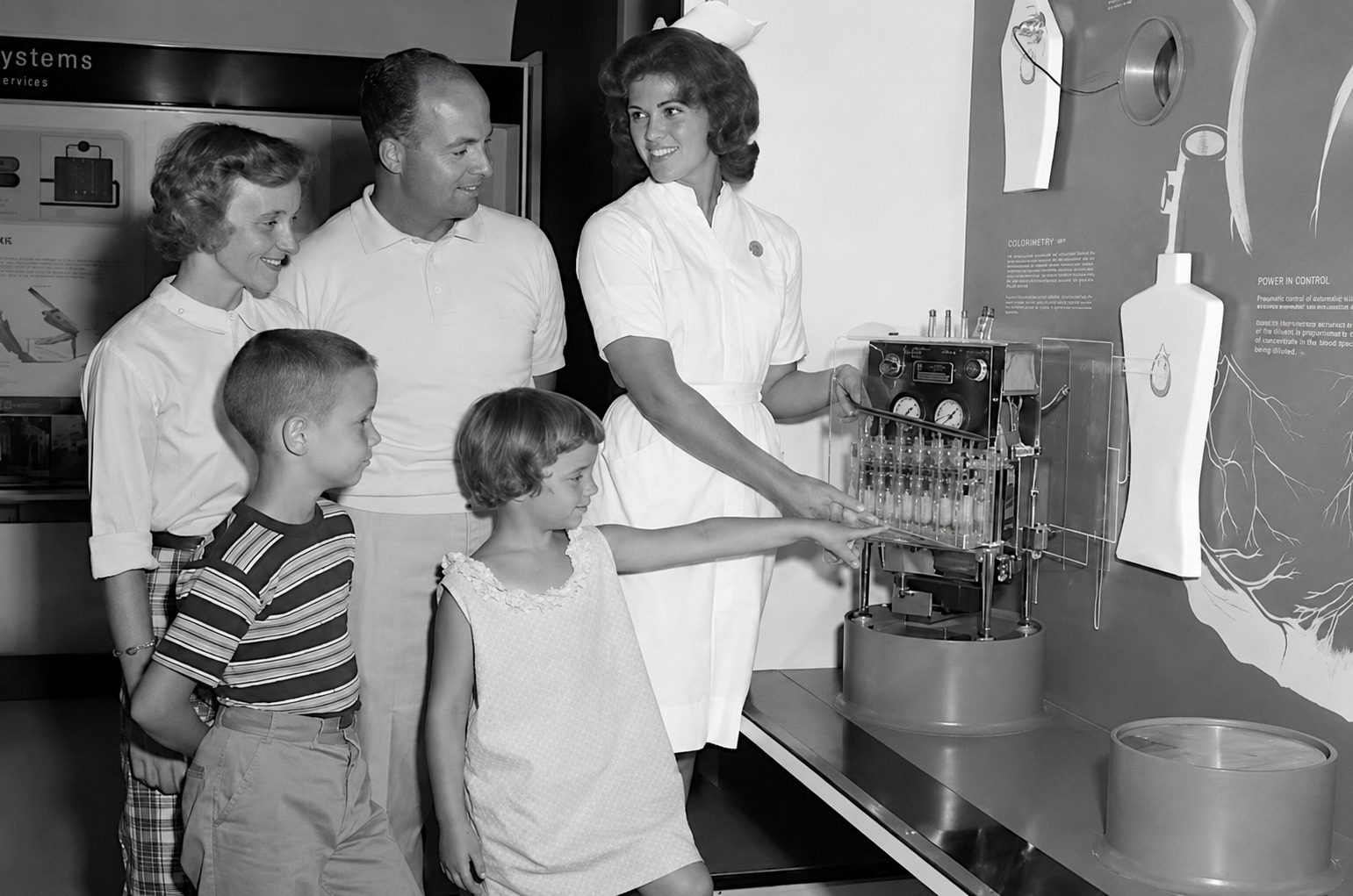
General Motors also made an important contribution to medical science through the development of the Dodrill-GMR mechanical heart pump. The project was carried out by GM Research Laboratories in partnership with surgeon Forest Dodrill.
The machine was designed to temporarily perform the function of the heart during complex surgical procedures. GM engineer Edward Rippingille believed that if the company could successfully pump oil, gasoline, and water in automobiles and industrial machinery, it should also be able to develop technology capable of pumping blood.
The heart pump was successfully used during surgery on Henry Opitek in Detroit in 1952. The operation proved successful, and Opitek lived for another 29 years after the procedure. The project remains one of the most unusual and significant examples of an automaker contributing to medical innovation.
GM’s Lunar Roving Vehicle
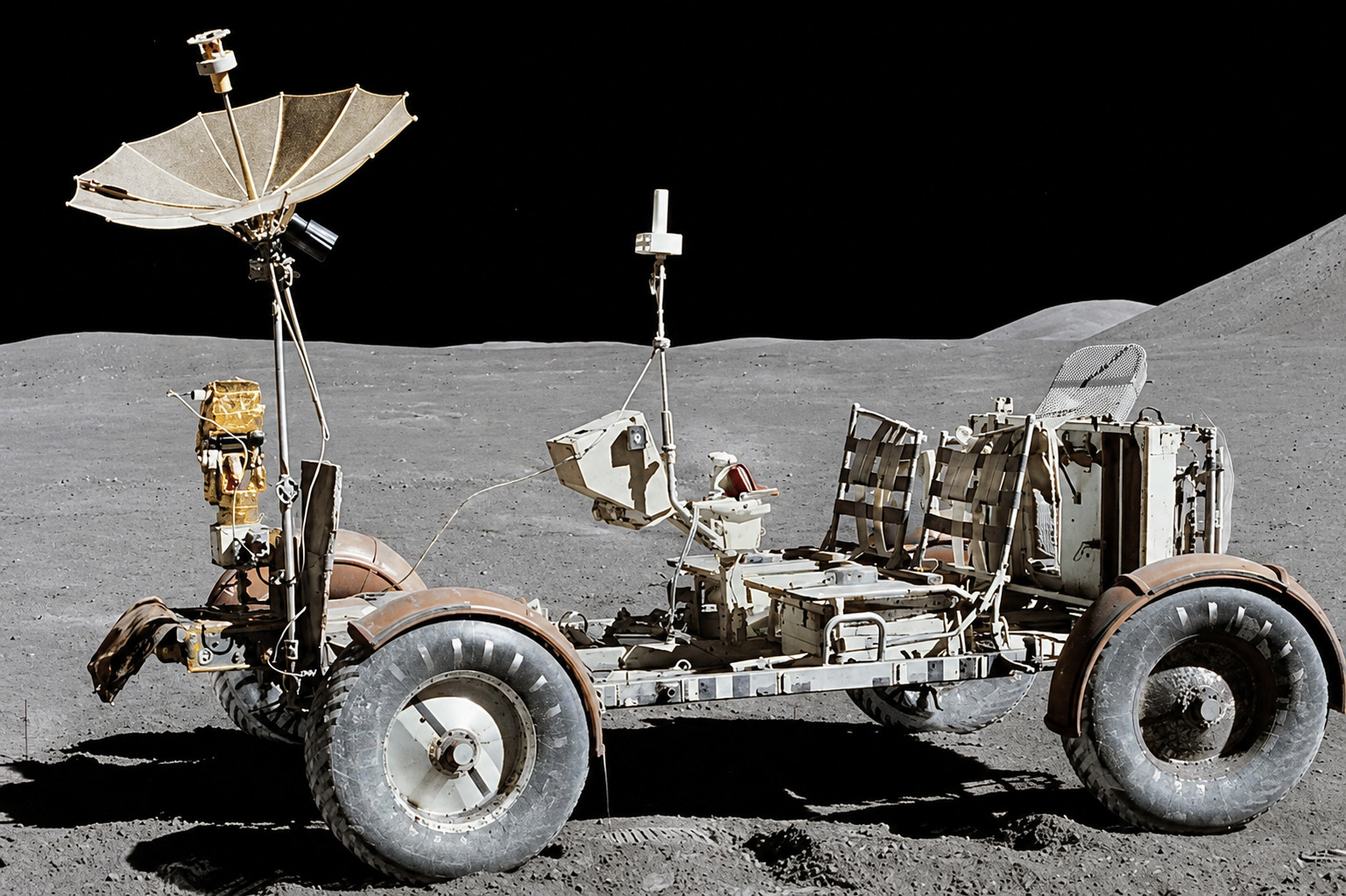
General Motors played a major role in one of humanity's greatest achievements: exploring the Moon. The company worked closely with NASA and Boeing to develop the Lunar Roving Vehicle, commonly known as the Moon Rover.
The vehicle was used during the Apollo 15, Apollo 16, and Apollo 17 missions. GM engineers designed many of its key components, including the chassis, suspension, steering system, electric drive system, wheels, controls, and displays. Boeing handled the power systems, communications equipment, navigation systems, and integration with the lunar landing module.
One of the most innovative features of the vehicle was its folding design, which allowed it to fit into a compact storage area aboard the spacecraft. The Lunar Roving Vehicle enabled astronauts to travel much farther across the Moon's surface than would have been possible on foot. Three of these vehicles remain on the Moon today.
Also Read: Why Salt and Pepper Became the World’s Most Famous Seasoning Pair
GM’s Refrigerators
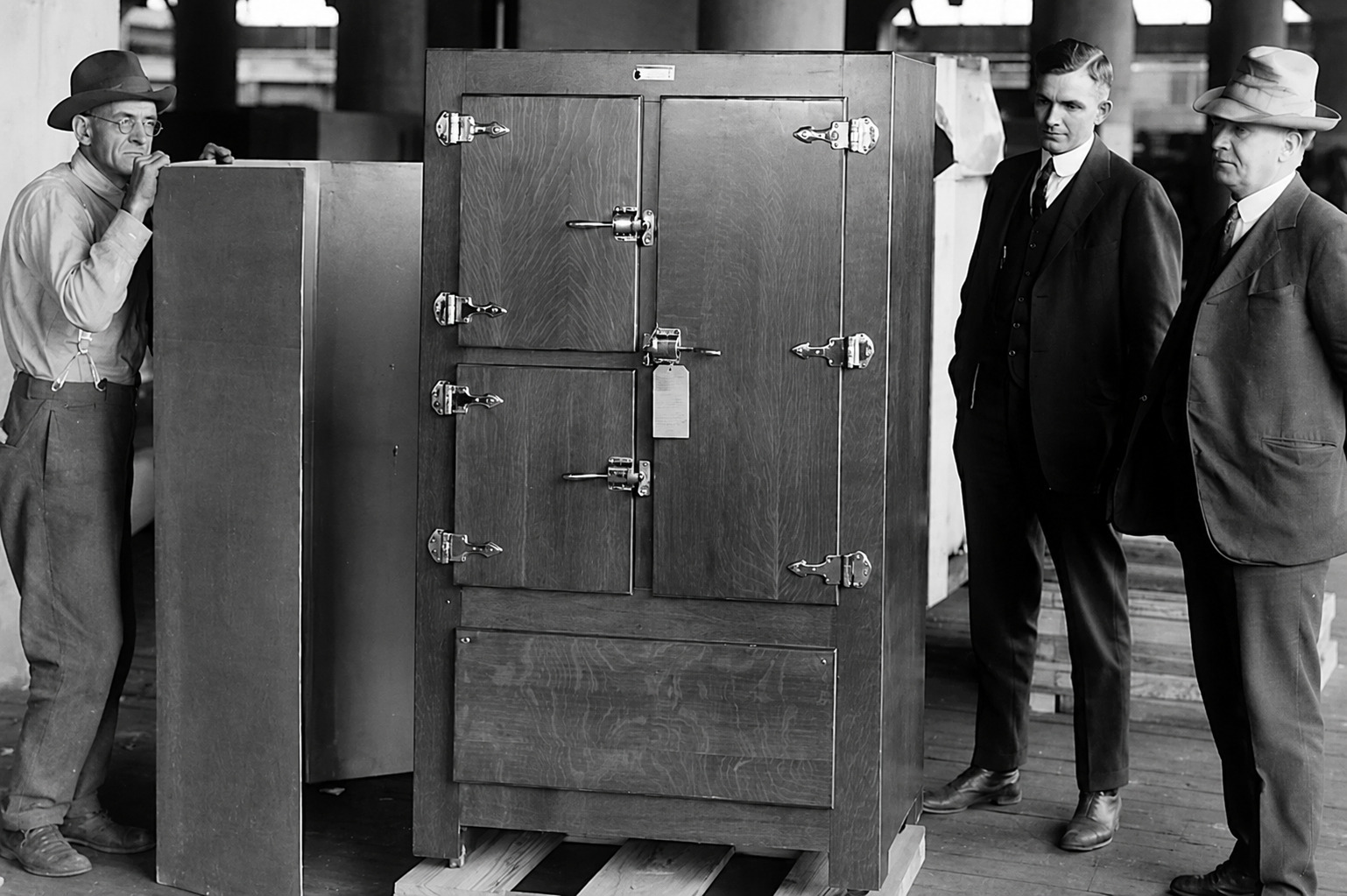
General Motors entered the home appliance industry through its acquisition of the Guardian Frigerator Company in 1919. The company had been founded by inventor Alfred Mellowes, who developed one of the first practical self-contained electric refrigerators.
Before refrigerators became common, households relied on ice boxes that required regular deliveries of ice. Mellowes' invention eliminated this inconvenience by creating a fully self-contained cooling system.
After General Motors purchased the company, it was renamed Frigidaire and rapidly grew into one of the world's leading appliance manufacturers. The refrigeration technology developed by Frigidaire later influenced automotive air-conditioning systems, helping GM become one of the first automakers to offer factory-installed air conditioning in its vehicles.
GM’s Shells

During the Second World War, General Motors devoted significant manufacturing resources to supporting the Allied war effort. Oldsmobile factories played a major role by producing artillery shells for military forces.
Facilities in Janesville, Kansas City, and Lansing manufactured more than 45 million shells during the conflict. These munitions ranged in size from 75 millimeters to 155 millimeters and were used extensively by Allied forces throughout the war.
The scale of production demonstrated how automotive factories could be adapted to manufacture military equipment during national emergencies.
GM’s Sonobuoys

General Motors also became involved in advanced military detection systems through its ownership of aerospace and defense businesses. Among the products manufactured were sonobuoys, specialized devices used to detect sounds underwater.
Sonobuoys are deployed from ships or aircraft and can listen for underwater noises or transmit sound waves and analyze the returning echoes. The information collected is then relayed back to military operators.
These devices play a crucial role in anti-submarine warfare and are commonly used to track the movements of hostile submarines beneath the ocean's surface.
GM’s Tanks
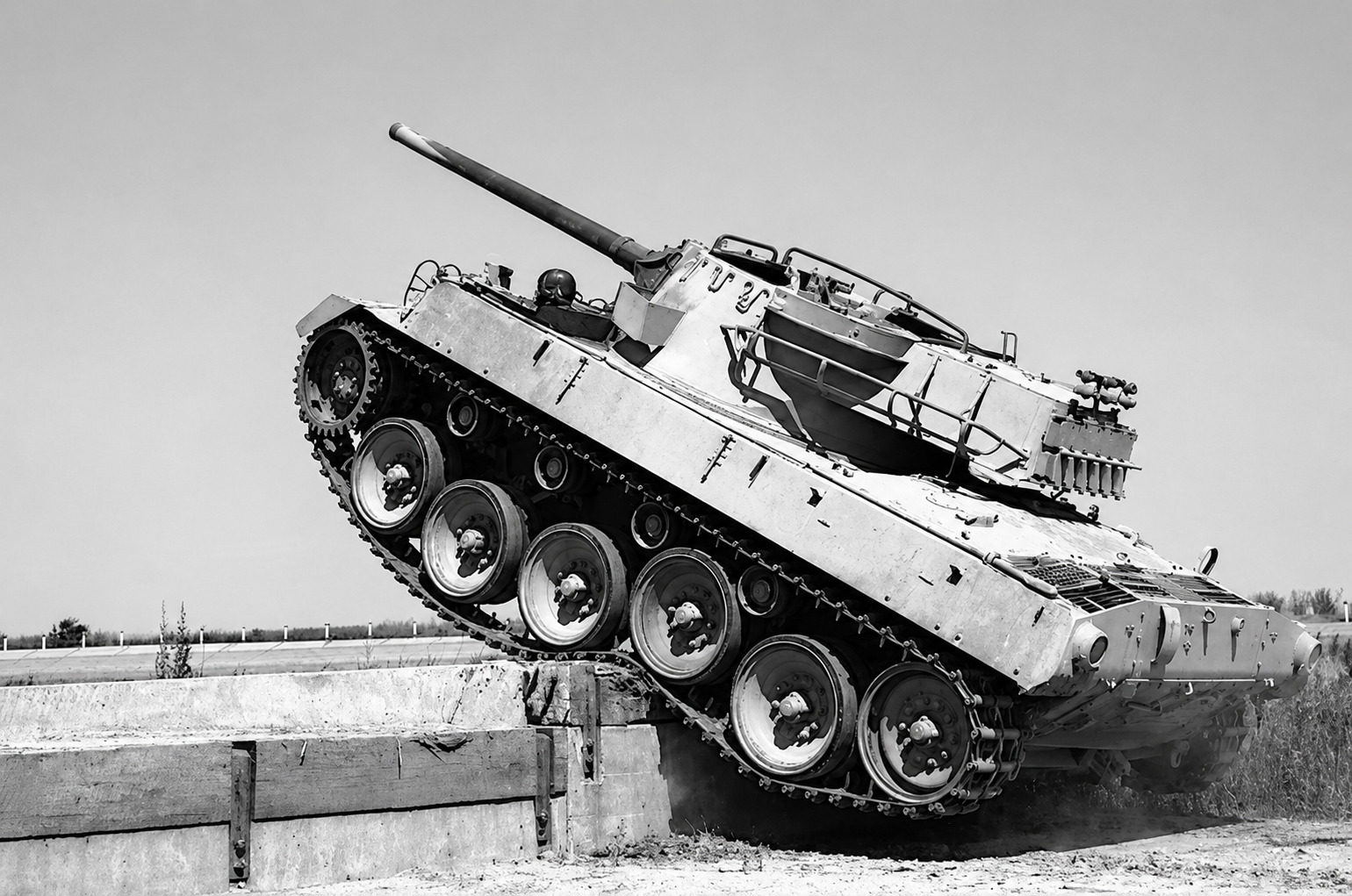
Several General Motors divisions contributed directly to armored vehicle production during the Second World War and later military conflicts.
Buick designed and manufactured the M18 Hellcat, one of the fastest tank destroyers of the war. Cadillac's military division also produced armored vehicles for many years. In Britain, Vauxhall temporarily suspended automobile production at its Luton factory and focused entirely on building thousands of Churchill tanks for the British Army.
These contributions made General Motors one of the most important industrial participants in the Allied wartime manufacturing effort.
GM’s Ventilators
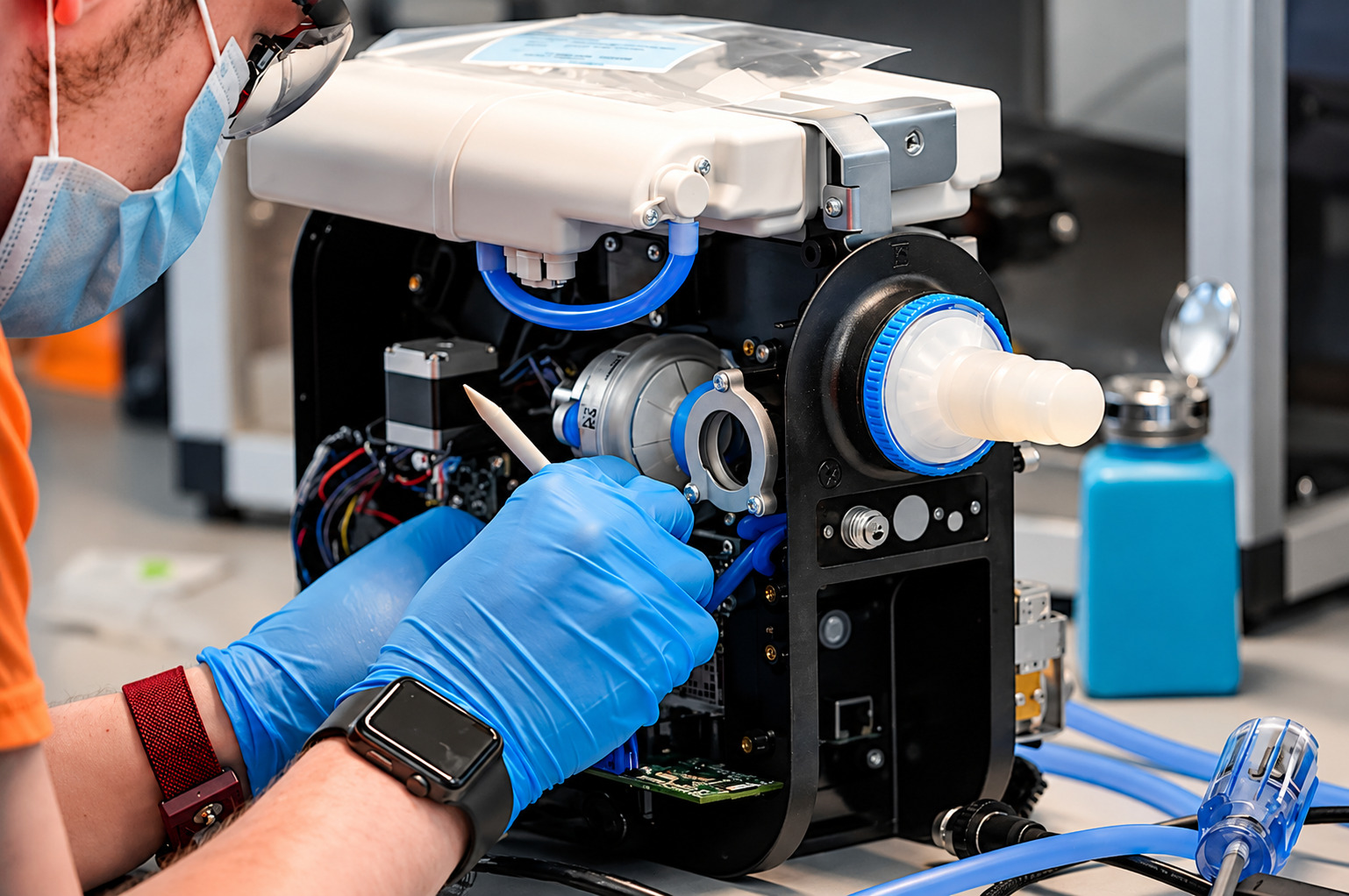
In response to the COVID-19 pandemic, General Motors partnered with Ventec Life Systems to dramatically increase the production of medical ventilators. These devices were urgently needed to help patients suffering from severe respiratory complications caused by the virus.
Using its manufacturing expertise and large-scale production capabilities, GM was able to produce 30,000 ventilators in only 154 days. The ventilators were manufactured at a facility in Kokomo, Indiana.
The project demonstrated how automotive companies can rapidly adapt their production systems to meet urgent national needs during times of crisis.
Also Read: 20 Inventions We Wouldn’t Have Without Space Travel
GM’s Washing Machines
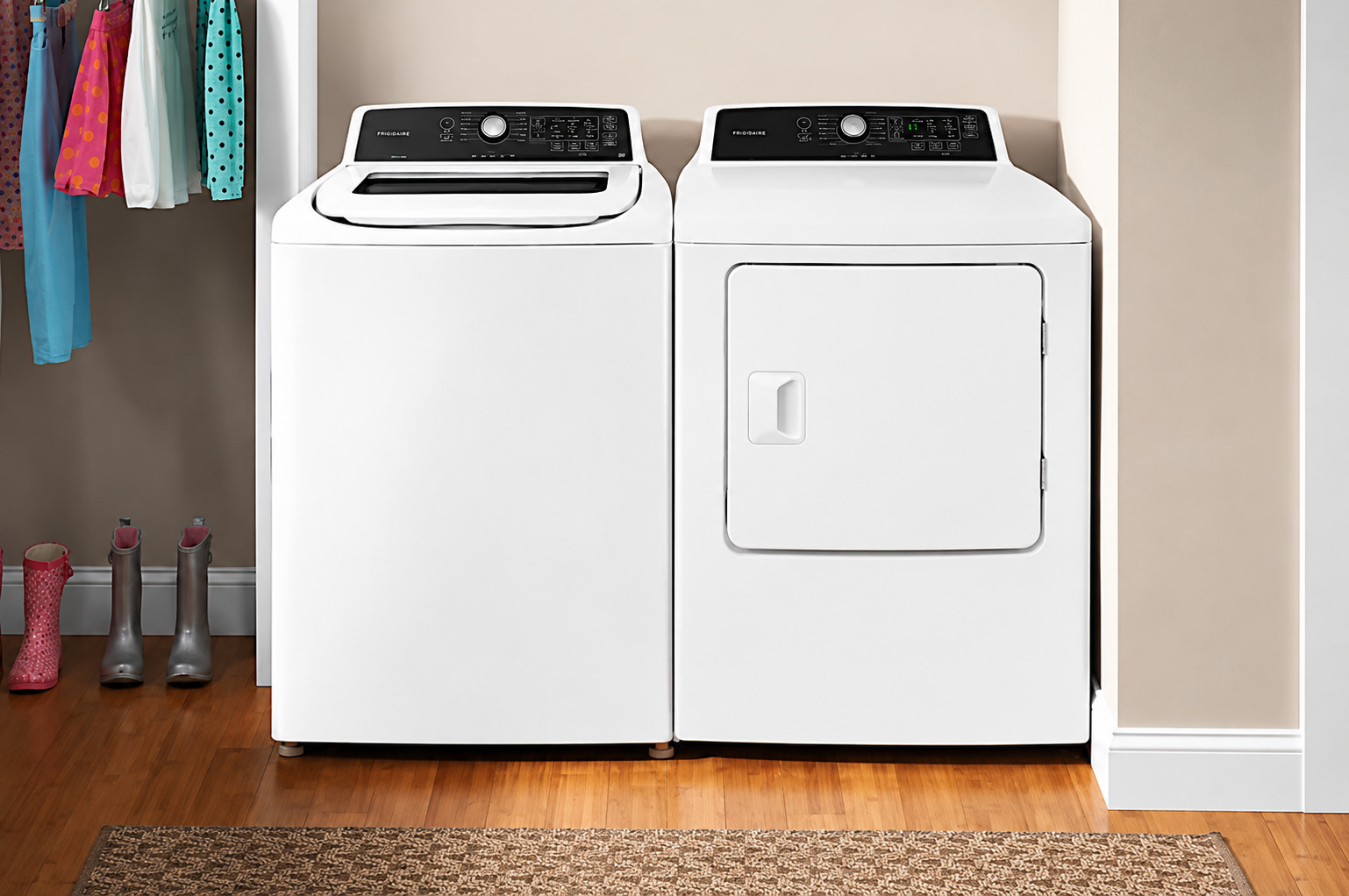
Frigidaire's expansion beyond refrigeration eventually led the company into the laundry appliance market. The company began producing washing machines, initially focusing on top-loading models, which were especially popular in the United States.
Following General Motors' sale of Frigidaire to White Consolidated Industries in 1979, the company shifted its attention toward front-loading washing machines. These appliances became increasingly popular because of their efficiency and cleaning performance.
Today, Frigidaire washing machines and dryers continue to be manufactured and sold around the world. The brand is now owned by Sweden-based Electrolux, but its origins remain closely connected to General Motors and the automotive industry.