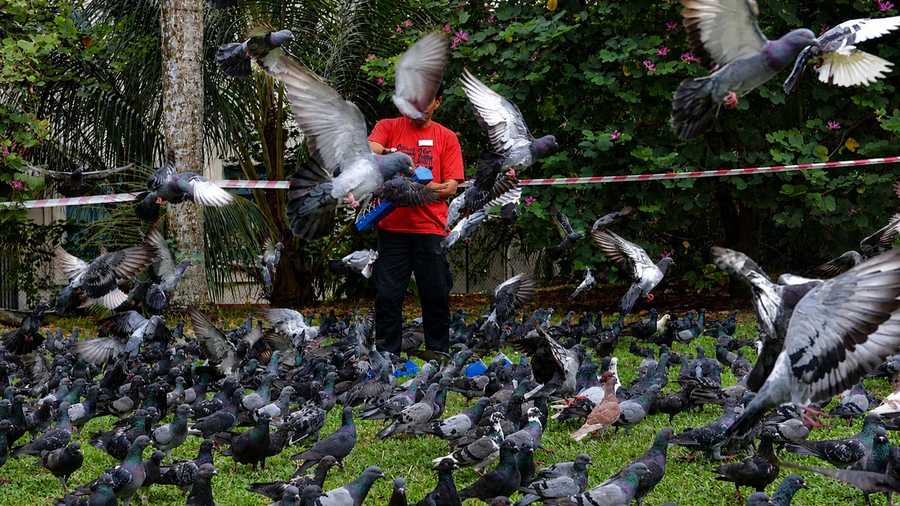
Singapore has introduced stricter penalties for people who illegally feed wildlife as part of efforts to address a growing urban problem. Under the revised rules, repeat offenders may now face jail terms of up to 12 months, while fines for both repeat and first-time offenders have been significantly increased. These changes were passed in Parliament on May 7 as part of amendments to the Wildlife Act under the Statutes (Miscellaneous Amendments) Bill. The new measures were announced by Senior Parliamentary Secretary for National Development Syed Harun Alhabsyi and are expected to come into effect later in 2026.
Also Read: 20 Strange Travel Laws to Know Before Flying Abroad
Higher Fines and Jail for Repeat Offenders
Under the revised law, individuals who repeatedly feed wildlife illegally will face much harsher consequences. For the first time, repeat offenders may be sentenced to up to one year in prison, while the maximum fine for such offenders has doubled from $10,000 to $20,000. First-time offenders will also face stricter punishment, with the maximum fine increasing from $5,000 to $10,000. In addition to fines and imprisonment, courts will now have greater flexibility through the introduction of community-based orders, allowing alternative forms of punishment focused on rehabilitation where appropriate.
A Growing Urban Problem
Illegal wildlife feeding has remained a persistent issue in Singapore, particularly involving pest bird species such as rock pigeons and house crows, which have adapted well to urban environments. These birds often gather in areas where food is readily available, and regular feeding encourages them to congregate in large numbers. This has created hygiene and cleanliness concerns, especially in public spaces, parks, and open-air dining areas, where bird droppings often cause inconvenience. Authorities have also raised public health concerns, as rock pigeons can carry germs that may spread zoonotic diseases, which can pass from animals to humans. Examples include Salmonella, which affects the digestive system through contaminated food, water, or animal contact; toxoplasmosis, caused by parasites that may remain in the body for years; and E. coli bacteria, which can lead to severe stomach pain, diarrhoea, and urinary tract infections.
Also Read: 8 Surprising Met Gala Rules Most People Never Knew About
Sharp Rise in Offences
Data from the National Parks Board (NParks) shows a sharp increase in illegal wildlife feeding cases in recent years. In 2021, authorities took action in nearly 150 cases, but by 2025, that number had risen to more than 380, with most incidents involving pigeon feeding. Repeat offenders accounted for around 42 percent of all cases in 2025, suggesting that earlier penalties may not have been sufficient to deter repeated offences. Between 2023 and 2025, NParks also received an average of nearly 320 reports of illegal bird feeding each year, highlighting the scale of the issue.
Social Concerns Behind the Problem
During parliamentary discussions, lawmakers highlighted the social factors linked to wildlife feeding, particularly among elderly residents. According to NParks wildlife management group director How Choon Beng, around half of the reported cases involved seniors aged 65 and above. Several Members of Parliament suggested that such behaviour may be connected to loneliness, social isolation, or a lack of meaningful daily engagement. MPs Hazlina Abdul Halim from East Coast GRC and Abdul Muhaimin Abdul Malik from Sengkang GRC asked whether the government would strengthen cooperation with social service agencies to better support isolated residents and educate them about the harmful effects of feeding wildlife. Hazlina also suggested more direct interventions, such as home visits, counselling, and encouraging alternative activities with family members, volunteers, or community groups to help reduce social isolation.
Government Focuses on Support, Not Just Punishment
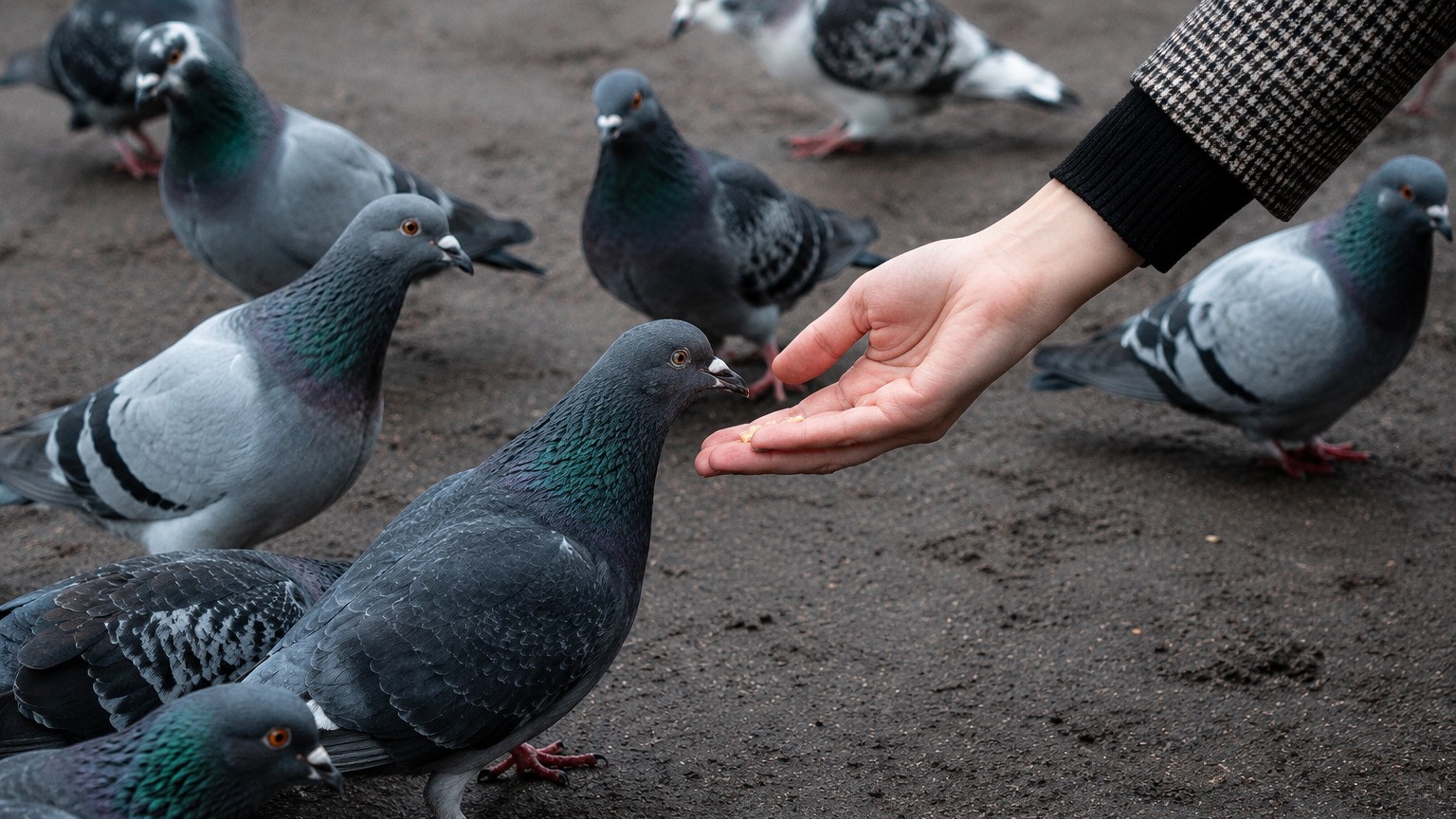
Another case highlighted in Parliament involved a repeat bird feeder who reportedly told enforcement officers that he continued feeding birds because his wife had appeared in a dream and instructed him to do so. This raised concerns about possible emotional or mental health issues among some offenders. In response, Dr Syed Harun stressed that the government’s approach is not focused solely on punishment. He explained that NParks works with the Agency for Integrated Care, town councils, and other organisations to engage elderly offenders as well as individuals with mental health or psychological needs. The goal is to understand the reasons behind such behaviour, correct misconceptions, and raise awareness about the harmful impact of wildlife feeding. Authorities also provide alternative activities such as community gardening and birdwatching to encourage social engagement and nature-based participation without promoting harmful feeding behaviour.
Also Read: 10 Driving Rules Other Countries Have, But the US Doesn’t
Looking Ahead
The tougher penalties reflect Singapore’s stronger stance against illegal wildlife feeding as the problem continues to affect urban communities. While stricter enforcement and harsher punishments are being introduced, the government has also acknowledged that some offenders may require social support or mental health intervention rather than punishment alone. By combining legal deterrence with community engagement and support programmes, Singapore aims to reduce illegal wildlife feeding, improve public cleanliness, and protect both public health and urban wildlife in the long term.