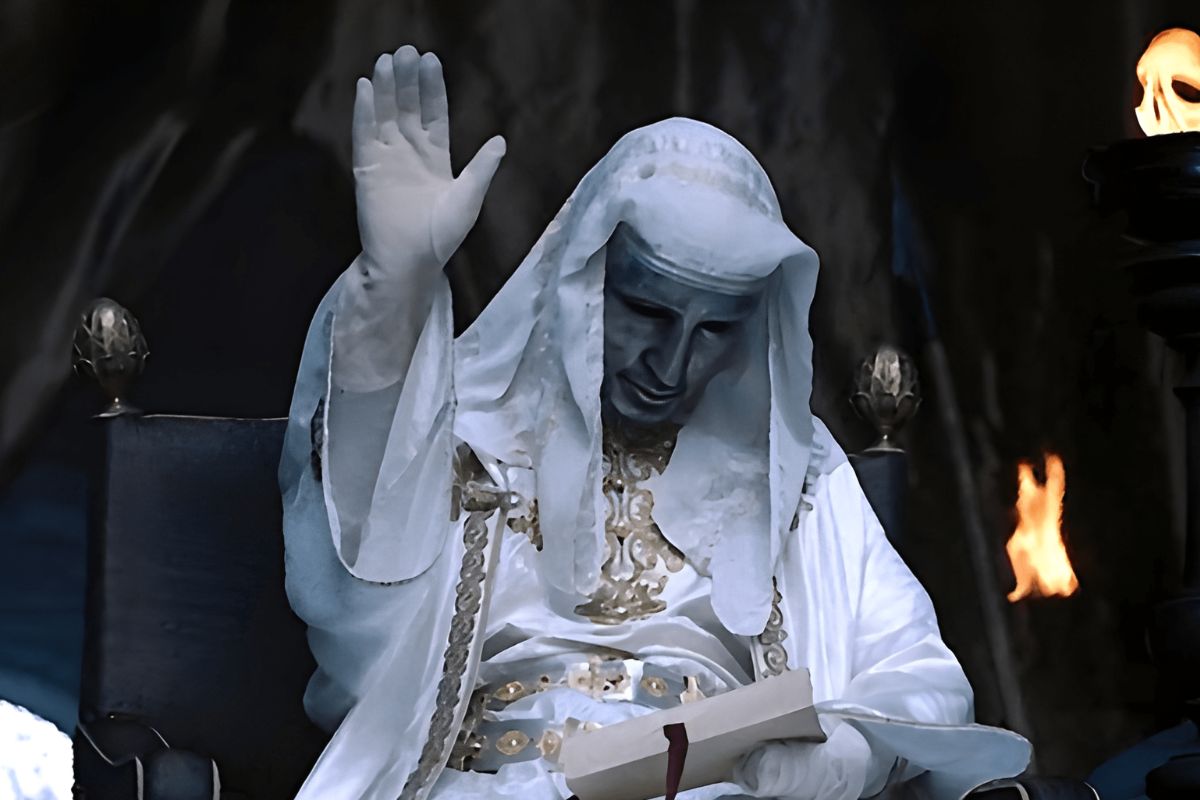
While often mistaken for Mexico’s Independence Day, Cinco de Mayo actually commemorate the Mexican army’s unlikely victory over French forces at the battle of Puebla on May 5, 1862.
This historical event represents a significant moment of national pride, as a smaller, ill-equipped Mexican force led by General Ignacio Zaragoza successfully repelled the powerful army of Napoleon III. Despite being an important celebration in the state of Puebla, the holiday is taken as a minor event in the rest of Mexico, whereas it has grown into a major celebration of Mexican-American culture and heritage across the United States.
Evolution Of A Cultural Celebration
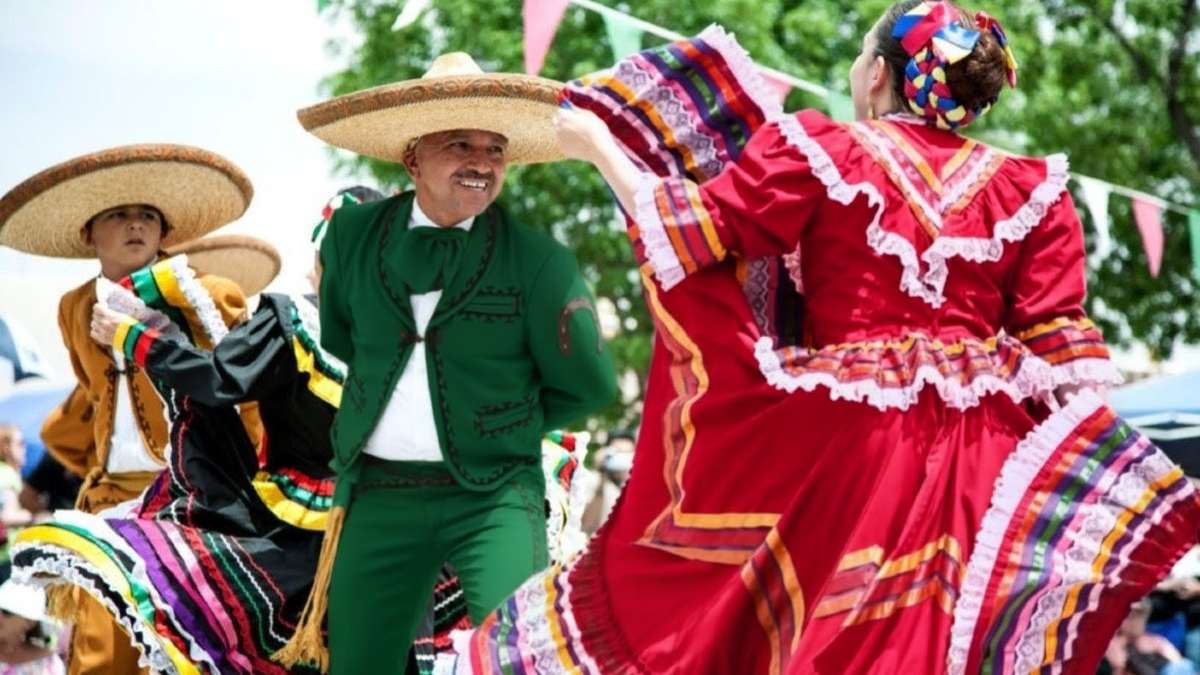
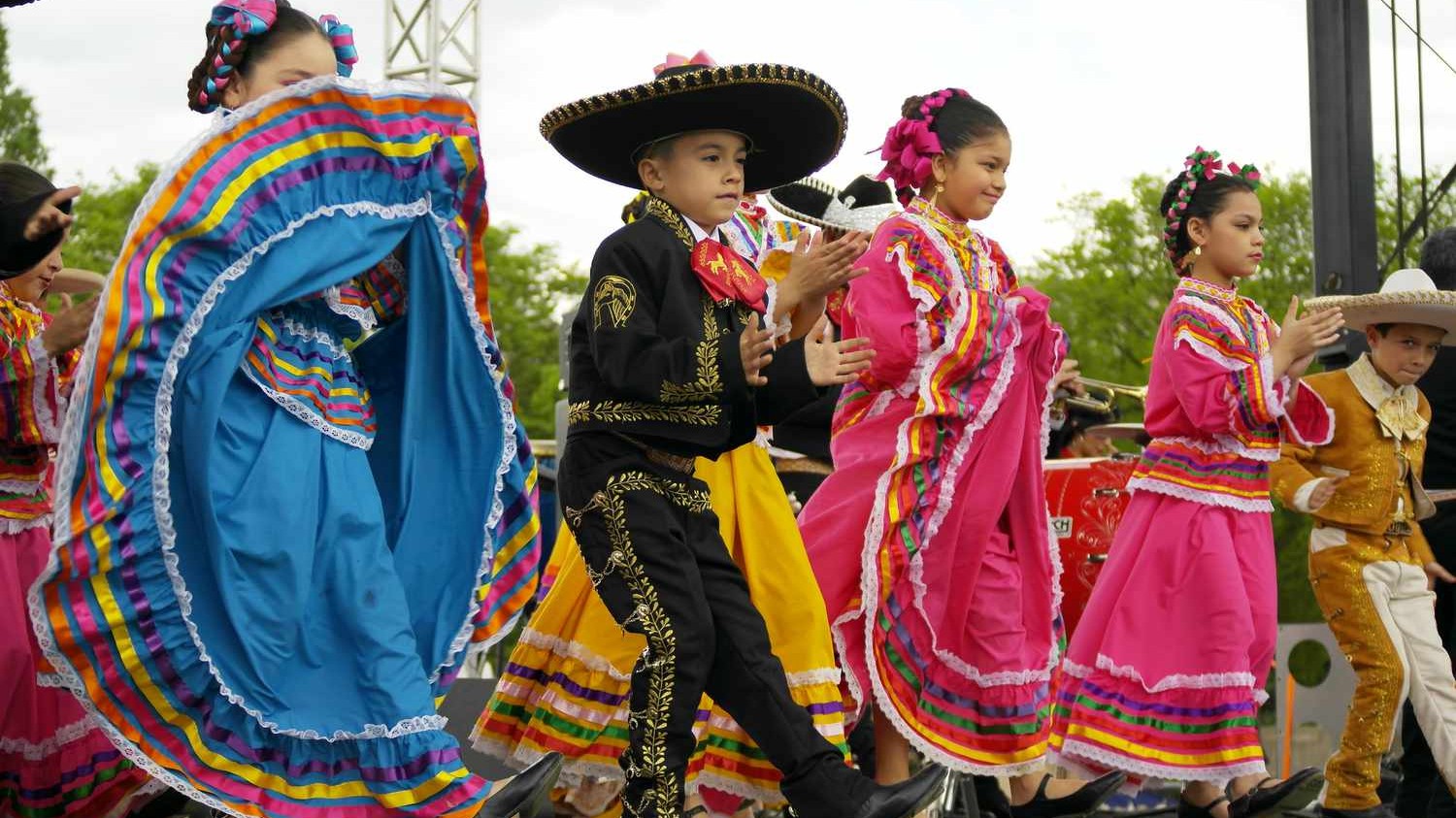
In the United States, the holiday serves as an opportunity to honor the rich contributions of the Mexican diaspora through colourful parades, music and community festivals. These celebrations often feature traditional Mariachi performances and folkloric dancing, highlighting the colorful costumes and rhythmic traditions of various Mexican regions.
Apart from engaging in the festivities, the day also encourages a broader appreciation for Mexican history, helping to dispel common misconceptions and emphasizing the resilience and spirit of the Mexican people during the 19th-century intervention.
Authentic Flavors & Culinary Traditions
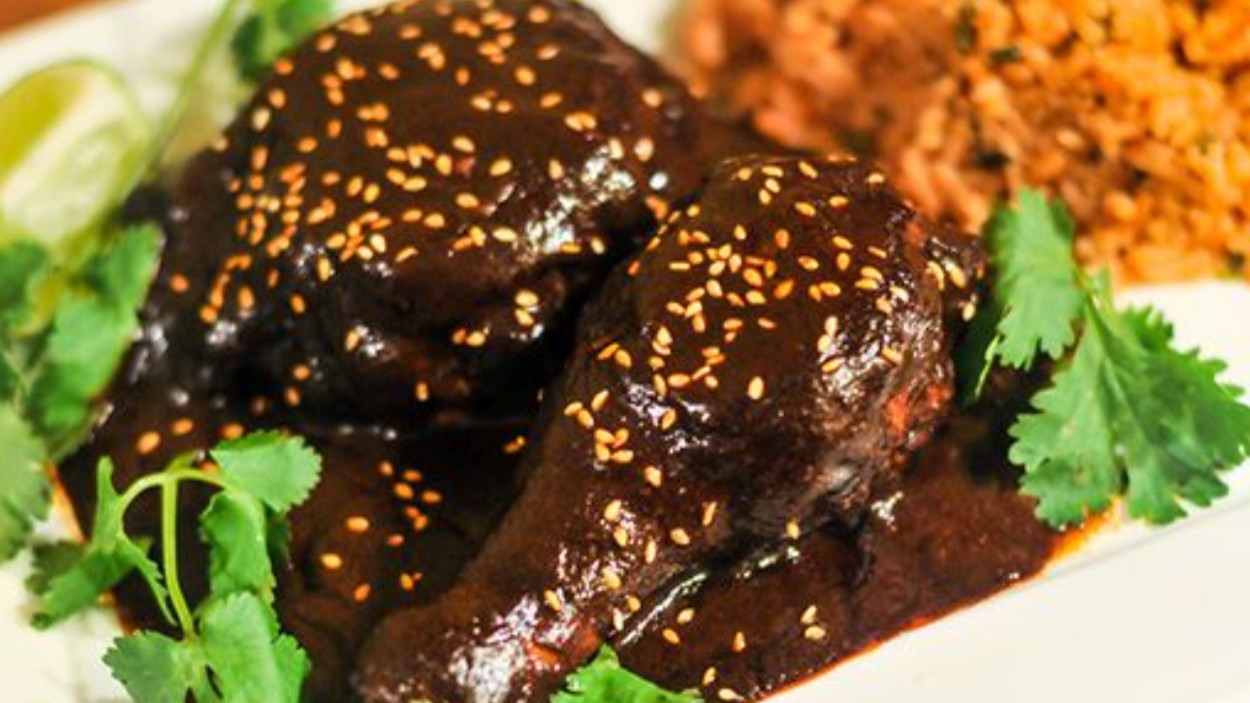
Culinary traditions play a central role in any Cinco de Mayo gathering, many people explore authentic regional flavors except for simple snacks. In Puebla, the traditional dish of choice is “Mole Poblano,” a complex and savory sauce made from mixing chilli peppers, spices and chocolate.
Other popular staples also include street-style chalupas, tamales and fresh salsas, showcasing the diversity of Mexican ingredients. Many local restaurants also participate in the spirit of the day by offering special menu items and discounts, providing an accessible way for everyone to participate in the cultural feast.
Also Read: Before You Buy Anything, Try These 5 Ways To Refresh Your Home!
Respectful Engagement & Cultural Awareness
Celebrating the holiday respectfully involves focusing on cultural education and supporting authentic Mexican-owned businesses. Instead of relying on generic party store decorations or outdated stereotypes, many celebrants now prioritize on learning about the specific history of the Battle of Puebla and its lasting impact on Mexican identity. By engaging with a holiday that is enjoyable and appreciative, individuals are at full freedom to enjoy the festive atmosphere as well as honoring the true significance of the day.