Skill nostalgia is the emotional longing for traditional life skills that automation and digital technology have replaced. In our fast-paced modern world where technology is continuously evolving, many individuals experience a unique psychological yearning to return to tangible, hands-on tasks like baking sourdough from scratch, repairing clothing, or handwritten letters. This growing phenomenon highlights a deeper human need to remain anchored to tactile, physical experiences in an increasingly digital and automated reality.
What Is Skill Nostalgia
Skill nostalgia describes a collective yearning for analog capabilities that used to be essential for daily life. As software and smart devices take over basic chores, our brains crave for the deep satisfaction of manual problem-solving. This feeling is not just about missing the past; it is a subconscious response to the modern technology, responsible in driving away our capacity to remain self-reliant. Many people actively seek out hobbies to recapture a sense of raw capability and slow down their daily routines. Finally, this mental shift acts as a bridge connecting our high-tech present to a grounded, physical past.
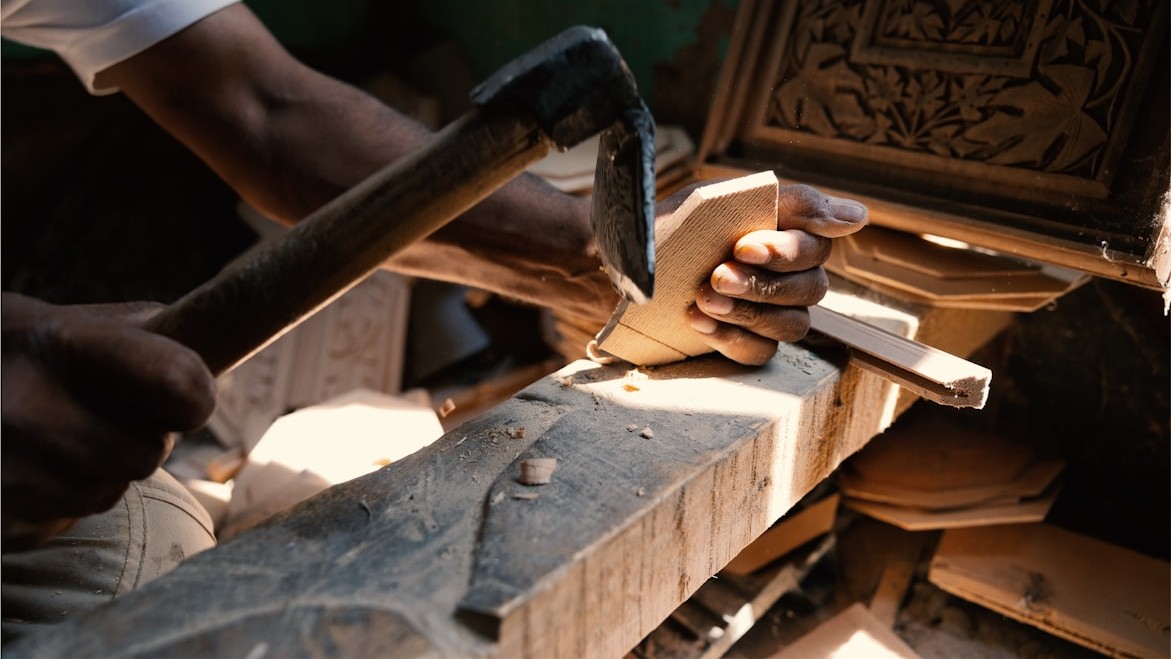
This collective shift is more than a fleeting aesthetic trend on social media networks. It represents a deeper cultural movement where people try to reclaim ownership over their time and attention spans. When we tend to rely entirely on algorithms to manage our survival needs, we lose a vital part of our human identity. The need for true satisfaction often comes from overcoming physical resistance, whether that means carving wood or kneading heavy dough. By embracing this mindset, we can improve and establish a better relationship with the objects and environments we interact with daily.
Why Do We Miss Old Life Skills
We miss these outdated habits because they provide a tangible sense of achievement that digital tasks fail to replicate on their own. Swiping on a screen rarely satisfies the human instinct to create, build, or fix something with our hands. Traditionally, old practices required intense focus, regular practice and a deep physical connection to the materials they used. For instance, when we bake or fix a wooden chair, we step away from constant notifications and enter a peaceful state of mind. Nevertheless, these lost abilities gave us an authentic feeling of control over our immediate living environment.
In the past, knowing how to maintain a household required a diverse pool of practical, everyday knowledge. Today, specialized services and cheap disposable goods have made these personal capabilities feel entirely obsolete to most consumers. However, this convenience creates an unexpected psychological void where we feel disconnected from the items we own. The choice to implement the old practices back into our normal everyday lifestyle is indeed a very healthy sign that our bodies desire physical movement, which creates a strong impact on the real-world. Furthermore, reclaiming these habits allows us to honor the resourceful intelligence of the generations that came before us.
What Are The Psychological Benefits Of Hands-On Hobbies
Engaging in tactile activities naturally helps to lower down stress hormones ( cortisol) by forcing the mind to shift its focus entirely on the physical world. Psychological studies show that working with your hands serves as an effective form of active mindfulness. When you create a physical product entirely with your own efforts, it instantly triggers the reward center of the brain, boosting dopamine levels which are much more sustainable than quick and random social media likes. Furthermore, these slower tasks build mental resilience by teaching us to accept mistakes and value the steady process of trial and error. Embracing these old school routines provides an emotional sanctuary from the rapid pressures of modern corporate life.
When your attention is divided among dozens of digital tabs, your brain remains in a constant state of low-level anxiety. So, immersing yourself in a physical craft acts as a natural neurological reset button by anchoring your focus to one single goal. The sensory feedback of different textures, smells and sounds provided a rich grounding experience that screens can never provide. Over time, this focused immersion strengthens your attention span and improves your overall emotional regulation capabilities. Ultimately, hands-on hobbies prove that productivity doesn't always have to be tied to financial output or corporate benchmarks.
How Does Modern Technology Cause Digital Fatigue
The relentless stream of emails, push notifications and virtual meetings leaves our minds completely drained by the end of the day. This constant mental overload creates a specific type of exhaustion known widely as “digital fatigue.” Because our screen interactions lack any physical substance, they often leave us feeling disconnected from the tangible world around us. Gradually, society is realizing that hyper-efficiency can accidentally strip away the joyful, sensory experience of a normal life. However, reverting to analog skills allows people to build healthy boundaries against the exhausting demands of continuous online connectivity and availablity.
Our brains were never evolutionary wired to process thousands of abstract days points every single hour without having enough physical breaks. When every life experience is filtered through glass screens, the world begins to feel remarkably flat and emotionally uninspiring. This lack of physical texture is the answer behind why so many desk workers experience episodes of chronic feelings of professional burnout. Digital fatigue robs us of our natural curiosity by replacing active exploration with passive, mind-wandering consumption. It is also important to consider that transitioning to manual tasks can help to break this exhausting cycle by demanding our full, embodied presence in the moment.
Which Traditional Life Skills Are Making A Comeback
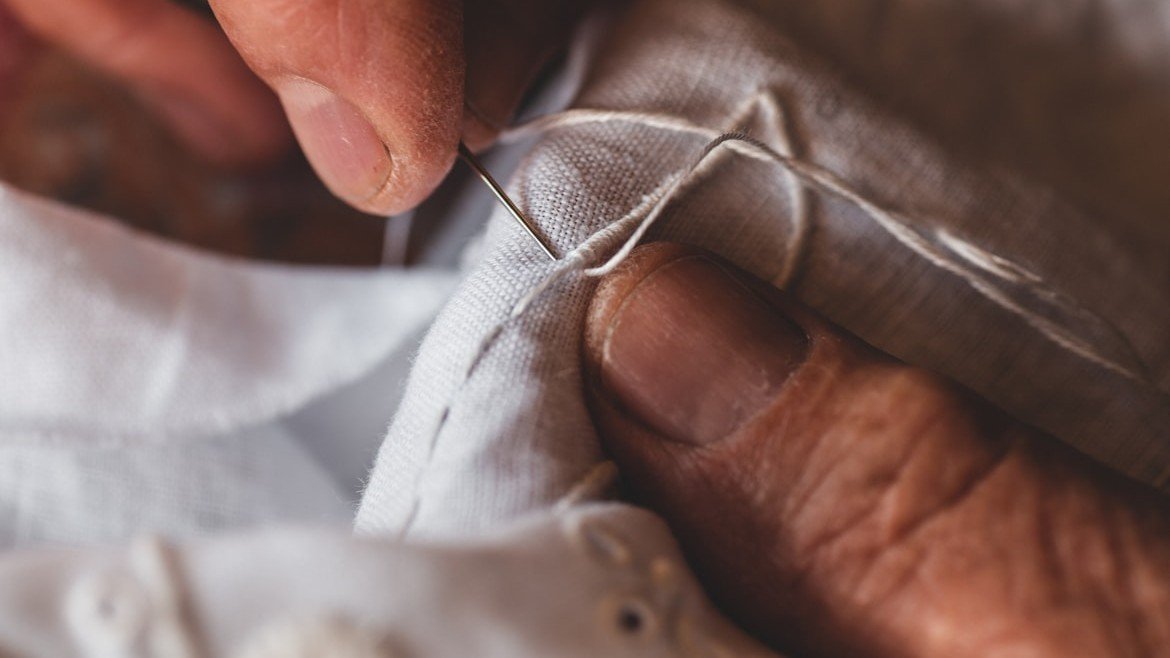
Traditional life skills include, artisanal bread making, home gardening and basic garments sewing, which are experiencing a massive global resurgence among younger generations. Nowadays, people are actively learning how to preserve food, restore vintage furniture and practice traditional calligraphy in their spare time. For instance, vinyl records and handwritten journals have transformed from outdated relics into highly valued premium lifestyle choices. Additionally, communities are opening tool-sharing libraries and hosting localised workshops to pass these ancestral talents down to beginners. These practices are no longer seen as chores but as fulfilling creative outlets for self-expression.
The revival of these traditions is also fueled by a growing global interest in sustainable living and environmental consciousness. For instance, repairing an old clothing item instead of throwing it away feels like a radical act of mindful consumer rebellion. People are realizing that mass-produced items lack the unique character and durability of handmade goods. This cultural shift has turned basic self-sufficiency into a highly respected social currency within modern urban neighborhoods. By learning these ancient arts, communities are successfully preserving historical knowledge that was on the brink of becoming obsolete forever.

Also Read: Why Do You Get Goosebumps While Listening To Music
Is Skill Nostalgia A Form Of Tech Burnout
The sudden urge to drop your smartphone and start working with whatever raw materials you have is a direct symptom of tech burnout. When software automates every creative decision, humans naturally begin to feel useless, passive and intellectually underestimated. We can understand this by knowing that skill nostalgia acts as an intuitive defense mechanism designed to protect our mental health from non-stop digital exposure. It can be viewed as a quiet rejection of the toxic cultural idea that every second of our lives must be optimised for speed. Hence, choosing a slower, more difficult path is how modern citizens reclaim their personal agency from addictive tech platforms.
It has been observed that many tech workers themselves are leading this movement by spending their weekends doing heavy manual labor like blacksmithing or pottery. They understand firsthand that digital creation can feel incredibly ephemeral since lines of code can vanish with a single click. On the other hand, a physical object occupies a real space and stands as a permanent proof of your time, effort and focused energy. This contrast explains why the desire for analog crafts tracks tightly with the rise of artificial intelligence tools. We seek out the messy, imperfect human element to remind ourselves of what machines cannot truly duplicate.
Can Old Life Skills Save Your Pocket
Yes, adopting old life skills into your everyday lifestyle can significantly reduce the unnecessary expenses over the course of a year. Simple tasks like patching a drywall hole, fixing a leaky faucet, etc. preserves your hard-earned money in your bank account. Instead of paying premium prices to purchase organic processed items, a backyard garden provides you with fresh produce for pennies on the dollar. Also, preserving seasonal fruits through canning allows you to enjoy high-quality food choices without facing steep winter grocery inflation.
Apart from this immediate financial savings, mastering these talents alters your foundational relationship with modern consumer capitalism. You stop looking at the broken household items as useless garbage and start viewing them as a way to unlock exciting opportunities for creative restoration. This shift in mindset naturally curbs the impulsive urge to constantly buy new replacements online. It is never too late to know the art of maintaining your own things efficiently and it also gives you an invaluable sense of security during unpredictable economic downturns. Therefore, investing your personal time into learning these practical habits is equally beneficial for both your wallet and your confidence.
Also Read: GPT Live: Is OpenAI's New Voice Ready To Replace Humans
How To Learn Old-Fashioned Skills In A Modern World
You can start reclaiming these capabilities by dedicating just one hour every weekend to a completely screen-free physical activity. Local community centers, neighbourhood workshops and specialized craft stores frequently offer affordable beginner classes to learn traditional skills. However, high-quality digital video platforms can serve as excellent learning networks to master historic manual methods at your own pace. You can begin this journey by starting with low-stakes projects like maintaining a small kitchen herb garden or fixing a broken button on your favourite jacket. With time, practicing these small habits will naturally rebuild your confidence and deepen your appreciation for self-sufficiency.
Don't stress over mastering an advanced craft perfectly right at the beginning of your personal analog journey. Remember that the primary reason behind this exploration is to enjoy the tactile process rather than producing a flawless commercial product. Alongside the old skills you wish to learn, find a dedicated workspace in your home where you can safely leave your project tools out and keep them ready for usage. To avoid monotony, you can even join a local hobbyist club or connecting with people who share similar thoughts, which will help you learn troubleshooting tips from experienced mentors. Finally, blending modern educational access with historic physical traditions, you can easily build a balanced, deeply fulfilling lifestyle.