OpenAI’s GPT-Live upgrades ChatGPT with a full-duplex voice architecture, allowing the AI to listen, think and speak simultaneously. While it offers incredibly human-like, flowing conversations, it delegates complex tasks to models like GPT-5.5 rather than acting as a full human replacement.
Is GPT-Live The Ultimate Human Replacement
Artificial intelligence has taken a massive leap forward with the release of GPT-Live, sparking intense global debates about the future of human labor. But the big question popping up in everyone's mind is whether this conversation technology is truly ready to replace authentic human interaction entirely. The new real-time voice model from OpenAI is incredibly fast and operates seamlessly just like a natural, everyday phone call. It responds with highly realistic verbal nods like “mhmm” and handles sudden conversational interruptions with absolute grace. However, it remains fundamentally designed as a collaborative productivity tool rather than a complete emotional substitute for establishing genuine human connection.
How Does GPT-Live Work
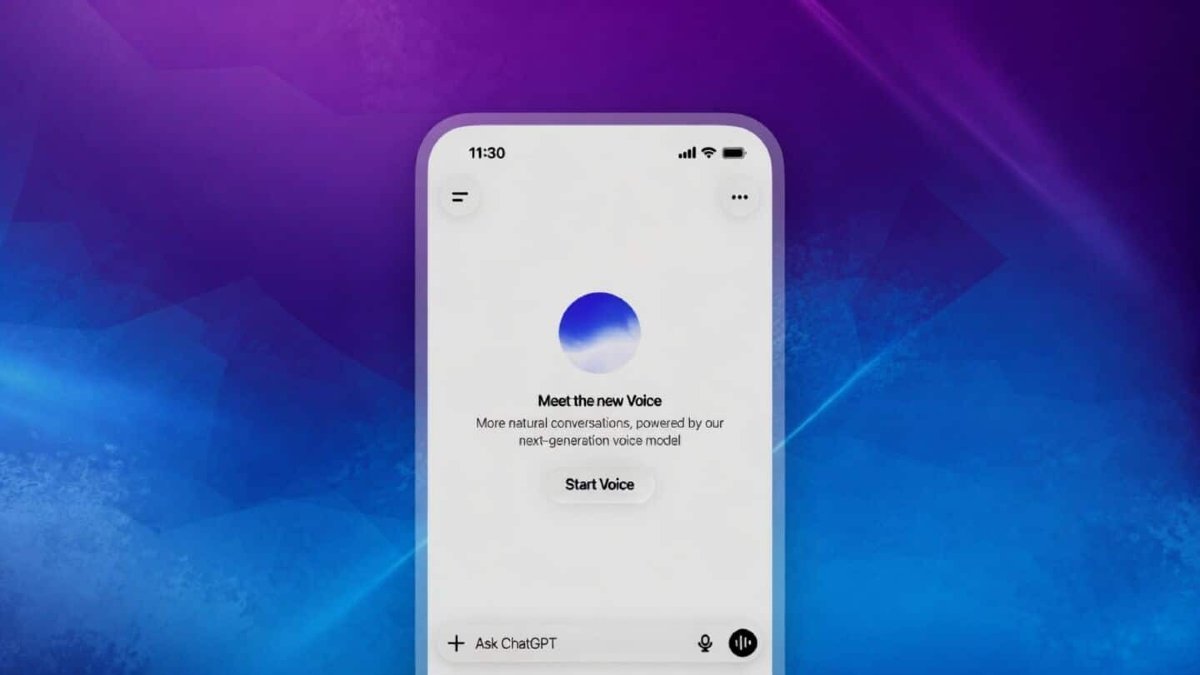
Many tech enthusiasts and casual users are incredibly curious about the advanced audio mechanics operating behind this new voice experience. GPT-Live utilizes a cutting-edge full-duplex architecture to process user speech and generate conversational audio outputs at the exact same time. This groundbreaking engineering means you can speak over the AI naturally and it will adapt its flow instantly without forcing an unexpected awkward pause. While the conversation is going on between the user and the AI model, the system intelligently delegates complex mathematical reasoning, deep coding and live web searches to advanced models like GPT-5.5. You can experience these lightning-fast, flowing conversational features firsthand by accessing the newly updated ChatGPT Voice interface today.
Is OpenAI’s New Voice Ready To Replace Humans In The Workplace
The rapid evolution of sophisticated voice AI has corporate professionals and customer service agents wondering if their careers are at immediate risk. At present, the GPT-Live architecture is heavily optimised to act as a brilliant brainstorming partner rather than an autonomous digital employee. It can certainly streamline your daily enterprise workflow by instantly reading back extensive research papers or translating international business documents. But the model still completely lacks the deep emotional intelligence, ethical reasoning and nuanced executive judgement that human workers naturally provide. Therefore, global business leaders should view this voice technology as a powerful productivity aid rather than an automated replacement for human workforce talent.
Also Read: Are AI Therapy Apps Effective? Benefits & Risks
What Are The Main Features Of GPT-Live
Everyday users want to know exactly what makes this premium voice upgrade so unique compared to the traditional automated text-to-speech tools. The most exciting and transformative feature is its unique ability to actively listen while speaking, making back-and-forth verbal debates feel incredibly smooth. Additionally, the software recognises conversational pauses and stays completely silent when you need a quiet moment to gather your thoughts. The multifaceted system is even capable of rendering dynamic visual cards right inside the chat window for live data tracking. You can explore all the official innovative multimodal tools by reviewing the official OpenAI GPT-Live release notes.
What Is The Difference Between GPT-Live-1 & GPT-Live-1 Mini
OpenAI has strategically deployed two distinct variations of their new voice architecture to cater to different operational demands and budget constraints. The premium GPT-Live-1 model is considered as the most capable version available, serving as the default voice engine for paid enterprise subscribers. On the other hand, the highly efficient GPT-Live-1 mini is a lighter model specifically optimised for free tier mobile users. While the both tiers offer the exact same full-duplex slightly in their backend token processing speeds.
Can GPT-Live Understand Different Languages
Language learners, digital nomads and global travelers are eager to test the boundaries of the AI’s multilingual conversational skills. GPT-Live boasts of having highly impressive real-time spoken language translation capabilities that break down traditional communication barriers across the different cultures. This advanced function allows two individuals who speak entirely different dialects to converse smoothly while the AI instantly acts as an interpreter. The underlying framework is custom-built to support dozens of global languages, successfully minimising the awkward delays associated with old translation software. You can easily adjust your preferred dialect and voice identity settings directly inside the main ChatGPT Voice settings menu.
Is the AI Voice Too Emotional Or Addictive
Given the current trends where automated voice assistants become increasingly human-like, psychologists and developers worry about users forming unhealthy, parasocial psychological attachments to algorithms. OpenAI has actively addressed these growing societal concerns by stating explicitly that GPT-Live is not built to be a digital companion. The audio models strictly rely on a selection of present voices to purposefully prevent the deceptive impersonation of real public figures. Furthermore, the application features strict built-in safety safeguards designed to actively detect and handle signs of human emotional reliance. Ultimately, the engineering company wants to keep the technology strictly focused on practical utility, workplace efficiency and natural human collaboration.
What Is The Future Of Voice AI
Tech investors and futurists are incredibly excited to see exactly where this next-generation conversational AI interface will head next. OpenAI plans to seamlessly integrate live video capabilities and real-time screen-sharing functionalities into these vocal models in the coming months. This expansion will allow the assistant to visually see what you are doing and assist with complex physical world problems. As these massive visual and audio updates roll out globally, human voice could quickly become the primary input method for computing. You can stay continuously updated on these upcoming software launches and corporate developer notes by visiting the official OpenAI portal.
How Does GPT-Live Compare To Older Voice Modes
Long-term users frequently ask how this current release stacks up against the previous legacy iterations of ChatGPT’s audio tool. The older voice mode acted as a simple wrapper that converted text to speech after a noticeable, multi-second processing delay. In stark contrast, GPT-Live processes the raw audio stream natively, which preserves original emotional inflections, laughs and whispered notes. This native processing completely eliminates the rigid, robotics cadence that made previous versions feel unnatural during prolonged use. As a result, the user experience transitions from a mechanical command-and-response loop to a fluid, highly engaging conversational experience.
What Are The Technical Limitations Of GPT-Live
Despite its incredible advancements, it is essential for businesses to understand the technical constraints before deploying this AI tool. Because the system prioritizes instantaneous audio responses, it can occasionally experience minor factual hallucinations during highly complex, niche technical queries. The full-duplex architecture also required a remarkably strong, low-latency internet connection to maintain its fluid conversation without any audio stuttering. Not only this, high-volume usage can drain smartphone batteries faster than the standard text interfaces due to continuous audio processing requirements. By carefully considering these hardware and software limitations helps the users to set realistic expectations while integrating the tool into their daily routines.
Also Read: AI Push: Microsoft Cuts 4,800 Jobs Amid AI Spending
Can Developers Integrate GPT-Live Into Custom Apps
Software engineers and tech startups are highly interested in leveraging this revolutionary voice capability within their own proprietary products. OpenAI provides comprehensive API access that makes it easier for the developers to build custom applications powered by the GPT-Live full-duplex audio framework. This makes a space to invite massive opportunities for creating highly interactive language learning apps, hands-free navigation tools and automated support desks. The API includes customisable parameters for speech sensitivity, ensuring the AI behaved correctly based on the application's unique environment. You can check out innovative developer discussions and open-source integrations surrounding audio frameworks over on GitHub.
Is Your Data Safe When Using GPT-Live
Privacy advocates and corporate compliance officers frequently raise valid questions regarding data security and audio storage policies. OpenAI takes data privacy seriously by implementing industry-standard encryption protocols for all voice data transmitted during a love session. By default, users have the absolute right to delete history storage, preventing their audio interactions from being saved. Furthermore, the company explicitly states that voice data from enterprise accounts is very utilized to train future AI models. Therefore, it's a wise decision to review your privacy settings, ensuring your personal conversations and proprietary corporate insights remain entirely confidential and heavily protected.