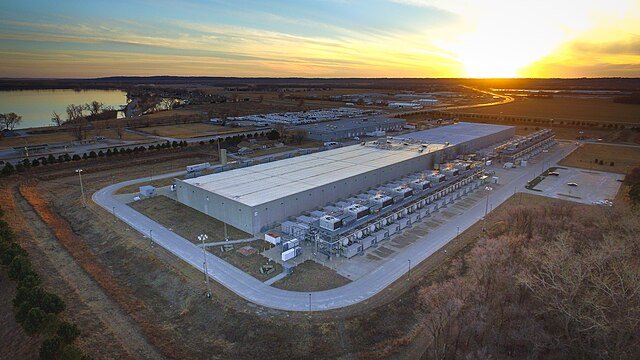
After a tough first half of 2026, Microsoft is slashing 4,800 jobs globally, which will directly impact Xbox and sales teams. The tech giant will be spending around $190 billion on capital infrastructure in 2026, which includes data centres, computer hardware, energy systems and cloud infrastructure required to run AI operations. By laying-off 2.1 % of the global workforce, Microsoft marks another step in a multi-year effort to rebuild the company around AI-driven products and high-margin businesses.
While Amy Coleman, Chief People Officer at Microsoft, emphasized that AI will not replace these jobs. Customers, businesses, systems, and operating models are changing rapidly, and teams must be redesigned to meet new requirements. Though artificial intelligence is not directly replacing jobs, the cost optimization to power AI infrastructure tells you a lot about the future.
Also read || Why Alibaba Banned Staff From Using Claude Code
Microsoft cuts 4,800 jobs across Xbox and sales
On July 6, Microsoft announced to bid farewell to around 4,800 employees, and the worst-impacted teams were Xbox and the Commercial Sales organization. The reason behind this layoff is that both faced slower growth and tougher profitability compared to the cloud and productivity segments. As it is the start of a new fiscal year for Microsoft, they have decided to reset budgets and reevaluate their organizational chart.
Microsoft's Xbox would bear most of the pain, as roughly 3,200 employees will be affected. Besides, 1,600 people will be eliminated, taking effect immediately. As Microsoft reshapes its portfolio, minimizes underperforming projects, and reallocates resources towards AI and Cloud-related services, the balance (3,200 employees) will be phased in gradually.
Xbox leadership has described these layoffs as the most significant restructuring in the division's history and pointed to weak margins as key factors. The message to staff is that the business is not healthy enough to justify its cost base. As part of the restructuring, several Xbox game studios will now be independent operations, giving them more freedom while allowing Microsoft to simplify its own development and publishing footprint.
Microsoft's Commercial Sales division cuts are expected to affect 600 jobs in Washington state, even though the company's in-state headcount is projected to remain near 52,000 once hiring elsewhere is taken into account. It means there is a pattern of cutting overlapping roles in core locations, while adding new roles in newer locations, so that AI-focused teams may be distributed across different regions.
At this point, Microsoft is taking steps to manage headcount. Earlier this year, they offered a voluntary retirement program to certain U.S. employees, and a significant share of eligible staff accepted, helping reduce the scale of forced layoffs. In 2025, the company cut on the order of 4% of its workforce in two rounds, its largest reduction in more than a decade. The latest layoffs extend a clear pattern: Microsoft is shrinking and reshaping its workforce even as revenue continues to grow.
Also read || 10 Technologies to Learn in 2026 for Career Growth
Microsoft says AI isn't replacing these roles.
In an internal memo to staff, Amy Coleman wrote that AI systems will not directly replace the roles eliminated in this round. She highlighted that the pace of change is faster than ever, and evolving business models and customer needs are transforming organizations. Her message is that companies don't get to choose the change of pace of their industry. They can either adapt to the change or fall behind.
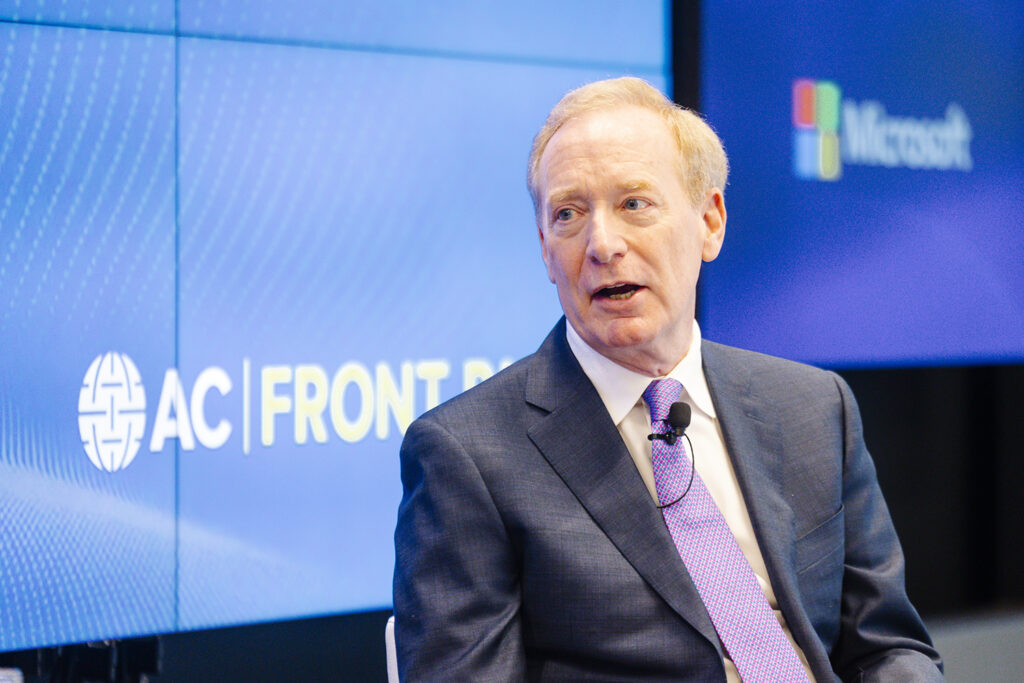
Brad Smith, President and Vice chairman said that the company can only remain a strong employer if its business stays successful, and adapting to change is unavoidable. Falling share prices and questions from investors about the payoffs from its ambitious AI investments are also some of the reasons behind this restructuring. Moreover, the message is clear: these layoffs are driven by strategy and not short-term panic.
To minimize the blow, Microsoft is leaning heavily on internal transfers. Coleman said the company redeployed over 4,000 employees into new roles in 2025. While reducing job eliminations is a constant goal, layoffs like these are difficult and unavoidable given how quickly the business landscape is evolving. While redeployment helps, it cannot absorb every displaced worker.
Also read || Dealing With Layoff Stress
The Capital Realignment of the AI Era
The cost to build artificial intelligence infrastructure is reshaping the corporate structures across the technology sector. In 2026 alone, tech giants are projected to spend over $700 billion on data centres, specialized chips and high-capacity networking gear. With such expenses, companies are already under scrutiny from investors, who demand clear proof that these investments will convert into higher earnings. On the other hand, executives are obliged to find efficiencies elsewhere, leading to widespread layoffs.
Microsoft's recent decisions and market performance clearly show the tension between investor anxiety and massive infrastructure costs. The stock has suffered a rough stretch, despite all the costs and a steady growth in cloud services. The layoff of 4,800 people implies that the company is concerned about near-term AI returns. To impress investors, Microsoft has defined underperforming divisions, including Windows licensing, gaming, and Surface hardware, to shift resources towards AI-centric products.
Also read || Oracle Layoffs 2026: What's Really Going On?
The pattern of structural realignment is common in all companies, whether it is Meta or Amazon. Both of them have similarly eliminated thousands of positions while ramping up spending on Generative AI and recommendation systems. In the first half of 2026 alone, around 154, 000 jobs were lost, with firms like Oracle and Cognizant also downsizing. All these cuts indicate an industry-wide transition where organizations are proactively working around AI-powered tools and infrastructure.
Ultimately, these moves change the specific volume and types of skills most tech organizations require. The workflows are changing, and there are productivity tools for every department. Whether it is AI assistants for sales teams, automated coding tools for developers, or advanced chatbots for customer support, everybody needs to learn and adapt to their domain-specific tools. The bottom line is that until the massive infrastructure investments yield undeniable financial returns, the tech sector will see continuous restructuring.