With layoffs, mergers, acquisitions, and IPOs, the tech landscape is evolving beyond the precincts of our imagination, and every year brings a new tech buzzword or technology. Hiring data shows that machine learning job postings increased 163% year-over-year in 2025, while Cybersecurity postings grew 124% over the same span. Similarly, the data science and analytics role grew 62% year-over-year as of 2026, based on Robert Half's data.
The numbers show that not every tech skill, but a specific set of skills, tied to AI, security, and data, is what the market demands the most. At this point, companies are hiring more on proofs and less on potential, which means your degree is less relevant, but your tech skills matter more than they used to. Interestingly, most of these skills don't require four years in engineering school or a computer science degree.
While knowing how coding works is beneficial, recruiters look for people who understand how these technologies work and can apply them. Whether you are a marketer, analyst, project coordinator, product manager, or are switching your career, excelling at these technologies can help you find real opportunities. The list below breaks down ten specific technologies worth learning in 2026 based on hiring trends and salary data.
Also read || How AI Is Fixing Medicine's Broken Information Gap
Agentic AI
As the name suggests, Agentic AI is a tool that can complete entire tasks on its own, not just an advanced chatbot. Instead of asking a chatbot for advice, you can set up an AI agent to draft a report, edit content, update records or handle a multi-step process while you focus on more critical work. Organizations are moving and have moved from testing these tools to actually relying on them, which makes Agentic AI one of the most crucial skills to have in 2026.
Model Context Protocol, or MCP
MCP allows you to connect your AI tools directly to the software a company is already using. Whether it is a database, calendar, or internal systems, MCP seamlessly integrates AI tools with existing systems. In simpler words, it lets the AI assistant actually pull real information from your company's tools instead of working blindly. While you may not need to learn to build this technology in a non-tech role, understanding how it works will improve your work's effectiveness.
Cybersecurity
At every point in our digital lives, Cybersecurity is like a shield that protects us. It protects data, systems, and accounts from hackers and cyberattacks. The industry has a huge demand and supply gap, and over 4 million positions are unfilled. Since businesses now run through cloud tools and AI systems, companies are vulnerable to cyberattacks, which leads to more demand for skilled cybersecurity professionals. While it is one of the fastest-growing fields in tech, cracking a core entry-level cybersecurity role is still tough.
Also read || World Asteroid Day 2026: What It Is & Why It Matters
Cloud computing
Whether you work in engineering or operations, you may have heard of Microsoft Azure or Amazon Web Services outages in the past, and that's what Cloud computing is about. Cloud computing refers to storing data and running software over the internet instead of a physical computer or office server. In 2026, every company either works with platforms on AWS, Azure, or Google Cloud, so if you know the basics of these cloud systems and you can work on them, you're already ahead in the industry.
Data science and analytics
Data science has been there for a long time to answer real business questions, like why sales dropped last quarter or which customers are most likely to leave. The field has become more specialized, splitting into roles like data engineers, who build the systems that move data around, and analysts, who turn that data into clear insights. Even basic data skills, like reading trends and using tools like Excel confidently, are now expected in most office roles.
Machine learning and MLOps
Ever since the AI boom, machine learning has become a trending keyword, and everyone in the tech ecosystem talks about it. But it is not a new phenomenon; machine learning is behind every AI system that learns patterns from data instead of following fixed rules, like our brains. These models are used in recommendation systems and for finding anomalies, and have dozens of applications. On the other hand, MLOps refers to machine learning operations, which involve keeping those systems running reliable once they're built.
Also read || 9 Surprising Ways Video Games Changed the World
AI governance
When the systems are changing, they need smart governance, and that's where AI governance comes into play. These are a set of rules and practices companies use to make sure that their AI tools are safe, fair, and legally compliant. Today, AI is used for hiring decisions, customer service, and sensitive areas, which makes companies more vulnerable to lawsuits. So, with good AI governance, we can catch problems like bias or privacy risks before they cause reputational damage to an organization. The field is relatively new and doesn't require a technical background to start.
Automation and low-code tools
Automation allows you to get rid of redundant tasks. The low-code AI automation tools connect different apps for tasks like moving data between systems or sending follow-up emails without doing them manually. With these low-code platforms, you can build simple tools and workflows using visual drag-and-drop interfaces instead of writing code. These are some of the most accessible technologies that anybody can learn without much effort, and save hours of work.
AI-assisted software development
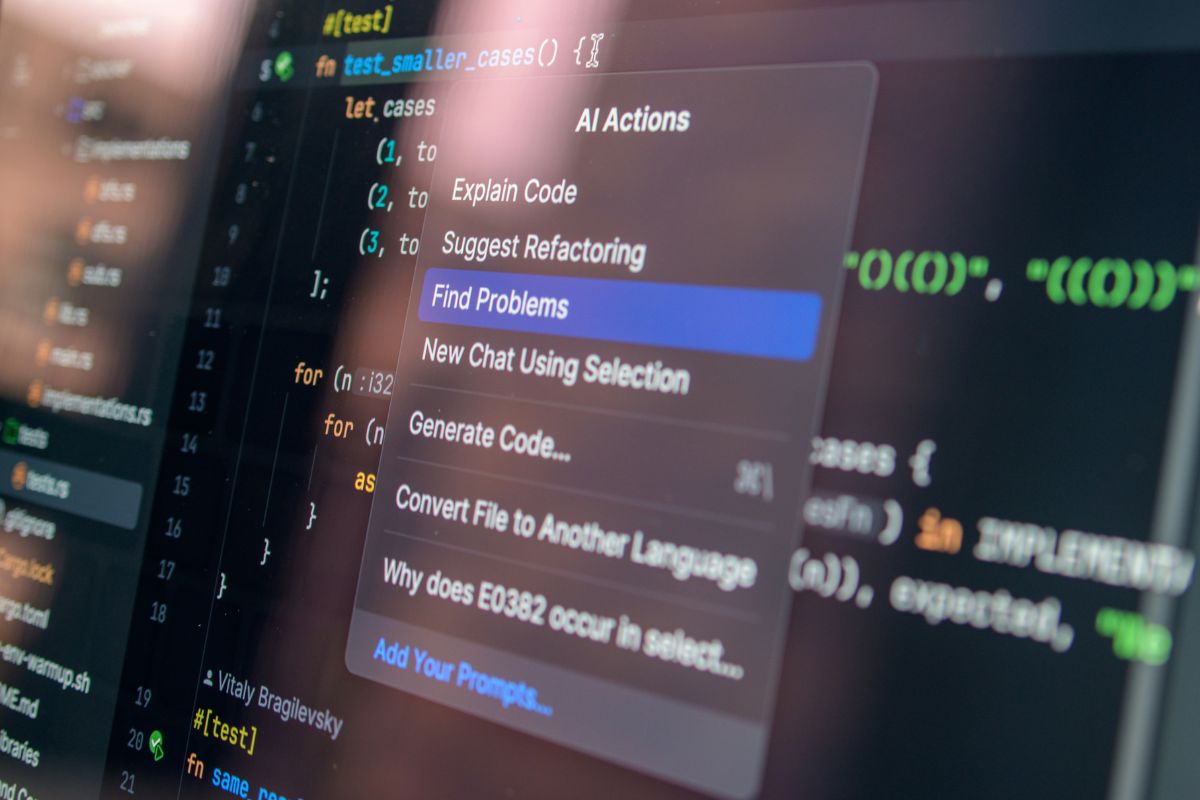
If you are a software engineer who is great at coding, maybe it is time to learn AI-assisted software development, which can save you a lot of hours. There are AI tools like GitHub Copilot, Cursor, and others that can help you rewrite code faster, which means real value for those who know how to read and review code faster. Employers are now hiring workers who can guide AI tools well and are not just fast typers.
Data engineering
People may confuse data engineering with an extension of data science, but it is altogether a different thing. Data engineers are like plumbers who work behind the scenes to build the digital pipelines and systems to collect, clean, and move data so it can actually be used. Every report, dashboard or AI model depends on these data pipelines working in the background. Automating data engineering is not very simple, which is why it is still one of the most in-demand roles in tech companies.
Also read || GTA 6 Pre-Order Scams Surge: How to Stay Safe in 2026
What to learn in 2026
While you can't learn everything all at once, and honestly, you don't need to learn everything on this list. All you have to do is find what is relevant for your role. If you are in marketing, media, or sales, there is no point in learning data engineering or software development. However, agentic AI and low-code tools can come in handy for almost every professional who's working on computers. You can create mini-projects and display them on your portfolio to prove your AI competence.
On the other side, new engineers need to work on their building and computing skills. Hence, data engineering, machine learning, AI-assisted software development, and cloud computing are some of the sought-after technologies that they must work on. It is 2026, and what protects your career is not knowing everything, but knowing the right thing before it becomes mandatory.