Video games are often seen as entertainment. People play them to relax, compete, explore imaginary worlds, or spend time with friends. However, video games have had a much bigger effect on society than many people realize. Over the years, gaming has influenced computers, artificial intelligence, smartphones, movies, online communities, education, and even military training. Many technologies that are now part of daily life became popular, improved, or developed faster because of video games.
The story of video games began as a technical experiment. One of the earliest video games, “Spacewar!,” was created in the early 1960s by students at MIT for the PDP-1 computer. The students wanted to show what the computer could do, so they created a multiplayer space battle game. At the time, it was simply a fun project, but it also showed that computers could create interactive experiences. Since then, gaming has grown from simple arcade machines and home consoles into a global industry. Today, video games are connected to some of the most important technologies in the world.
Also Read: Netflix Launches FIFA World Cup: Launch Edition Game on June 11
Gaming GPUs Helped Create the AI Revolution
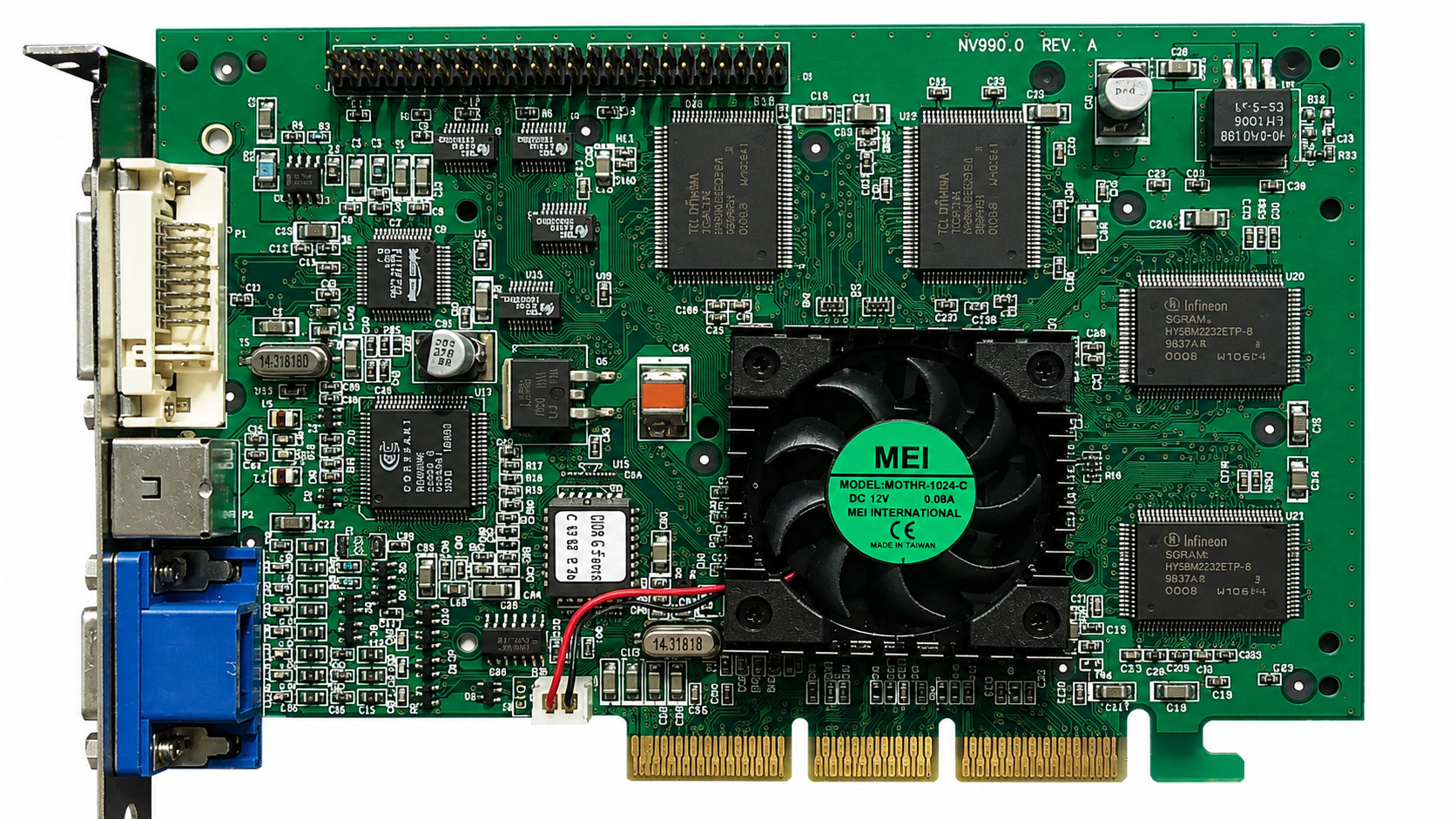
One of the biggest ways gaming changed the world is through graphics cards. In the early days of computers, the CPU, or central processing unit, did almost all the work, including calculations, programs, and graphics. This was enough for simple games, but it became difficult when games started using 3D graphics, realistic lighting, shadows, and large virtual worlds. To solve this problem, companies created graphics cards, which were special pieces of hardware designed to create images faster than a normal CPU.
Over time, graphics cards became more powerful and more flexible, and today they are known as GPUs, or graphics processing units. GPUs were first mainly used for video games, and games such as “Quake” showed how much better graphics could look when a GPU handled the visual work. With a graphics card, games looked smoother, sharper, and more realistic. However, GPUs later became useful for more than gaming because researchers discovered that they were excellent at doing many calculations at the same time.
This is important for artificial intelligence, especially for training neural networks. Modern AI systems need to process huge amounts of data and perform millions or billions of calculations very quickly, and GPUs are well-suited for this type of work. Today, AI tools such as ChatGPT, image generators, language models, and scientific AI systems depend heavily on GPU technology. In a surprising way, people buying graphics cards to play better games helped create the hardware market that made modern AI possible.
Online Multiplayer Games Helped Shape Internet Culture

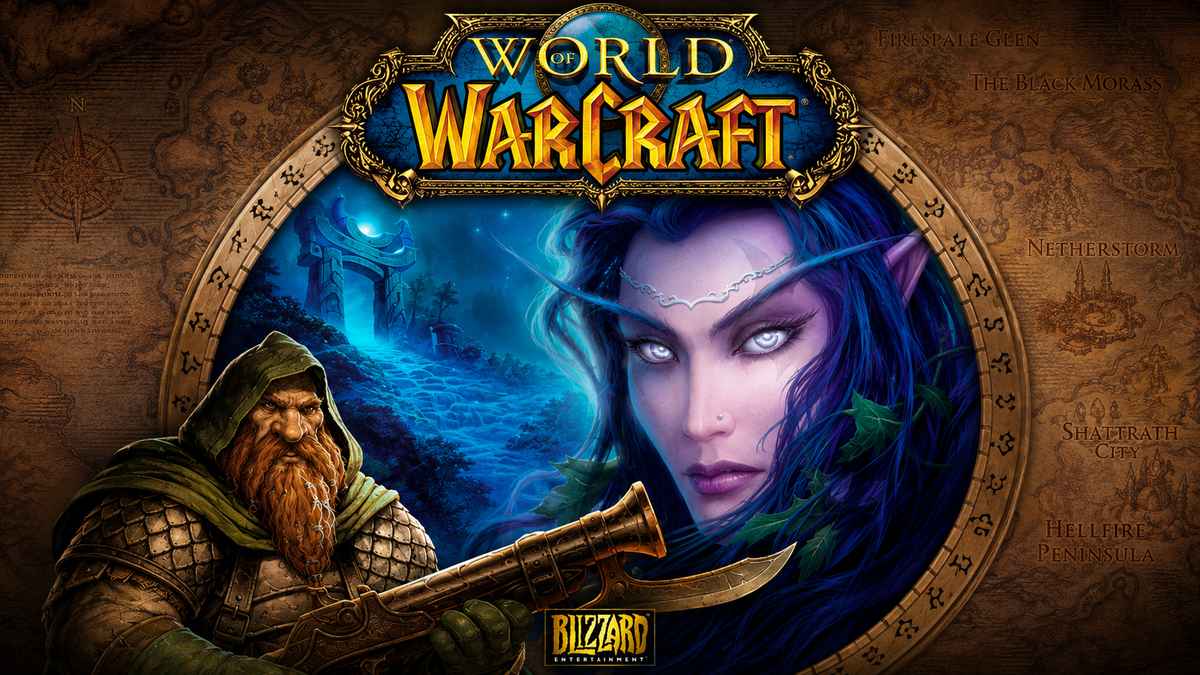
Before social media became a major part of life, online multiplayer games were already teaching people how to live and interact on the internet. Online games introduced many ideas that are normal today, including usernames, online identities, groups, friendships, voice chat, virtual-item trading, and digital communities. Games such as “Ultima Online,” “EverQuest,” and “World of Warcraft” gave players large online worlds that continued even when they were offline.
Players could join teams, complete missions, buy and sell items, and build friendships with people from different countries. These games created communities that were active all day and night, and players often returned every day because their friends, teams, and virtual goals were waiting for them. This was similar to what later happened with social media platforms. Today, people use online profiles, group chats, digital communities, and virtual identities every day, and many of these habits became popular first in gaming spaces.
Online games also showed the positive and negative sides of being connected all the time. They helped people make friends and work together, but they could also lead to unhealthy habits, as some players spent too much time playing and became disconnected from real life. This is similar to modern social media, where people can use the internet to connect with others, but can also spend too much time scrolling, arguing, or comparing themselves to others. Video games helped make a constant online connection feel normal.
Gaming Helped Create the Creator Economy

The creator economy is now a major part of the internet, with millions of people earning money by making videos, live streams, podcasts, online courses, and social media content. Gaming played an important role in creating this system. In the past, people mostly watched professional athletes, actors, musicians, and television stars, but gaming changed this idea by showing that ordinary people could build an audience by playing games online.
Platforms like Twitch allowed gamers to stream themselves live. Some streamers became popular because they were highly skilled, while others became famous because they were funny, energetic, or entertaining. People began watching games not only to learn how to play better, but also to enjoy the personalities of the streamers. This was similar to watching a sports match, a comedy show, or a reality television program.
Gaming videos also became popular on YouTube, where creators made game reviews, walkthroughs, tutorials, reaction videos, challenge videos, and live streams. Many people built full careers from gaming content. This helped create the idea that a person could turn their hobbies into a business. Today, people stream cooking, fitness, travel, music, art, education, fashion, and many other activities. Gaming creators were among the first people to prove that an online audience could become a real source of income.
Video Games Changed How Movies and TV Shows Are Made
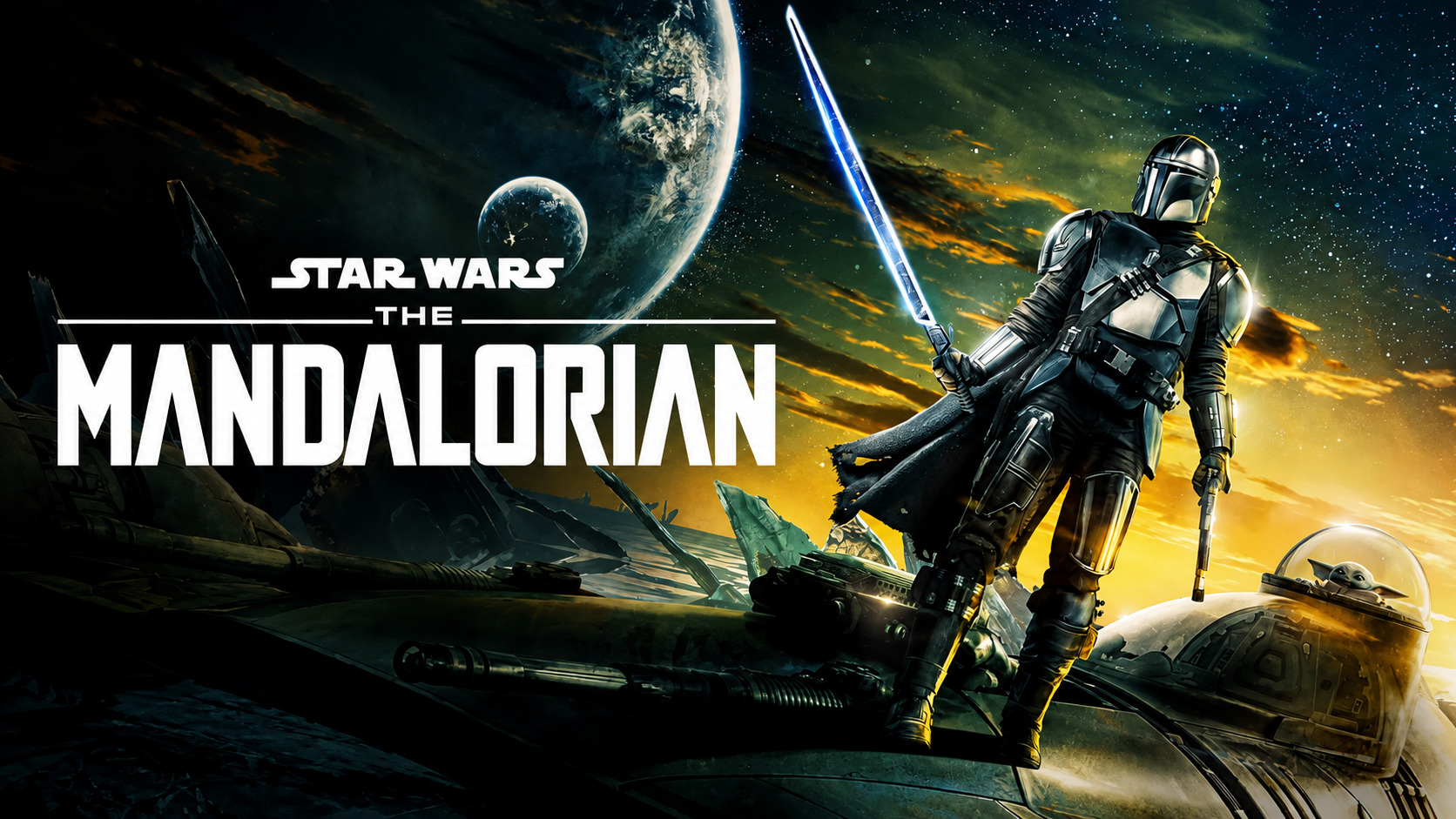
Video game technology is now changing filmmaking. A major example is the use of virtual production. Instead of filming actors in front of a green screen, filmmakers can use large LED walls that display realistic digital backgrounds. Actors can stand in front of these screens and see the environment around them, making it possible for them to appear to be standing on another planet, inside a futuristic city, or in the middle of a desert.
One famous example is “The Mandalorian,” which used a large LED screen system to create realistic backgrounds during filming. The technology behind these backgrounds often comes from game engines such as Unreal Engine, which was originally developed to create video games, including games like “Fortnite.” A game engine can create realistic 3D environments in real time and change the background as the camera moves.
This makes the final scene look more natural because the lighting, reflections, and camera angles match the digital world. The technology saves time, reduces the need for green-screen editing, and helps actors because they can see the environment instead of imagining it. Video games have helped create a new style of filmmaking where live-action actors and computer-generated worlds can work together more naturally.
Also Read: GTA 6 Pre-Order Scams Surge: How to Stay Safe in 2026
The Military Uses Gaming Technology for Training
The military has always looked for safe ways to train soldiers because training in real conditions can be expensive and dangerous. It can require fuel, equipment, ammunition, vehicles, and large training areas. Before modern video games, militaries used simulators, such as flight simulators, for training pilots. As computers and games became more advanced, military organizations began using game technology for training.
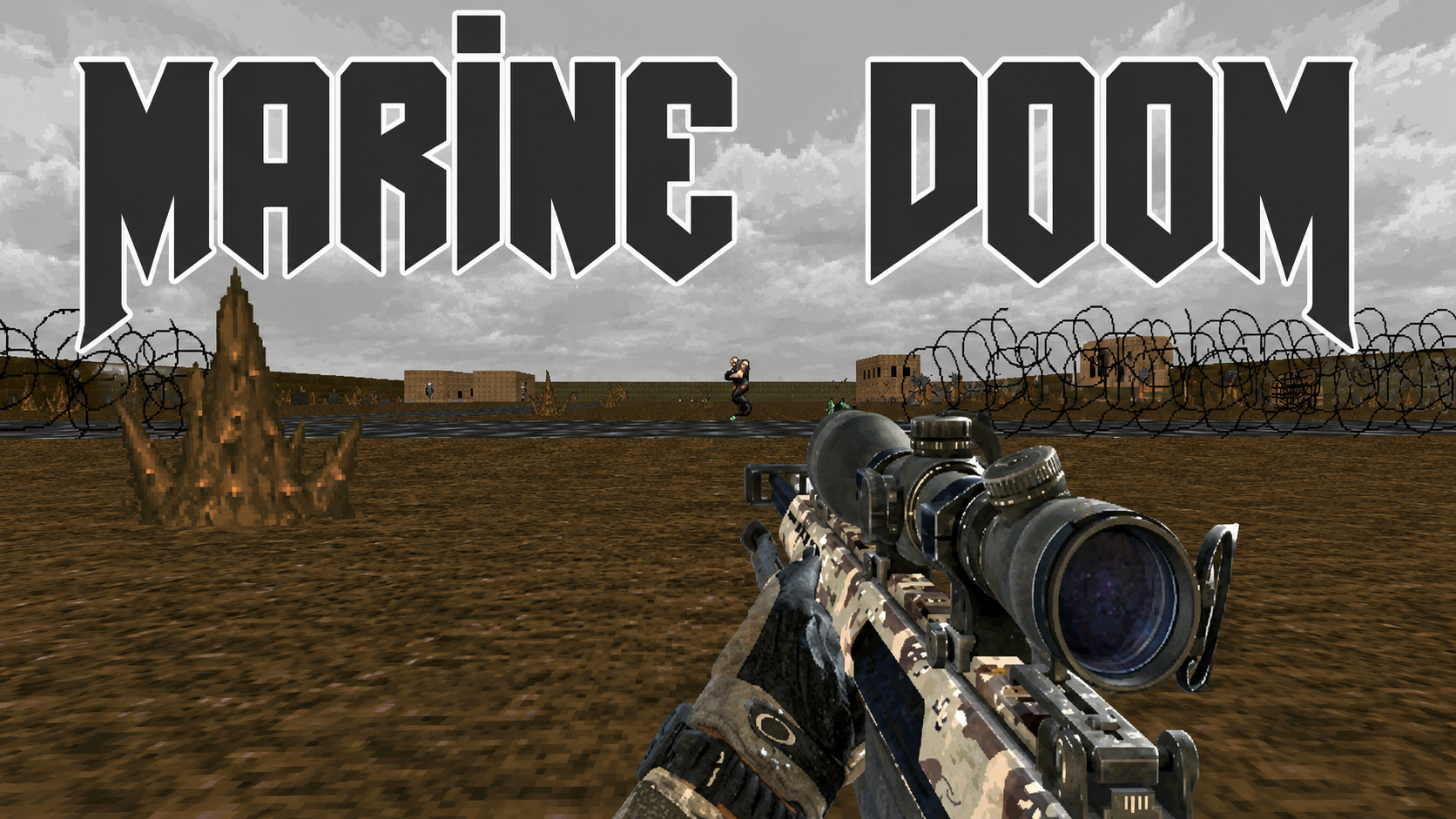
One example is “Marine Doom,” a version of the game “Doom” created for the U.S. Marine Corps. It allowed soldiers to practice teamwork, movement, communication, and decision-making in a virtual environment. The game was not as realistic as modern military simulators, but it showed that video game technology could be useful for training because it was cheaper and safer than using real weapons and vehicles. Today, military training systems often use advanced graphics, virtual reality, and simulation technology.
Soldiers can practice missions in digital environments before entering real situations. Gaming controllers are also used in some military systems. For example, Xbox-style controllers have been used in submarines and other equipment because many young soldiers are already familiar with them. Drone warfare has also made gaming skills more useful, as drone operators often use screens, cameras, and controls that can feel similar to gaming systems.
Video Games Helped Bring Computers Into Homes
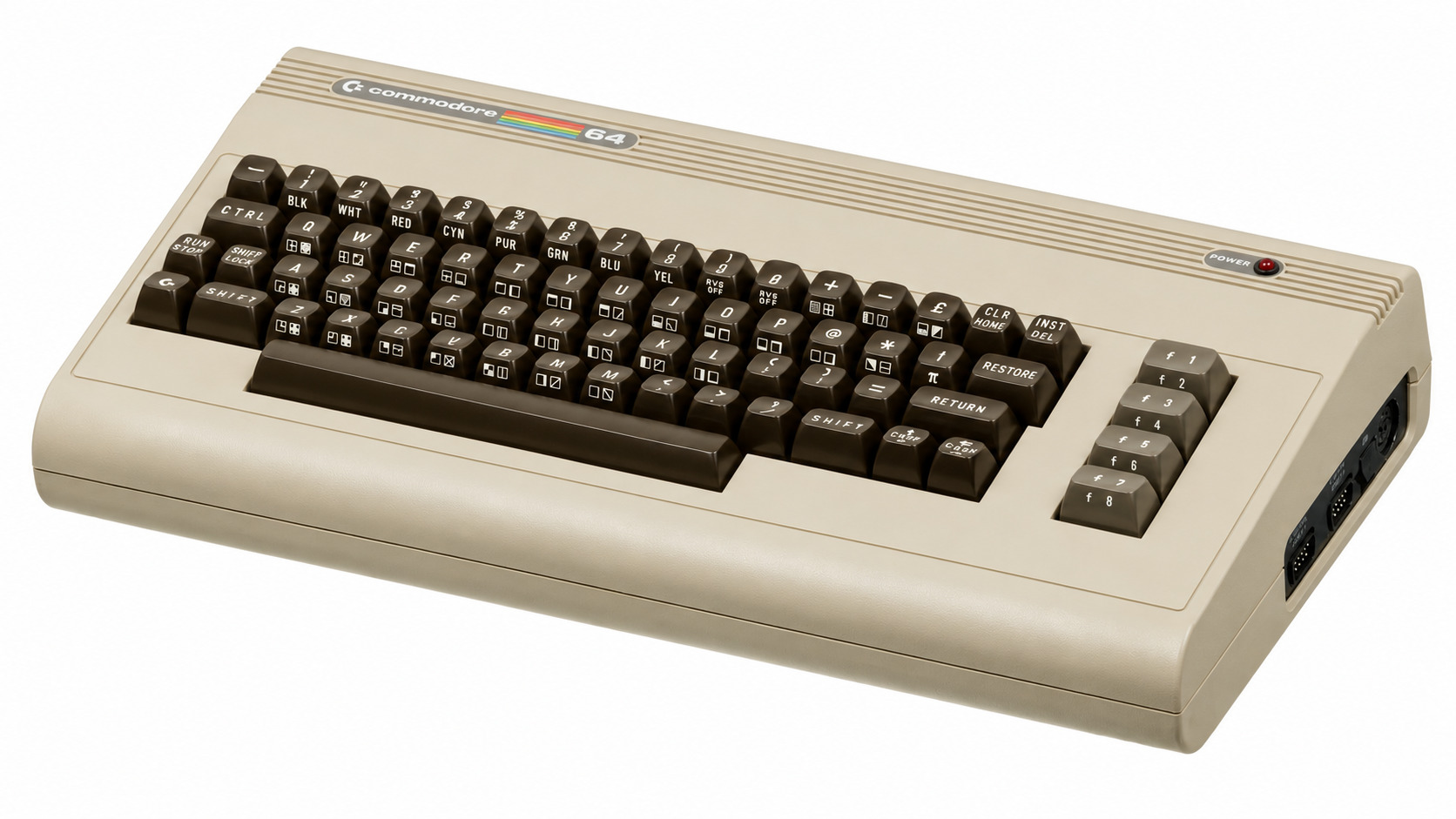
Video games gave many families a reason to buy computers. During the 1970s and 1980s, home computers became more common. Many parents bought computers for education, homework, writing, or business tasks, but children were often excited about computers because they could play games.
Home computers such as the ZX Spectrum, Commodore 64, and IBM PC became popular partly because they could run games. Gaming also encouraged people to upgrade their computers. A person may not need a powerful computer just to write a letter or make a spreadsheet, but new games often need faster processors, more memory, better graphics, and improved sound. Games such as “Doom” and “Quake” pushed people to buy newer and faster computers.
When people upgraded their hardware for games, they also gained better tools for work, school, and communication. This created a cycle in which new games required better hardware, better hardware allowed people to use more advanced software, and new software and games created demand for even more powerful computers. Video games helped speed up the growth of home computing.
Mobile Gaming Transformed Smartphones
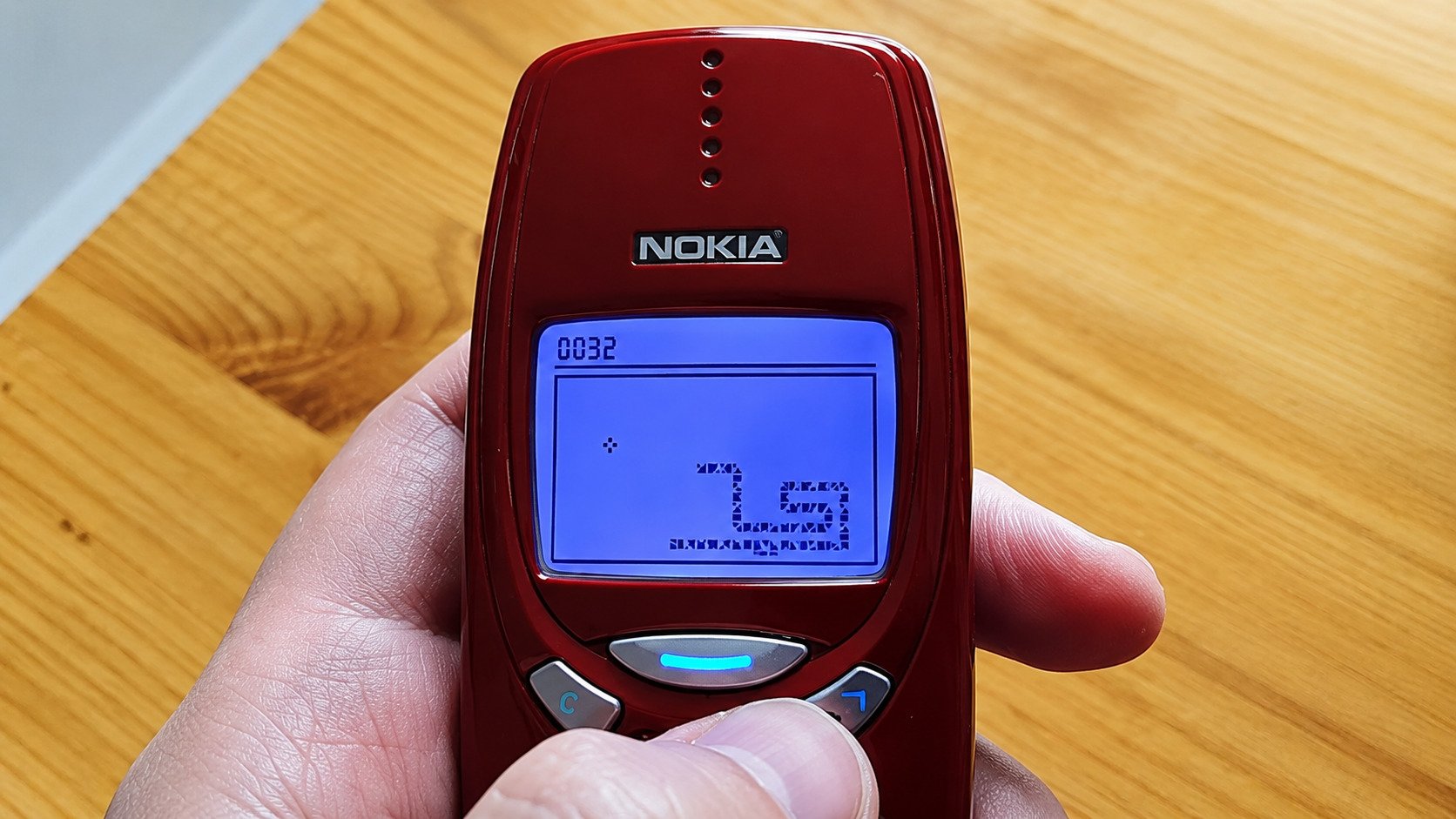
Games have been on mobile phones for many years. One of the most famous early phone games was “Snake,” which became popular on Nokia phones. Later, feature phones included Java games. These were simple games, but they showed that people enjoyed playing on small devices. Mobile gaming became much bigger after smartphones arrived.
When the iPhone first launched, it did not have an App Store, so developers could not easily create and sell apps for it. Once app stores became available, mobile games quickly became one of the most popular types of apps. Games such as “Angry Birds,” “Candy Crush,” and many others showed that smartphones could become gaming devices. Today, mobile games make billions of dollars every year, and Apple and Google earn large amounts of money from game purchases, subscriptions, and in-game items.
Gaming is now an important part of smartphone design. Phone companies often show the graphics power of new devices by demonstrating popular games. Faster processors, stronger GPUs, better screens, and improved battery life all help mobile gaming. Some modern smartphones can now run games that were once only possible on consoles or powerful computers. Video games have helped push smartphone technology forward.
Games Proved That Digital Items Can Have Real Value
Video games helped people understand that digital items can be valuable. In many games, players can collect virtual money, weapons, clothing, characters, land, or other items. These items do not exist in the physical world, but players may still want them badly. In games such as “World of Warcraft,” some players collect virtual gold and sell it to other players for real money. This was often against the rules, but it showed that people were willing to pay real money for virtual items.
Later, games such as “Counter-Strike” created markets for rare digital skins. Skins are cosmetic items that change the appearance of weapons or characters, and some rare skins can sell for hundreds or thousands of dollars. This helped businesses understand that people were comfortable paying for digital products.
Today, people regularly buy digital movies, music, e-books, game downloads, subscriptions, online courses, and virtual items. Games also helped prepare people for ideas such as NFTs and cryptocurrencies. These systems are based on the idea that something digital can have value if people agree that it does. Video games were one of the first places where large numbers of people accepted that virtual goods could be worth real money.
Also Read: Pokémon Champions: The Ultimate Battle Guide
Gaming Changed Education
Video games have been connected to education for a long time. Some games were created specifically to teach children, and these are often called edutainment games. They may teach math, spelling, science, geography, history, or reading. One well-known example is the “Magic School Bus” game series, which was designed to make learning more interesting for children. However, regular games can also have educational value because they can teach problem-solving, teamwork, planning, creativity, and decision-making. “Minecraft” is a popular example.
Students can build structures, work together, explore ideas, and solve problems inside the game. Some schools use Minecraft in lessons about history, science, architecture, and coding. Another important idea is gamification, which means using game-like features in non-game activities. For example, a learning app may give users points, badges, levels, rewards, or daily challenges.
This can make learning feel more interesting and motivating. Apps such as Duolingo and Khan Academy use gamification to help people learn languages, math, science, and other subjects. Virtual reality and mixed reality may make game-based learning even more powerful in the future. Students may be able to explore ancient cities, practice medical procedures, visit space, or learn science through interactive virtual worlds.