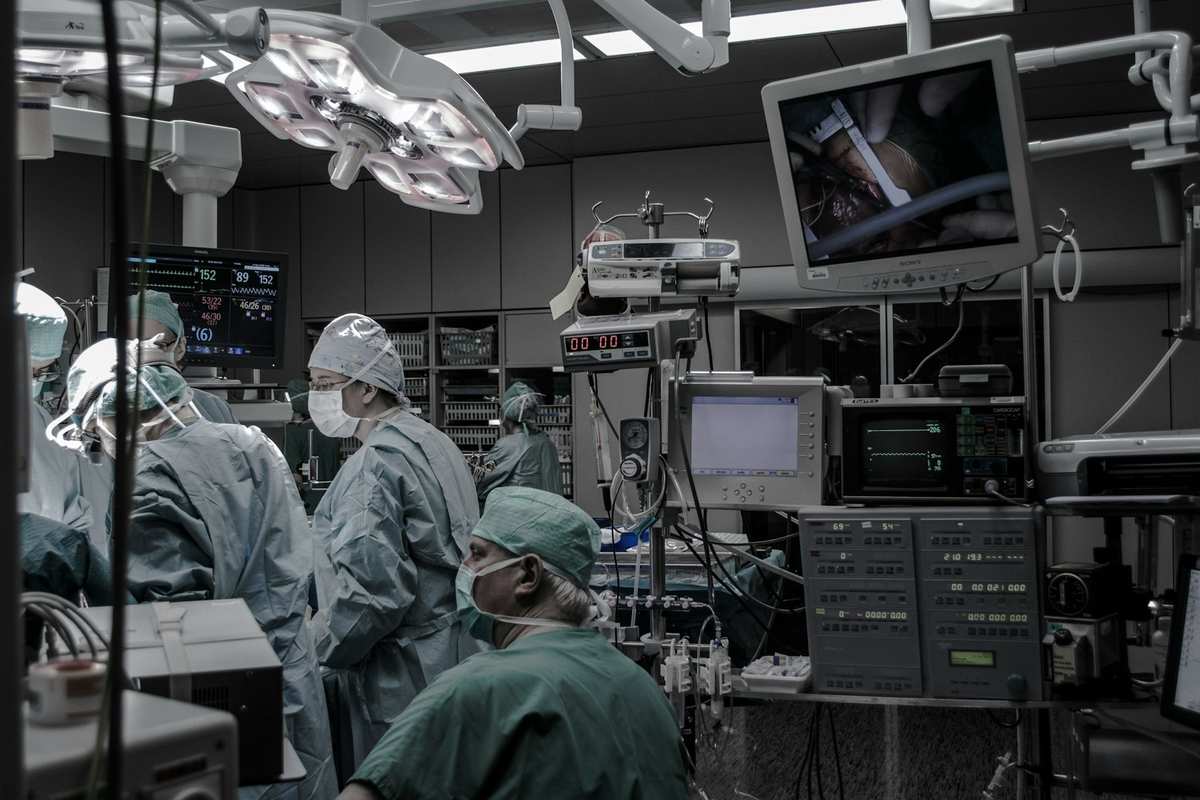
A 35-year-old obsessively healthy man who tracks sleep with two wearables, checking nearly 100 biomarkers yearly, and following all the protocols for longevity, that's Conno Christou, the founder of an AI healthcare startup named Keragon. When his arm got swollen, he was not worried because there were no warning signs, and his numbers were good.
Within the next week, a doctor found two blood clots and scheduled a surgery, but the pre-operation scans changed everything. There was an 11-by-11-by-8 centimeter mass behind his sternum. When the biopsy confirmed it to be an aggressive form of non-Hodgkin's lymphoma, it would have been devastating. The tumor had been growing for around three months, and within the next few weeks, it would have reached stage four.
Non-Hodgkin's lymphoma affects roughly one in 420,000 people. While the story is not only about cancer, it is also about a broken medicine's information system, and why artificial intelligence (AI) is beginning to fix a problem that has been ignored for decades.
Also read || World Asteroid Day 2026: What It Is & Why It Matters
When Two Experts Disagree
Christou was going through one of the toughest phases a human can go through. After his diagnosis, he saw two oncologists, and both were experienced and specialists. Both reviewed the same pathology report. However, they came back with opposite recommendations.
While one doctor suggested a lighter chemotherapy regimen, the second insisted on the harder one, which means continuous in-hospital infusion, cycling every three weeks for six months. It would have been an easy decision if both had similar statistical outcomes. However, the lighter treatment had 60% success, whereas the aggressive one brought that number to around 85%.
Since the opinions were conflicting, Christou didn't make a hasty decision. He reached out to every contact he had, whether it was hematologists or oncologists across the United States and abroad. In two days, he collected 12 opinions. 11 out of 12 recommended the harder regimen, and he took it.
Interestingly, both doctors were competent and world-class, and their disagreement was not a failure of skill but a failure of information. In cases such as rare cancers, many doctors can't hold all the relevant information in their heads, and no human can. The expectation that they should is one of medicine's most persistent and damaging assumptions.
Also read || 9 Surprising Ways Video Games Changed the World
What AI Actually Did
Christou treated his treatment the way he runs his startups as a series of sprints with measurable outcomes. Throughout his chemotherapy, he kept wearing his Whoop tracker and tracked sleep, nutrition, and his mental state above everything else. He fed all the data into Claude, whether it was blood results, scan data, journal entries, or wearable output.
When Claude had all the information, it synthesized the full body of medical literature faster than any consultant. Christou says AI did not replace his doctors, but helped him ask better questions. It's accurate and understates what actually happened. For most of medical history, patients never had great access to the required information, which can help them ask better questions.
Now, what happens in Claude is that the web search returns thousands of papers, and it knows which ones apply to a specific patient with a specific pathology. Patients never had that skill available to them, and AI is changing this. It won't make a patient a doctor, but it makes them aware of their own medical history, body, and risk tolerance.
Also read || GTA 6 Pre-Order Scams Surge: How to Stay Safe in 2026
This helped a lot in Christou's treatment. His final PET scan came back ambiguous, and his oncologist suggested a second line of treatment. It was potentially a radiotherapy near his heart and lungs, which was alarming. Christou did what he could do; he researched and discovered that for his lymphoma, the false-positive rate on end-of-treatment PET scans runs around 60%.
He fed all his scans into Claude, and it flagged that in patients under 40 recovering from this type of lymphoma, the thymus gland can reactivate after chemotherapy in a way that looks like active disease on imaging. Given his age and scan characteristics, it put the probability of that explanation at around 90%.
To consolidate his findings, Christou asked three more opinions, and the fourth doctor confirmed that it was a thymus rebound, and not active disease. So, no radiotherapy was needed; he was clear. 3 of his four final doctors suggested additional treatment, but the most accurate was the fourth one.
The People Who Don't Have His Network
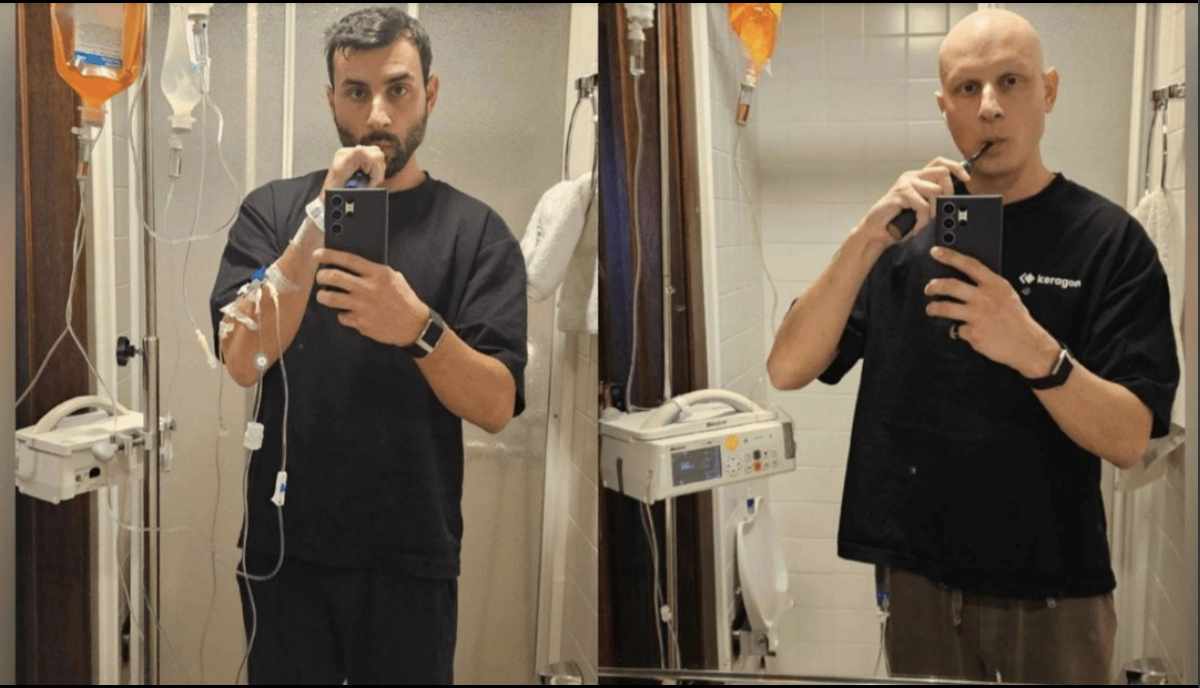
Christou's story is compelling because of how he clearly tells it without self-pity. He talks about a system to be debugged rather than talking about his survival story. However, we must appreciate how he handled a critical situation like lymphoma without being negative about it. Also, he's a well-connected founder who also played a critical role in his recovery.
With time, energy, and resources, he had options to collect multiple opinions from different people, which most people can't. Most of us take the first recommendation we receive, and trust what is best available, and move forward. Having two to three doctors with differing opinions about the same thing can be confusing for any patient, and that's where AI fills the gap if used correctly.
All you need to do is ask the right things and have enough health literacy to understand what it returns. Those aren't trivial prerequisites. And doctors who are already stretched thin can't be expected to also serve as AI guides for every patient. AI can't replace a human doctor, but can introduce possibilities based on the available data.
As of now, a third of American adults use AI for health information, according to a March poll from the Kaiser Family Foundation. That number is going up. The question isn't whether patients are doing this. It's whether medicine will treat an informed patient as a partner rather than a problem.