When we look at the technology around us today, it is easy to believe that most of it was invented only recently. Smartphones, artificial intelligence, virtual reality, cloud computing, and electric cars all seem like modern inventions. However, many of these technologies actually began much earlier than most people think. In many cases, the original technology already existed, but it was too expensive, too limited, or too difficult for ordinary people to use. Over time, improvements made these inventions practical and affordable, which is why they feel modern today.
The Internet Predates PCs

The internet feels like something that became popular in the 1990s, but its history began much earlier. The foundation of the internet started in 1969 with ARPANET, which stands for Advanced Research Projects Agency Network. This was a project created by the U.S. Department of Defense to build a decentralized communication system. The idea was to make sure communication could continue even if part of the network failed. This concept became the basis of the modern internet, where data is divided into small packets and sent through different paths until it reaches its destination.
At first, ARPANET connected only universities and research centers. Later, businesses also began using it. Personal computers became common much later. Early personal computers, such as the Apple I introduced in 1976, were mainly for hobbyists. By the late 1980s, people started connecting home computers to bulletin board systems to exchange files and messages. The World Wide Web, invented by Tim Berners-Lee in 1989, became widely available in the 1990s and made the internet easy for ordinary people to use. This means the internet itself existed long before personal computers became common.
Also Read: Why Do Rockets Curve as They Go Up?
Touch Screens Are From the '60s
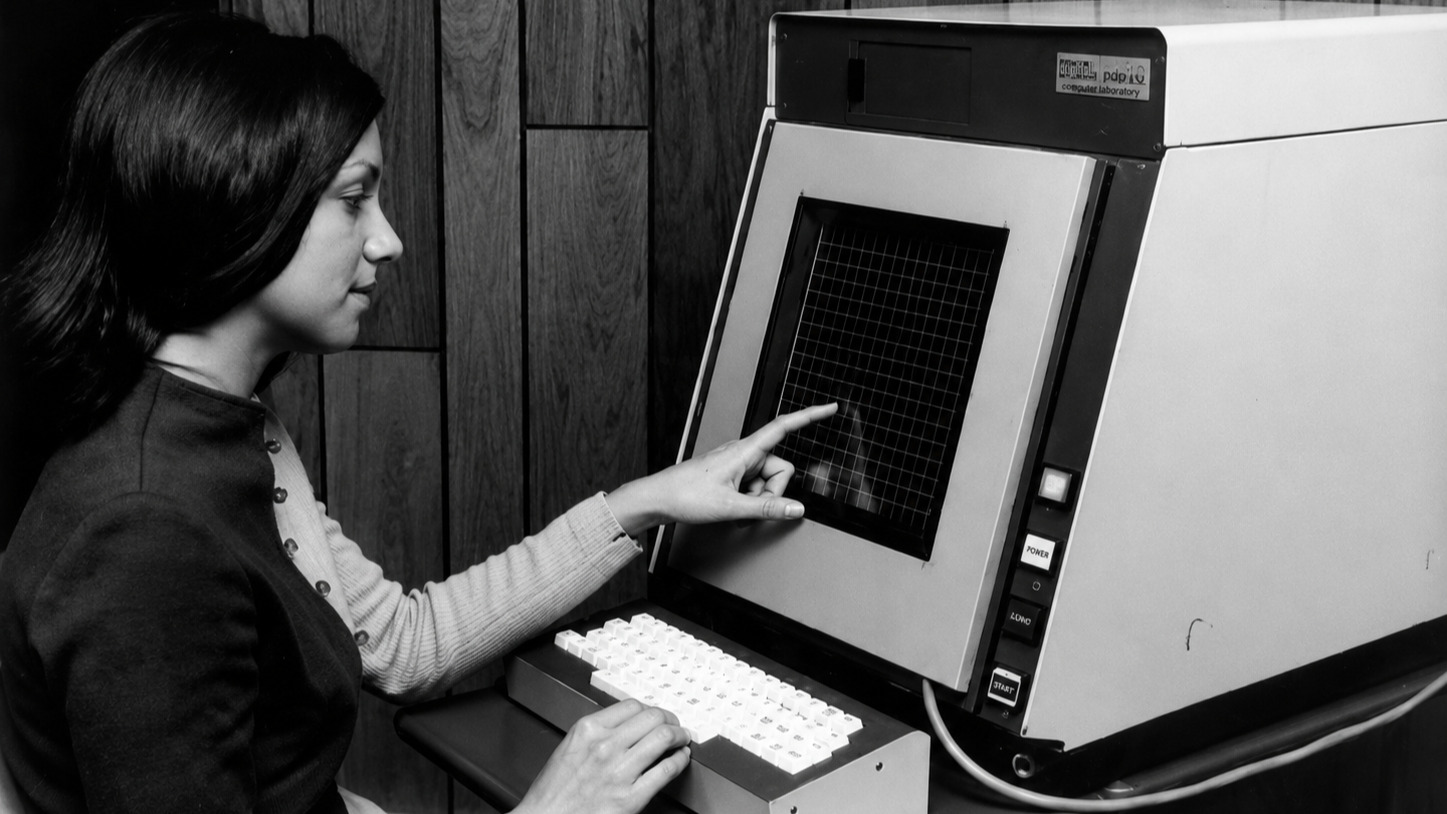
Many people believe touch screens started with smartphones, especially after the iPhone was released in 2007. In reality, touch screen technology is much older. One of the earliest touch screen systems was developed in the 1960s. In 1965, E.A. Johnson at the Royal Radar Establishment in the United Kingdom created one of the first finger-operated capacitive touch screens. It was designed for air traffic control systems.
Even earlier, in 1960, Leon D. Harmon at Bell Labs created an experimental touch-sensitive system that worked with a special stylus instead of direct finger touch. Before smartphones became popular, touch screens were already being used in personal digital assistants, or PDAs. These devices usually used resistive touch screens, which required pressure and often worked best with a stylus. Apple’s Newton MessagePad, released in 1993, was one example of this technology, although it was not very successful. Modern smartphones use capacitive touch screens that respond naturally to finger touches and support multi-touch gestures. Interestingly, capacitive technology came before resistive screens, even though many people think it is newer.
AI Kicked Off With World War II

Artificial intelligence may seem like one of the newest technologies, but its roots go back many decades. The modern foundation of AI began during World War II, mainly through the work of British mathematician Alan Turing. During the war, Turing helped break Germany’s Enigma codes, which played an important role in the Allied war effort. He also developed ideas about machine intelligence.
In 1950, Turing published a famous paper called Computing Machinery and Intelligence, where he introduced the idea that became known as the Turing Test. This test was meant to determine whether a machine could show intelligence similar to a human. AI research grew rapidly in the 1950s and 1960s, a period often called an early golden age of AI. However, computers at that time were not powerful enough, and software methods were still limited. This led to a period known as the AI Winter from about 1974 to 1987, when progress slowed and funding decreased. Later, improvements in computing power, machine learning, and neural networks brought AI back, leading to the advanced systems we use today.
VR Is on Its Third Tour (at Least)
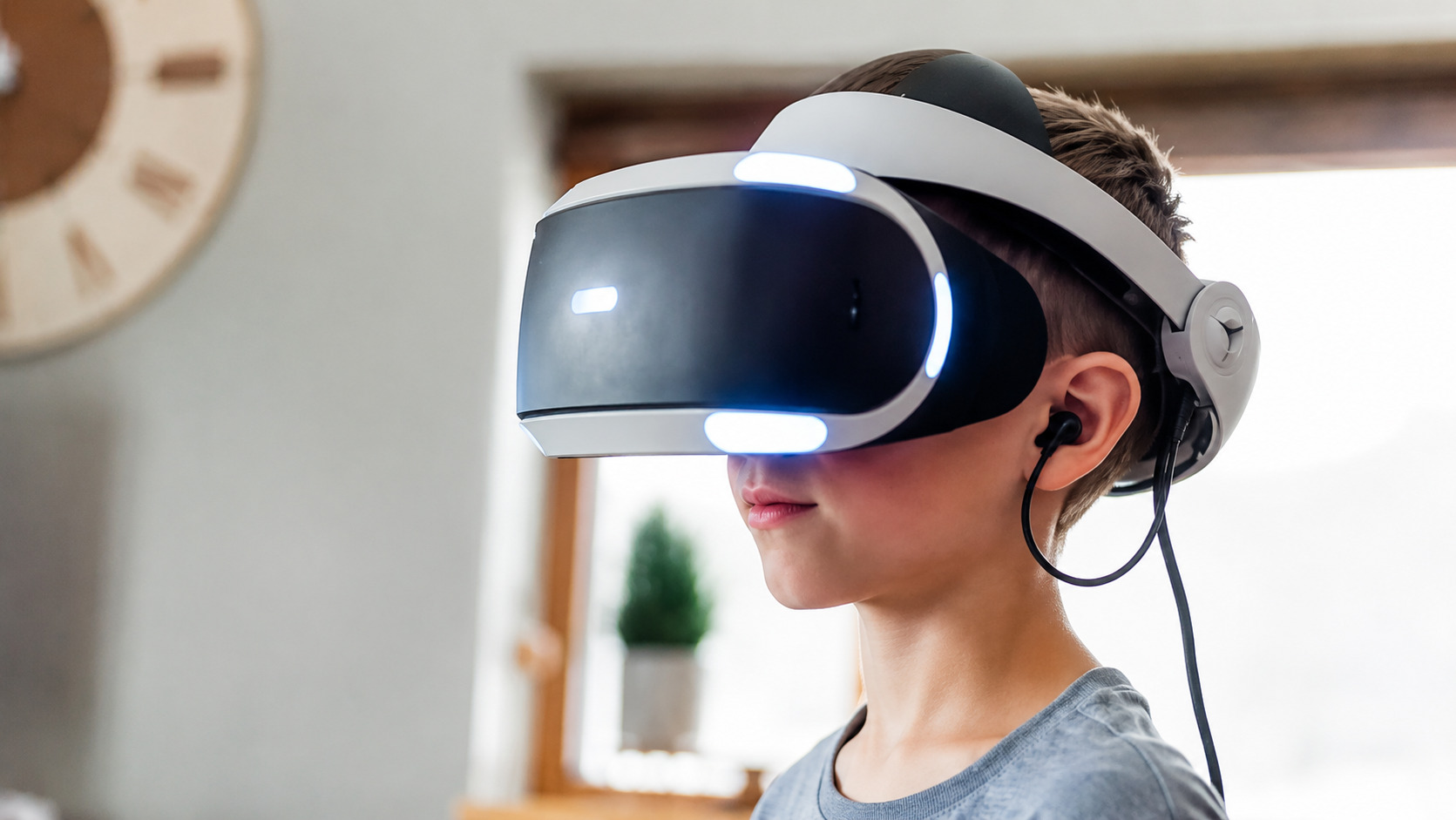
Virtual reality feels like a modern trend, but it has actually been around for decades. The first true VR system appeared in 1968 when computer scientist Ivan Sutherland created the first head-mounted display, known as the Sword of Damocles. This device was extremely large and heavy, so it had to be suspended from the ceiling instead of being comfortably worn.
VR became popular again in the 1990s, especially in gaming arcades and with early consumer products. However, the technology was not ready for mainstream success. The graphics were poor, motion tracking was weak, and many users experienced nausea due to low frame rates. Modern VR became practical much later with devices such as the Oculus Rift, which first appeared for developers in 2013 and was released to consumers in 2016. Although public excitement around VR has changed over time, the technology itself has existed for many years.
Electric Cars Came Before Gas

Many people think electric vehicles are a recent invention, but they actually appeared before gasoline-powered cars. Early electric vehicle experiments began in the 1830s. These first versions used non-rechargeable batteries, which limited their usefulness. In 1859, French physicist Gaston Planté invented the rechargeable lead-acid battery, which made electric vehicles more practical.
The first practical gasoline-powered automobile is usually credited to Karl Benz, who built it in 1885–1886. Early electric cars had several advantages. They were quiet, easy to drive, and did not require dangerous hand-cranking like gasoline cars. However, gasoline vehicles eventually became dominant because fuel was cheap, battery technology was weak, and mass production made gas cars affordable. Ford’s Model T, introduced in 1908, played a major role in making gasoline cars popular. Today’s electric car movement is really a return to an old idea.
Also Read: 5 Inspiring Mothers Whose Inventions Changed Everyday Life Forever
Cloud Computing Came Before Personal Computing

Cloud computing sounds like a modern concept, but the basic idea existed before personal computers. Today, cloud computing means using remote servers over the internet to store data, stream content, or run applications instead of relying only on your own computer.
In the 1950s and 1960s, computers were huge and expensive machines shared by many users through time-sharing systems. People used terminals to access these centralized computers remotely. This worked in a way that is very similar to cloud computing today. Personal computers only became common in the 1970s and 1980s. This means that shared remote computing actually came before the idea of having a personal computer at home.
Smart Homes Are Older Than the Internet

The idea of smart homes may seem modern, but home automation technology has been around for decades. The concept of automated homes existed in fiction long before real technology made it possible, but actual home automation began in 1975 with the invention of the X10 communication protocol. This system allowed electrical devices in a home to communicate through existing power wiring.
Later, technologies such as Z-Wave, introduced in 2001, and Zigbee, introduced in 2003, allowed wireless communication between smart devices. Interestingly, these systems did not require the internet to function. Modern smart homes often depend on cloud services, internet connections, and voice assistants. While today’s systems are more advanced, older smart home technologies were often more independent.
3D Printing Is From the '80s
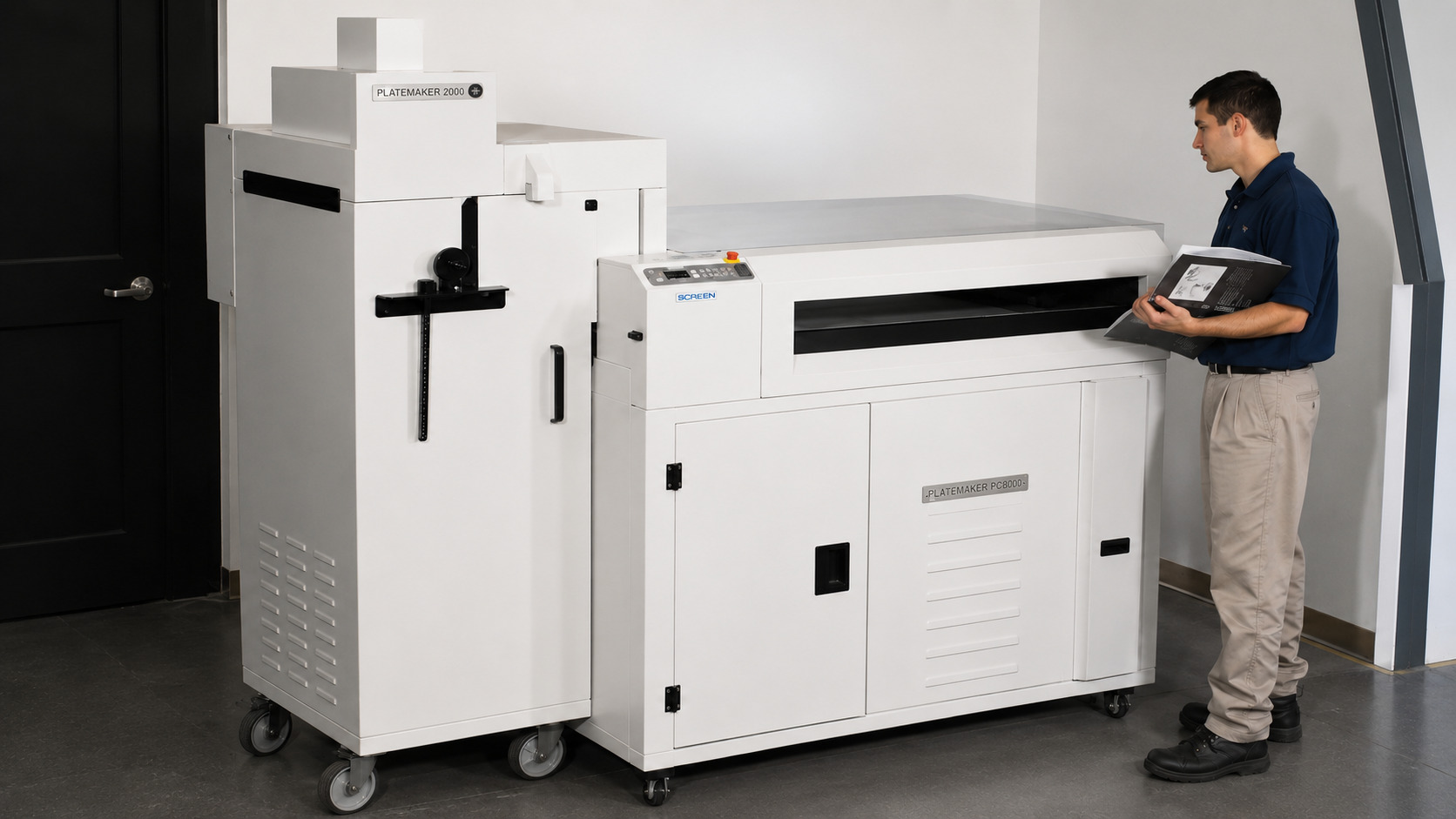
3D printing may seem like a recent invention, but it actually began in the 1980s. In 1984, Charles Hull filed the patent for stereolithography, one of the first practical 3D printing methods. This process used ultraviolet light to harden liquid resin layer by layer to create solid objects.
Later in the 1980s, other major 3D printing methods were developed. Selective laser sintering used lasers to fuse powdered materials, while fused deposition modeling built objects by depositing melted material layer by layer. Most home 3D printers today use fused deposition modeling. For many years, 3D printing remained expensive and was mainly used by large industries. In the late 2000s, projects like RepRap helped make affordable desktop 3D printers possible, bringing the technology into homes and small businesses.
Email Got Its Start in the '70s
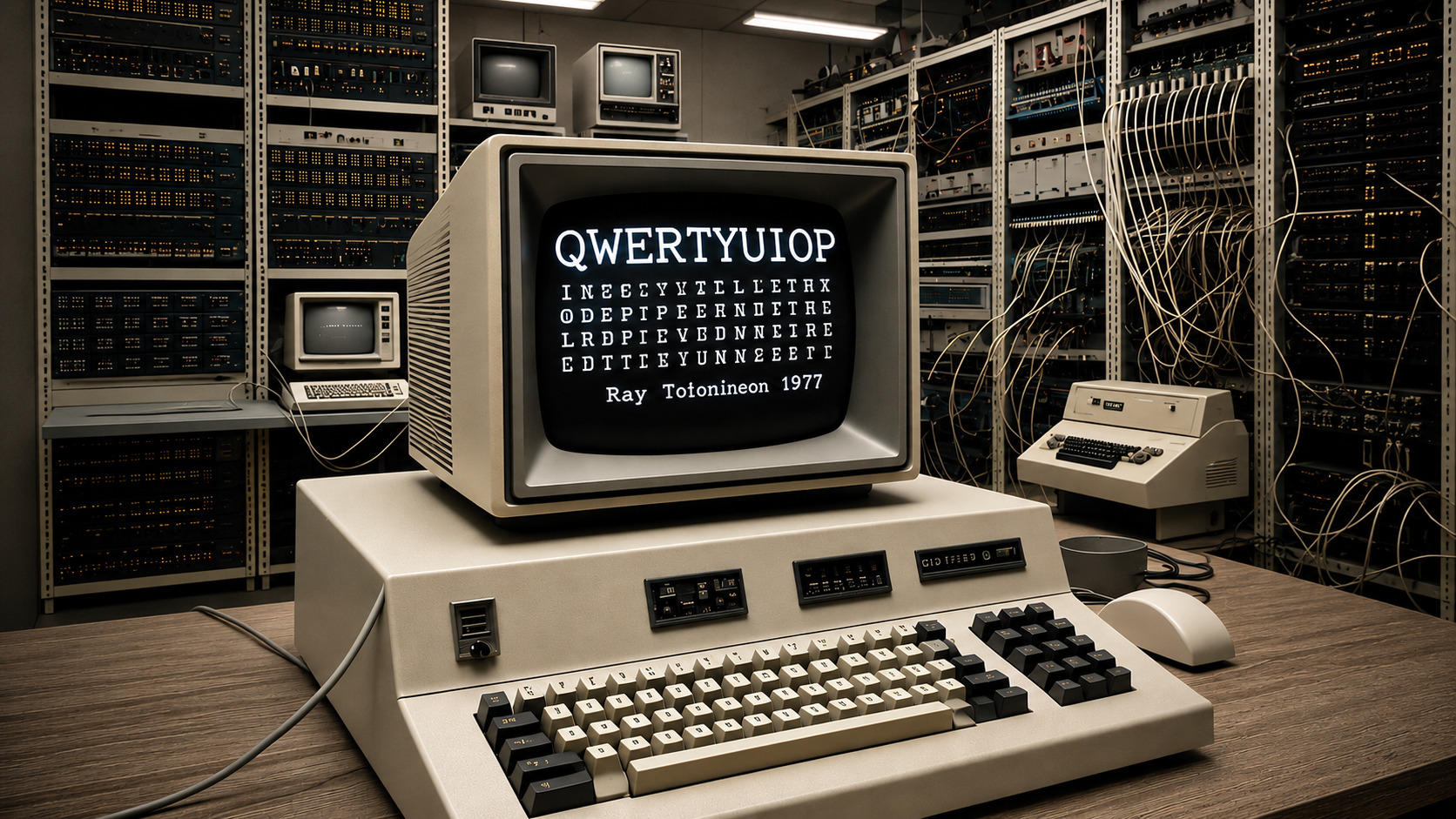
Many people think email became popular in the 1990s, but its origins go back much further. In 1971, computer engineer Ray Tomlinson sent the first modern network email while working on ARPANET systems. He modified a program called SNDMSG so that messages could be sent between different computers on a network.
Tomlinson also introduced the @ symbol, which remains a key part of email addresses today. Although earlier electronic messaging systems existed, his version became the standard because it worked across networked computers. As ARPANET expanded and later became part of the internet, email became one of the most important communication tools in the world. Even after decades, email remains widely used.
Also Read: The Story Behind the Floppy Disk
CDs Are Not a '90s Technology
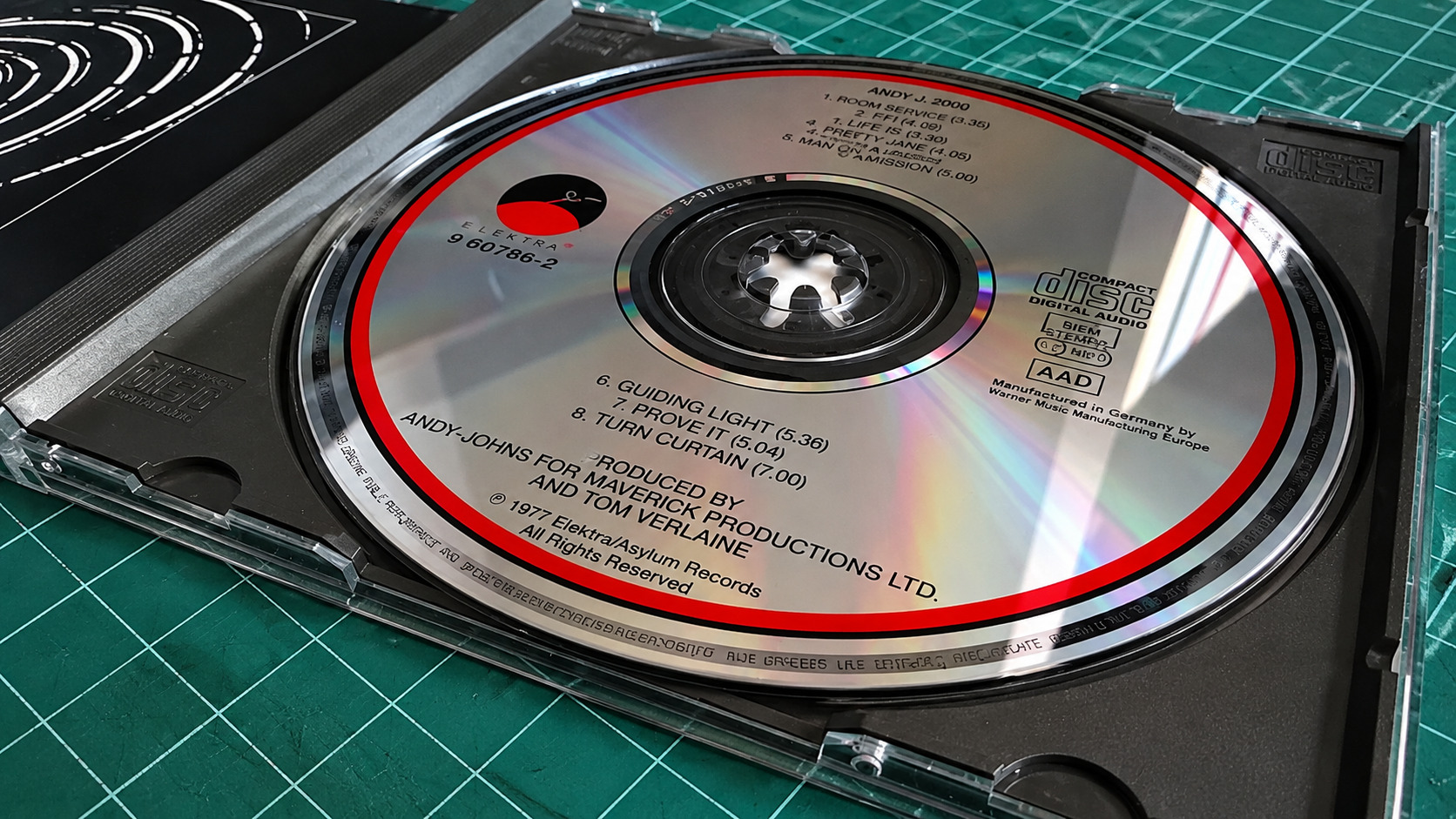
Many people associate compact discs with the 1990s, but the technology was developed earlier. CD technology was created in the late 1970s through collaboration between Sony and Philips. The first commercial CD player, the Sony CDP-101, was released in Japan in 1982.
By the late 1980s, CDs had become more popular than vinyl records because they offered clear sound quality, durability, and convenience. Portable players like the Sony Discman, introduced in 1984, made CDs even more popular. CD technology also changed digital data storage and helped lead to DVDs and Blu-ray discs. Although streaming reduced the popularity of music CDs, the technology itself played an important role in digital media history and influenced many later storage formats.