Throughout history, many women inventors have made important contributions to society, but their achievements were often ignored or overlooked. For mothers, the challenge was even greater because they had to take care of their families and children while also working hard to turn their ideas into inventions that could improve people’s lives. Despite these difficulties, many mothers created products and systems that are still used around the world today. From coffee filters to folding umbrellas, these women combined creativity, determination, and hard work to solve everyday problems. Their inventions made life safer, easier, and more comfortable for millions of people. Here are five inspiring mothers whose ideas changed daily life forever.
Also Read: Why Do Rockets Curve as They Go Up?
Melitta Bentz and the Coffee Filter
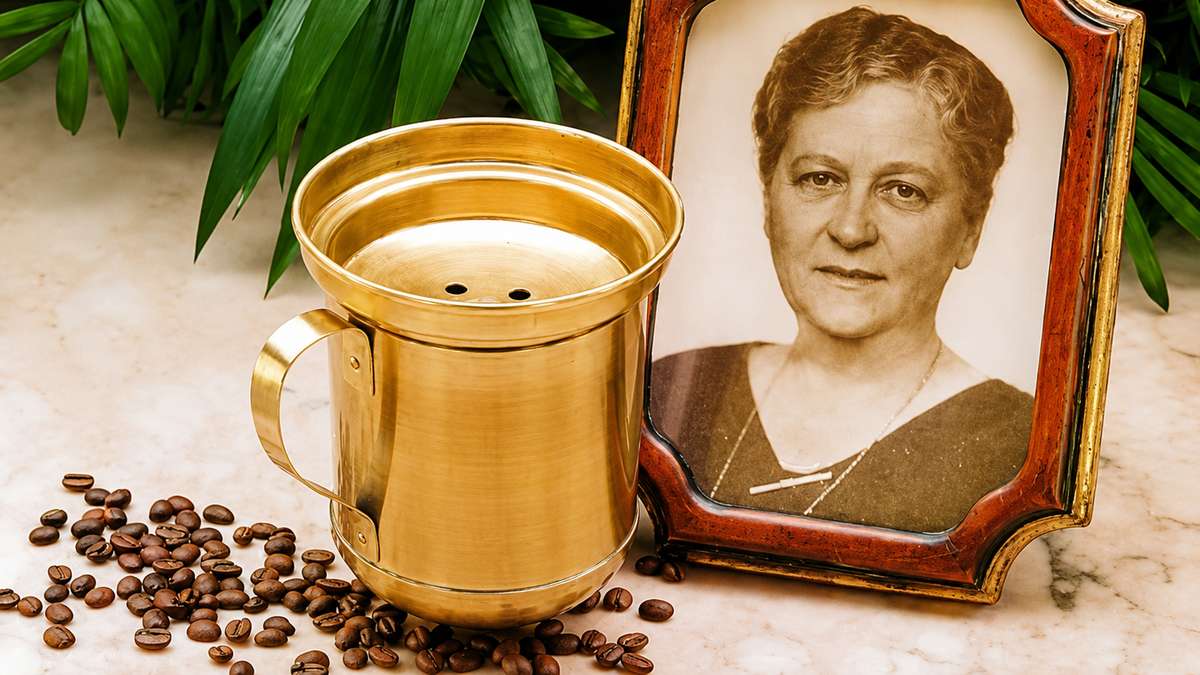
Today, millions of people enjoy a fresh cup of filtered coffee every morning without thinking much about how coffee filters were invented. This simple but important invention came from a German woman named Melitta Bentz. Before her invention, making coffee was often messy and unpleasant because coffee grounds would mix into the drink, leaving a bitter taste and making it difficult to enjoy. Melitta wanted to find a better way to prepare coffee. As a mother managing her home and family, she looked for a practical solution using items she already had nearby.
One day, she experimented with blotting paper taken from her son’s exercise book. She placed the paper inside a metal pot with small holes, allowing the liquid coffee to pass through while trapping the coffee grounds. The result was much cleaner and smoother coffee. Realizing the value of her invention, Melitta registered a patent for the paper coffee filter on June 20, 1908. The invention quickly became popular because it solved a problem faced by coffee drinkers everywhere. By the end of the same year, she had founded her own company, called Melitta, to manufacture and sell the filters.
More than a century later, the Melitta company still exists, and coffee filters remain an essential part of kitchens around the world. Melitta Bentz’s invention shows how a simple idea created at home can become a worldwide success.
Slawa Horowitz and the Folding Umbrella
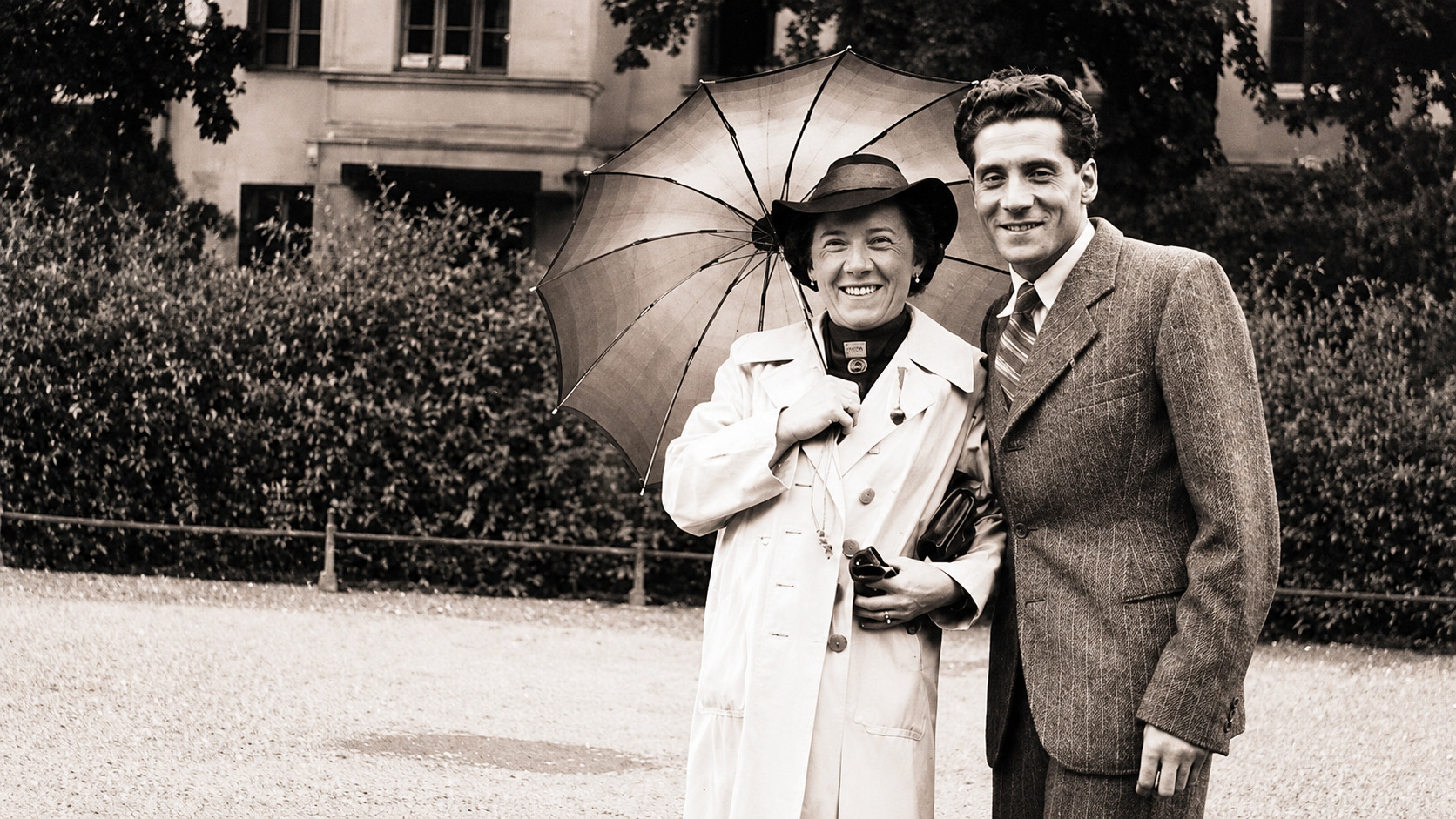
Umbrellas are now lightweight and easy to carry, but this was not always the case. Before the invention of the folding umbrella, umbrellas were large, bulky, and inconvenient. People often struggled to carry them after the rain stopped because they took up so much space. Slawa Horowitz, who later became known as Slawa Duldig after her marriage to Karl Duldig, wanted to solve this everyday problem.
In 1928, she became frustrated by the inconvenience of carrying a large umbrella around during changing weather conditions. She began thinking about how umbrellas could be made smaller and more practical. Her creativity led to the invention of the first folding umbrella. The design allowed the umbrella to collapse into a compact size, making it easy to store in bags or carry by hand. This simple improvement completely changed the way people used umbrellas.
The folding umbrella quickly became popular because it matched the needs of busy modern life. Today, folding umbrellas are used all over the world and are considered an everyday necessity during rainy weather. Slawa Horowitz’s achievements are still remembered today. Her daughter Eva manages the Duldig Studio museum, which celebrates her mother’s invention and artistic accomplishments, as well as the work of her father.
Teruko Mizushima and the Time Bank
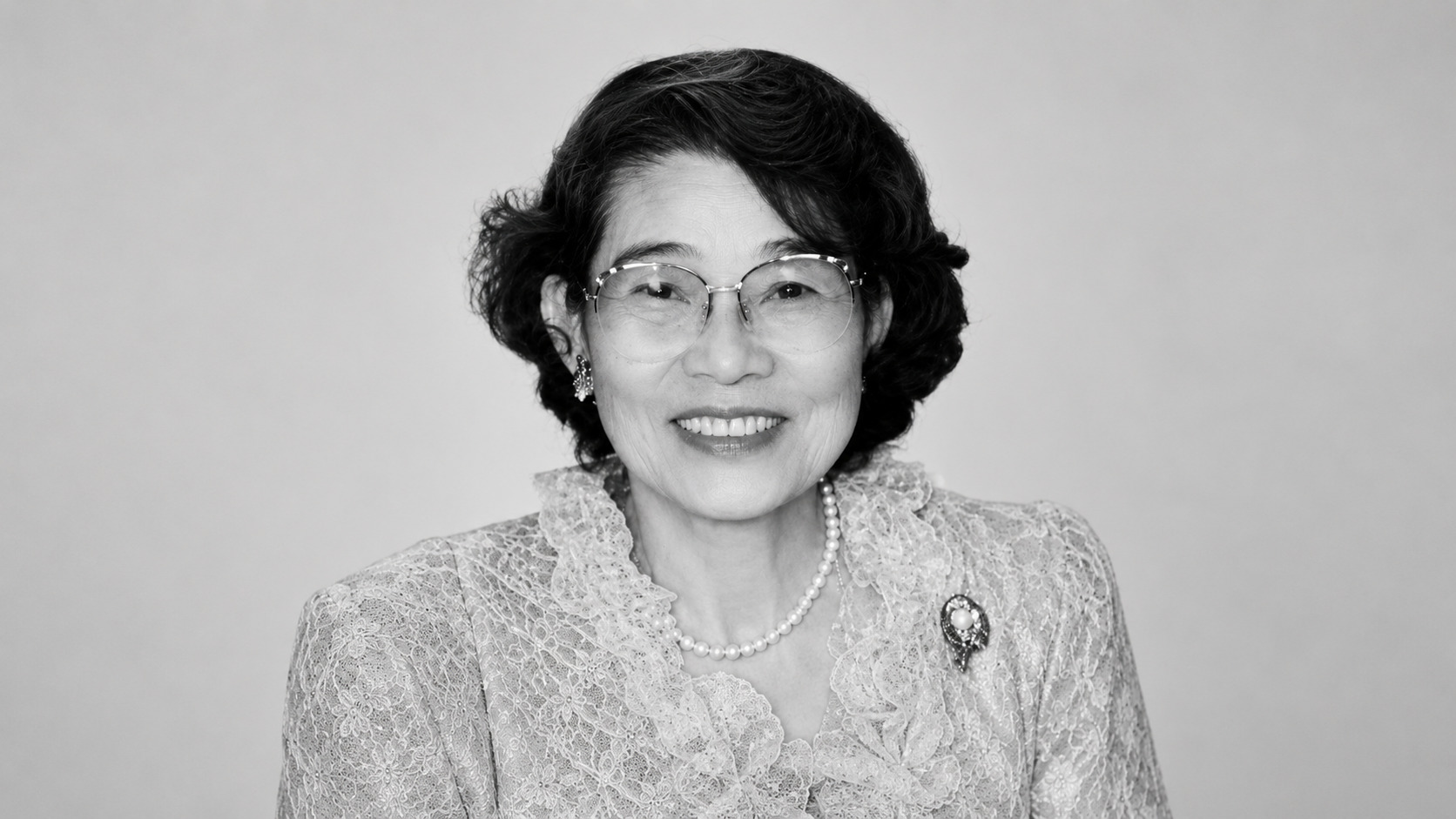
Money is usually the main way people exchange services, but Japanese writer Teruko Mizushima believed there could be another system based on helping one another. In 1973, she created the world’s first time bank, an idea that focused on community support rather than money. Mizushima, who was also a mother, wanted to build stronger social connections and encourage people to help those who needed care and assistance.
In a time bank system, people earn time credits instead of money. For example, if someone spends one hour helping another person, they earn one hour of credit that they can use later when they need help themselves. The first time bank was called the Volunteer Labor Bank and was established in Osaka, Japan. The idea quickly attracted attention because it encouraged cooperation and kindness within communities.
Over time, the concept spread to other countries and became especially important in discussions about elderly care and social support systems. Many experts believe time banks can reduce pressure on healthcare and caregiving systems by encouraging communities to support one another directly. Teruko Mizushima’s invention was not a machine or physical product, but it changed the way people think about work, care, and human relationships.
Also Read: Why AI At Work Often Creates More Work Instead Of Saving Time
Helen Murray Free and the Diabetes Test
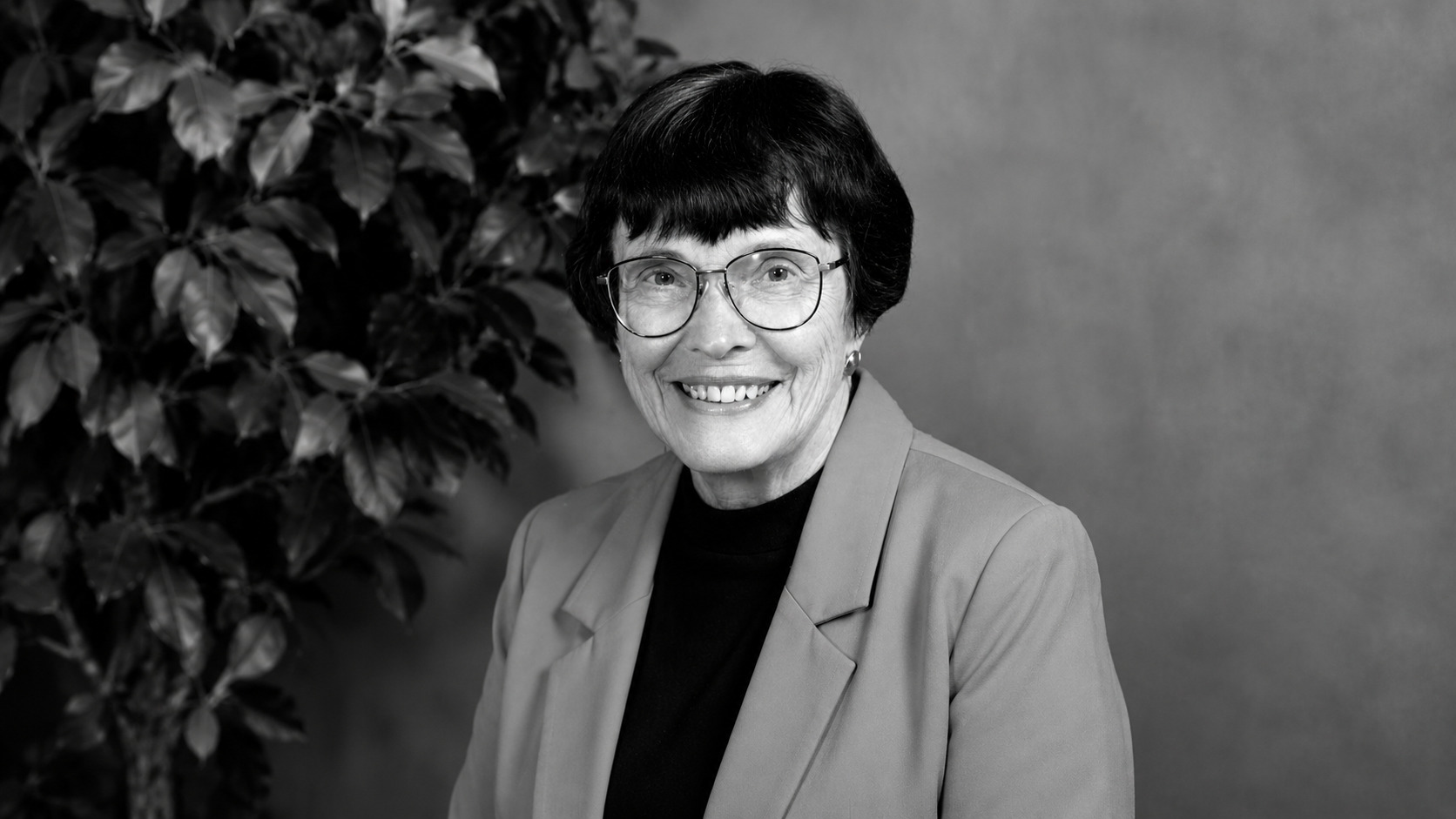
For people living with diabetes, checking blood sugar levels is now a normal part of daily life. However, before the work of Helen Murray Free, monitoring diabetes was much more difficult and required regular hospital visits. Helen Murray Free was a scientist who specialized in diagnostic chemistry. She invented the world’s first glucose-strip diabetes test, a breakthrough that allowed people to check their blood sugar levels from home quickly and easily.
Before this invention, diabetes testing was complicated, expensive, and inconvenient. Patients often depended on doctors or laboratories for results. Helen Murray Free’s glucose test strips made diabetes management simpler and gave patients more control over their health. Her work had a huge impact on healthcare and improved the lives of millions of people worldwide. The invention also helped doctors detect and manage diabetes earlier and more effectively.
What makes her achievement even more impressive is that she balanced her scientific career with a busy family life. She raised six children with her husband, Alfred Free, and was also stepmother to his three children from a previous marriage. Despite these responsibilities, she continued her research and created one of the most important medical inventions of the 20th century.
Harriet Tracy and the Safety Elevator
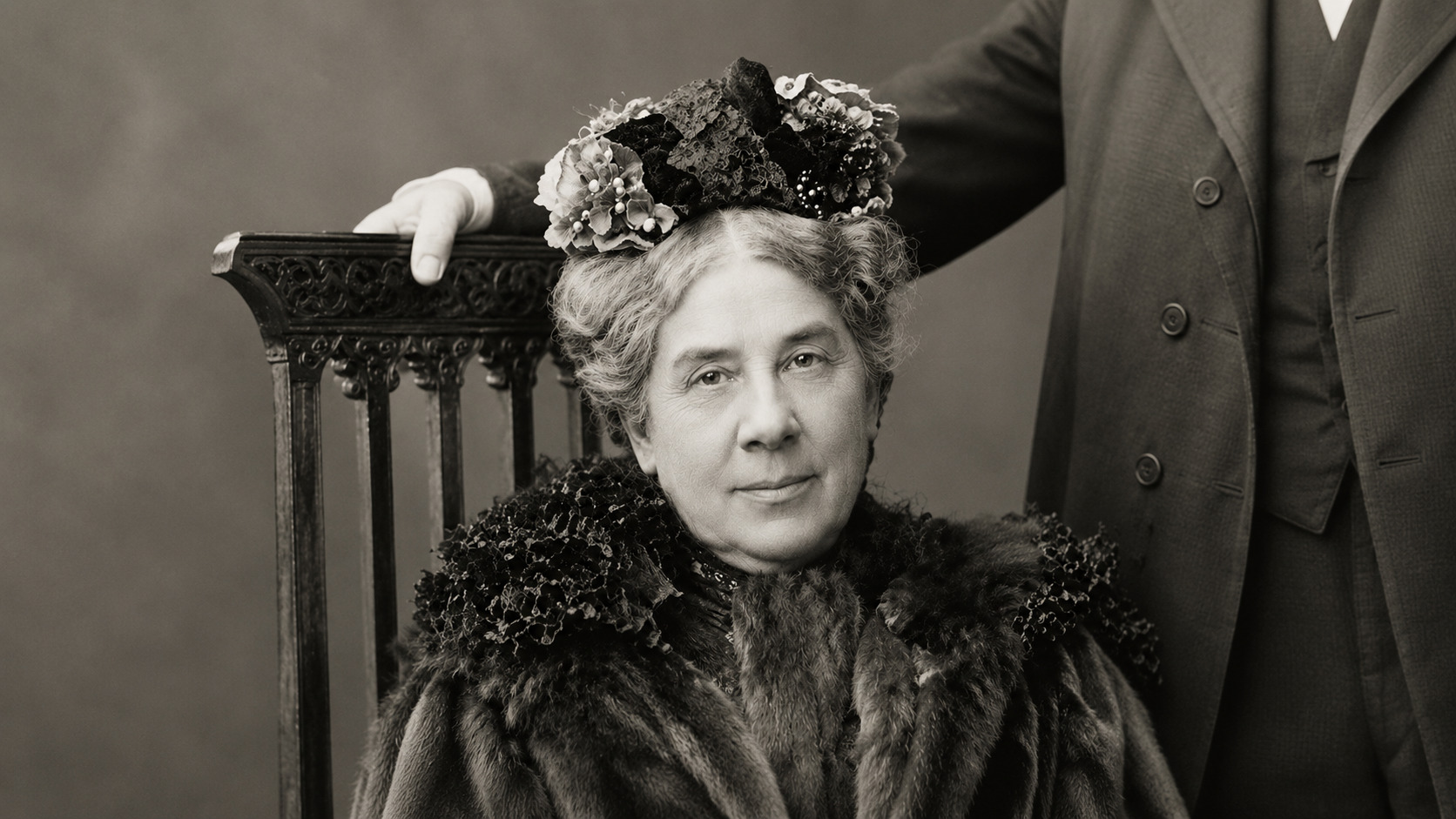
During the 19th century, very few women became inventors. In fact, women represented only about 1% of all patent holders at the time. Despite this, Harriet Ruth Tracy built an extraordinary career and received at least 27 patents for her inventions. Alongside her work as an inventor, Tracy was also a mother raising four daughters with her husband. Her ability to balance family life with innovation was remarkable, especially during a time when women faced many restrictions in education and professional opportunities.
One of Tracy’s most important inventions was the safety elevator, patented in 1892. Early elevators were often dangerous because elevator shafts could remain open, creating the risk of people falling through them. Harriet Tracy designed a system that improved elevator safety by keeping the shaft securely closed. Her invention reduced accidents and made elevators much safer for public use.
As cities grew taller and elevators became more common in buildings, safety improvements like Tracy’s became extremely important. Her work helped shape modern elevator systems and protected millions of users over the years.