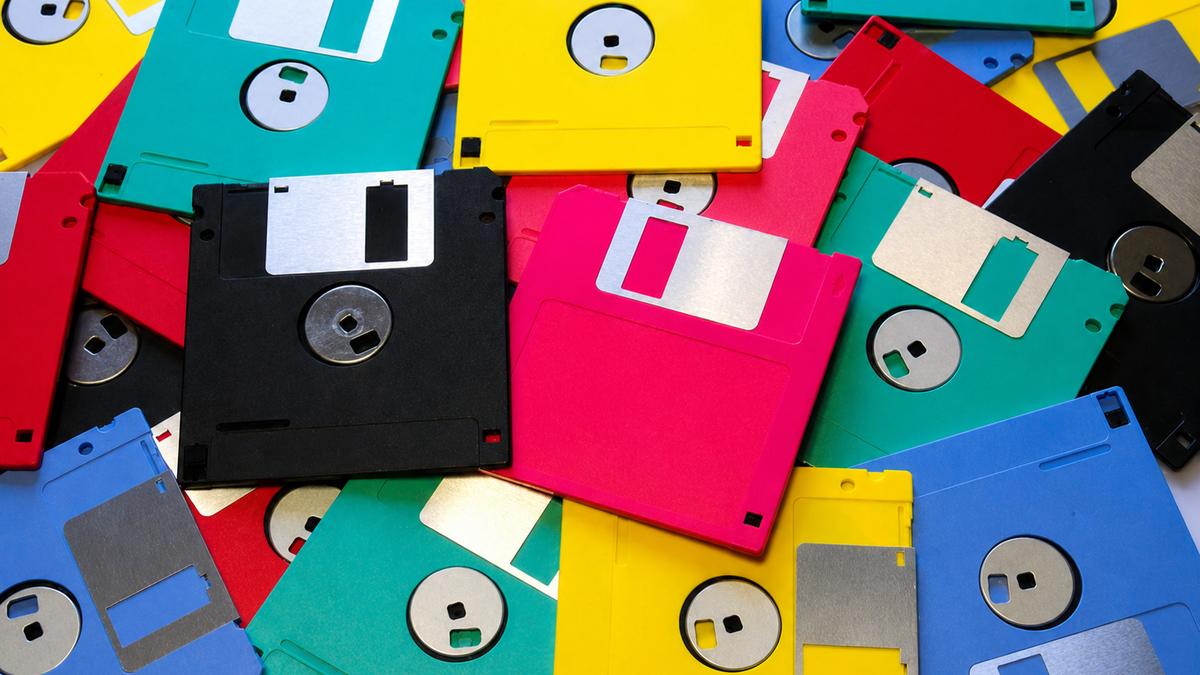
Today, most people store files online, use cloud storage, or download programs directly from the internet, so many younger people have never used a floppy disk or may not even know what one looks like. Older generations, however, remember floppy disks as one of the most important computer storage devices ever made. Interestingly, the floppy disks that many people remember from the 1990s and early 2000s were not floppy at all. They were small, square, hard plastic disks that could survive being carried in bags, desks, and pockets, yet they were still called “floppy disks.” The reason for this name goes back to the very first versions of the disk, which were large, soft, and truly floppy. The history of floppy disks shows how computer technology changed over time and how one invention helped make personal computers popular around the world.
Also Read: Why Floppy Disks Are Still Used in Some Airplanes
The Beginning of Floppy Disks
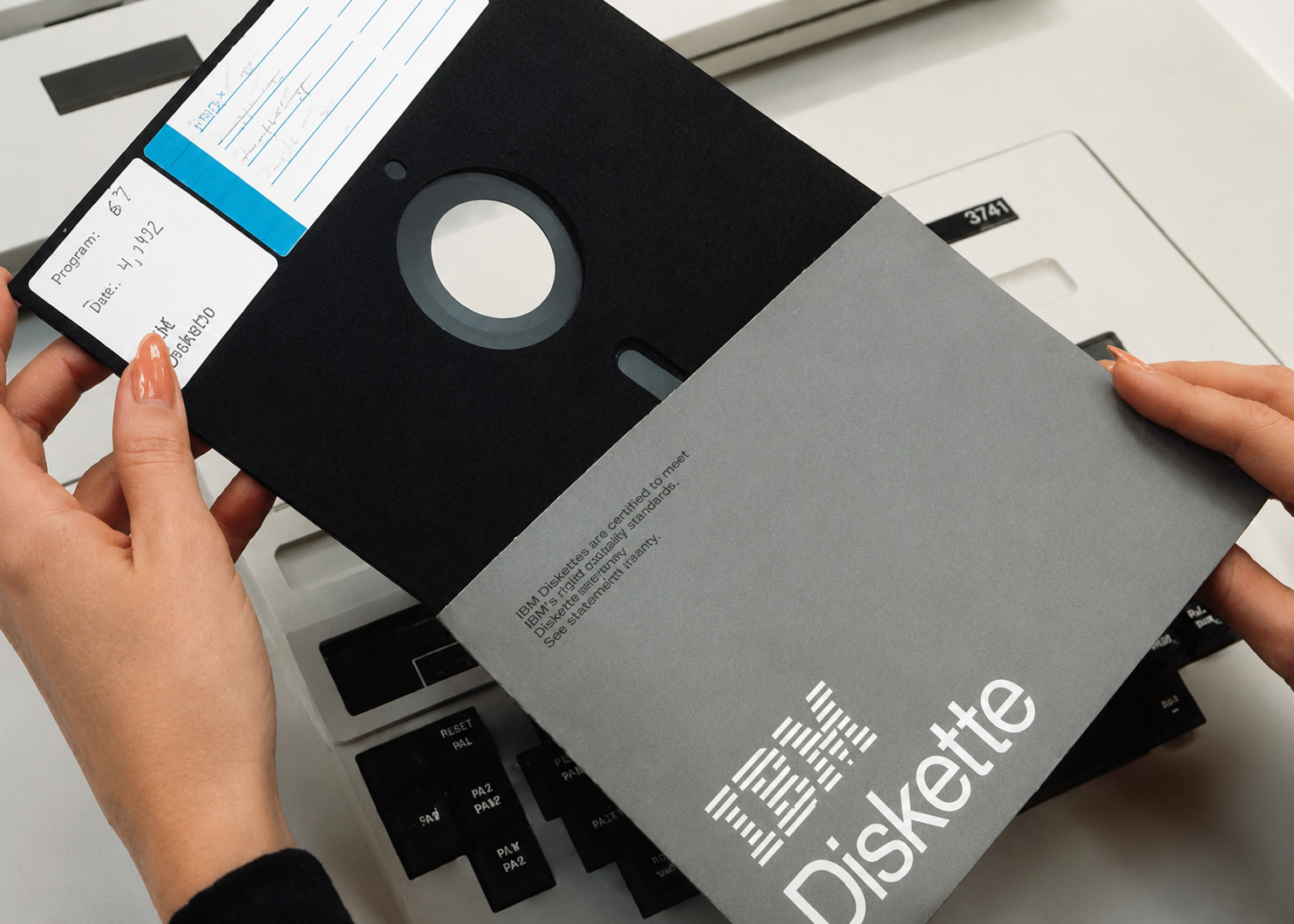
The first floppy disk was created by IBM in 1971. At that time, computers were large, expensive machines mostly used by businesses, scientists, and universities, and sharing programs and transferring information between computers was difficult. IBM wanted a simple way to move data from one machine to another, so it created the first floppy disk, a round magnetic disk that measured 8 inches across. Unlike modern storage devices, these disks were soft and flexible, which is why they were called “floppy.” Because they were delicate, they were placed inside protective paper envelopes to keep dust and dirt away. These early floppy disks could store only about 80,000 bytes of data, which is extremely small by today’s standards, as modern smartphones can store millions of times more information. However, in the early 1970s, this technology was revolutionary because it allowed users to save and transfer programs more easily than before. The disks worked using magnetic storage, where the surface of the floppy disk was coated with magnetic material. When placed inside a disk drive, the disk spun rapidly while the computer’s read-and-write head stored or retrieved information from it.
Floppy Disks Become Popular
As computers became smaller and more affordable, floppy disks became more important. During the late 1970s and early 1980s, personal computers started appearing in offices, schools, and homes. Popular computers such as the Apple II and the IBM PC used floppy disks regularly. At that time, users often needed two floppy disks while working: one disk held the operating program, while the second stored the user’s files and documents. New versions of floppy disks were also introduced, including the 5¼-inch floppy disk, which became widely used during this period. These disks were smaller than the original 8-inch versions and came inside thin plastic covers. Even though the outside looked stronger, the magnetic disk inside was still soft and flexible. Floppy disks became essential office tools because people used them to save documents, transfer files, install software, and play games. For many computer users, floppy disks were the main way to move information between machines.
The Arrival of Hard Drives
Around the same time, hard drives were also being developed. Unlike floppy disks, hard drives stayed permanently inside the computer and could store much more data. At first, hard drives were expensive and had limited storage, but over time, they became larger, faster, and cheaper. This allowed computers to keep programs installed directly on the machine instead of loading them from floppy disks every time. By the late 1980s, hard drives could store around 100 megabytes of data, which was considered enormous at the time. As a result, floppy disks were used more for transferring files rather than running entire programs.
The Famous 3.5-Inch Floppy Disk
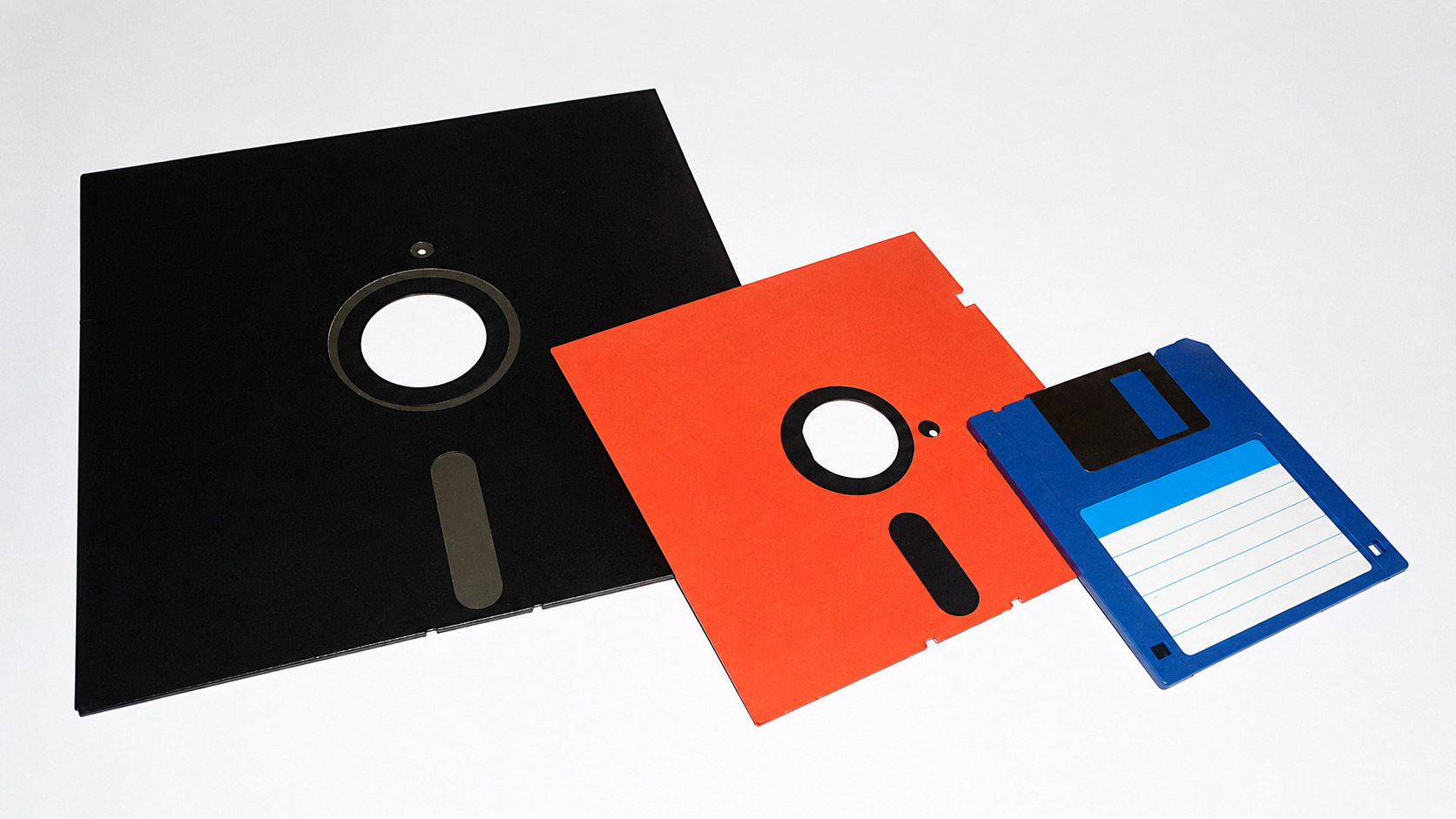
In 1986, IBM introduced the 3.5-inch floppy disk, the version most people remember today. Unlike older floppy disks, this one was protected by a hard plastic shell, making it stronger, smaller, and easier to carry. Although it was no longer truly floppy, the old name remained. The 3.5-inch floppy disk usually stored 1.44 megabytes of data, which at the time was enough for documents, school assignments, simple computer programs, and many video games. These disks quickly became popular because they were reliable and convenient. Students used them to carry homework between school and home, office workers used them to share files, and software companies mailed games and programs to customers on floppy disks. The 3.5-inch floppy disk also played a major role in the growth of the software industry because developers could now distribute programs easily and cheaply to computer users around the world.
Also Read: How a Board Game Inspired the Invention of QR Codes
Why Floppy Disks Disappeared
During the 1990s, new technologies started replacing floppy disks. CD-ROMs became popular because they could store hundreds of megabytes of data, far more than a floppy disk. Soon after, the Internet and the World Wide Web changed everything, as people no longer needed physical disks to share information because files could now be downloaded directly online. As software and games became larger, floppy disks could no longer hold enough data. Installing a modern game using floppy disks would have required hundreds or even thousands of disks. USB flash drives later became another major replacement because they were smaller, faster, stronger, and capable of storing much more information. Eventually, most computers stopped including floppy disk drives altogether.
Are Floppy Disks Completely Gone?
Even though floppy disks are outdated, they have not completely disappeared. Some older medical equipment, industrial machines, airplanes, and government systems still use floppy disks because replacing old technology can be expensive and difficult. Floppy disks are also popular among collectors and retro gaming fans, many of whom enjoy restoring old computers and playing classic games using original floppy disks. Rare software and vintage games can sometimes sell for high prices online. For older generations, floppy disks are also a symbol of early personal computing and internet culture. Interestingly, many younger people still recognize the floppy disk shape because it is often used as the “Save” icon in computer programs.