Virtual Reality (VR) and Augmented Reality (AR) are two advanced technologies that are changing the way people interact with digital content. Although they are often mentioned together, they provide very different experiences. Both technologies combine the digital and physical worlds, but they do so in different ways. VR creates a completely virtual environment that replaces the real world around the user, while AR adds digital elements to the real world without replacing it. As these technologies continue to develop, they are being used in entertainment, education, healthcare, business, and many other industries.
Also Read: 10 Amazing Things You Didn’t Know IBM Invented
Understanding Virtual Reality (VR)
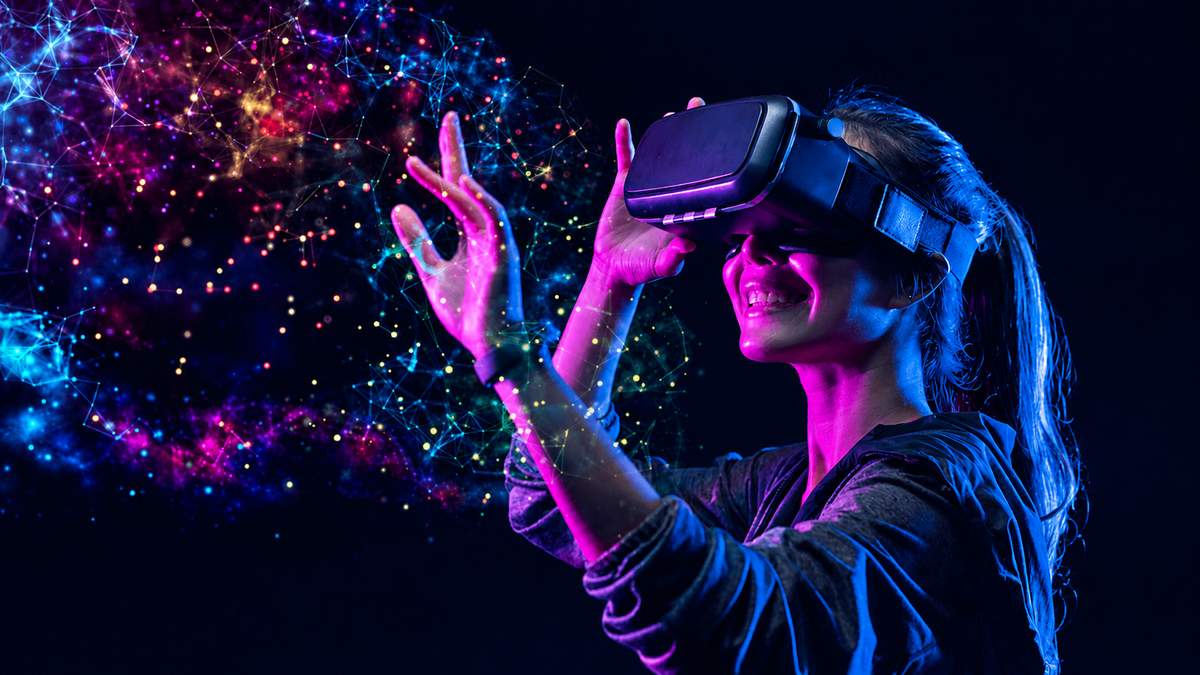
Virtual Reality, commonly known as VR, is a technology that creates a fully digital environment for users. To experience VR, users wear a headset that covers their eyes and blocks their view of the real world. Once the headset is on, users can see and interact with a virtual environment that feels separate from their physical surroundings. Many VR systems also include handheld controllers that allow users to move around, interact with virtual objects, and perform different actions within the digital world. The main goal of VR is to create a sense of immersion, making users feel as if they are actually present inside the virtual environment.
Common Uses of VR
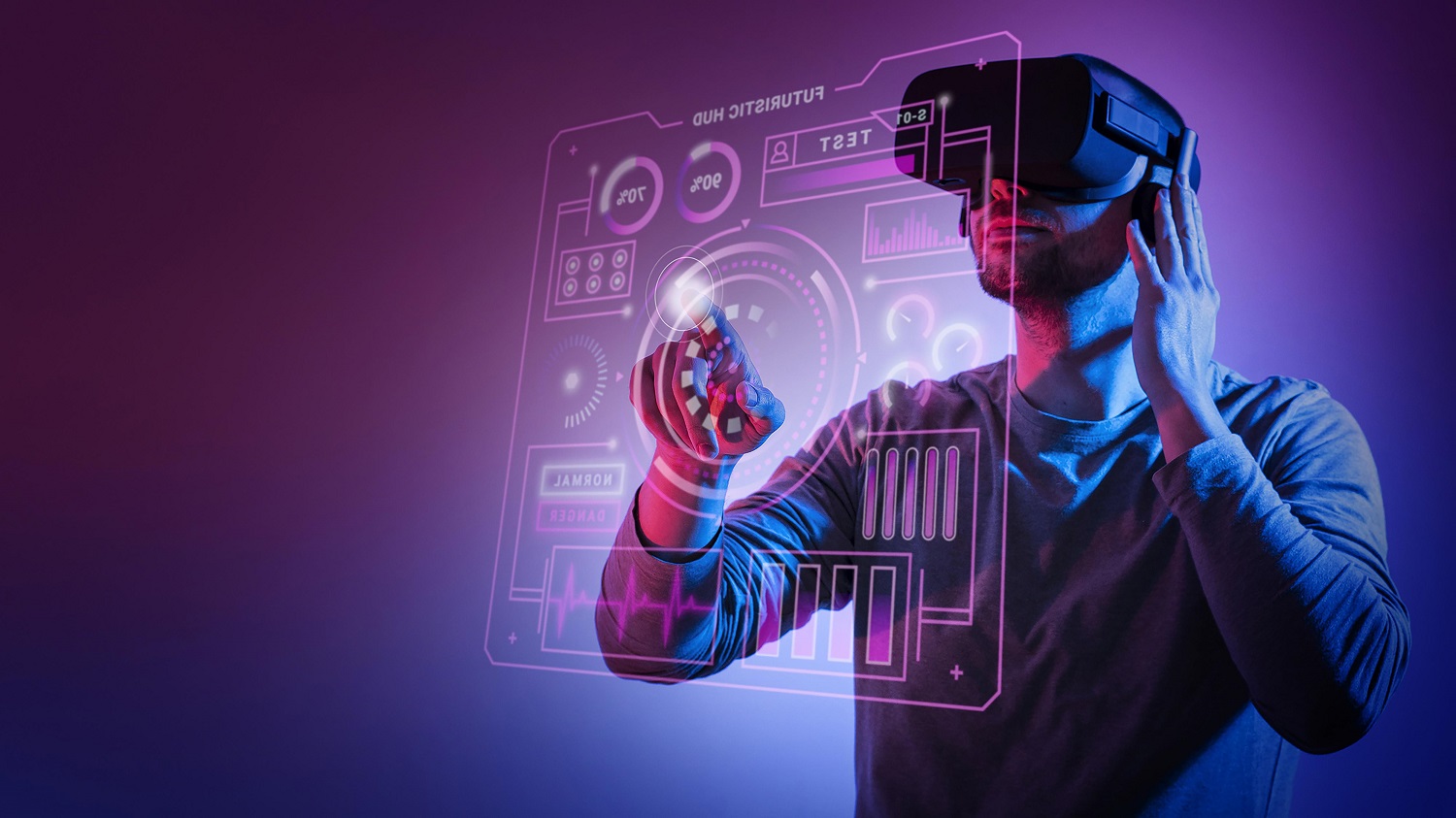
Virtual Reality is widely used for entertainment, especially gaming, where players can experience interactive virtual worlds in a much more realistic way. It is also used for watching movies and videos in virtual theaters that provide a private and immersive viewing experience. Beyond entertainment, VR is increasingly being used for education and professional training. Medical students can practice surgeries in virtual environments, pilots can train using flight simulators, and military personnel can prepare for real-life situations through realistic simulations. VR is also used for virtual meetings, social interactions, and virtual tourism, allowing people to explore distant locations without leaving their homes.
Understanding Augmented Reality (AR)
Augmented Reality, or AR, is a technology that enhances the real world by adding digital content to it. Unlike VR, AR does not replace the physical environment. Instead, it overlays digital elements such as images, animations, text, and 3D objects onto the real world. Most AR experiences are accessed through smartphones, tablets, or smart glasses equipped with cameras and sensors. The technology analyzes the surroundings through the device's camera and places virtual objects in appropriate positions within the real environment. This allows users to see both the real world and digital content at the same time.
Common Uses of AR
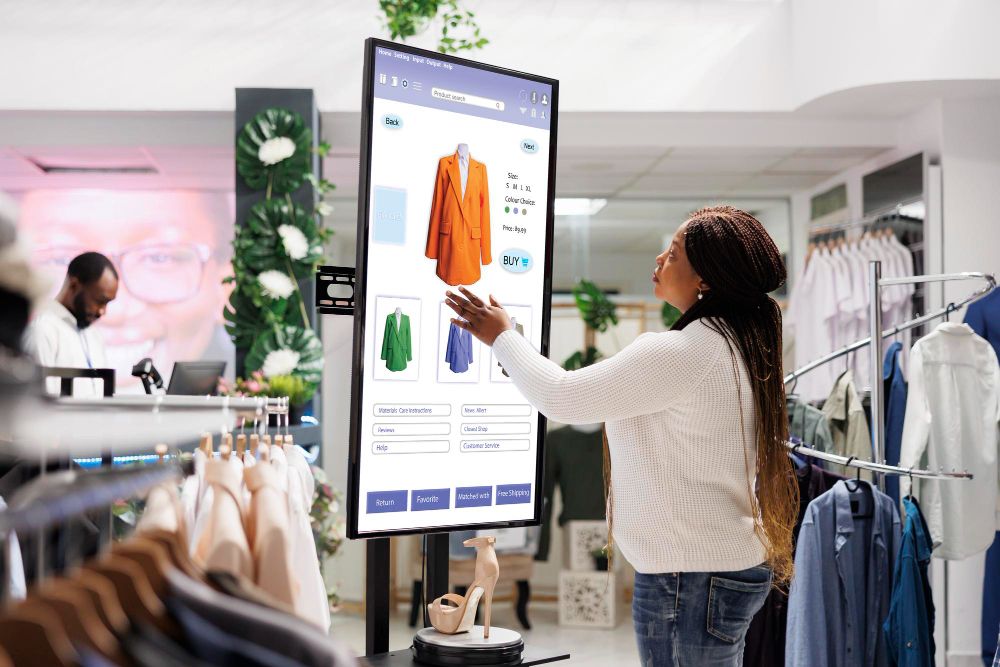
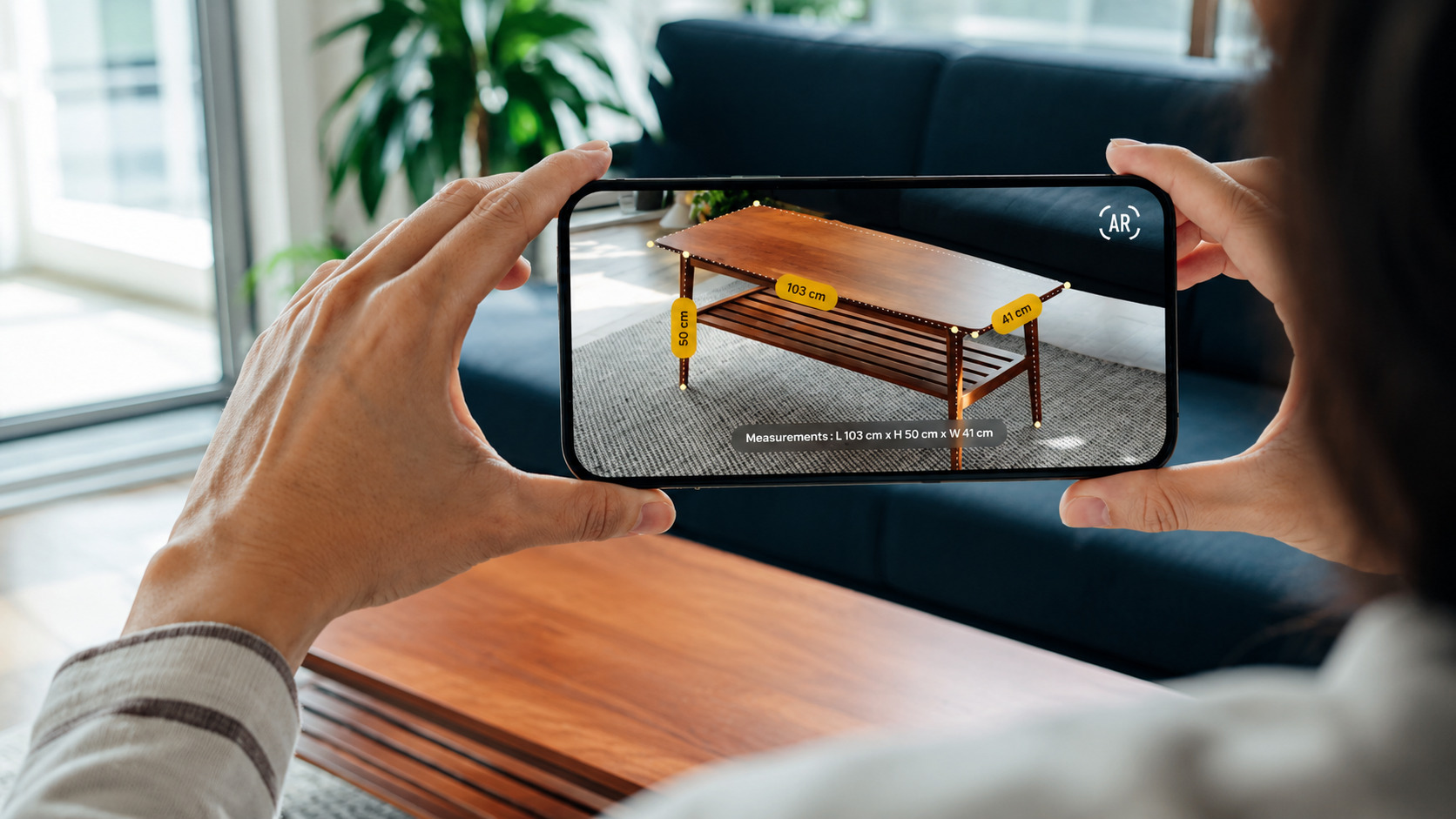
AR is commonly used in mobile applications and games. One of the most famous examples is Pokémon Go, which places virtual characters into real-world locations through a smartphone camera. Social media platforms also use AR for filters and effects that modify a user's appearance or surroundings. In retail, AR allows customers to see how products such as furniture, decorations, or paint colors would look in their homes before making a purchase. AR is also used in education, healthcare, navigation, and industrial work environments, where it can provide real-time information and guidance to users while they perform tasks.
Also Read: How Photoshop Was Created Before Adobe Took Over
Key Differences Between VR and AR
Although VR and AR both combine digital technology with human experiences, they differ significantly in how they function. VR completely replaces the user's view of the real world with a digital environment, creating a highly immersive experience. AR, on the other hand, keeps the real world visible and adds digital elements to it. VR generally requires specialized headsets and controllers, while AR can often be experienced using devices that many people already own, such as smartphones and tablets. Another major difference is their purpose. VR is designed to transport users into entirely new environments, whereas AR is intended to improve real-world experiences by providing additional information and interactive digital content.
Benefits of Virtual Reality
Virtual Reality offers many benefits across different fields. One of its greatest advantages is its ability to create highly immersive experiences that make users feel fully engaged in a digital environment. This makes VR especially valuable for gaming, entertainment, and storytelling. VR is also a powerful educational and training tool because it allows users to practice skills and experience situations that may be difficult, expensive, or dangerous in real life. Businesses are increasingly using VR for employee training, while educators use it to create more engaging learning experiences. In addition, VR supports remote collaboration by allowing people to meet and interact in virtual spaces regardless of their physical location.
Benefits of Augmented Reality
Augmented Reality provides several unique advantages by enhancing the real world rather than replacing it. One of its biggest benefits is the ability to deliver information in real time while users continue interacting with their physical surroundings. This can improve productivity, learning, and decision-making. AR is particularly useful in industries such as manufacturing, healthcare, and maintenance, where workers can receive visual instructions and data while performing tasks. It also improves shopping experiences by allowing customers to preview products before buying them. In education, AR helps students understand complex concepts through interactive 3D models and visualizations that make learning more engaging and memorable.
Limitations of Virtual Reality
Despite its many advantages, Virtual Reality also has some limitations. High-quality VR systems can be expensive because they require specialized hardware and software. Some users may experience motion sickness, dizziness, or discomfort during prolonged use. Since VR completely blocks out the real world, users may also lose awareness of their surroundings, which can create safety concerns. Additionally, some VR headsets can feel heavy or uncomfortable when worn for long periods. Although the technology continues to improve, these challenges still affect the overall user experience.
Limitations of Augmented Reality
Augmented Reality also faces several challenges. Because AR relies heavily on cameras, sensors, and environmental tracking, its performance can be affected by poor lighting conditions or complex surroundings. AR is generally less immersive than VR because users remain connected to the real world. Another limitation is that accurately placing virtual objects within physical environments can sometimes be difficult, especially in crowded or changing spaces. Furthermore, not all smartphones and devices support advanced AR features, which can limit access to certain applications and experiences.
Also Read: How Lenovo’s AI-Powered Vision Could Transform the 2026 FIFA World Cup Experience
Devices That Support VR and AR
The number of devices that support VR and AR continues to grow as the technologies become more popular. VR experiences are commonly delivered through dedicated headsets such as Meta Quest, HTC Vive, Valve Index, and PlayStation VR. These devices are designed to provide fully immersive virtual experiences and often include motion tracking and handheld controllers. AR experiences are most commonly accessed through smartphones and tablets, but they are also available through specialized smart glasses and headsets. Devices such as Microsoft HoloLens and Snapchat Spectacles demonstrate how AR technology can be integrated into wearable products that blend digital content with the real world.
The Future of VR and AR
The future of both VR and AR looks promising as technology continues to advance. Improvements in artificial intelligence, sensors, display technology, and computing power are expected to make these experiences more realistic, affordable, and accessible. Businesses and organizations are investing heavily in immersive technologies because they see significant potential in areas such as education, healthcare, retail, manufacturing, and communication. As devices become smaller, lighter, and more powerful, VR and AR are likely to become increasingly integrated into everyday life, changing the way people work, learn, shop, and communicate.