The 2026 FIFA World Cup could offer a very different viewing experience for football fans around the world. Lenovo, which has been named the Official Technology Partner of the FIFA World Cup 2026, is preparing to introduce several AI-powered technologies designed to change how matches are watched, understood, and experienced. From AI-generated 3D avatars and smarter referee tools to interactive viewing features, Lenovo aims to make the tournament one of the most technology-driven sporting events ever.
Also Read: Dark Mode vs. Light Mode: Which Is Better for Your Eyes?
AI to Play a Bigger Role in Football

Lenovo has already been expanding its presence in artificial intelligence, developing innovative AI-powered products and concepts in recent years, and now the company is bringing that expertise to one of the biggest sporting events in the world. One of the most talked-about additions is Lenovo’s use of 3D Digital Avatars, created using advanced generative AI and 3D assets, which are expected to help explain important match moments in a clearer and more engaging way. During offside decisions, for example, fans may see 3D animated replays that visually break down the play, making it easier to understand why a particular decision was made. This feature could be useful not only for viewers watching from home but also for fans inside the stadium, where quick explanations of controversial moments can improve understanding and reduce confusion.
Helping Referees Make Better Decisions
Lenovo’s AI technology will not only improve the fan experience but also assist match officials. The company plans to introduce its Football AI Pro tool, which is designed to support referees and help them make faster, more accurate decisions. Modern football already relies heavily on technology, including goal-line systems and Video Assistant Referee (VAR), and Lenovo’s new AI tools could become the next step in that evolution by offering more advanced analysis during important match situations. The company is also working on improving FIFA’s existing referee body-camera systems. These cameras, which were introduced in earlier FIFA competitions, gave fans a first-person view of match action and received positive attention. Lenovo plans to improve this technology further under a new feature called “Referee View,” potentially making the viewing experience more immersive.
Digital Twins and Smarter Stadium Management
Another major part of Lenovo’s plan involves creating digital twins of World Cup venues. A digital twin is a virtual copy of a real-world location that can be used for monitoring, analysis, and operational management. By building digital versions of stadiums, Lenovo could help FIFA monitor crowd movement, stadium operations, security, and logistics more effectively. This technology could improve overall event management while also creating smoother experiences for attendees. For fans, this may lead to better navigation inside stadiums, improved event coordination, and possibly new digital interactions linked to the venue experience.
New Ways for Fans to Experience the Tournament
Beyond refereeing and stadium operations, Lenovo appears interested in making the World Cup more interactive for fans. The company has suggested that viewers may get new ways to engage with matches and even explore host cities digitally. While exact details remain limited, this could include interactive match viewing, AI-powered insights, player-focused content, or immersive digital experiences that connect football with the culture of host locations. As fan expectations continue to evolve, sports organizations are increasingly looking for technology that creates deeper engagement beyond simply watching a match.
A Technology-Driven Vision for the Future
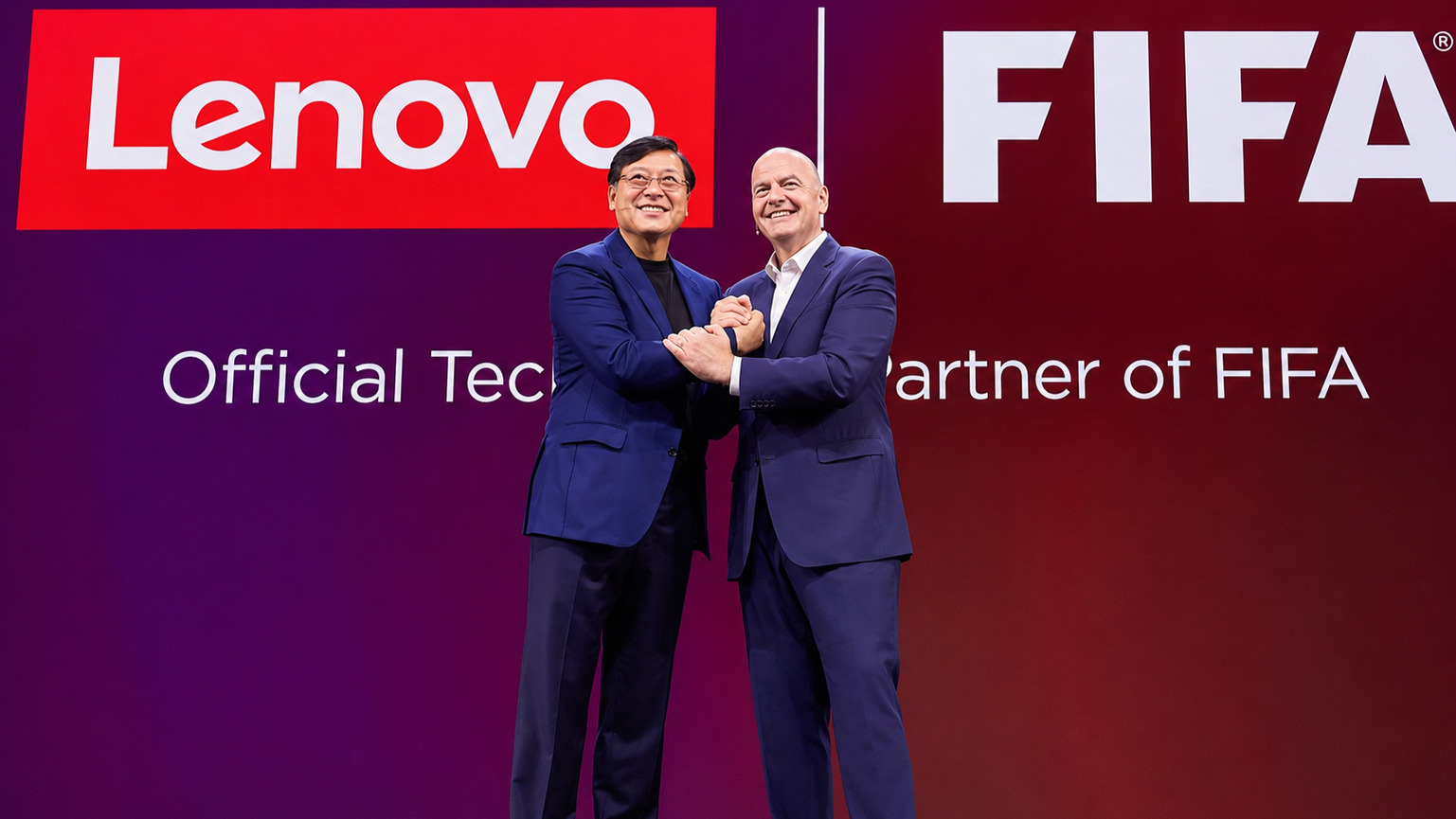
These innovations were introduced at Lenovo’s Tech World event during the Consumer Electronics Show (CES) 2026, where FIFA President Gianni Infantino and Lenovo Chairman and CEO Yuanqing Yang shared their vision for the partnership. Yang suggested that the 2026 World Cup could become one of the most AI-integrated sports events in history. According to him, fans can expect football-focused AI tools, enhanced player experiences, and improved referee camera features designed to make the tournament more exciting. Infantino also emphasized the role of data and technology in helping FIFA better understand fan behavior and create more memorable experiences not just for the men’s World Cup, but also for future tournaments like the FIFA Women’s World Cup 2027. This suggests that Lenovo’s involvement may be part of a longer-term strategy to bring more advanced technology into football.
Will Fans Actually Like It?
While these innovations sound exciting, not everyone may welcome the increased use of AI in football. Some fans already feel frustrated with how technology affects the flow of the game, especially with VAR decisions that can take time and interrupt the natural pace of matches. Adding more AI-driven officiating tools could improve accuracy, but it may also create concerns about over-reliance on technology. There is also the possibility that some viewers may find repeated 3D visual explanations unnecessary or distracting rather than helpful. Another issue is the environmental impact of large AI systems, which require significant computing power and energy through data centers. Still, not all changes are likely to be controversial, as improved referee body cameras, for example, could be popular if they offer fans more immersive and exciting match perspectives.
Also Read: 10 Amazing Things You Didn’t Know IBM Invented
The Final Verdict Will Come in 2026
The 2026 FIFA World Cup is shaping up to be more than just a football tournament; it may also become a major showcase for artificial intelligence in sports. Lenovo’s AI-powered tools could make match decisions easier to understand, improve referee performance, enhance stadium operations, and offer fans new interactive ways to experience football. However, whether these innovations truly improve the sport will depend on how smoothly they are implemented and how fans respond. When the tournament begins in Mexico City on June 11, football fans around the world will get the chance to decide whether AI makes the beautiful game even better.