When most people hear the name IBM, they think of home computers, business laptops, or massive data centers. While that is true, it only represents a small part of what IBM has actually contributed to technology. IBM is more like an iceberg, where the products people see are only a fraction of the company’s influence, while most of its groundbreaking work has happened behind the scenes in research laboratories. IBM has been one of the most important technology research organizations in history. Long before modern AI companies became household names, IBM spent decades helping build the technologies that made artificial intelligence possible. While projects like Watson defeating human champions on Jeopardy! and newer AI systems such as Granite models attract attention today, IBM’s influence stretches far beyond AI. Many of the technologies that quietly shape everyday life were either invented or heavily pioneered by IBM.
IBM Standardized Punched Cards for Computing
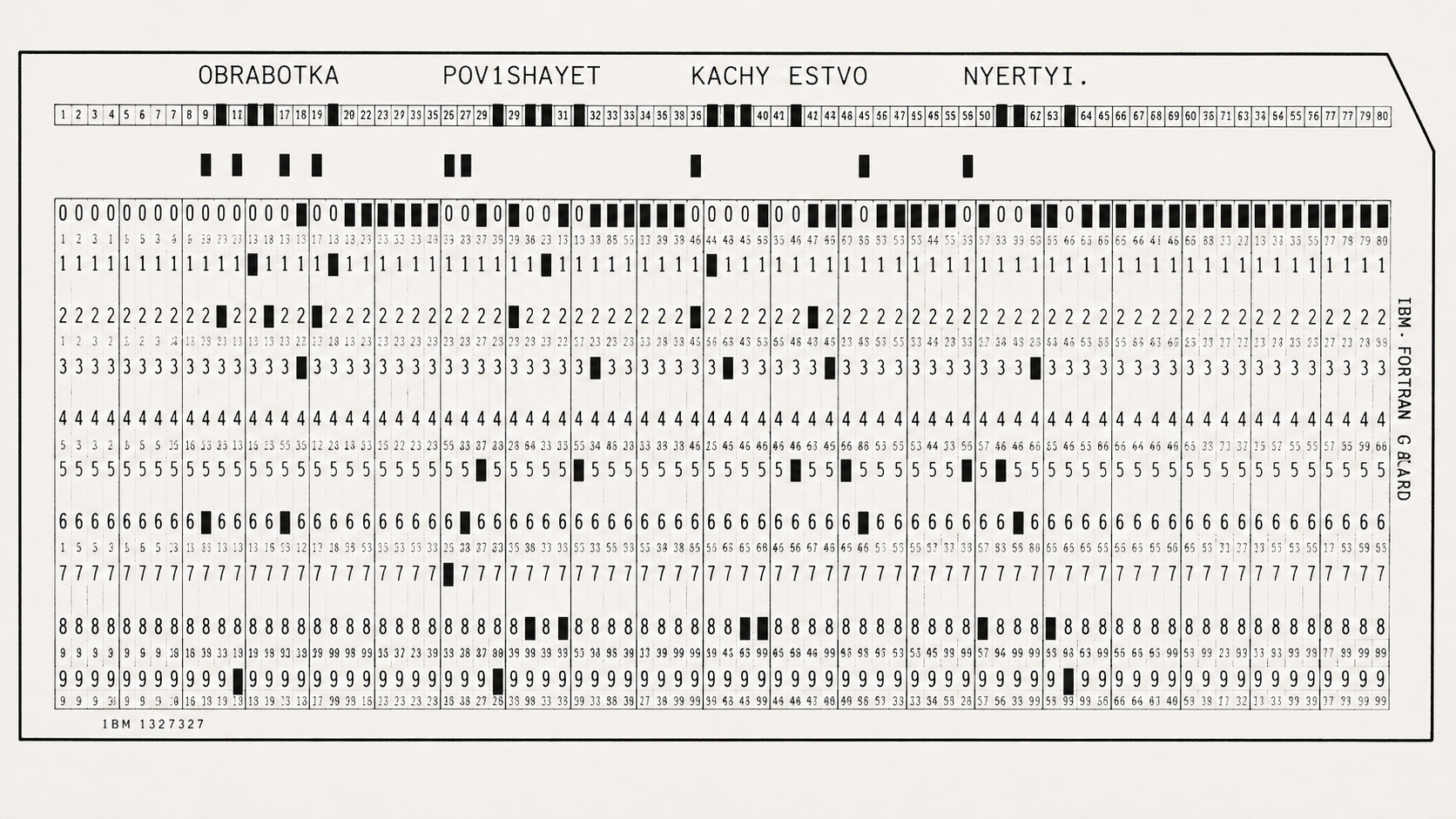
Data storage has evolved dramatically over time. Depending on when you first used a computer, you may remember cassette tapes, floppy disks, CDs, USB drives, or SD cards. Before all of these, there were punched cards. IBM did not invent punched cards itself, as their origins go back to industrial automation, particularly textile machinery in the 19th century, where punched cards were used to control looms. However, IBM transformed punched cards into a practical computing standard. The IBM punched card became the dominant format for computer data storage and processing for decades. Each card was made from stiff cardboard measuring 7⅜ inches by 3¼ inches, containing 80 columns and 12 rows, where holes represented encoded information. At one point, IBM estimated that most of the world’s stored data existed on punched cards. Even the computing term “patch” has roots here, since damaged cards could be physically repaired with patches or corrected by punching additional holes.
IBM Invented the Hard Drive
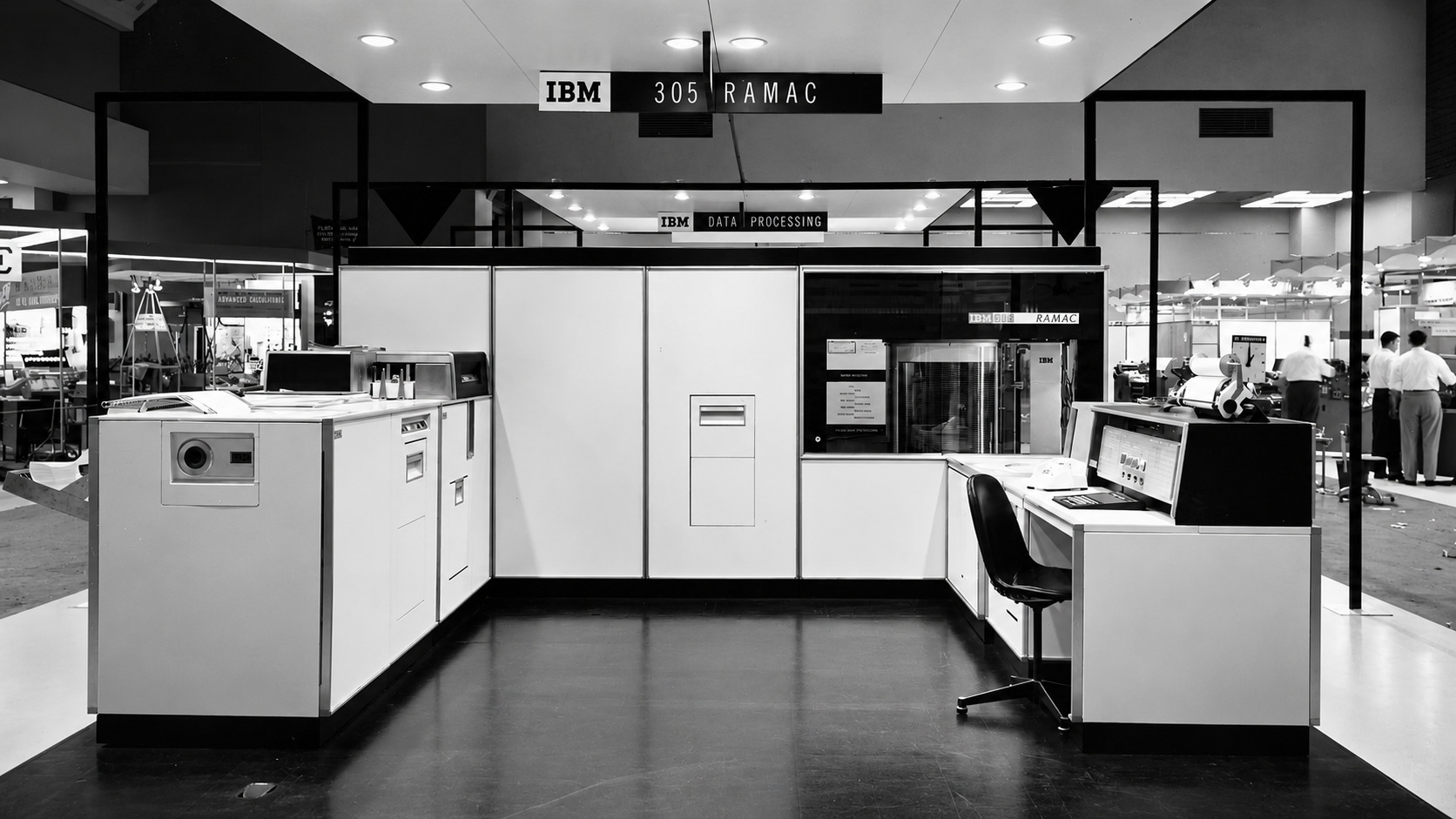
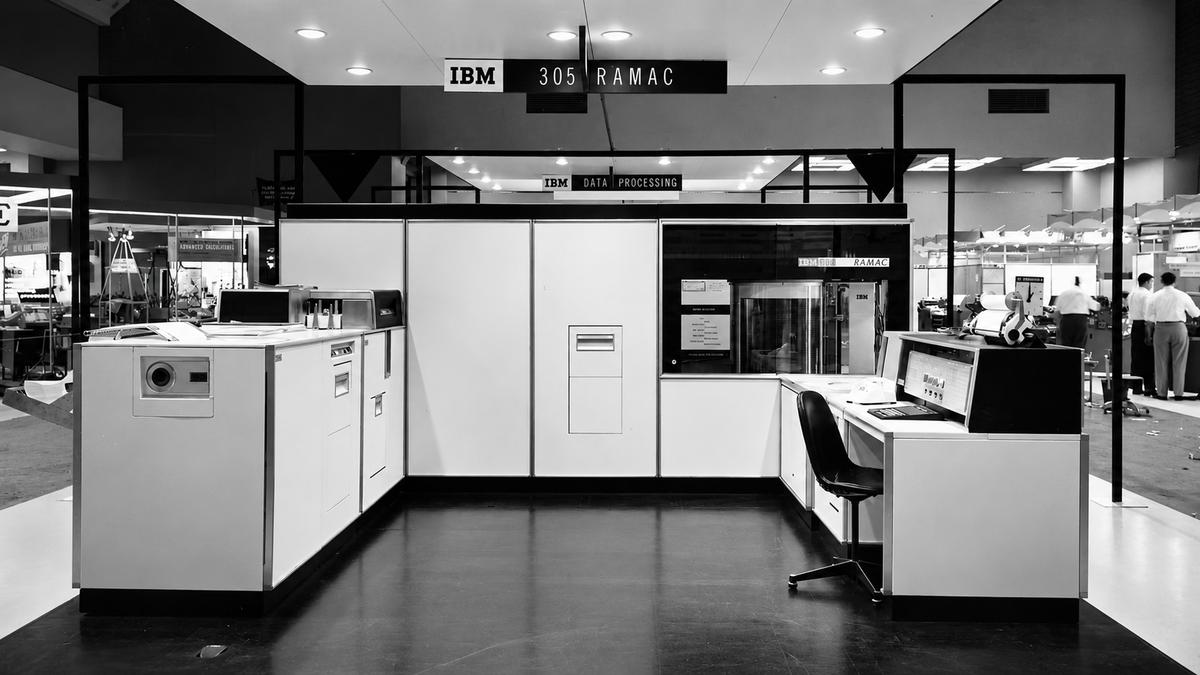
Modern computing would be almost impossible without storage drives. IBM invented the world’s first hard disk drive in 1956 with the IBM 305 RAMAC (Random Access Method of Accounting and Control). This enormous machine was roughly the size of two refrigerators and stored just 5 megabytes of data. That may sound tiny today, but at the time, it was revolutionary. Before the hard drive, data was primarily stored on punched cards or magnetic tape, making information retrieval slow and inefficient. Finding specific records could take hours or even days. The RAMAC introduced random access storage, meaning data could be retrieved almost instantly rather than sequentially. This concept became the foundation of all modern hard drives and later influenced SSD design. By the 1980s, hard drives had shrunk enough to fit inside personal computers, forever changing how computing worked.
Also Read: The Story Behind the Floppy Disk
IBM Created the Floppy Disk
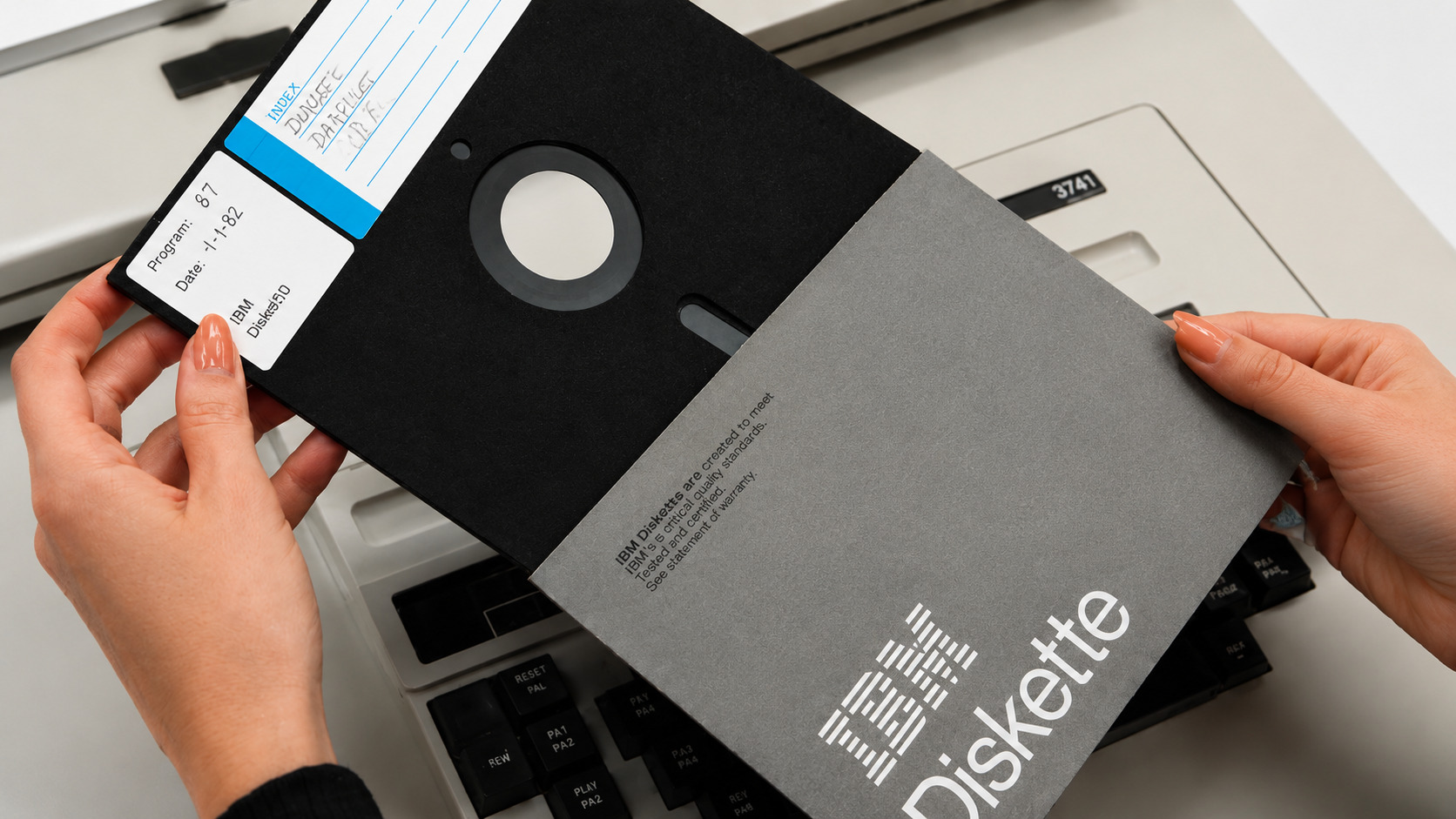
Few storage technologies became as iconic as the floppy disk. IBM developed the floppy disk in 1967 at its San Jose Research Laboratory as part of Project Minnow. Originally called the IBM Memory Disk, it was designed not for consumers but for updating and loading software into IBM mainframe systems. At the time, punched cards were still widely used for loading data, which became increasingly impractical as software grew larger. IBM engineers developed a flexible Mylar disk coated with magnetic material, allowing data to be read and written quickly. Unlike hard drives, the motor and read/write mechanism stayed inside the drive, while the disk itself was removable. The floppy disk later became the standard storage medium for personal computers throughout the 1970s, 1980s, and 1990s. Surprisingly, floppy disks still survive in niche legacy systems, including certain aviation equipment.
IBM Helped Make ATMs Practical
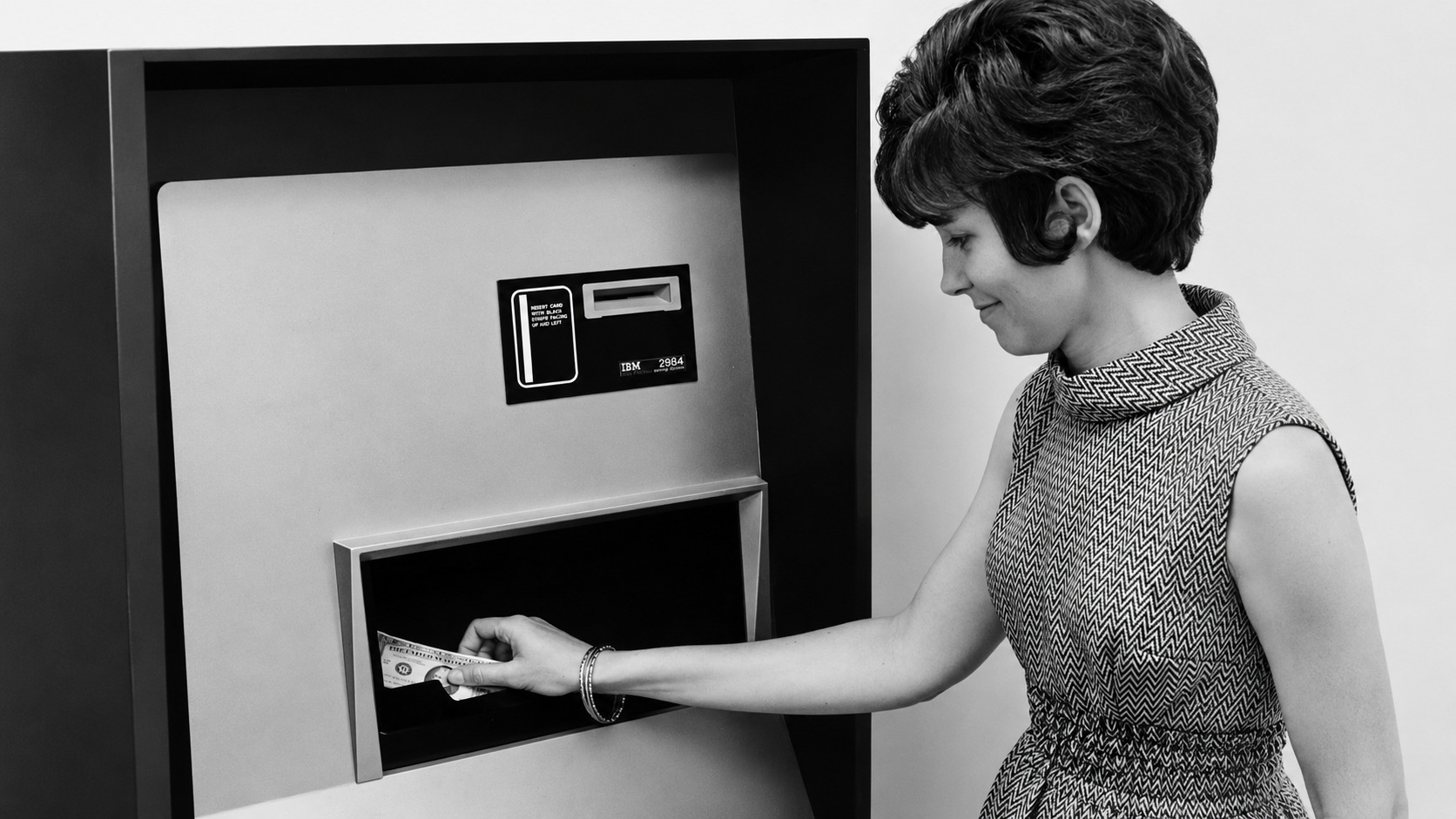
Automated Teller Machines transformed banking by allowing customers to withdraw money without interacting with a human teller. While IBM did not invent the first ATM itself, it developed several of the key technologies that made modern ATMs practical and scalable. One of the most important was the magnetic stripe card, which stored account information that machines could instantly read. Combined with PIN authentication, this created a secure and convenient self-service banking system. This dramatically reduced dependence on in-person banking, allowing cash access 24/7 from locations far beyond traditional bank branches. Modern ATM security has evolved significantly, but IBM’s role in making automated banking practical was foundational.
IBM Created the UPC Barcode System

Barcodes are so common that most people barely notice them. Nearly every retail product uses barcodes for checkout, inventory tracking, logistics, and shipping. IBM engineer George Laurer led the development of the Universal Product Code (UPC), which became the standard barcode system used worldwide. A barcode works by encoding a number into a machine-readable pattern of lines and spaces. That number links to information stored in a database, allowing products to be identified instantly. This dramatically reduced manual entry errors, sped up checkout systems, and revolutionized supply chain management. Even with newer systems like QR codes, UPC remains essential to global commerce.
Also Read: How a Board Game Inspired the Invention of QR Codes
IBM Invented DRAM
.jpg)
Modern computing depends heavily on memory, and IBM played a critical role in creating it. Early memory technologies were expensive and inefficient. Magnetic core memory was bulky, while SRAM required multiple transistors to store a single bit. In 1966, IBM researcher Robert Dennard developed a radically more efficient design that stored a bit using just one transistor and one capacitor. This became the foundation of Dynamic Random-Access Memory (DRAM). IBM received the patent in 1968, and DRAM eventually became the dominant memory technology in computers. Today, DRAM powers laptops, desktops, servers, smartphones, gaming consoles, AI infrastructure, and countless embedded devices.
IBM Invented Virtualization Technology
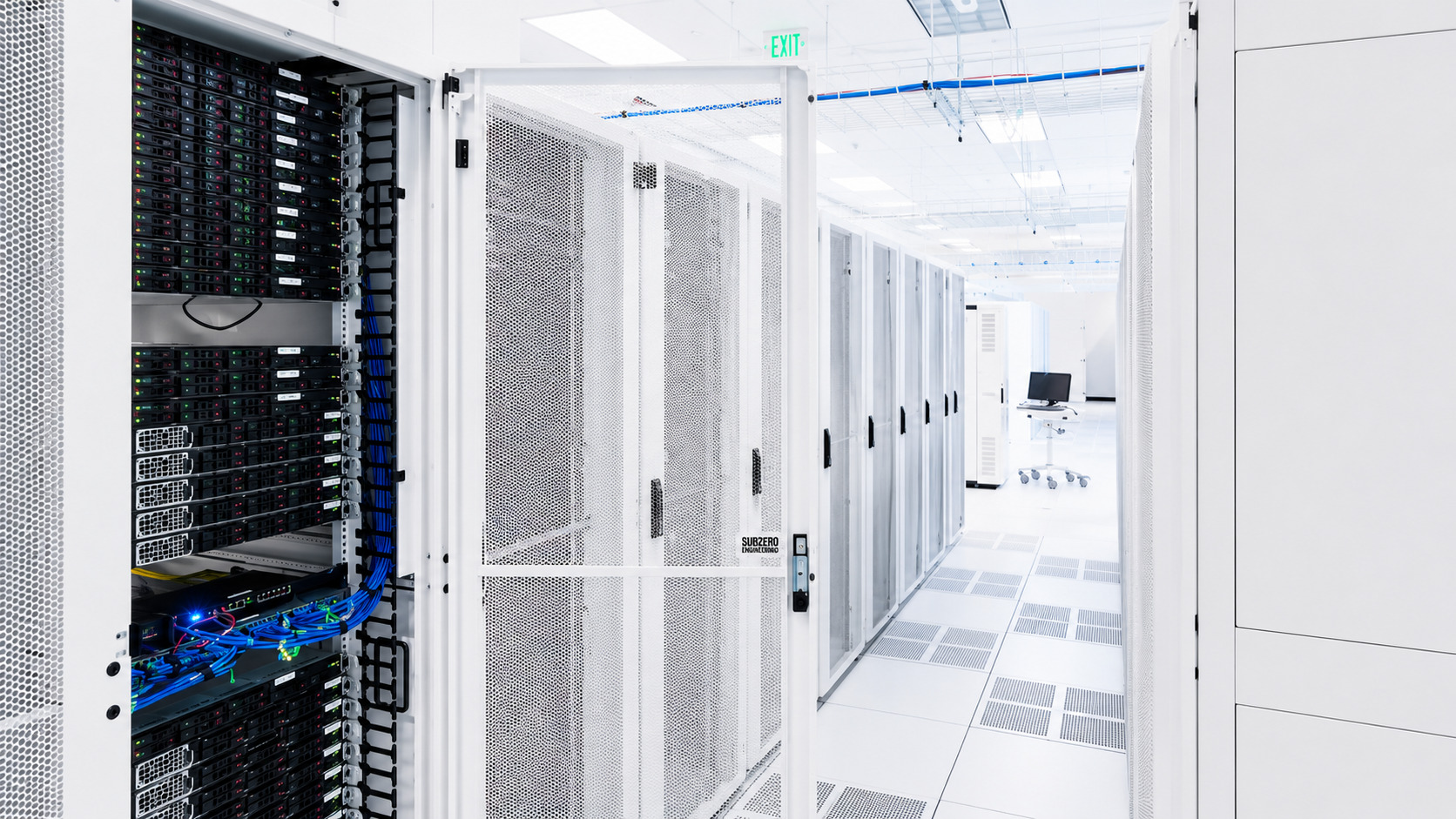
Cloud computing would not exist in its current form without virtualization. IBM pioneered virtualization in the 1960s, developing technology that allowed a single mainframe computer to run multiple independent operating systems at the same time. This concept became known as virtual machines (VMs). A virtual machine behaves like a complete computer running inside another computer, providing isolation, security, flexibility, and better hardware utilization. Today, virtualization powers data centers, cloud infrastructure, software testing, cybersecurity research, and enterprise computing worldwide. Much of modern cloud computing is built on concepts IBM introduced decades ago.
IBM Helped Define the Modern Personal Computer
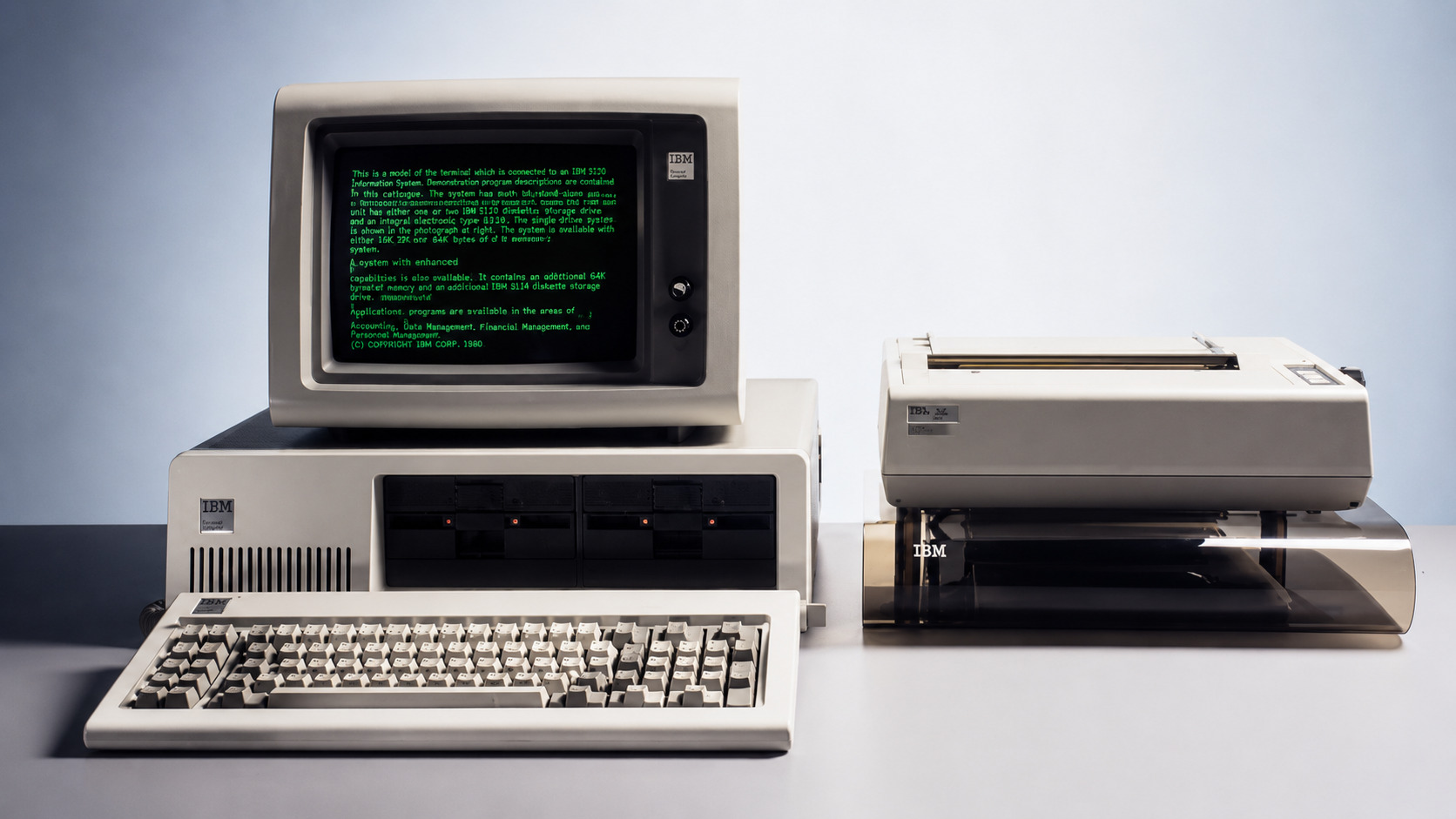
Most modern PCs can trace their roots back to IBM. In 1981, IBM launched the IBM PC 5150, one of the most influential personal computers ever created. Its relatively open architecture allowed third-party manufacturers to create compatible hardware and software, leading to the explosion of the IBM-compatible PC market. This fueled the growth of MS-DOS, office software, PC gaming, and consumer computing in general. Ironically, IBM’s openness helped competitors thrive, reducing IBM’s direct control over the market it created. IBM eventually exited the PC business in 2005, selling its personal computer division to Lenovo, but the architecture remains foundational today.
Also Read: How a Single Moth Changed the History of Computing
IBM Helped Create SQL and Relational Databases

Modern digital life depends on databases. Banking systems, social media platforms, shopping websites, and business applications all rely on relational databases. IBM researcher Edgar F. “Ted” Codd introduced the relational database model in 1970 through his landmark paper, A Relational Model of Data for Large Shared Data Banks. This model organized information into tables that could be efficiently queried. IBM later developed SEQUEL (Structured English Query Language), which evolved into SQL. Today, SQL remains the standard language for relational databases. IBM contributed not only to storage hardware but also to database theory and practical query systems.
IBM Advanced Science with the Scanning Tunneling Microscope
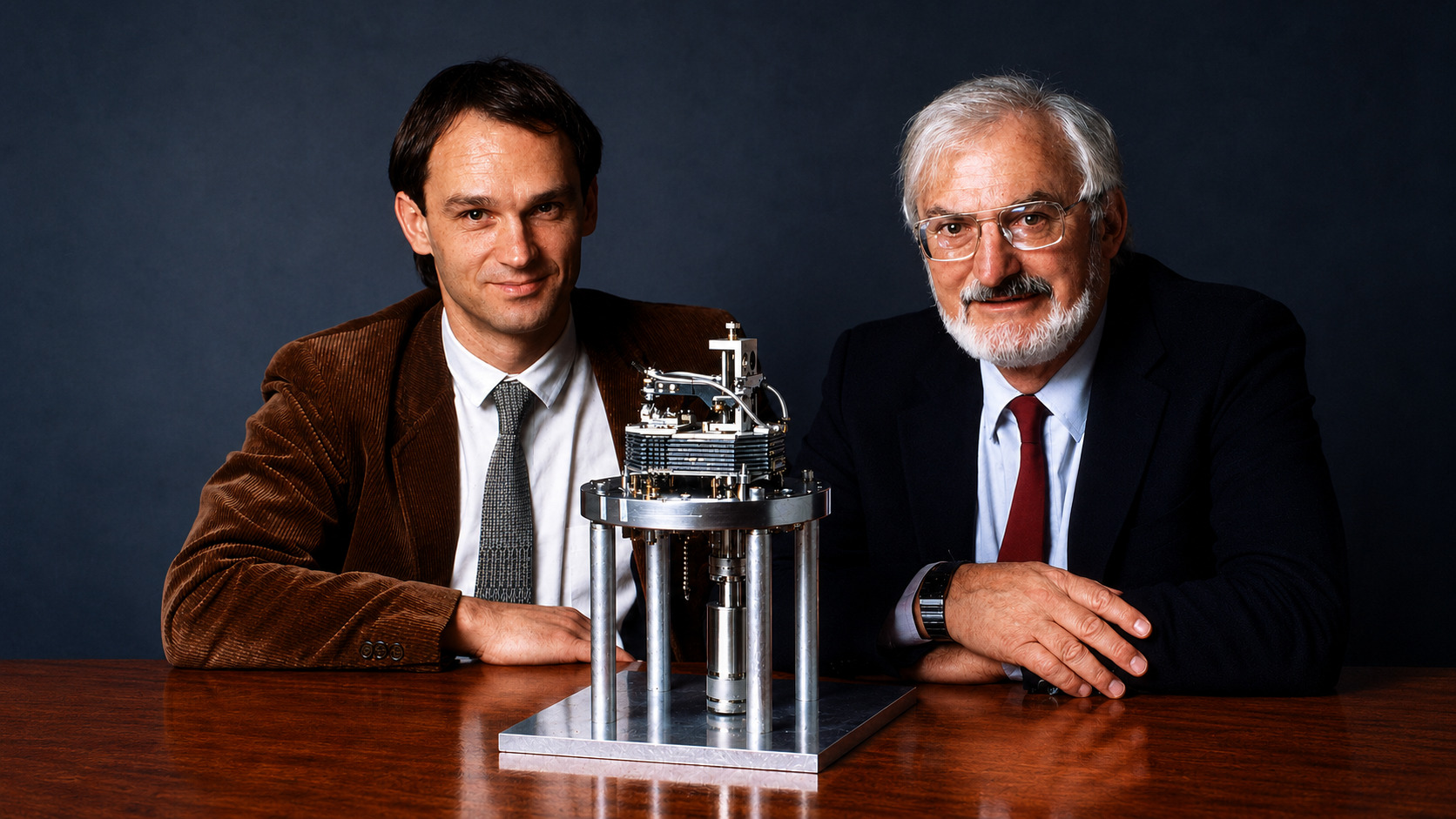
Not all IBM inventions were consumer-facing. In 1981, IBM researchers Gerd Binnig and Heinrich Rohrer developed the Scanning Tunneling Microscope (STM) at IBM Zurich. This revolutionary instrument allowed scientists to observe surfaces at the atomic level by measuring quantum tunneling effects between a sharp probe and the material being examined. For the first time, researchers could effectively image individual atoms. Even more importantly, STM enabled atomic manipulation, laying the foundation for nanotechnology. The invention transformed physics, chemistry, materials science, and semiconductor research. Binnig and Rohrer later received the 1986 Nobel Prize in Physics for this breakthrough.