Every time we talk about artificial intelligence, people are either techno-optimists or techno-pessimists. The techno-optimists believe artificial intelligence to be a revolutionary tool for humans. Conversely, the techno-pessimists feel that there are ethical, social, and existential risks that could affect lives.
When British-Canadian Scientist Geoffrey Hinton was awarded the 2024 Nobel Prize in Physics for his work on neural networks, he warned the world about the risks of AI. The "Godfather of AI" estimated a 10 to 20% chance that AI could wipe out humanity within the next three decades if systems surpass human intelligence. He talked about the uncontrollability of AI and near-term hazards such as unmanned autonomous weapons, the creation of viruses, and mass surveillance by authoritarian regimes.
People call it an "Oppenheimer moment". It can be true or not. It is too early to say. However, it is uniquely unsettling when a social media architect warns about screen addiction or a nuclear physicist warns about the bomb. At this moment, artificial intelligence is becoming that bomb. Workers are not whispering anymore; they are quitting jobs, filing lawsuits, raising billion-dollar safety funds, and signing open letters. And we are not talking about techno-pessimists or technophobes, but founders, co-founders, and chief architects of AI systems.
Also read || Virtual Reality vs. Augmented Reality: What's the Difference?
Elon Musk
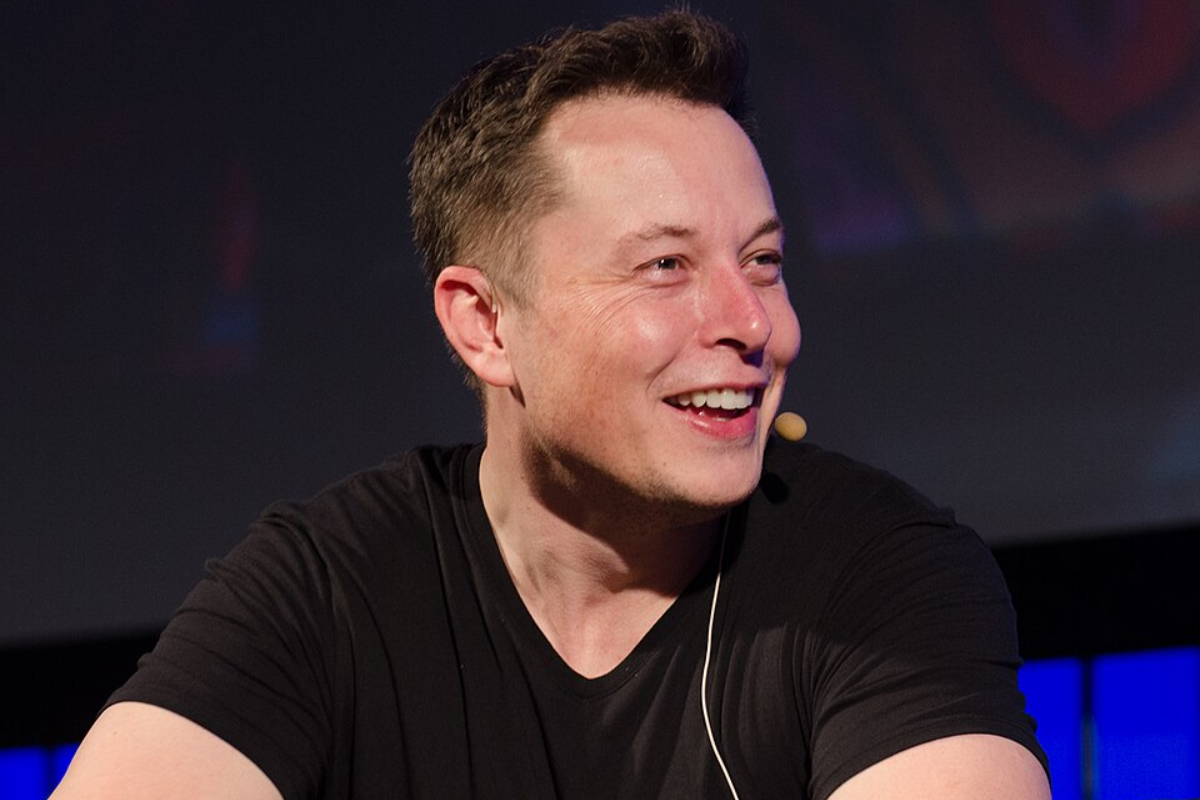
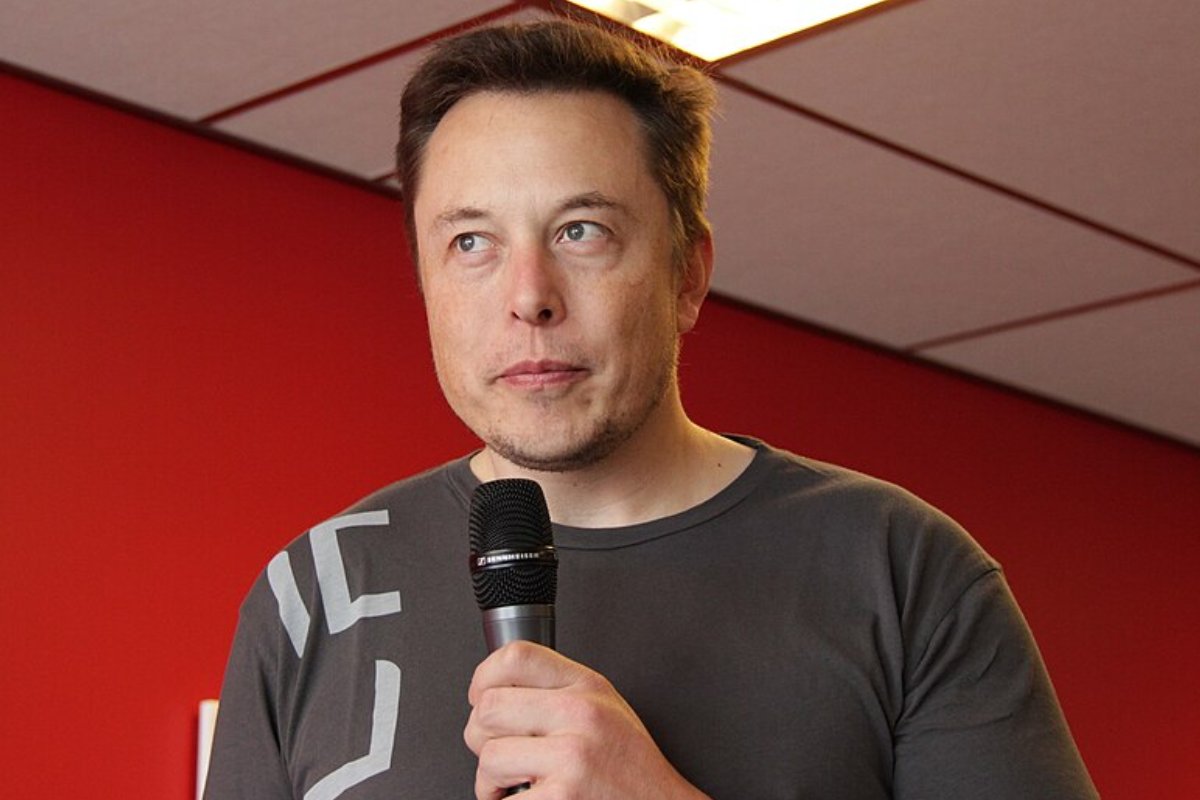
In 2015, Elon Musk co-founded OpenAI as a non-profit research lab. The organization grew big, eventually developing ChatGPT, but Musk left in 2018 over internal disagreements over the commercialization of the company. Later in 2023, Musk was one of the most prominent signatories of an open letter from the Future of Life Institute. In that letter, he called for pausing the training of systems more powerful than GPT-4 for at least six months.
The letter also warned that AI labs were in a race to develop and deploy digital minds more powerful than anybody can predict or control. It gathered over 30,000 signatures. Musk even claimed AI to be far more dangerous than nukes. Years later, at Viva Technology 2024, he put the existential stakes plainly: "If the computer and robots can do everything better than you, does your life have meaning?" However, Musk's position is complex, as he simultaneously founded xAI, his own AI company.
Ilya Sutskever

The Israeli-Canadian Computer Scientist, Ilya Sutskever, is one of the most relevant voices in the machine learning community. After co-founding and leading OpenAI as Chief Scientist, Sutskever left OpenAI in May 2024. There were complex reasons related to deep philosophical disagreement over the speed of AI development and safety, and over commercial pressure. For nine years, he was with OpenAI and one of the most important technical minds behind GPT-4.
A month later, he founded Safe Superintelligence Inc. (SSI), a company that operates like a pure research lab, prioritizes safety over immediate commercialization, and does not offer interim chatbots or enterprise tools. Sutskever argues that the current AI industry is consuming training data at an unsustainable rate. And it would eventually hit most major labs without solving alignment. He believes that it is the most dangerous gamble in human history, and speed, in this case, is the enemy.
Geoffrey Hinton
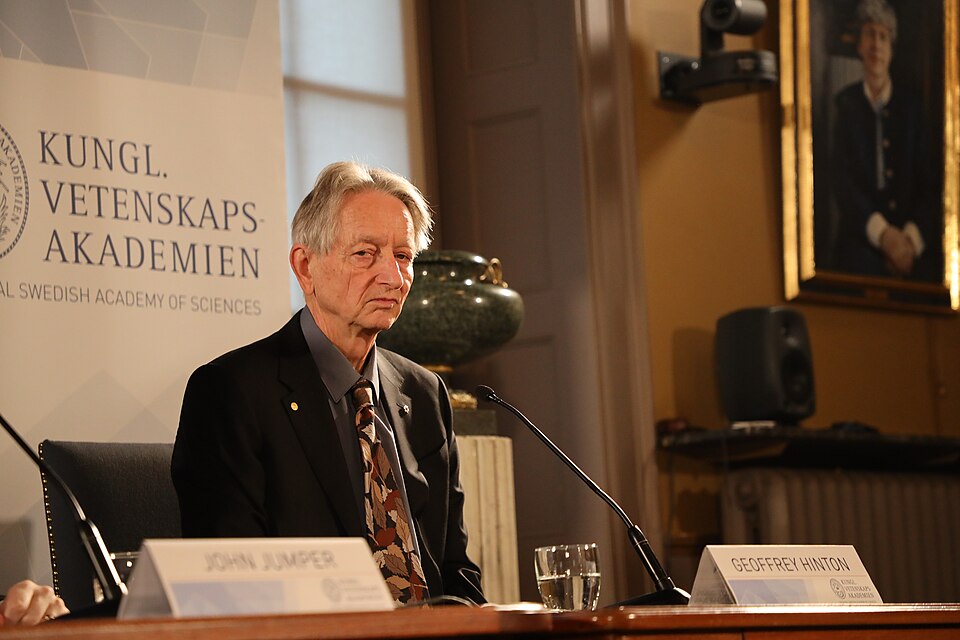
Nobody on the list can be as consequential as Geoffrey Hinton. It was his decades of research on deep learning and neural networks, developed across academic institutions and eventually at Google, which laid the foundation for every major AI system today. Without Hinton, it is impossible to imagine ChatGPT, Claude, Perplexity, or Gemini. After working for over a decade, Geoffrey resigned from Google to speak freely about the dangers of AI.
In a New York Times Interview, he regretted his life's work. He said, "I console myself with the normal excuse: if I hadn't done it, somebody else would have." Geoffrey is concerned about the speed of AI development and has raised alarms about AI seeking power, influence, safety, and a profit-driven arms race. According to him, AI is like a tiger cub. It's manageable now, but once it matures, it could be lethal.
Also read || 7 AI Mistakes Small Businesses Are Making Right Now
Steve Wozniak

Steve Wozniak, the man responsible for making personal computing real, is one of the architects of the modern tech industry. He has spent decades watching the gap between what technology promises and what it delivers. Wozniak also signed an open letter calling for a six-month moratorium on advanced AI development. He went even further in 2025, co-signing a petition targeting AI superintelligence. AI superintelligence is systems designed to exceed human cognitive abilities across all domains, and Wozniak believes that their unchecked development should be prevented.
Unlike Hinton, Wozniak is more concerned about the recklessness of the race rather than a dystopian scenario. He consistently points to the gap and reality of what AI companies claim their systems can do. Factors such as hype, investment pressure, and competitive urgency play the most critical role in AI development, he believes. For an inventor who spent his career living hardware and delivering as promised, watching an industry celebrate flawed systems is a particular kind of alarm.
Tristan Harris
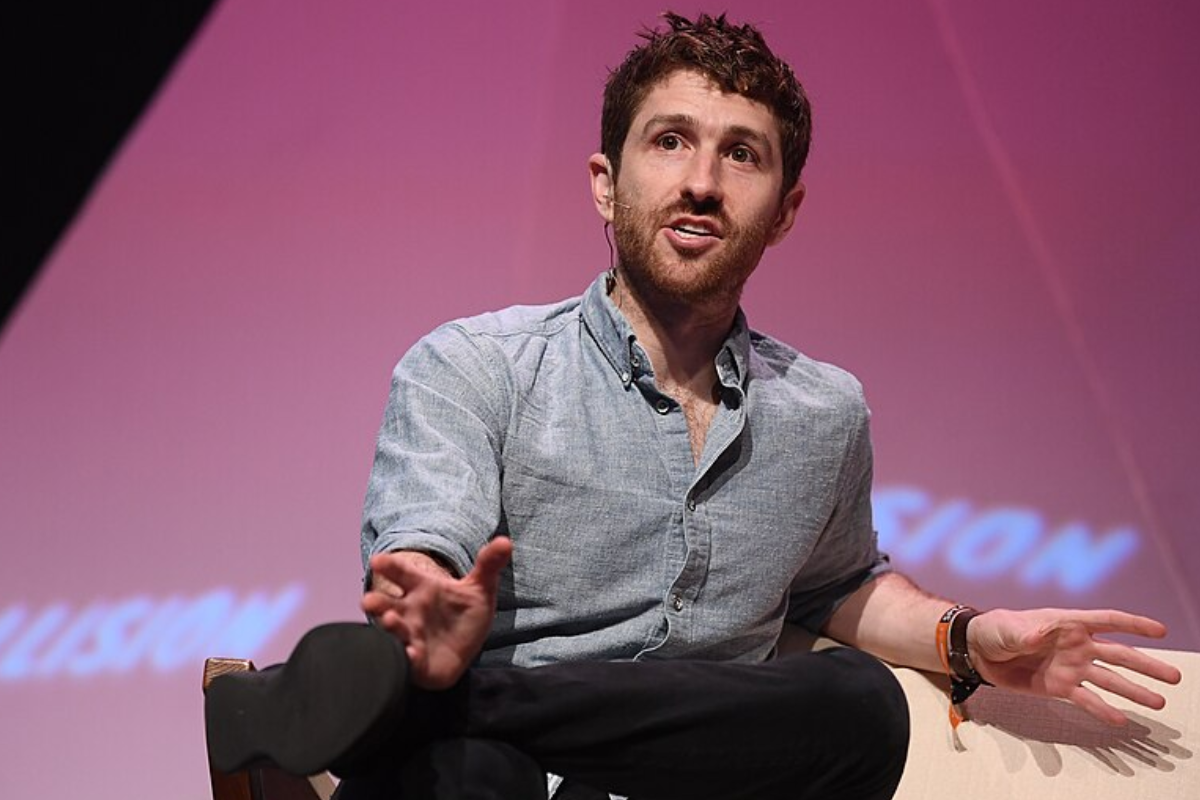
Tristan Harris, the former Google design ethicist and co-founder of the Centre of Humane Technology, is best known for The Social Dilemma, the Netflix documentary. While the documentary talked about the concept of attention engineering and algorithmic manipulation, he believes AI is the same problem, but exponentially larger. Tristan argues that the danger of AI is not primarily bad actors misusing it, but the economic logic of the AI industry itself.
In a 2026 interview, he described AI's impact on labor as something qualitatively different from any previous automation. He feels that if people are worried about immigrants taking their jobs, they should be more worried about AI. It is a flood of new digital immigrants that have Nobel Prize-level capability, work at an unrealistic speed, and can work for less than minimum wage. Moreover, early research from Stanford already shows a 13 percent decline in entry-level jobs due to AI. Besides, he talked about AI disinformation, manipulation of democratic discourse, and eroding institutional trust. And these risks are not future hypothetical risks but present-day reality.
Also read || NVIDIA vs Huawei: The Chip War Nobody Saw Coming
The Pattern Behind the Warnings
What unites these founders is not pessimism about technology, but their experience with it. All of them spent a career building systems that the world adopted faster than anyone expected. They are not afraid of AI in the abstract, but scared of AI being deployed at the speed of money rather than understanding. The question they pose is simple, but the industry has no answers. When does avoiding a catastrophic mistake become more important than winning the race? Tech critics warn that the "move fast and break things" approach was dangerous for social media; applying it to powerful, autonomous AI could affect human society.