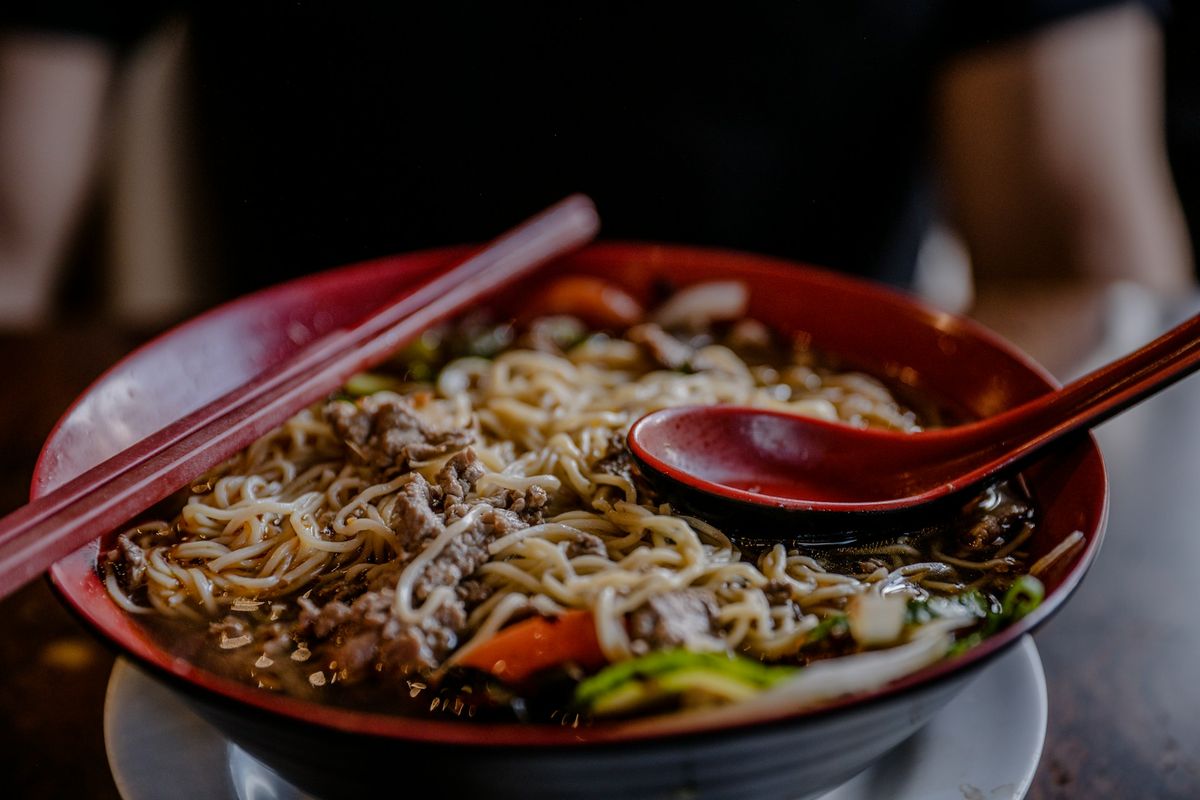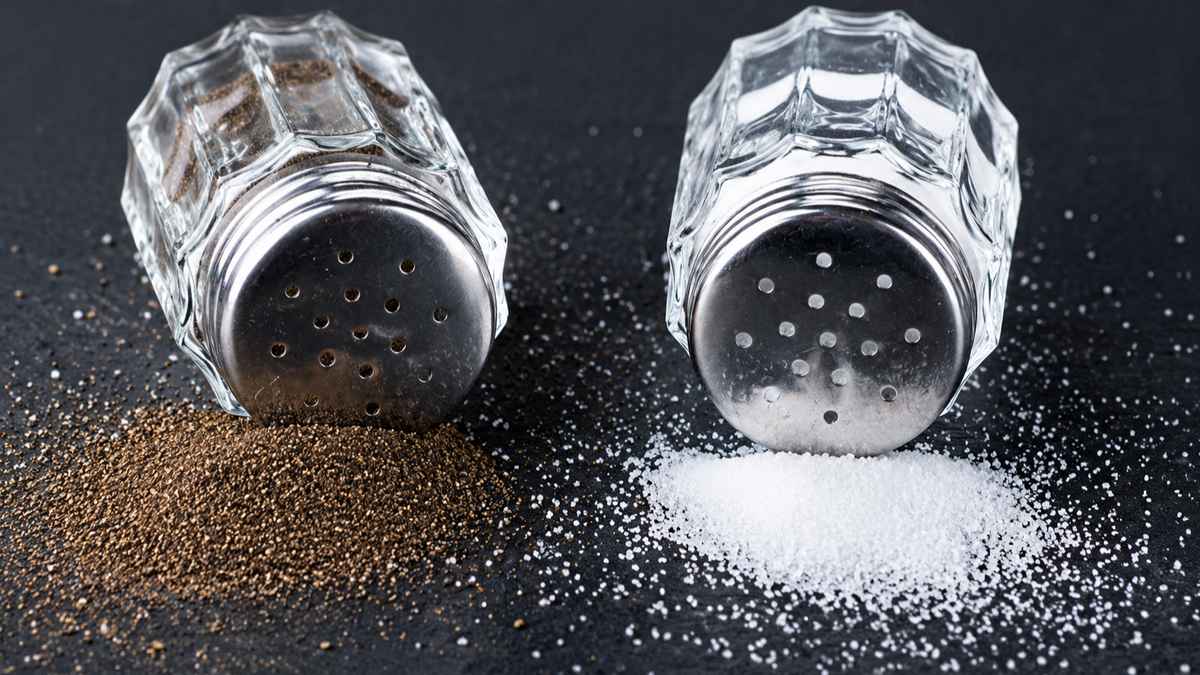
Salt and pepper are found on almost every dining table around the world. Whether people are eating at home, in a restaurant, or at a café, these two seasonings are usually sitting side by side. They are added to soups, meats, vegetables, snacks, and countless other dishes. Because they are so common, most people rarely stop to wonder why salt and pepper always come together. The answer dates back hundreds of years to 17th-century France and the royal court of King Louis XIV. His influence on food and culture helped shape one of the most famous seasoning combinations in history. Although salt and pepper are often treated as equals on the dinner table, they are actually very different ingredients that serve very different purposes.
Also Read: 15 Iconic Ice Cream Flavors And How They Were Invented
The Birth of the Salt and Pepper Pairing
The salt and pepper combination became popular in France during the late 1600s, a period when French cuisine was becoming more refined and influential. Chefs began moving away from heavily spiced dishes and instead focused on enhancing the natural flavors of ingredients. One of the most important chefs of the era was François Pierre de la Varenne, who is widely considered one of the founders of modern French cooking. In his famous 1653 cookbook, Le Cuisinier François, he introduced a simpler style of cooking that relied on fewer spices and lighter seasoning. Rather than masking dishes with strong flavors, chefs started using ingredients that complemented food without overpowering it. Salt and pepper proved to be the perfect pairing for this approach. Salt strengthened and intensified flavor, while pepper added a warm, mild, and slightly spicy taste. King Louis XIV preferred meals prepared in this style, and because the French royal court strongly influenced European culture and fashion, the king’s eating habits quickly spread throughout the continent. As a result, salt and pepper became the standard seasonings in Western cuisine. Over time, the pairing became so common that people began treating the two as inseparable, which is why they are still commonly placed together in matching shakers today.
Why Salt Became Essential
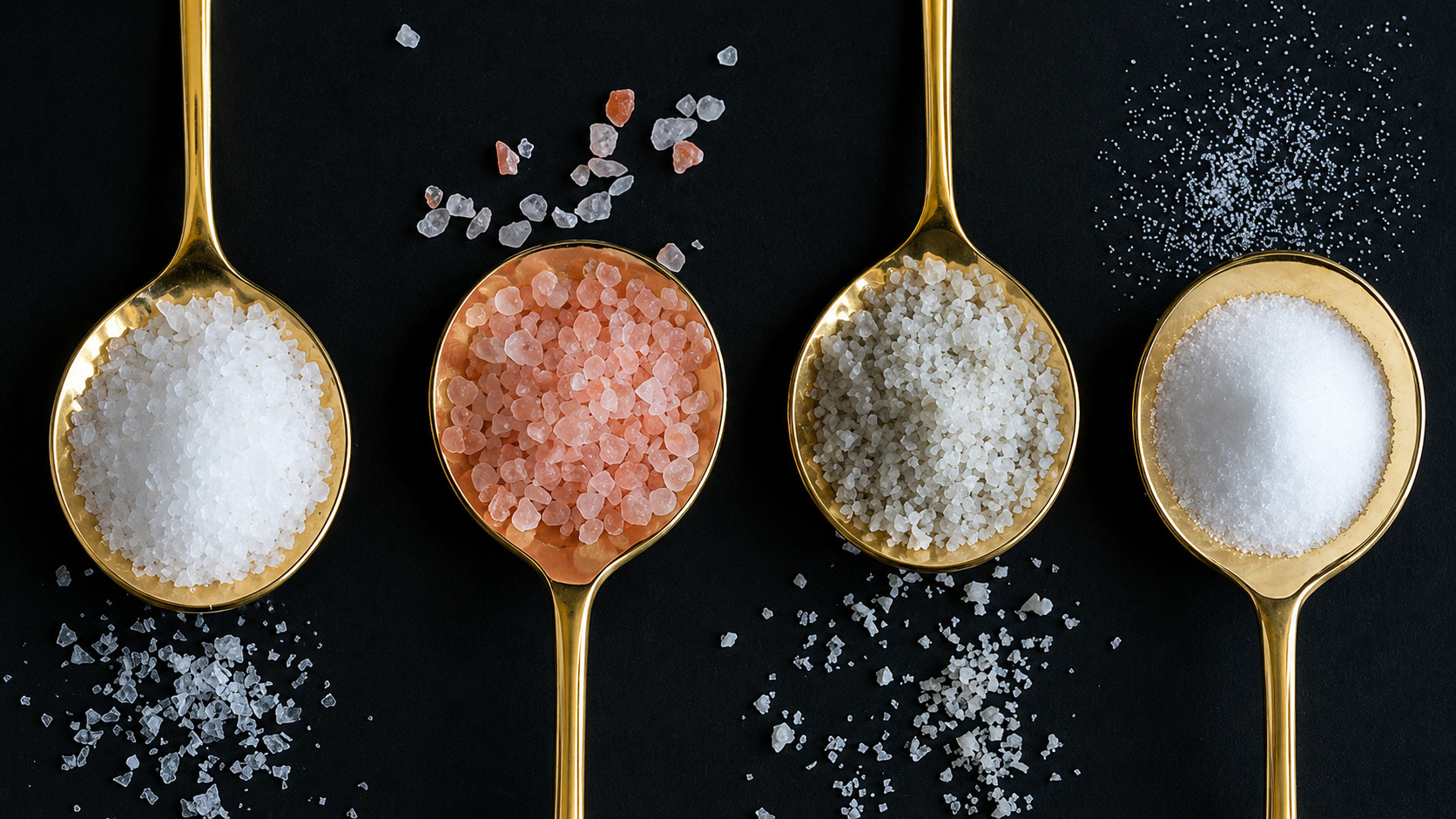
Although salt and pepper are usually paired together, salt is far more important to human life. Salt has been used for thousands of years and is one of the oldest seasonings known to humanity. Beyond flavor, it is necessary for survival because the body requires sodium to function properly. Sodium helps regulate nerves, muscles, and fluid balance, meaning that every heartbeat, thought, and movement depends on it. Humans and animals naturally seek salt because of this biological need. Even animals such as mountain goats have been known to travel long distances to reach natural salt deposits, showing that the desire for salt is rooted in survival rather than taste alone. There are also many types of salt used for different purposes. Table salt, scientifically known as sodium chloride (NaCl), is the most common type used in cooking. Other salts, such as sodium nitrate and sodium nitrite, are commonly used to preserve and cure meats, while monosodium glutamate (MSG) is used to enhance flavor in foods. In addition to its importance for health, salt is also a powerful flavor enhancer. It can make sweet foods taste sweeter, reduce bitterness, and improve the overall flavor of dishes, which explains why it appears in almost every type of recipe, including desserts.
Pepper: A Spice of Flavor and Luxury
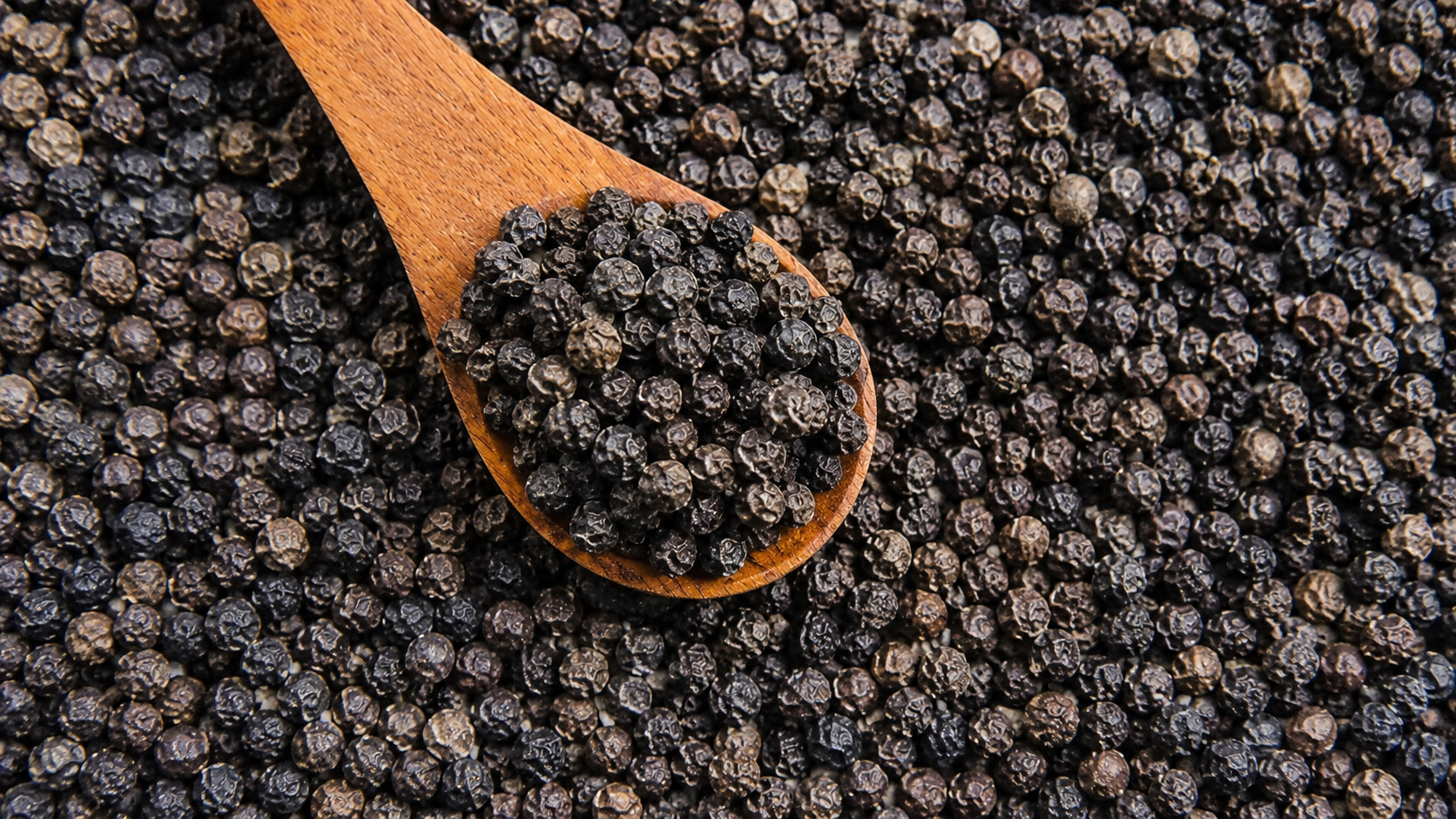
Pepper, unlike salt, is not essential for survival. People use it mainly for its flavor and aroma. Black pepper comes from the dried berries of the Piper nigrum plant, a vine native to South India. It has been used in South Asian cooking for thousands of years and eventually became one of the most valuable spices in the world. Around 400 B.C., black pepper reached the Western world through trade routes, and Europeans quickly developed a strong taste for it. Demand for pepper grew rapidly, and the spice became so valuable that it was sometimes used as currency in ancient times. Wealthy individuals often viewed pepper as a symbol of luxury and status. Black pepper also contains a natural chemical called piperine, which may provide antimicrobial and digestive benefits, although these benefits are secondary to its culinary appeal. Most people simply enjoy pepper because it adds warmth, depth, and complexity to food. Unlike salt, humans have no biological need to consume pepper, and animals do not search for it in nature. Nevertheless, pepper became widely popular because its flavor paired exceptionally well with many dishes.
Also Read: 10 Everyday Ingredients from Ancient Times
Why the Combination Lasted So Long
The reason salt and pepper have remained together for centuries is largely because of balance. Salt enhances and intensifies the flavors already present in food, while pepper adds a gentle contrast that does not overpower the dish. Together, they create a simple yet reliable way to improve taste. Tradition also played a major role in keeping the pairing alive. Once French dining culture became fashionable across Europe, the habit of serving salt and pepper together became deeply embedded in Western food traditions. Generations grew up using the two seasonings side by side, and over time, the custom spread throughout the world. Even though modern kitchens now use spices from nearly every corner of the globe, salt and pepper continue to remain the most common table seasonings. From fine dining restaurants to fast-food counters, the pair still dominates dinner tables everywhere.
A Simple Pair With a Long History
Today, sprinkling salt and pepper on food feels completely ordinary, yet the story behind this pairing is surprisingly rich and historical. What began in the royal kitchens of 17th-century France eventually evolved into a worldwide culinary tradition. Salt earned its place because humans need it to survive, while pepper gained popularity because of its flavor, rarity, and cultural prestige. Together, they formed one of the most enduring partnerships in culinary history. The next time someone reaches for the salt and pepper shakers, they may remember that this everyday habit once reflected the tastes of kings and the traditions of centuries past.