Since the beginning of human life, food has always been changing. Food has also played an important role in human development. In early times, people lived by hunting animals and gathering plants, but later they began farming. This change allowed people to settle in one place instead of living a nomadic life. People also learned how to preserve food, which helped them survive during difficult times when fresh food was not available. Non-perishable foods made it possible for people to trade with each other, which helped cultures connect and grow. Some ancient plants and animals no longer exist, but many are still used today. These ingredients are often found in our kitchens, even though we may not realize how old they are. This article explains 10 everyday ingredients that date back to ancient times. It describes their history, their uses in the past, and how they are still used today.
Also Read: 10 Ancient Roman Foods We Still Eat Today
Honey
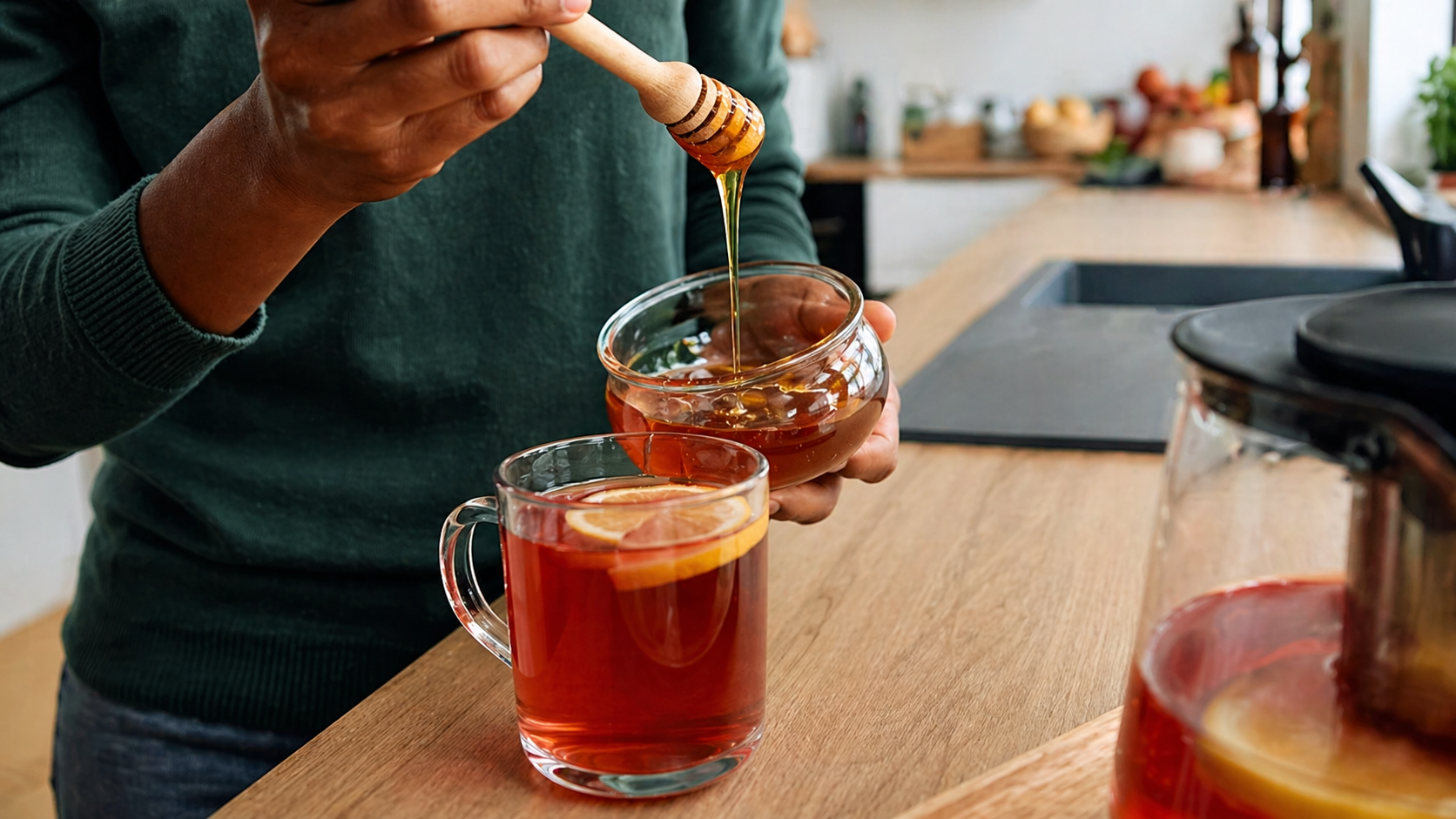
Honey is one of the oldest sweeteners used by humans, and it has a natural sweet taste, a floral smell, and a thick, sticky texture. People have used honey since prehistoric times, and evidence of its use appears in Spanish cave paintings from about 7,500 years ago. Honey is also shown in Egyptian writings from around 3000 B.C. In ancient times, honey was used not only as a sweetener but also for preserving food and for medicinal purposes. Honey is naturally antibacterial, which means it does not spoil. Because of this property, the oldest jar of honey ever found dates back to 3500 B.C. and was discovered in Georgia. People used honey to treat wounds and infections, and it was also used in religious ceremonies and after-death rituals. It was even used to make early forms of candy. Today, honey is still widely used for health purposes, such as soothing sore throats, and it is also used in beauty products and cooking, and it continues to be an important ingredient in many households.
Olive Oil
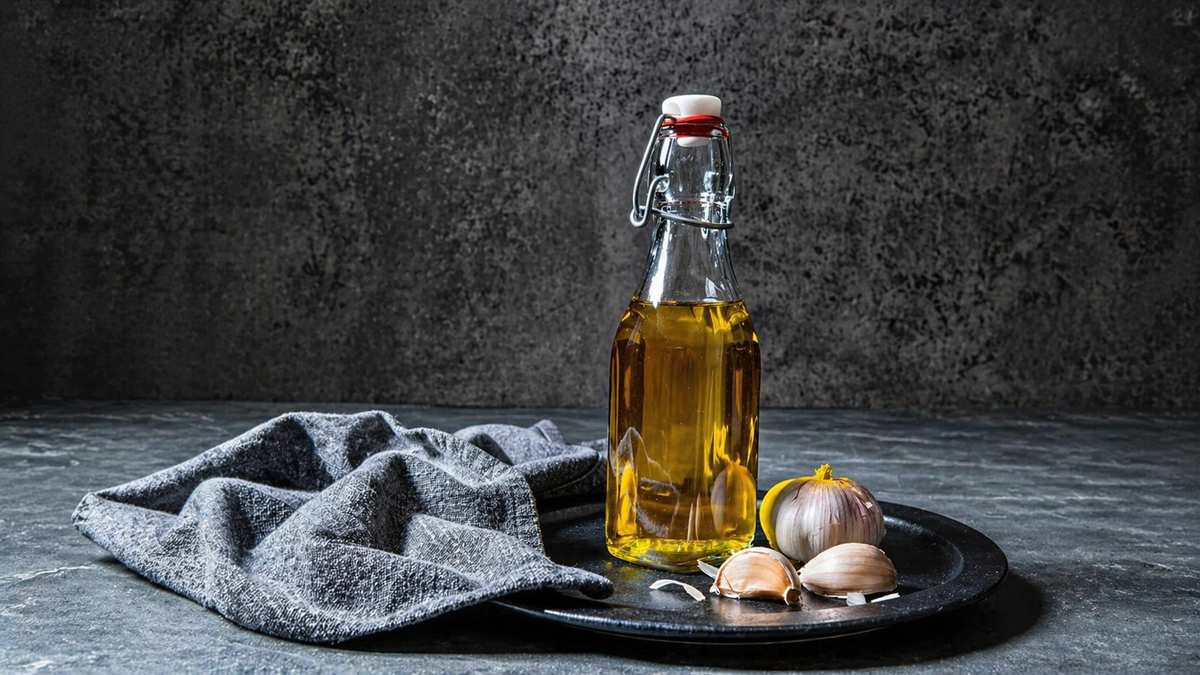
Olive oil is made by pressing olives, and it has a smooth texture and a flavor that can range from grassy to slightly peppery. Humans have been using olive oil for nearly 8,000 years, and its early history comes from the Mediterranean region. Archaeological findings show that tools used to produce olive oil were found in Kfar Samari, in modern-day Israel, and date back to around 5600 to 5000 B.C. In ancient times, olive oil was used in cooking, for medicinal purposes, and in religious practices, and over time, its use spread across the world. Today, olive oil is an important part of the Mediterranean diet, which is known for its health benefits, and it is also used in skincare and beauty products, and most olive oil produced today comes from Spain.
Garlic
Garlic is a widely used ingredient in cooking and has been used for more than 5,000 years, and it has a strong and sharp taste when raw, but it becomes softer and slightly sweet when cooked. Garlic has been found in Egyptian pyramids and ancient Greek temples, and it is also mentioned in the Bible and early medical texts. In ancient times, garlic was used not only for cooking but also for medicine and to help improve the strength of workers. Today, garlic is still known for its health benefits and is also valued for its flavor, and it is used in many dishes, including bread, soups, sauces, and dressings, and it remains an essential ingredient in many cuisines around the world.
Cinnamon
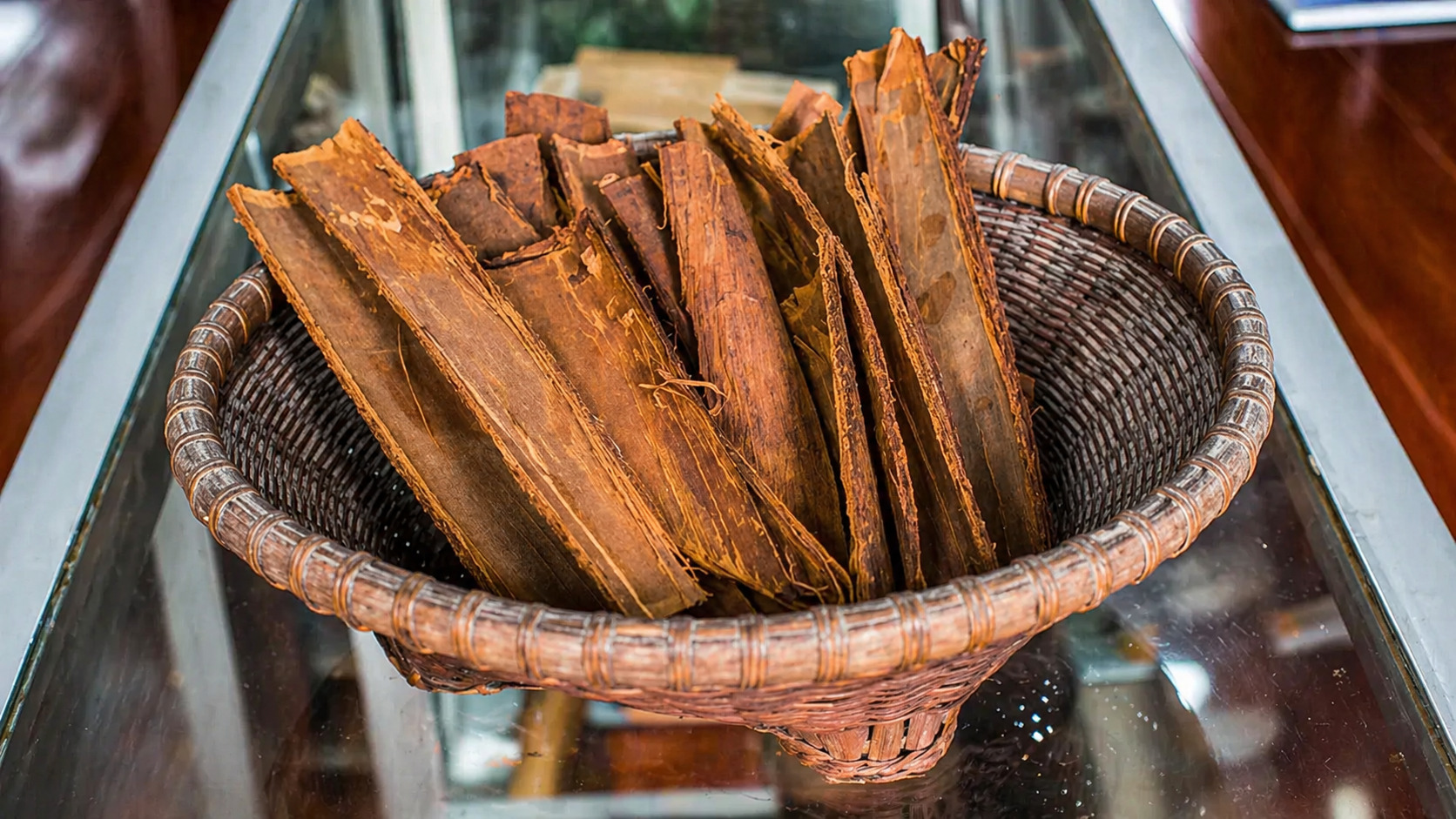
Cinnamon is one of the oldest spices used by humans, and it has a strong aroma and can be used in both sweet and savory dishes, and the first recorded use of cinnamon was in Asia around 2800 B.C. In medieval times, cinnamon was widely used in cooking and medicine, and it was often mixed with ginger, added to wine, or used to treat stomach problems and dental issues. Today, cinnamon is known to have health benefits, especially for the heart and cardiovascular system, and it is used in a wide variety of dishes, from curries to baked goods, and most of the world’s cinnamon today comes from Indonesia.
Lentils
Lentils are one of the oldest crops grown by humans and are rich in protein, fiber, vitamins, and minerals, and lentils have been used since around 8000 B.C. in the Middle East, 6000 B.C. in Greece, and 2600 B.C. in Egypt. They played an important role in early agricultural societies by providing a reliable and affordable source of nutrition. Today, lentils are eaten all over the world and are especially important in plant-based diets because of their high protein and iron content. Lentils are also inexpensive and easy to prepare, and they can be used in a variety of dishes, including soups, salads, and stews.
Vinegar
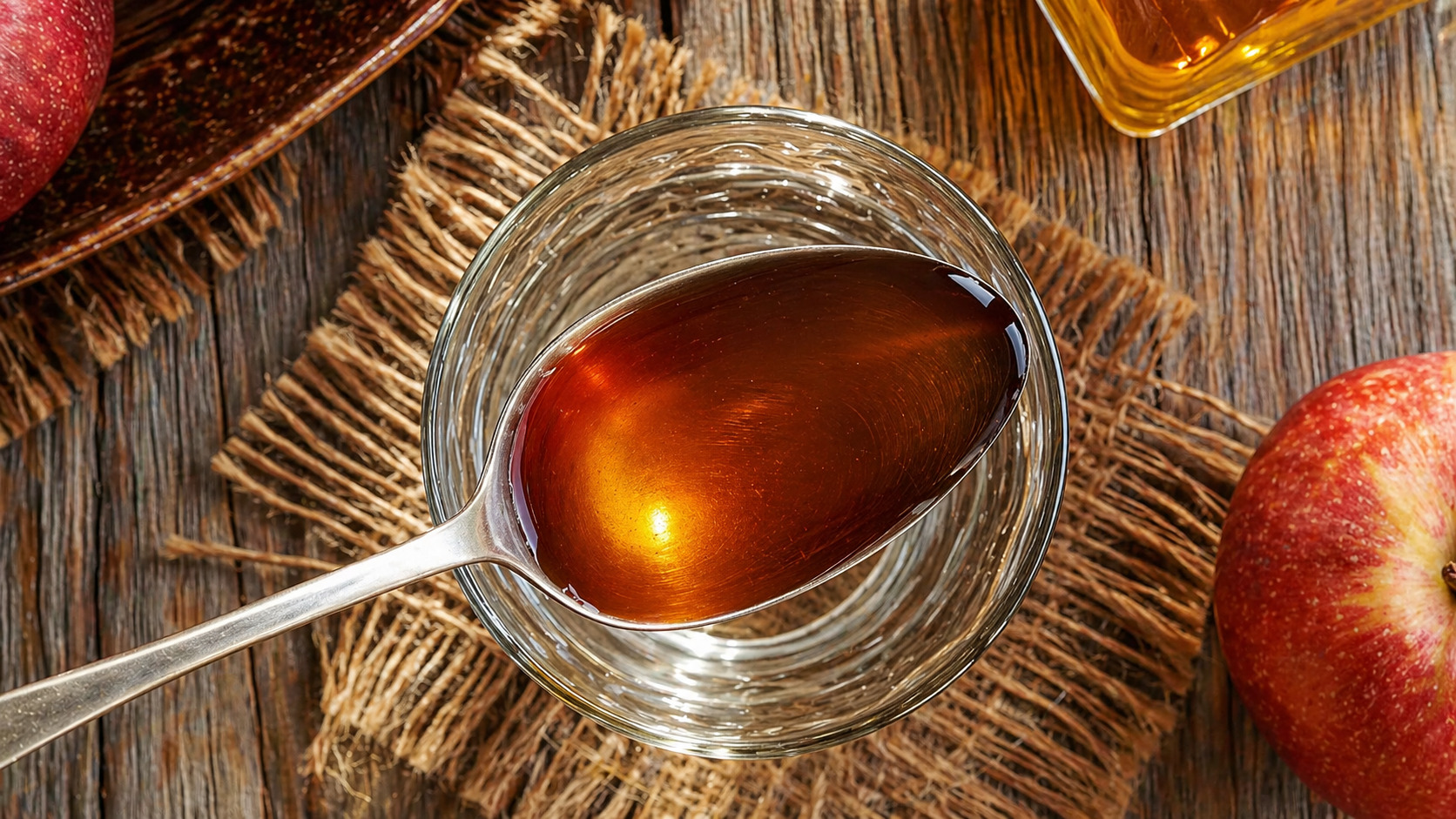
Vinegar is one of the oldest condiments, with a history of about 10,000 years, and it has a sour taste and is used to add flavor to food. Vinegar was first discovered as a byproduct of winemaking, but later people learned how to produce it directly. It can be made from many types of fruits and was originally made using dates. In ancient times, vinegar was used for medicine, cleaning, and food preservation, and Hippocrates used vinegar for medical purposes, Cleopatra used it as a solvent, and ancient Greeks used it to preserve food and treat illnesses. By around 2000 B.C., vinegar production had become more common. Today, vinegar is still widely used in cooking and food preservation.
Coconut Oil
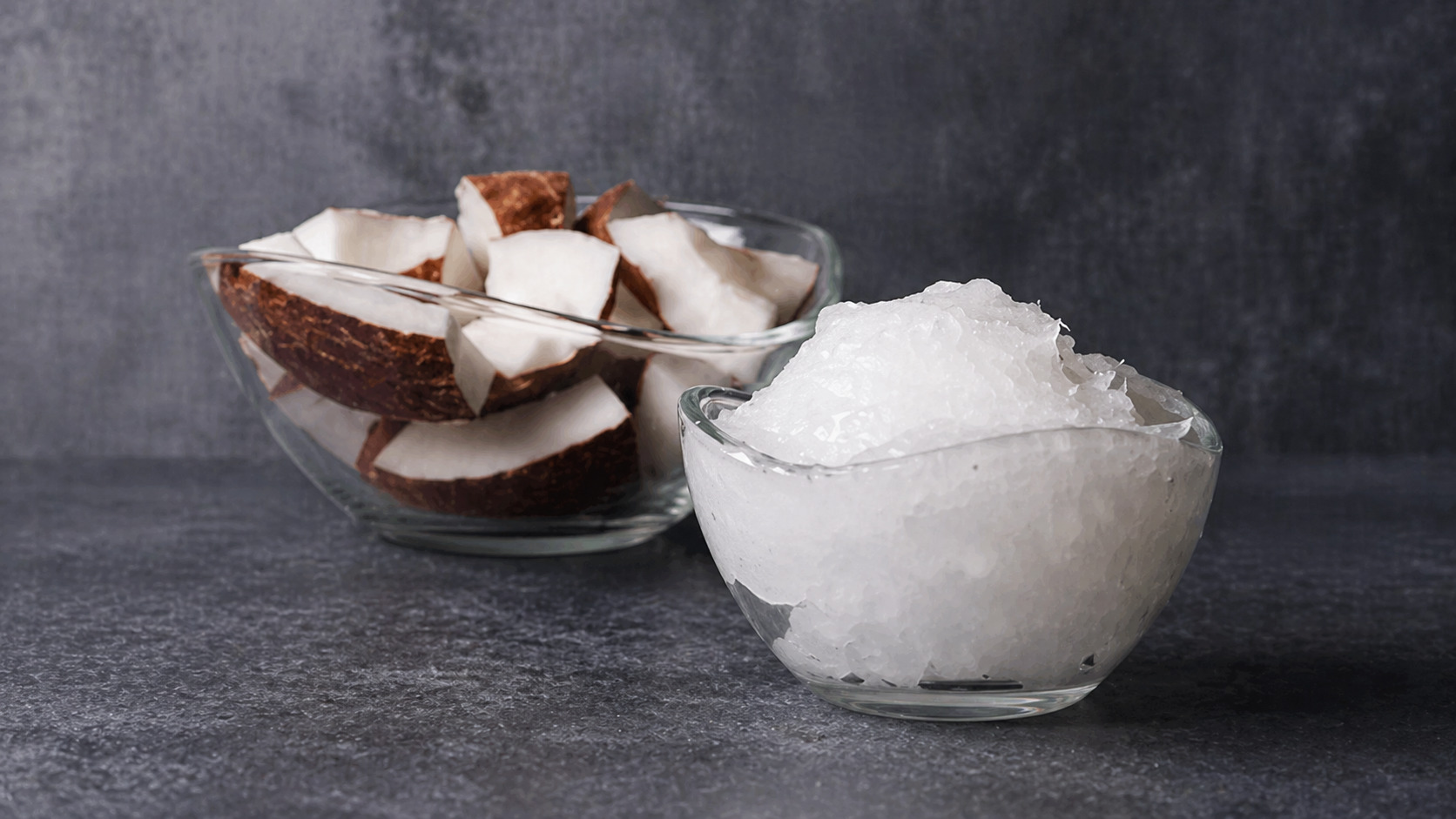
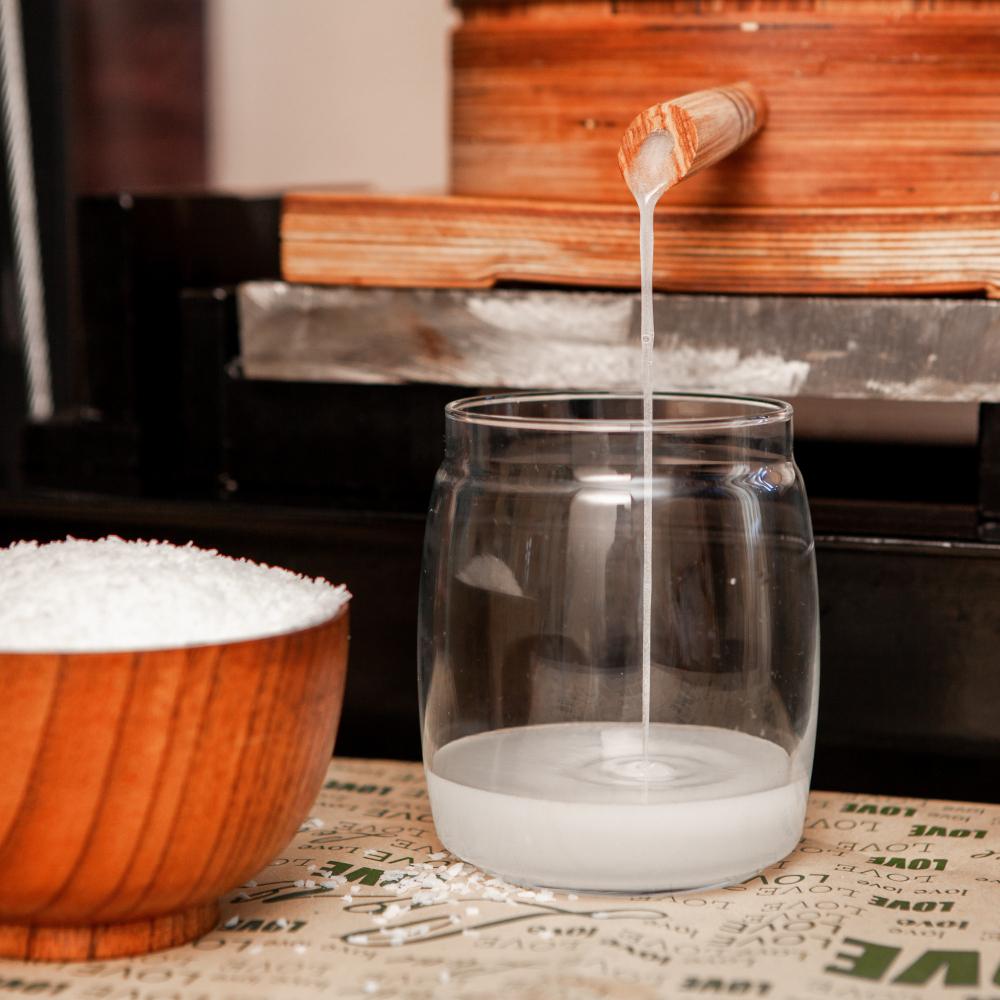
Coconut oil has been used for about 4,000 years, especially in regions such as India and Pakistan, and it later spread across Asia and the Pacific Islands, and it has been used for cooking, medicinal purposes, and religious practices. It is rich and can also be used for skincare and hair care. In the past, coconut oil was sometimes avoided because it contains saturated fat, but modern research suggests that it may help with cholesterol levels, fat burning, and skin health. Today, coconut oil is widely used in both cooking and personal care.
Also Read: 15 Medieval Dishes You Can Still Enjoy Today
Quinoa
Quinoa is often called a grain, but it is actually a seed, and it has been used for a long time in South America, especially by ancient Andean cultures. The plant is strong and can grow in difficult conditions, and different parts of the plant were used for food, medicine, and other purposes. Quinoa was not widely known outside South America until the 1970s, when it became popular around the world. Today, quinoa is used in many meals and is valued for its high nutritional content and health benefits.
Salt
Salt is essential for human health and is used in all types of cooking, and it enhances the flavor of food and is necessary for the body. In ancient times, salt was very valuable, and it was used to preserve food and played an important role in trade. Ancient Egyptians used salt in mummification, and many cultures built trade routes around salt sources. Salt helped connect different cultures and played a major role in shaping early societies. Today, it remains a basic and important ingredient in cooking.
Freekeh
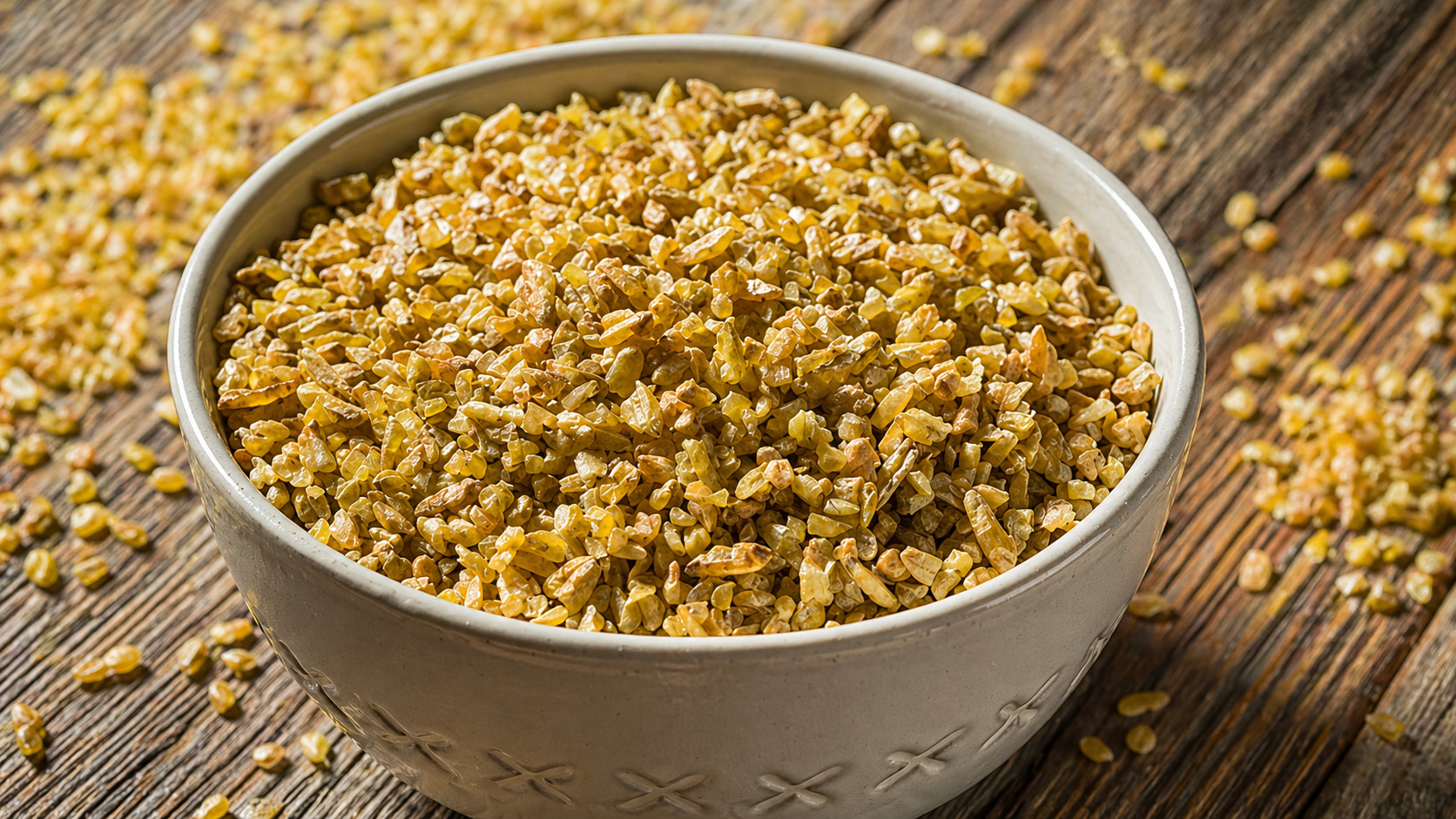
Freekeh is an ancient food from the Middle East, and it is made from young durum wheat that is harvested early and then roasted, which gives it a smoky flavor. Freekeh has been used since around 2000 B.C. and is one of the earliest domesticated crops, and stories about its discovery often involve burning fields, which led to its unique preparation method. Today, freekeh can be found in stores and is used in a variety of dishes, and it can be eaten like rice or quinoa, in soups, as a side dish, or in other recipes.