When most people imagine Vikings, they probably picture strong warriors wearing helmets with horns, carrying weapons, and sitting around a huge table filled with roasted meat and drinks. But much of that image is based on myths. For example, Vikings did not actually wear horned helmets, and although they certainly enjoyed meat, beer, and mead, they did not spend every day eating large roasted meals.
For most people living in Scandinavia during the Viking Age, everyday food was much simpler. Their regular meals included porridge, bread, vegetables, fish, beans, cheese, and other foods that were easy to grow, prepare, store, or preserve. Interestingly, many of these foods are still part of our diets today. It is also important to understand what we mean when we use the word "Vikings."
Not everyone living in Scandinavia during this period was a warrior or raider. The Viking Age generally lasted from around 800 to 1050 AD, and the people living in Scandinavia during this time had many different jobs and lifestyles. From beer and bread to kale and beans, here are 10 Viking foods that people still eat today.
Beer
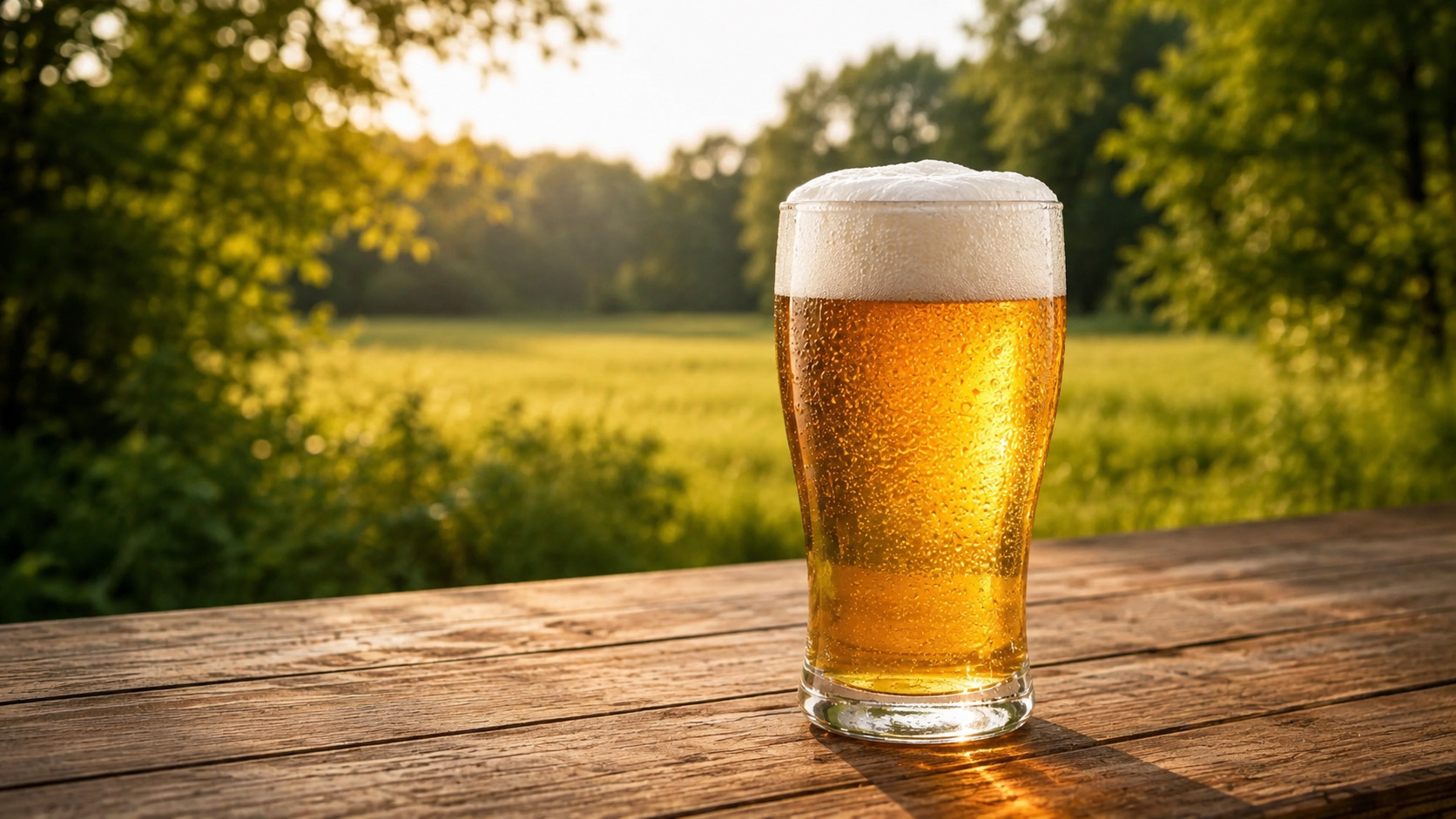
Beer is one of the most popular alcoholic drinks in the modern world. In the United States, beer is closely connected with social events, restaurants, bars, sports, and celebrations, but people did not start drinking beer recently. Beer has been around for thousands of years, and the Vikings were regular beer drinkers who also made their own beer.
Beer was a "liquid staple" for Scandinavian communities during the Viking Age, meaning that beer was not simply something people drank at celebrations but could be an ordinary part of daily life. The beer of the Viking Age was also different from most modern beer because it was often much weaker.
People sometimes treated weak beer almost like a snack. Viking women were generally responsible for brewing beer, and some experts believe children may have consumed it as well because of its low alcohol content. There was another important reason for drinking beer: at the time, clean drinking water was not always easy to find.
Water could become contaminated with harmful bacteria, while fermented drinks such as beer could sometimes be safer. Beer was not the only drink available, as Scandinavian communities also consumed sour milk, wine, and mead. So while drinking beer at a modern sports bar may seem like a very modern activity, the basic idea would have been completely familiar to people living during the Viking Age.
Porridge
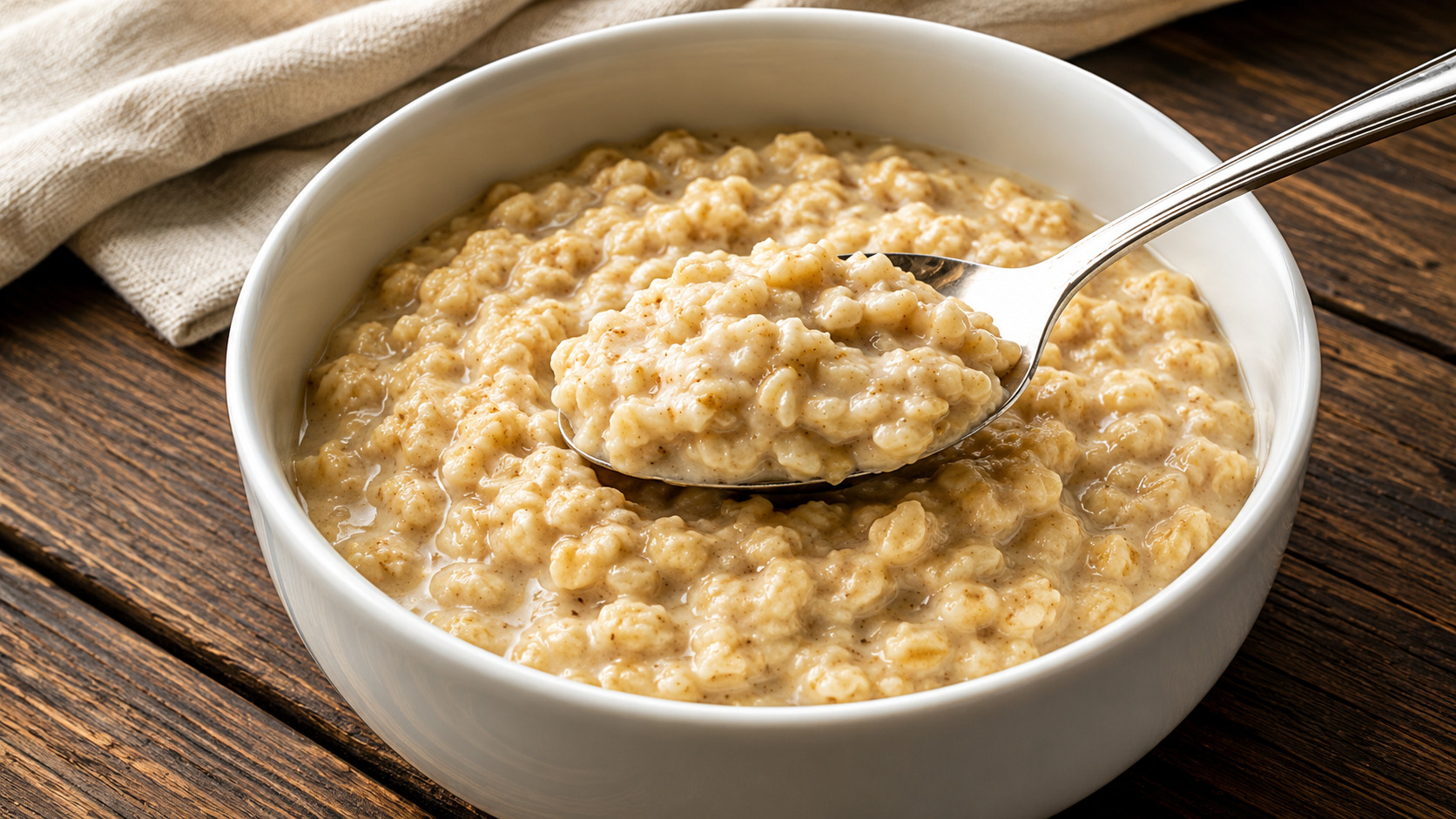
Porridge is one of the oldest and simplest foods in human history. People have been eating different types of porridge for thousands of years, and there is evidence that it was prepared as far back as the Stone Age.
The Vikings continued this tradition. Porridge was an important everyday food because it was inexpensive, filling, nutritious, and easy to prepare, and it could also be made from grains that were available locally. Interestingly, you may already eat Viking-style food without realizing it because oatmeal and grits are both types of porridge. However, there was an important difference between modern porridge and the kind eaten by Vikings. Viking porridge was generally savory rather than sweet.
Today, many people eat oatmeal with sugar, fruit, honey, maple syrup, chocolate, or other sweet ingredients, while a Viking would probably have found that combination quite unusual. The Vikings also did not necessarily eat their main meal in the morning. The major meals were the midday meal and the evening meal.
Although someone might have eaten something before beginning a long journey, there are not many references to breakfast as a regular meal. This means that the modern idea of waking up and immediately sitting down to a sweet bowl of oatmeal is probably quite different from the Viking way of eating porridge. Still, the basic food itself has survived remarkably well.
Also Read: 10 Ancient Vegetarian Dishes We're Still Eating Today
Roast Chicken
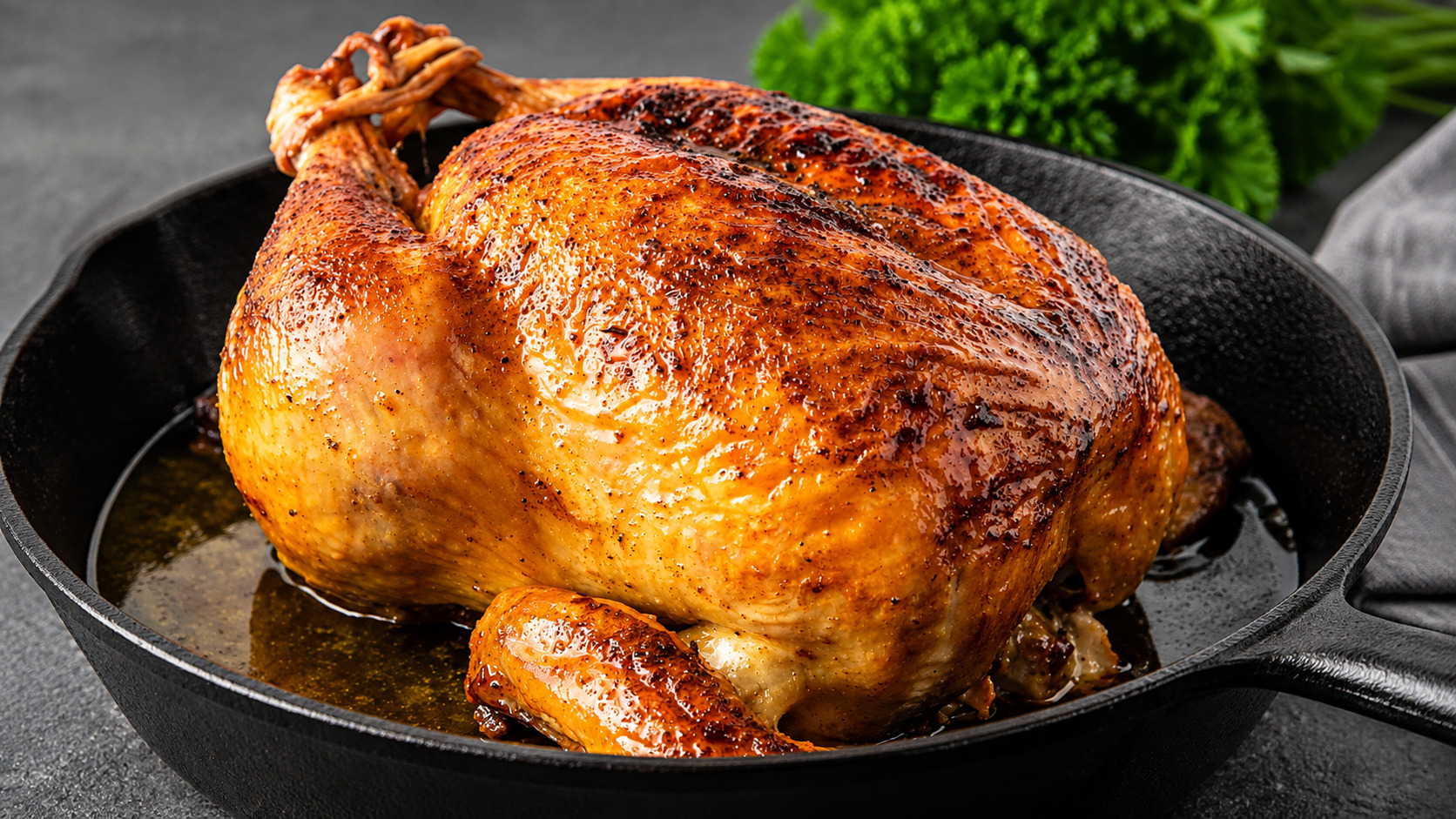
The Viking world had a clear social structure, with powerful people such as chieftains and warlords at the top, free people including farmers, merchants, and warriors below them, and enslaved people at the bottom of the social structure. This system affected what people ate because wealthier people had access to foods that were more expensive or difficult to obtain, including chicken and other roasted meats.
Wealthy Vikings could enjoy roasted chicken or game along with bread, wine, mead, and honey. Roast chicken is still a familiar meal today, and in countries such as the United Kingdom, it is especially associated with traditional Sunday meals. However, the similarities between modern roast chicken and Viking meals do not go very far. Vikings ate some meats and animal parts that are less common in many modern Western diets.
They also consumed hearts and horse meat. Horse meat was particularly important during certain religious festivals, and it was not simply a food for wealthy people but could be eaten by people from different social groups. So while sitting down to a roast chicken dinner may not seem particularly Viking today, the basic idea of roasting meat and eating it with bread and other foods has a very old history.
Bread
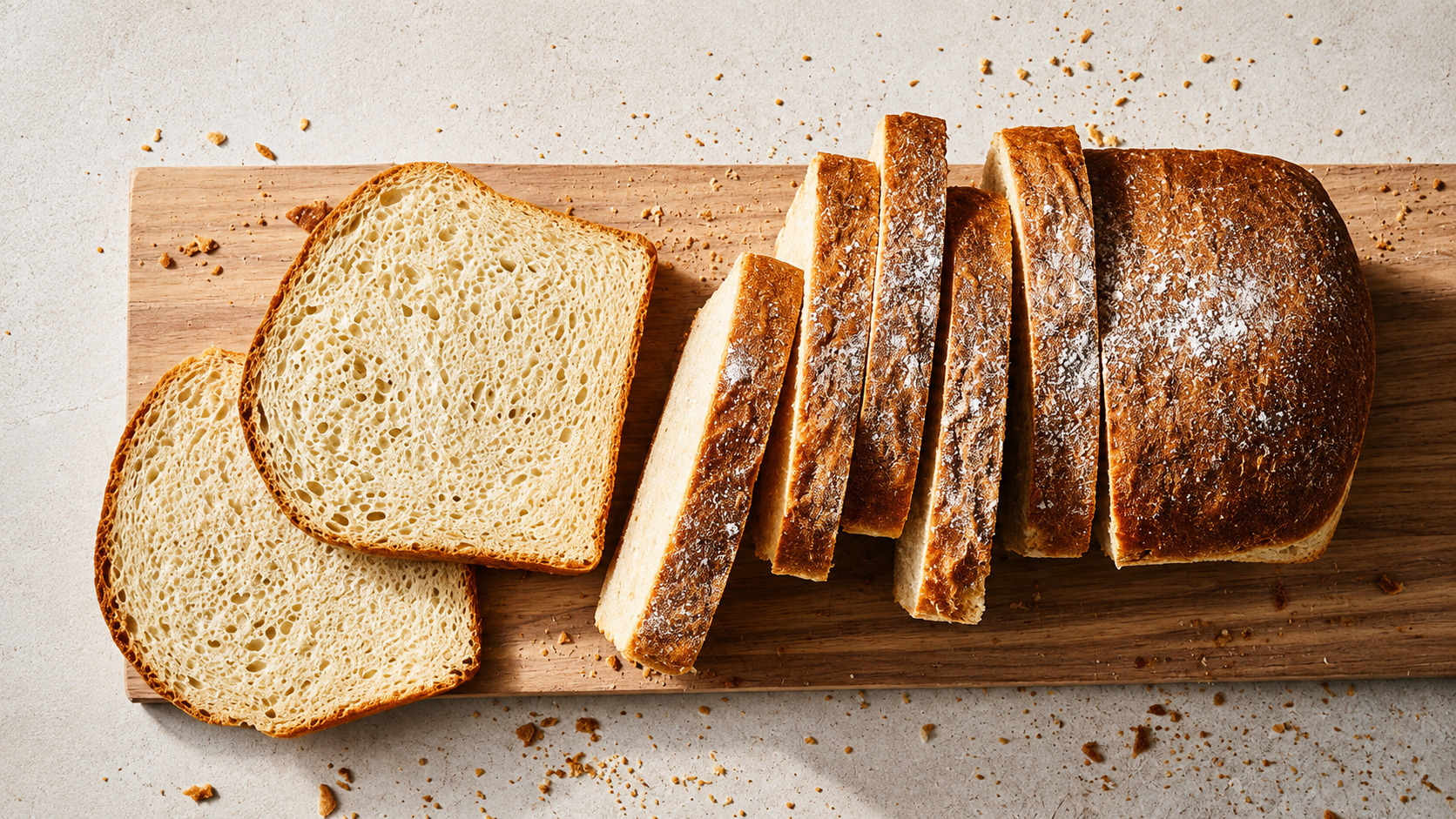
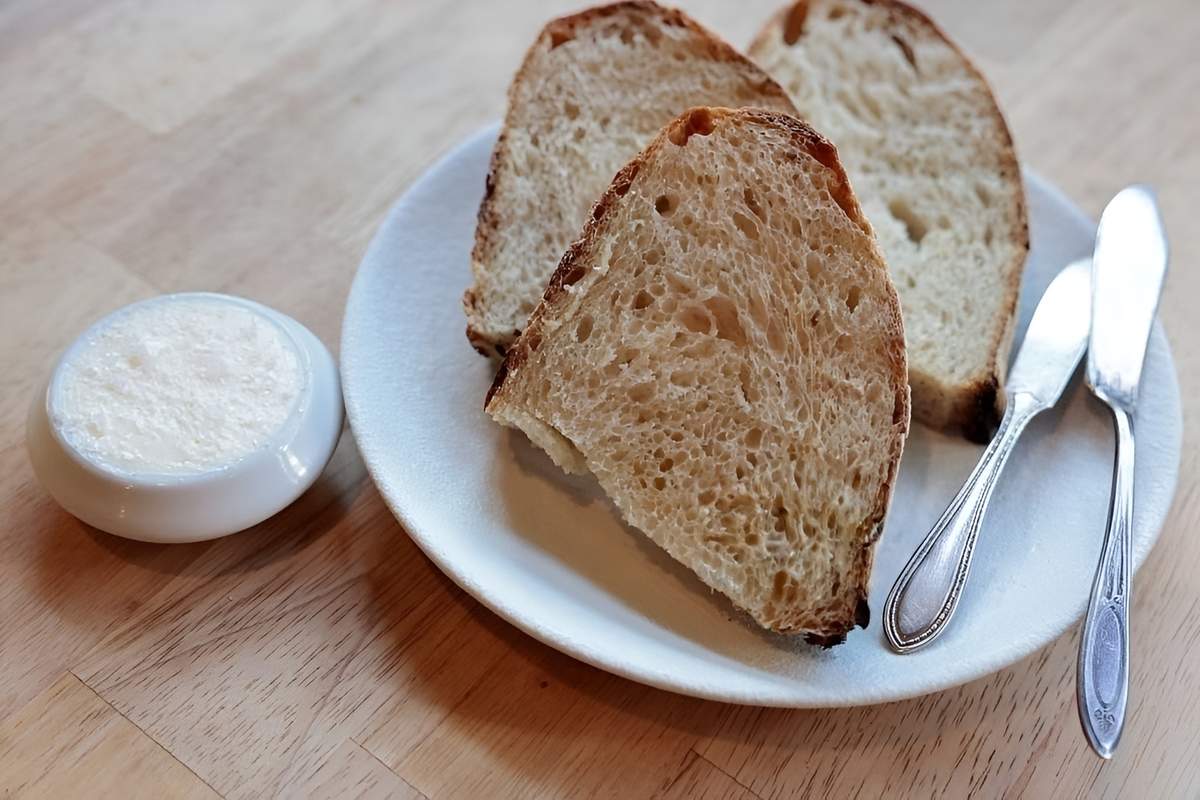
Bread is one of the most important foods in human history. Across different cultures and time periods, people have found ways to turn grains into bread, and ancient civilizations such as the Babylonians and Assyrians had their own bread-making traditions. The Vikings were no different. Bread was an important part of the Scandinavian diet.
Viking communities often had a light evening meal that included bread, but bread was not limited to one meal. People could eat it with porridge, roasted meat, fish, and many other foods. In a world without modern supermarkets and packaged foods, bread was an easy way to turn grains into a filling and useful food. One of the most interesting connections between Viking bread and modern food is rye. Rye was one of the Vikings' important crops, and they used it to make bread.
If you have eaten rye bread today, you may have experienced something that is not very different from the type of bread eaten in Viking Scandinavia. Modern bread may come in many forms, but the basic idea remains the same: grind grains, make dough, bake it, and use the finished bread as an important part of a meal.
Honey
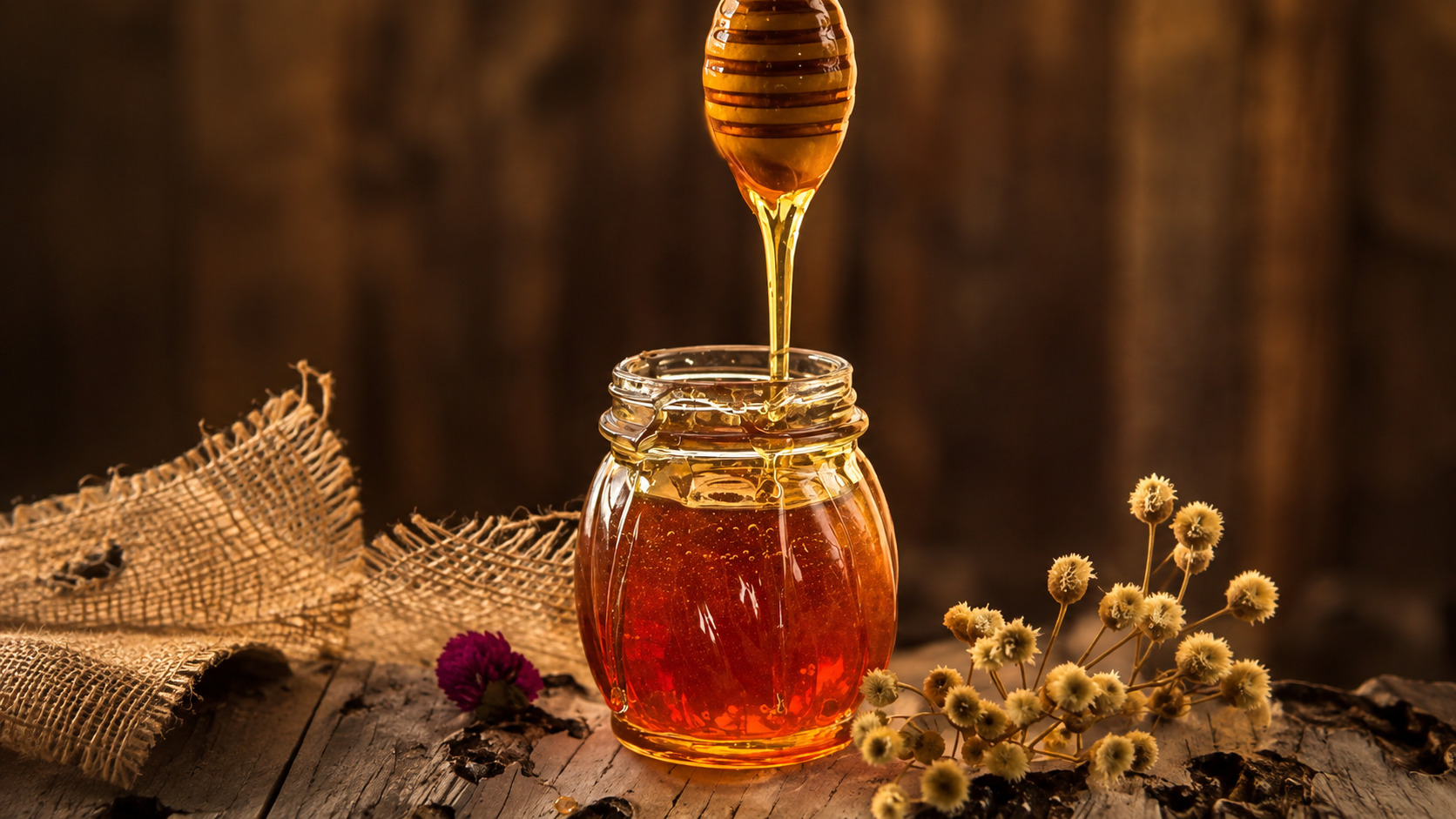
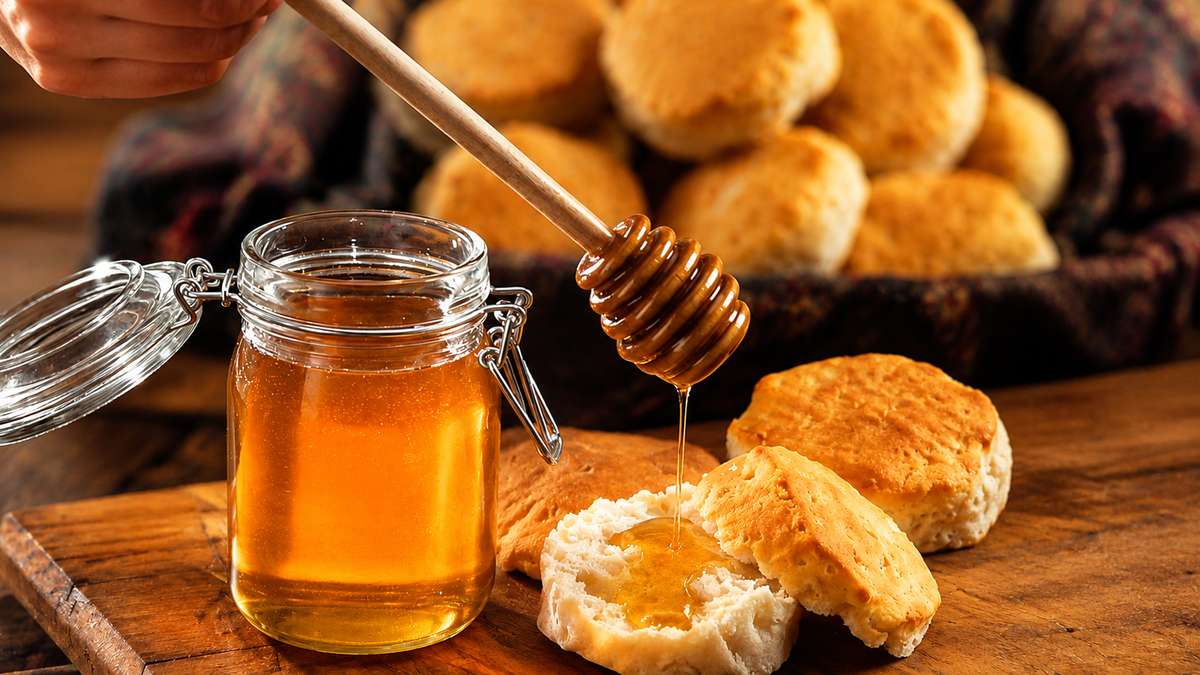
Honey has been used as a natural sweetener for thousands of years. Long before modern sugar production, people collected honey from wild bees, and eventually societies developed organized beekeeping to produce honey more efficiently. The Vikings also valued honey. However, honey was not necessarily an everyday food for everyone because it could be expensive, meaning that it was more likely to be enjoyed by wealthier people or on special occasions.
Today, people use honey in many ways, such as drizzling it over pancakes, mixing it into drinks, using it in desserts, or combining it with chili to make hot honey. The Vikings had their own favorite use for honey: mead, which is made by fermenting honey with water and was an important drink in Viking culture.
But honey was not only used as a drink. Vikings also ate it as part of their meals. One traditional dish associated with the period was spit-roasted honeyed heart. There are no surviving Viking cookbooks that give us complete recipes for such dishes, so historians learn about them through written references from the time. Honeyed hearts are mentioned in works including the Poetic Edda, the Völsunga saga, and Sigurd.
The dish was apparently considered special enough to be served to important guests at a feast, and a powerful person such as a warlord or king might receive it as a special meal. It may sound unusual to modern diners, but the combination of meat and sweetness is not completely unfamiliar because even today honey is often used in meat dishes and sauces.
Dried Fish
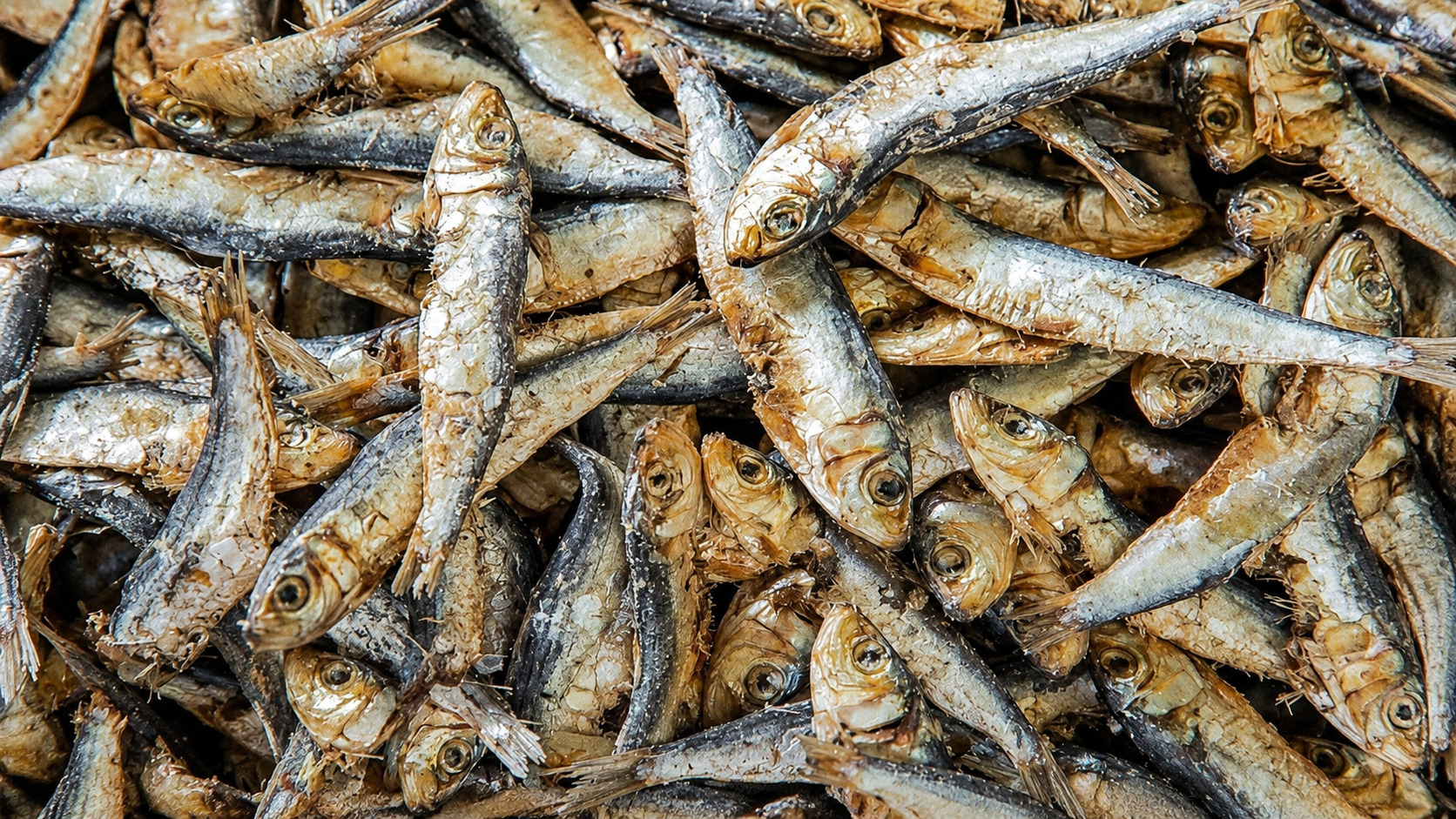
Fish was an extremely important food in Viking Scandinavia. The region had access to large amounts of fish, but simply catching fish was not enough because people needed ways to preserve it so that it could be eaten later. One of the most effective methods was drying. Dried fish could last for a very long time when prepared correctly, and properly dried fish could last for up to a year.
This made it extremely useful in a society where refrigeration did not exist. Viking communities developed a food system in which many foods were prepared to last. Food could be dried, smoked, stored in whey, soured, or salted. These methods allowed people to preserve food through difficult seasons and helped them store supplies for long journeys.
The Vikings ate different types of fish, including cod, halibut, and herring. Dried fish was not only important for survival but could also be a valuable product for trade. Research suggests that Vikings transported dried fish from Norway to Haithabu, an important settlement in what is now northern Germany. So dried fish was both food and an economic resource.
Today, dried fish is still popular in many parts of the world. Modern consumers may enjoy it as a high-protein snack, but for Viking communities, it was much more important than simply being a convenient snack because it was a reliable food that could be stored for months.
Cheese
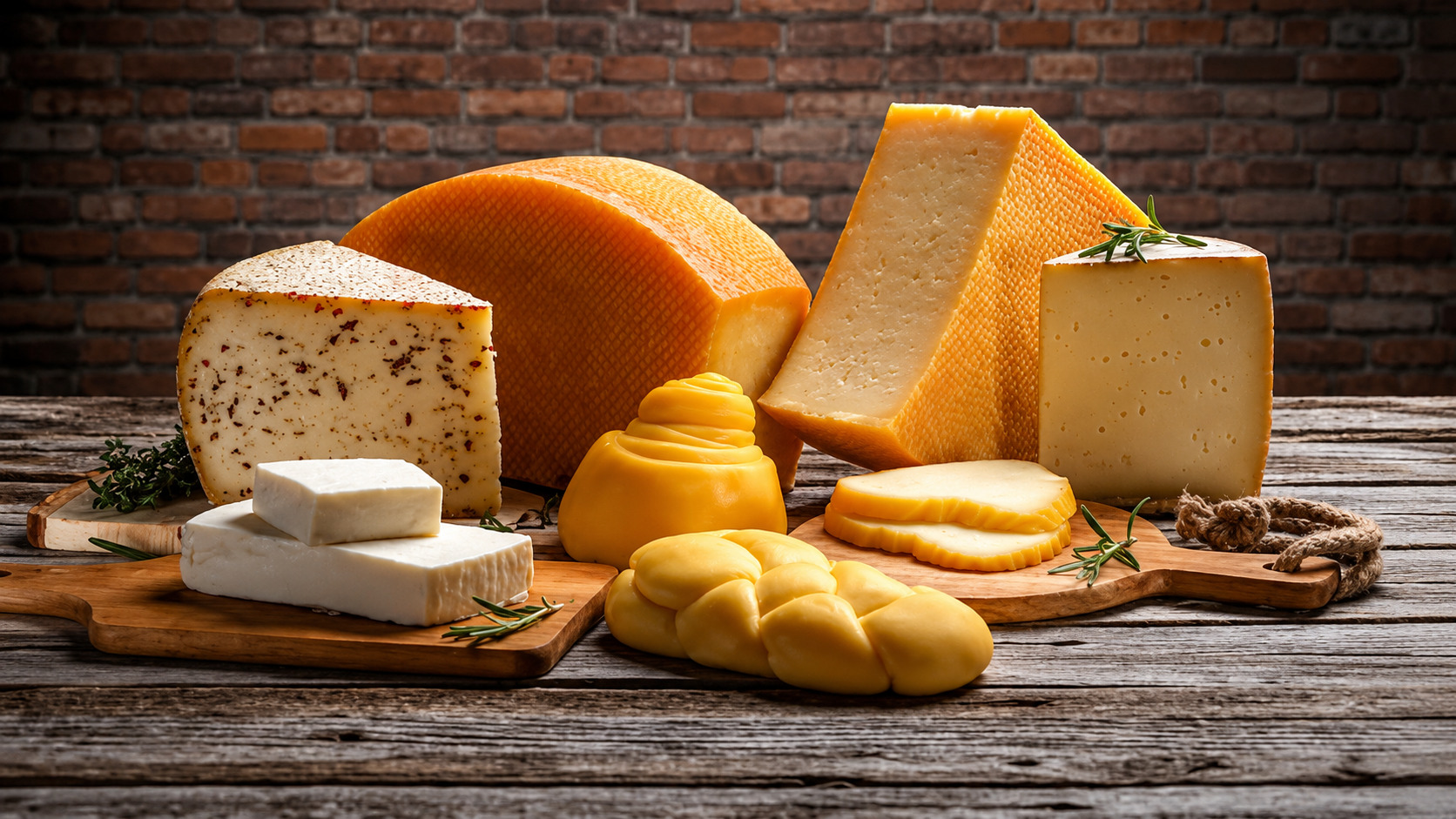
Cheese is another food with a long history. Today, people enjoy familiar varieties such as cheddar, mozzarella, and Parmesan, and cheese appears in everything from pizza and pasta to sandwiches and salads. Viking cheese was not quite the same. A simple Viking evening meal could include bread, smoked meat, and old preserved cheese.
One type of cheese eaten during the Viking Age was gamalost, an old, strongly preserved cheese that could last for a long time without refrigeration, making it especially useful for people going on long journeys. Its texture was also unusual because the mold used during its production could grow hair-like material that was rubbed into the cheese.
That may not sound particularly appetizing to modern cheese lovers, but preservation was more important than appearance in the Viking world. Another cheese associated with the Viking world is skyr. Skyr is a soft, sour, yogurt-like cheese traditionally made from whole milk.
Unlike some Viking foods that have disappeared from everyday diets, skyr is still widely eaten in Iceland. Today, people often enjoy it with sugar and fruit, either as breakfast or dessert. So when you eat a bowl of skyr, you are enjoying a food with very old Scandinavian roots.
Kale
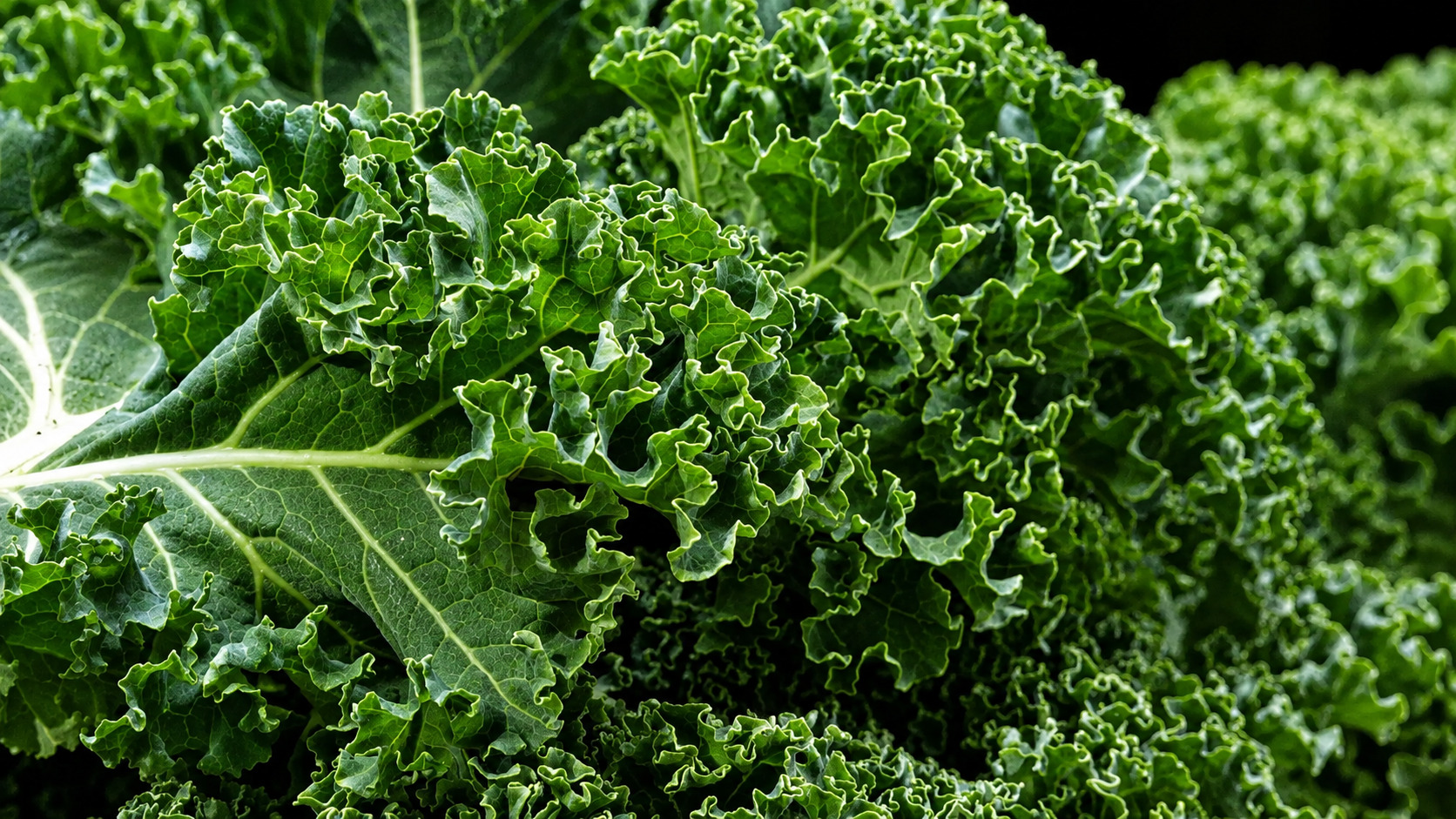
Vegetables were an important part of the Viking diet. Although Vikings are often imagined as people who mainly ate meat, vegetables were a regular part of everyday meals. They ate many plants that are still common today, including cabbage, onions, and kale. Kale was particularly useful because Scandinavia has a cold climate, and winters could be long and harsh.
Kale is a hardy plant that can survive cold temperatures, making it a practical crop for the region. For this reason, Vikings could grow and eat kale even when other crops were more difficult to produce. They also ate white goosefoot, another hardy leafy green.
Today, some people use similar greens in salads, smoothies, and pesto, although Viking cooks did not have modern smoothies or salad bowls. Instead, leafy greens were often eaten with porridge, and smoked fish could also be added to the meal.
This combination provided a mixture of grains, vegetables, and protein and made good use of foods that were available locally. The popularity of kale today may feel like a modern food trend, but the vegetable itself is much older. The Vikings were eating plenty of it long before it became popular in modern health-food culture.
Also Read: 12 American Food Trends That Changed How We Eat Today
Turnips
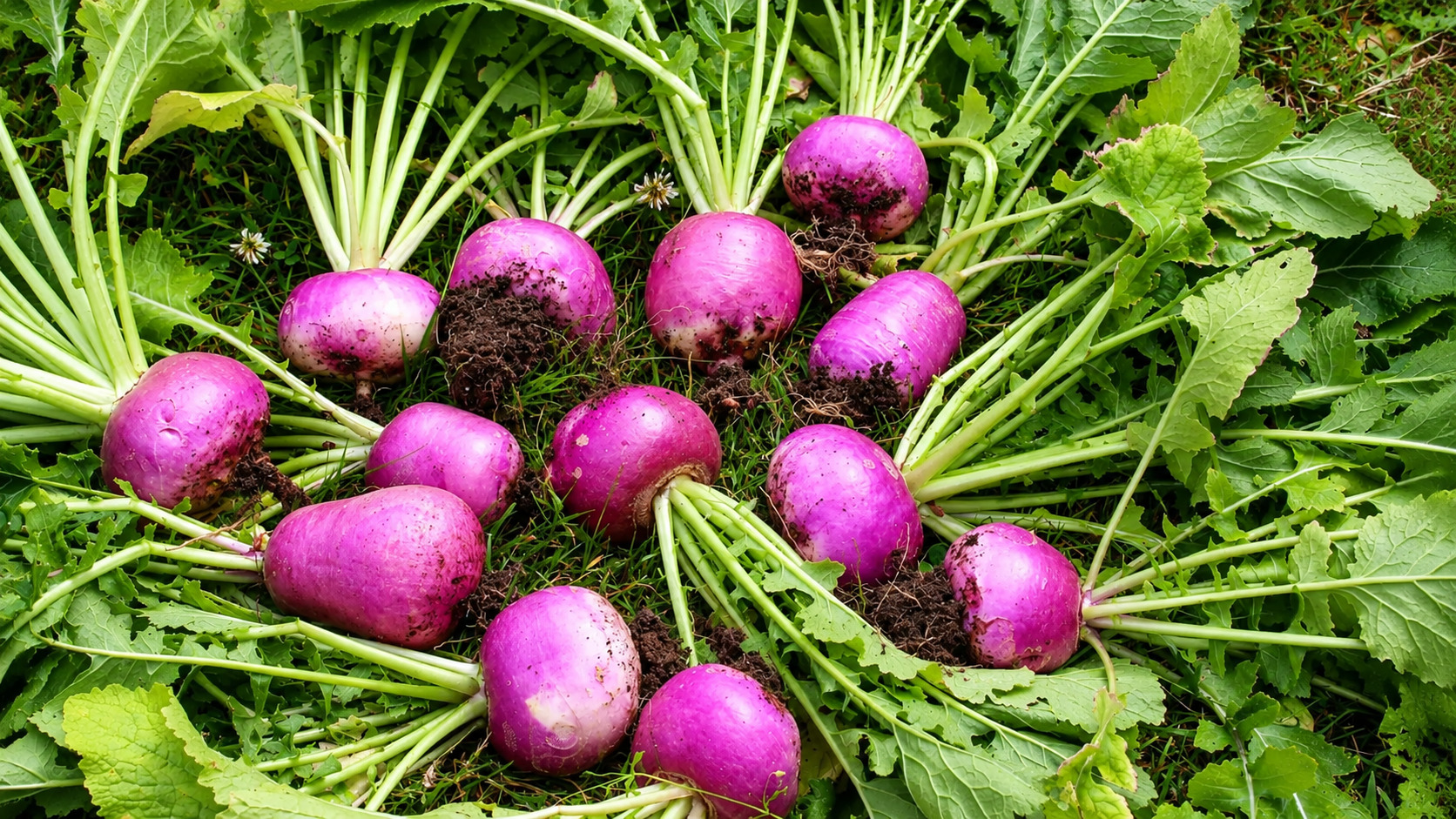
Turnips may not be one of today's most fashionable vegetables, but they have a very long history. They were first domesticated thousands of years ago, with early evidence linked to areas around modern-day Afghanistan. Over the centuries, turnips became an important food for many cultures, including the Romans, Victorians, and Vikings.
The Vikings had a particularly simple way of preparing them. One favorite Viking-inspired dish is ember-baked turnips. The idea is exactly what the name suggests: turnips are placed in the hot embers of a fire and cooked until they are tender. It is a very simple cooking method, but the result can be surprisingly flavorful. The dish also makes sense for Viking households because it would not require complicated equipment or a large number of ingredients.
A household could simply cook the turnips in the embers of a fire. Turnips are still eaten today, although they are not nearly as popular as potatoes, carrots, or other vegetables. They can be roasted with herbs, added to other dishes, or tossed into salads. Perhaps the Vikings were onto something.
Beans
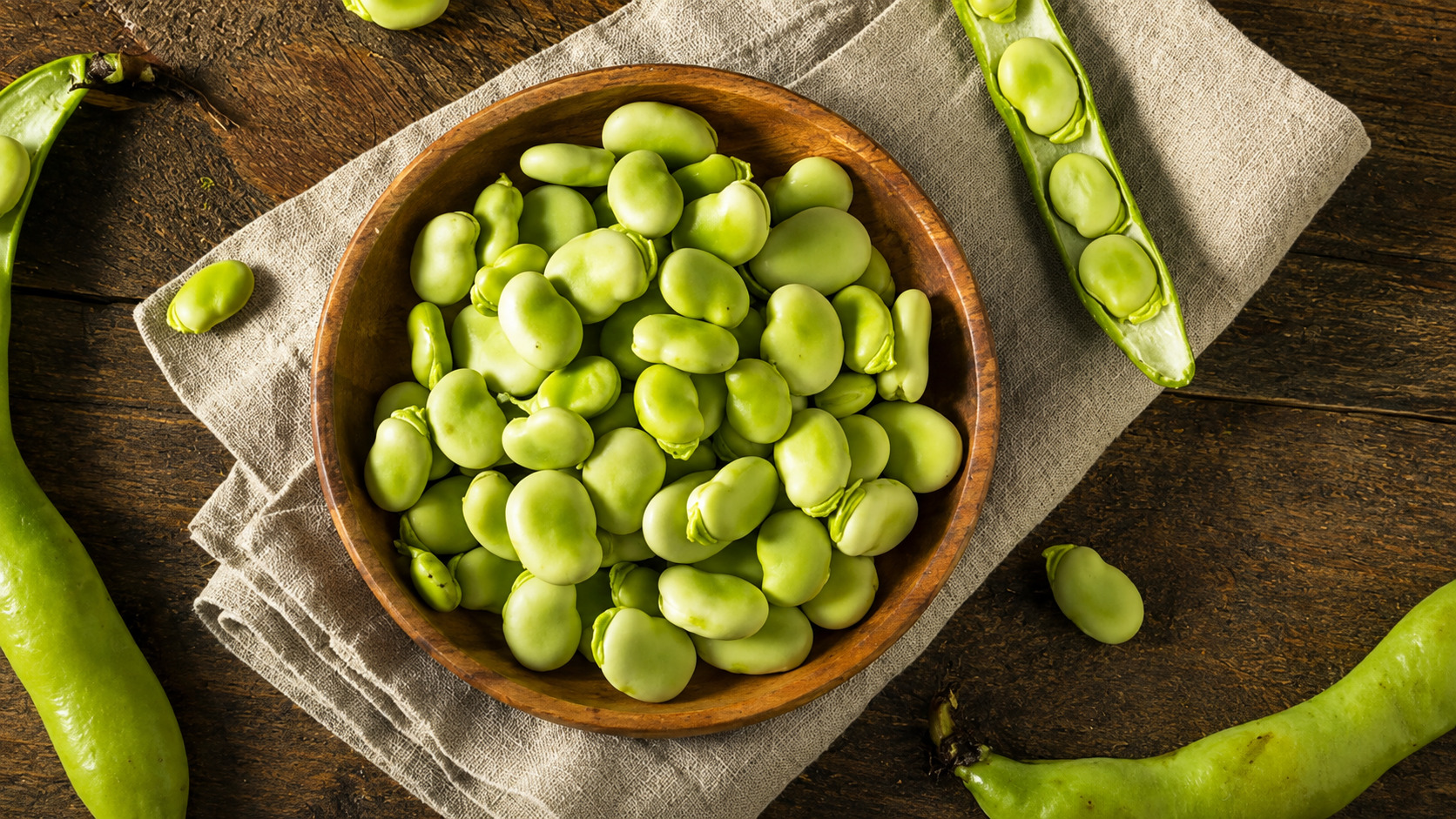
Beans may be one of the simplest foods on this list, but they are also among the most useful. They are nutritious, filling, versatile, and relatively easy to grow, which makes them a perfect food for traditional societies. The Vikings regularly ate beans, and archaeological evidence supports the idea that legumes were grown and eaten in Viking Scandinavia.
Some of the oldest paleo-botanical remains of legumes found in Oslo date to the 11th century, near the end of the Viking Age. The evidence suggests that fava beans were among the varieties cultivated and consumed. Fava beans were especially useful because they are a hardy crop and can survive difficult growing conditions, including cold weather, frost, and snow.
For people living in Scandinavia, where winters could be severe, crops that could survive difficult conditions were extremely valuable. Unfortunately, no complete Viking-era fava bean recipes have survived.
However, historians believe the beans may have been used in ways similar to other medieval European cooking traditions. They could have been mixed into broths or porridges, creating a filling meal from simple ingredients. Beans may not seem like an exciting food, but they were exactly the kind of practical food that helped Viking communities survive.
What Can We Learn From the Viking Diet?
The Viking diet was much more practical than the popular image of giant feasts and endless roasted meat suggests. For most people, everyday meals were based on foods that could be grown, caught, prepared, or preserved locally. Bread provided an important source of energy, porridge was inexpensive and filling, vegetables such as kale and turnips could survive the Scandinavian climate, beans provided nutrition and were relatively easy to grow, and fish could be dried and stored for months.
Cheese could provide another long-lasting source of food. Meat, honey, wine, and other special foods were available as well, especially to wealthier people. The most interesting part is how many of these foods are still familiar today. We still eat bread, porridge, beer, roast chicken, honey, dried fish, cheese, kale, turnips, and beans. The ingredients may be prepared differently, and modern meals are often much more varied, but the basic connection is clear.
In many ways, the Viking diet was built around the same things that make food useful today: it needed to be affordable, filling, nutritious, available, and capable of lasting through difficult times. So the next time you eat a bowl of oatmeal, a slice of rye bread, some cheese, roasted vegetables, or a serving of dried fish, remember that you may be enjoying foods with roots that stretch all the way back to the Viking Age.