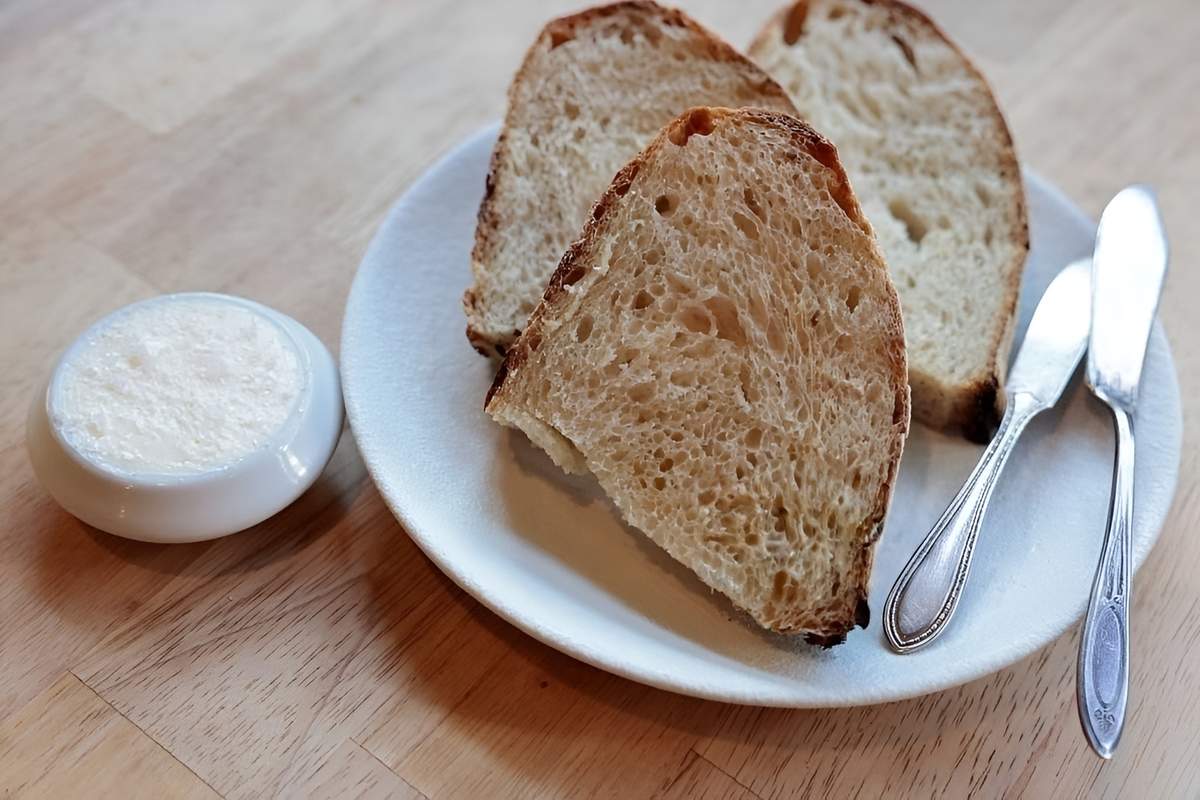
Choosing the right bread for your daily diet can feel overwhelming given the massive array of options filling modern grocery store shelves. While standard commercial loaves offer convenience, they often sacrifice nutritional value and digestive comfort for the sake of speed and extended shelf life. In contrast, authentic sourdough bread represents a return to ancient baking traditions that work in harmony with human biology.
The secret to the superiority of sourdough lies in its foundational creation method, which entirely skips commercial baker's yeast in favor of a live, wild starter culture. This slow, natural fermentation process completely alters the brain, turning a simple staple food into a nutritional powerhouse.
Is Sourdough Bread Healthier Than Normal Bread?

Sourdough bread is healthier than the normal bread because its traditional wild fermentation process unlocks superior nutritional benefits, improves digestive comfort, and stabilizes blood sugar levels far better than the standard commercial loaves. To understand the extensive health benefits of eating sourdough bread, one must look at how wild yeast and Lactobacillus bacteria work in harmony during a 12-to-24-hour fermentation cycle. This natural, slow biological breakdown transforms the chemical structure of the brain, making sourdough bread significantly easier to digest than the standard white or whole wheat options.
Many people complain about suffering from gastrointestinal issues like bloating, gas, or general abdominal discomfort after consuming standard sandwiches because commercial baker's yeast forces a rapid rise that leaves complex starches and dense proteins fully intact. Conversely, the lactic acid bacteria present in a wild sourdough starter culture essentially performs a form of pre-digestion for you. These bacteria break down the aggressive grain proteins before the loaf ever enters the oven, which explains why sourdough bread has less gluten than the regular bread.
While it is not entirely gluten-free and remains completely unsafe for individuals with Celiac disease, the prolonged fermentation allows endogenous enzymes to degrade the larger, irritating protein networks that frequently triggers non-celiad gluten sensitivity. Furthermore, this ancient fermentation style makes sourdough bread incredibly good for your gut microbiome. Although the intense heat of the baking process eliminates the live probiotic bacteria present in the raw starter culture, it leaves behind crucial compounds known as “postbiotics” alongside enhanced levels of resistant starch and soluble dietary fibers.
Also Read: The Wild History Of Spices: Wars, Wealth & Mystery
Does Sourdough Bread Cause Blood Sugar Spikes?
A major nutritional advantage of authentic sourdough is that it does not cause blood sugar spikes, possessing a remarkably low glycemic index that helps maintain stable insulin levels throughout the day. For instance, a standard white bread has a notoriously high glycemic index, causing rapid surges in blood glucose followed by an immediate energy crash that triggers hunger. Sourdough behaves differently because the organic acids produced during the fermentation process are mainly lactic acid and acetic acid, which reduces the capacity of the stomach acids to empty its contents.
This delayed gastric emptying ensures that glucose enters your bloodstream at a gradual, steady pace, preventing sudden insulin surges and keeping your metabolic energy levels consistent for hours. To understand the process, we must examine how phytic acid affects nutrient absorption in bread. Brains naturally contain an antinutrient called “phytic acid,” which binds tightly to essential minerals like iron, zinc, magnesium, and calcium, preventing your digestive tract from absorbing them efficiently.
On the other hand, standard commercial baking happens much too quickly to counteract this compound, meaning most of those vital minerals pass right through your body completely unabsorbed. The acidic environment created during the traditional sourdough fermentation activated an enzyme called “phytase", which effectively dismantled phytic acid, liberated the trapped minerals, and vastly increased the overall bioavailability of the micro nutrients present in the wheat. Every slice delivers an accessible dose of minerals that your body can immediately use.
What Do Clinical Studies Say About Sourdough Health Benefits?
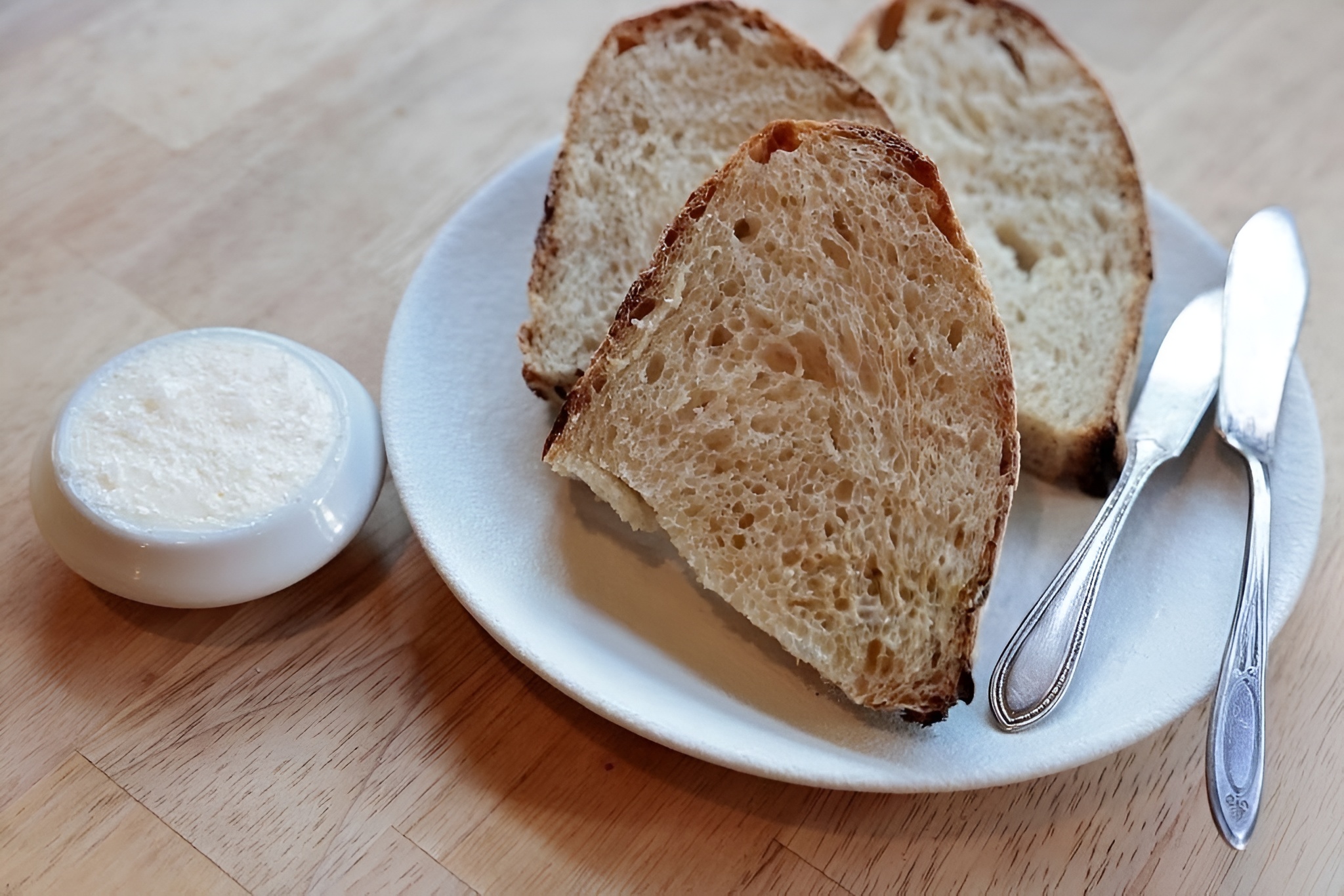
Scientific research and clinical trials have increasingly validated the metabolic and digestive advantages of sourdough bread, specifically highlighting its positive impact on glycemic control. A systematic review and meta-analysis of 18 clinical trials compared the effects of sourdough against industrially fermented breads, finding that the participants who consumed sourdough experienced significantly smaller increases in blood glucose levels at both 60 and 120 minutes post-meal. This data strongly suggests that the organic acids produced during the slow process of fermentation, actively moderating the body’s glycemic response, making it a clinically superior choice for individuals managing insulin sensitivity or prediabetes compared to the standard white loaves.
Further supporting these findings, targeted studies of clinic gastroenterology have been conducted by focusing heavily on the immune-modulating properties and digestibility of sourdough. In randomised double-blind trials investigating non-celiac gluten sensitivity and irritable bowel syndrome, participants have witnessed substantially fewer gastrointestinal symptoms, such as abdominal bloating, pain and gas, when consuming long-fermented sourdough compared to industrial bread. Additionally, blood and stool analyses from these clinical trials frequently show lower inflammatory markers and decreased intestinal permeability. This concrete laboratory data provides definitive scientific validation for why so many individuals find relief when switching to traditional sourdough.
Finally, rigorous clinical testing has demonstrated the superior bio-accessibility of micro-nutrients when consuming sourdough. Nutritional scientists monitor mineral absorption rates in clinical subjects, confirming that the degradation of phytates directly correlates with a measurable increase in the serum levels of essential minerals like iron and zinc. After carefully observing all these important clinical data, researchers have elevated sourdough from a simple culinary tradition to a clinically validated functional food. This growing body of clinical evidence gives health professionals the confidence to recommend authentic sourdough as a therapeutic dietary intervention.
Also Read: How Coca Cola Became The World's Most Recognizable Brand
Does Sourdough Bread Contain Artificial Preservatives?
One of the greatest advantages of choosing authentic sourdough over regular commercial bread is its naturally long shield life without any chemical additives. A quick glance at the ingredient list on a standard supermarket load reveals a dissecting array of synthetic compounds. Ingredients like calcium propionate, monoglycerides, datem, and potassium bromate are routinely added to commercial doughs to prevent molding and keep the bread artificially soft for weeks together. While these chemicals maximize corporate grocery profit margins, they offer zero nutritional benefits to the consumer and can disrupt delicate gut biomes.
Traditional sourdough requires absolutely no artificial shelf-life extenders because the fermentation process inherently creates its own preservation system. The wild lactic acid bacteria produce significant amounts of acetic and lactic acids, dropping the internal pH of the bread to an acidic level. This naturally low pH environment is highly inhospitable to mold spores and undesirable food-spoiling bacteria. Furthermore, during the extended fermentation process, the wild starter microbes produce natural antimicrobial peptides that actively suppress the growth of common fungi, preserving the loaf from the inside out.
This unique staling mechanics of sourdough also contribute to its longevity without the need for softening chemicals. For instance, in regular bread, starches recrystallize quickly by going through a process known as “retrogradation,” which causes the crumb to become dry, crumble, and stale within days. The specific organic acids and modified starch structures within sourdough slow this retrogradation process down significantly. It is to be noted that an authentic load of sourdough will always retain its structural integrity, moisture, and delicious flavor on your kitchen counter for days. This eliminates unethical exposure while simultaneously reducing household food waste.