Coca-Cola is the most famous drink on Earth today. You can find its red and white logo in almost every country. The company whose journey started very small in a quiet local pharmacy in Atlanta, Georgia, has expanded into a massive consumer empire. Now, billions of global citizens drink this sweet carbonated beverage every single day of the year.
The Recipe That Stole Billions Of Heart
An Atlanta pharmacist named Dr. John Pemberton invented Coca-Cola in 1886. He created a unique syrup cooked in a brass kettle. Pemberton mixed this syrup with carbonated water to serve local customers. People loved the refreshing taste right from the start. His partner, Frank Robinson, named the drink and wrote it in flowing script.
The early days of the company focused on building a solid local foundation in Georgia. On the other side, Pemberton sold the drink for just five cents a glass at Jacob’s Pharmacy. The original formula contained ingredients from the coca leaf and kola nut. This exotic combination gave the beverage its distinctive flavour profile. The review was positive as many customers praised the drink for curing headaches and relieving fatigue.
Did Original Coca-Cola Contain Cocaine
The earliest versions of Coca-Cola did contain trace amounts of cocaine. During the late 19th century, cocaine was legal and viewed as a health benefit. The drug entered the drink naturally through fluid extract of the coca leaf. However, the company began reducing the drug content due to growing public concerns. However, by 1929, the formula used in making the drink became completely cocaine-free through advanced leaf processing.
Presently, the company still uses spent coca leaves for a distinct flavour profile. They used to import these leaves through a highly secured and regulated chemical supplier. This processing facility extracted the “narcotic alkaloid” entirely before the flavouring reached the beverage factories. The next process involved distributing the extracted cocaine safely to various medical pharmaceutical companies. This adaptation allowed the brand to preserve its classic taste while eliminating the harmful substances.
The Famous One-Dollar Bottling Contract
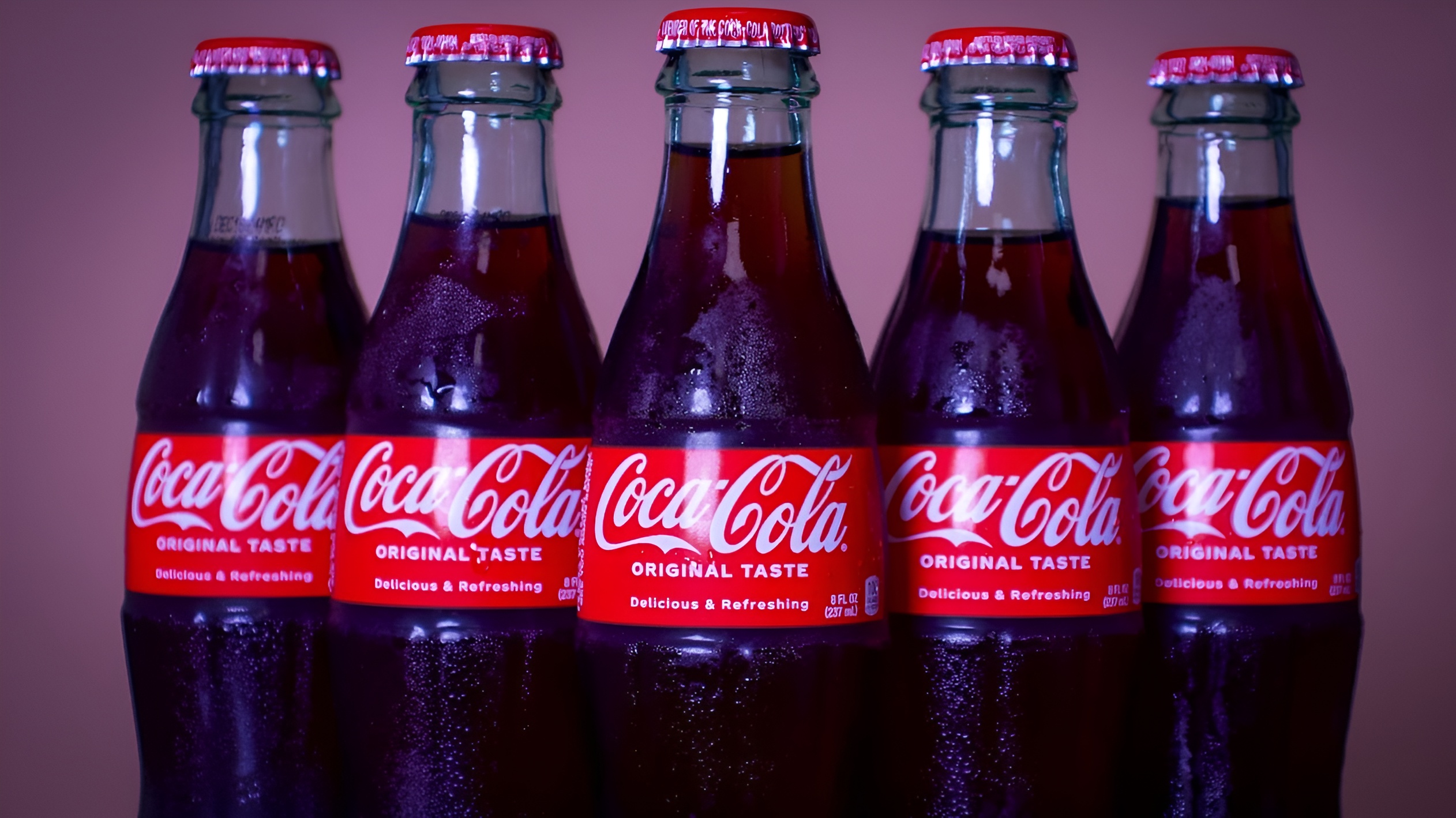
In 1899, corporate president Asa Candler signed a historic contract that transformed the entire company for the good. The tables were turned when two ambitious lawyers named Benjamin Thomas and Joseph Whitehead approached Candler in Atlanta. They wanted to secure the exclusive rights to bottle and sell the popular fountain drink. Candler did not believe in the future of bottled soda at all. He sold them and secured the nationwide bottling rights for just one single dollar.
This seemingly careless contract actually birthed the modern global leverage franchising system. Because the lawyers hacked the massive capital to build factories nationwide, they split the country into territories. They contracted with competent local businessmen to open regional bottling plants across America. The parent company supplied the secret syrup concentrate, while the local partners handled production and distribution. This brilliant strategy resulted in allowing the brand to flood the market with zero capital risk.
Also Read: Which Language Would Be Easier To Learn
Brilliant Marketing Tactics & The Power Of Branding
The company focused heavily on marketing to stay ahead of rivals. Early leaders have out free coupons to encourage people to try it. They placed the distinct logo on clocks, calendars, and notebooks. This strategy made the brand a part of daily life. The company maintained the consistency in visual style, which built massive trust with consumers worldwide.
Asa Candler understood that visibility was the ultimate key to retail success. He distributed thousands of complimentary tickets for a free glass of Coca-Cola. This innovative sampling technique did wonders by inviting millions of new consumers from all over the world. The company brand name soon appeared on everyday items in towns everywhere. Even the passerby could not escape seeing the vibrant “Spencerian” script logo daily.
The Iconic Contour Bottle Shape
In 1915, Coca-Cola decided to create a highly unique packaging design. They wanted a bottle, people could recognize even in the dark. Designers even created the famous contour glass bottle inspired by a cocoa pod. This distinct shape separated Coke from cheap imitators instantly. Since then, the bottle has become an artistic symbol celebrated in modern pop culture.
The Root Glass Company of Indiana designed this legendary packaging masterpiece. It was prepared in a way that was recognizable even when broken on the ground. The expert designers studied illustrations of cocoa pods to create the ribbed, curvaceous design. The unique silhouette successfully prevented the rivals from tricking unsuspecting shoppers. This innovative packaging style secured the brand’s premium position in the market.
Global Expansion During World War II
The disastrous World War II made Coca-Cola conquer the international soft drink market. The company president promised every US soldier to provide Coke. They built dozens of bottling plants near battlefields across Europe and Asia. As a result, the local populations discovered the beverage through these military channels. This move established a permanent global footprint for moving forward with the business.
The company’s president, Robert Woodruff made a historic declaration during the global conflict. He ordered that every soldier must receive a nickel bottle of Coke, no matter where he is. This massive logistical operation required shipping millions of crates overseas to troops. Furthermore, the government also recognized the drink as a vital morale booster for soldiers. Consequently, the brand received special exemptions from wartime sugar rationing limits.
Inspiring The Modern Image Of Santa Claus
The brand, Coca-Cola forever changed the way the world looks at Santa Claus. It was during the winters of 1931, when illustrator Haddon Sundblom, drew a warm, friendly, wholesome Santa for their ads. Before this campaign started, Santa often looked scary or like a small elf. The red robes matched the corporate colors of the drink perfectly. This brilliant seasonal marketing campaign created an emotional bond with families.
Winter sales were historically reduced for the soft drink industry back then. The company needed a strategy to make cold drinks appealing to consumers in winter. So, Sundblow took the initiative and drew inspiration from Clement Clark Mopre’s famous Christmas poem for this art piece. His paintings depicted a jolly, bearded man interacting with happy children. Seeing this, people literally fell in love with this warm interpretation of the holiday icon.
Also Read: Is Your Snack Timing Ruining Your Metabolism?
Emotionally-Driven Advertising Campaigns
The brand sells happiness and togetherness rather than just a sugary beverage. Their famous 1971 television commercial features a youth singing on a hilltop in Italy. The memorable campaigns like “Open Happiness” and “Share a Coke” continued with this emotional tradition. The idea of emotionally triggering consumers turned out to be a success as putting common first names on labels encouraged people to buy drinks for their friends, or loved ones. These emotional connections keep customers loyal for their entire lives.
The hilltop commercial, known as “Hilltop,” became a massive cultural phenomenon. Many young people sang about buying the world a refreshing Coke. This message of global unity resonated deeply during a turbulent era. The song then became a hit radio record in multiple countries worldwide. It proves that practicing the right marketing tactics could transcend commercialism to touch human hearts.
Adapting to Consumer Health Trends
Consumer tastes turn different over time; towards healthier lifestyle choices. Coca-Cola adapts constantly by expanding its diverse product lineup. The company launched Diet Coke and Coca-Cola Zero to satisfy health-conscious buyers. The parent company also acquired popular water, juice, and tea brands globally. The scientists properly innovated to ensure that the corporate giant remains dominant in the beverage industry.
The launch of Diet Coke in 1982 marked a massive milestone. It was considered as the first milestone of the primary trademark brand. The new product targeted consumers, who wanted to burn out calories. It became the top low-calorie soft drink in the world. This success proved the brand could evolve without losing its core identity.
Also Read: Early Symptoms Of Diabetes: 5 Warning Signs You Shouldn't Ignore
Coca-Cola’s Classic Comeback
In 1975, the company made a massive mistake by changing its formula. They introduced a “New Coke” to compete with sweeter rival beverages. With this launch, the consumers reacted with intense anger, demanding the original recipe back. The company listened and quickly returned to the classic formula. This crisis helped to ultimately prove the immense loyalty of its huge customer base.
The sudden public backlash was completely unexpected by the corporate executives at the time. Thousands of angry phone calls flooded the customer hotline daily. Not only this, the devoted fans stockpiled crates of the original drink in their basements. This dramatic emotional reaction stunned the marketing experts across the entire world. Finally, it was revealed that the consumers viewed Coke as a personal cultural property.