If you’ve ever felt that dreaded mid-afternoon “brain fog” or found yourself raiding the pantry at 10 PM, your snack timing is likely the culprit. Given the current trends, nutrition science tells a different story. It's not just about what you eat, it's about when you eat it. Here is why timing your snacks is the ultimate hack for your metabolic health.
Syncing With Your Circadian Health
Your body has an internal clock known as the “circadian rhythm.” This clock doesn't just control sleep; it dictates how efficiently you process insulin and burn calories. Research studies show that our bodies are the most “metabolically flexible” in the morning and afternoon. When you snack late at night, your body is less prepared to handle the glucose spike, which can lead to increased fat storage and disrupted sleep. To effectively manage your weight loss journey, aim to have your last snack at least 2-3 hours before bed.
Prevent The Cortisol Spike
When you go too long without food, your blood sugar plummets. In response, your body starts releasing cortisol, the stress hormone, to “scavenge” for energy. This is the reason, many individuals feel irritable, shaky and unable to focus. By the time you finally eat, you become so hungry that you’re likely to overindulge in high-sugar, high-fat “emergency” foods. The right strategy for you will be to take snacks 3-4 hours after lunch, which will prevent the cortisol spike and keep your stress hormones in check.
Also Read: Think You're Healthy? These Silent Killers Say Otherwise
The “Second-Meal Effect”
One of the most overlooked benefits of snack timing is the second-meal effect. Studies suggest that a fiber-rich snack in the late afternoon can actually improve your glucose response to dinner. By including such nutritious snacks, you are helping your body to prevent a massive insulin spike during your evening meal, which supports long-term weight management and heart health. This protective benefit happens because fiber keeps your digestive system active for long hours, slowing down how quickly your body absorbs nutrients from your next meal.

Also Read: What Is Aspartame? Is It Really Harmful?
Beating the 3 PM Productivity Slump
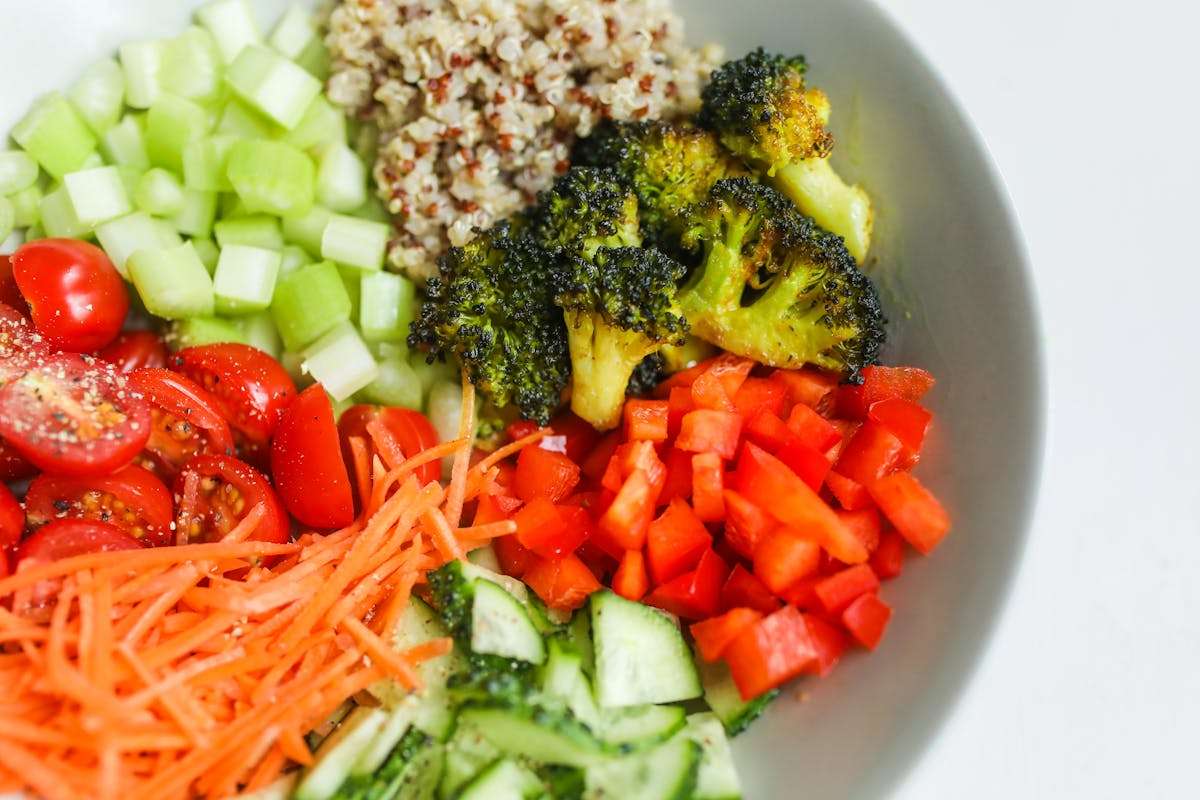
That afternoon slump isn't a lack of caffeine; it's a biological request from your body to fuel up. Your brain consumes about 20% of your daily calories. If you’ve been focused on spreadsheets for four hours, your brain needs a glucose “top-up.” The best snack options for 3 PM will be to pair a complex carb with a protein, like an apple with almond butter or Greek yoghurt with berries to ensure the energy release is slow and remains steady. Always try to portion snacks ahead of time instead of deciding to eat straight from the bag or container. Certain snacks like candy, pastries and sweet drinks can fit, but they may not be enough to keep you full for long, so they’re best enjoyed occasionally.
Digestive Gut & Gut Microbiome
Your metabolism relies heavily on your gut health. Similar to your brain, your digestive system needs periods of rest to relax and repair itself. The habit of continuous snacking keeps your stomach and intestines working without a break. This constant activity prevents the gut from performing necessary self-cleaning cycles cycles, known as the "migrating motor complex." Giving your body three to four hours of digestive rest between meals supports a healthier microbiome, which directly improves how efficiently you process food.
Managing Hunger Hormones
Our body's biological sensations of true hunger and fullness are usually dictated by two primary biochemical messengers known as "ghrelin" and "leptin." Ghrelin acts as your definitive "appetite trigger," spiking heavily when your whole system instinctively respects your next major daily food window. Whenever you eating schedule remains erratic, ghrelin triggers at highly unpredictable moments, inducing an urge of sudden intense cravings. This lack of routine simultaneously dulls leptin, the hormone meant to safely signal that you are completely full and satisfied. By stabilizing your meal times harmonized these internal messengers, eliminates brain fog and prevents accidental overeating.
Preventing Blood Sugar Spikes & Insulin Resistance Through Routine Eating
Skipping meals or eating processed snacks at unpredictable seasonal hours forces a rapid roller coaster of spikes and crashes in blood glucose levels. These sudden hormonal surge forces your pancreas into absolute overdrive to generate mass amounts of immediate insulin. By continuous prolonged periods of chronic daily scheduling chaos, your cells starts building an undesirable resistance to these vital insulin signals. As time passes, this structural systemic breakdown can make a clear path towards metabolic syndrome and severe type 2 diabetes. Therefore, if you commit to precise and a well-structured meal intervals, it will naturally help in stabilizing these biological responses and promotes clean energy all day.
Why Does Consistency Matters For Your Metabolism
Your body thrives on regular routines and schedules, especially when it comes to processing food. Eating your snacks at completely different times everyday can confuse your hunger hormones and result in unpredictable blood sugar spikes. When you start maintaining a predictable eating rhythm, your body naturally learns exactly when to expect fuel and can manage energy expenditure more efficiently. On the other hand, irregular snacking patterns often leads to sudden cravings and overeating during your main meals. Finally, the choice to establish stable, consistent times for your meals and snacks is an incredibly simple way to keep your metabolic engine running smoothly.