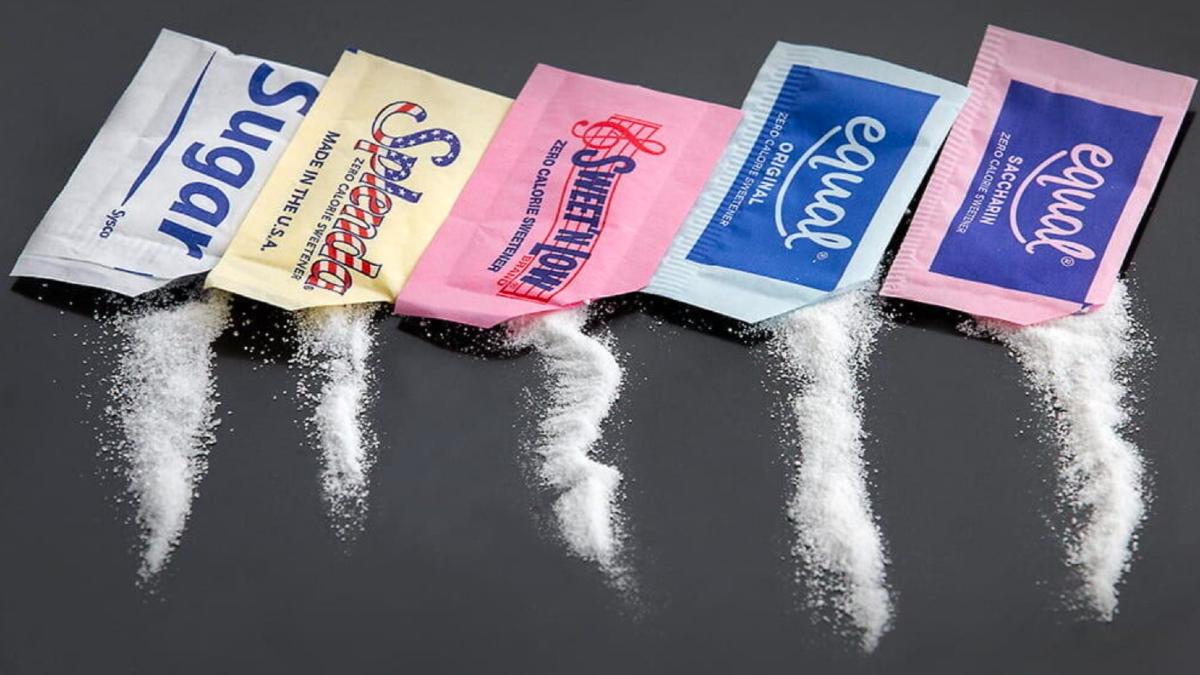
Aspartame is one of the widely used and most debated artificial sweeteners in the world. Found as an ingredient in almost everything from diet soda to sugar-free gum, it has been a subject of extensive scientific scrutiny for decades.
Recently, in 2023, two groups within the World Health Organization, have released complementary reports, igniting fresh headlines. To separate myth from fact, we look at the latest research studies conducted by the world’s leading health authorities.
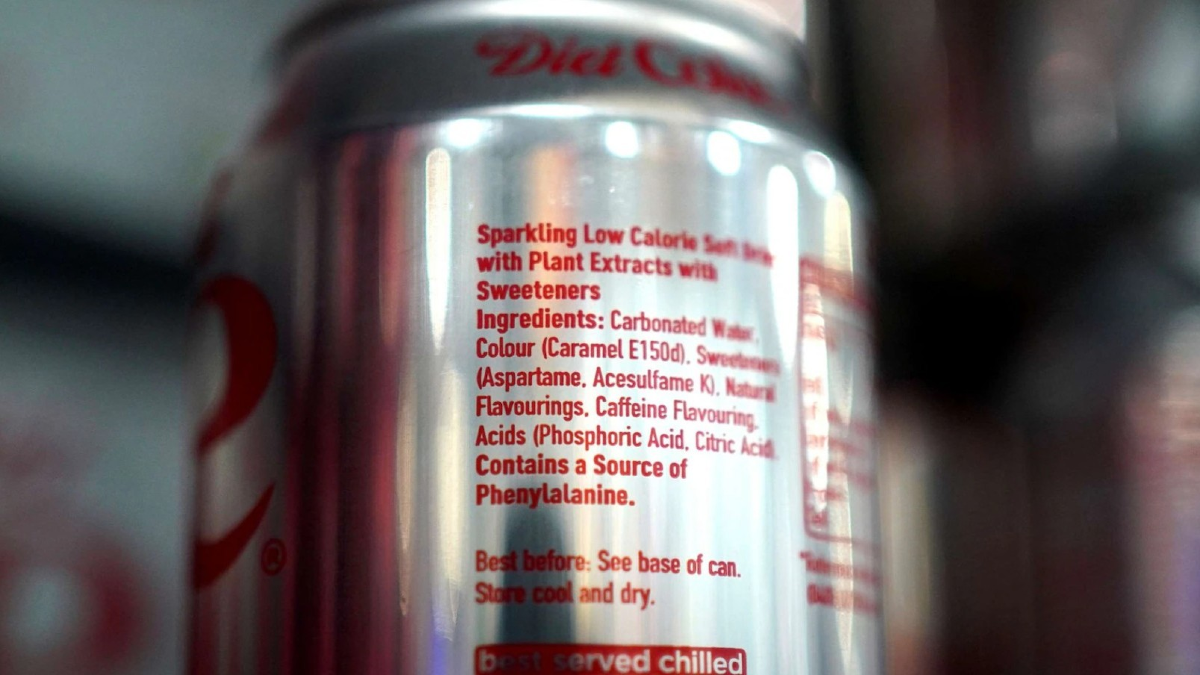
What Is Aspartame?
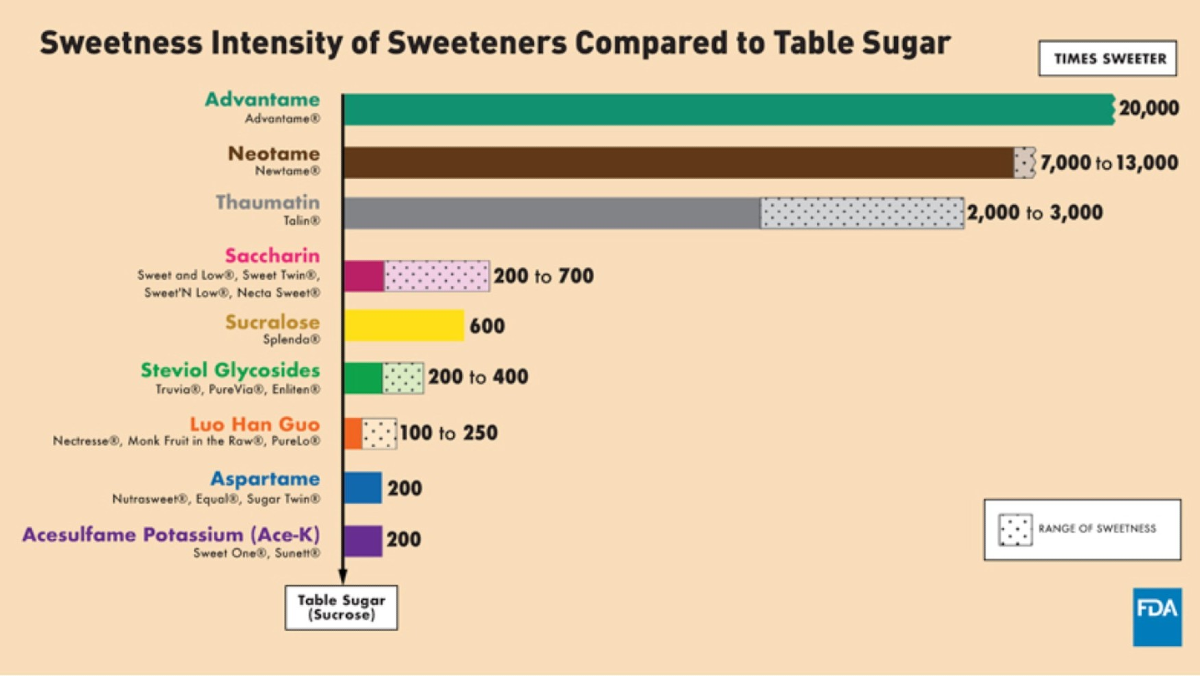
Aspartame is a low-calorie, high-intensity sweetener that is approximately 200 times sweeter than table sugar. Chemically, it is a dipeptide composed of two amino acids, aspartic acid and phenylalanine, also found naturally in many protein-containing food products like meat, dairy and vegetables.
As it is so sweet in taste, only little amounts are needed, making it a popular choice for weight management and sugar reduction.
Also Read: Is 'Common Sweetener' Damaging Your Brain? Study By University Of Colorado Reveals How!
What Health Authorities Say?
Global food safety agencies have asserted that aspartame is absolutely safe to consume in limited quantities.
World Health Organization
In 2023, the WHO classified aspartame as “possibly carcinogenic to humans”. However, it's vital to understand what it means:
Hazard vs. Risk: The WHO's International Agency for Research on Cancer, identifies that if a substance is prone to cancer, it does not confirm that even normal consumption can lead to a deadly disease, like cancer.
Limited Evidence: The classification was based on “limited evidence” for a specific type of liver cancer, found in humans and animals.
WHO Final Verdict: Simultaneously, the Joint FAO/WHO Expert Committee on Food Additives (JECFA) have reaffirmed that the existing safety limits are considered appropriate and that the current consumption levels do not pose a major health concern.
US. Food and Drug Administration (FDA)
The FDA explicitly disagreed with IARC’s 2023 classification. The renowned agency stated that its scientists reviewed the same data and found “significant shortcomings” in the studies on which IARC relied upon. However, FDA continues to consider the consumption of aspartame safe for the general population under approved conditions of use.
European Food Safety Authority (EFSA)
The EFSA has conducted a comprehensive re-evaluation and concluded that aspartame and products related to it are safe to consume. Experts from the EFSA noted that sweetener is rapidly broken down inside the gut into components, which are already present in a standard diet.
Government of Canada
Health Canada aligns with the FDA and EFSA, considering aspartame safe for consumption at currently permitted levels. The agency monitors scientific developments to ensure that its regulations continue to protect the health of the citizens.
How Much Is Safe?
Regulatory bodies use an “acceptable daily intake” to define safety. It is the amount a person can safely consume every day for their entire life without any risk.
WHO/EFSA Limit: 40 mg/kg of body weight per day.
FDA Limit: 50 mg/kg of body weight per day.
Who Should Avoid Aspartame?
Generally, any healthy individual can safely consume aspartame or its products, as per prescribed limit. However, individuals with a rare genetic disorder, “Phenylketonuria,” prevent the body from properly breaking down of phenylalanine, one of the components of aspartame.
For individuals with PKU, high levels of phenylalanine can result in serious health issues, which is why all aspartame-containing products must carry a warning label.