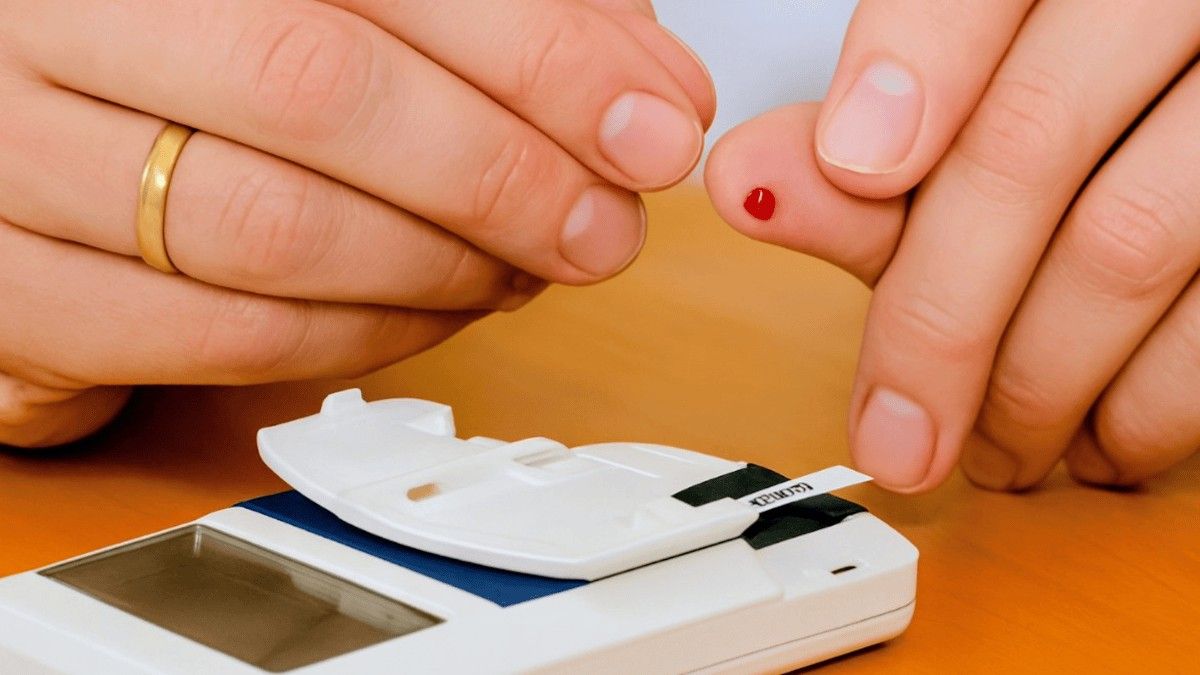
According to World Health Organization, “feeling fine” is often the most dangerous disguise for what they call “Noncommunicable Diseases,” the “silent killers.” Every year, these invisible threats claim 41 million lives, accounting for 74% of all deaths globally. They don't come with a fever or a sharp pain; they develop quietly over years, often only revealing themselves during advanced stages.
The “Silent Killers”
The WHO identifies four main groups of diseases that acts as the primary engines of this global epidemic:
Cardiovascular Diseases: Experts suggest that hypertension is the ultimate silent partner. It is very rare that this ailment produces any symptoms but relentlessly strains your heart and arteries, leading to strokes and heart attacks.
Cancers: Many forms, such as colon or cervical cancer, can progress for years without producing even a single hint until they reach advanced stages.

Diabetes: Another silent killer is Type 2 diabetes, which develops so gradually that people dismiss them by taking it as simple symptoms of fatigue or thirst, occurring as a result of “getting older" or “stress.”
Chronic Respiratory Diseases: Conditions like COPD can deteriorate lung function, with symptoms only becoming apparent after significant damage has occurred.
Also Read: What Is Aspartame? Is It Really Harmful?
The Modifiable Risks
These killers don't work alone. They are aided by “accomplice,” risk factors that are largely within our control to change:
Tobacco Use: Research studies conducted by WHO have revealed that tobacco use is responsible for over half of its users’ death.

Unhealthy Diets: These diets specifically include excess salt and hidden trans fats. Regular intake of unhealthy diets as well as leading a sedentary lifestyle, prompts towards a chronic illness.
Physical Inactivity: This is the quiet contributor, allowing metabolic risks to enter the body and start affecting it slowly, without giving any hints.
Harmful Alcohol Use: Again, this is also a major contributor to over 200 different disease conditions.
Effective Ways To Control It
The WHO Global Action Plan emphasizes that 80% of premature heart disease, stroke and diabetes can be successfully prevented, if detected early and by making significant lifestyle shifts.
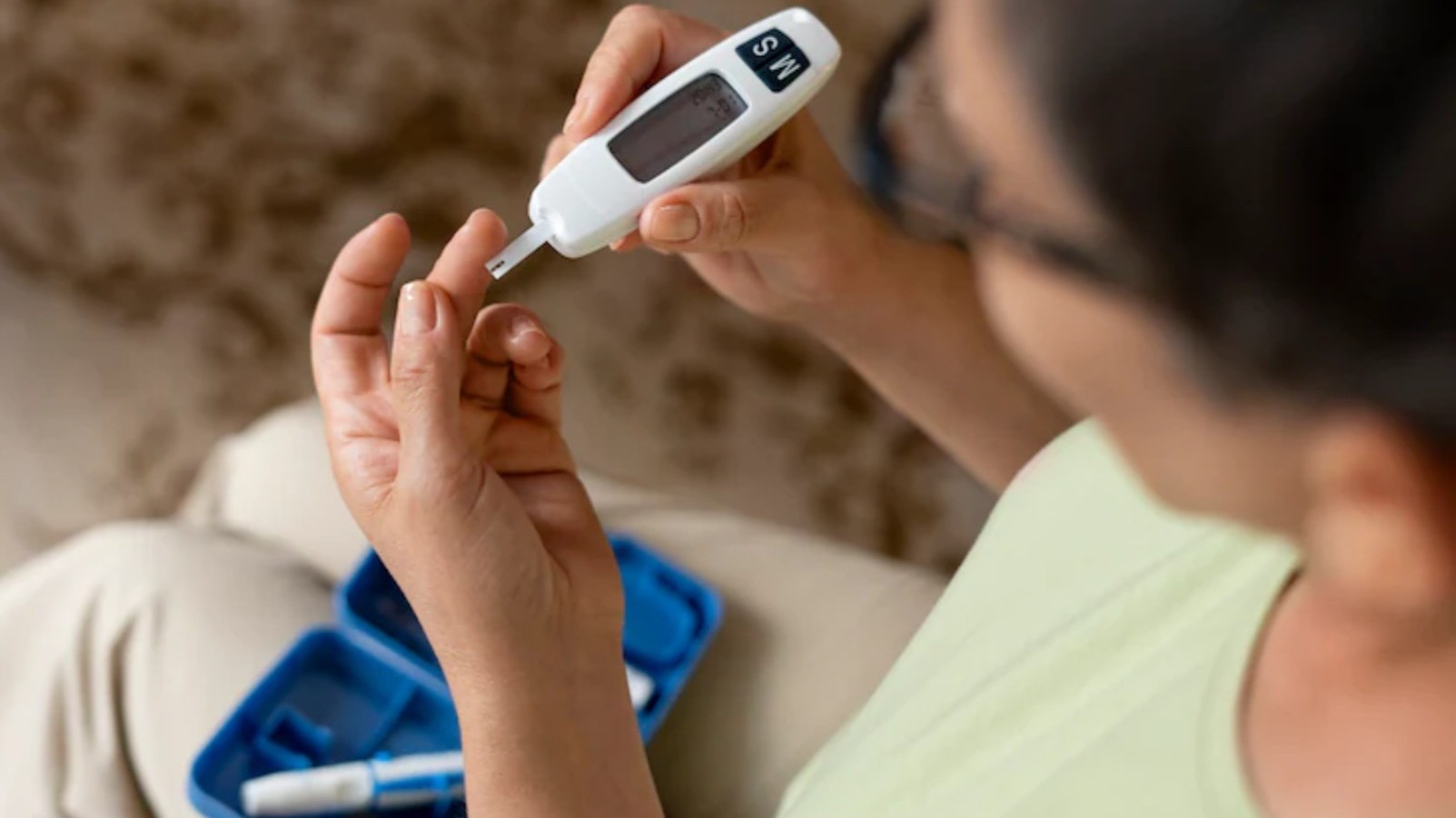
In order to combat with these silent killers, regularly check your blood pressure, blood sugar and cholesterol levels. These are the “signs” a doctor can measure even when you have no “symptoms.”
Never ignore the silent whisperings from your body, which includes unexplained fatigue, lingering coughs or minor changes in vision, etc. which should be effectively discussed with a healthcare professional.

Annual check-ups are not meant for those times when you feel sick; they are the strongest tool to ensure you stay well.
Never let silence be the reason behind your health deterioration. Take the lead today, because by the time these killers speak up, it's often too late to be back on the track.