Look at the synthetic black T-shirt sitting in your closet right now. On ultra-fast fashion platforms like Shein, H&M, or Zara, an item like this typically costs around ₹500 (or about $6 to $8). According to global garment supply-chain analyses, the raw material and labor required to make that shirt in a fast-fashion factory cost less than ₹40.
It is made mostly of synthetic polyester, which is essentially petroleum melted down and spun into thin plastic threads.
You didn't need that shirt. You weren't even thinking about it two days ago. Yet late last night, while scrolling in bed, your thumb tapped "Buy Now."
According to the McKinsey State of Fashion Report, global clothing production more than doubled between 2000 and 2014, the average consumer now buys 60% more clothes every year.
What is even worse is that research from the Ellen MacArthur Foundation reveals that in fast-fashion segments, people discard items after wearing them an average of just 7 to 10 times.
This isn't just about weak willpower. Your shopping choices have been carefully studied, tested, and engineered by software.
By analyzing data from corporate reports, industry research, and digital patents, this guide breaks down how fast-fashion apps use technology to trick your brain and gives you a realistic, authentic defense plan to take back control.
Also Read: Jeddah Tower Vs Burj Khalifa: The 1,008M Record Breaker
The Myth Of Conscious Consumer Choice

When we buy something on impulse, we usually give ourselves simple excuse, like, "Oh I bought it because I really liked the color," or something like, "I bought it as I got it on discount." We like to believe we are in full control of our choices and we assume our style is a pure expression of our personality.
A typical purchase seems totally harmless, you open a social media app, scroll for 10 minutes, see an influencer wearing oversized cargo pants, tap the tag and place the order. To your brain, this feels like an entirely conscious decision.
What you don't see is that the item was deliberately placed in your feed using smart algorithms built to trigger your brain's natural impulse drivers. This system allows online stores to list thousands of new clothing designs every single day.
| Era | Production Cycle | How It Works |
| Traditional Fashion (Pre-2000s) | 4 seasons per year | Slow design cycles based on Spring, Summer, Fall and Winter |
| Fast Fashion (2000s-2010s) | 52 micro-seasons per year | Famous brands like Zara shortened production to 15 days, adding new clothes weekly. |
| Ultra-Fast (Present) | Non-stop daily releases | Popular fast-fashion shopping apps use real-time data scraping to upload thousands of new styles every single day. |
The 3 Algorithmic Traps Designed To Exploit Your Brain
Once these thousands of new items are live, platforms use three clever traps to make you buy them.
Millisecond Dwell-Time Tracking
Algorithms don't just care about what you like, comment on, or save. They pay close attention to dwell time, how long your screen pauses on a post, measured in milliseconds.
If your thumb pauses for just 1.4 seconds over a video of someone wearing a green jacket, the algorithm notes three things:
- Pause Duration: A 1.4-second pause is an unconscious sign of interest.
- Completion Rate: Watching the whole video shows high curiosity.
- Time of Day: Browsing late at night means your brain is tired and has lower self-control
Even if you didn't press "Like," the app starts filling your feed with similar jacket styles. This activates a mental phenomenon called the Frequency Illusion (or the Baader-Meinhof phenomenon). Because you suddenly see that jacket everywhere, your brain falsely assumes: "Everyone is wearing this right now. I'm falling behind."
Manufactured Micro-Trends
Aesthetic labels like "Gorpcore," "Clean Girl," or "Y2K Style" don't happen naturally. They are fast-tracked micro-trends created by software.
By giving these styles catchy names and flooding your feed with them, apps create artificial FOMO (Fear Of Missing Out). A micro-trend blows up, lasts a few weeks, and disappears just as fast. Studies show that clothes bought during these short hype cycles usually sit untouched in closets once the trend dies down.
Dark Patterns And Dopamine Spikes
When you click over to the shopping app, sneaky design tricks called dark patterns kick in to stop you from second-guessing your choice:
-
Fake Urgency: Bright red banners flash warnings like "Only 2 left in stock! Sale ends in 04:59 minutes!" (In many cases, if you clear your browser cookies, the timer just restarts!).
-
1-Click Checkout: Express payment options remove the pause that usually gives you time to think about your money.
-
The Brain Reward: When you click "Place Order," your brain releases a rush of dopamine. You get that feel-good chemical hit during the anticipation of buying not days later when the plastic parcel arrives at your door.
Also Read: The Zeigarnik Effect: Why Unfinished Tasks Boost Productivity
The Hidden Cost To Your Wallet And The Planet
This endless cycle of cheap buying comes with heavy financial and environmental consequences:
Wastage Of Money

Impulse buyers spend a large chunk of their clothing budget on low-quality items that get worn only a few times before being thrown out or hidden in a drawer.
Microplastics In Water
Data from the Textile Exchange shows that over 60% of all global clothing fiber is synthetic, mostly polyester. According to the Ellen MacArthur Foundation, washing synthetic clothes releases about 500,000 tonnes of plastic microfibers into oceans every year. That is equal to throwing over 50 billion plastic bottles straight into the water!
High Carbon Footprint
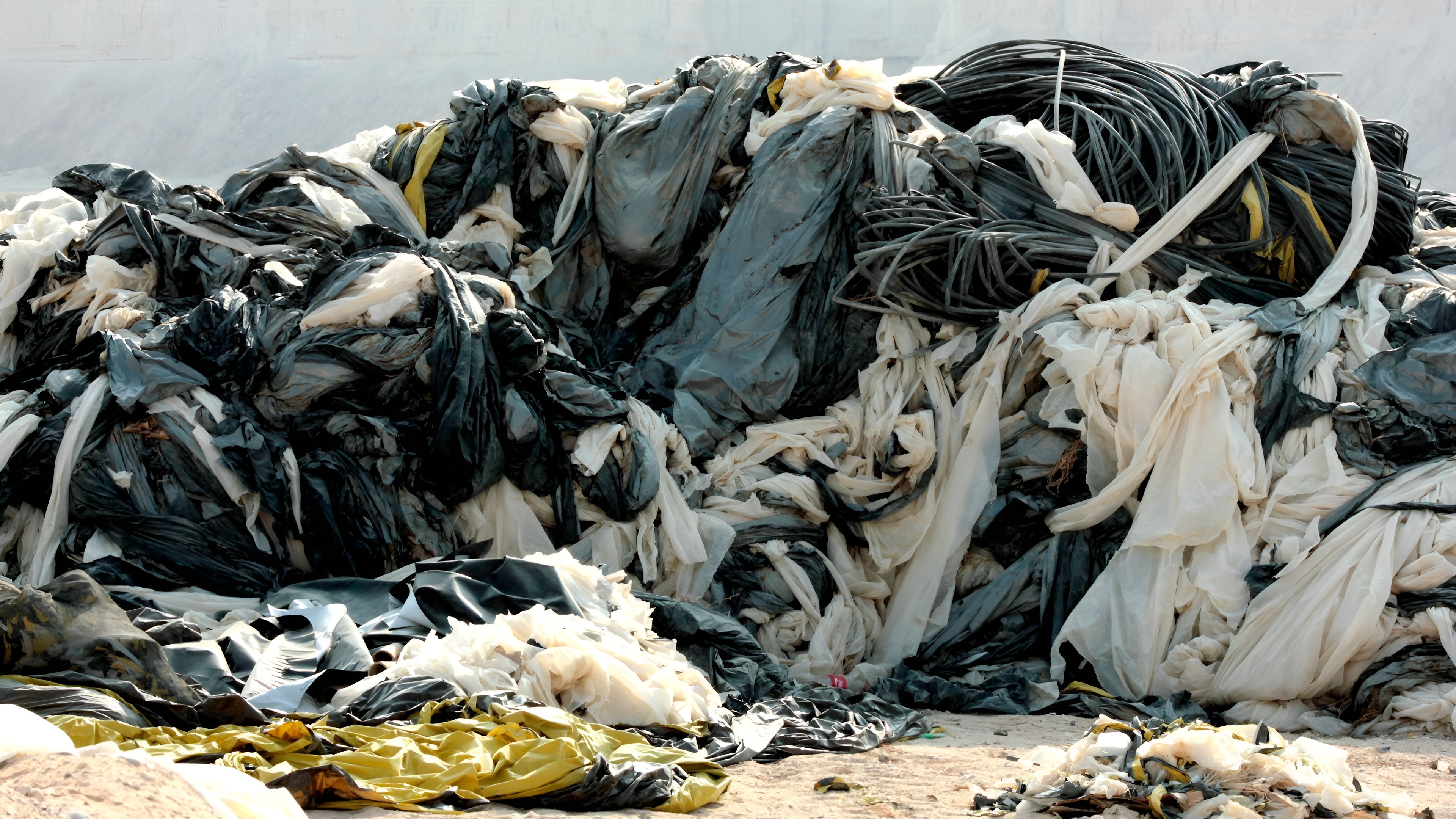
Reports from the United Nations Environment Programme (UNEP) show that the fashion industry produces between 2% to 8% of all global carbon emissions. Across the world, the equivalent of one garbage truck full of clothes is landfilled or burned every single second.
The Realistic 3-Step Defense Protocol
You don't need unrealistic rules like calculating math equations in your head while shopping or swearing off new clothes forever. You just need practical friction that interrupts the digital pipeline between seeing an item and paying for it.
The "3-Outfit Matching Rule"
Before hitting checkout, look at the item and mentally match it with 3 distinct pieces already hanging in your wardrobe.
If you buy a pair of statement cargo pants but realize you don't own the right shoes, jacket, or top to wear with them, that single ₹500 purchase will trigger a domino effect of 2 or 3 more impulse buys just to complete the look. If it doesn't immediately fit into your existing lifestyle, leave it.
Delete Saved Payment Information
Algorithms rely on speed. Express checkout, auto-filled credit card details, and one-tap payment integrations are designed to finalize your order before your logical brain can step in.
Unlink your payment methods from fast-fashion platforms and disable saved cards in your browser. Forcing yourself to physically get up, find your wallet, and type in 16 credit card digits creates just enough natural friction to break the late-night dopamine loop.
The "1-In, 1-Out" Rule
Set a strict personal rule: for every new garment that enters your closet, an existing garment must leave, whether sold, gifted, or donated.
This simple rule turns a fast digital transaction into a real-world physical trade-off. When buying a trend shirt means giving up a jacket or pair of jeans you actually like, the perceived cost of that "cheap" purchase goes up instantly, stopping mindless clutter before it starts.
Also Read: Ink Over Pixels: The Lost Art Of Daily Reading
Reclaim Your Personal Style
Real personal style isn't about wearing whatever random trend an algorithm pushed to your phone screen this morning.
True style is intentional, comfortable, and long-lasting. By putting practical friction back into your spending habits, you can protect your hard-earned money, keep cheap plastic out of landfills, and build a wardrobe full of pieces you actually love. The next time you find yourself about to tap "Buy Now" late at night, pause and ask yourself, a simple question, "Am I choosing this shirt, or did an algorithm choose it for me?"