Ever wondered what makes brands like Hermès, Louis Vuitton, Chanel, or Gucci stand out from the rest of fashion brands? Is it only the price, the quality, or is it something else? Neither was Rome built in a day, nor were these fashion houses. It’s centuries of legacy, consistency, and a leap of faith.
At this point, they are not only brands anymore, but symbols of elegance and luxury. The global fashion market remains massive, and luxury houses continue to shape its direction through heritage, craftsmanship, and cultural influence.
But behind these numbers, there are small and medium entrepreneurs, designers, retailers, suppliers, and a lot of humans. In this blog, we will talk about how these ten extraordinary fashion houses were founded and are still managing to thrive globally.
Also read || 8 Surprising Met Gala Rules Most People Never Knew About
Givenchy (1952)
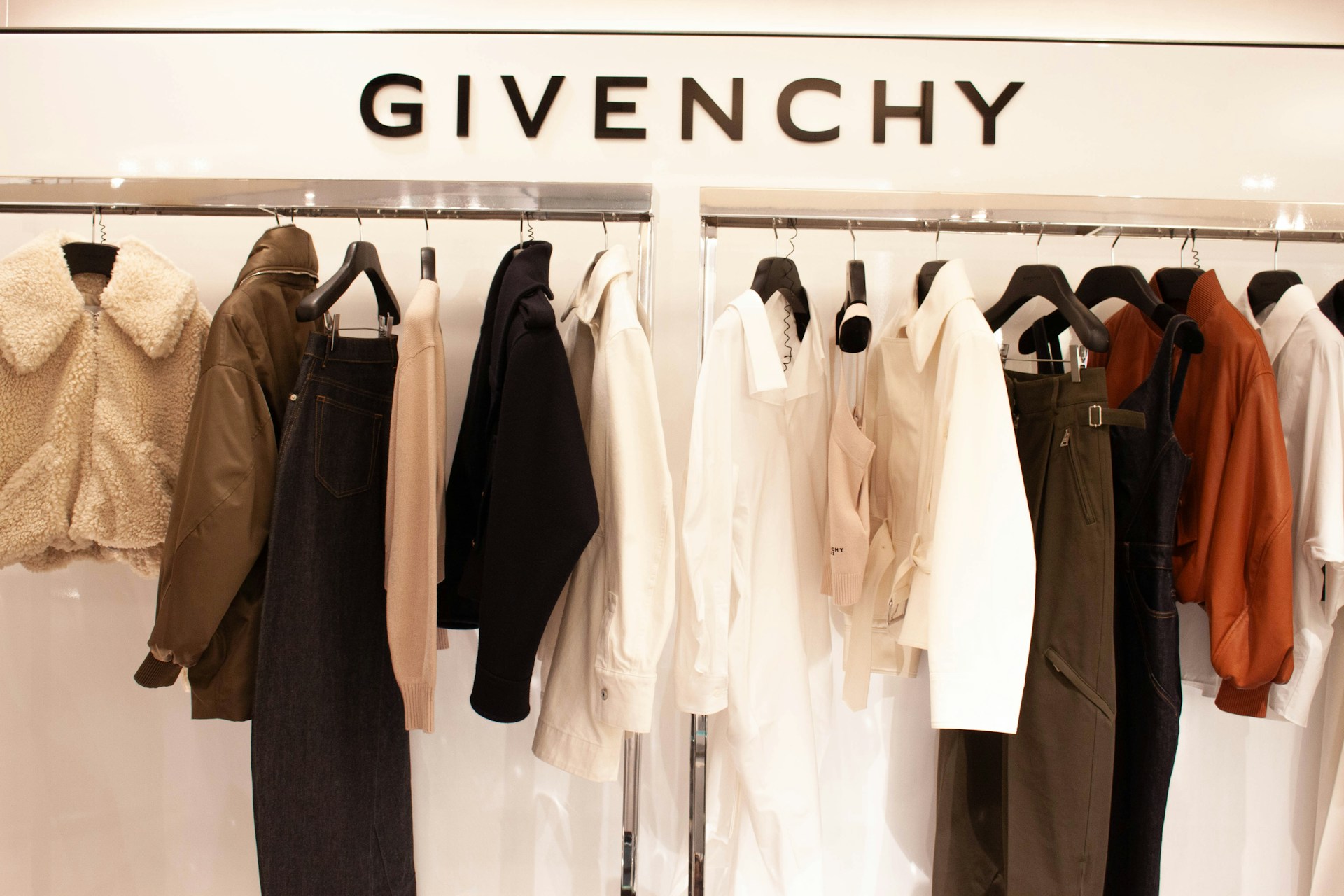
Paris is where dreams are fulfilled. Hubert de Givenchy, a 25-year-old fashion designer, took a leap of faith to launch his independent fashion house in 1952 in Paris, France. Givenchy’s turning point came when Audrey Hepburn wore a black gown by Givenchy in Breakfast at Tiffany’s. That was the moment Givenchy became immortal. He’s credited with pioneering the concept of high fashion and the iconic Bettina blouse. Today, Givenchy operates under LVMH, one of the world’s most valuable luxury groups.
Christian Dior (1946)
Christian Dior is another iconic French fashion house that was founded in 1946 and launched in 1947. The idea behind Dior was radical, unapologetic femininity. While founder Christian Dior called it a collection, the media called it the New Look, and that changed the fashion world forever. French textile businessman Marcel Boussac backed the luxury house. Today, Dior remains a major part of LVMH, and its brand value continues to rank among the highest in global fashion.
Gucci (1921)
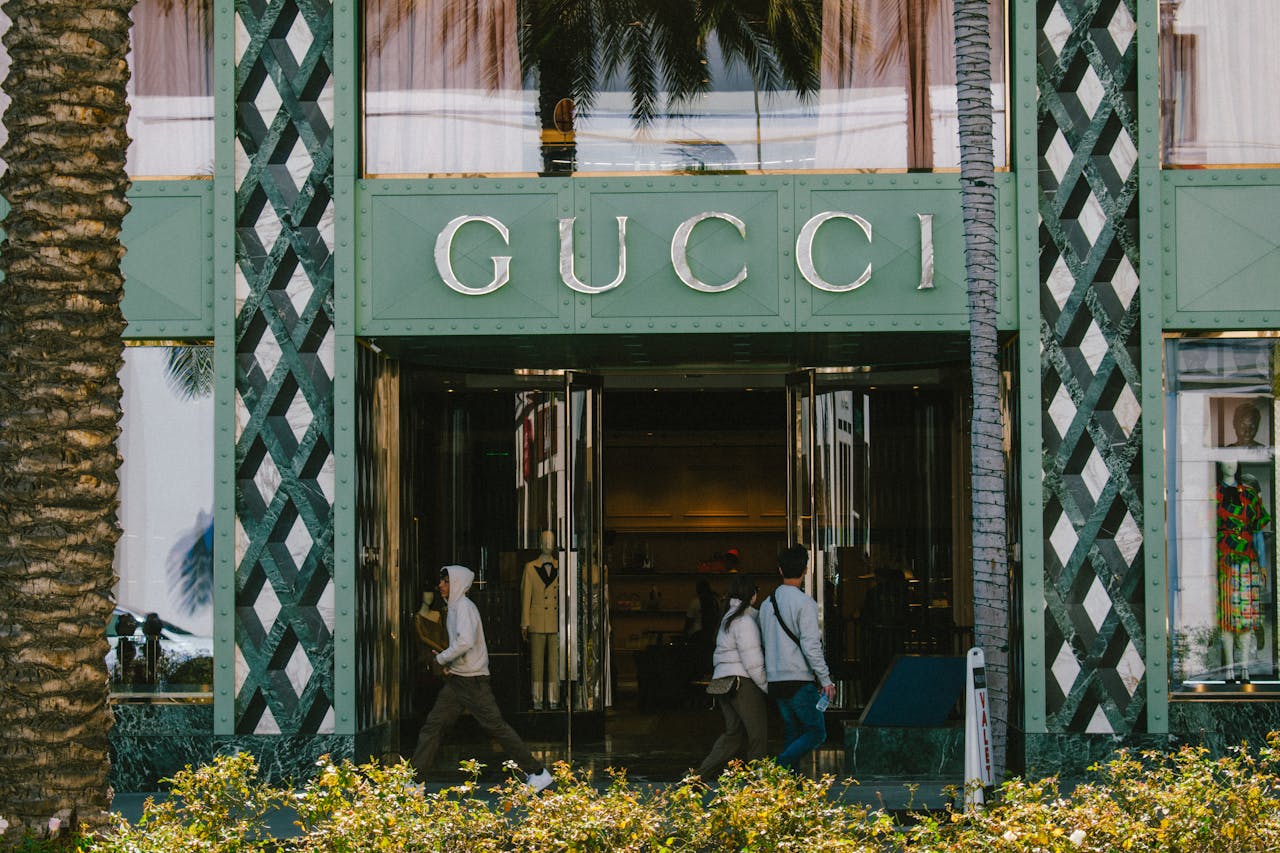
The brand known for its bold aesthetics and exquisite craftsmanship was not built in an art class or a fashion school. There was a porter, or what we call a bellhop, named Guccio Gucci. Guccio used to load and unload the luggage of the rich at London’s Savoy Hotel. In 1921, he returned to Florence, Italy and started a leather goods shop. Today, Gucci is owned by Kering and remains one of the world’s most recognized luxury fashion brands, with a strong global retail presence and a massive international following.
Balenciaga (1919)
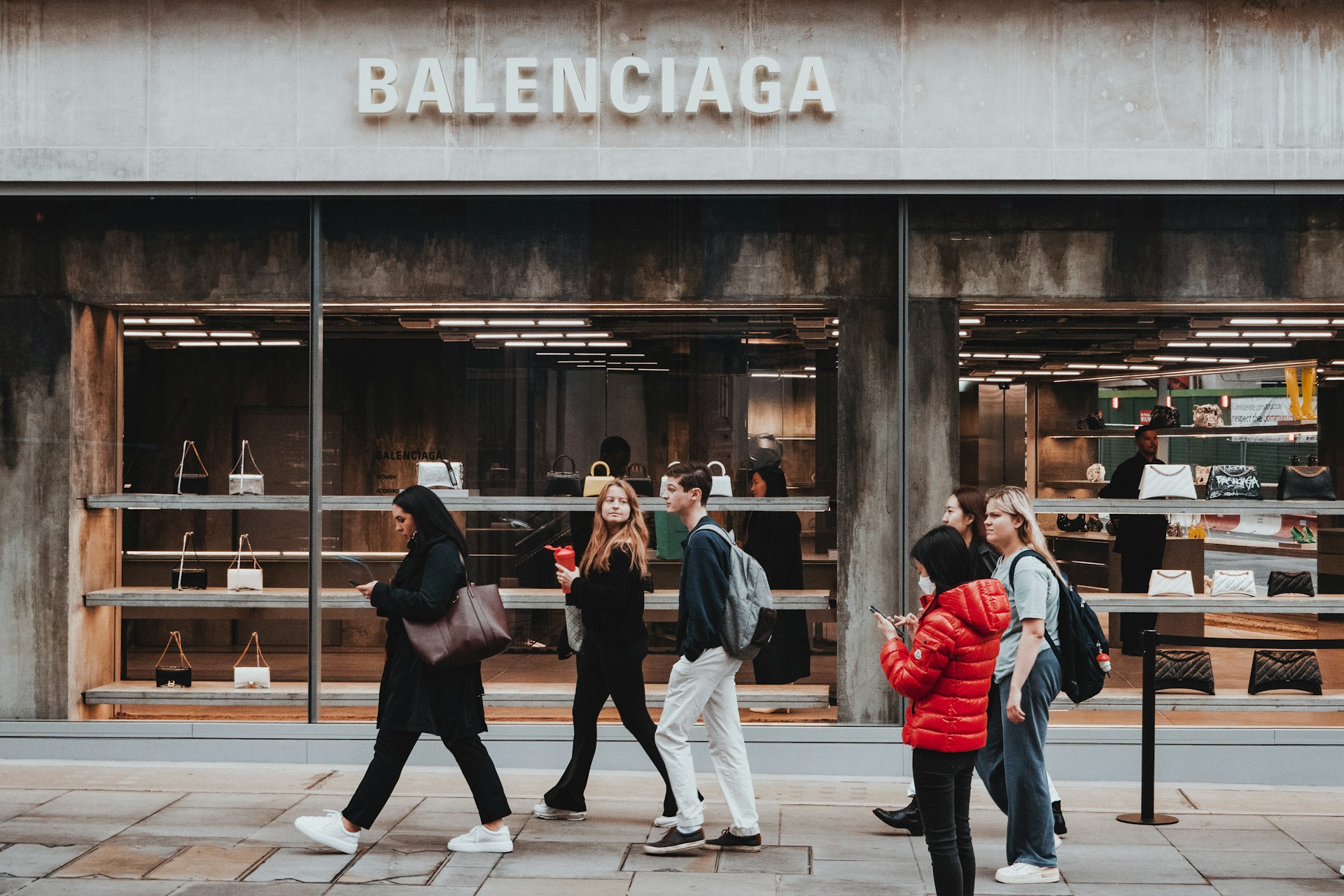
Known for its shock value and edgy aesthetics, Balenciaga is always surrounded by controversy. However, it started as a simple fashion house in San Sebastián, Spain, in 1919. At age 11, Cristóbal Balenciaga taught himself to sew in his mother’s tailor shop in Getaria, Spain. In 1937, Cristóbal relocated to Paris, where he became a revered designer. Christian Dior once called him “the master of us all.” The company shut down in 1968 but was revived later. Now, it is part of Kering and remains one of the most talked-about names in luxury fashion.
Also read || How Outfit Repeating Became The Ultimate Rich Aesthetic
Prada (1913)
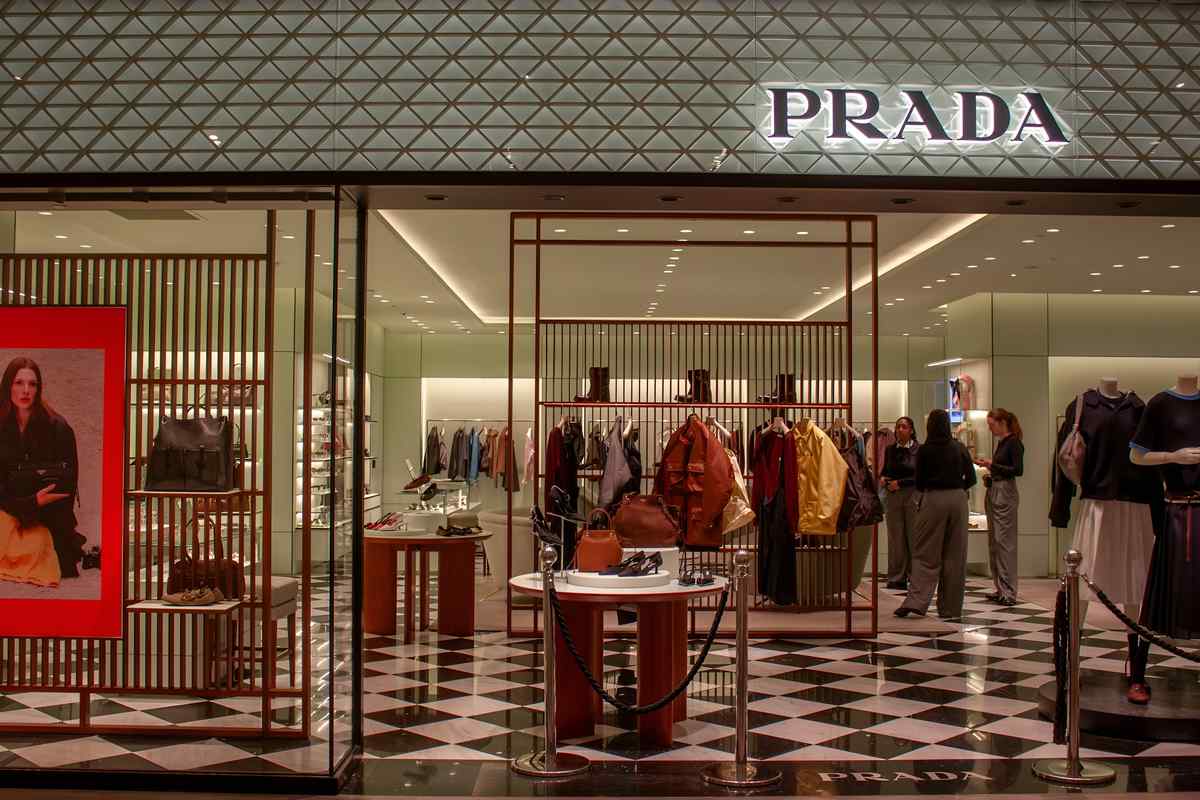
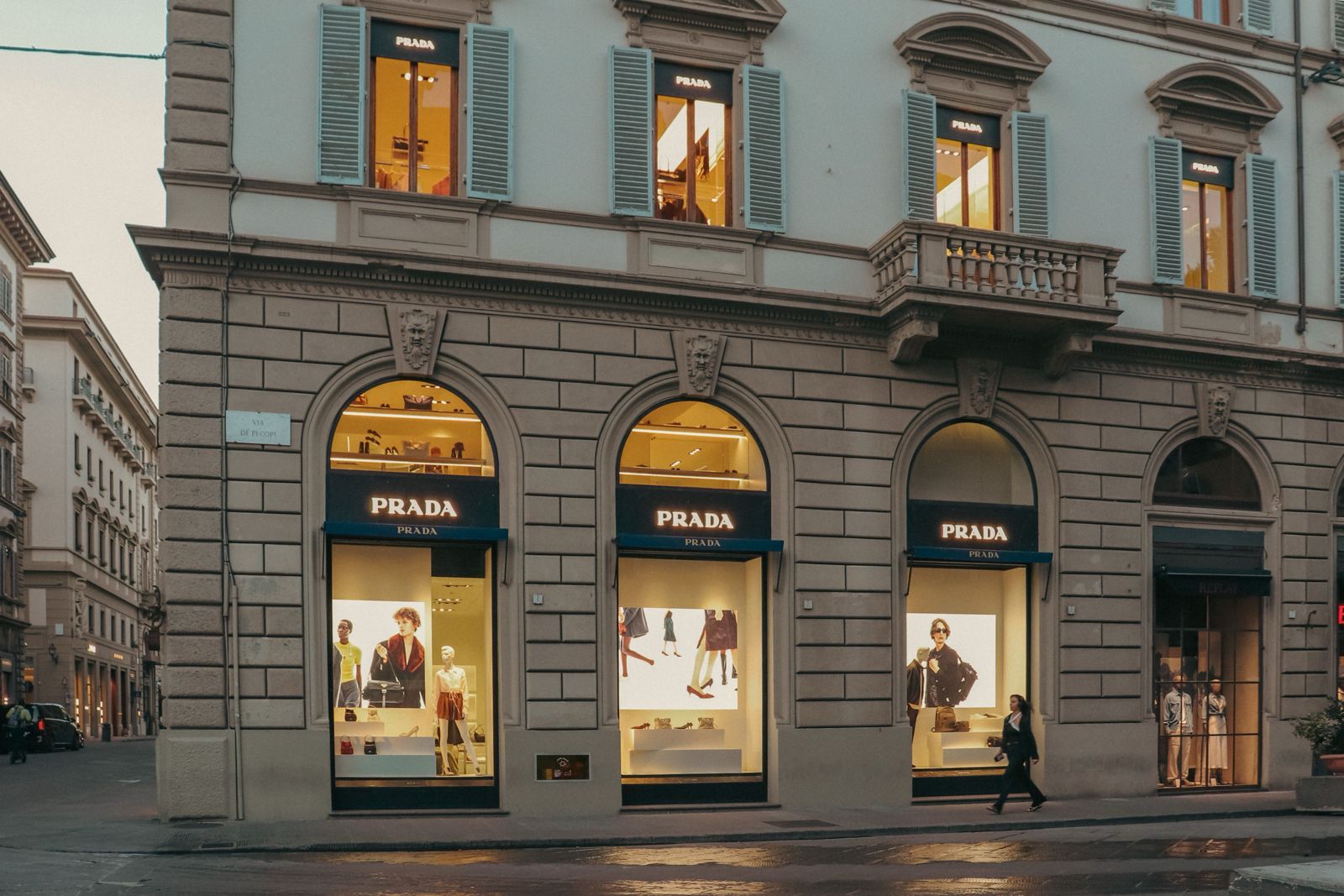 Don’t know whether the Devil wears it or not, but so many millennials do. The Italian brand is known for its “ugly-chic” aesthetics and a blend of minimalism. It all started in 1913, when Mario Prada opened a leather goods boutique in Milan’s Galleria Vittorio Emanuele II. He used to sell luggage and accessories to Italy’s elite and believed women had no place in business. However, it was his granddaughter, Miuccia Prada, who took over and turned that small shop into a fashion empire. Today, Prada has over 600 boutiques across 70+ countries and remains one of the strongest luxury labels in the world.
Chanel (1909)
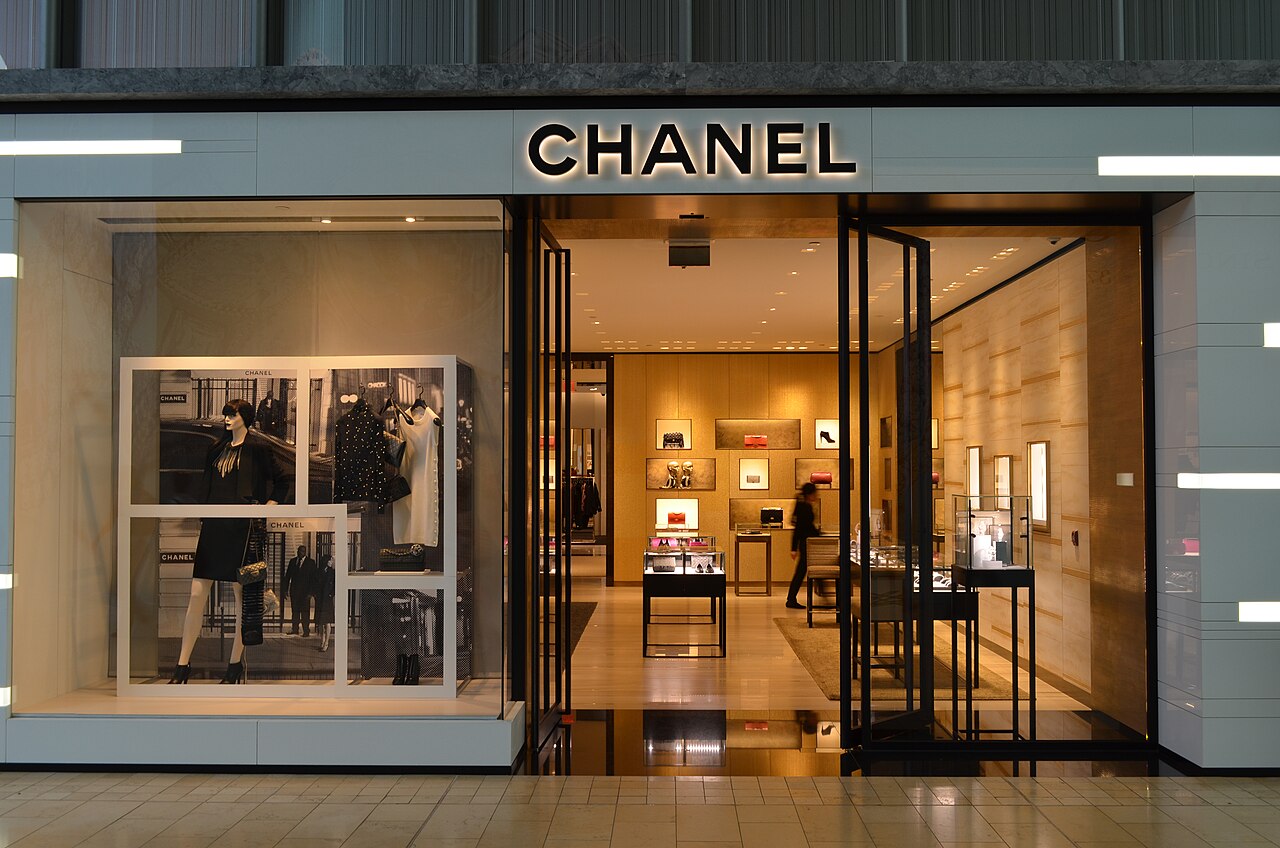 When men were dominating the fashion world, Gabrielle Chanel arrived as a beacon of hope for women in fashion. She started Chanel in 1909 and rewrote every rule. Whether it was the tweed jacket, the little black dress, or the quilted flap bag, she owned it — and it’s still selling. Designers still wish they had her instinct. With over 500 boutiques, Chanel remains one of the world’s most powerful luxury brands and continues to stand apart through its independent identity and tightly controlled brand strategy.
Lanvin (1889)

Jeanne Lanvin is among the most interesting stories on this list. She was neither wealthy nor had a fashion background. She was just a 22-year-old girl, fresh out of apprenticeship, who had two things: instinct and drive. Lanvin started as a small millinery shop and gradually blossomed into a fashion empire. Right now, it is the oldest surviving French fashion house. It was among the first houses to weave metallic threads and luminous fabrics into fashion, and its legacy still matters in luxury history.
Burberry (1856)

Thomas Burberry believed that fashion should serve a purpose, and that’s what drove a 21-year-old boy to set up shop in Basingstoke, England, in 1856. The idea was to make better outdoor clothing. The revolutionary moment for Burberry came in 1878, when he invented gabardine, a breathable, waterproof cloth used by the British Army during World War I. Later, the trench coat was born. The nearly two-century-old brand now operates globally and remains one of Britain’s most recognizable luxury fashion names.
Also read || How Bombay Transformed from a Fort City to a Bustling Metropolis
Louis Vuitton (1854)
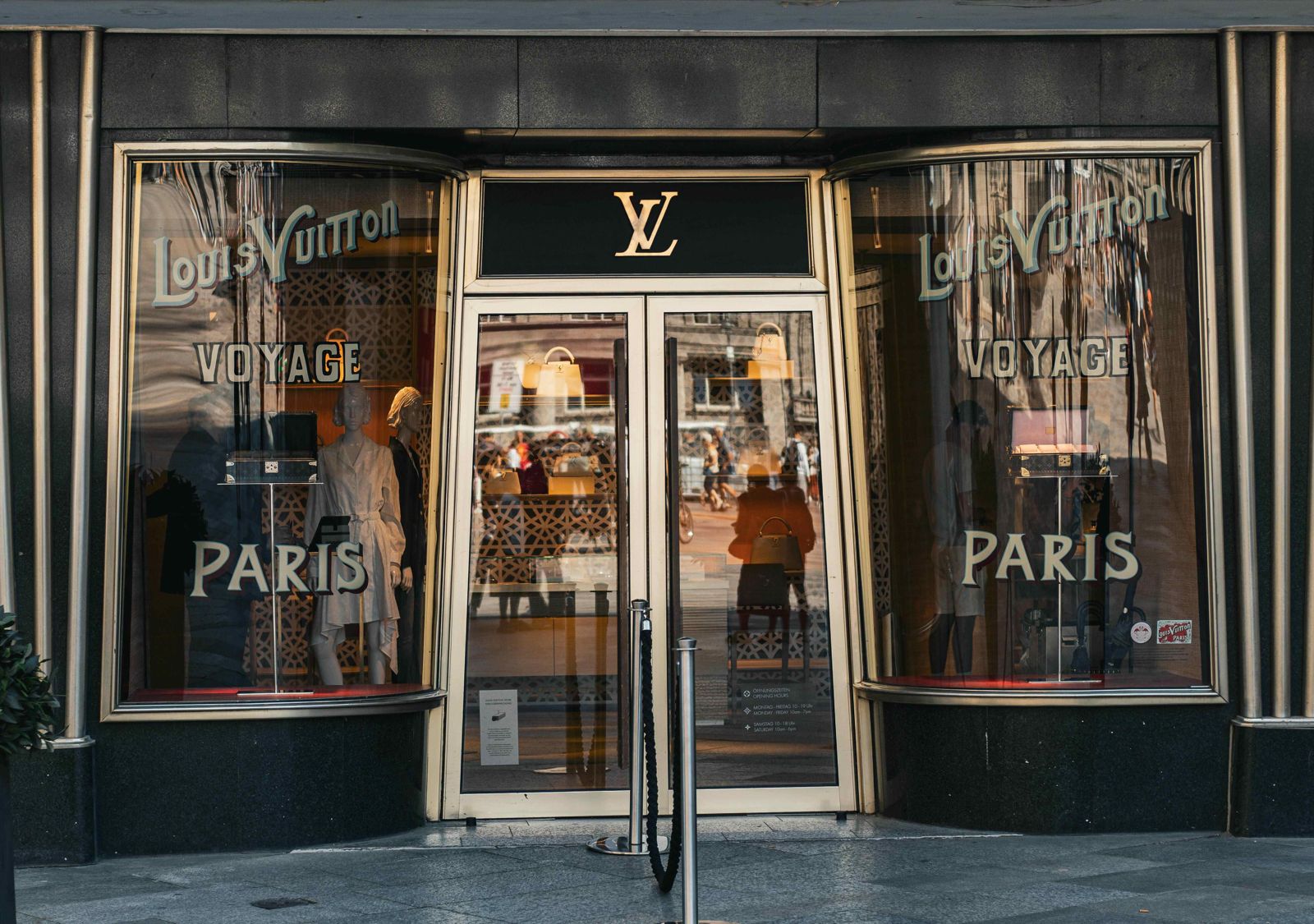 Louis Vuitton is synonymous with fashion. Even if you have no interest or acumen in fashion, LVMH is something you cannot ignore. The story starts with Louis Vuitton leaving home at 13, walking hundreds of miles to Paris and getting a job. He put the LV monogram on luggage, and history was created. Today, Louis Vuitton stands as the most valuable fashion brand in the world, and LVMH remains the world’s leading luxury group, with a portfolio that includes icons such as Givenchy, Dior, Celine, and Kenzo.
Hermès (1837)
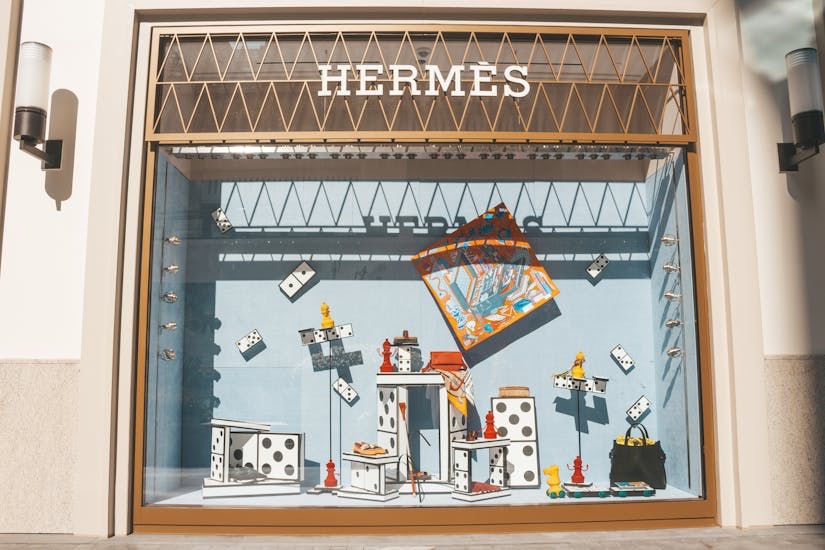
Hermès is the oldest luxury fashion house on earth. But do you know how it started? The story begins when Thierry Hermès, a harness-maker, opened his Paris workshop in 1837 to serve the equestrian elite of Europe. What started as a saddle shop now stands as one of the most valuable luxury houses in the world. Despite a challenging global luxury market, Hermès continues to deliver record revenue, strong margins, and impressive cash generation. It proves one thing clearly: the longer you sustain yourself in the market, the stronger your legacy becomes.