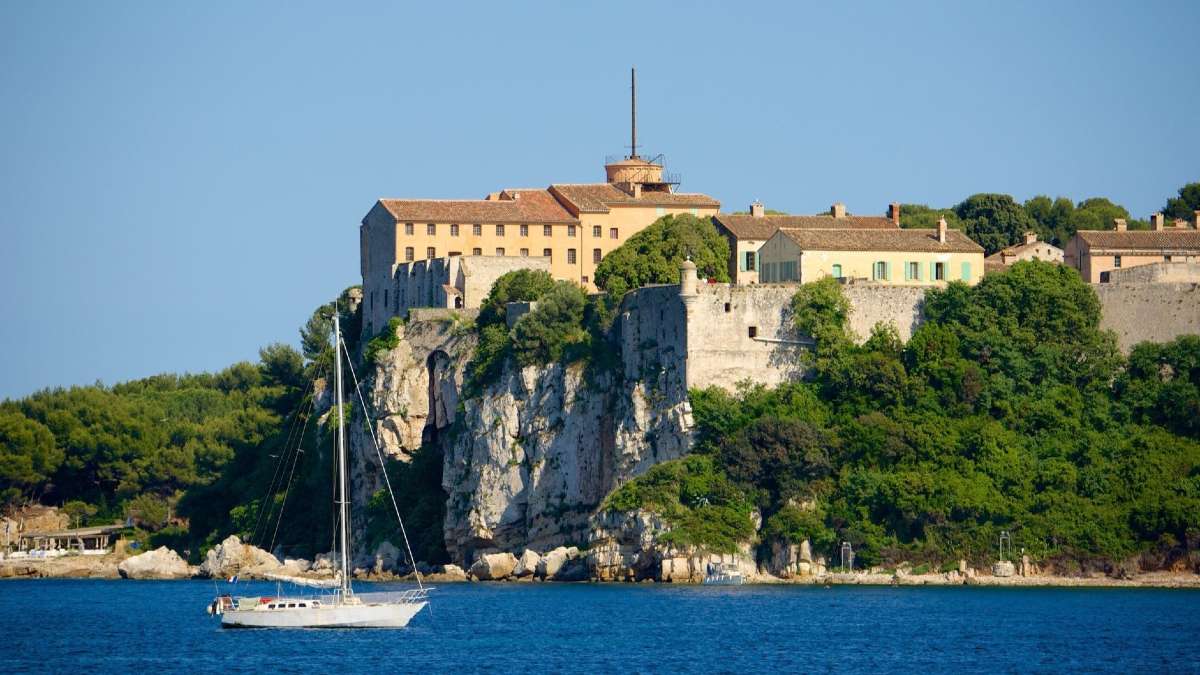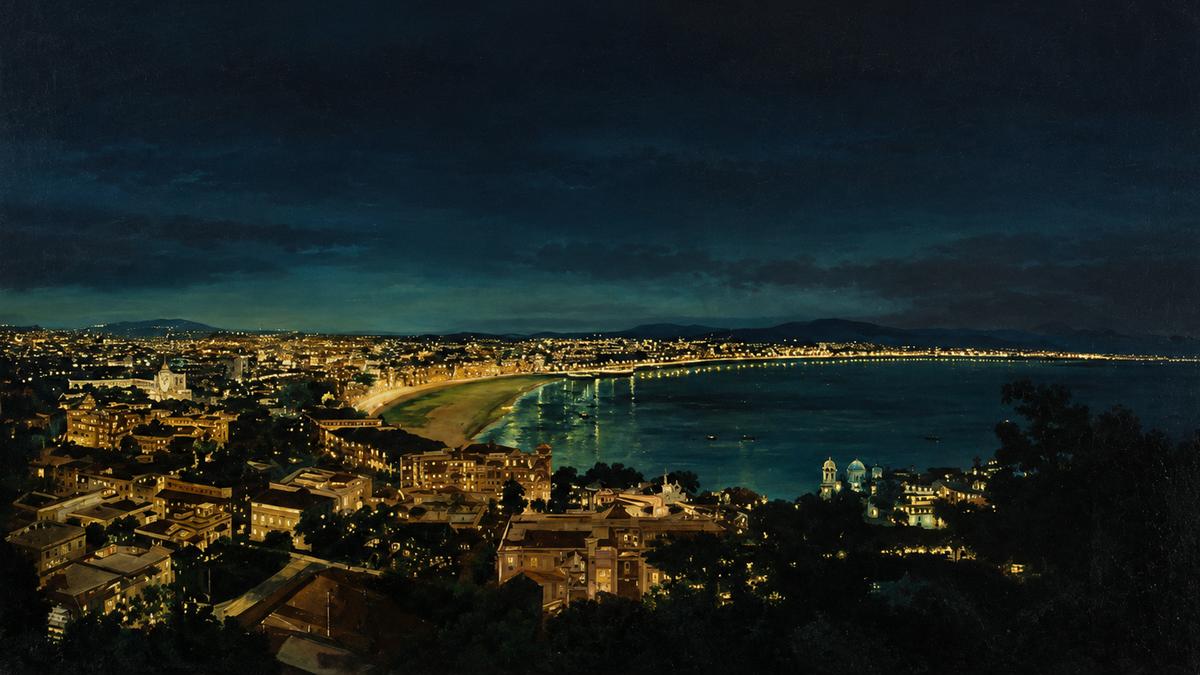
Bombay, now officially known as Mumbai, is one of India’s most fascinating cities. Its journey from a group of small islands to one of the world’s busiest metropolitan cities is a story of constant transformation. Over hundreds of years, the city has been shaped by political decisions, economic growth, migration, architecture, trade, and culture. Today, with a population of over 20 million people, Bombay stands as a symbol of ambition, diversity, and survival.
From Seven Islands to One City
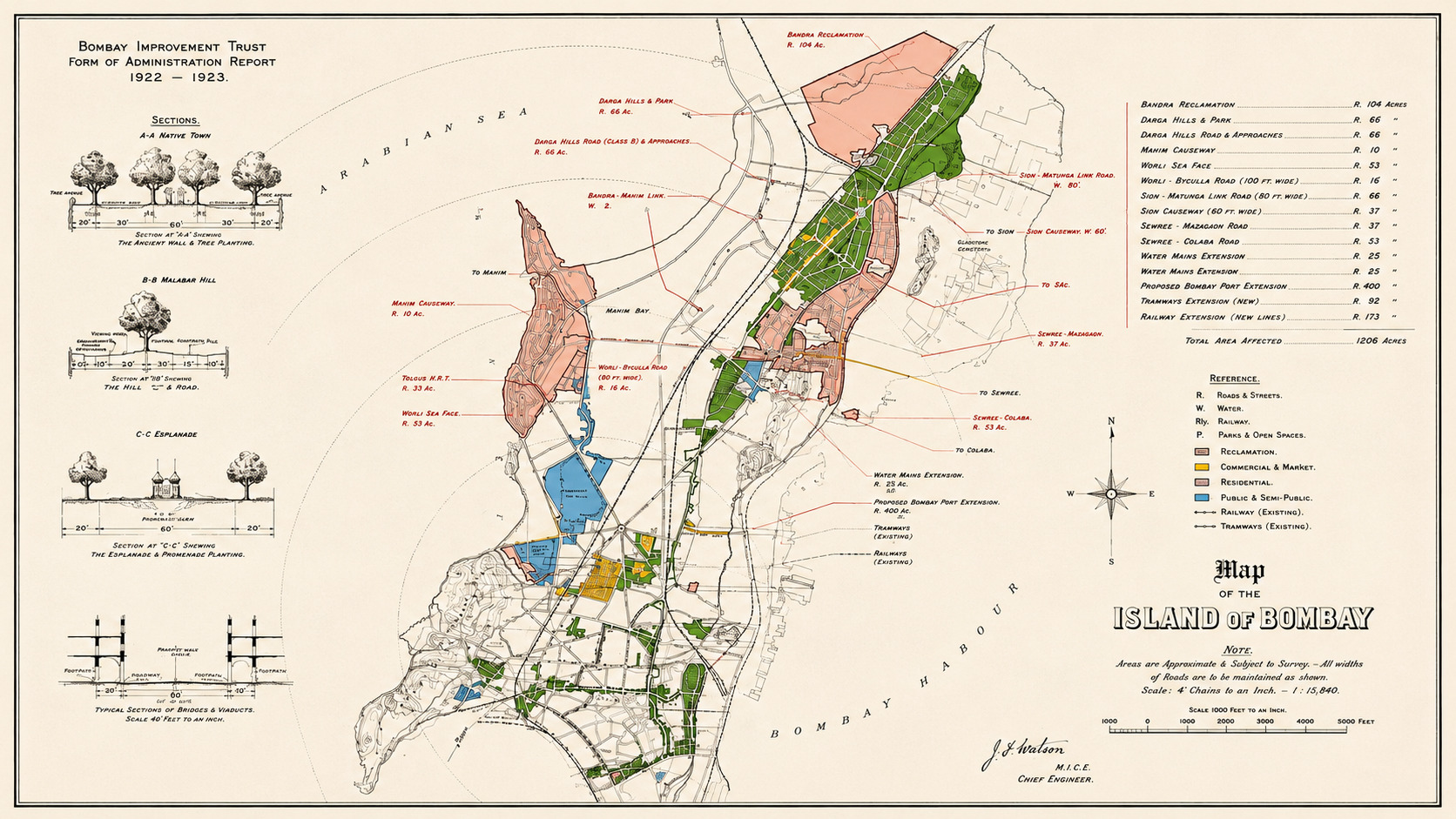
Bombay did not begin as the giant city we know today. It originally consisted of seven separate islands located along India’s western coast. These islands were home to the Koli fishing community, the city’s earliest known inhabitants, whose lives were centred around the sea, fishing, and local trade. As colonial powers arrived, the importance of Bombay’s location became clear. The British recognised the value of the islands because of their natural harbour, which made trade easier and more efficient. During the 1830s and 1840s, major land reclamation projects were carried out to connect the seven separate islands into one large landmass. These engineering efforts were among the most important events in Bombay’s history because they created the physical foundation for the modern city.
Also Read: Beyond the Taj Mahal: 9 Romantic Buildings Around the World
The Colonial Transformation
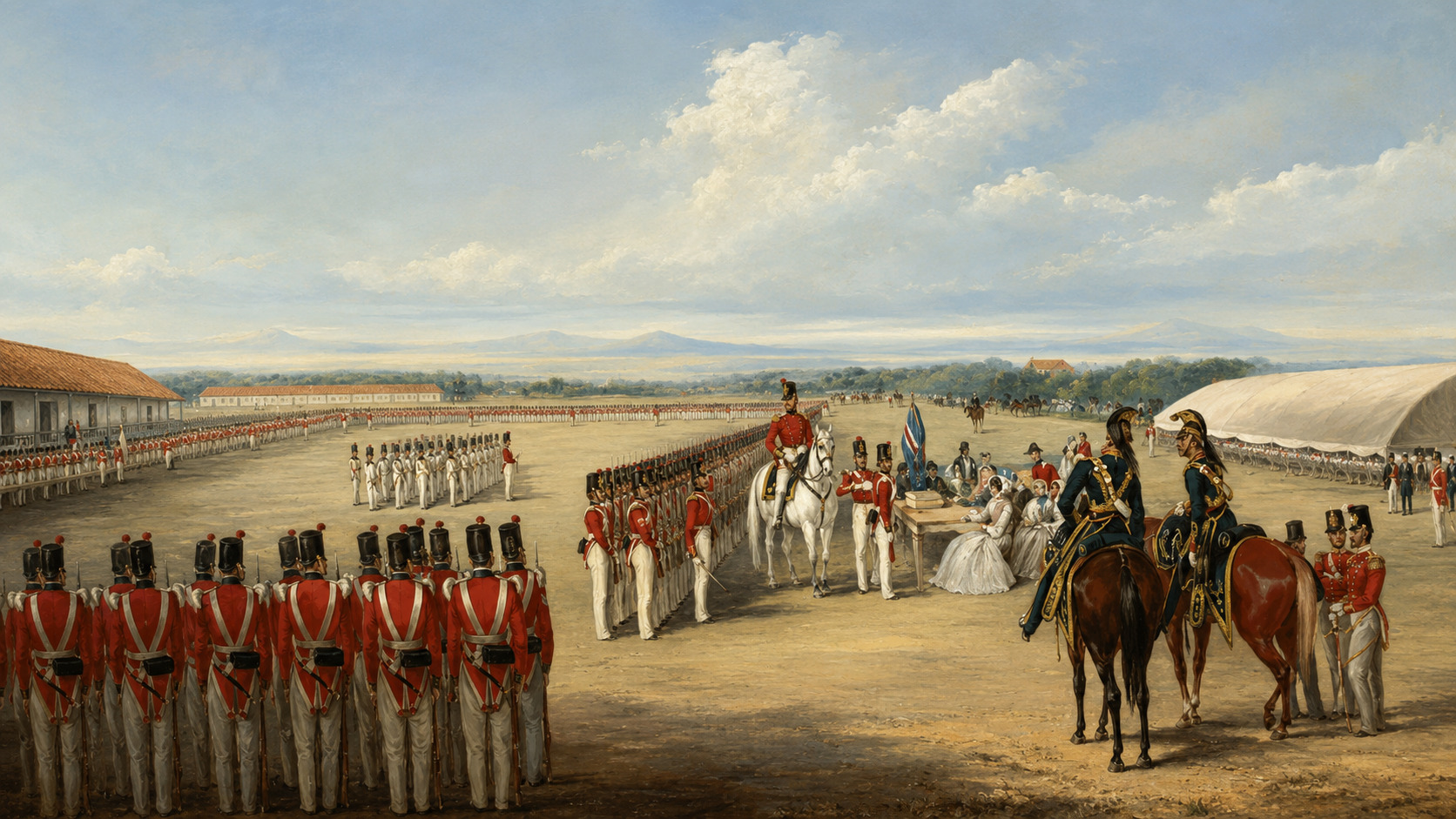
Bombay changed dramatically under British rule. In the 1860s, the old fort walls that had once protected the settlement were demolished, opening up new space for expansion and construction. This marked a major turning point in the city’s development. The British then built grand government offices, railway stations, and public buildings in the Victorian Gothic style, giving Bombay a strong colonial identity that remains visible today in places such as Chhatrapati Shivaji Maharaj Terminus and other heritage structures. Bombay quickly became an important commercial centre of the British Empire. Its port connected India to international markets, helping trade grow rapidly. Cotton exports became especially important, and many wealthy merchants established successful businesses in the city.
Rise of Trade and Industry
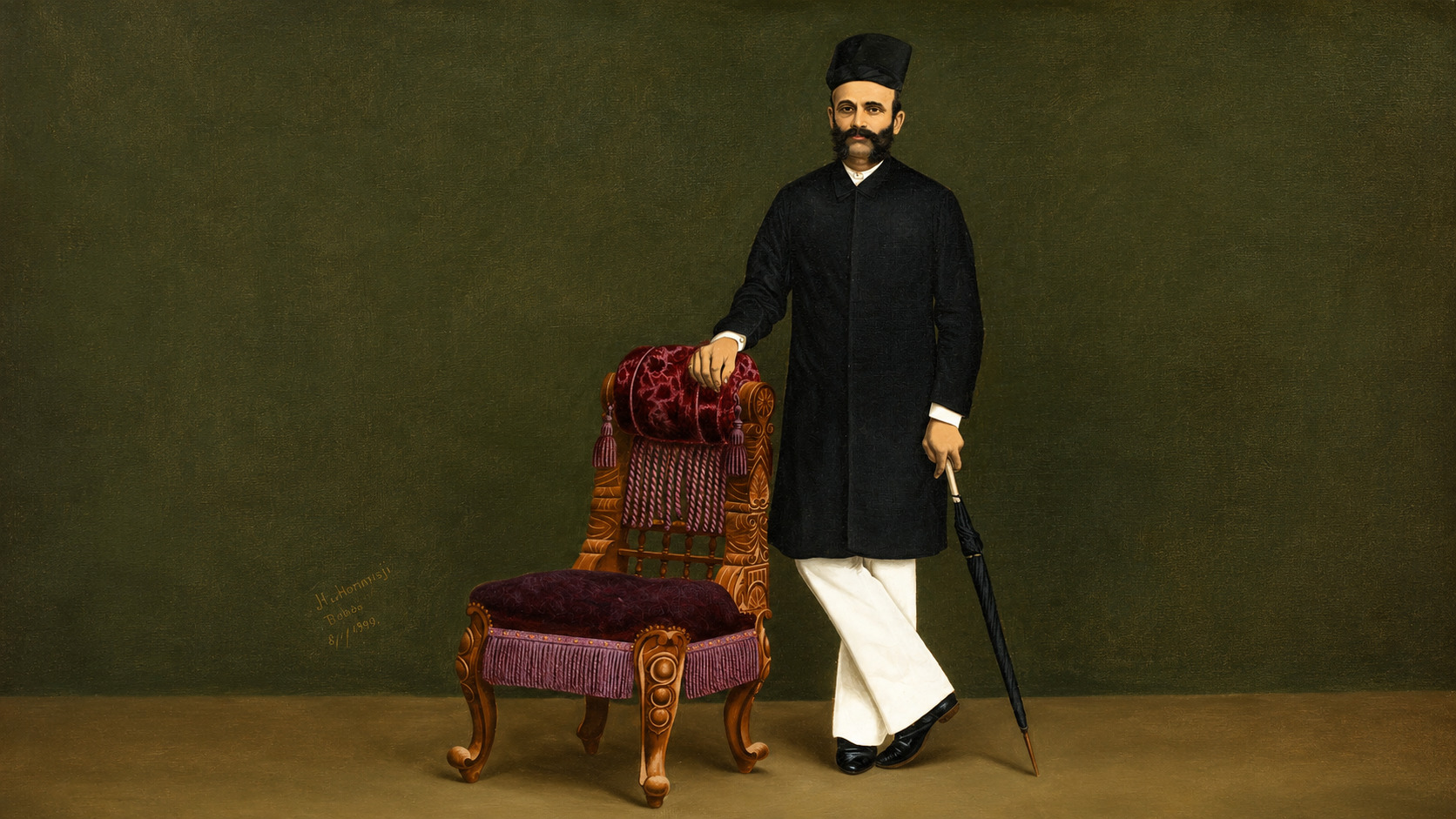
As trade expanded, Bombay developed into a major industrial centre. Textile mills were established across the city, attracting workers from different parts of India. Thousands of migrants arrived in Bombay in search of employment, better wages, and improved living conditions. Industrial growth also changed the city’s social structure. Wealthy business families lived in comfortable neighbourhoods, while factory workers often lived in crowded and difficult conditions. This created the sharp contrast between wealth and poverty that still defines the city today. Communities such as the Parsis played a major role in Bombay’s commercial development. Many Parsi merchants and philanthropists invested in trade, education, hospitals, and public institutions, helping shape the city’s economy and social life.
A New Architectural Identity
Bombay continued to reinvent itself during the early 20th century. During the 1920s and 1930s, Marine Drive was developed along with its famous Art Deco buildings. This gave the city a fresh and modern appearance that was very different from the earlier colonial Gothic architecture. The Art Deco skyline reflected Bombay’s growing confidence as a modern urban centre. It became a place where business, fashion, entertainment, and city life flourished. Even today, Marine Drive remains one of the most iconic and recognisable parts of Mumbai.
The City of Cinema
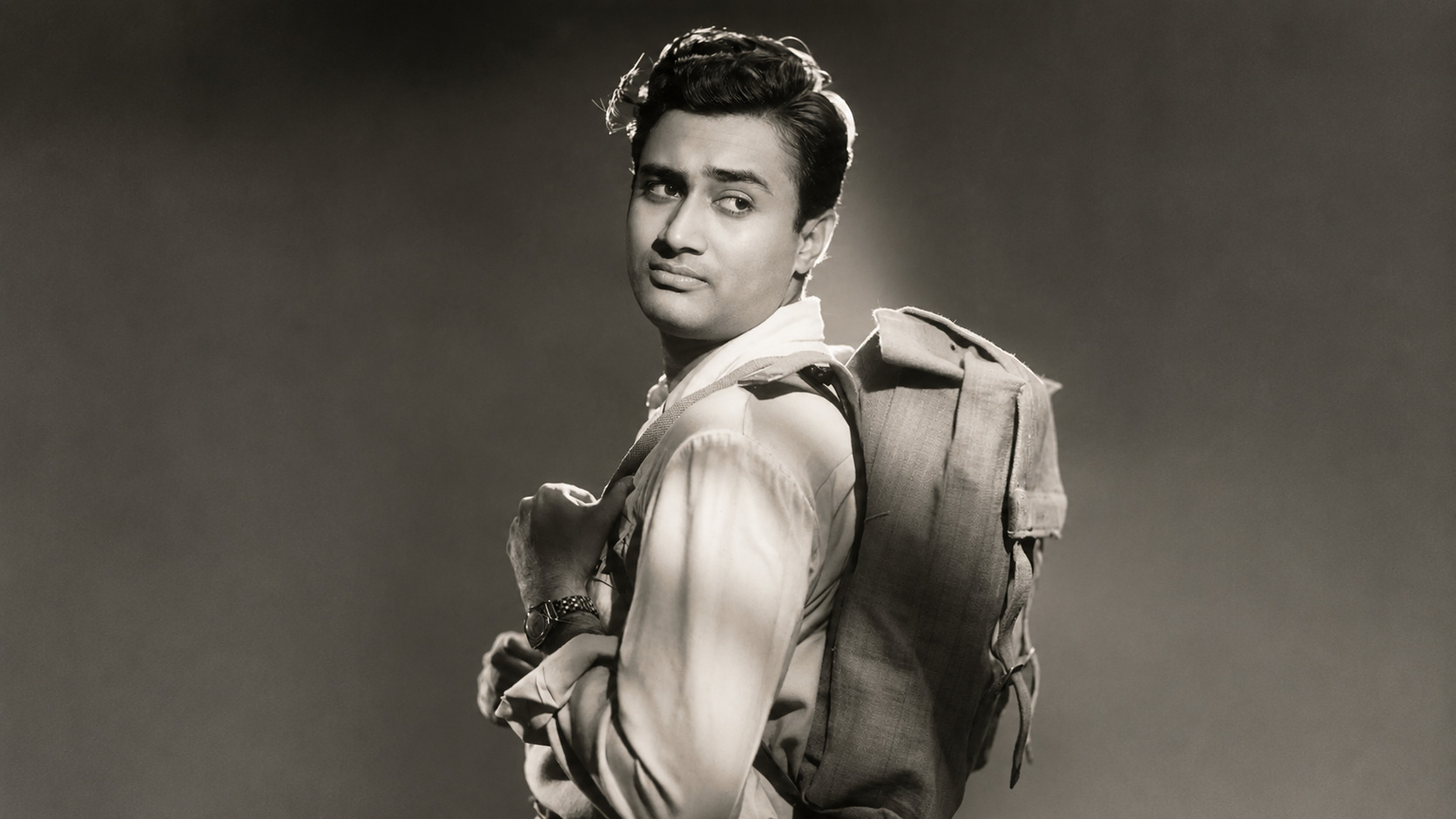
Bombay became closely linked with Indian cinema and eventually became the birthplace of Bollywood, India’s Hindi film industry, which grew into one of the largest film industries in the world. Cinema became a major part of everyday life in Bombay. Film posters covered city walls, theatres attracted huge crowds, and movie stars became household names. Photographers like JH Thakkar helped create glamorous public images of famous actors such as Raj Kapoor, Nargis, Dev Anand, Meena Kumari, and Dilip Kumar. Bombay’s streets reflected the dreams, glamour, and stories created by cinema. The city did not simply host films; it lived cinema in its daily life.
A City of Contrasts
One of Bombay’s most striking features has always been its contradictions. Luxury skyscrapers stand beside informal settlements, while expensive shopping malls exist close to overcrowded working-class neighbourhoods. Historic colonial buildings share space with modern glass towers, showing the city’s mix of old and new. The city is both chaotic and calm at the same time. Its roads are crowded, noisy, and full of activity, yet the sea surrounding the city often provides moments of peace and quiet. Bombay is both ancient and modern, with old caves, industrial factories, research centres, and modern business districts all existing together. This complexity makes every person experience the city in a different way.
The People Who Built Bombay
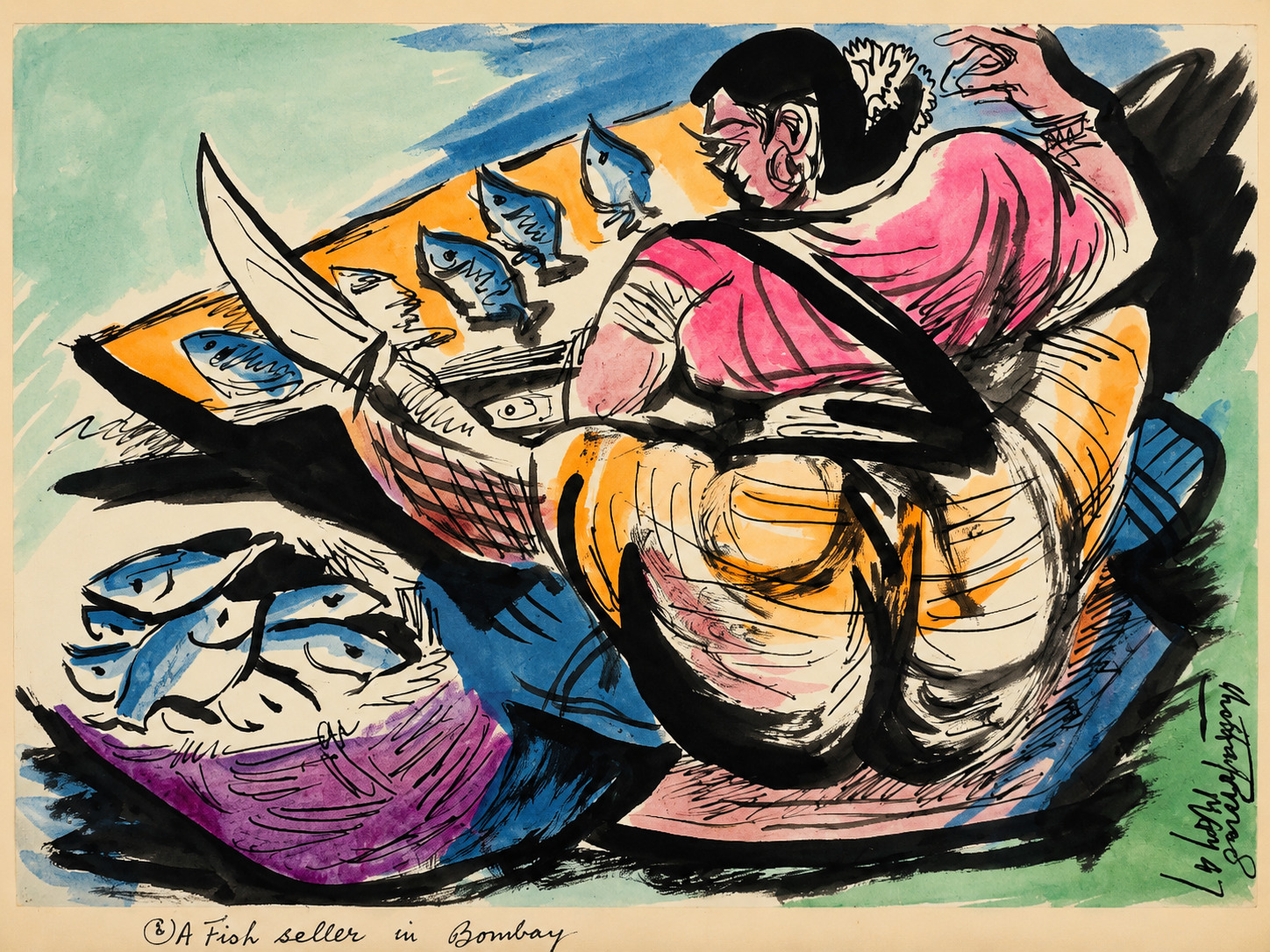
Buildings alone do not define a city; people do. Bombay’s growth has been shaped by fishermen, merchants, labourers, migrants, artists, industrialists, and dreamers. People from different religions, languages, and social backgrounds came to the city and made it their home. Bombay has always attracted people searching for opportunity and a better future. For some, the city offered success, wealth, and fame. For others, it meant struggle, hard work, and survival. Artists like Chittaprosad captured the lives of ordinary workers, showing that Bombay’s story is not only about glamour and success but also about hardship, inequality, and social struggle.
Also Read: 18 Amazing Buildings Designed by Women Architects
Modern Development and Changing Identity
Since the 2000s, Mumbai has focused heavily on infrastructure development. Major projects such as sea links, coastal roads, flyovers, and transport systems have changed the city’s physical shape and movement. These developments aim to improve urban life and transport efficiency, but they have also raised concerns about heritage preservation, displacement of communities, and environmental damage. In the mid-1990s, the city’s official name changed from Bombay to Mumbai. This change was made to move away from colonial influence and recognise the city’s Marathi cultural identity. However, many people still continue to use both names. For some, “Bombay” represents history, memory, and nostalgia, while “Mumbai” reflects regional pride and modern identity.
Bombay: A City That Never Stops Changing
Bombay’s story is one of endless reinvention. From fishing villages to a colonial trade centre, from a textile powerhouse to the home of Indian cinema, and from a historic port city to a modern megacity, Bombay has constantly evolved. Its identity cannot be explained in one simple way because it means different things to different people depending on their experiences and memories. What remains constant is the city’s energy, ambition, and ability to transform itself with time. Bombay is not just a city; it is a living story of change.