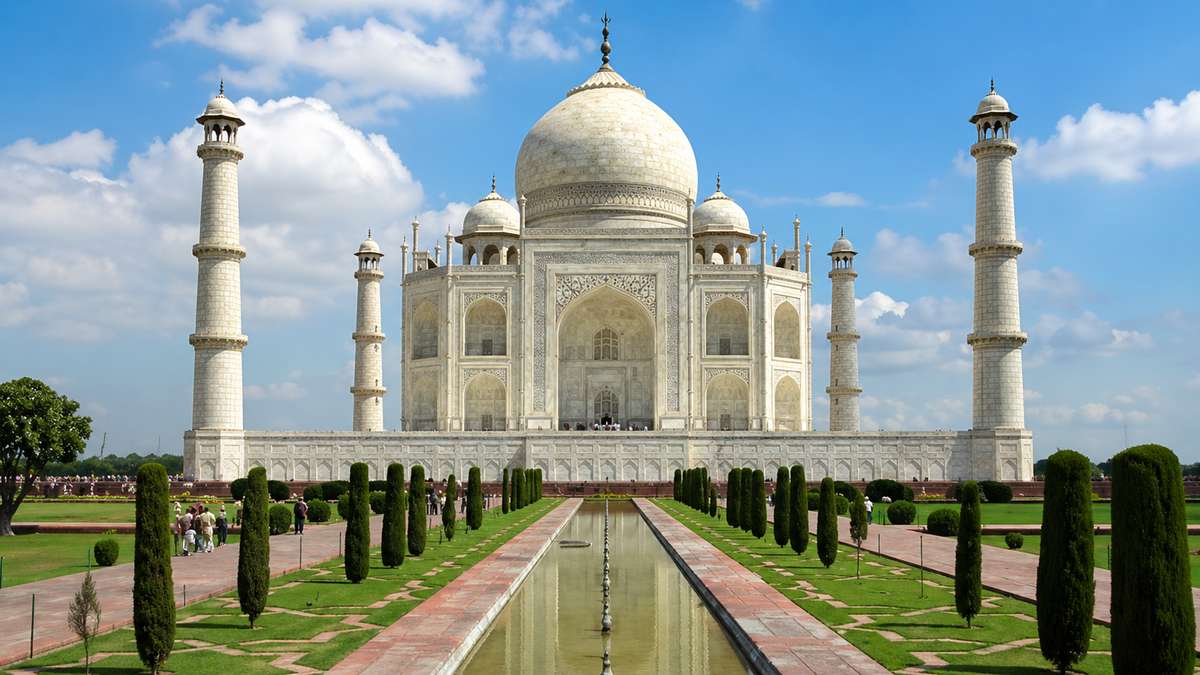
The Taj Mahal is one of the world’s most famous symbols of love, but it is not the only one. Across the world, many buildings tell stories of love in different ways, as some are about romance, some are about memory, and some mix love with power. While the Taj Mahal is often seen as the greatest example of love in architecture, there are many other places that are quieter but just as meaningful. Not every monument to love is made of shining white marble, as some are carved into deserts, while others stand in cities, by rivers, or on hills. For centuries, rulers, poets, and dreamers have shown their feelings through buildings made of stone, plaster, and decorated ceilings, and sometimes these were built for loved ones, while at other times they were also a way to show status or power. From ancient times to more recent history, these places carry stories of longing that can be romantic, spiritual, or even unfinished.
Also Read: Inside A. R. Rahman’s Sonorium: The World’s Largest Sound-Healing Dome
Qasr al-Bint, Petra, Jordan
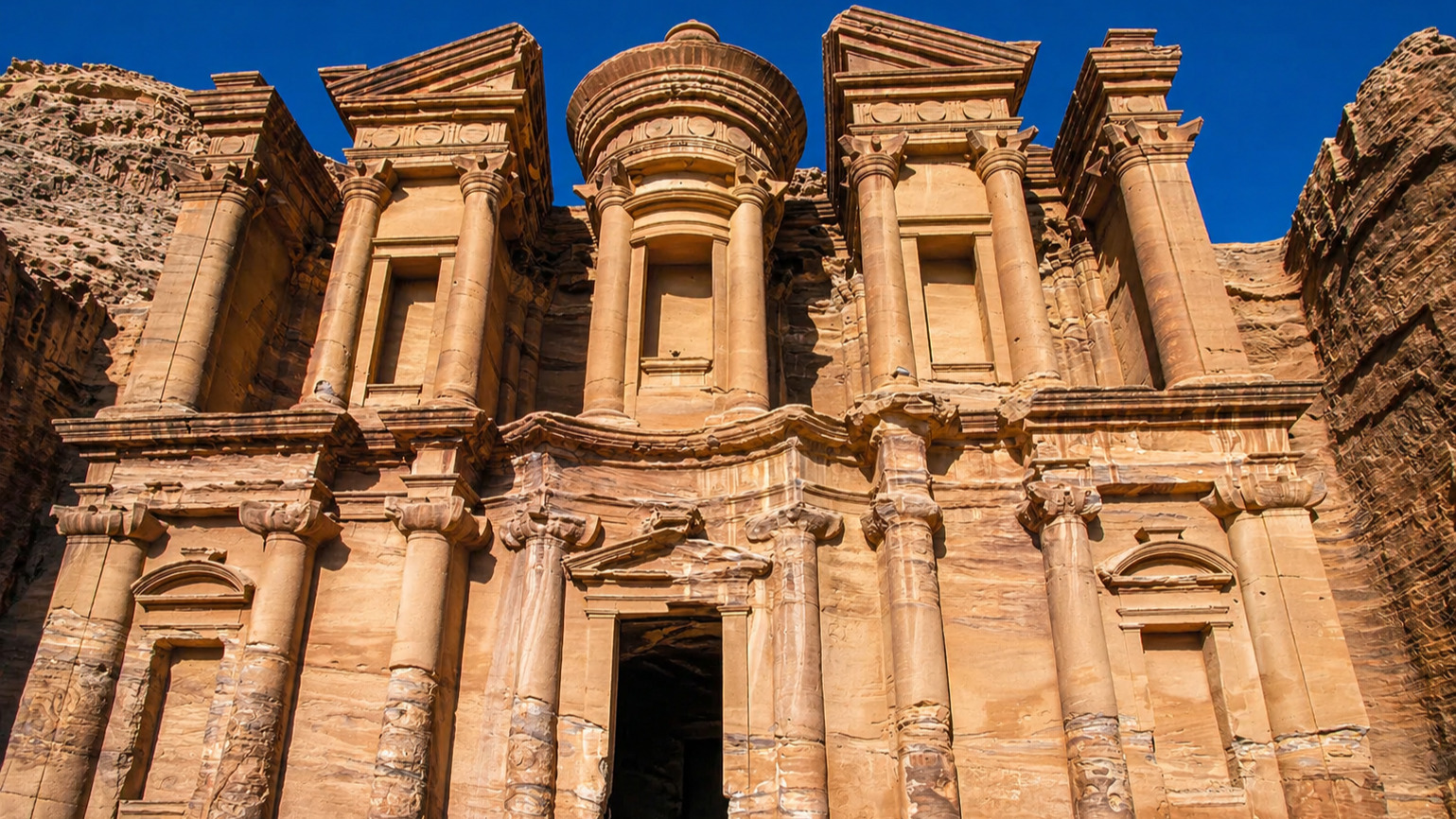
In the ancient city of Petra, Qasr al-Bint is one of the most important temples that still survives today, and it was built around the 1st century BCE, where it stood at the religious center of the Nabataean city. Although it was not originally built as a symbol of love, a local Bedouin legend gives it a romantic meaning, as according to the story, a princess lived there and promised to marry any man who could bring running water to her high palace. This story adds a human and emotional layer to the temple, turning it into a place connected with love, effort, and imagination.
Alhambra (Palace of the Lions), Granada, Spain
The Alhambra in Granada is a well-known palace complex, and inside it, the Palace of the Lions is especially important, as it was built in the 14th century during the rule of Sultan Muhammad V. Some traditions say that parts of this palace were called Dar ‘Aisha and may have been named after a favourite companion, which links the space to ideas of royal love. The palace shows the last period of greatness of Nasrid Granada, and at its center is a marble fountain supported by twelve carved lions, while around it, narrow water channels divide the courtyard in a balanced and planned way, creating a calm and ordered space.
Montaza Palace, Alexandria, Egypt
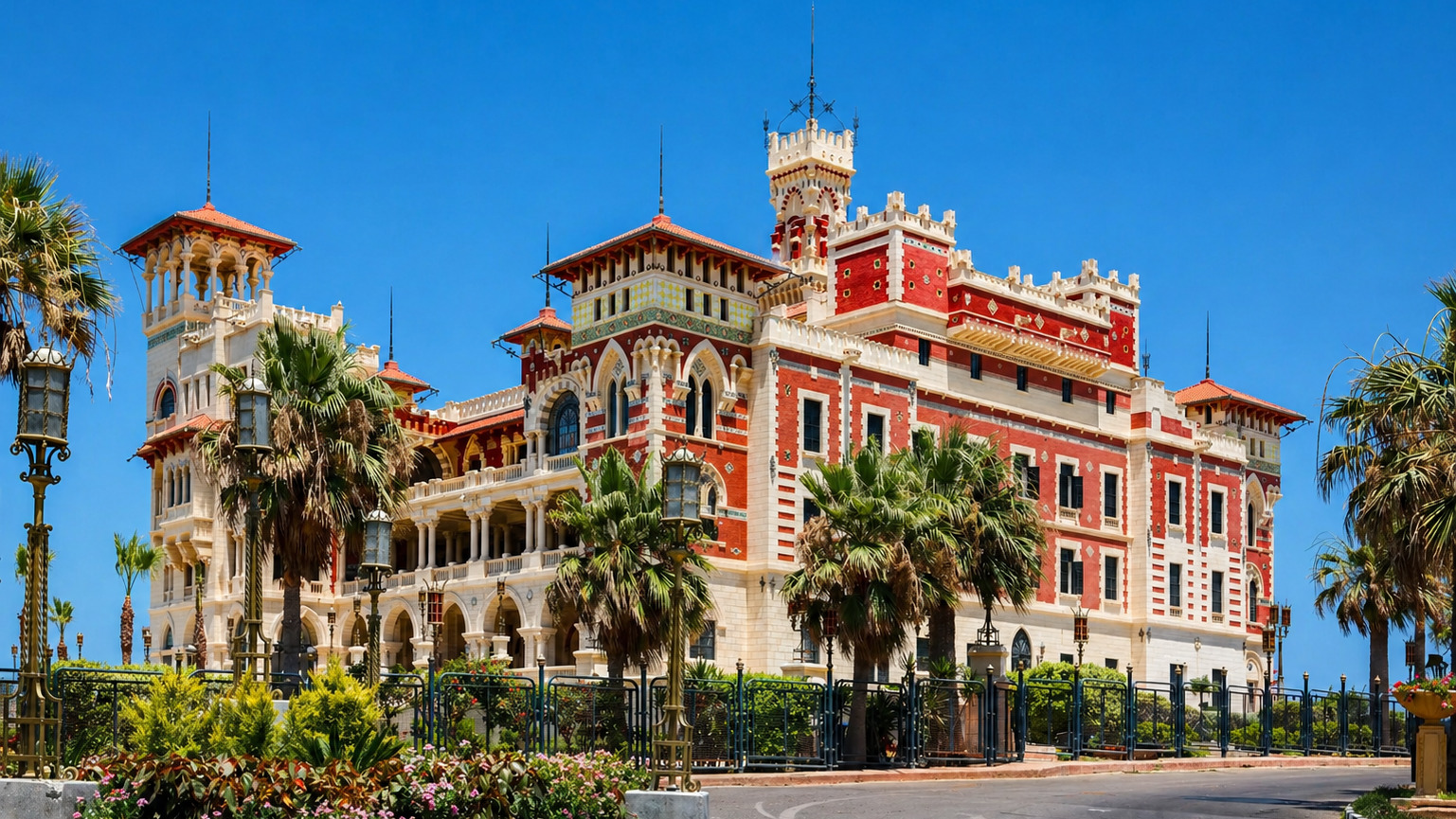
The Montaza Palace in Alexandria was first built in 1892 by Khedive Abbas II as a royal retreat, and it later became closely linked to King Farouk, the last king of Egypt. In 1951, the palace became the setting for Farouk’s quick romance and marriage to his second wife, Narriman Sadek, and the palace, which is located by the Mediterranean Sea, combines Ottoman and Florentine design styles. For a short time, the marriage brought back a sense of glamour to the monarchy, but within a year, a revolution ended both the marriage and the monarchy, which gives the story a tragic ending.
Tomb of Hafez, Shiraz, Iran
In Shiraz, the Tomb of Hafez is not about one single love story, but about the poet Hafez, who lived in the 14th century and wrote openly about love, desire, and devotion, and his work had a strong influence on Persian literature. The current tomb structure was rebuilt in 1935, and it has an open design with a pavilion and a dome covered in mosaic tiles. Even today, people visit the site to read his poems and look for guidance in matters of the heart.
Juliet’s House (Casa di Giulietta), Verona, Italy
In Verona, Juliet’s House is one of the most famous places linked to romantic love, even though the story behind it is fictional, and it is based on the tragic love story written by William Shakespeare. The building was officially named as Juliet’s home in the early 20th century by local authorities, and it is a medieval building that has become a popular stop for visitors who are interested in love stories, especially the idea of young love that ends in tragedy.
Boldt Castle, Thousand Islands, New York, United States
Boldt Castle began as a grand and personal gift, as in 1900, hotel owner George C. Boldt started building the castle on Heart Island as a Valentine’s present for his wife, Louise. The castle was designed with towers, large halls, and beautiful terraces, and it was meant to be a private summer home. However, in 1904, Louise died suddenly, and after her death, Boldt ordered all construction to stop immediately. The castle remained unfinished and empty for more than seventy years, turning what was meant to be a symbol of love into a reminder of loss.
Also Read: 18 Amazing Buildings Designed by Women Architects
Pena Palace, Sintra, Portugal
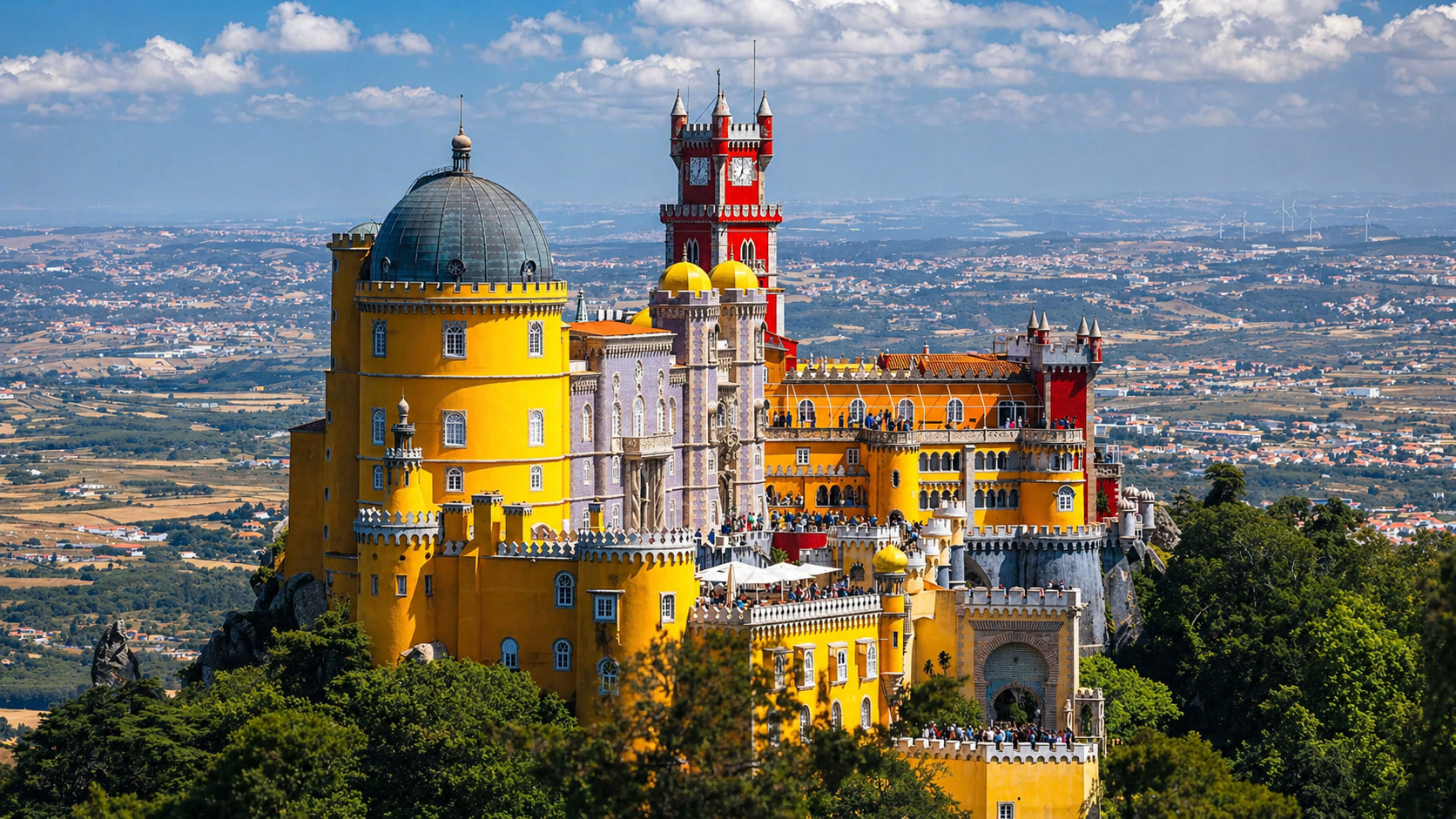
In Sintra, the Pena Palace was built in the 19th century by King Ferdinand II after his marriage to Queen Maria II, and instead of turning a ruined monastery into a fortress, he chose to create a beautiful hilltop retreat. The palace combines different styles, including Gothic, Moorish, and Manueline, and its red and yellow colors make it stand out and give it a lively, dream-like appearance, which can be seen as a joyful expression of love through architecture.
Château de Chenonceau, Loire Valley, France
The Château de Chenonceau in France has a story that mixes love and rivalry, as in the 16th century, King Henry II gave the castle to his companion Diane de Poitiers, who improved its gardens and built a graceful bridge over the River Cher. After the king’s death, his wife, Catherine de’ Medici, took back the castle, and she later enclosed the bridge to form the large gallery that is seen today. Although the castle looks calm and beautiful, its history is shaped by strong personal relationships and competition.
Kōdai-ji, Kyoto, Japan
In Kyoto, Kōdai-ji represents a quiet and lasting kind of love, as it was founded in 1606 by Kita-no-Mandokoro in memory of her husband, the warlord Toyotomi Hideyoshi. Instead of building a grand tomb, she created a Zen temple complex, and the design focuses on simplicity and peace, while inside there are lacquered surfaces with gold leaf, carefully arranged gardens, and traditional teahouses. The temple shows love through memory, respect, and calm reflection rather than display.