When people talk about food, they usually focus on recipes, cooking tips, healthy eating, or the best places to eat. They may also share interesting facts about different cuisines or the history of popular dishes. While these topics are important, they do not explain the bigger picture of how food shapes our lives. This is where the idea of foodways comes in.
Foodways describe the many ways food connects with culture, family, history, traditions, and everyday life. They help explain why people eat certain foods, celebrate with special meals, and pass recipes from one generation to the next. Foodways are more than just what we eat. They tell the story of who we are and where we come from.
What Are Foodways?
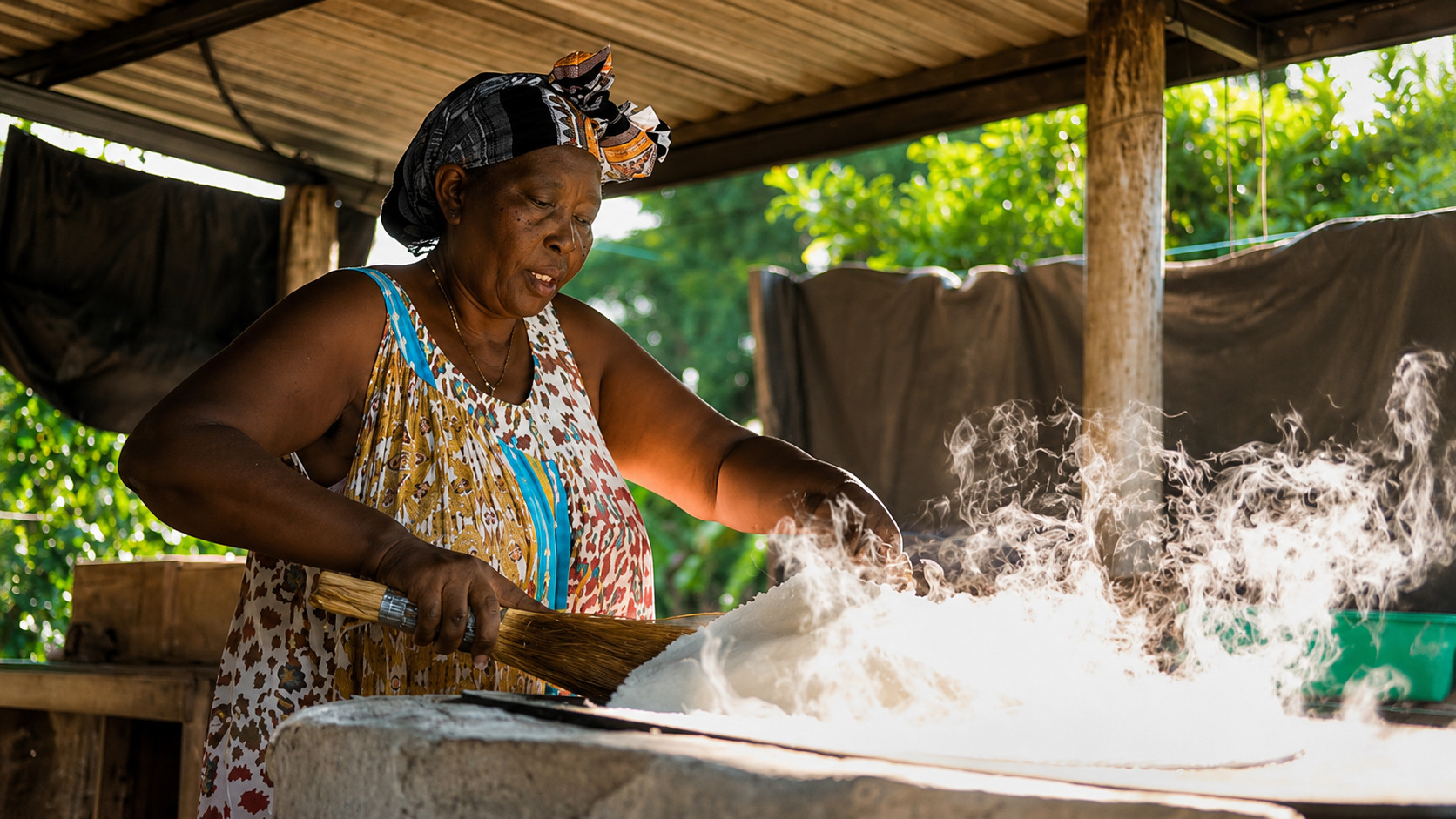
Foodways are the traditions, customs, and everyday habits related to food within a community, culture, or region. They include everything from growing and preparing food to cooking, sharing meals, and celebrating special occasions with traditional dishes. Foodways are often shaped by the place where people live or where they grew up. Childhood memories, family recipes, and local traditions all become part of a person's foodways. Over time, these experiences influence the foods people enjoy and the way they prepare and share meals.
Foodways are also influenced by culture and heritage. Many communities have food traditions that have been passed down for generations. For example, Native American communities have long fishing and hunting traditions. Religious groups may follow specific dietary rules during holidays or throughout the year. Immigrant families often preserve recipes and cooking methods from their home countries, helping keep African, Indian, Cuban, Mexican, Italian, Chinese, and many other food traditions alive.
Different regions also develop their own foodways based on local history and available ingredients. For example, the Pacific Northwest is known for seafood and Asian-inspired cuisine, the American South is famous for comfort food and family-style cooking, California has a long tradition of wine-making and fresh farm produce, and Louisiana is well known for Cajun and Creole cooking. These regional traditions continue to shape the eating habits of the people who live there.
Also Read: 12 American Food Trends That Changed How We Eat Today
What Makes Up Foodways?
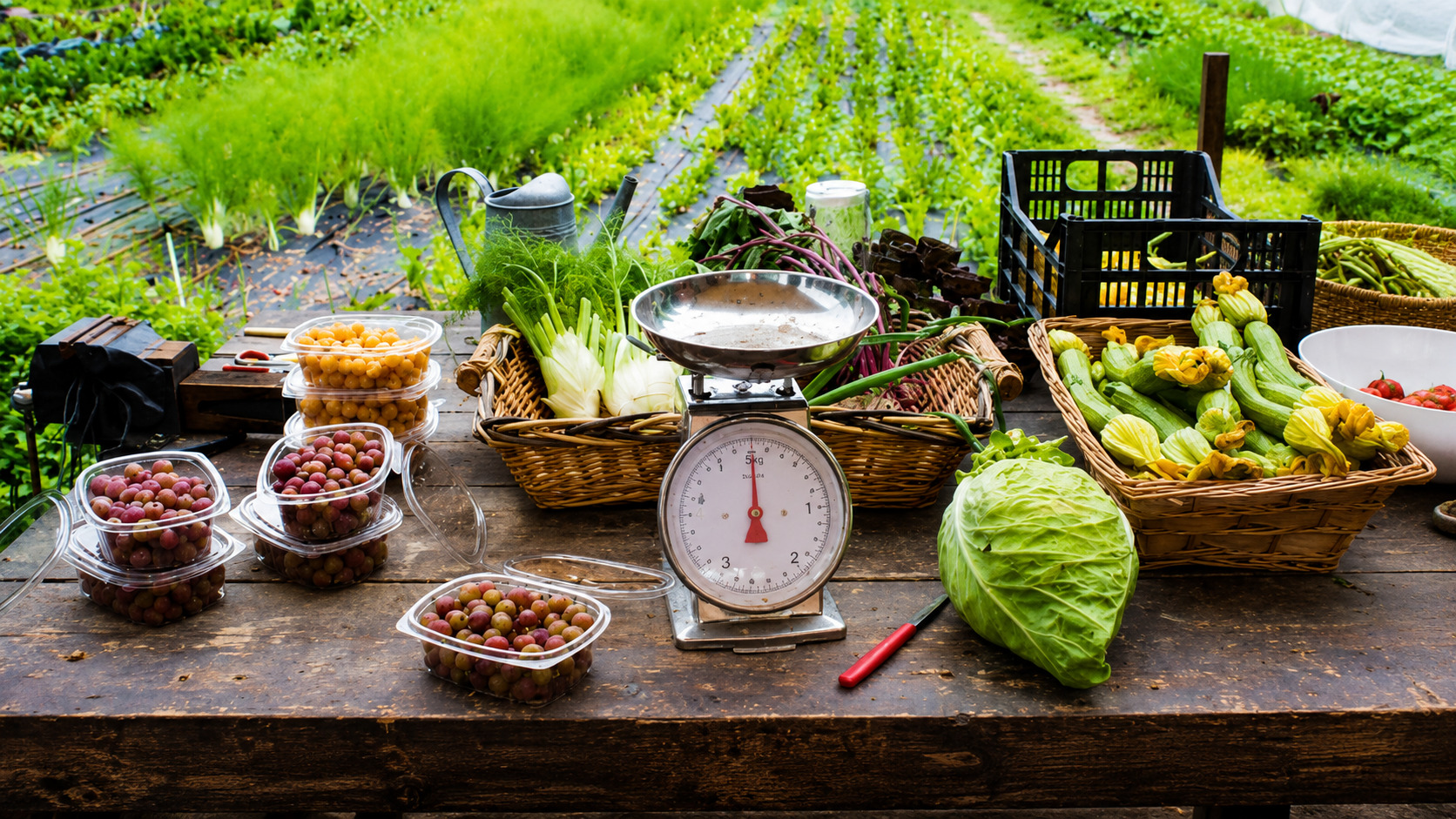
Foodways include many different parts of everyday life. They are not limited to recipes or cooking techniques. Instead, they cover the entire journey of food from the farm to the dining table.
They include family recipes passed down through generations, traditional cooking methods, local ingredients and seasonal foods, farming and fishing practices, holiday meals and celebrations, religious food traditions, community gatherings centered around food, dining customs and table manners, food preservation techniques, and the stories and memories connected to meals. Together, all of these elements create the unique food identity of a family, community, or region.
How Geography Shapes Foodways
Where people live has a major influence on what they eat. Communities located near rivers, lakes, or oceans often include seafood as an important part of their diets, while farming communities rely on crops that grow well in their local climate. Mountain regions may develop different food traditions than coastal areas because different ingredients are available.
Climate also affects foodways, as fruits, vegetables, grains, and livestock vary from one region to another. As a result, local ingredients become part of traditional recipes that are often enjoyed for generations. Over time, these regional differences create unique food cultures around the world.
How Family Traditions Shape Our Eating Habits
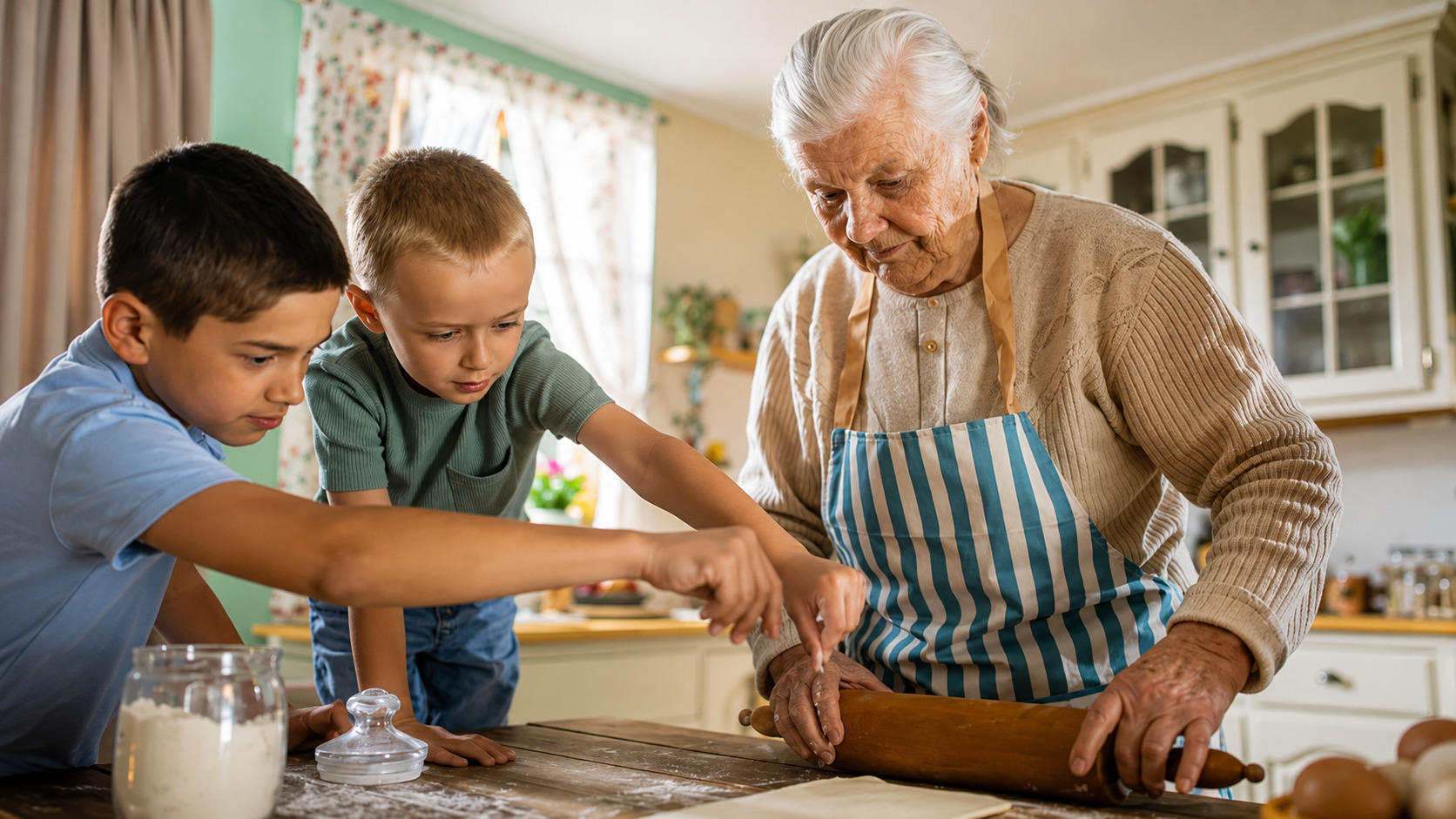
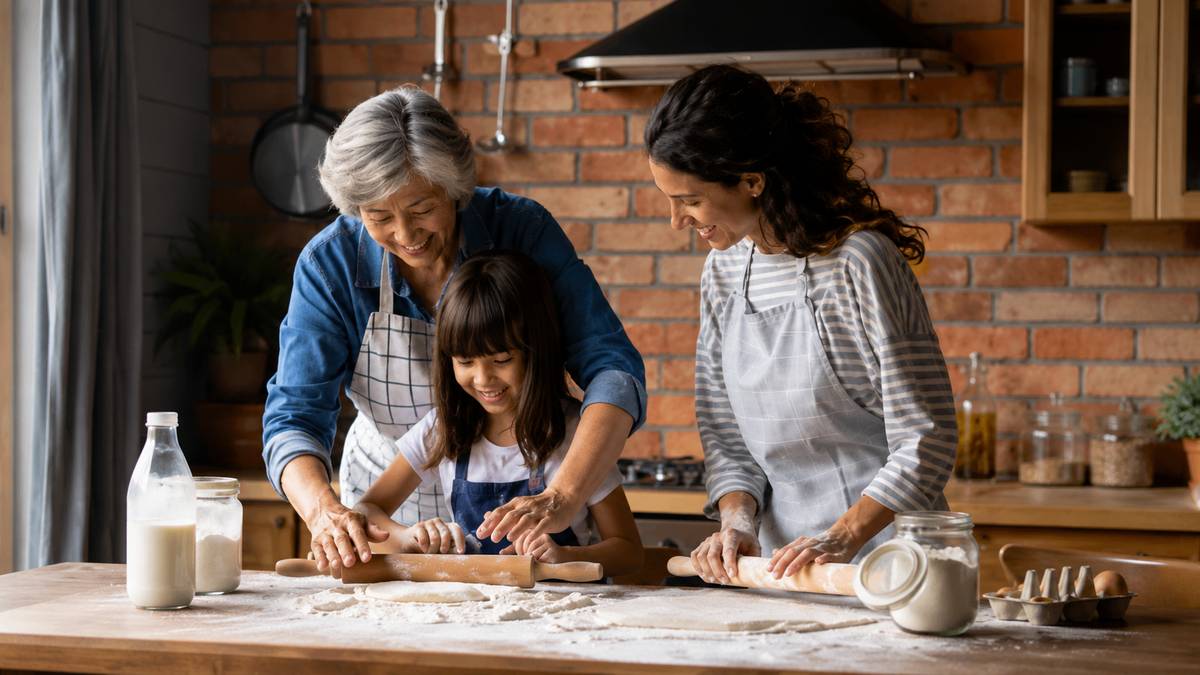
Many of our favorite foods are connected to childhood memories. Perhaps you remember helping your grandmother bake bread, making holiday cookies with your parents, grilling burgers during family gatherings, or preparing traditional meals during festivals. These simple moments often become lasting memories. Community events also play an important role in shaping foodways.
Friday-night fish fries, neighborhood barbecues, church potlucks, harvest festivals, birthday dinners, weddings, and holiday celebrations all strengthen food traditions. As people grow older, they often continue preparing the same dishes they enjoyed as children. These familiar meals provide comfort and help preserve family traditions.
Foodways Connect Us to History
Foodways help preserve history in a very personal way. Every traditional recipe tells a story. Some recipes were created because certain ingredients were easily available, while others developed because families adapted to difficult times or celebrated important events with special meals. Cookbooks often help preserve these traditions.
Older family cookbooks sometimes include handwritten notes, cooking tips, or stories about the people who created the recipes. These details make each recipe more meaningful and allow future generations to better understand their family's history. As recipes are shared and adapted over time, foodways continue to evolve while still preserving their cultural roots.
Also Read: How Can I Improve My Relationship with Food
How Foodways Change Over Time
Although foodways are based on tradition, they are not fixed. They continue to change as societies grow and cultures interact. Immigration introduces new ingredients and cooking styles, modern technology changes the way people prepare and store food, and global trade makes international ingredients available almost everywhere.
People also create healthier versions of traditional recipes while keeping familiar flavors. Because of these changes, foodways continue to grow while still reflecting the traditions of earlier generations.
Organizations That Study Foodways
Many organizations work to preserve and study food traditions. One example is the Southern Foodways Alliance, which documents the food culture of the American South.
The organization produces a podcast called "Gravy," where historians, chefs, writers, and community members share stories about food traditions, immigration, changing recipes, and regional culture.
Their work helps show how food reflects history, culture, and everyday life while documenting the people behind these traditions.
Why Foodways Matter
Foodways are much more than recipes or favorite meals. They help people understand their identity, culture, and family history while preserving traditions, strengthening communities, and connecting generations through shared meals and stories. Every family has its own foodways, whether it is a holiday recipe that has been passed down for decades, a weekly family dinner, or a special dish prepared for celebrations.
These traditions remind us that food is not only about nutrition. It is also about memories, relationships, and cultural identity. Understanding foodways helps us appreciate the rich history behind the meals we eat every day. It also encourages us to preserve family traditions while welcoming new influences that keep our food culture alive for future generations.