American food has never stayed the same. Over the past 250 years, the country's food culture has changed with every generation. New inventions, immigration, changing lifestyles, and even difficult times have all shaped what Americans eat. Some foods became popular because they were cheap and easy to make, while others became trends thanks to clever marketing or changing tastes. No matter the reason, each trend has left a lasting mark on American kitchens, restaurants, and grocery stores.
The story of American food is much bigger than a single list, but some food trends stand out because they changed eating habits across the nation. These trends spread in different ways. Some became popular through word of mouth, others through newspapers, magazines, television, and today, social media. Together, they tell the story of how American food has grown from simple local meals into one of the world's most diverse cuisines.
1830s: Oysters
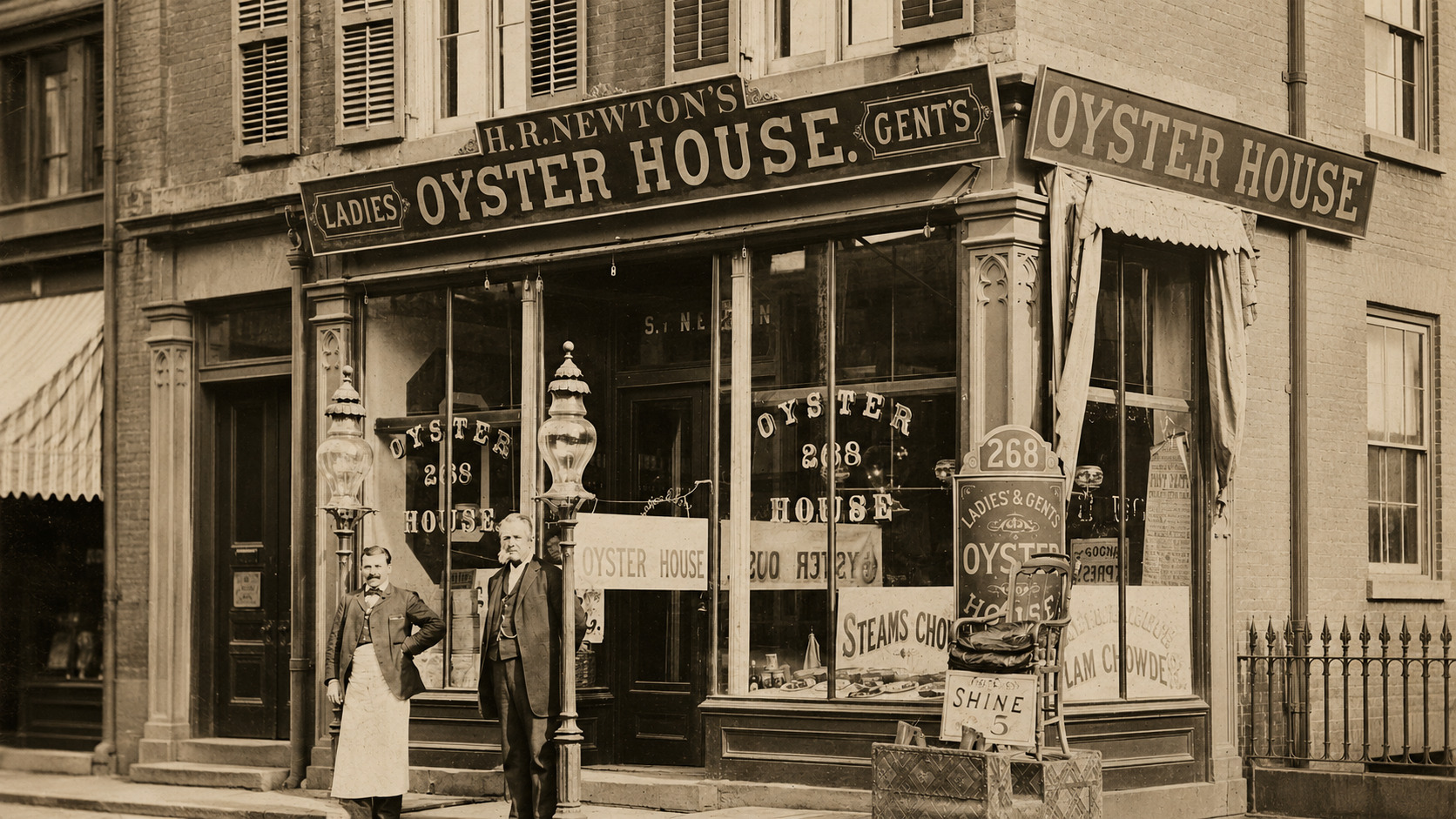
Today, oysters are often seen as an expensive seafood served at fine restaurants, but that was not always the case. During the early 1800s, oysters were one of America's most common street foods. They were plentiful along the East Coast and provided an inexpensive source of protein for people from all walks of life. Black and Indigenous oyster farmers played a major role in building the oyster industry by harvesting and selling fresh oysters in growing cities.
The person who helped change oysters from an everyday food into a luxury dining experience was Thomas Downing. After moving to New York City in 1819, Downing opened his famous oyster house in what is now Manhattan's Financial District. Unlike busy street vendors, his restaurant offered elegant service and a refined atmosphere that attracted wealthy customers.
Downing's oyster house quickly became one of the city's most respected restaurants. Politicians, business leaders, famous writers like Charles Dickens, and even Queen Victoria were among the people connected with his establishment. As oysters became more fashionable, demand grew rapidly. Within just a few years, New Yorkers were spending millions of dollars on oysters every year, helping transform them into one of America's first luxury seafood items.
Also Read: 10 Ancient Roman Foods We Still Eat Today
1860s: Frybread
The history of frybread is closely connected to one of the most painful chapters in Native American history. Before European colonization, Indigenous communities depended on local plants, wild game, fish, and seasonal crops. Their food traditions were healthy, sustainable, and deeply connected to the land they lived on.
Everything changed during the 19th century when the U.S. government forced many Native American tribes from their ancestral lands. Families lost access to the foods they had relied on for generations. Instead, they received government-issued rations that usually included flour, lard, sugar, salt, and canned meat.
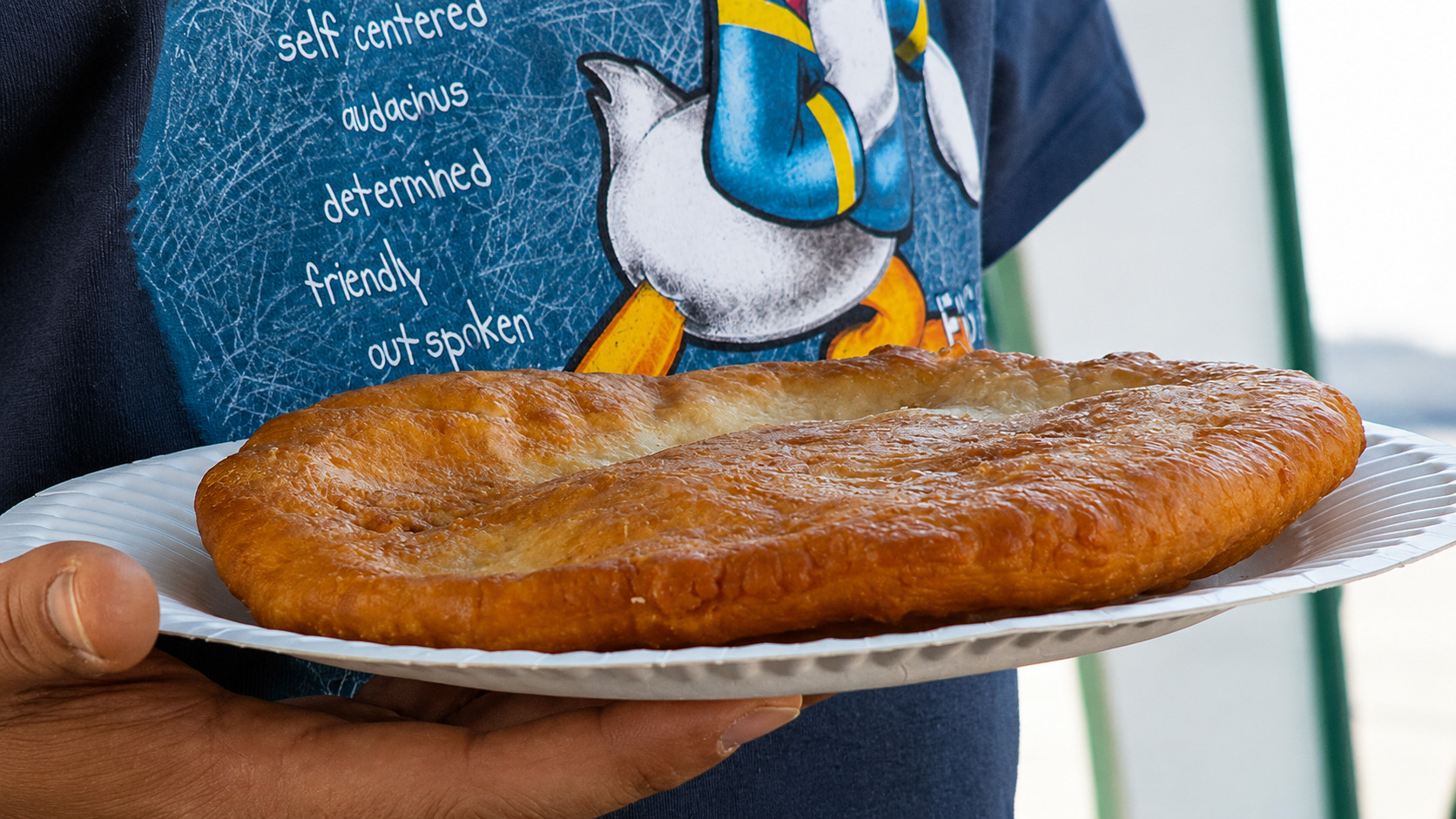
Using these limited ingredients, Native American communities created frybread. The simple bread, fried until golden brown with a soft center, became a practical way to survive under extremely difficult conditions. Over time, frybread became much more than just food. Today, it represents both the suffering caused by forced displacement and the strength, creativity, and resilience of Indigenous people. It remains an important part of many Native American gatherings and celebrations across the country.
1880s: Chop Suey
The completion of the Transcontinental Railroad brought thousands of Chinese immigrants to the United States during the 19th century. Many settled in growing cities where they opened restaurants that introduced Americans to Chinese cooking. Because many traditional Chinese ingredients were difficult to find, cooks adapted their recipes using locally available foods while also adjusting flavors to suit American tastes.
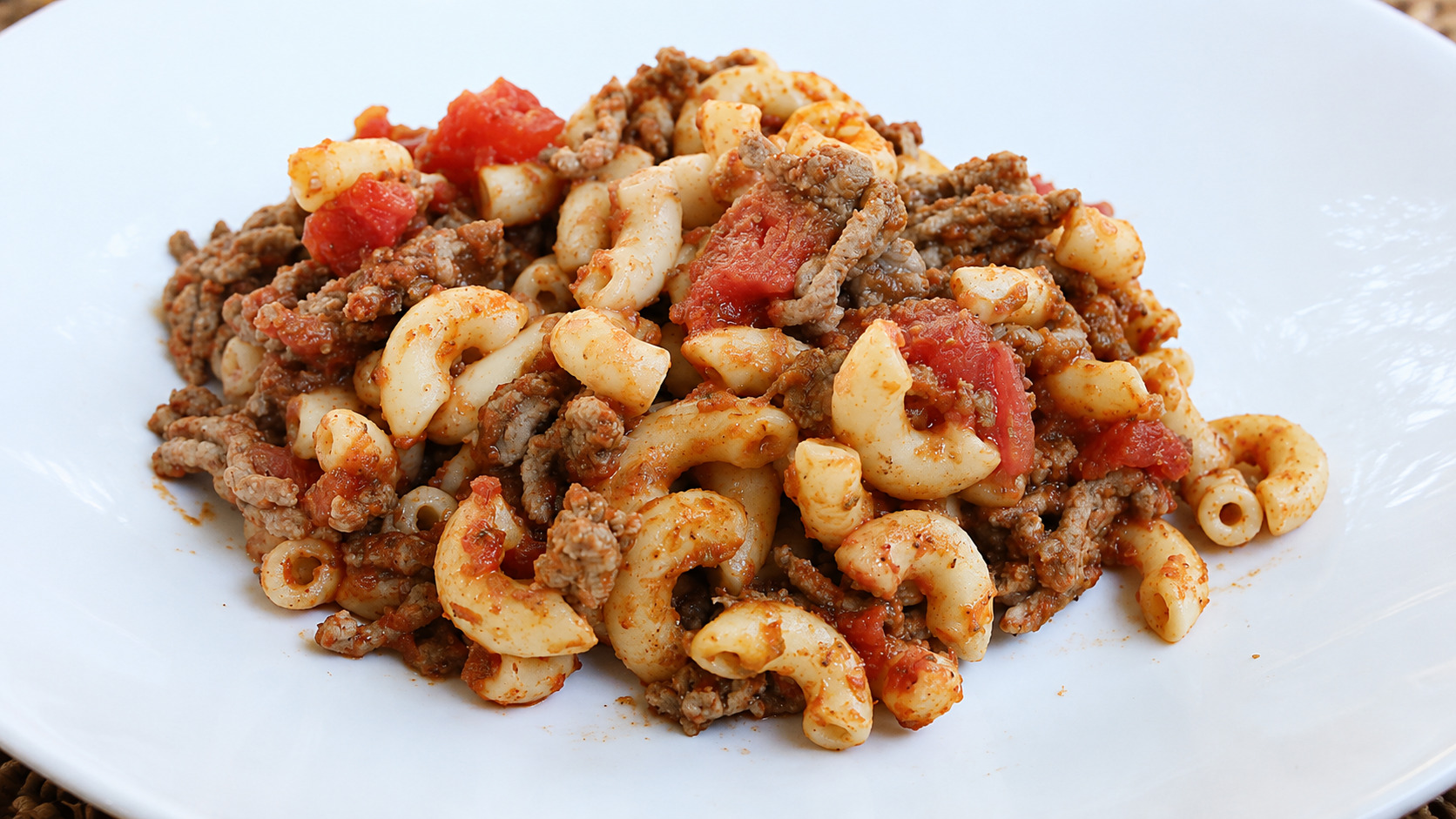
One of the first dishes to become popular nationwide was chop suey. Its name roughly translates to "mixed pieces" or "odds and ends," describing the combination of meat and vegetables stir-fried together in a savory sauce. Although historians continue to debate its exact origin, most agree that the dish developed as Chinese immigrants adapted their cooking to a new country.
Chop suey spread quickly across America and appeared on restaurant menus from coast to coast. Even during a time of widespread anti-Chinese discrimination and restrictive immigration laws, the dish introduced millions of Americans to Chinese-American cuisine. For much of the 20th century, chop suey remained the dish most closely associated with Chinese food in the United States and helped pave the way for the popularity of many other Chinese-American favorites.
1900s: Oatmeal
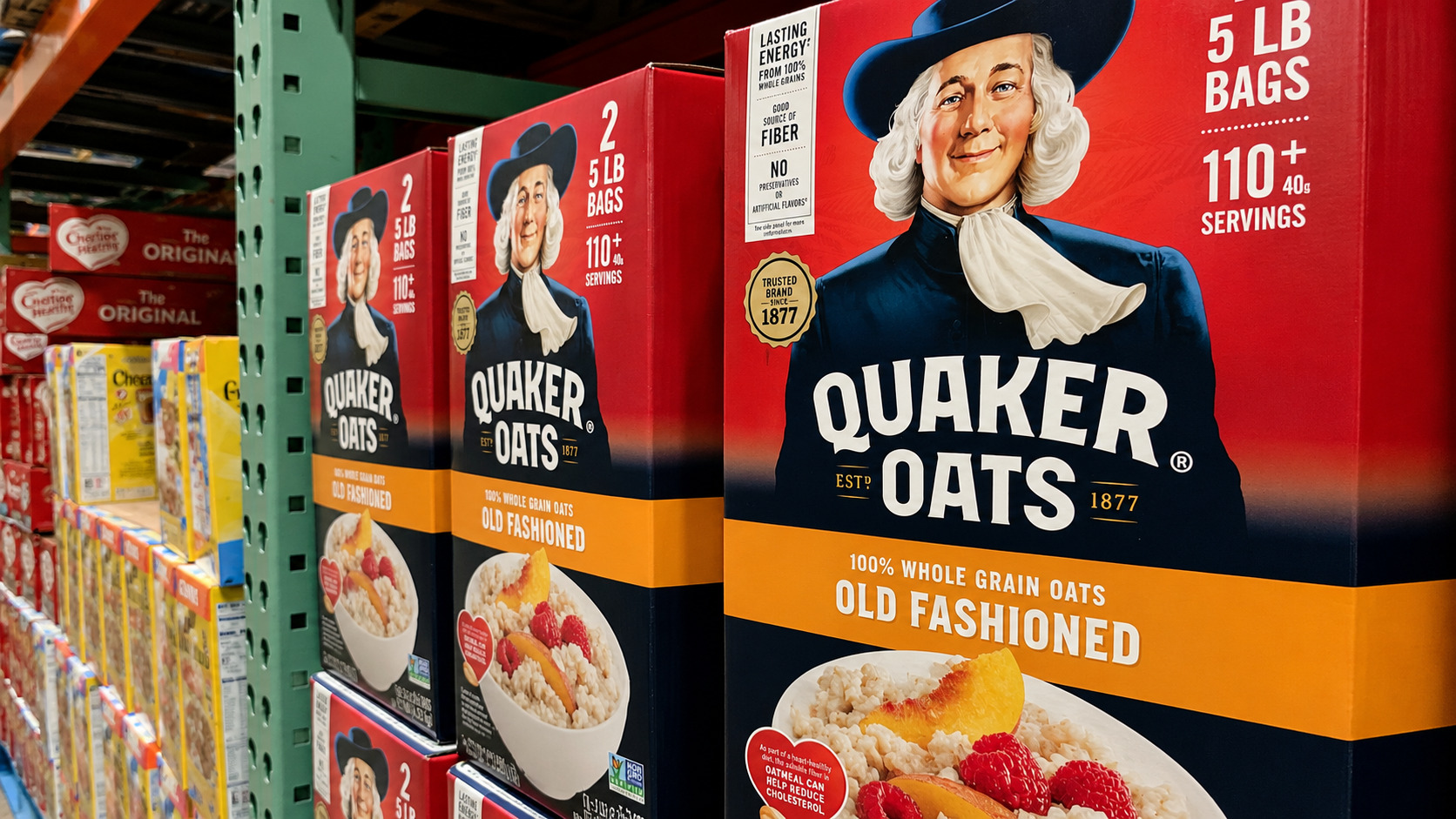
Although oats first arrived in North America from Scotland during the 1600s, they were mostly used as livestock feed for many years. People generally viewed oats as food for horses rather than for breakfast tables.
This perception began to change thanks to businessman Ferdinand Schumacher, who became known as the "Oatmeal King." During the 1870s, he introduced new machinery that made rolled oats quicker to prepare and easier to package. His company later became part of Quaker Oats, one of America's best-known breakfast brands.
Even with these improvements, convincing people to eat oatmeal was not easy. Schumacher promoted oats as a healthy, simple, and wholesome food that supported good health and moral living. His marketing campaign slowly changed public opinion. By the early 1900s, oatmeal had become a regular breakfast choice in many American homes. Today, it remains one of the country's most popular hot breakfast cereals because it is affordable, filling, and nutritious.
1910s: Cracker Jack
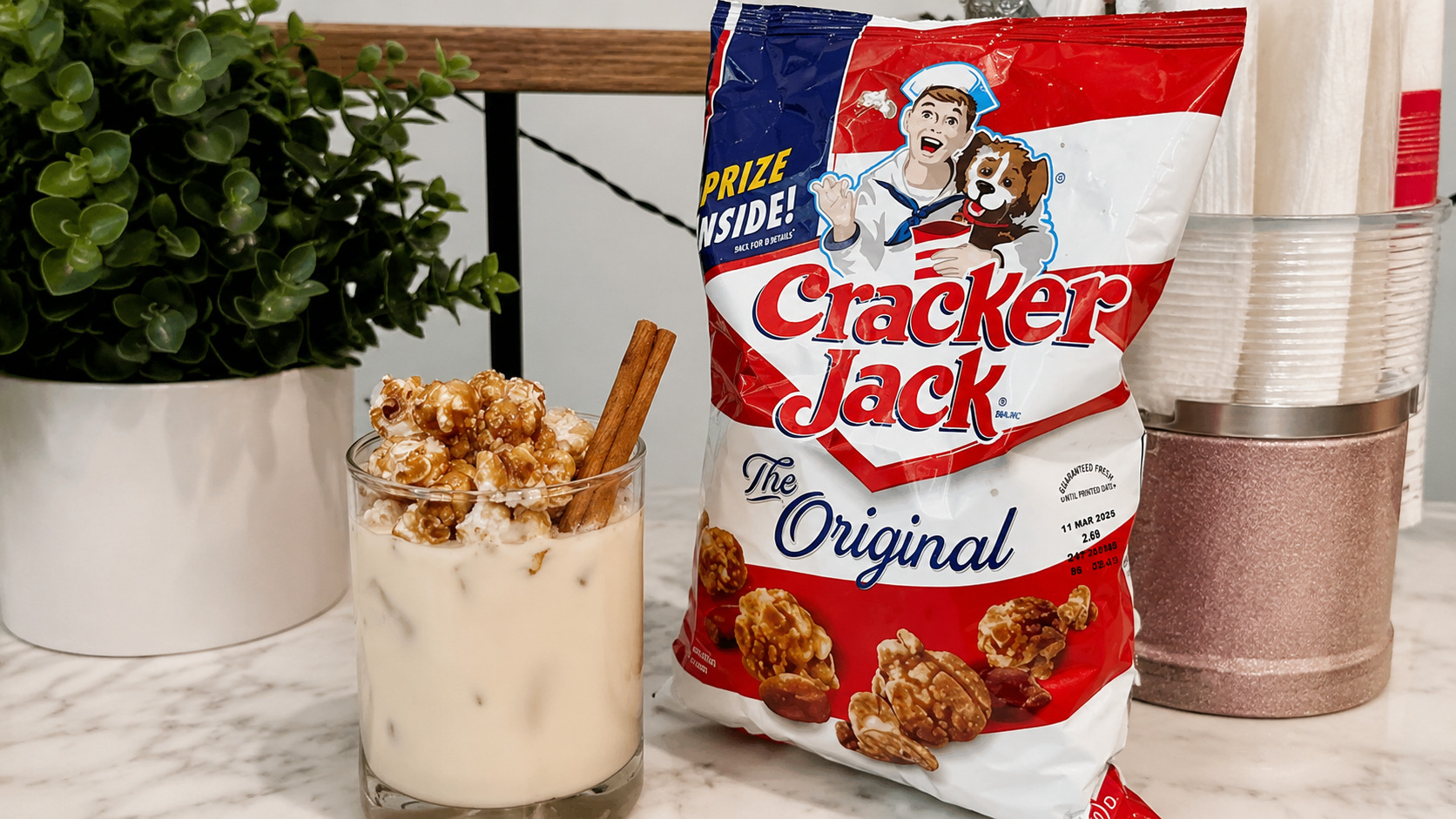
Cracker Jack is one of America's most recognizable snack foods and has long been connected with baseball. The sweet-and-salty treat was created by German immigrant brothers Frederick and Louis Rueckheim, who combined popcorn, peanuts, and molasses into a crunchy snack. They introduced it to the public at the 1893 World's Columbian Exposition in Chicago, where it quickly attracted attention.
The snack became even more successful after the company began including a small toy prize inside every box. This simple idea encouraged children and families to buy Cracker Jack again and again. Before long, the snack became a regular feature at baseball stadiums across the country.
Its popularity grew even further after it was mentioned in the famous song Take Me Out to the Ball Game. Cracker Jack became one of the first snack foods to be marketed nationwide and helped establish the idea that packaged snacks could become part of American entertainment and sporting traditions.
Also Read: 6 Foods That Were Invented by Accident
1920s: Hot Dogs
Although sausages had been eaten in America since colonial times, hot dogs faced a serious challenge in the early 1900s. Upton Sinclair's novel The Jungle exposed the unsanitary conditions inside Chicago's meat-packing plants, causing many Americans to lose trust in processed meat products.
The public demanded safer food production, leading Congress to pass the Pure Food and Drug Act in 1906 under President Theodore Roosevelt. New food safety laws helped rebuild consumer confidence in processed foods.
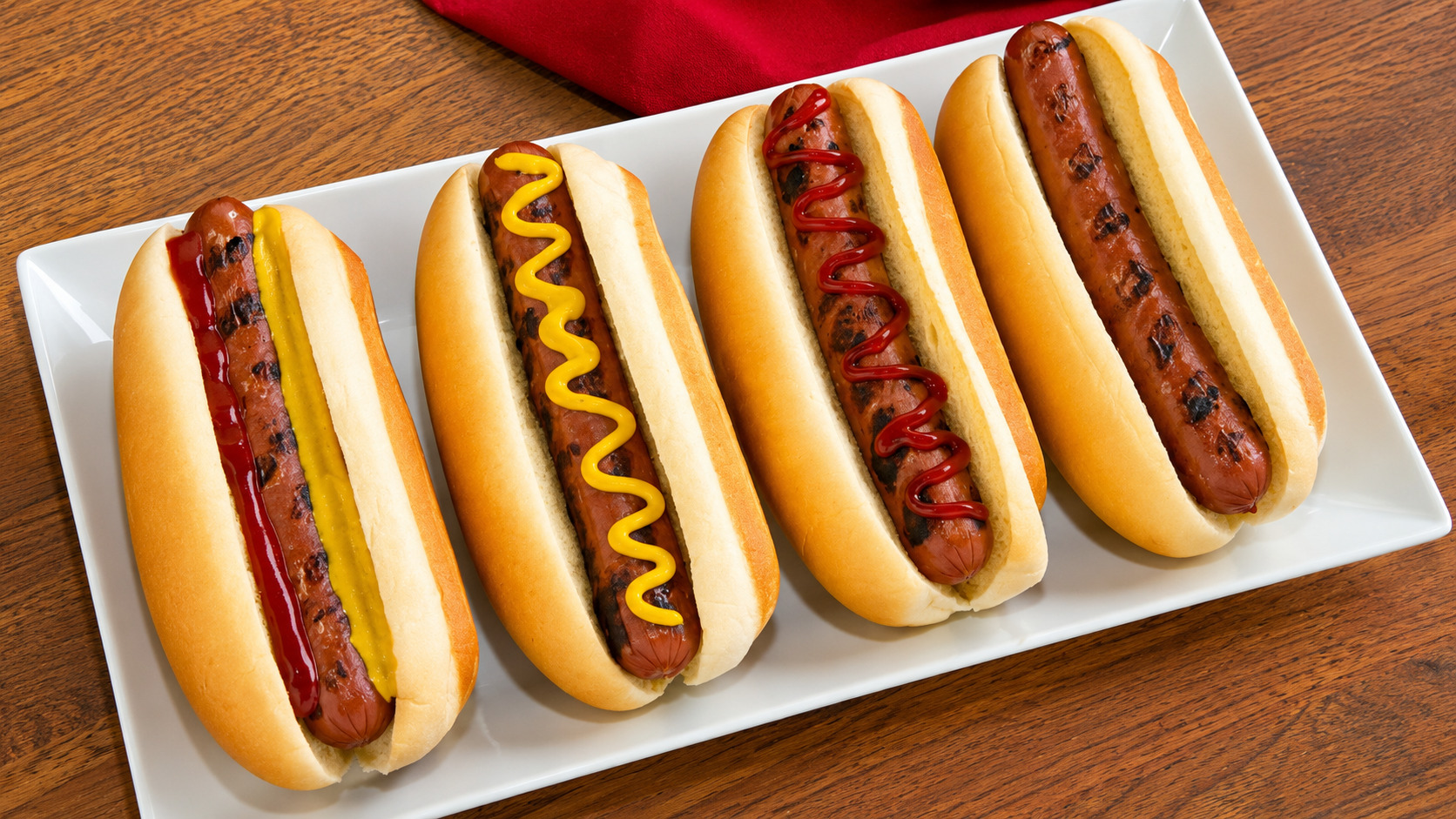
A few years later, Polish immigrant Nathan Handwerker opened Nathan's Famous hot dog stand at New York's Coney Island. By selling quality hot dogs at affordable prices, he attracted large crowds. The simple meal quickly became popular with working families, baseball fans, beach visitors, and travelers. Over time, hot dogs became one of the country's most famous comfort foods and remain closely connected with summer cookouts, sporting events, and Independence Day celebrations.
1950s: TV Dinners
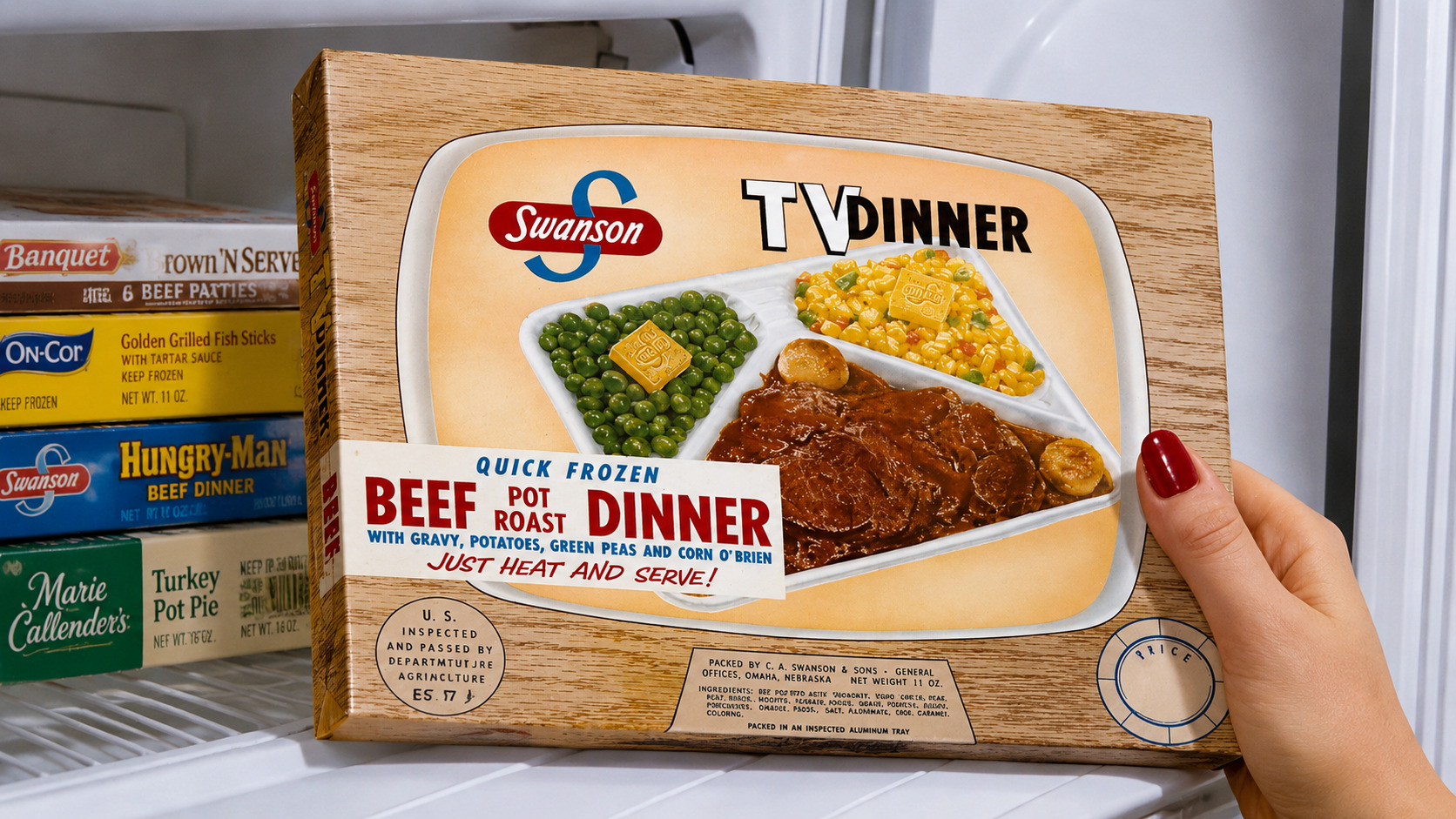
The rise of frozen food changed the way many Americans prepared meals, but TV dinners took convenience to an entirely new level. In 1953, the Swanson company accidentally ordered about 260 tons more Thanksgiving turkey than it could sell.
Instead of letting the food go to waste, the company borrowed the idea of compartment-style airline meals. Turkey, stuffing, gravy, sweet potatoes, and peas were arranged in aluminum trays that customers could simply heat and serve.
The timing was perfect. More American families were buying televisions, and busy households appreciated meals that required very little preparation. Each dinner sold for just 98 cents, and within a year Swanson sold around 10 million TV dinners. The product became a symbol of modern American life during the 1950s and helped make frozen convenience foods a permanent part of supermarkets.
1960s: Fondue
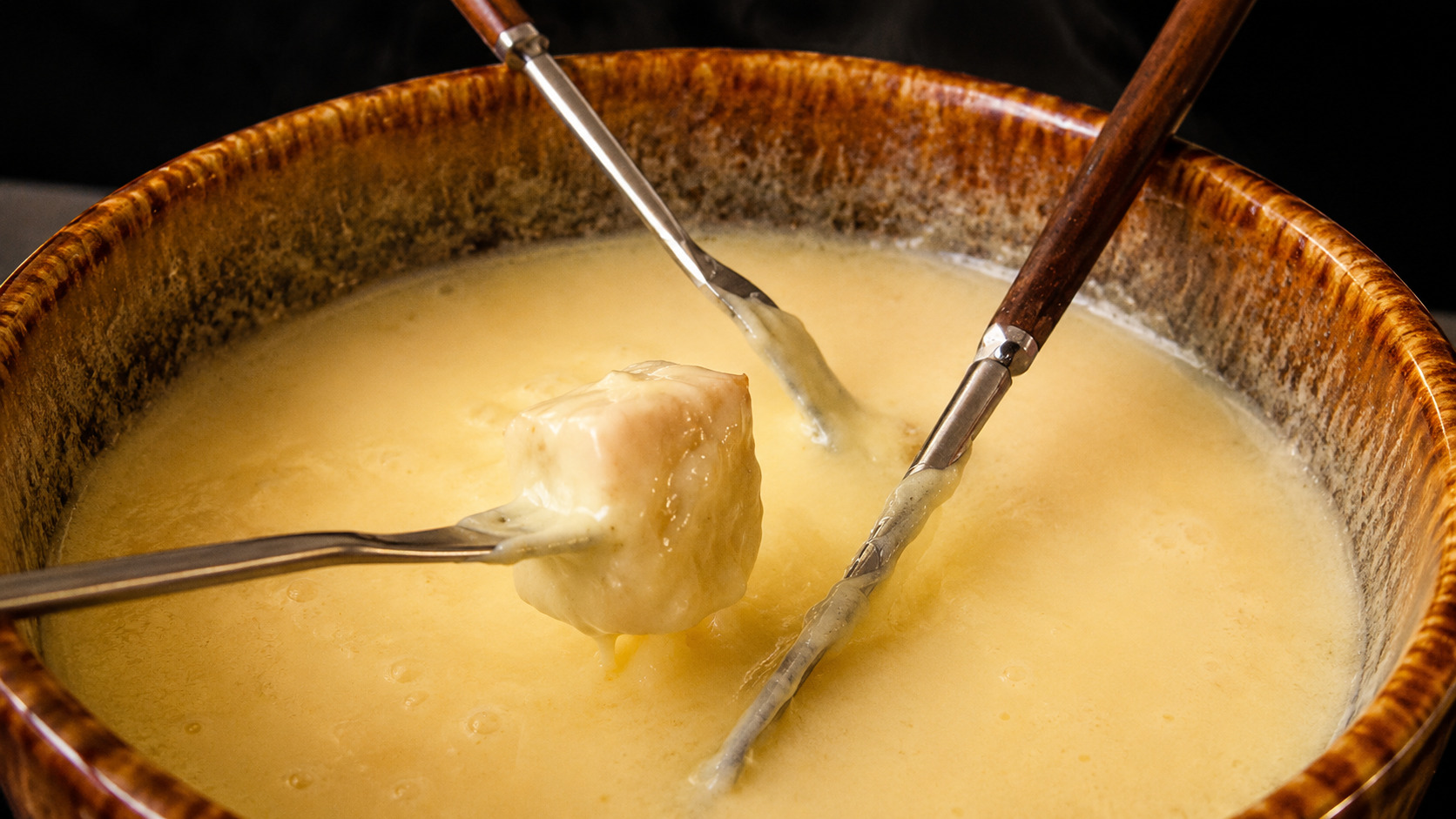
Fondue, a traditional Swiss dish made by dipping bread into melted cheese, became one of America's biggest food crazes during the 1960s. The trend began slowly through the efforts of Chalet Suisse, a New York City restaurant that introduced diners to Swiss cuisine.
The biggest breakthrough came in 1964 when chocolate company Toblerone asked the restaurant's chef to create a dessert version using melted chocolate. The idea was an instant success. Chocolate fondue quickly became a fashionable dessert served at dinner parties and family gatherings.
Fondue sets soon appeared in department stores across the country, allowing people to recreate the experience at home. Throughout the decade, fondue symbolized entertaining guests in a fun and interactive way, making it one of the defining food trends of the era.
1980s: Ranch
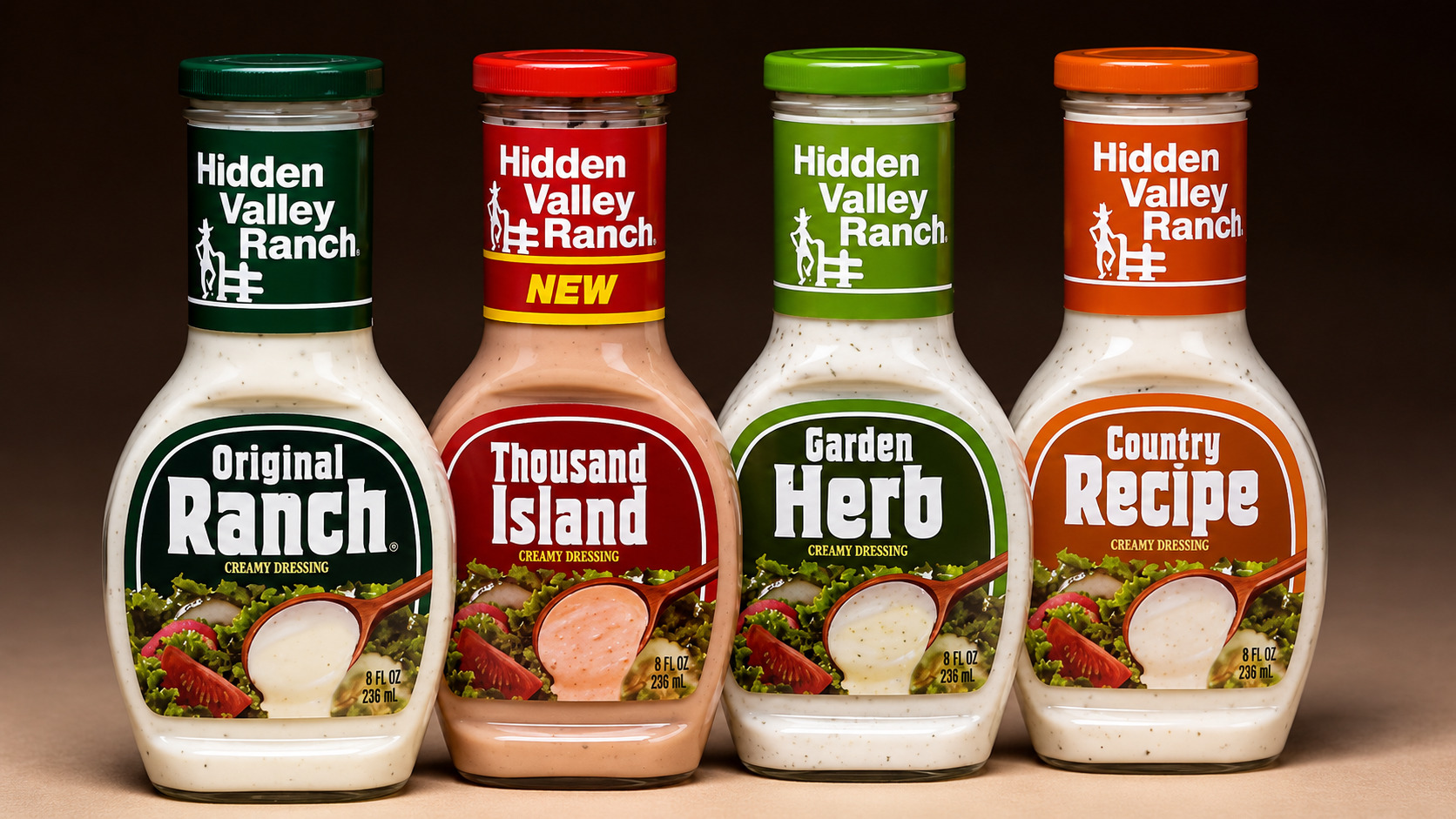
Few condiments have become as popular in America as ranch dressing. The recipe was created by Steve Henson, a plumber who later operated a ranch near Santa Barbara called Hidden Valley. Guests loved the creamy dressing he served with meals, and many asked to take jars home with them.
Seeing an opportunity, Henson began selling packets of ranch seasoning through the mail and to local restaurants. The business continued to grow, but ranch truly became a nationwide favorite after Hidden Valley was purchased by The Clorox Company in the 1970s.
In 1983, bottled ranch dressing became widely available in supermarkets, making it much easier for families to enjoy at home. Three years later, Doritos introduced Cool Ranch chips, bringing the flavor to an even larger audience. Today, ranch is America's most popular salad dressing and is commonly used as a dip for pizza, chicken wings, vegetables, fries, and many other foods.
2000s: Pumpkin Spice Lattes
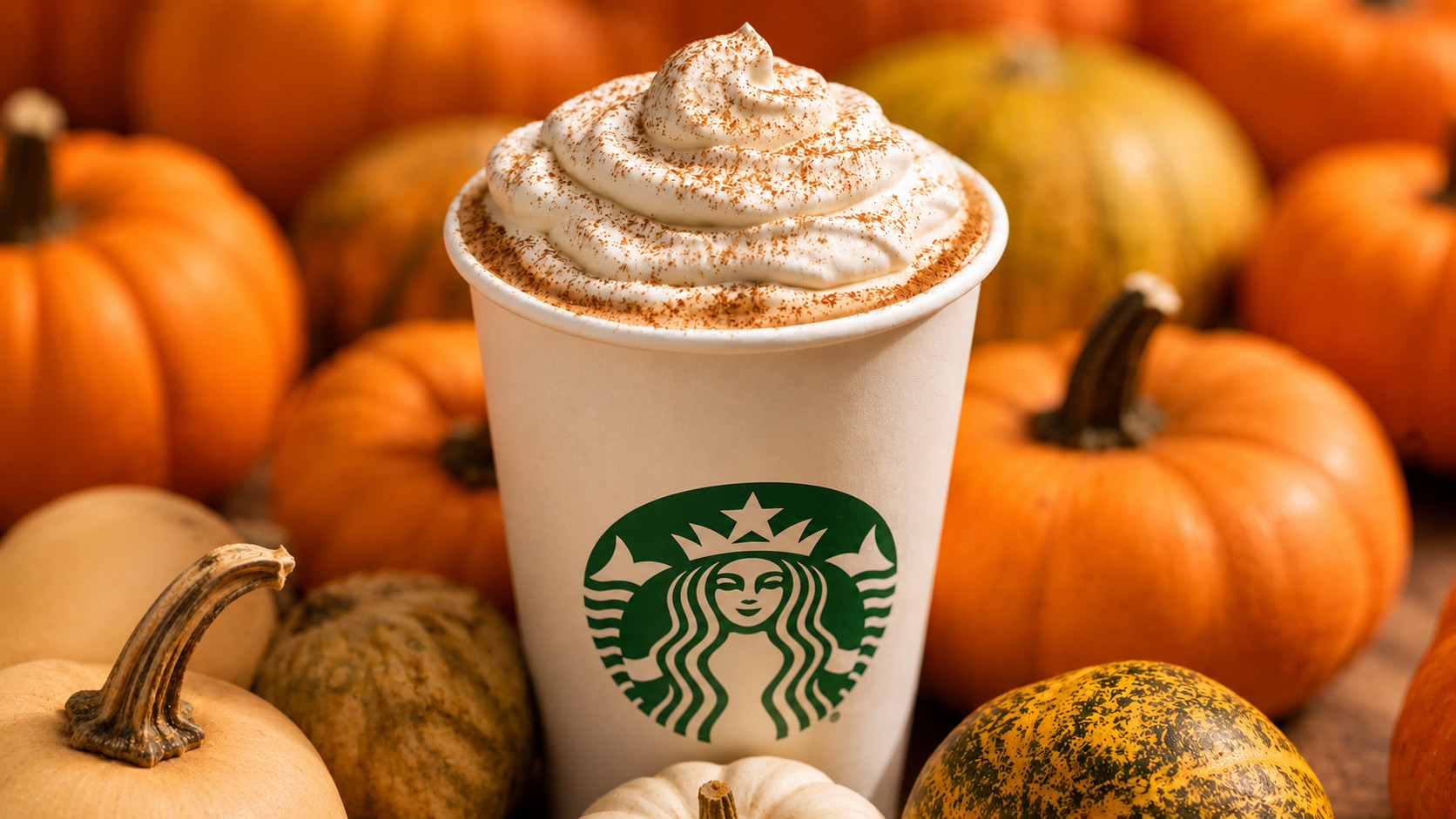
The pumpkin spice latte has become one of the most recognizable seasonal drinks in America. Starbucks introduced it in 2003 while searching for a fall beverage that could match the popularity of winter favorites like peppermint mochas.
During development, the company's team experimented by tasting pumpkin pie alongside espresso to find the right balance of spices. Surprisingly, the original recipe contained no pumpkin at all. Instead, it featured flavors like cinnamon, cloves, and nutmeg mixed with espresso, steamed milk, and whipped cream. Real pumpkin puree was only added years later.
The drink quickly became a fall tradition. Every autumn, customers eagerly waited for its return, and other coffee chains introduced their own versions. Soon, pumpkin spice flavors spread beyond coffee into cookies, cereals, candles, ice cream, yogurt, and even savory foods. Today, the pumpkin spice latte has become a symbol of the fall season itself.
Also Read: 15 Medieval Dishes You Can Still Enjoy Today
2010s: Kale
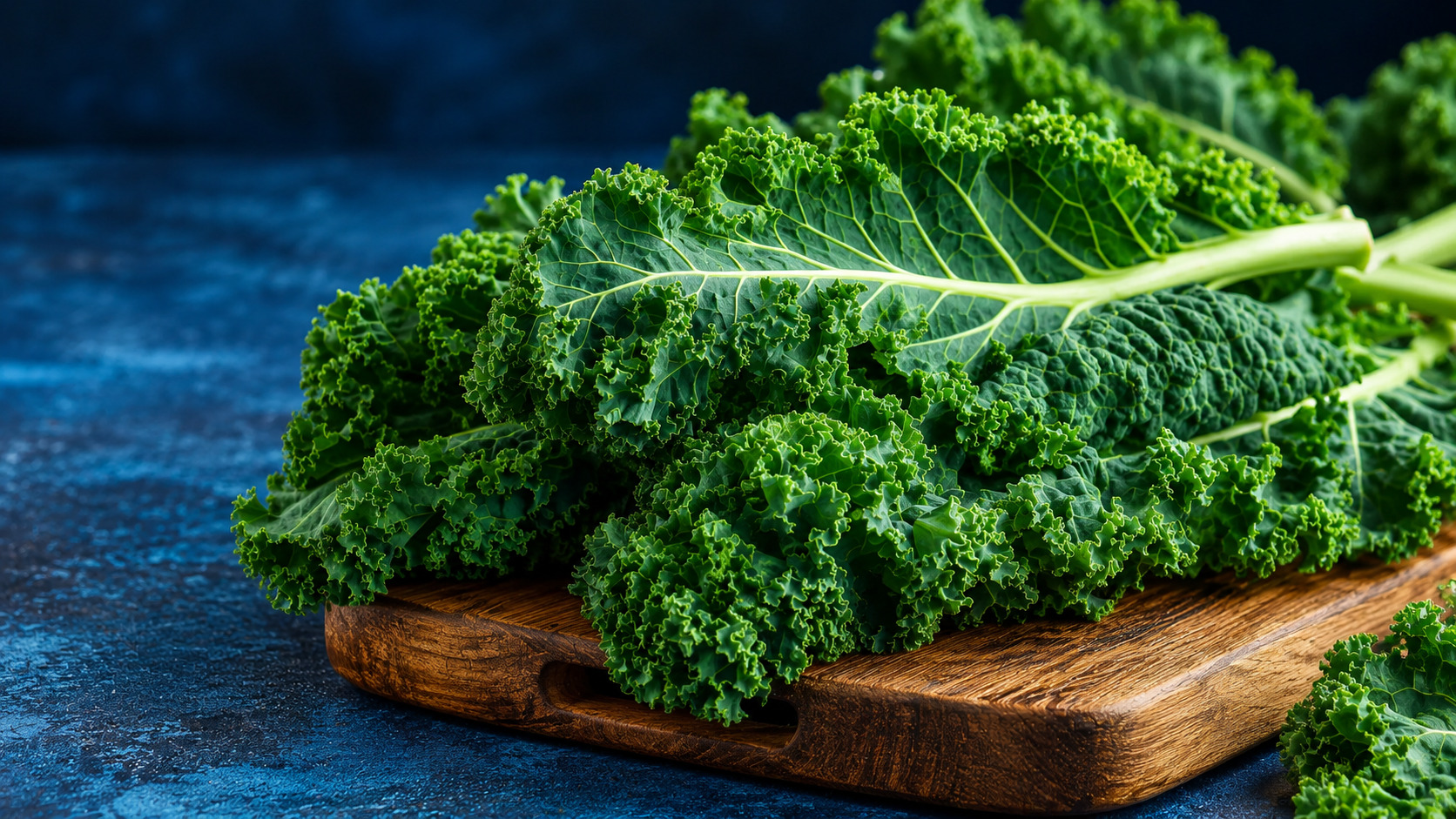
For many years, kale was largely ignored by American shoppers. In fact, restaurants often used it only as decoration around salad bars. That changed dramatically during the 2010s when the leafy green suddenly became one of the country's most talked-about superfoods.
Much of this transformation has been linked to public relations expert Oberon Sinclair. She worked with restaurants to feature kale on their menus and even created the fictional American Kale Association to generate media attention and build excitement around the vegetable.
The campaign worked surprisingly well. Celebrities, health experts, and television personalities began promoting kale's nutritional benefits. Michelle Obama praised kale chips, Beyoncé wore kale-themed clothing, and grocery stores reported record sales. Whole Foods sold tens of thousands of bunches every day as kale became a symbol of healthy eating and modern wellness trends.
2020s: Social Media
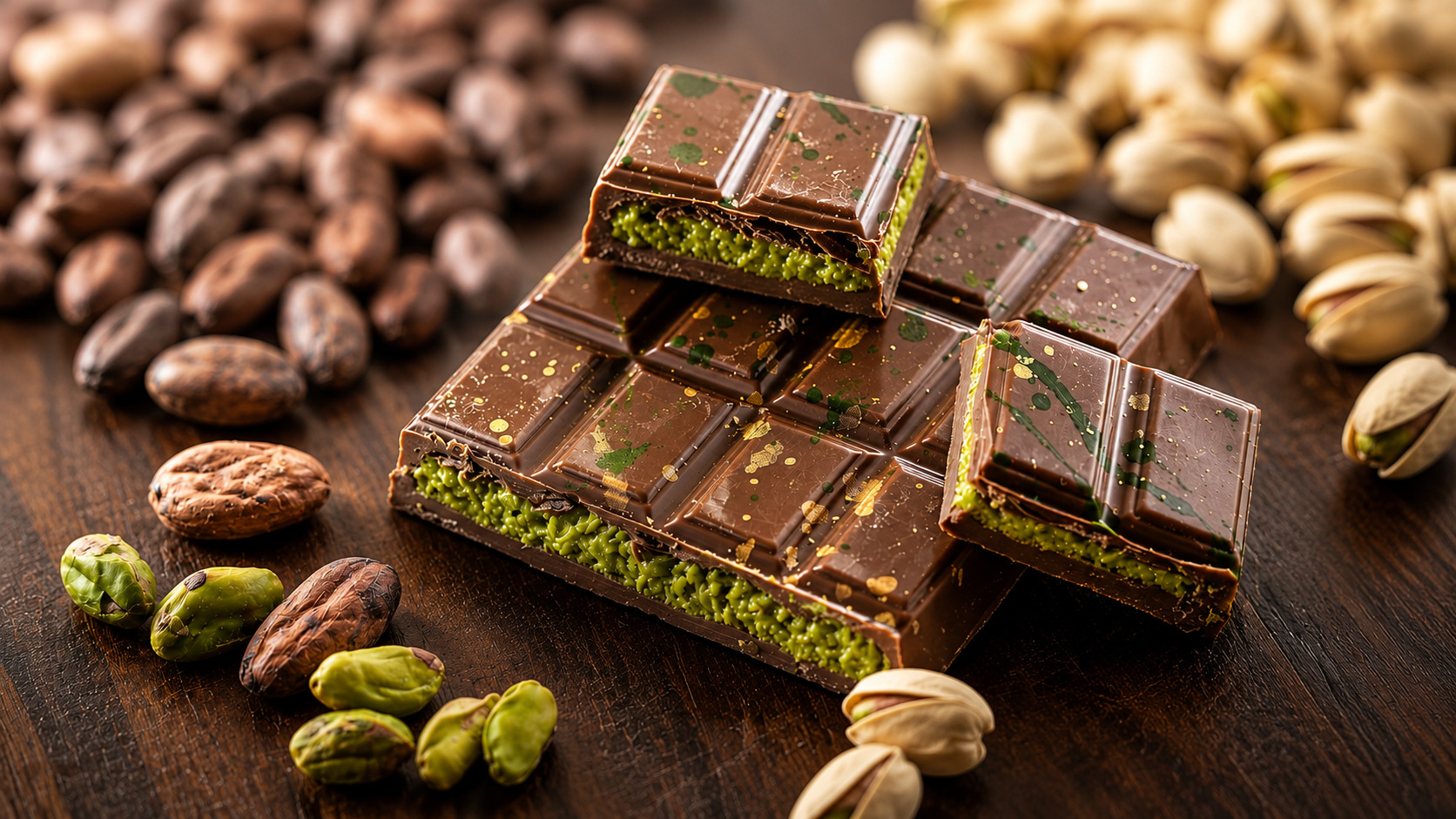
Food trends now spread faster than ever because of social media platforms like TikTok, Instagram, and YouTube. A single viral recipe can reach millions of people within days, encouraging home cooks to try new dishes from around the world.
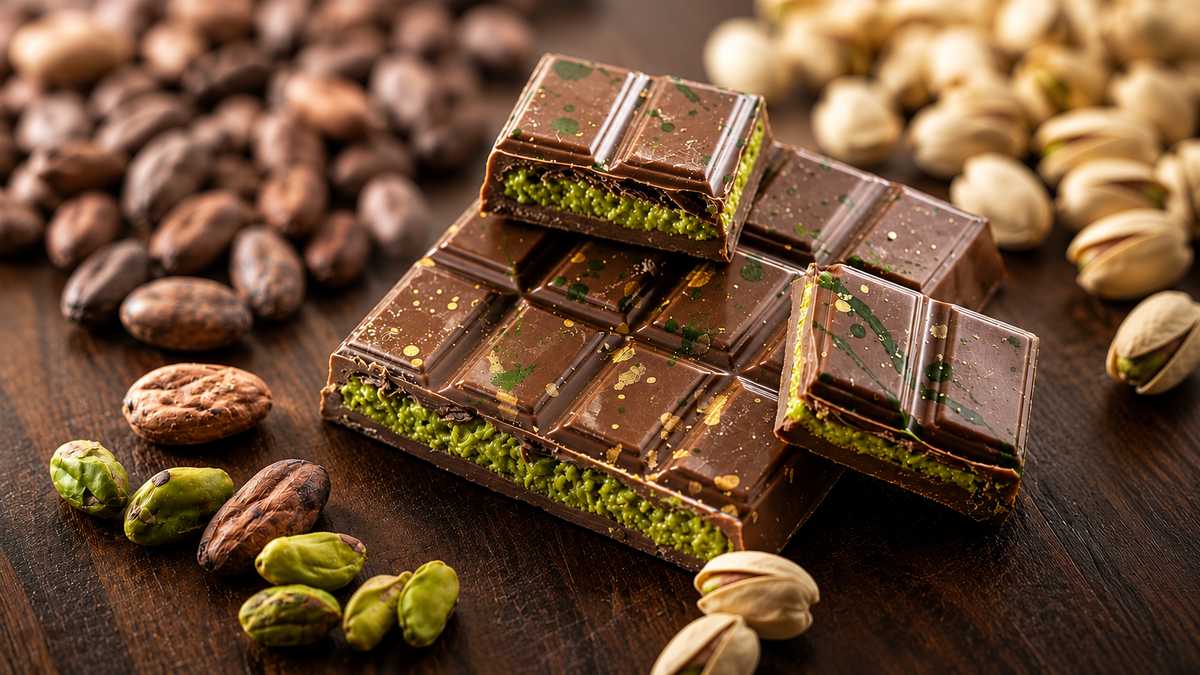
During the early 2020s, many people turned to homemade sourdough bread while spending more time at home during the COVID-19 pandemic. At the same time, social media introduced Americans to international foods such as birria tacos from Mexico, dalgona coffee from South Korea, and Dubai chocolate inspired by Middle Eastern flavors.
Today's food trends rise and disappear more quickly than those of the past, but they also expose people to a wider variety of global cuisines than ever before. As America celebrates more than 250 years of history, its food culture continues to evolve, blending old traditions with new ideas. From humble street oysters to viral internet recipes, every generation has added something new to the American table, proving that the country's culinary story is still being written.