Ancient Greece is known as one of the most influential civilizations in human history. The Greeks gave the world many important ideas, including democracy, philosophy, mathematics, and the Olympic Games. Their achievements helped shape modern society and continue to influence our lives today. However, the contributions of ancient Greece were not limited to science, politics, and culture. The Greeks also played an important role in the history of food. Many dishes that are enjoyed around the world today can trace their origins back to ancient Greek kitchens and dining tables. From sweet desserts to hearty soups and grilled meats, several popular foods have roots in this ancient civilization. Here are seven famous dishes that likely originated in ancient Greece and continue to be enjoyed centuries later.
Also Read: 15 Medieval Dishes You Can Still Enjoy Today
Cheesecake

Cheesecake is one of the world's most beloved desserts. Today, it comes in countless varieties, from classic New York-style cheesecake to fruit-topped and chocolate versions. While many people associate cheesecake with modern bakeries and restaurants, its history stretches back more than 2,000 years. Historians believe that the earliest form of cheesecake was created on the Greek island of Samos around the 5th century B.C. Ancient Greeks made the dessert by combining fresh cheese, flour, and honey, and then baking the mixture into a simple cake-like treat. Cheesecake was not just an everyday snack but was often served during important occasions such as weddings and festivals. Some historical records even suggest that athletes competing in the first Olympic Games in Olympia in 776 B.C. were given cheesecake as a source of energy before their events. Later, the Romans adopted the recipe and developed their own version called savillum. As the Roman Empire expanded across Europe, the dessert spread to different regions and gradually evolved into the many forms we know today. Without the early Greek version of cheesecake, one of the world's favorite desserts might never have existed.
Kebab Skewers (Souvlaki)
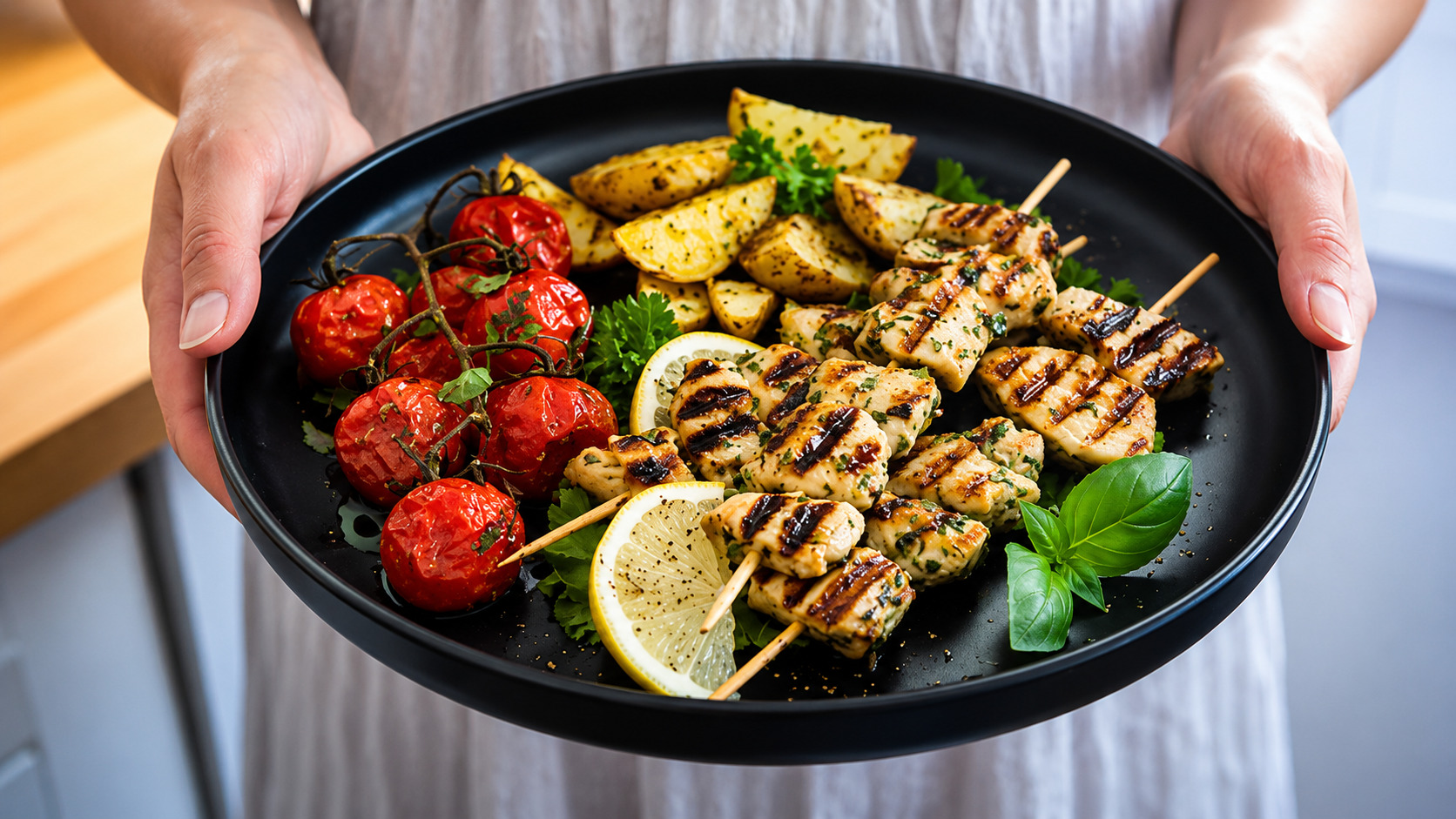
Souvlaki is one of Greece's most famous foods and is commonly sold by street vendors and restaurants. The dish usually consists of grilled meat served on skewers or wrapped in pita bread with vegetables and sauce. Although it is considered a modern Greek favorite, the origins of souvlaki go back thousands of years. Archaeological discoveries and historical writings suggest that ancient Greeks were cooking meat on skewers long before modern grilling techniques became popular. Ancient philosophers such as Aristotle and Aristophanes mentioned a similar dish known as obeliskos. The name came from the Greek word obelos, meaning "spit" or "skewer." Small pieces of meat were placed on wooden or metal sticks and cooked over an open flame. This method of cooking was simple, practical, and delicious because it allowed people to prepare food quickly and made meat easier to eat. In many ways, ancient souvlaki served the same purpose that fast food does today. Remarkably, the basic concept of souvlaki has changed very little over the centuries, and grilled meat served on skewers remains one of the most popular foods in Greece.
Also Read: 10 Candies That Became Popular During War
Roast Lamb
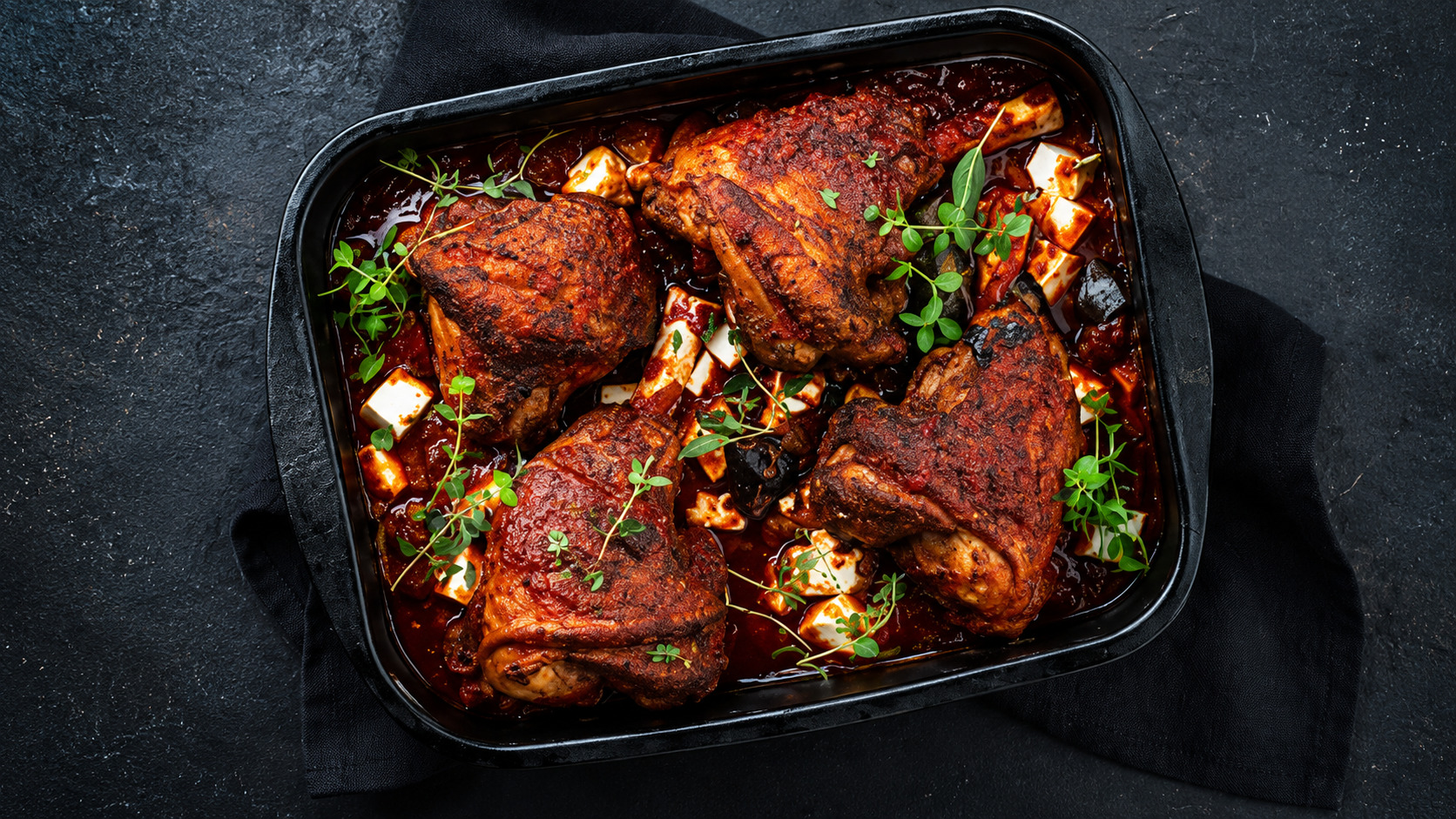
Lamb has been an important part of Greek cuisine for thousands of years. Roast lamb is now enjoyed in many countries, but evidence suggests that ancient Greeks may have been among the first people to prepare it in this way. In ancient Greece, religious ceremonies often involved the sacrifice of lambs to honor the gods. After these ceremonies, the meat was roasted and shared among the community, making roast lamb an important part of both religious and social life. The Greeks commonly roasted whole lambs over an open fire or on a spit, and the slow-cooking process helped create tender meat with a rich flavor. The Romans later adopted many Greek culinary traditions, including the preparation of roast lamb, and over time, the dish spread throughout Europe and the Mediterranean region. Today, roast lamb remains a traditional Greek dish, especially during Easter celebrations. Known as ovelias, it is often cooked whole on a spit and enjoyed with family and friends during festive gatherings.
Pancakes

Pancakes are a breakfast favorite in many parts of the world. Whether served with syrup, honey, fruit, or butter, they have become a comforting and popular meal. The earliest written records of pancakes come from ancient Greece around 500 B.C. The Greeks prepared pancakes using simple ingredients such as wheat flour, honey, olive oil, and sour milk. These pancakes were known as teganitai, a name derived from the Greek word tigani, meaning frying pan. They were cooked on a flat surface and often sweetened with honey. Ancient Greeks likely ate pancakes as a morning meal, much like people do today, because they were easy to prepare and provided energy for daily activities. Although pancake-like foods may have existed even earlier in human history, the ancient Greek version closely resembles the pancakes we recognize today. Their recipe helped lay the foundation for one of the world's most popular breakfast foods.
Also Read: 10 Everyday Ingredients from Ancient Times
Energy Bars (Pasteli)

Long before modern protein bars and sports snacks appeared on store shelves, ancient Greeks enjoyed a simple but nutritious treat called pasteli. This snack was made from only two main ingredients, sesame seeds and honey. These ingredients were mixed together and pressed into rectangular bars that were easy to carry and eat. The snack provided a good source of energy and could be stored for long periods. Because of these qualities, some historians believe that Greek warriors may have carried pasteli during military campaigns, including the legendary Trojan War. Ancient Greek writer Athenaeus mentioned pasteli several times in his writings, showing that it was already a well-known food during his time. Today, pasteli remains popular throughout Greece. Modern versions sometimes include nuts, sugar, or dried fruits, but the basic recipe remains largely unchanged. Its simplicity and nutritional value have helped it survive for centuries.
Dolmades
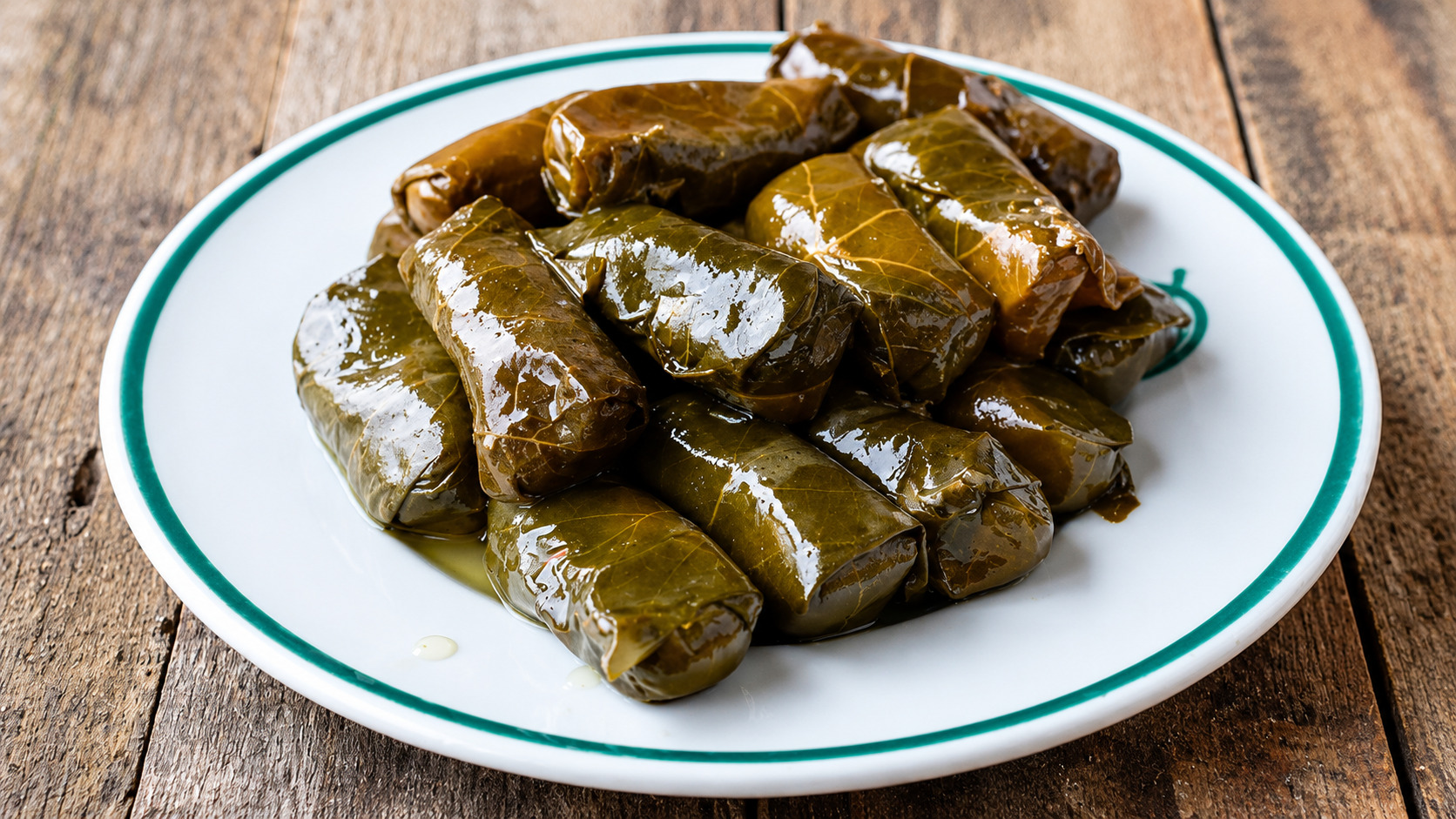
Dolmades are a traditional dish made by stuffing vegetables or vine leaves with ingredients such as rice, herbs, vegetables, and sometimes meat. The dish is widely enjoyed throughout the Mediterranean and Middle East, where different countries have developed their own variations. However, historians believe that the earliest versions of dolmades may have originated in ancient Greece. Evidence suggests that stuffed vine leaves were served in the Minoan civilization, which flourished on the island of Crete long before the rise of classical Greece. The dish was likely enjoyed by wealthy families and members of the royal court. During the Ottoman Empire, dolmades became even more popular and spread across a vast region, helping establish them as a staple food in many countries. Today, Greek dolmades are usually vegetarian and filled with rice and herbs, while versions from other countries may include meat and different seasonings. Despite these variations, the dish remains closely connected to its ancient roots.
Also Read: 10 Ancient Roman Foods We Still Eat Today
Split Pea Soup
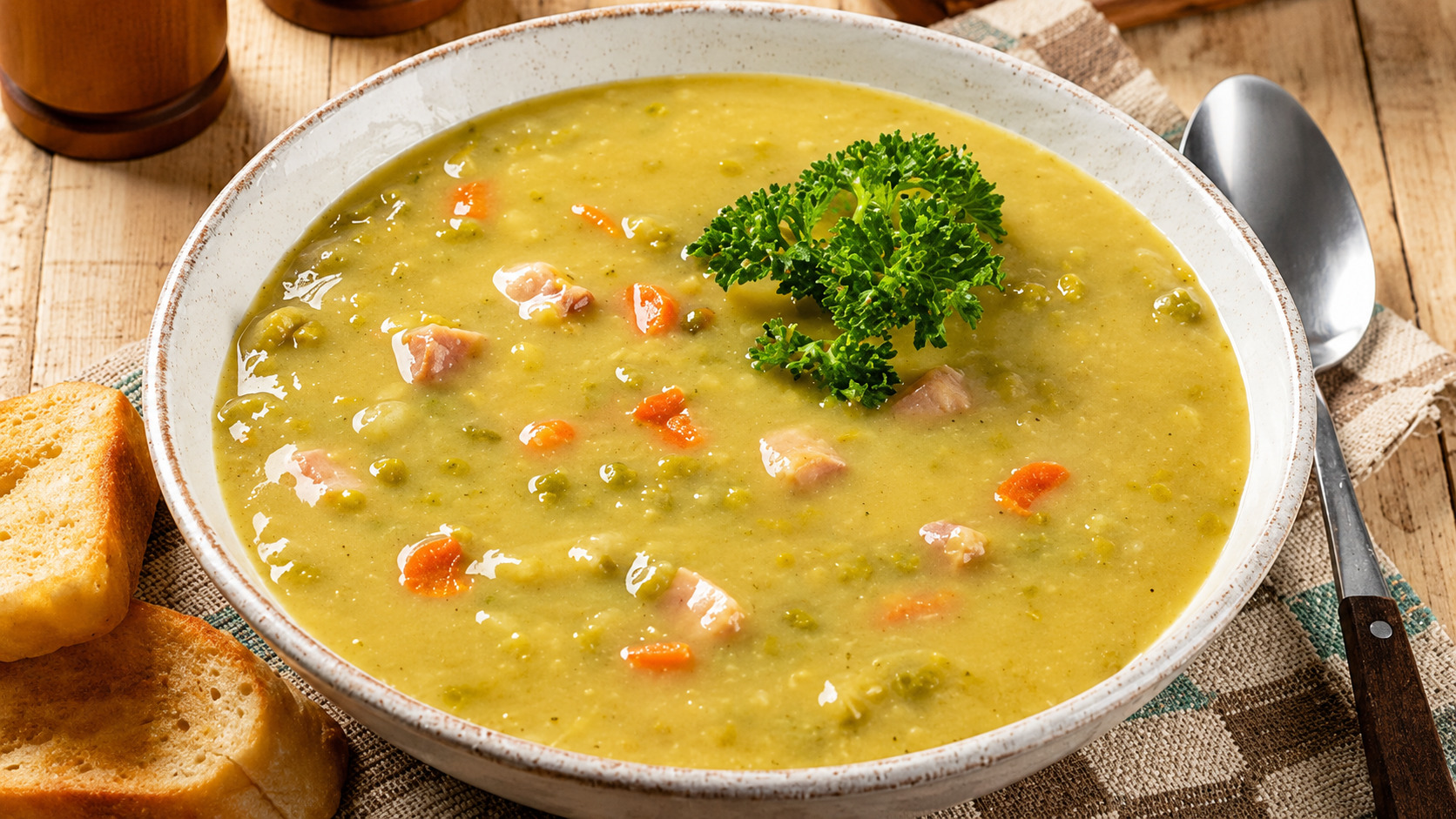
Soup has been a part of human diets for thousands of years, and split pea soup is one of the oldest examples. Ancient Greeks were eating and selling split pea soup as early as the 4th and 5th centuries B.C. Street vendors often sold the soup in busy markets and public areas, making it an affordable and convenient meal. The soup was made using dried peas, which were easy to store and available throughout the year. When cooked slowly, the peas created a thick and filling dish that provided important nutrients. The Romans also enjoyed split pea soup and helped spread its popularity across their empire. Today, split pea soup remains a favorite comfort food in many countries. Different cultures have adapted the recipe by adding local ingredients and flavors, but its basic concept remains the same as it was thousands of years ago.