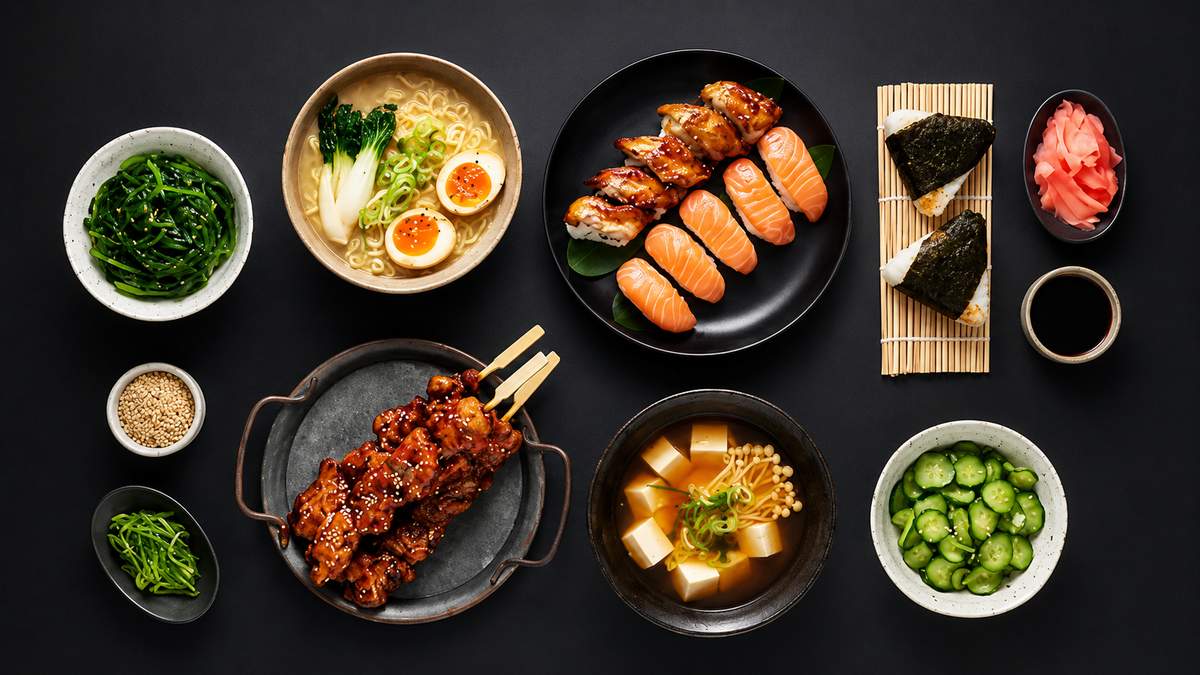
Traditional Japanese cuisine, known as washoku, is famous for its balance, simplicity, and beauty. In Japan, the word washoku means Japanese food, but it can also mean "harmonious eating." This meaning reflects the philosophy behind Japanese cooking, where ingredients, flavors, colors, and presentation are carefully balanced to create a complete dining experience. One of the most important principles of washoku is the sa-shi-su-se-so rule, which explains how five essential seasonings are used to create the balanced flavors that make Japanese cuisine unique. In 2013, washoku was recognized by UNESCO as part of the Intangible Cultural Heritage of Humanity because of its cultural importance and long history.
What Does Sa-Shi-Su-Se-So Mean?
The term sa-shi-su-se-so comes from the first Japanese characters of five important seasonings used in Japanese cooking. These are sugar (satoh), salt (shio), vinegar (su), soy sauce (shoyu), and miso (fermented soybean paste). Historically, the Japanese character "se" was used to represent soy sauce. These five ingredients are considered essential for creating the balanced flavors that define traditional Japanese cuisine and help give Japanese dishes their distinctive taste.
Also Read: What Is Pakkawood and Why Is It So Popular?
The Importance of Washoku
For centuries, washoku has been guided by several important principles. These include using fresh seasonal ingredients, preparing healthy meals, respecting nature, and presenting food beautifully. Japanese cuisine values simplicity and often uses cooking methods that allow the natural flavors of ingredients to stand out. At the same time, cooks carefully balance colors, textures, aromas, and tastes to create a harmonious dining experience. The sa-shi-su-se-so rule plays an important role in helping cooks achieve this balance.
Respect for Nature
One of the main principles of washoku is respect for nature. Japanese cooking emphasizes the use of natural ingredients and celebrates the changing seasons. Many dishes are prepared using ingredients that are at their freshest and most flavorful during a specific time of year.
Healthy Eating
Washoku is also known for promoting healthy eating. Traditional Japanese meals often include fresh vegetables, seafood, rice, and fermented foods. These ingredients help create nutritious and balanced meals.
Simplicity
Simplicity is another important feature of Japanese cuisine. Instead of using many strong seasonings, Japanese cooking often focuses on highlighting the natural taste of ingredients through simple preparation methods.
Beautiful Presentation
In washoku, the appearance of food is considered just as important as its taste. Great care is taken when arranging dishes so that they are visually appealing and reflect the beauty of the season.
Balance of Colors, Textures, and Flavors
Washoku aims to create harmony between different colors, textures, aromas, and flavors. The sa-shi-su-se-so rule helps cooks achieve this balance by guiding the use of important seasonings.
The Five Basic Flavors in Japanese Cuisine
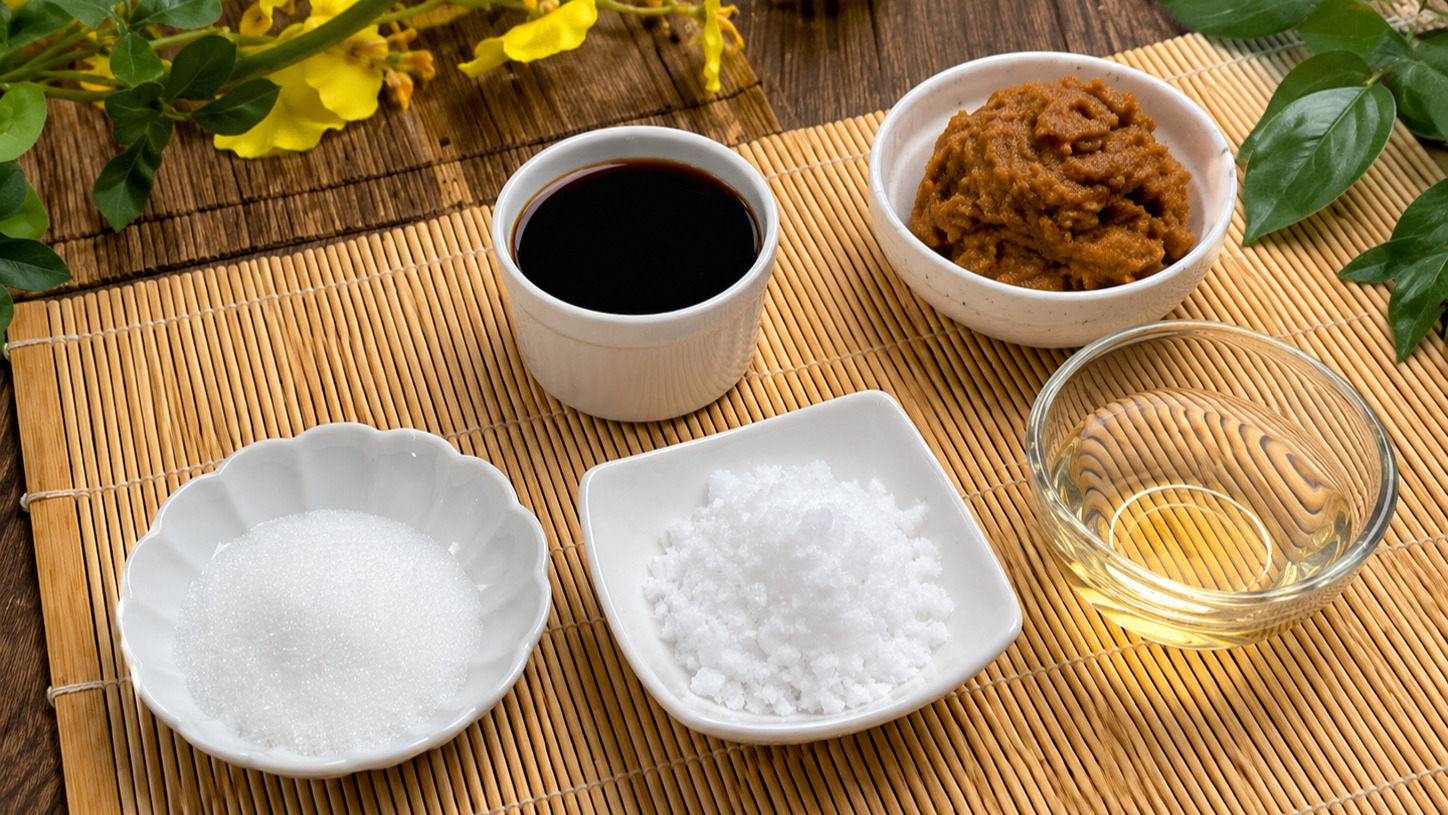
The sa-shi-su-se-so principle helps cooks balance the five important flavors found in Japanese cuisine: sweet, salty, sour, bitter, and umami. Umami is a rich and savory taste that is commonly found in ingredients such as soy sauce, miso, and dashi. The careful combination of these flavors creates the balanced taste that has made Japanese food popular around the world.
Connection to the "Rules of Five"
The sa-shi-su-se-so principle is part of washoku's traditional "rules of five," which are influenced by Japan's Shinto religion. According to these principles, a proper Japanese meal should include five colors, five flavors, and five cooking methods while also stimulating the five senses. This philosophy encourages balance and harmony in every meal and plays an important role in traditional Japanese food culture.
Other Important Japanese Seasonings
Although sugar, salt, vinegar, soy sauce, and miso are central to the sa-shi-su-se-so rule, Japanese cooking also uses several other important ingredients. These include mirin, a sweet rice wine used in cooking; dashi, a traditional soup stock that provides umami flavor; kombu, a type of edible seaweed commonly used to make dashi; and sake, Japanese rice wine that is often used in cooking and drinking. While these ingredients are essential in many Japanese dishes, they are not officially part of the sa-shi-su-se-so principle.
Also Read: Finland Invites the World to Taste Its Food and Discover Local Traditions
Why the Order Matters
The order of the ingredients in sa-shi-su-se-so is extremely important. The principle is not simply a list of seasonings; it also explains when each ingredient should be added during cooking. Adding the ingredients in the wrong order can affect how flavors are absorbed and may change the final taste of the dish.
Step 1: Add Sugar First
Sugar should be added at the beginning of cooking. Although this may seem surprising, adding sugar first allows its sweetness to penetrate the ingredients properly. If salt or soy sauce is added before sugar, it becomes more difficult for the sweetness to be absorbed, which can affect the balance of flavors in the finished dish.
Step 2: Add Salt
Salt should be added after sugar and during the early stages of cooking. This allows the salt to be absorbed evenly throughout the ingredients. If salt is added at the end of cooking or after the food has been served, it mainly remains on the surface and can make the dish taste overly salty rather than properly seasoned.
Step 3: Add Vinegar
Vinegar is added after salt. It helps reduce excessive saltiness and adds a refreshing sour taste to the dish. Vinegar also helps balance sweetness and cuts through rich or fatty foods, making flavors feel lighter and more balanced. Japanese cuisine uses many different types of vinegar, each with its own purpose and flavor profile. Vinegar is also an essential ingredient in making oshinko, traditional Japanese pickles.
Step 4: Add Soy Sauce
Soy sauce is usually added near the end of cooking because high heat can weaken its flavor and aroma. Adding soy sauce later helps preserve its rich umami taste and distinctive fragrance. Choosing the correct type of soy sauce is also important because different soy sauces have different flavor characteristics.
Step 5: Add Miso
Miso is generally added last. Like soy sauce, miso can lose some of its flavor and aroma when exposed to high heat for a long time. Adding it near the end of cooking helps preserve its rich taste and fragrance. Miso provides depth, richness, and umami to many traditional Japanese dishes, especially soups and sauces.
Not Every Recipe Uses All Five Ingredients
It is important to understand that not every Japanese recipe contains all five sa-shi-su-se-so ingredients. Some dishes may only use two or three of them, depending on the recipe. For example, Japanese cooks rarely use miso and vinegar together in the same dish. The main purpose of the sa-shi-su-se-so principle is not to ensure that all five ingredients are used, but to ensure that whenever they are used, they are added in the correct order.