War is a divisive subject. There is nothing positive about the loss of millions of lives. However, despite the immense destruction caused throughout history, some of the world’s most iconic foods emerged from wartime necessity. Take candy, for example. M&Ms were literally inspired by the need to create a candy for soldiers that could withstand harsh wartime conditions. It’s true what Plato said: “Necessity is the mother of invention.” Sadly, there are few conditions that drive food innovation more than wartime, when lives are at stake, and everyday ingredients become luxuries.
The expansion of America’s candy industry was, in fact, largely fueled by war. Many of your favorite confections likely owe their popularity to it as well. From flavorless, nutrient-dense chocolate bars to fruit-flavored sweets considered bad luck, here are 10 candies popularized during wartime.
Also Read: Chocolate Wasn’t Originally Made for Eating: Here’s How It Was First Used
M&Ms
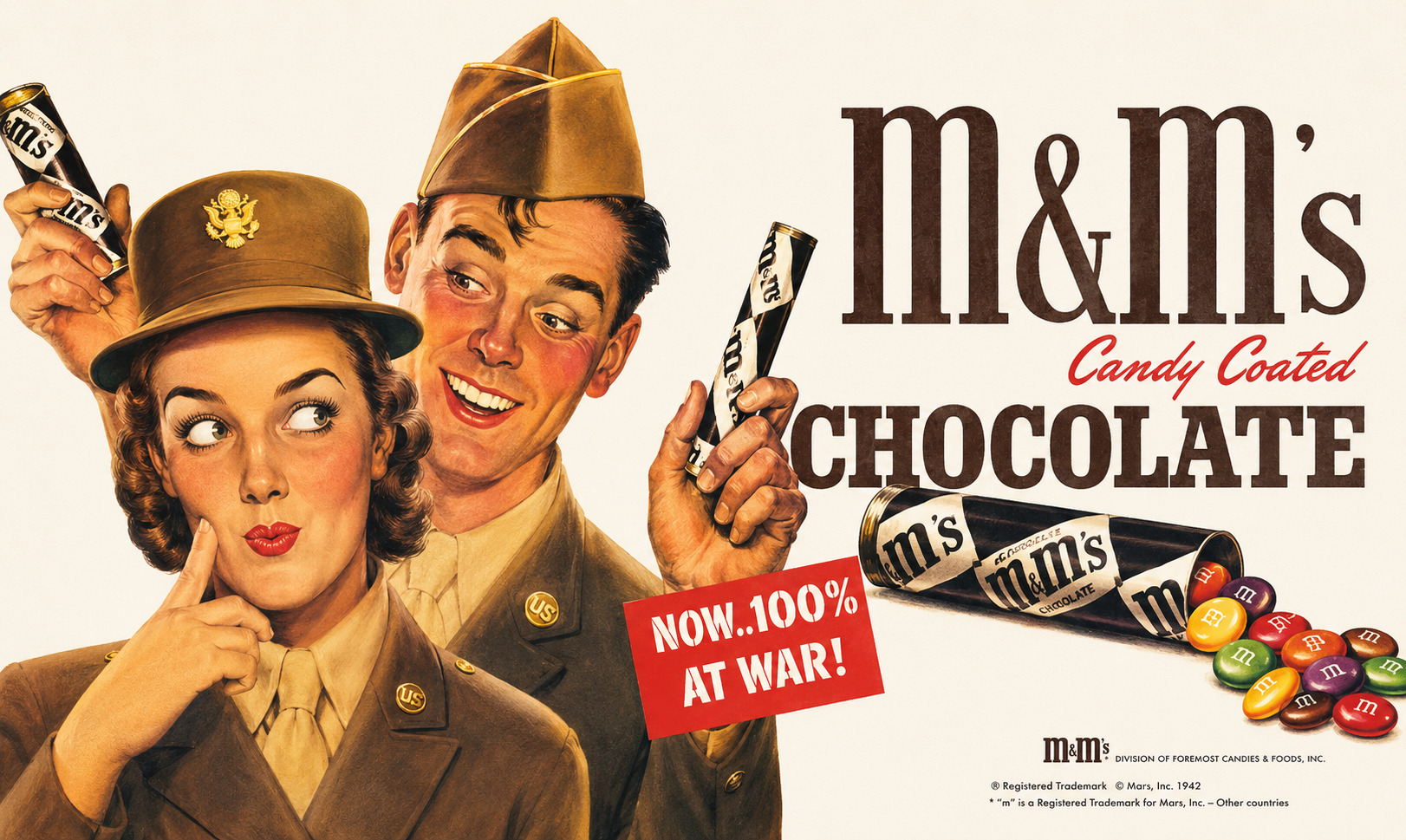
The candy that “melts in your mouth, not in your hand” was invented in 1941 by Forrest Mars Sr., the son of Frank C. Mars, founder of Mars, Inc. After falling out with his father, Mars Sr. relocated to England in 1932 to produce Mars bars for British troops. Four years later, during the Spanish Civil War, he noticed British volunteers eating small chocolate candies coated in hard sugar shells. At the time, portable refrigeration was far less common, making perishable foods like chocolate difficult to transport, especially in warm weather. The sugar coating prevented the chocolate from melting, inspiring Mars Sr. to create his own version.
Mars Sr. partnered with Bruce Murrie, the son of Hershey president William Murrie, to create M&Ms, with the name standing for Mars and Murrie. They were initially made using Hershey’s chocolate. Having worked with troops in England, Mars understood that chocolate and sugar would be in short supply after World War II began in 1939, so he gave Murrie a 20% stake in the company, and the two sold M&Ms exclusively to the U.S. military. The candy was originally packaged in cardboard tubes and came in brown, red, orange, yellow, green, and violet coatings. World War II helped popularize M&Ms among soldiers, and the candy later became a hit with American consumers after the war.
Hershey's Field Ration D
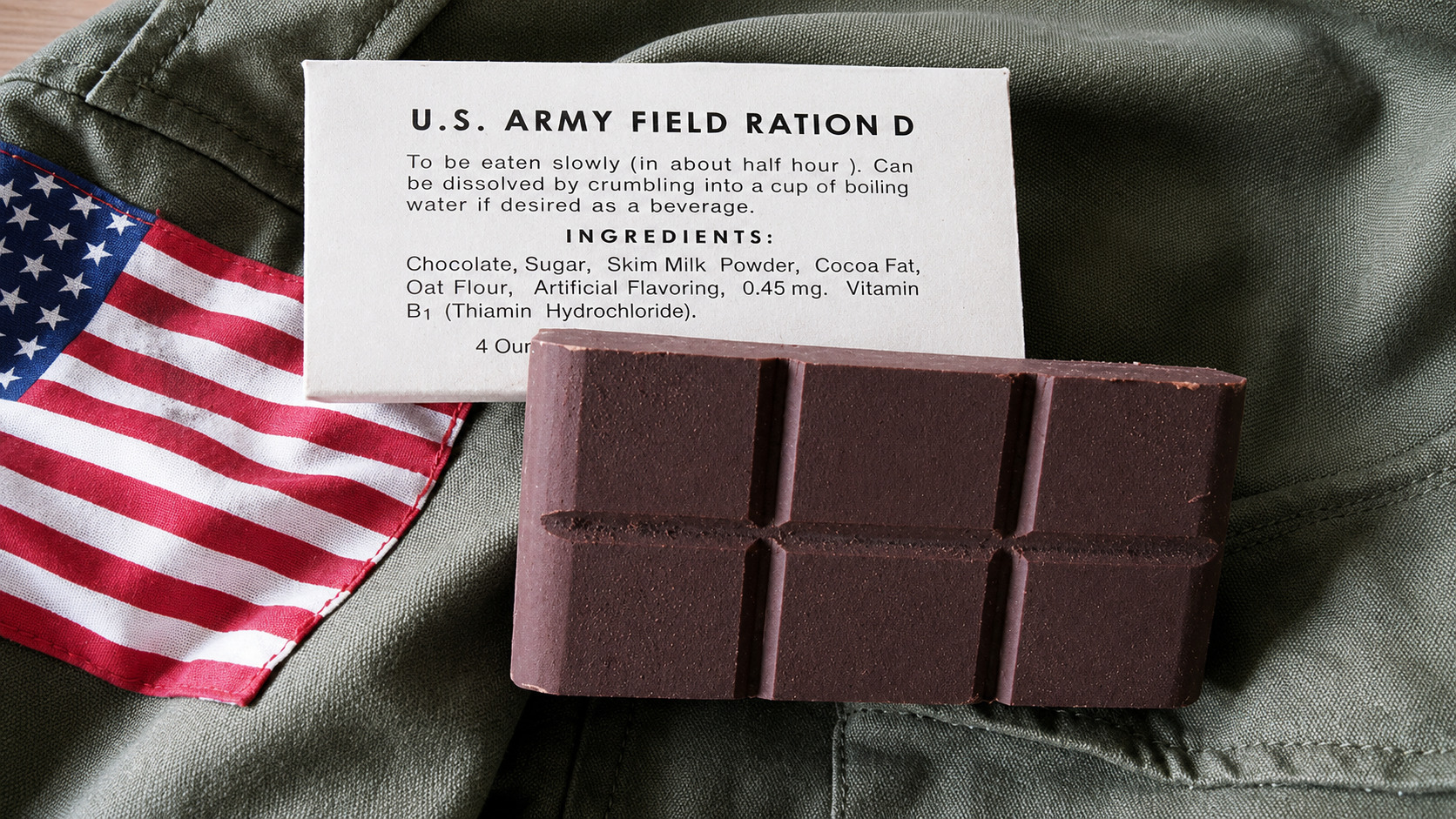
When tasked with creating a chocolate bar for soldiers, Hershey received one unusual request: not to make it too delicious. The order came from Captain Paul Logan, a U.S. Army Quartermaster who collaborated with the company to develop an emergency ration for troops. His goal was to create a densely packed chocolate bar containing only essential carbohydrates, proteins, fats, and minerals, with minimal sweetness. Logan feared soldiers would eat too many bars if they actually tasted good. It took 300 experiments before Hershey and Logan settled on a formula that included oat flour, skim milk powder, vanillin, cocoa butter, chocolate liquor, and only a small amount of sugar.
Captain Logan’s strict requirements did not end there. He also requested that the bar weigh less than 4 ounces, resist heat, and be small enough to fit in a pocket. The ration was created by Sam Hinkle, Hershey’s chief chemist. Unlike the company’s commercial bars, it had to be hand-molded because the mixture was too dense for regular machinery. It reportedly required a sharp knife to cut, and soldiers often had to nibble on the bar or soak it in water first to soften it. Ninety thousand bars were produced between April and June 1937, though the reception was far from enthusiastic. Nevertheless, several soldiers later reported that the bars helped save their lives.
Hershey's Tropical Chocolate Bar
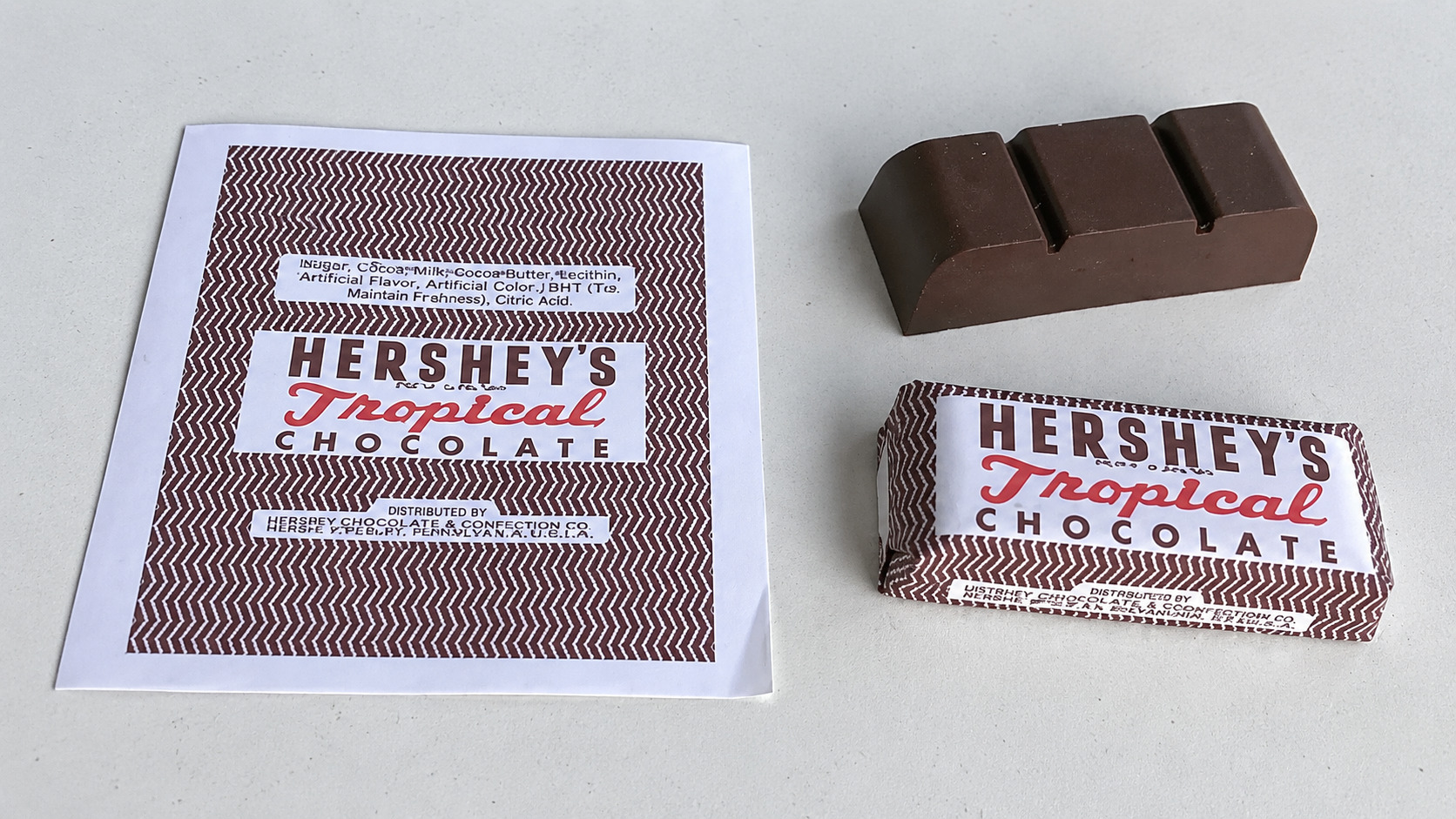
U.S. troops endured the flavorless Ration D bar until 1943, when the Army’s Procurement Division requested that Hershey develop a more palatable alternative, though still not as sweet as a commercial chocolate bar. The Tropical Chocolate Bar was similarly heat-resistant, available in 1- and 2-ounce sizes, and wrapped in tan glassine paper with brown lettering, with the word “Tropical” appearing in either blue or red. The original ingredients included chocolate liquor, skim milk powder, cocoa butter, powdered sugar, vanillin, vitamin B1, and oat flour. In 1957, the formula was revised, with oat flour removed and the skim milk powder and cocoa butter replaced with nonfat milk solids and cocoa powder.
Designed to retain its shape for one full hour at 120 degrees Fahrenheit, the U.S. military produced nearly 380 million 2-ounce bars by the end of World War II. To address America’s wartime chocolate shortage, chocolate brands ran patriotic advertisements supporting rationing. One advertisement from Whitman’s Chocolates depicted a soldier returning home with a box of chocolates and embracing his wife. The Hershey Tropical Chocolate Bar remained in circulation until the 1990s and even traveled aboard Apollo 15 in 1971.
Necco Wafer Candy
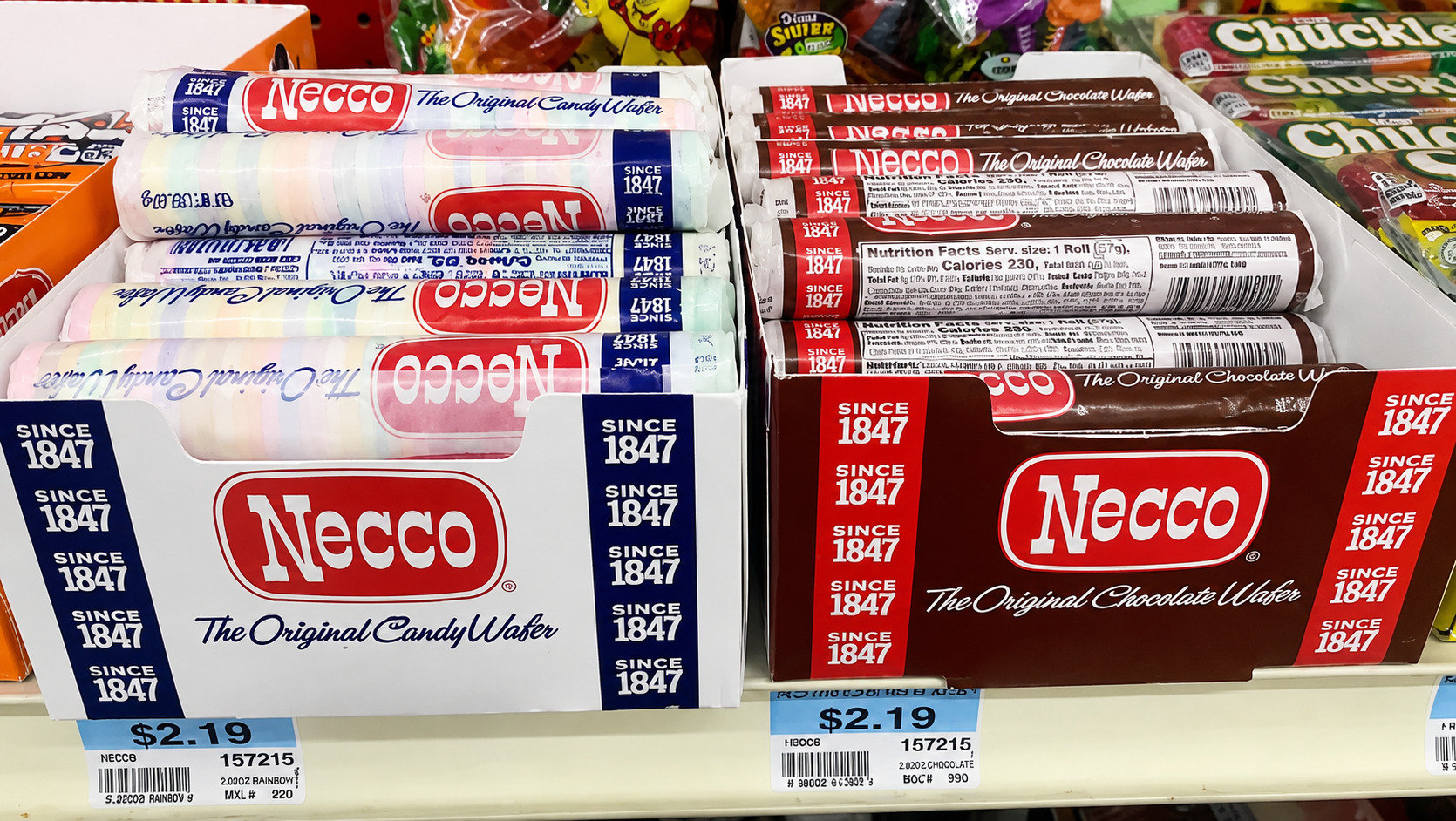
Founded in 1901 in Cambridge, Massachusetts, Necco was one of America’s oldest continuously operating candy manufacturers. Brothers Oliver and Silas Chase patented the first American candy machine, a lozenge cutter created by Oliver in 1847. The brothers used the machine to manufacture thin, multicolored wafers made from sugar, corn syrup, gelatin, gum, coloring, and artificial flavoring. Necco sugar wafers were originally called “Chase Lozenges” and came in eight flavors: orange, lemon, lime, clove, chocolate, cinnamon, licorice, and wintergreen. Later varieties included tropical flavors such as coconut, passion fruit, strawberry, banana, and mango, along with chocolate-only rolls.
During the Civil War, which lasted from 1861 to 1865, the Subsistence Department supplied Union soldiers with Necco sugar wafers. The war helped popularize the candy in the United States and played a pivotal role in establishing America’s modern candy industry.
Life Savers
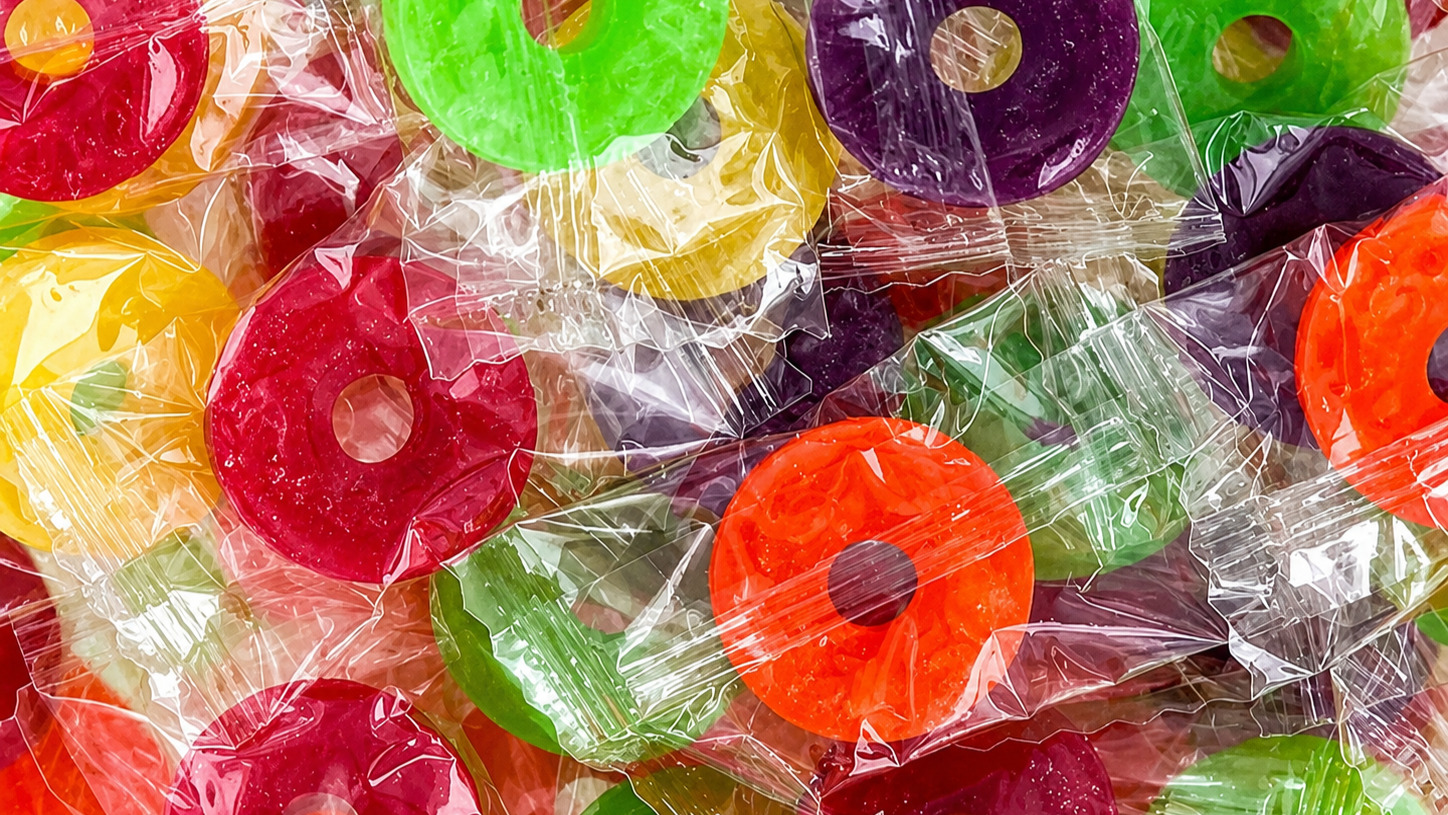
Developed in 1912 by chocolate manufacturer Clarence Crane as a heat-resistant alternative to chocolate, Life Savers became one of America’s most recognizable candy brands. Crane sold the rights to Edward John Noble in 1913, who founded the Life Savers company. The iconic ring shape, with its hole in the center, resembled life preservers, hence the name. Noble was born in Gouverneur, New York, where a giant monument resembling a package of Life Savers Pep-O-Mint, the original flavor, was later erected in his honor. Classic fruit flavors such as lemon, lime, orange, pineapple, and cherry were introduced in 1935, just a few years before World War II.
Because of their heat resistance, Life Savers became wartime rations, with approximately 23 million boxes delivered to the military. A February 1943 Life magazine advertisement depicted various Life Savers flavors as anthropomorphic military figures marching across the page. The caption read: “Today our armed forces are ordering more and more LIFE SAVERS hard candy for shipment out to (CENSORED), (CENSORED), and (CENSORED)…”
Also Read: 15 Iconic Ice Cream Flavors And How They Were Invented
Jelly Beans
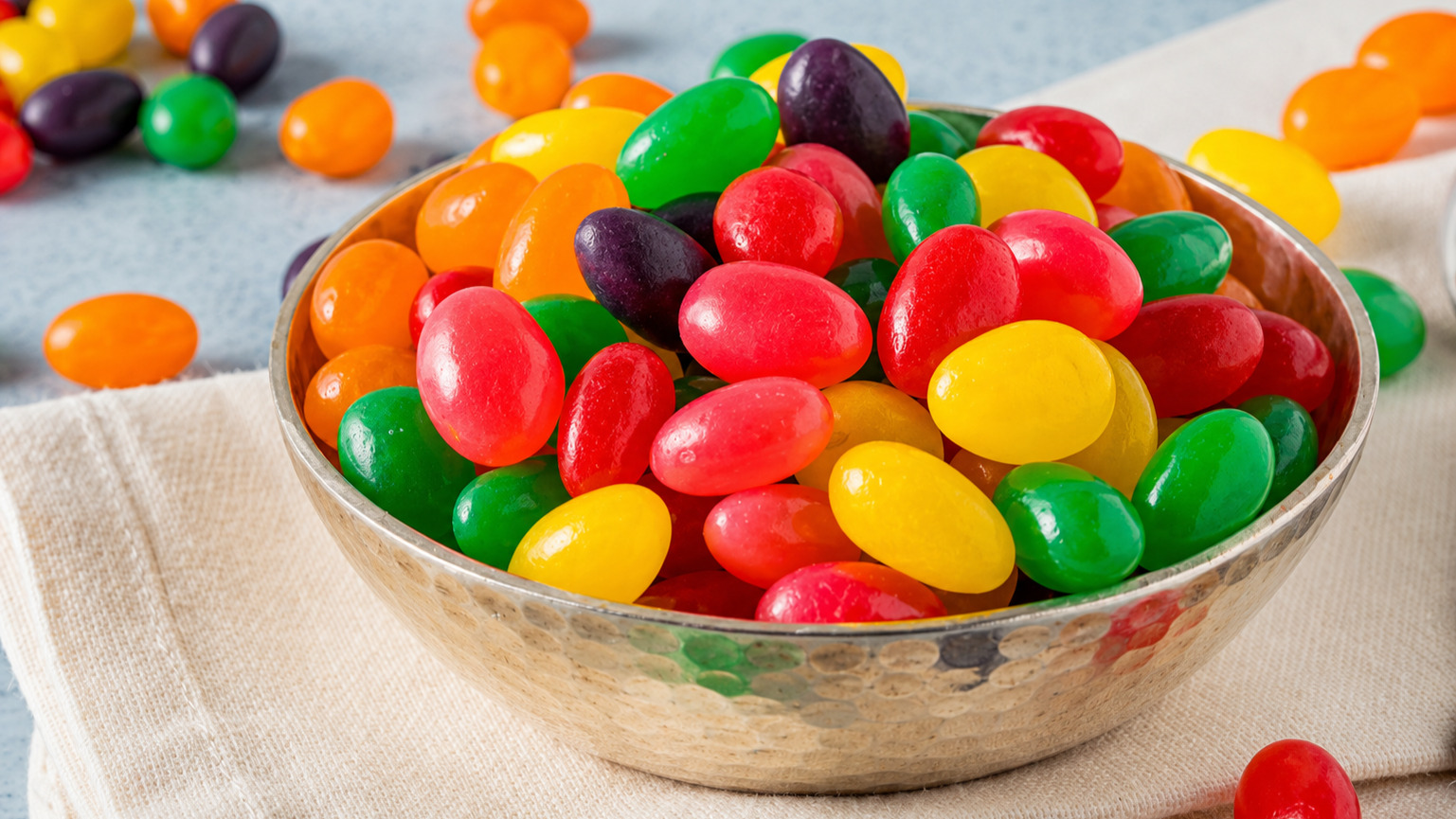
Jelly beans are among the world’s most popular candies, and they are much older than many people realize. Historians are uncertain about their exact origin, though many believe they evolved from a combination of Turkish delight and Jordan almonds, an ancient Roman candy-coated confection. How they arrived in America is equally unclear. The most popular story involves the Civil War and Boston candy maker William Schrafft, who supposedly encouraged families with relatives in the Union Army to send jelly beans as ideal treats.
Some historians challenge this narrative, arguing that Schrafft would have been more likely to promote Necco sugar wafers instead. That said, some evidence supports the jelly bean story. A similar confection called Jelly Babies was being produced in England as early as 1864, the year before the Civil War ended. Given the timeline, it is possible that Schrafft was producing something similar, though definitive proof is lacking.
Charms
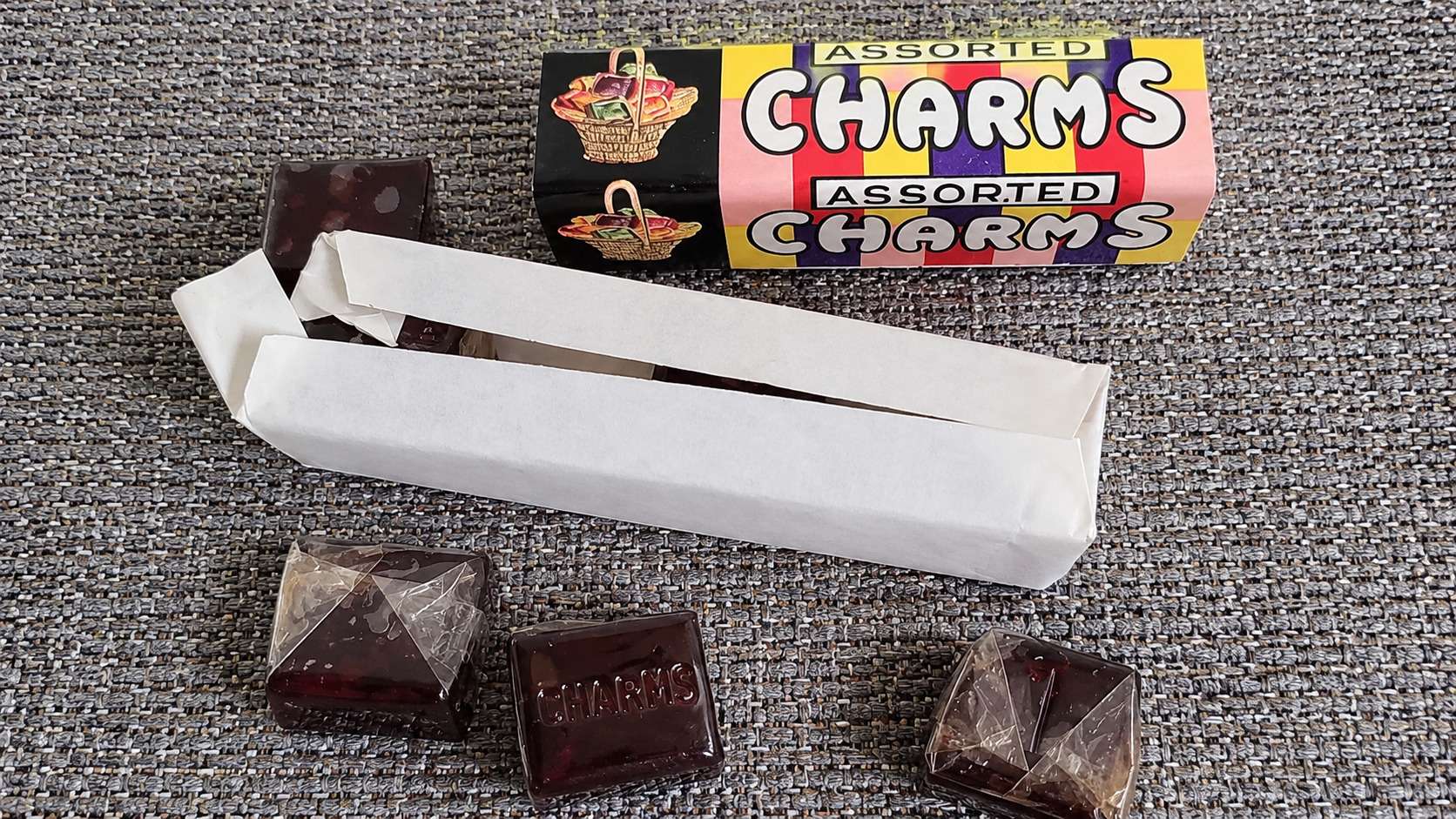
Candy often served as a welcome morale boost for soldiers, and Charms were another sweet included in military rations. Introduced during World War II as part of K-rations, which were lightweight and compact combat food packs, Charms were marketed as “high-energy food supplements.” They remained a military staple for decades until the Army transitioned to MREs, or Meals Ready-to-Eat, which offered complete self-contained meals.
In the 1990s, soldiers developed a superstition that Charms were cursed, with each flavor supposedly predicting a different misfortune. Lemon was said to mean a vehicle breakdown, lime signaled torrential rain, and raspberry even foretold death. The superstition became so widespread that Charms were completely removed from MREs in 2007.
Tootsie Roll
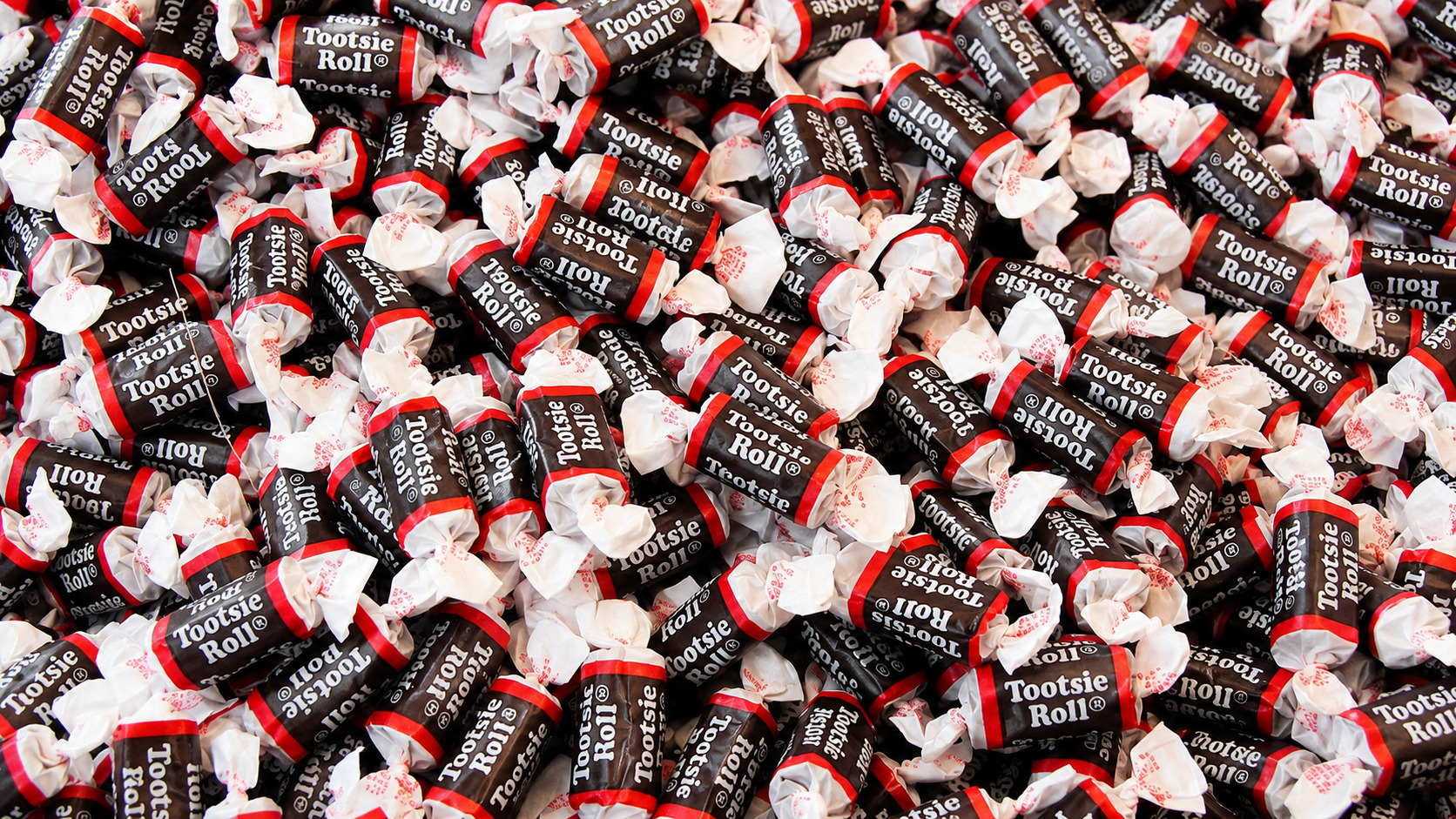
During the Battle of the Chosin Reservoir in November 1950, during the Korean War, legend has it that U.S. Marines survived in part thanks to Tootsie Rolls. Trapped in North Korean territory in temperatures reaching -36 degrees Fahrenheit, the Marines were surrounded by Chinese forces. Supplies were limited, equipment was freezing, and many soldiers were suffering from frostbite.
Military communications often rely on code words to conceal information from the enemy. In this case, “Tootsie Rolls” was allegedly the code phrase for 60-millimeter mortar ammunition. According to the story, a U.S. Air Force operator lacking the correct code sheet mistakenly interpreted the request literally, leading to Tootsie Rolls being dropped instead of explosives. The candy reportedly proved useful anyway, providing energy and even being used to temporarily plug bullet holes in radiators and fuel tanks.
Military historians, however, dispute parts of the story. While Tootsie Rolls did help sustain troops during the campaign, they were likely already part of standard military rations rather than the result of a mistaken airdrop.
Kit Kat
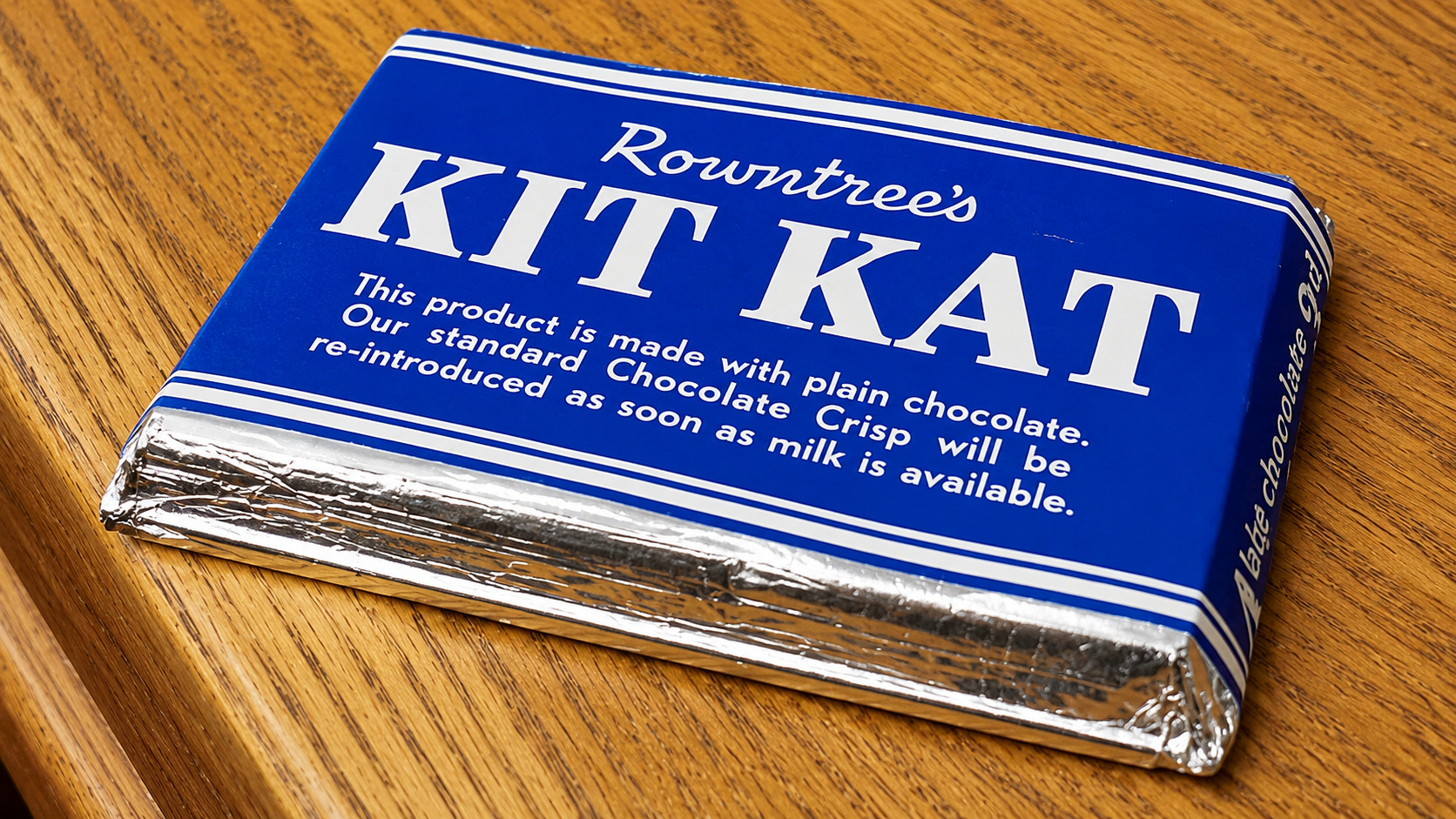
Kit Kat bars were popular among British soldiers during World War II. Because of milk shortages, the packaging was temporarily changed from the original red and gold to blue and white, and the bars were made with plain chocolate instead of milk chocolate. At the time, the bars were produced by Rowntree’s, the British confectionery company that created Kit Kat. The temporary wrapper featured the company’s name in large white lettering above a simplified Kit Kat logo, along with a note explaining the wartime recipe change.
The original packaging and milk chocolate recipe returned in 1947. Today’s familiar red-and-white design did not arrive until 1973. World War II significantly boosted Kit Kat’s popularity, eventually helping the brand expand into Australia, New Zealand, Canada, South Africa, Europe, and Japan.
Cadbury's Ration Chocolate
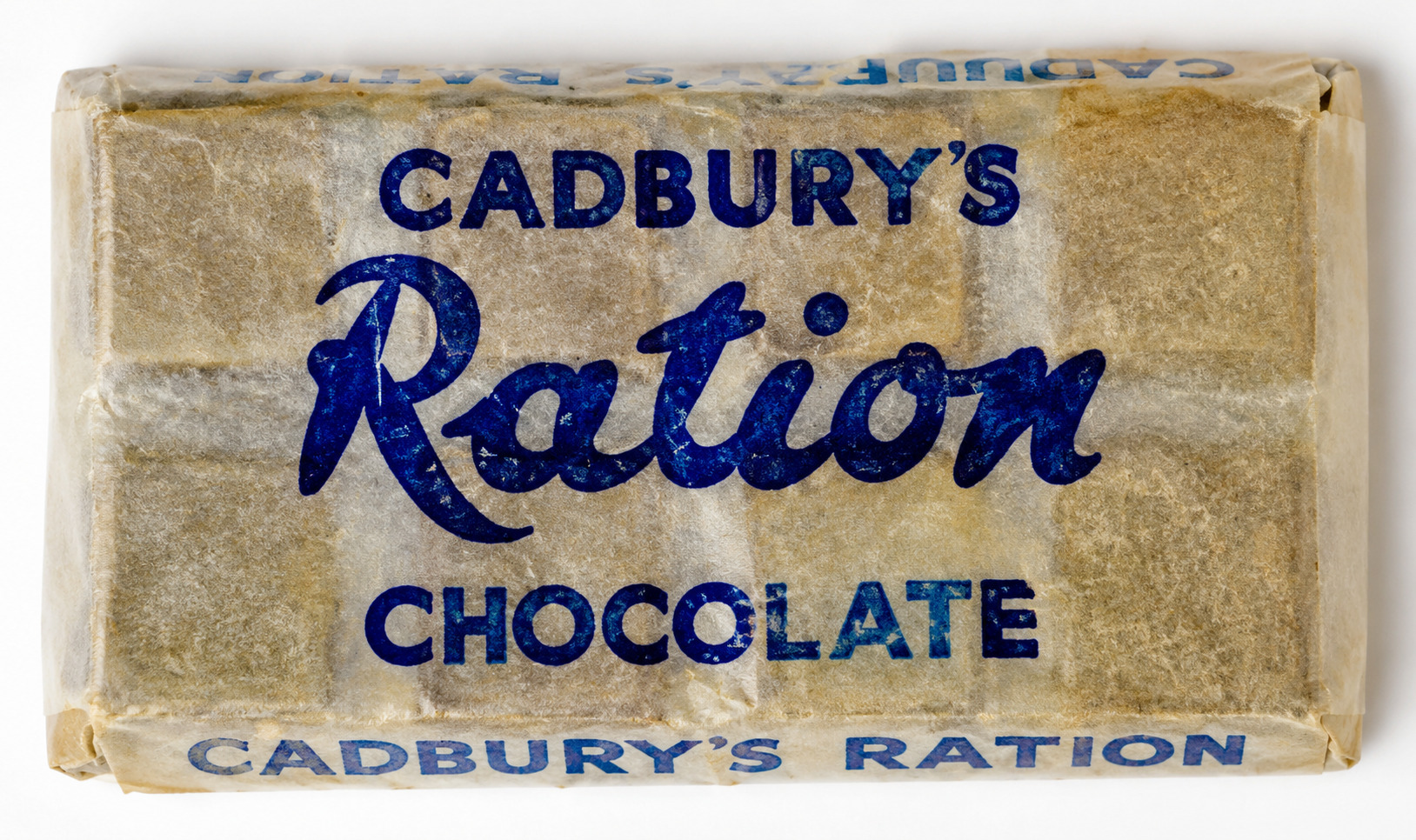
Cadbury, often considered Britain’s equivalent of Hershey, was one of several confectionery companies producing chocolate for British troops during World War II. When the war began, Britain imported a significant portion of its food, prompting the government to introduce rationing in 1940 to prevent shortages and ensure fair distribution. In 1941, fresh milk was banned from chocolate production because it was considered a luxury. As a result, Cadbury halted production of its flagship Dairy Milk bar and began manufacturing military ration chocolate under strict nutritional guidelines.
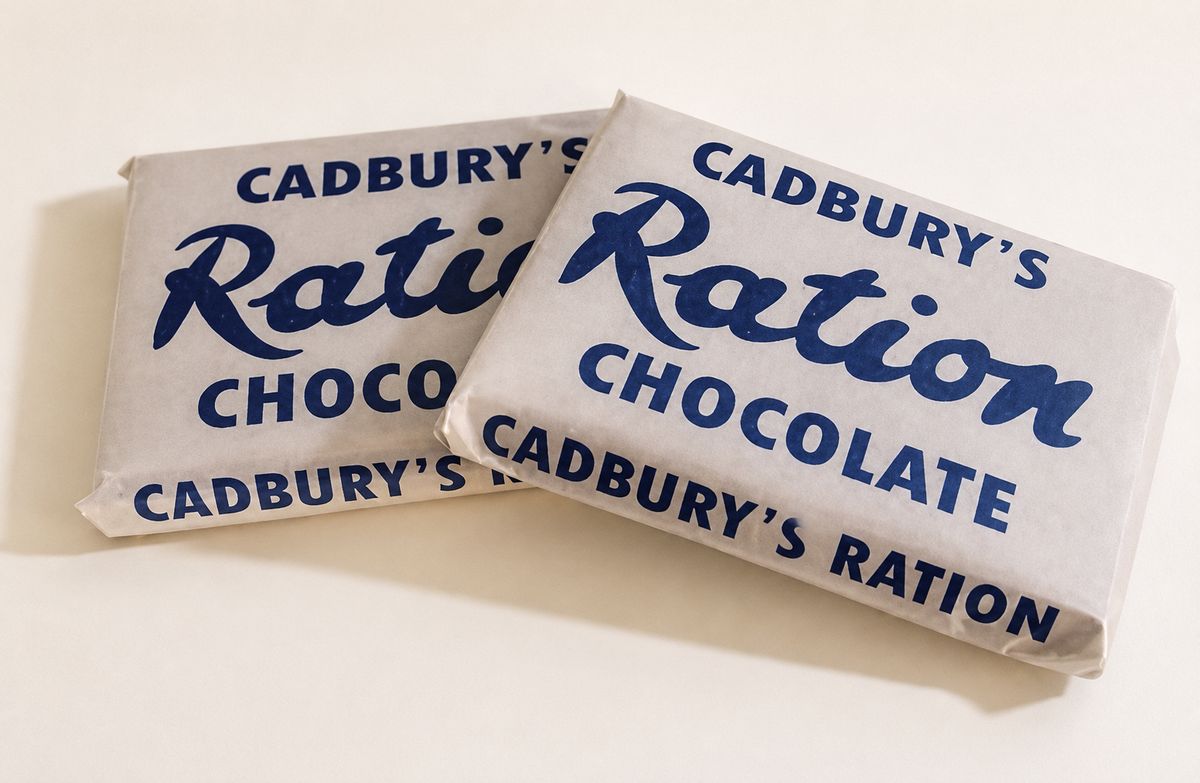
Typical ration bars contained cocoa powder, milk powder, sugar, and sometimes oat flour and vitamins, providing soldiers with a dense source of energy. Cadbury’s ration bar came wrapped in tan parchment paper with the words “Ration Chocolate” printed in blue, along with a note emphasizing the efficient wartime use of limited ingredients. Unlike Hershey’s American ration bars, Britain offered several variations, including bars with nuts or raisins.