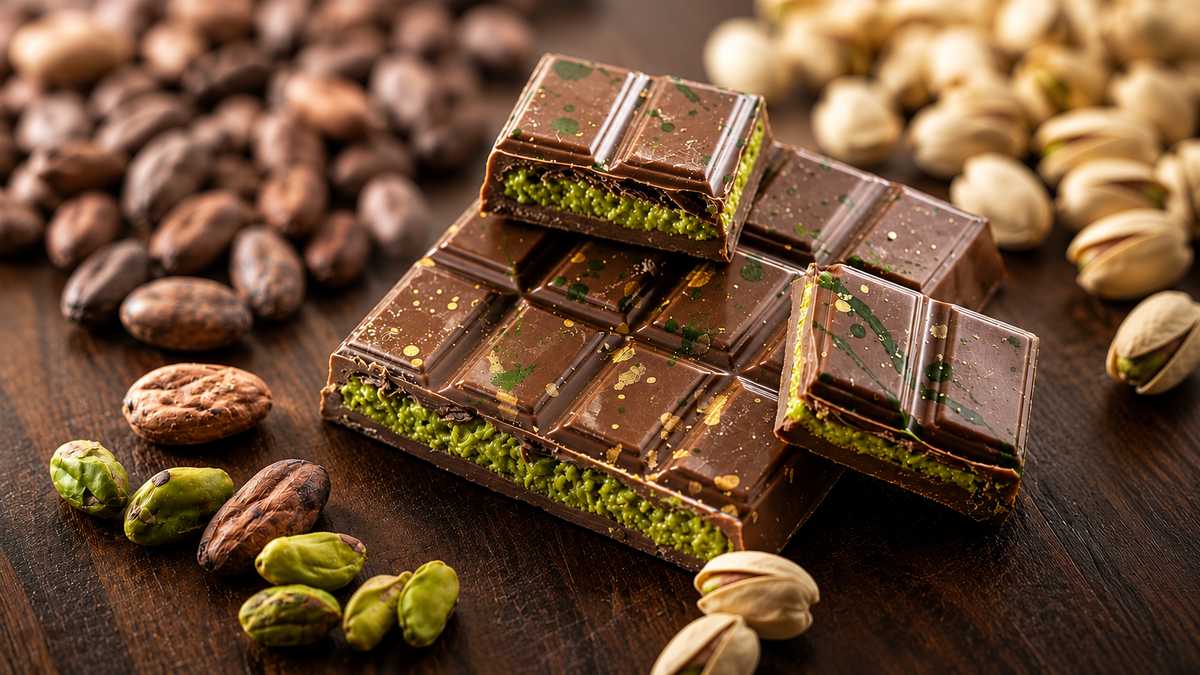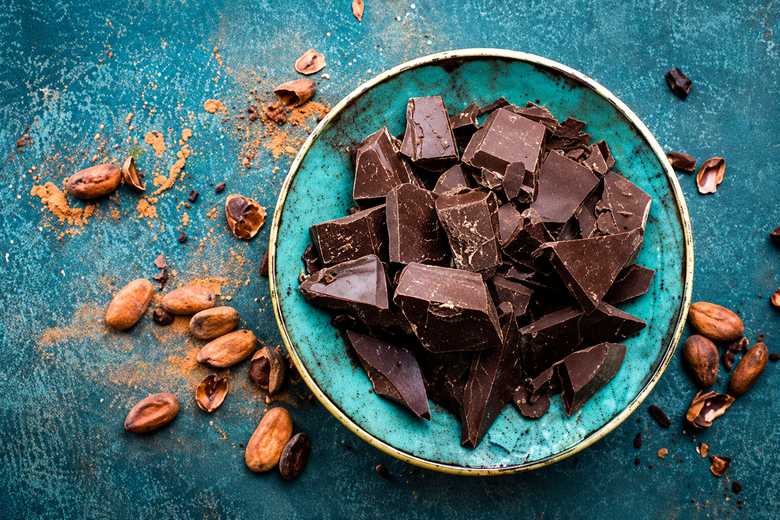
Chocolate is one of the most loved foods in the world today, enjoyed in many different forms such as milk chocolate, dark chocolate, white chocolate, flavored varieties, and holiday-themed treats shaped like hearts, bunnies, and Santas. People consume chocolate in candy bars, cakes, cookies, desserts, and beverages, making it a major part of modern food culture. The global chocolate confectionery market is worth billions of dollars, reflecting its widespread popularity. However, chocolate was not always consumed in the way it is today. Solid chocolate is actually a relatively recent invention. For most of its long history, chocolate was not something people chewed as candy or enjoyed as a snack. Instead, it was prepared and consumed as a drink. Its earliest uses were closely connected to religion, ceremonial traditions, medicine, and social status rather than simple enjoyment.
Also Read: Why Salt and Pepper Became the World’s Most Famous Seasoning Pair
The Origins of Chocolate
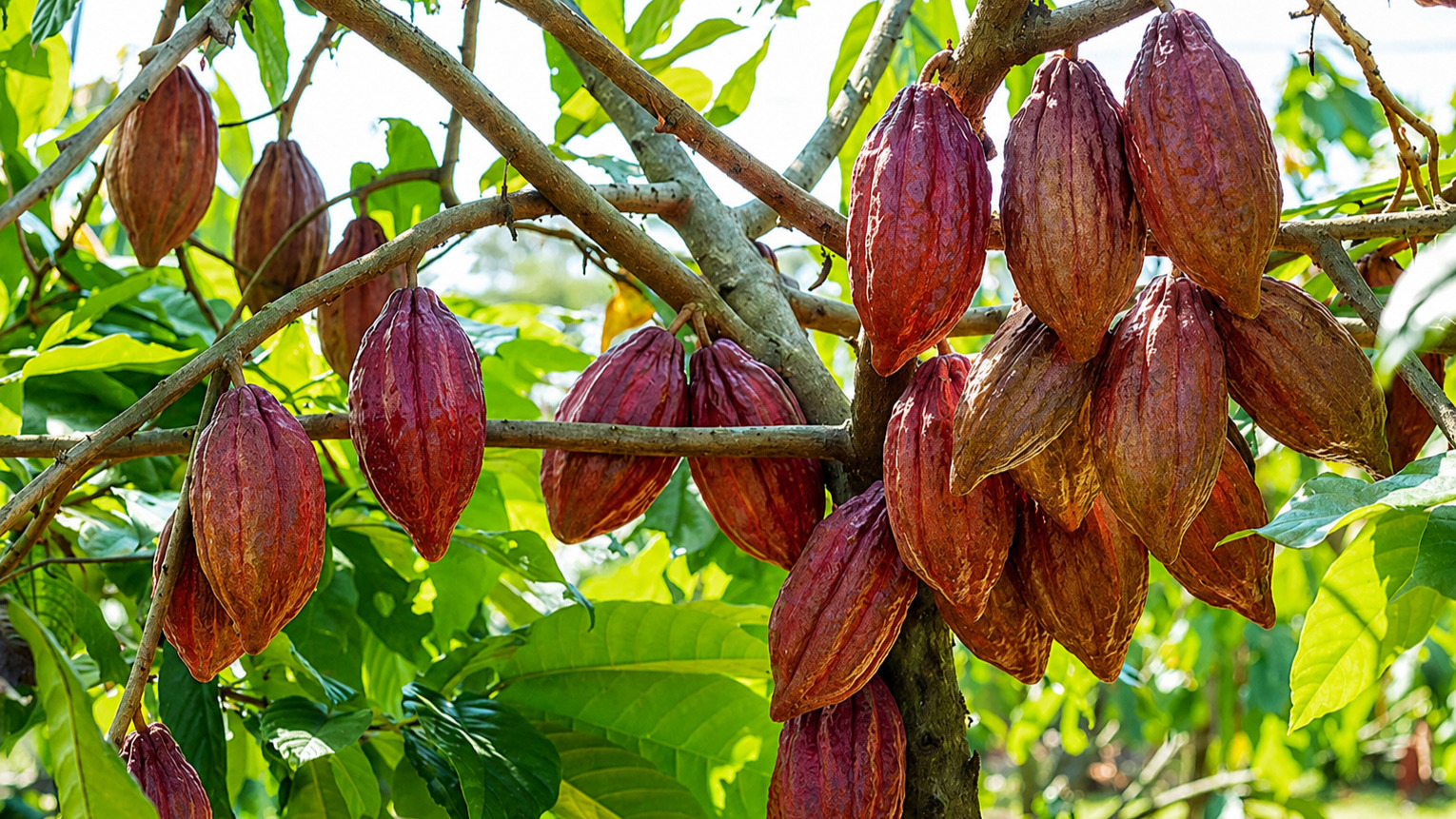
Chocolate comes from the cacao tree, scientifically known as Theobroma cacao. This tree produces cacao pods that contain the beans used to make chocolate. Ancient civilizations discovered the value of cacao thousands of years ago. The earliest known users of chocolate were the ancient Mesoamerican civilizations, including the Maya and the Aztecs. Mesoamerica was a historical region covering parts of present-day Mexico and Central America. These civilizations began using cacao as early as 3,000 BC. For them, cacao was far more than just a food source. It held deep spiritual and cultural significance, and many believed the cacao tree was sacred and connected to the creation of humanity. Because of this belief, chocolate became an important part of religious rituals and ceremonial events.
Chocolate as a Sacred Drink
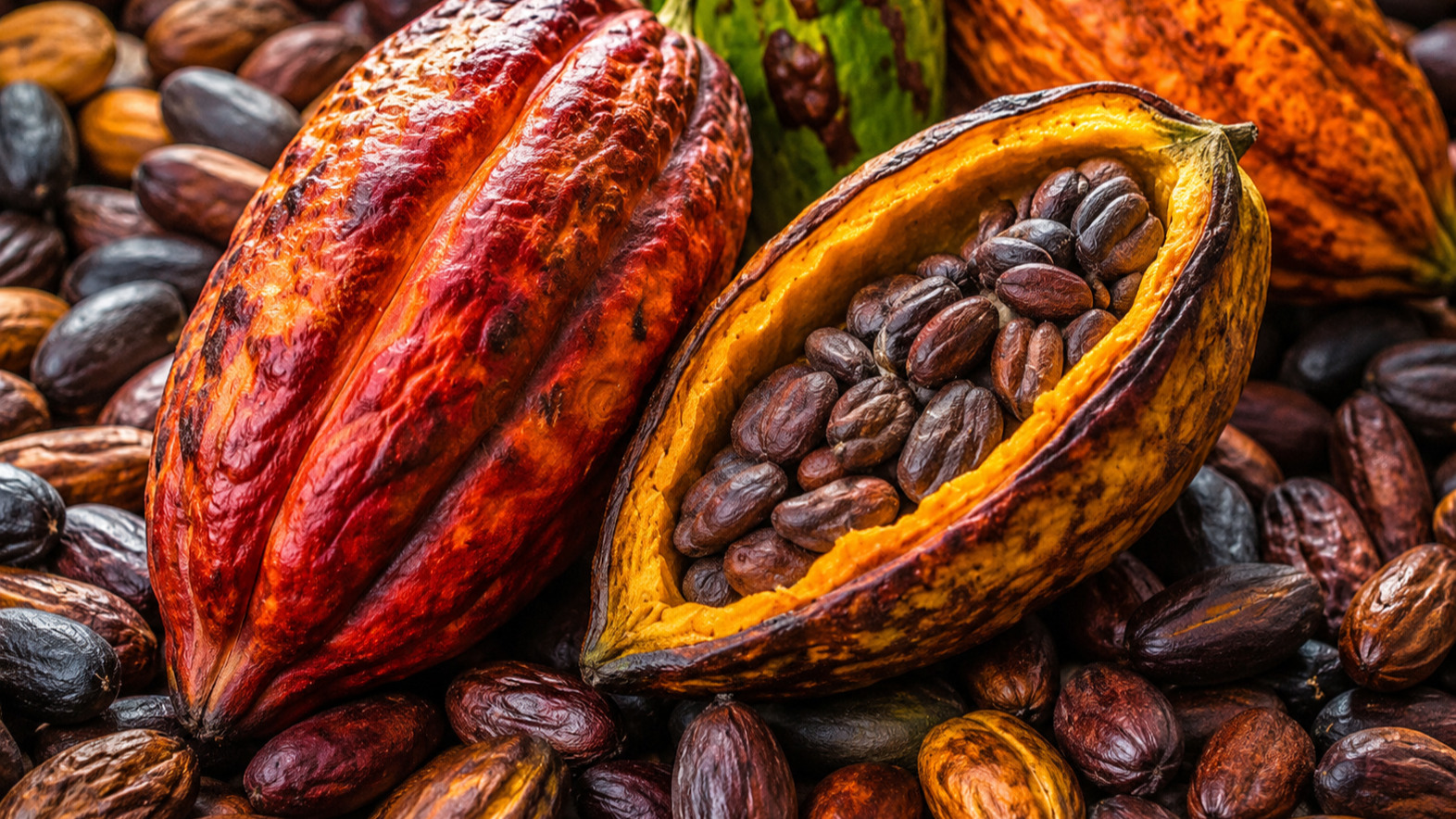
Unlike the chocolate bars commonly consumed today, ancient chocolate was prepared as a beverage. Cacao beans were processed into a drink that was typically mixed with water instead of milk. This beverage was not sweet like modern hot chocolate, as sugar was not commonly added. Instead, it had a bitter, rich, and strong taste. To improve the flavor and texture, people added ingredients such as chili, cinnamon, vanilla, and sometimes nuts. Later, especially in Europe, before milk became a common ingredient, egg yolks were used in some recipes to create a creamier and frothier texture. Drinking chocolate was closely tied to ceremonies and religious practices because cacao was considered sacred. It was often consumed during important rituals and events, much like wine held religious significance in early Christian traditions.
Also Read: 15 Iconic Ice Cream Flavors And How They Were Invented
Chocolate as Medicine
Ancient people also believed that chocolate had medicinal properties and healing powers. It was commonly used to treat various health problems, including fevers, digestive issues, weakness, and other illnesses. During ancient and early historical periods, foods and drinks were often considered remedies, and chocolate became one of the substances used in this way. As a result, chocolate was valued not only for its taste but also for its perceived health benefits.
A Symbol of Wealth and Social Status
Chocolate was not something that everyone could easily enjoy in ancient times. Because cacao was valuable and difficult to produce, chocolate became a symbol of wealth, privilege, and high social standing. Wealthy individuals, nobles, religious leaders, and rulers had greater access to chocolate, while ordinary people often had limited opportunities to consume it. This association between chocolate and luxury continued even after it spread beyond the Americas.
The Global Spread of Drinking Chocolate
Although Mesoamerican civilizations had been drinking chocolate since at least 3,000 BC, the rest of the world discovered it much later. Chocolate reached Europe during the 16th century following European contact with the Americas. Spain was among the first European countries to adopt the practice of drinking chocolate, and from there, it gradually spread across other parts of Europe. Initially, chocolate remained a luxury drink because cacao was expensive and imported, making it accessible mainly to wealthy families and aristocrats. One well-known historical figure associated with chocolate consumption was Marie Antoinette, the Queen of France.
How Historical Drinking Chocolate Was Different
The chocolate beverages of the past were quite different from the hot chocolate commonly enjoyed today. Ancient and early European chocolate drinks were usually made with water rather than milk, as milk only became a common ingredient in the 1700s. Before milk became popular, egg yolks were often used to create a smoother and frothier texture. Various flavorings such as cinnamon, vanilla, chili, nuts, and other aromatic spices were added to enhance taste. Interestingly, many of these same ingredients continue to be used in chocolate products today. Unlike modern sweet hot chocolate, earlier versions were generally less sweet and had a stronger, more bitter flavor.
Also Read: Foods People Think Are American But Where Are They Really From?
The Invention of Solid Chocolate
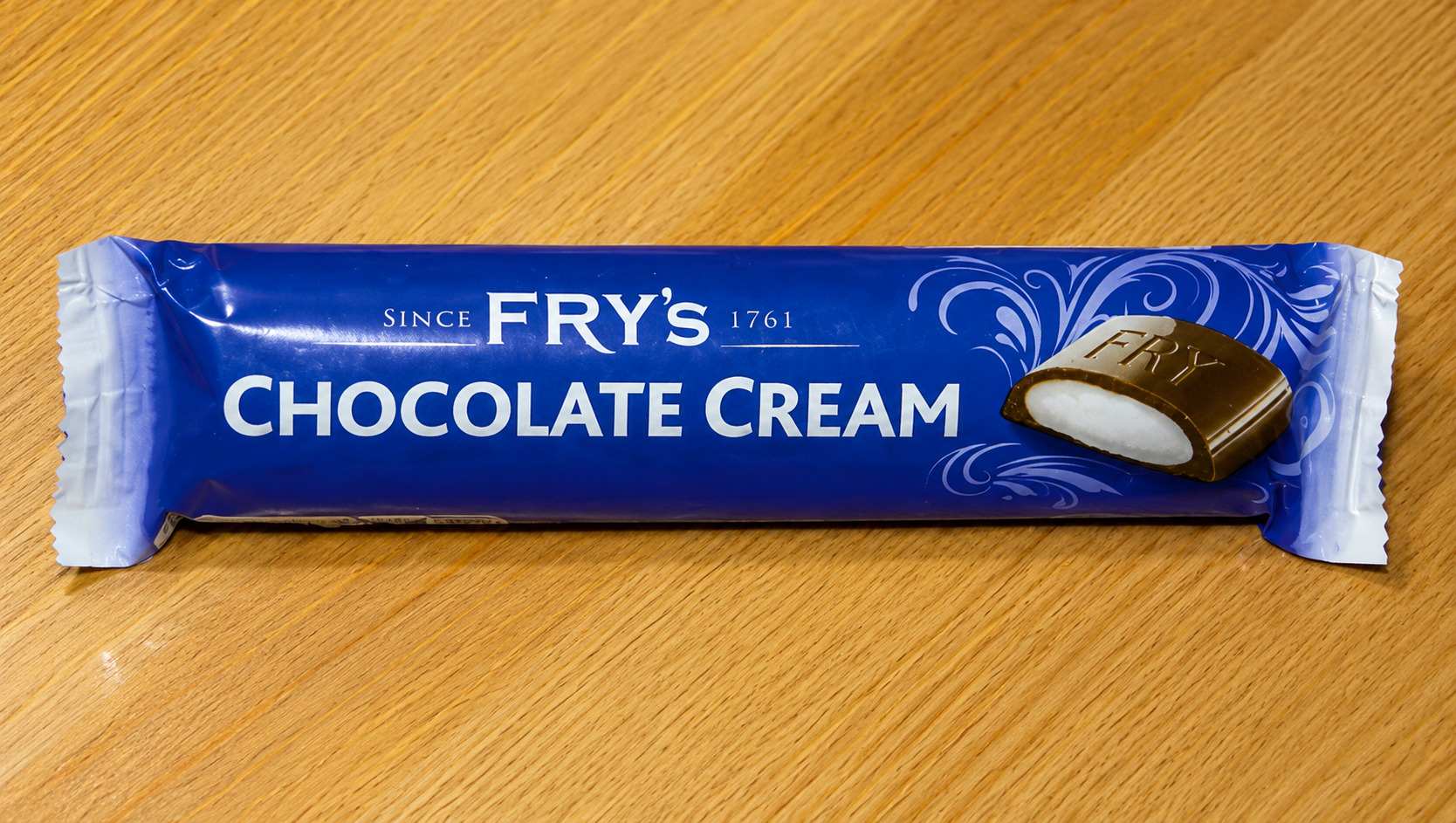
The most significant transformation in the history of chocolate occurred during the 19th century. In 1847, Joseph Fry, working with the J.S. Fry & Sons chocolate company, created the first solid chocolate bar. This marked a major turning point because chocolate was no longer limited to being consumed as a drink. The invention made chocolate easier to produce, package, transport, and sell, allowing it to become more accessible to ordinary people instead of remaining a luxury for the wealthy. Soon after, other companies began manufacturing their own chocolate bars, and chocolate quickly became one of the most popular sweet foods in the world.
Chocolate in the Modern World
By the 20th century, chocolate had become a widely loved confection enjoyed by people across the world. New forms of chocolate continued to emerge, including milk chocolate bars, boxed chocolates, flavored varieties, and seasonal treats. Today, chocolate is consumed in countless forms, from desserts and beverages to candy and gourmet products. What began thousands of years ago as a sacred ceremonial drink eventually transformed into one of the world’s most beloved foods.