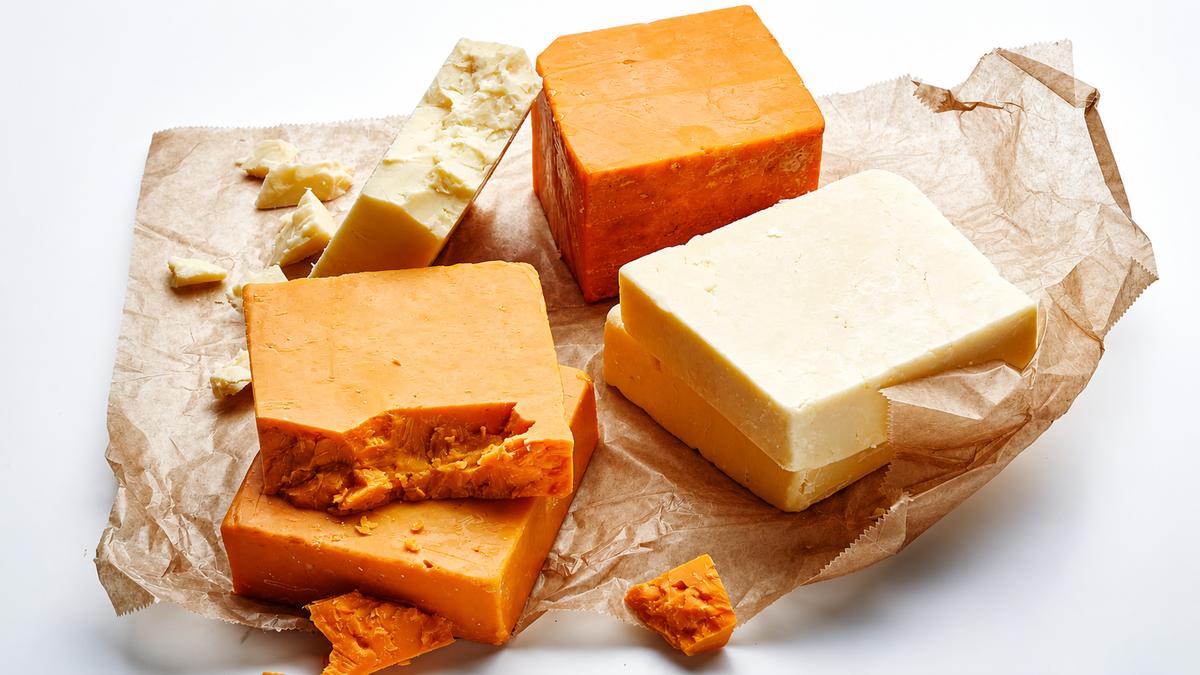
When you walk through the cheese aisle in a grocery store, you will probably notice that many cheeses are bright orange. Cheddar is the most famous example, but it is not the only one. French Mimolette, Red Leicester, and even some types of Gouda also have an orange color. Most people believe that this is the natural color of these cheeses.
However, the truth is much more interesting. The orange color found in many cheeses today may have started more than 300 years ago because of a clever marketing trick. What began as a way to make cheese look richer and more valuable eventually became a tradition that continues around the world.
The Story Begins in Southern England
The history of orange cheese takes us back to southern England, a region that has been famous for cheesemaking for centuries. This is also where the town of Cheddar is located, the birthplace of the well-known cheddar cheese. During the 17th century, cheesemakers faced an important business decision.
Cream, the fatty part of milk, was very valuable because it could be sold separately or turned into butter, which often earned more money than selling whole milk. To increase their profits, some cheesemakers removed part of the cream before making cheese. However, this created a problem.
Once the cream was removed, the milk became much lighter in color. Instead of having a rich yellow appearance, it looked pale and almost transparent. The cheese made from this milk also looked less appealing. Customers believed that pale cheese was made from poor-quality milk, so they were less likely to buy it.
Also Read: How Homer Simpson Turned Donuts into a Global Pop Culture Icon
A Clever Way to Fool Customers
According to a theory suggested by a cheese expert at the University of Vermont, some cheesemakers found a simple solution. They began adding natural colorings to the milk before making cheese. They used ingredients such as carrot juice, marigold flowers, and saffron. These natural ingredients gave the milk back its rich yellow color, making it appear as though it still contained plenty of cream.
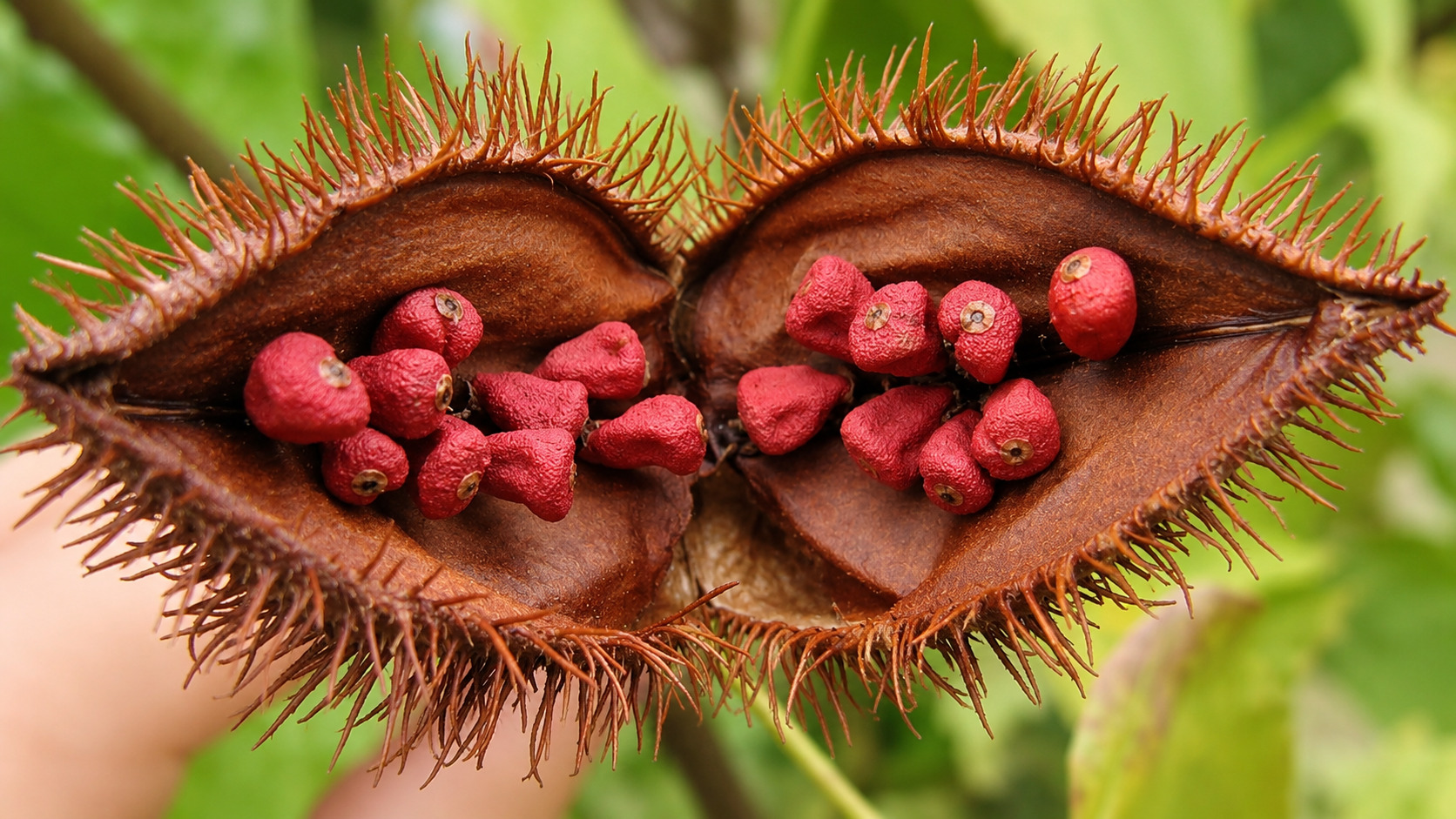
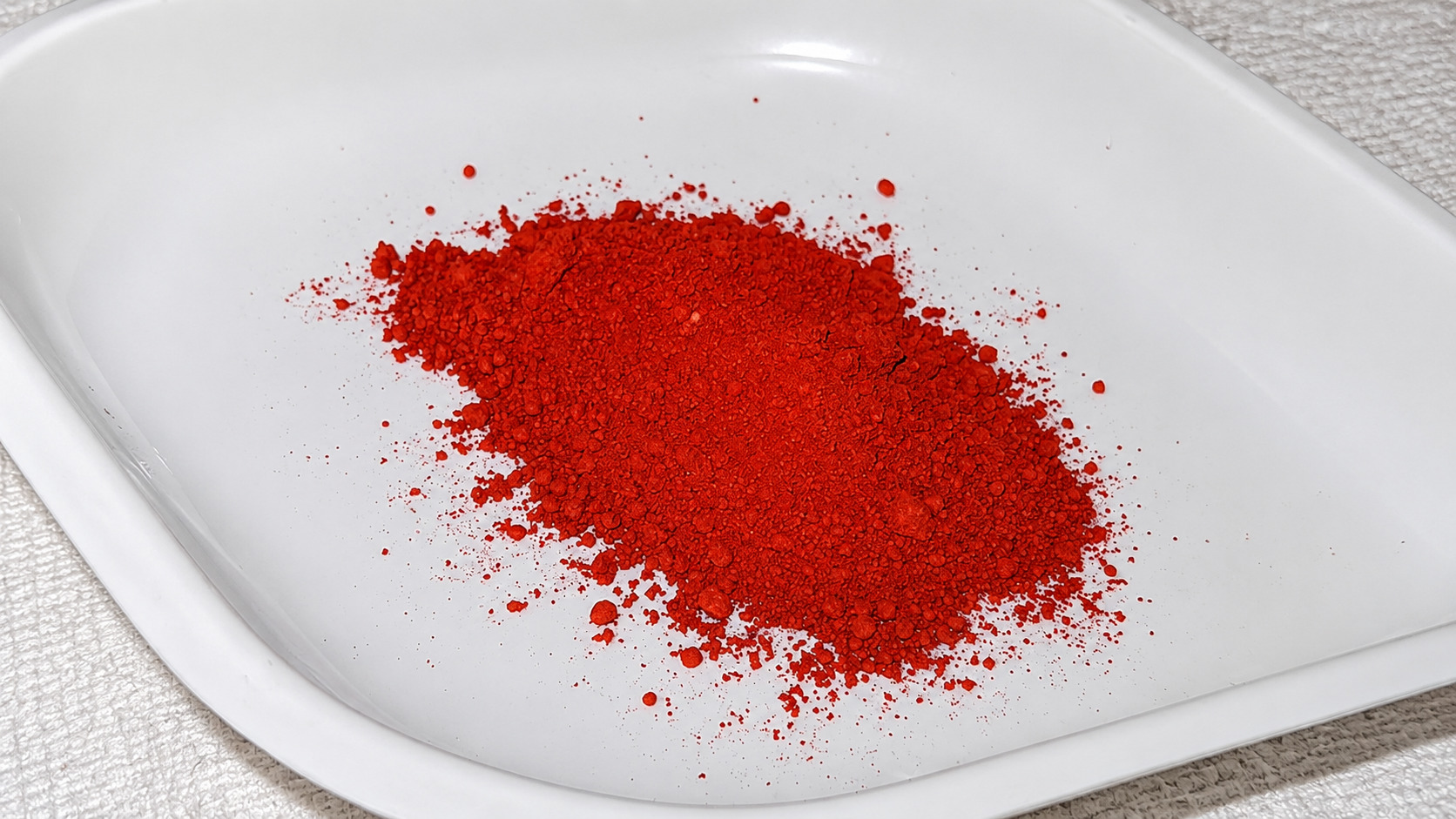
Customers believed they were buying cheese made from rich, high-quality milk, even though much of the valuable cream had already been removed. Later, after trade with South America expanded, cheesemakers discovered an even better natural coloring called annatto. Annatto comes from the seeds of the achiote tree and produces a bright yellow-orange color. It quickly became the preferred coloring for cheese and is still widely used today.
Why Yellow Milk Was Considered Better
People associated yellow-colored milk with high-quality cheese because of something called beta carotene. Beta carotene is a natural red-orange pigment found in foods such as carrots, sweet potatoes, apricots, cantaloupe, and oranges. When cows graze on fresh green grass, especially during the spring, they consume large amounts of beta carotene.
This pigment passes into their milk, giving it a rich yellow color. Milk from grass-fed cows was considered fresher and richer, and people believed it produced better-tasting cheese. Because of this, shoppers naturally preferred cheese with a deeper yellow or orange color.
Another Reason Cheese Became Orange
Not everyone believes orange cheese started because of dishonest marketing. Another popular theory suggests that cheesemakers simply wanted their products to look the same throughout the year. During spring and summer, cows ate fresh grass filled with beta carotene. Their milk naturally became yellow, producing cheese with a rich golden color.
During autumn and winter, however, cows mostly ate hay and stored feed. These foods contained much less beta carotene, so the milk became much whiter. As a result, cheese produced during the colder months looked very different from cheese made in spring.
Customers expected cheese to have the same appearance every time they bought it. To keep the color consistent all year long, cheesemakers began adding natural dyes. This helped make every batch of cheese look similar, regardless of the season. Many experts believe this is one of the main reasons why cheese coloring became common.
Red Leicester and the Competition
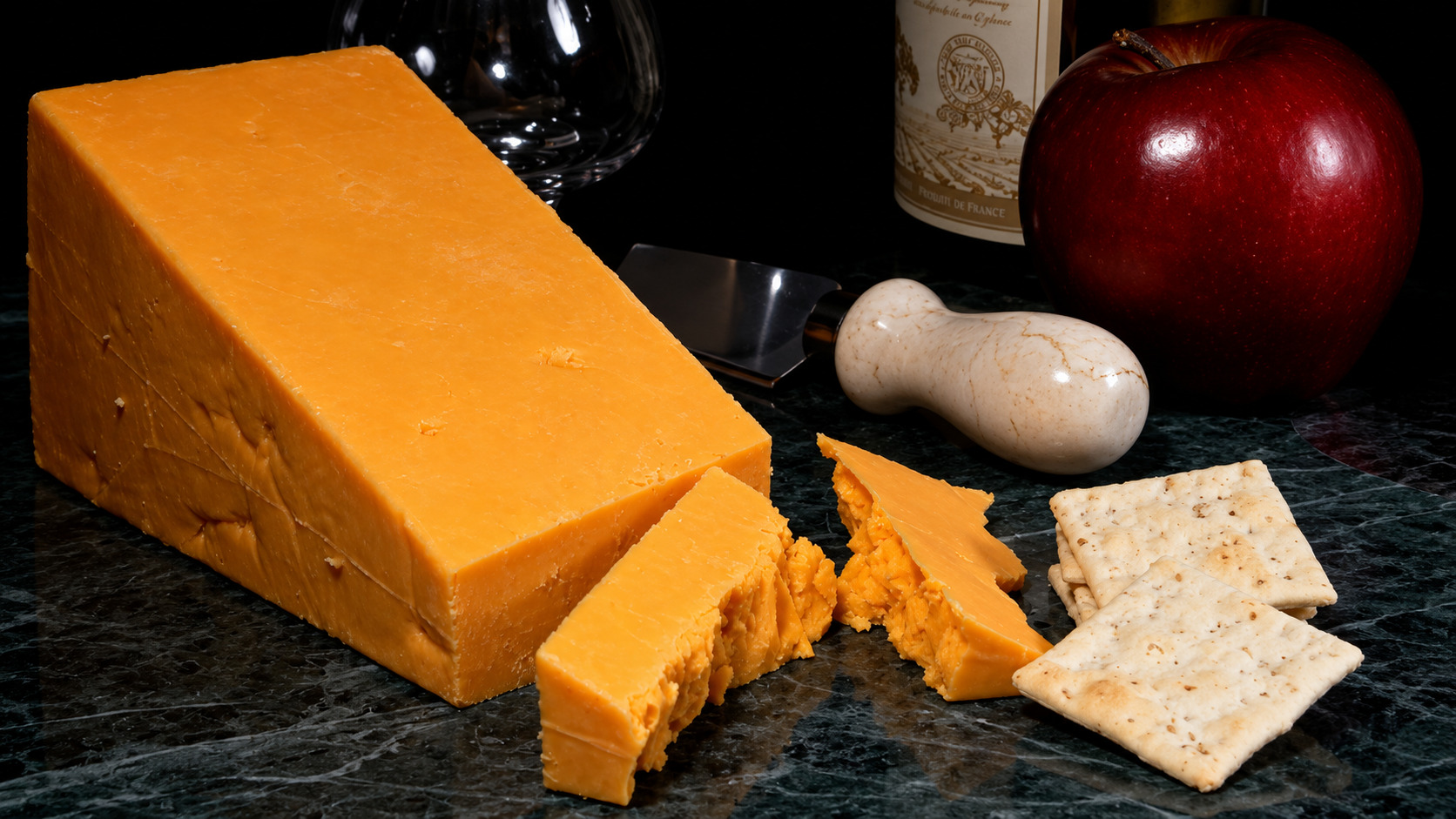
There is also another interesting explanation. Some historians believe that cheesemakers in Leicester began coloring their cheese during the 17th century to make it stand out from similar cheeses made by their competitors.
At a time when many cheeses looked alike, having a bright orange cheese made it easy for customers to recognize and remember the product. In other words, the color became an early form of branding and marketing. This strategy worked well because customers soon began connecting the orange color with Red Leicester cheese.
The Story Behind Mimolette
The famous French cheese Mimolette has its own colorful history. According to one story, French cheesemakers started adding carrot juice to Mimolette during wars with the Dutch in the 1600s. The orange color was supposedly meant as a symbolic insult to the Dutch royal House of Orange.
Although historians continue to debate whether this story is completely true, it remains one of the most fascinating explanations for why Mimolette has its distinctive appearance.
Also Read: From Stone Tablets to Smartphones: The Evolution of Restaurant Menus
Why Cheesemakers Still Use Annatto Today
Today, modern cheesemakers continue to use annatto to color many types of cheese. Unlike artificial food colorings, annatto is a natural ingredient. Only a very small amount is added during the cheesemaking process, so it does not change the flavor of the cheese.
Its main purpose is simply to give cheese the familiar yellow or orange color that many people expect. Without annatto, many cheeses would actually appear much paler than shoppers are used to seeing.
Does Orange Cheese Taste Different?
One of the biggest myths about cheese is that orange cheddar tastes different from white cheddar. In reality, they are usually made using the same recipe. The only real difference is that orange cheddar contains annatto or another natural coloring, while white cheddar does not.
Their texture, aging process, and flavor remain essentially the same. Even though the taste is nearly identical, many people still prefer orange cheddar simply because it looks richer, more traditional, or more appetizing.
A Tradition That Lasted for Centuries
Whether orange cheese began as a clever marketing trick, a way to create a consistent product throughout the year, or simply as a method of standing out from competitors, one thing is certain: the tradition has lasted for hundreds of years. Today, millions of people around the world expect cheeses like cheddar, Red Leicester, and Mimolette to have their signature orange color.
Modern cheesemakers continue using annatto to meet those expectations, even though the color itself has little effect on taste. The next time you enjoy a slice of orange cheddar on a sandwich or arrange colorful cheeses on a cheese board, remember that its bright color tells a story that began more than three centuries ago, a story of business, marketing, tradition, and changing consumer expectations that continues to shape the cheese we buy today.