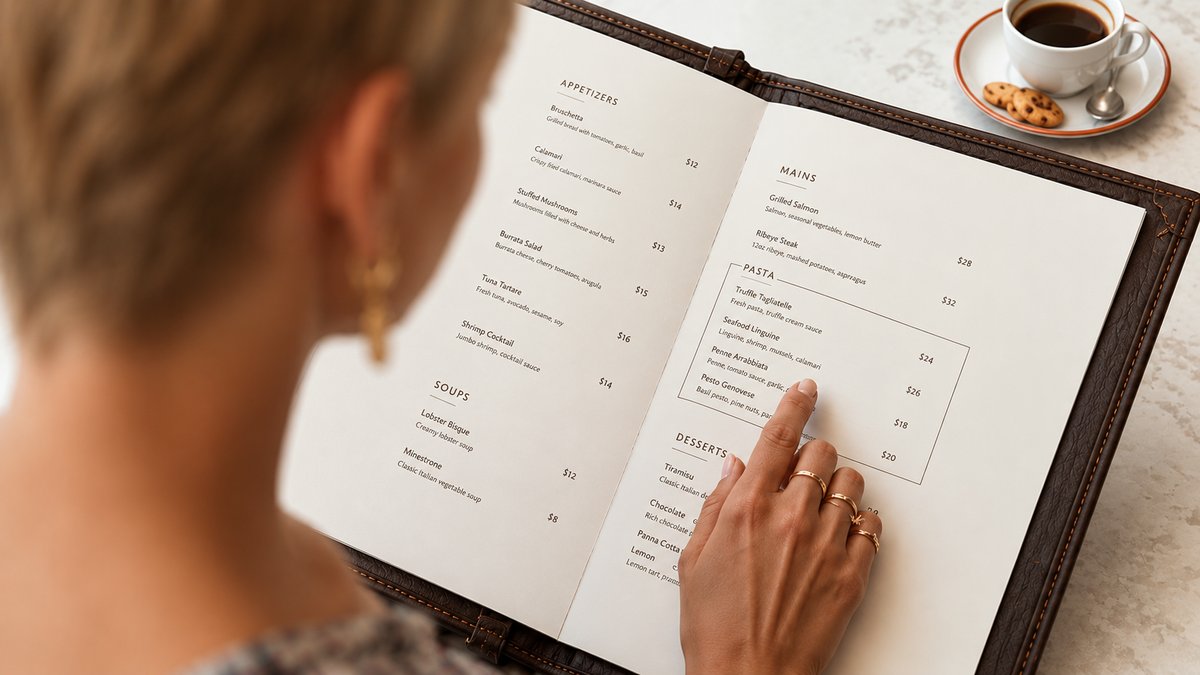
Restaurant menus are a normal part of dining today. Whether they are printed on paper, displayed on a screen, or accessed through a QR code, menus help customers see what food is available and choose what they want to eat. While most people use menus every day without thinking about them, the history of menus goes back thousands of years. Their journey from ancient stone tablets to modern smartphones is a fascinating story of change and innovation.
How Menus Have Changed
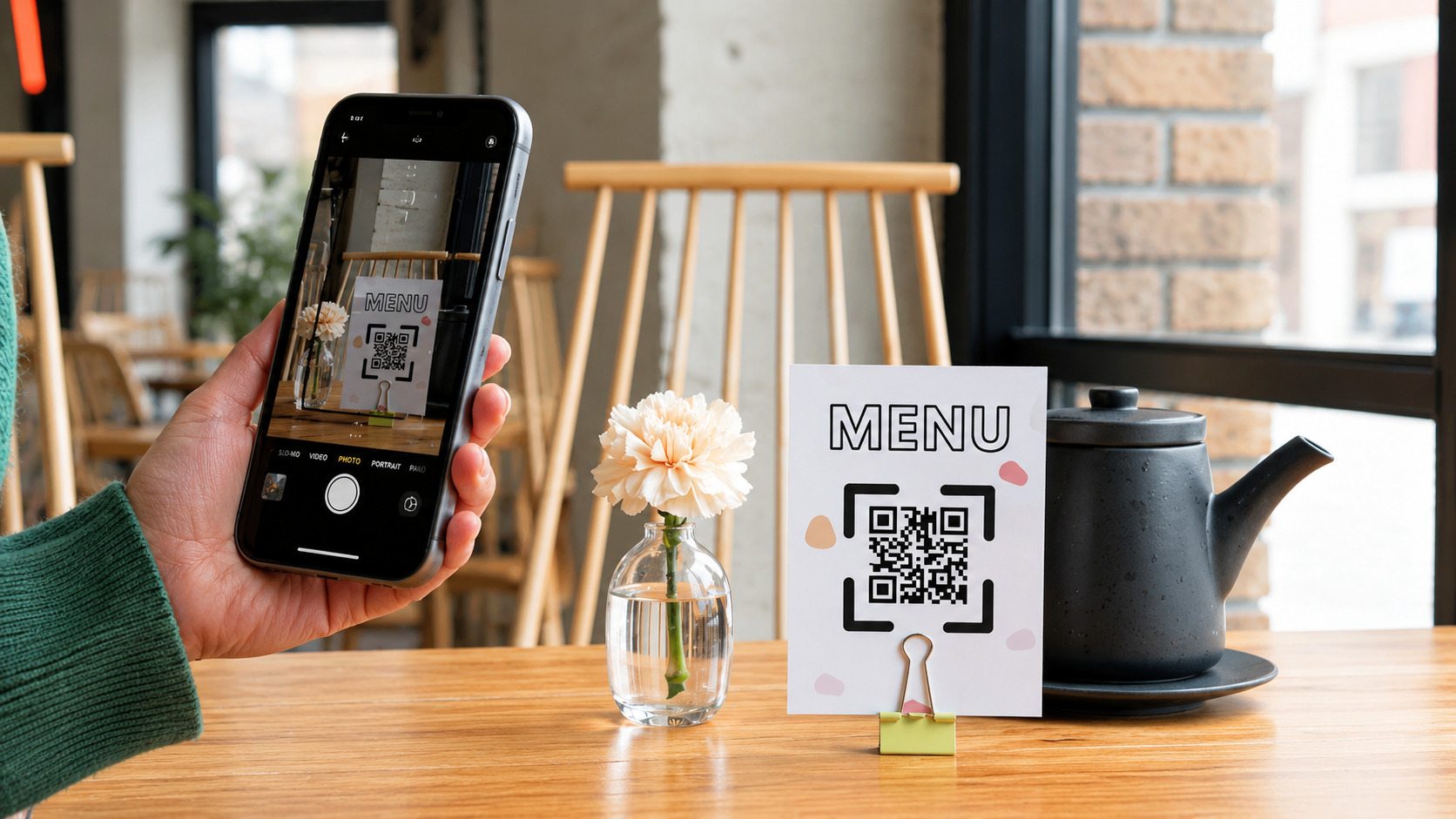
Restaurant menus have changed a lot over the years as new technology has been introduced. One of the biggest recent changes has been the use of QR code menus. Although QR code technology was developed in Japan during the 1990s, it did not become common in American restaurants until the COVID-19 pandemic. During that time, restaurants wanted to reduce physical contact between customers and staff, and QR codes provided an easy solution because customers could simply scan a code with their phones and view the menu online.
At first, QR codes were mainly used as a safety measure. However, restaurant owners soon realized they offered many other benefits. Digital menus could be updated instantly, making it easy to add new dishes or remove unavailable items. They also allowed restaurants to accept digital payments, track which menu items were selling best, and learn more about customer preferences. As a result, many restaurants continue to use QR code menus today.
Before QR codes became popular, desktop publishing software helped transform restaurant menus during the 1990s. This software allowed restaurants to design and update their menus quickly and affordably. Restaurant owners no longer had to rely on expensive printing services every time they wanted to make changes. They could easily add seasonal dishes, daily specials, and new menu items whenever needed. This flexibility encouraged chefs and restaurateurs to become more creative with menu layouts and food descriptions. Despite these modern changes, the history of menus began long before computers and smartphones existed. In fact, the earliest known menu was carved into stone.
Also Read: How a Board Game Inspired the Invention of QR Codes
The Oldest Known Menu
The oldest known menu-like record dates back nearly 3,000 years to ancient Assyria. In 879 B.C., King Ashurnasirpal II organized a massive celebration to mark the opening of his new capital city. Historical records suggest that around 70,000 guests attended the event, which lasted for almost ten days.
To commemorate the feast, details of the food and drinks served were carved onto a stone monument known as the "Banquet Stele." The tablet listed many of the dishes prepared for the event, giving historians a glimpse into ancient dining traditions. However, it was not a true menu in the modern sense because guests did not use it to select their meals.
Instead, it served as a record of what had been provided during the celebration. Even though it was not a menu for ordering food, the Banquet Stele remains one of the earliest examples of food being formally documented. It also highlights the important role that hospitality and large feasts played in ancient societies.
The First Real Menus in China
Most historians believe that the first true restaurant menus appeared in China during the Song Dynasty in the early twelfth century. During this period, trade and travel increased significantly, and large cities such as Hangzhou and Kaifeng became important centers of commerce and culture. As people traveled between regions, they often encountered local dishes that were unfamiliar to them. Restaurant owners needed a way to explain what foods were available to visitors, and this challenge led to the development of menus. In the beginning, menus were often visual displays that showed prepared dishes to customers.
Over time, these displays evolved into written lists of available foods. Written menus made it easier for customers to understand their options and choose meals according to their tastes. By the thirteenth century, some taverns and restaurants were already handing menus directly to customers. Historical accounts describe diners selecting dishes from a written menu, much like people do today. This development marked an important moment in dining history because it gave customers more control over what they ordered and ate.
Menus Spread to Europe
While menus were becoming common in China, dining customs in Europe were quite different. For many centuries, people usually ate fixed meals with limited choices. Customers often accepted whatever food was being served rather than choosing from a list of options. This began to change during the late eighteenth century when French restaurants became increasingly popular. These restaurants introduced a new style of dining that allowed customers to select dishes based on their personal preferences.
Menus played a key role in this system because they clearly showed what foods were available and how much they cost. As French dining culture gained influence, the use of menus spread across Europe. Eventually, menus became a standard feature in restaurants throughout the Western world. They helped improve the dining experience by giving customers more freedom and making restaurant offerings easier to understand.
The First Menus in America
The first known restaurant menus in the United States were used at Delmonico's in New York City. Founded in the nineteenth century, Delmonico's became one of America's most famous restaurants and helped shape the country's dining culture. Historical records show that the restaurant was using menus by the 1830s.
Customers could review a list of dishes before ordering, allowing them to make informed choices about their meals. This approach was different from many earlier dining experiences and quickly became popular. As restaurants expanded across the country, menus became a standard part of dining in America. Today, it is difficult to imagine a restaurant operating without one.
Also Read: How Homer Simpson Turned Donuts into a Global Pop Culture Icon
From Stone Tablets to Smartphones
The history of restaurant menus is a story of continuous change and improvement. What began as food descriptions carved into a stone tablet eventually evolved into written menus in China, printed menus in Europe and America, and digital menus accessed through smartphones. Although menus have changed greatly over thousands of years, their purpose has remained the same.
They help customers understand their dining options and decide what they want to eat. From ancient feasts attended by thousands of guests to modern restaurants using QR codes, menus have played an important role in the dining experience. Their long history reminds us that even the most ordinary parts of everyday life often have surprisingly ancient origins.