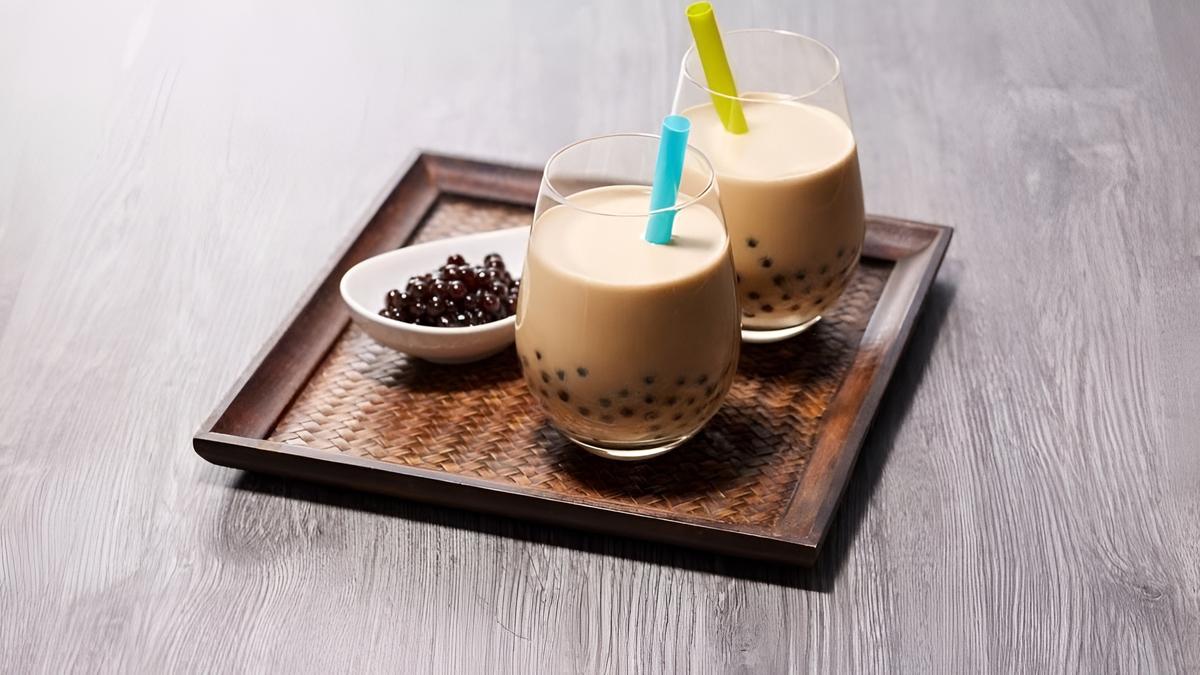
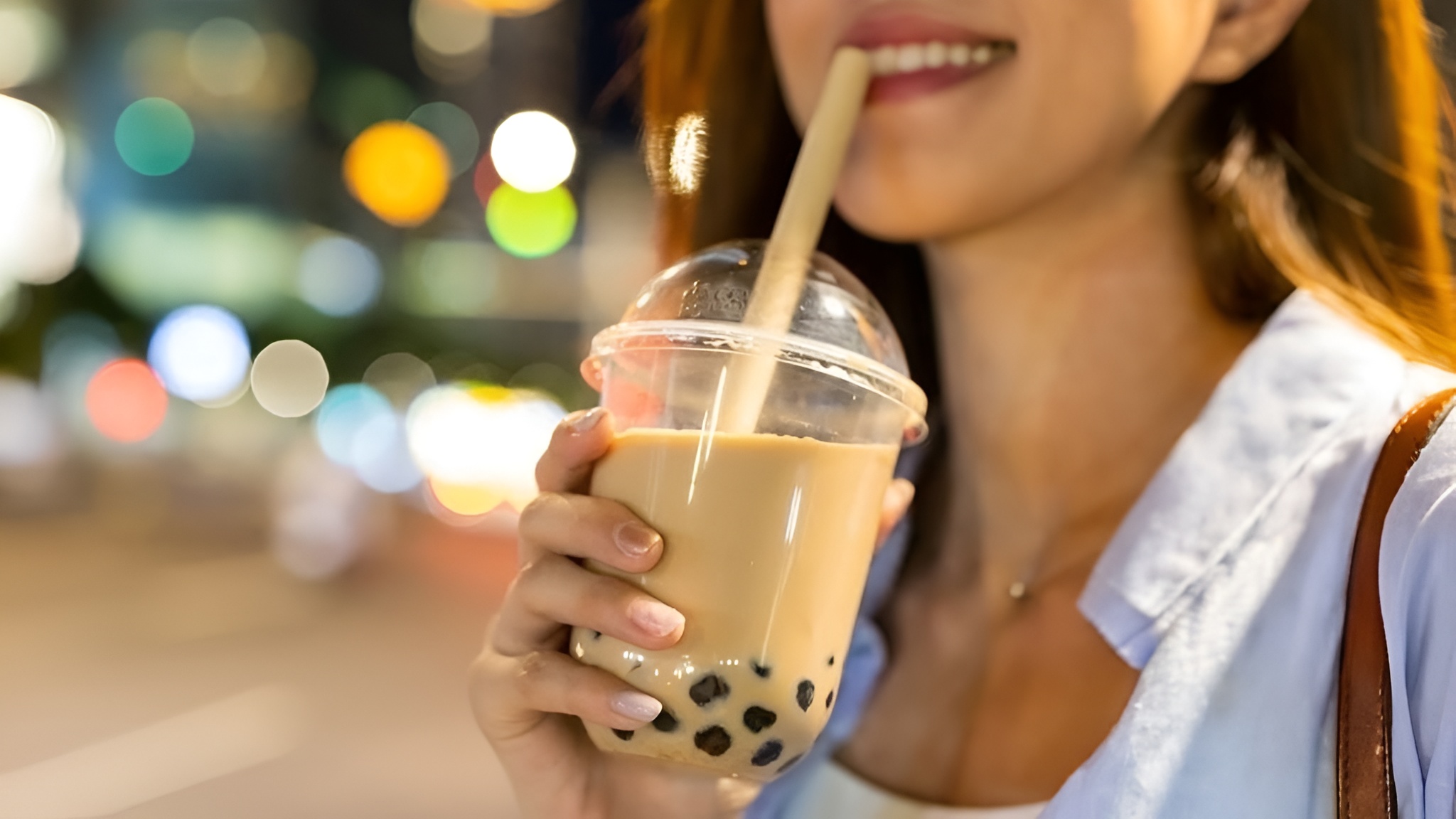
When you walk down to any busy street in major cities like New York, London, Tokyo, or Toronto, and you will notice a common sight; people holding clear plastic cups filled with colorful liquids, wide straws, and dark, chewy spheres sitting at the bottom.
What started as a simple, playful experiment in Taiwan during the 1980s has turned into a massive global phenomenon. Bubble tea, often called boba, pearl milk tea, or tapioca tea is much more than a refreshing drink. Today, it is a daily habit, a popular social activity, and a major part of youth culture across the globe.
The Birth of Bubble Tea: From Local Teahouse to Global Favorite
To understand how bubble tea became so popular, we have to look back at its origins in Taiwan. Traditionally, hot tea was enjoyed in a quiet, formal setting, mostly by older generations. In the early 1980s, local teahouse owners noticed that younger people were losing interest in traditional tea. They needed a fresh idea to bring younger customers back through their doors.
The First Shaken Cold Tea
In 1983, a teahouse in Taichung, Taiwan, known then as Yanghsien Tea Shop (later renamed Chun Shui Tang), tried something completely new. Inspired by cold iced coffee served in Japan, the owner decided to serve high-quality black and oolong teas cold.
To make the drink even more refreshing, workers poured tea, ice, and sweet syrup into traditional cocktail shakers and shook them hard. This vigorous shaking created a thick layer of smooth, velvety bubbles on top of the liquid. This frothy top layer is actually where the name "bubble tea" originally came from, not from the tapioca pearls added later!
The Invention of Tapioca Pearls
Shortly after cold-shaken tea became a hit, another creative spark changed the drink forever. An employee at the teahouse decided to pour sweet tapioca balls into a cup of iced Assam tea during a staff meeting. Tapioca pearls are made from the starch of cassava root, a natural plant native to South America that was brought to Asia.
When cooked properly, these cassava pearls become wonderfully soft, sweet, and chewy. The combination of cold, creamy tea and chewy treats at the bottom of the cup was an instant success.
Spreading Across the World
By the 1990s, bubble tea expanded far beyond Taichung. Tea shops began popping up all over Taiwan, utilizing automated sealing machines that capped cups with tight plastic film so customers could easily take their drinks on the go.
Soon after, Taiwanese immigrants brought the drink overseas. It landed first in major cities across Southeast Asia, such as Hong Kong and Singapore, before making its way across the Pacific Ocean. Neighborhoods with large Asian communities, like California's San Gabriel Valley, became early hot spots for boba shops in the West. From there, word of mouth spread, and the trend caught fire worldwide.
Also Read: Why Do Burnt Desserts Taste So Good? The Science Of Caramelization
Why Is Bubble Tea So Popular?
Unlike ordinary sodas, iced coffees, or juices, bubble tea offers a unique drinking experience. It is interactive, customizable, and fun. Several key factors explain why people of all ages, especially among Gen Z and millennials, who love this drink so much.
You Can Customize Every Single Drink
One of the biggest reasons people keep coming back to boba shops is the ability to design their own drink from start to finish. You are not stuck with a pre-made recipe. You get to choose:
The Tea Base: You can pick black tea for a strong classic flavor, jasmine green tea for a light floral taste, oolong tea for a rich roasted finish, or herbal teas for a caffeine-free option.
The Milk: You can select traditional milk, condensed milk, non-dairy creamers, or plant-based milks like oat, soy, and almond milk.
The Sweetness Level: Most shops let you choose your sugar level on a clear scale—100% (full sugar), 70% (less sweet), 50% (half sweet), 30% (lightly sweet), or 0% (no added sugar).
The Ice Level: You can ask for regular ice, less ice, or no ice at all.
The Toppings: While classic black tapioca pearls remain the most popular choice, you can also add egg pudding, herbal grass jelly, popping boba (spheres filled with fruit juice), coconut jelly, or salted cream cheese foam.
This endless variety means that almost anyone can find a combination that suits their personal tastes and dietary needs.
The Chewy Texture Experience
In Asian food culture, texture is just as important as taste. People love foods that are pleasantly soft and chewy. The starch from cassava root gives tapioca pearls a bounce that makes drinking bubble tea feel like enjoying a beverage and a snack at the exact same time. Chewing on the pearls while sipping sweet tea adds a satisfying sensory layer that standard drinks simply cannot match.
Made for Social Media
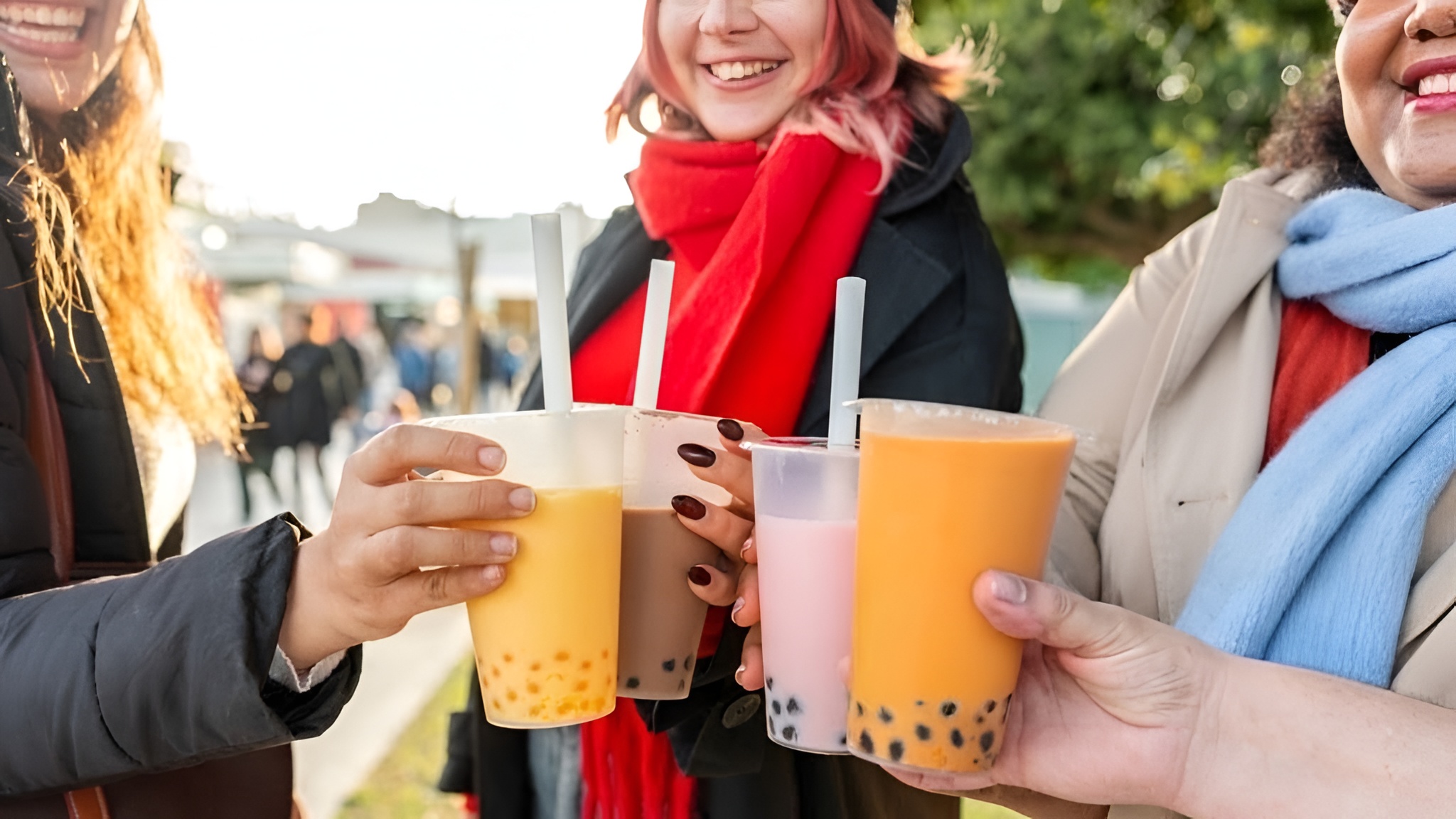
Bubble tea is bright, colorful, and highly visual. A clear plastic cup displaying dark pearls at the bottom, a colorful middle layer of fruit or milk tea, and a smooth top layer of foam looks great in photos.
When platforms like Instagram, TikTok, and Pinterest grew in popularity, boba naturally became a star on social feeds. Videos of people stabbing wide straws through sealed plastic lids, showing off bright purple taro teas, or capturing swirling brown sugar syrup quickly went viral. This online visibility introduced bubble tea to millions of people who had never tried it before.
An Affordable Treat
For many young adults and students, buying bubble tea is a small, easy way to treat themselves. It feels like a high-quality luxury without costing a lot of money.
In addition, modern boba shops are explicitly designed to be welcoming local gathering spots. With bright lighting, comfortable seating, free Wi-Fi, and relaxing music, they have become community spaces where friends meet up to catch up, work on homework, play card games, or hang out after school and work.
Comparing Boba Places to Traditional Coffee Chains
To see how boba shops have built their own distinct niche, it helps to compare them to standard coffee franchises:
| Feature | Traditional Coffee Shop | Modern Bubble Tea Shop |
| Main Target Audience | Busy working professionals & commuters | Students, young adults, and families |
| Visit Times | Early morning to mid-afternoon | Late afternoon, evening, and late night |
| Beverage Focus | Hot coffees, espresso, and roasted beans | Cold teas, fruit blends, and customizable toppings |
| Ambience | Quiet, cozy, focused on quiet work | Social, relaxed, and casual |
| Customisation Options | Basic (milk options, syrup shots) | Variety of options (tea, milk, sugar, ice, and multi toppings) |
How the Industry Is Changing
In its early days, critics often pointed out that bubble tea was loaded with sugar, high-calorie syrups, and artificial powders. A single large milk tea with extra pearls could easily contain as much sugar as a large soda or dessert.
As customers have become more health-conscious, boba shops have adapted quickly to offer cleaner, healthier choices:
Real Fruit and Low Sugar: Shops now use fresh fruit purees, real fruit slices, and natural sweeteners like stevia or honey instead of thick artificial syrups.
Plant-Based Milk: Oat milk, almond milk, and soy milk are now widely available at almost every counter, making drinks accessible for vegans and lactose-intolerant customers.
Low-Calorie Toppings: Beyond heavy tapioca starch, shops offer light alternatives like aloe vera, coconut jelly, chia seeds, and low-calorie konjac jelly.
Fresh Premium Teas: Many modern brands focus on high-grade loose-leaf teas cold-brewed in small batches, highlighting natural tea flavor rather than hiding it behind heavy creams.
Also Read: How Much Coffee Is Too Much? Experts Explain
The Future of Global Boba Culture
What began in a small Taiwanese kitchen is now a multi-billion-dollar global industry. Major global brands, fast-food restaurants, and popular coffee chains have taken notice, frequently adding boba-inspired drinks and popping pearls to their seasonal menus to attract younger customers.
Bubble tea has successfully moved from a niche regional treat to an international staple. It brings together rich culinary history, creative customization, visual appeal, and social connection in a single cup.
Whether you order a traditional warm black milk tea with classic pearls or a light, low-sugar green tea filled with fresh fruit, one thing is certain, ie. Boba culture is here to stay, bringing small moments of joy to millions of people every single day.