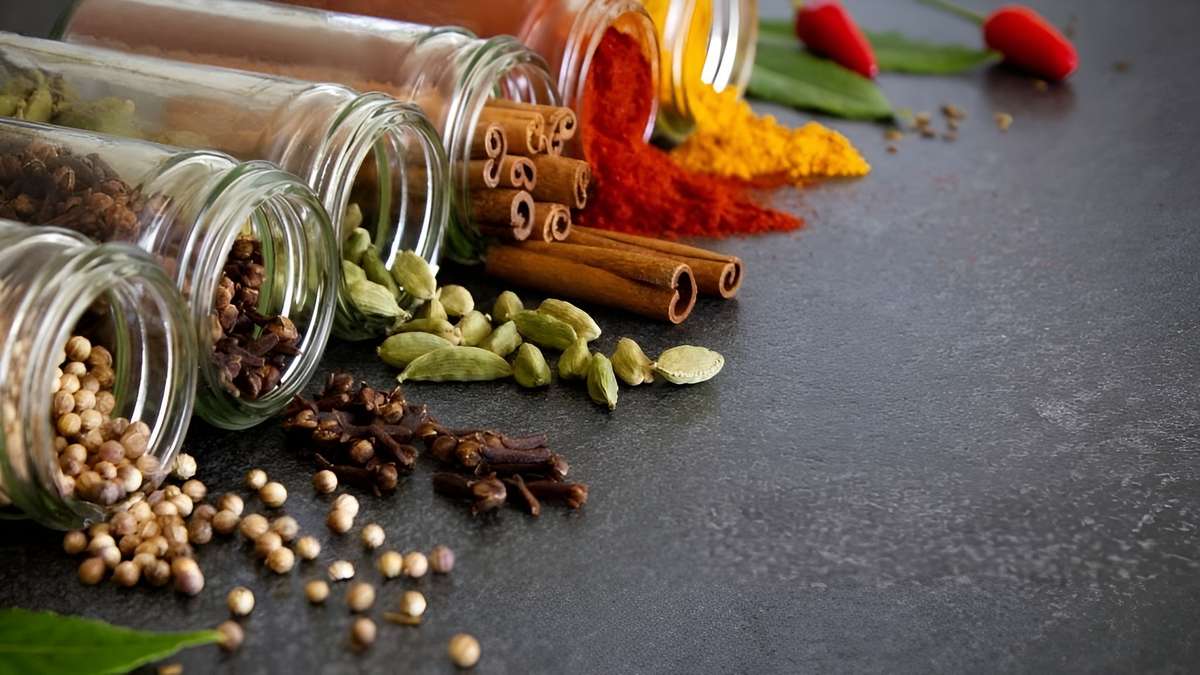
Every time you sprinkle pepper in your eggs or add cinnamon to your morning oatmeal, you are using ingredients that changed the entire human history. Centuries ago, spices were considered as valuable as gold. They were mainly the reason behind wars, used to fund massive shipping voyages, and led to the discovery of new continents. When you learn the wild stories behind your food, you will find standing in the kitchen to cook turns into a bit of a time-travel adventure.
What Is The History Of Cinnamon?
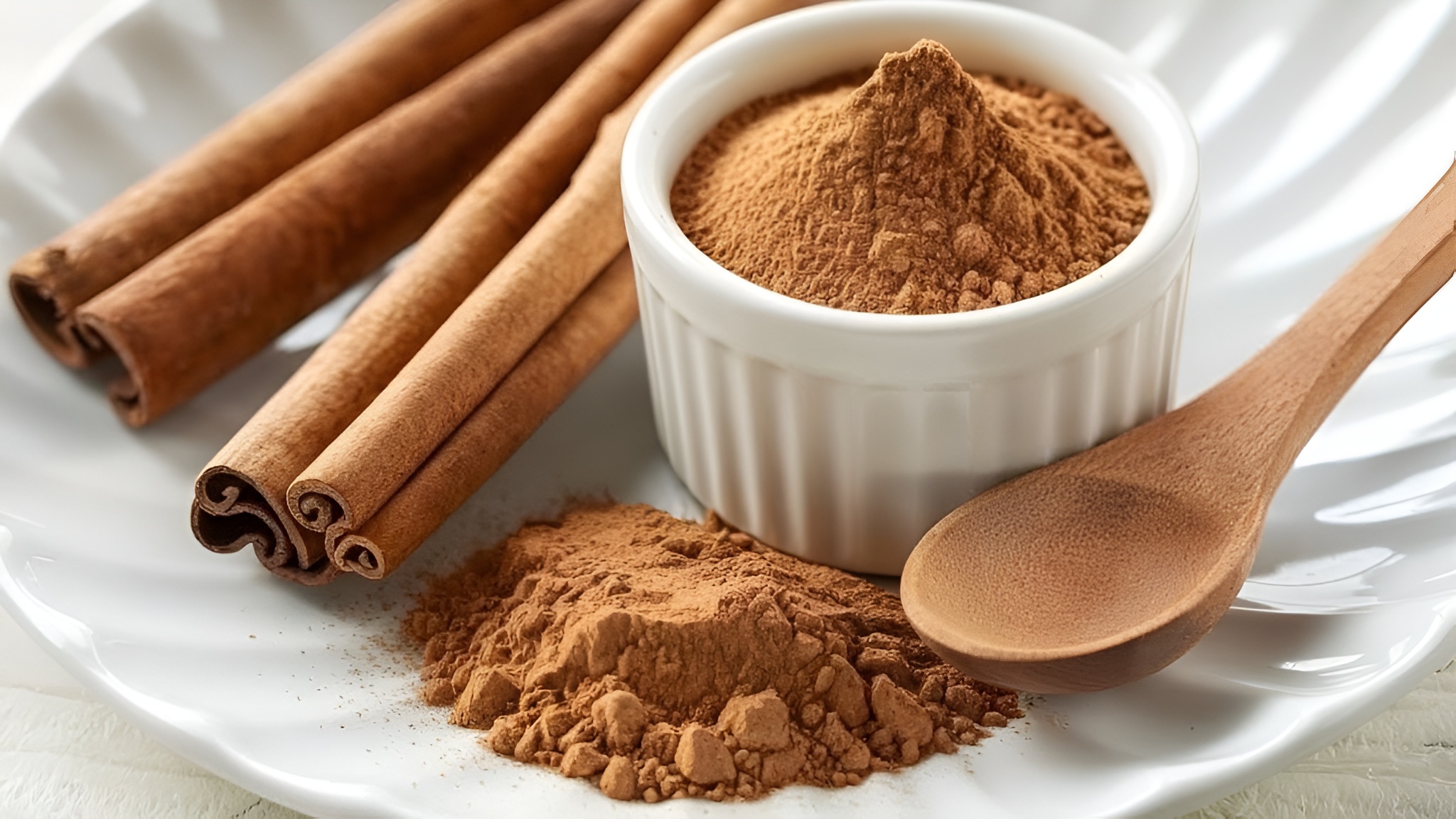
Cinnamon is one of the oldest spices in recorded history, and its journey to your pantry is full of ancient myths. The ancient Egyptians valued it so highly that they used it in their secret mummification blends to preserve royalty. Fast forward to the Roman Empire, and cinnamon was considered as the ultimate status symbol. In fact, Emperor Nero famously burned an entire year’s supply of the spice at his wife’s funeral just to show off his immense wealth and grief.
It's surprising to know that at least for hundreds of years, no one in Europe really knew where cinnamon actually came from. Arab traders controlled the market and kept the source a closely guarded secret. To ward off competitors, they fabricated wild legends and claimed that terrifying, giant birds used cinnamon sticks to build nests on steep, unreachable cliffs, and that traders had to trick the birds with heavy pieces of meat to make the nests fall.
However, this story was short-lived; the real story was uncovered during the “Age of Discovery.” It was when the Portuguese explorers finally tracked the spice down to the inner bark of evergreen trees native to Sri Lanka. After this, the island became a battleground, changing hands between the Portuguese, Dutch, and British Empires, all because the world could not get enough of this sweet, warming flavor.
Where Does Black Pepper Come From?
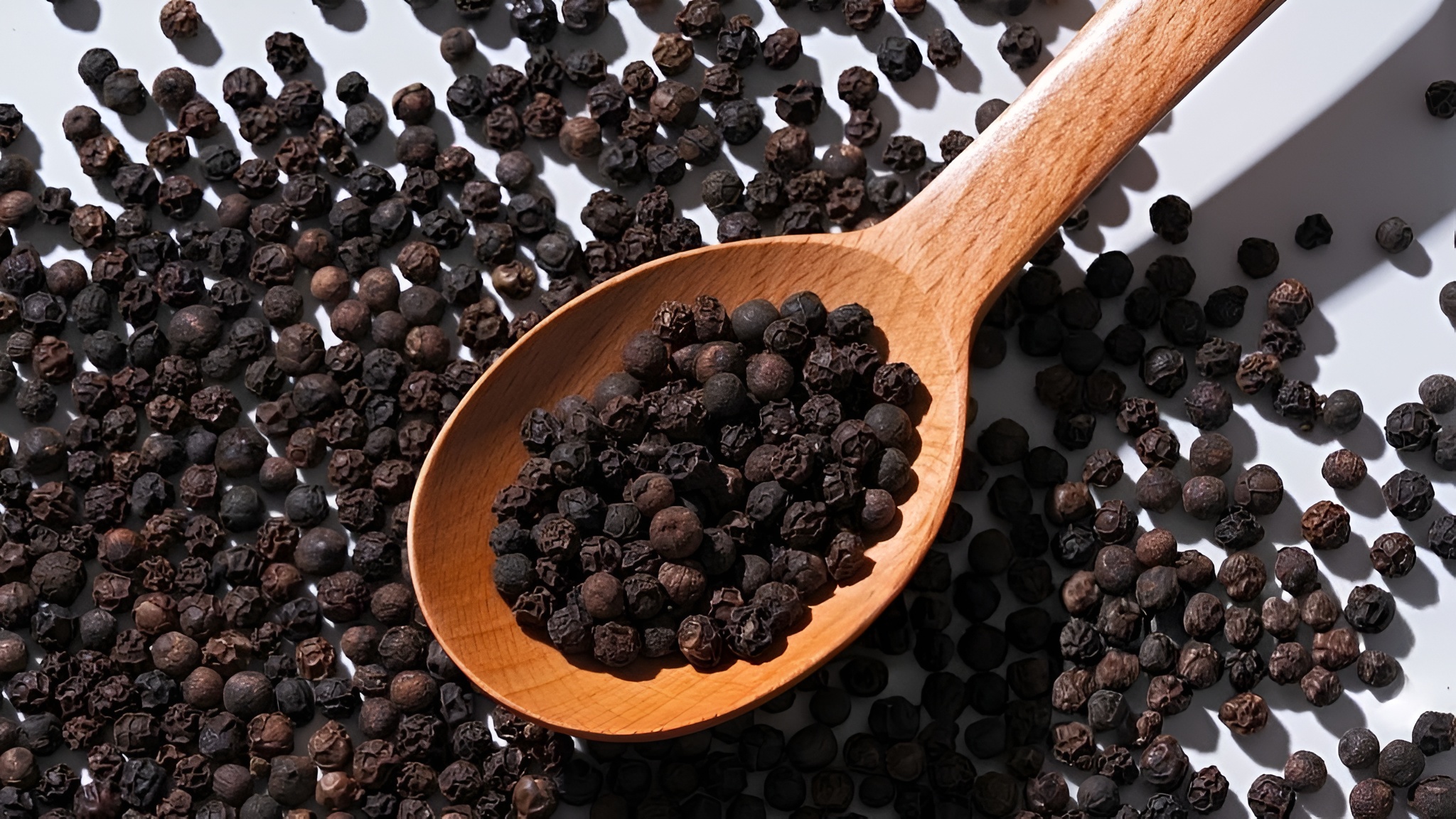
In the past, pepper was famously known as “black gold.” Ironically, today are taken black pepper is taken completely for granted, even though it sits on almost every restaurant table on the planet.
Black pepper is considered native to the lush Malabar coast of India, and in ancient times, it was exchanged as a form of currency between traders. When the Visitors laid siege to the Rome in 408 AD, they didn't just want gold and silver to spare the city; they demanded 3,000 pounds of black pepper.
By the Middle Ages, the city of Venice completely monopolised the European pepper trade, raising prices to absolute levels. The European nations were desperate to break this financial stranglehold, and so they looked for new paths to India. The journey was initiated by Christopher Columbus, who sailed west hoping to find a shortcut to the pepper markets and accidentally bumped into the Americas. Meanwhile, Vasco da Gama sailed entirely around Africa to reach India, securing the spice for Portugal and redrawing the global map in the process.
Also Read: 7 Thermogenic Spices That Boosts Your Metabolism
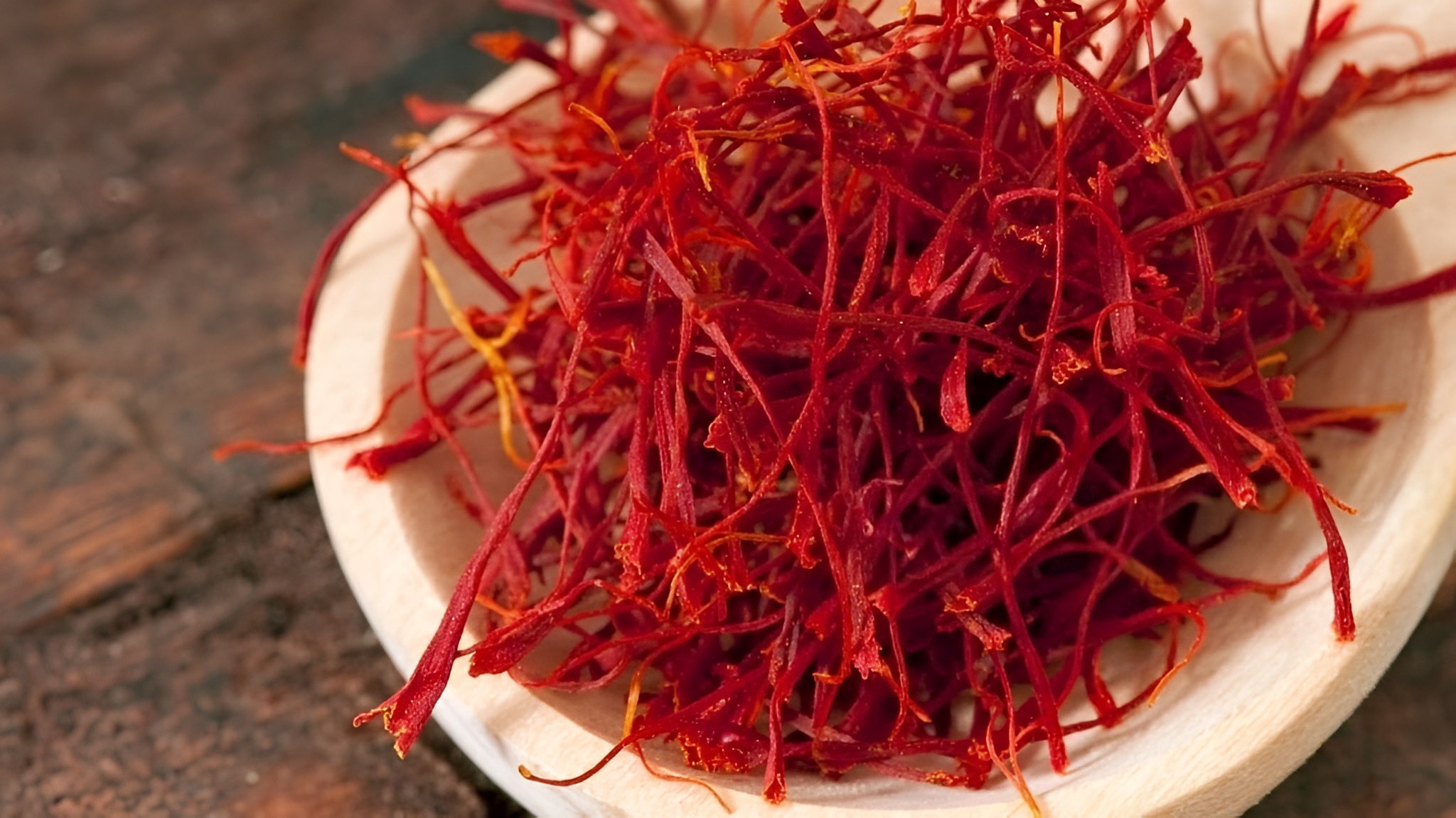
Why Is Saffron The Most Expensive Spice In The World?
If you have ever bought a tiny jar of saffron, you will most probably know that it costs more by weight than almost any other food on Earth. The reason for this eye-watering price tag comes down to pure, grueling human labor.
Saffron is extracted from the purple crocus flower, which thrives in regions like Iran, Spain, and Greece. The actual spice is made up of just the three delicate, crimson threads, called “stigmas,” located at the center of each bloom. At present, there are no machines who can do the work of extracting saffron, the appointed workers might gently pluck every single thread delicately by hand. The flowers only bloom for a brief window of a few weeks in autumn, and it takes roughly 75,000 individual flowers to yield just one pound of dried saffron.
Throughout the pages of history, you will find that saffron was the ultimate flex. Alexander the Great used to take warm saffron baths to heal his battle spikes and maintain his hair style. There are few instances which mention a few Wealthy Romans who used to spray saffron water in public theatres to spread the perfume in air. It remains as a timeless symbol of luxury and celebration for every generation.
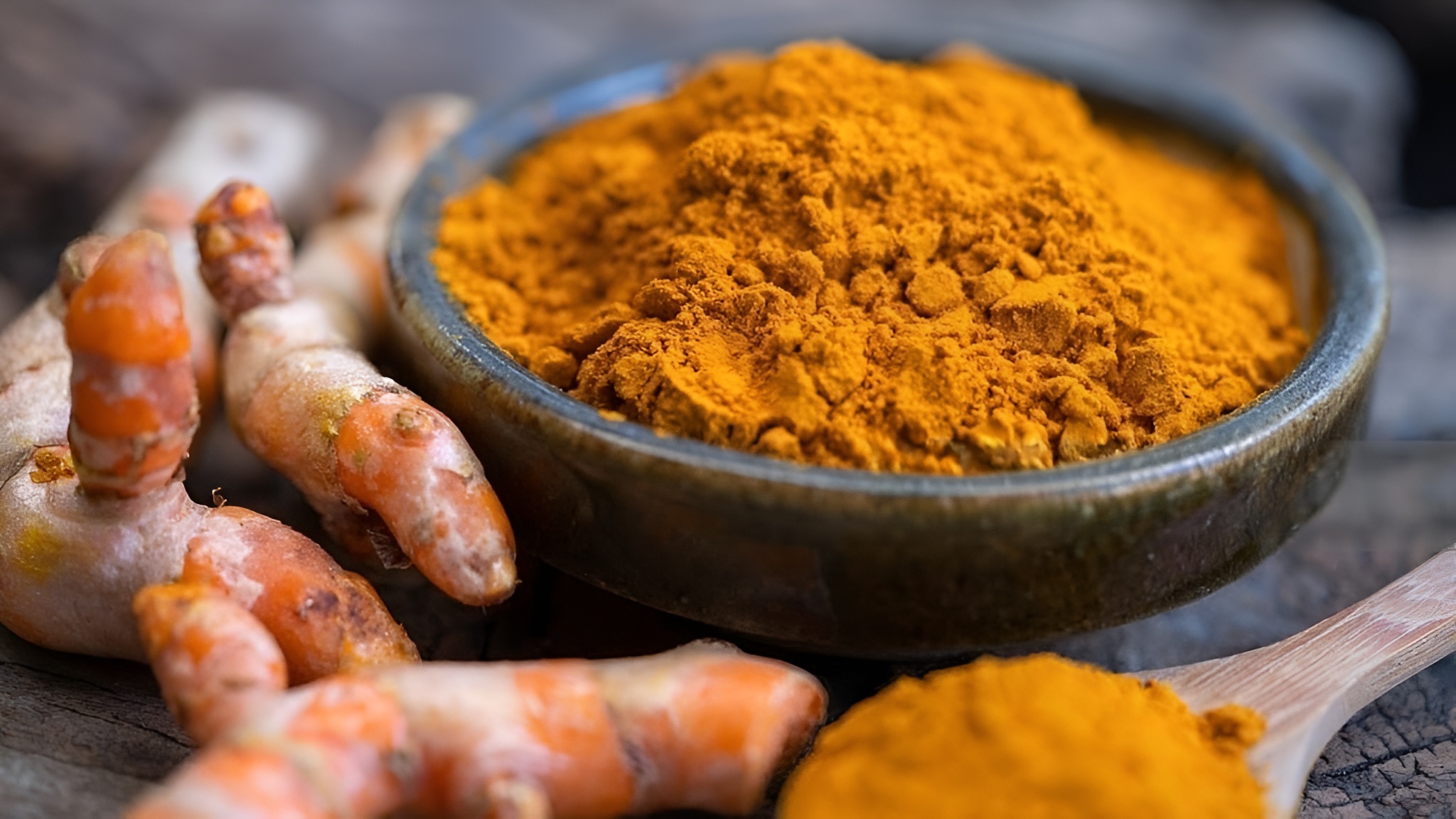
What Is The Origin Of Turmeric?
Turmeric is everywhere right now, praised for its bright yellow hue and for providing major health benefits. But this rootsy spice is far from a modern trend, regarded as the heartbeat of Indian culture for more than 4,000 years.
In Ayurveda, the ancient Indian system of medicine, turmeric was considered as the ultimate healer for any kind of wound or health ailment, used for everything from soothing skin conditions to easing joint pain. Additionally, it holds a deep sacred place in spiritual traditions. Even today, during traditional Hindi weddings, a string dyed yellow with turmeric paste is tied around the bride’s neck to bring luck, health, and a happy married life for both bride and the groom.
Western traders first encountered turmeric along the bustling Silk Road trade routes. Marco Polo was so fascinated by intense color that he compared it directly to saffron; in his memoirs, he wrote that the spice possessed all the same brilliant qualities. Today, modern science is finally backing up what ancient cultures knew along: turmeric is packed with curcumin, a powerhouse compound with incredible anti-inflammatory properties.
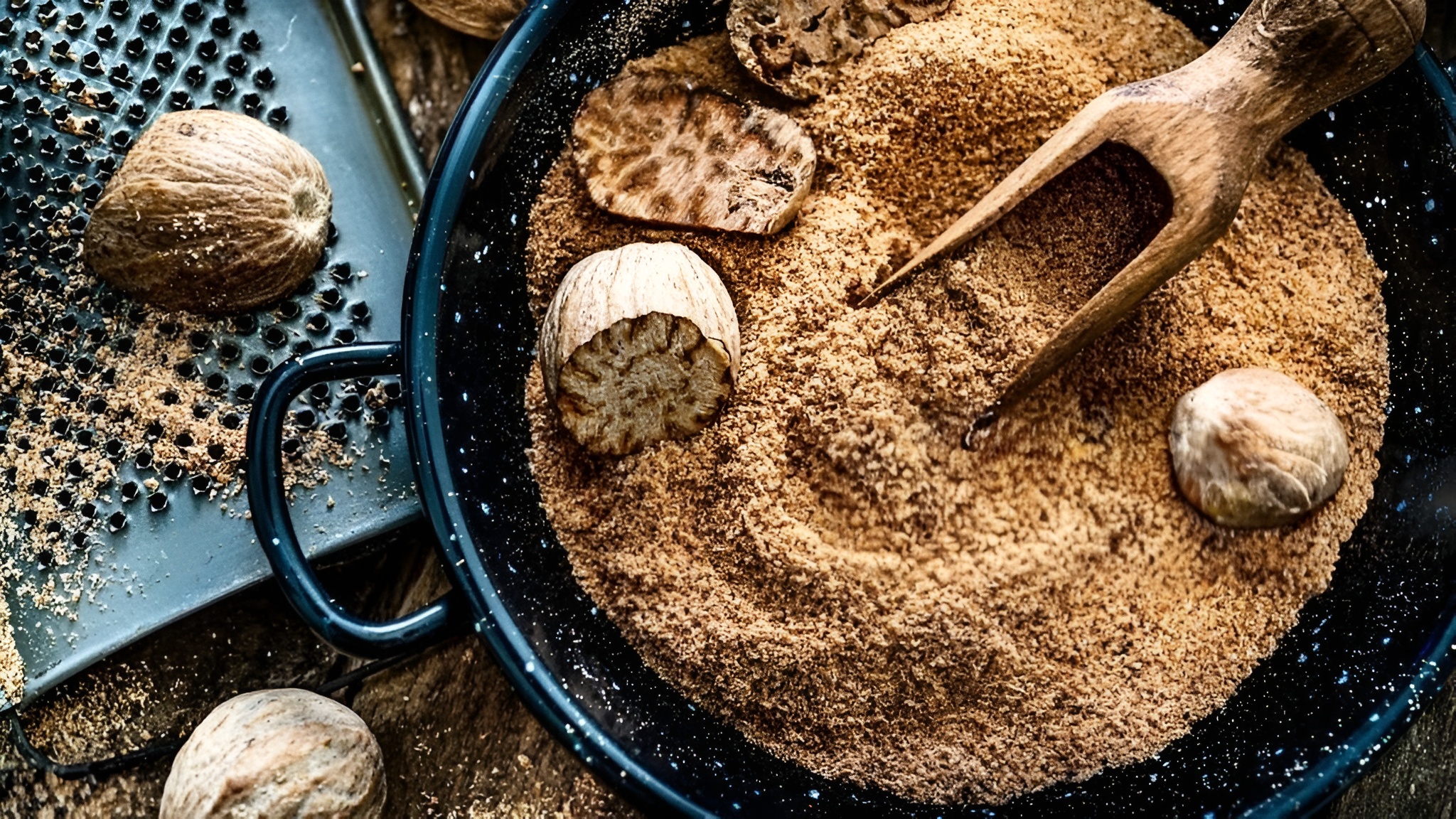
How Did Nutmeg Shape Global History?
Nutmeg has arguably the most dramatic, violent history of any ingredient in your cabinet. Back in the 1600s, nutmeg trees grew in only one place on Earth: the tiny, isolated Banda Islands in modern-day Indonesia.
At that time, European physicians convinced the public that nutmeg was the only cure for the terrifying and deadly “Black Plague.” As panicked buyers flooded the market, prices went through the roof. The Dutch East India Company wanted to gain full control, and so they violently seized the islands and even forced the local population into brutal labor.
The conflict over nutmeg got so intense that Great Britain and the Netherlands fought an all-out war over it. To finally settle the peace, they signed the Treaty of Breda in 1667. In a trade that sounds completely unbelievable today, the British gave up their claim to a small, nutmeg-rich island called “Run.” In exchange, the Dutch gave the British a tiny, muddy island in North America called “Manhattan.”
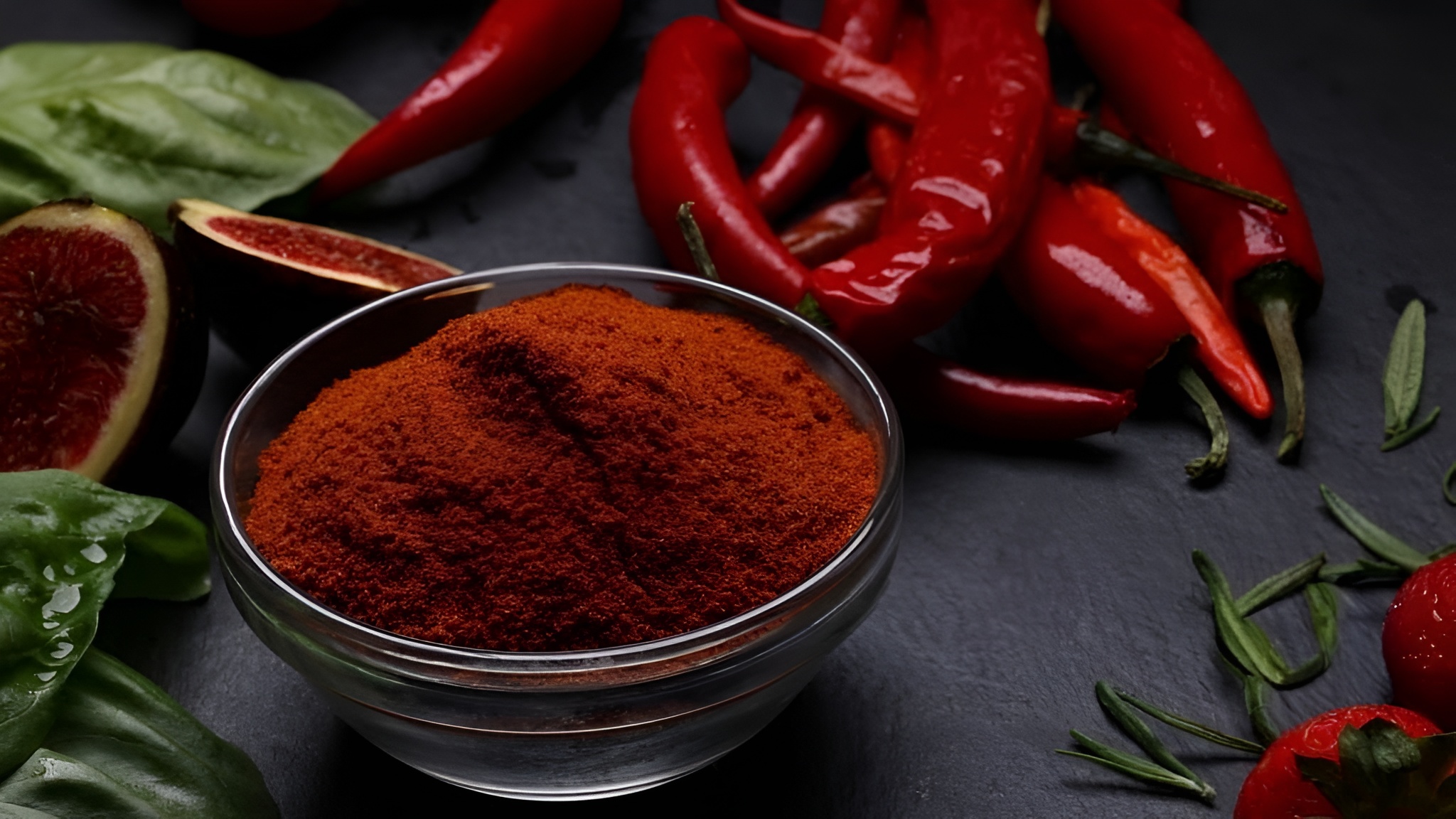
Where Do Chilli Peppers Originate?
While spices like pepper, cinnamon, and ginger belong to the Old World, chilli peppers are regarded as a gift from the Americas. According to the legends, indigenous communities across Mexico and Central America had been cultivating and cooking with fiery chills for thousands of years before outsiders ever arrived.
When Christopher Columbus landed in the Caribbean in 1492, he was deeply disappointed not to find the Asian black pepper he was looking for. However, he noticed the locals eating a spicy, pungent fruit. Due to its sharp, fiery kick, he was reminded of black pepper, and he mistakenly called them “peppers,” a name formed out of a commission that stuck around for the next five centuries.
What happened next was actually the game changer; Spanish and Portuguese sailors quickly carried chilli seeds across the globe, and the plants adapted beautifully to almost any warm climate. Within just a single century, chillis completely reinvented the food cultures of India, Thailand, Hungary, and West Africa. It acts as a proof of how quickly a great flavor can take over the world.
Also Read: Why Your Food Doesn't Turn Out Like The Recipie!
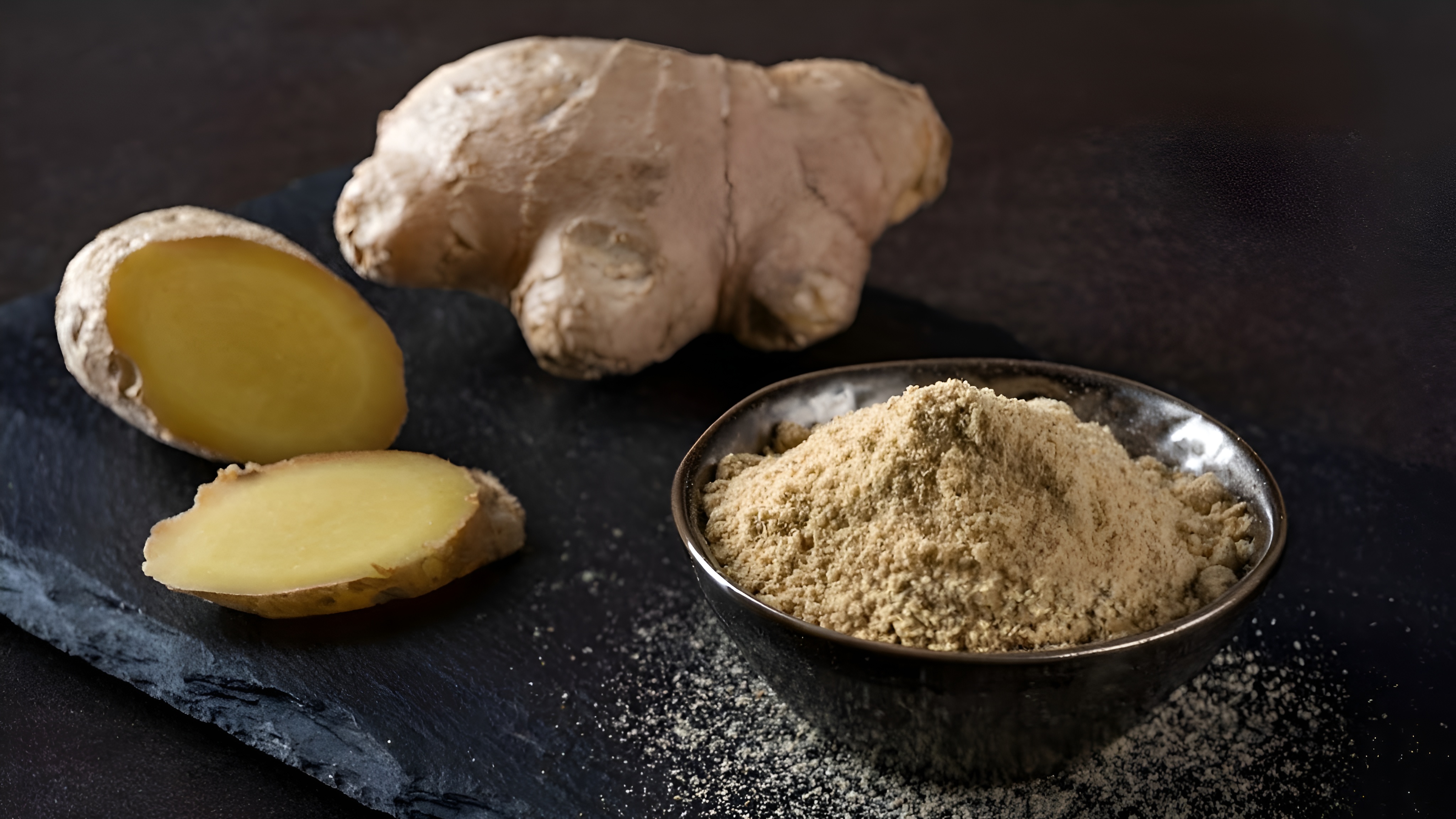
What Is The True Story Of Ginger?
Ginger is regarded as an incredibly versatile, knobby root that feels right at home in both sweet holiday baking and savory Asian stir-fries. It originally thrived in the tropical rainforest or Southern Asia.
The ancient Chinese philosopher Confucius was so obsessed with its health benefits that he reportedly refused to eat any meal unless it was cooked with ginger to aid in digestion. It became one of the very first spices to travel west along the Silk Road, becoming a hit in the Roman Empire.
When the Roman Empire fell, Europe suffered briefly as it lost its valuable connection with spices, but it made a massive comeback during the Crusades. By the Middle Ages, ginger was so rare and sought after that a single pound of it could be traded for a whole sheep. It became a massive favorite in European royal courts, leading to the creation of gingerbread. Queen Elizabeth I actually took the credit for popularizing the very first gingerbread man, having her bakers mold them into the shapes of her favorite court guests.
The Hidden Legacy In Your Kitchen Cabinet
With this brief discussion about different spices, you can understand how valuable those spices are actually. So, the next time you open your pantry, take a look at those little glass jars of spices with a bit of newfound respect. After learning the story behind every spice, you can view them as historical artifacts, and not see them as just “ingredients.” The flavors we casually sprinkle onto our food are the exact same flavors that were behind the creation of huge empires, sparked revolutions, and connected the corners of our planet.