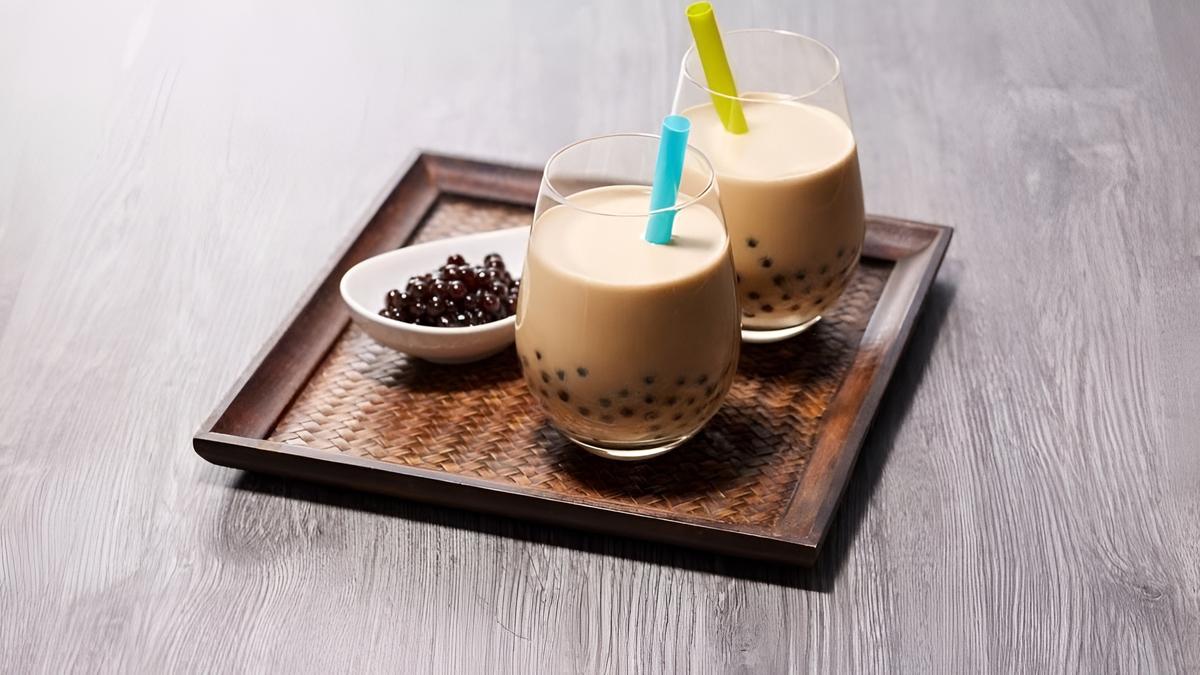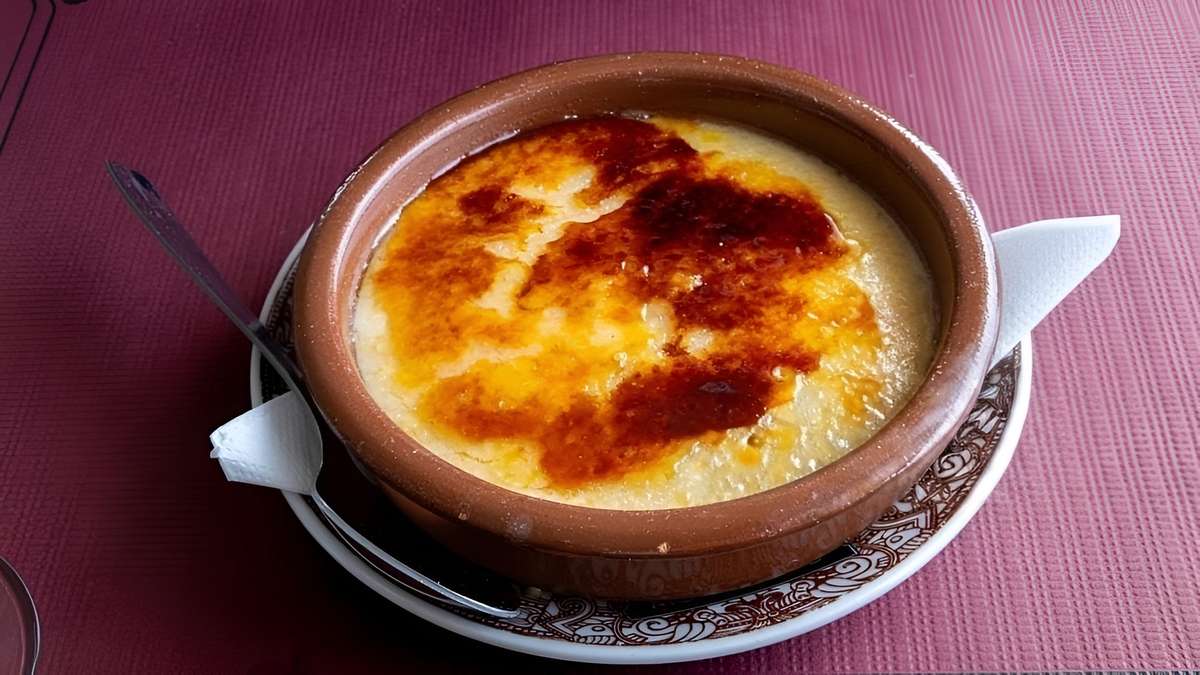
Think about the last time you toasted a marshmallow over an open fire. You probably did not want it perfectly golden; you wanted those crispy, jet-black charred edges. Imagine cracking into a crème brûlée with your spoon or looking at a deeply scorched Basque cheesecake. By normal cooking rules, these treats look completely ruined. Yet, we do not just eat them, we absolutely love them.
It feels a bit weird when you stop to think about it. Why do our bodies crave flavor notes that usually means a kitchen fire is happening? The answer comes down to a mix of evolution, chemistry, and how our brains handle contrast. When we burn sugar, we are not actually making a mistake. We are actually playing with a bit of kitchen that unlocks amazing flavors.
Why Is Burning Food Considered A Mistake?
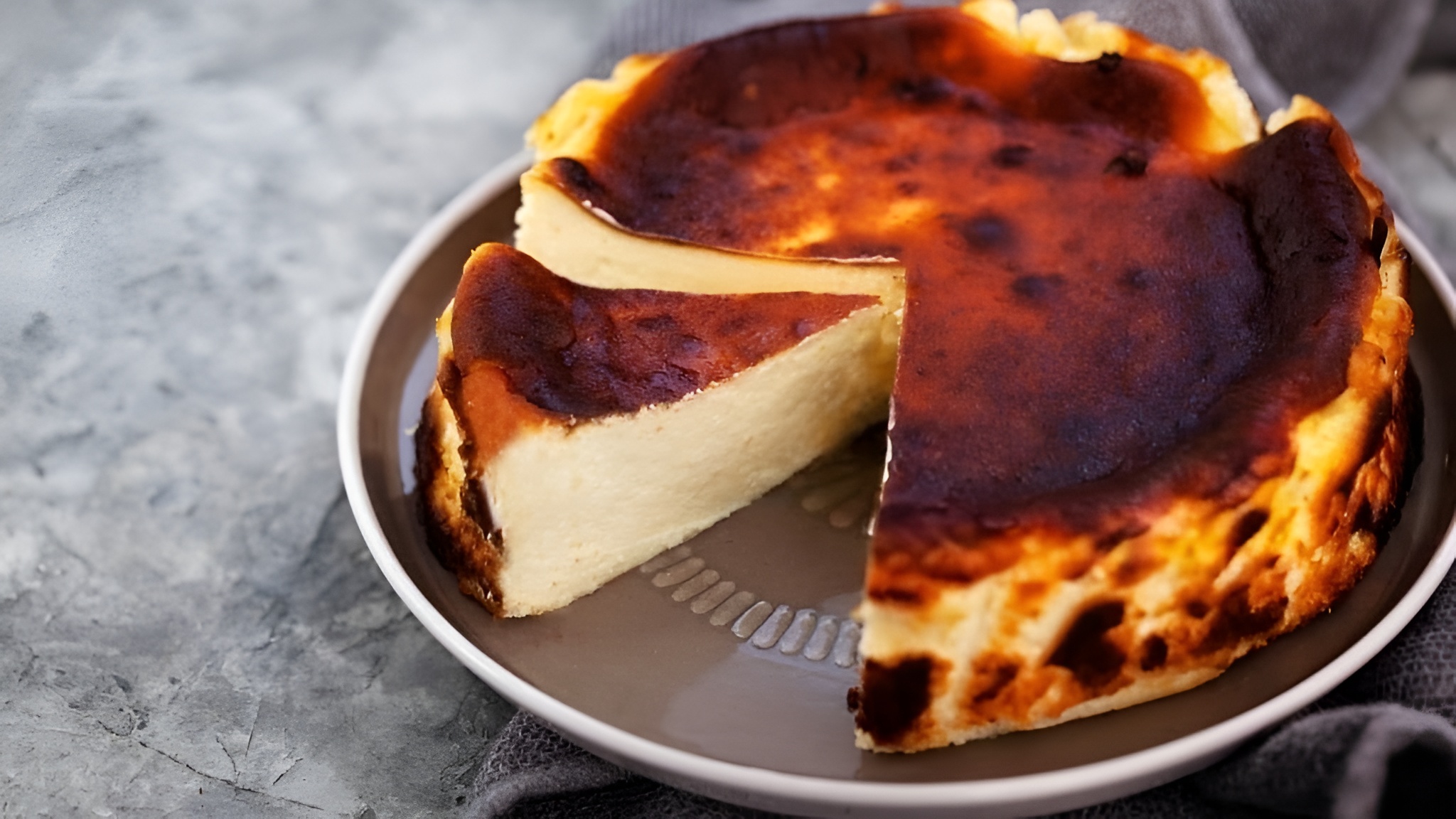
We are taught from day one itself that burning food is the ultimate failure. Recipes always tell us to watch the pan closely, stir constantly and turn off the stove early. We quickly assume that the best desserts must look perfectly golden, taste super sweet, and have a smooth texture. For us, carbon looks like the energy that destroys our expensive ingredients like butter, vanilla, and cream.
Our basic survival instincts back up this assumption too. Throughout human history, bitterness and char have served as major warning signs. In the wild, an extremely bitter taste usually means a plant is toxic or poisonous. Charred, ash-coated things generally signal towards a food source that is old, decayed, or totally inedible.
If we consider it from a purely logical standpoint, a dessert should be a simple delivery system for energy. Your body wants fats and sugars to keep going. We naturally assume that adding a bitter, burnt taste to the mix ruins the whole point of a sweet treat.
Also Read: Gastro Nostalgia: Is Comfort Food Healing You Or Trapping You?
Chaos In The Melting Point
Let's solve the big puzzle that confuses home bakers but delights food scientists. If bitterness means danger and burning means failure, why does a pale, un-burnt caramel taste so boring? Why does it feel cloying and one-dimensional after just two bites? Why does a plain meringue feel like a sweet shaving cream, while a torched one feels like a luxury experience?
Once you strip all the bitterness out of a dessert, your tongue gets bored fast. Food scientists call this “sensory fatigue.” High concentrations of pure sugar quickly overwhelms the sweet receptors on your tongue. After taking just a few bites of a uniformly sweet dish, your brain says “enough.” The flavor becomes heavy, interesting, and exhausting to finish.
To solve this, the pastry world introduces a deliberate bad guy called “controlled destruction.” Therefore, cooking a dessert to the absolute edge of ruin forces a crazy race against time. A single second separated a rich, deeply complex dark caramel from a smoky mass of ruined carbon. Hence, bakers must willingly invite this chaos into their kitchens. They intentionally destroyed the very sugar molecules they carefully measured to save the dessert from being boring.
The Science Of Caramelization
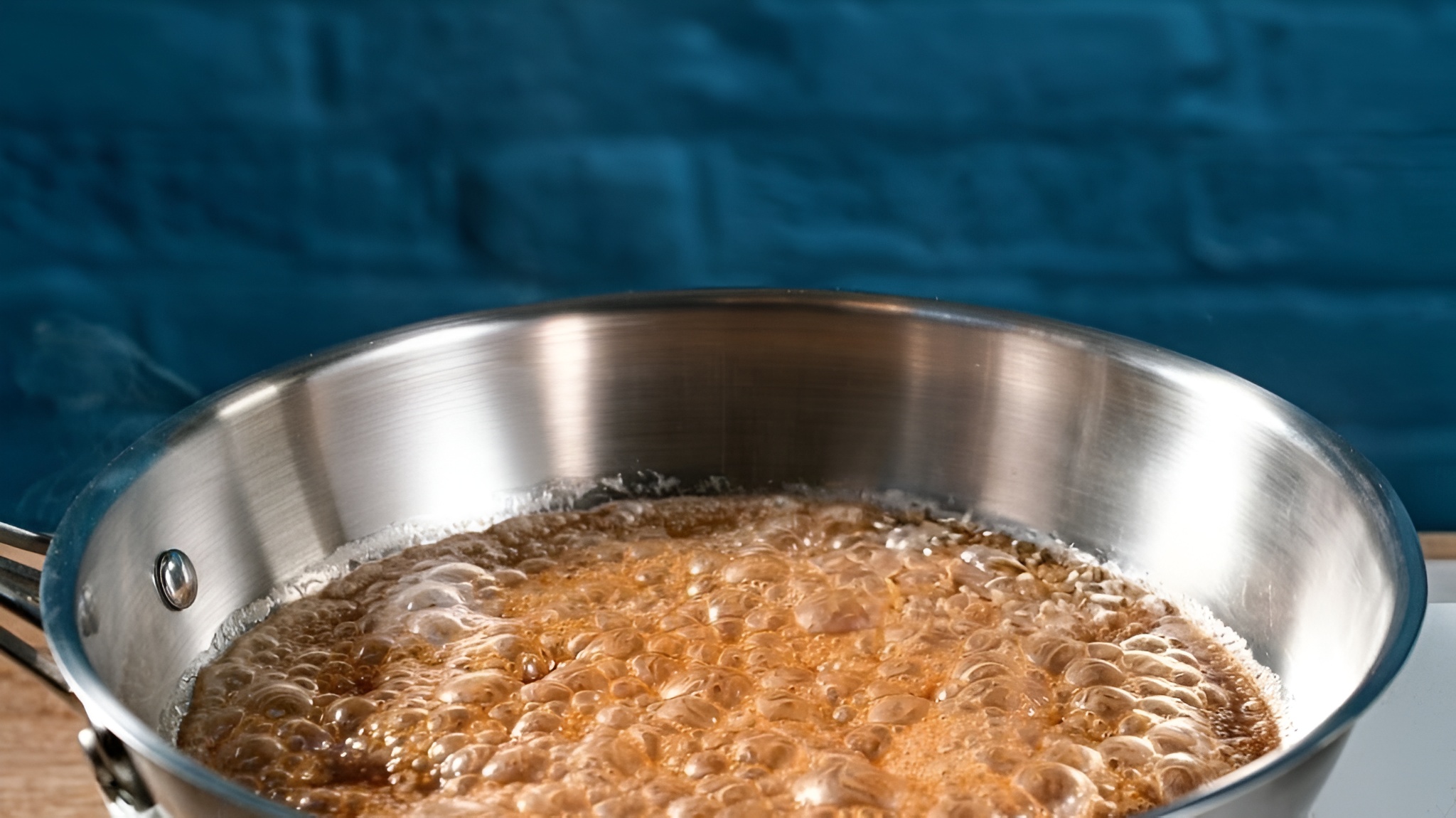
The fix for this flavor paradox is found in the wild world of thermal degradation, which we usually just call “caramelization.” It is a specific type of browning that happens without any proteins around. Unlike cooking a steak, which needs proteins and sugars to react, true caramelization happens to pure sugar under high heat. This process completely breaks down the chemical structure of the carbohydrates.
The Destruction Of Sweetness
When table sugar gets hotter than its normal melting point (around 160°C or 320°F), its chemical bonds shatter. The sugar breaks down into small pieces called glucose and fructose. As the heat keeps rising, these molecules smash into each other, lose water, and change into thousands of totally new compounds.
During this process, the sugar actually loses its sweetness. Every molecule that breaks down is one less molecule that can tell your tongue it tastes sweet. The cook is systematically destroying sweetness to build an entirely new flavor experience.
The Birth Of Volatile Aromas
As the original sugar breaks apart, it creates a whole bunch of aromatic compounds that give burnt desserts their amazing smell:
Furans: These bring in nutty, earthy, and warm baked-bread smells
Maltol: This provides a deeply rich, cotton-candy aroma
Diacetyl: This introduced an intensely buttery flavor note that mimics real dairy fat
Esters and Lactones: These provide unexpected fruity and tropical undertones.
The Creation Of Natural Bitterants
When you push past the golden stage into dark amber and dark brown, complex polymers form. These new molecules are inherently bitter. When a chef uses a blowtorch or a scorching-hot oven, they are purposefully creating a thin layer of these bitter elements.
This introduces a trick called “sensory contrast.” The human brain gets a huge kick out of contrasting sensations. Whenever a bitter, smokey share of burnt sugar hits your tongue at the same time as cold, sweet custard, it gives your brain a sudden shock of data. The bitterness acts as a palate cleanser, cutting through heavy fats and resetting your taste receptors for the next bite.
Also Read: Why Is Sourdough Bread Better Than Regular Bread?
Is It A Culinary Innovation Or A Psychological Illusion?
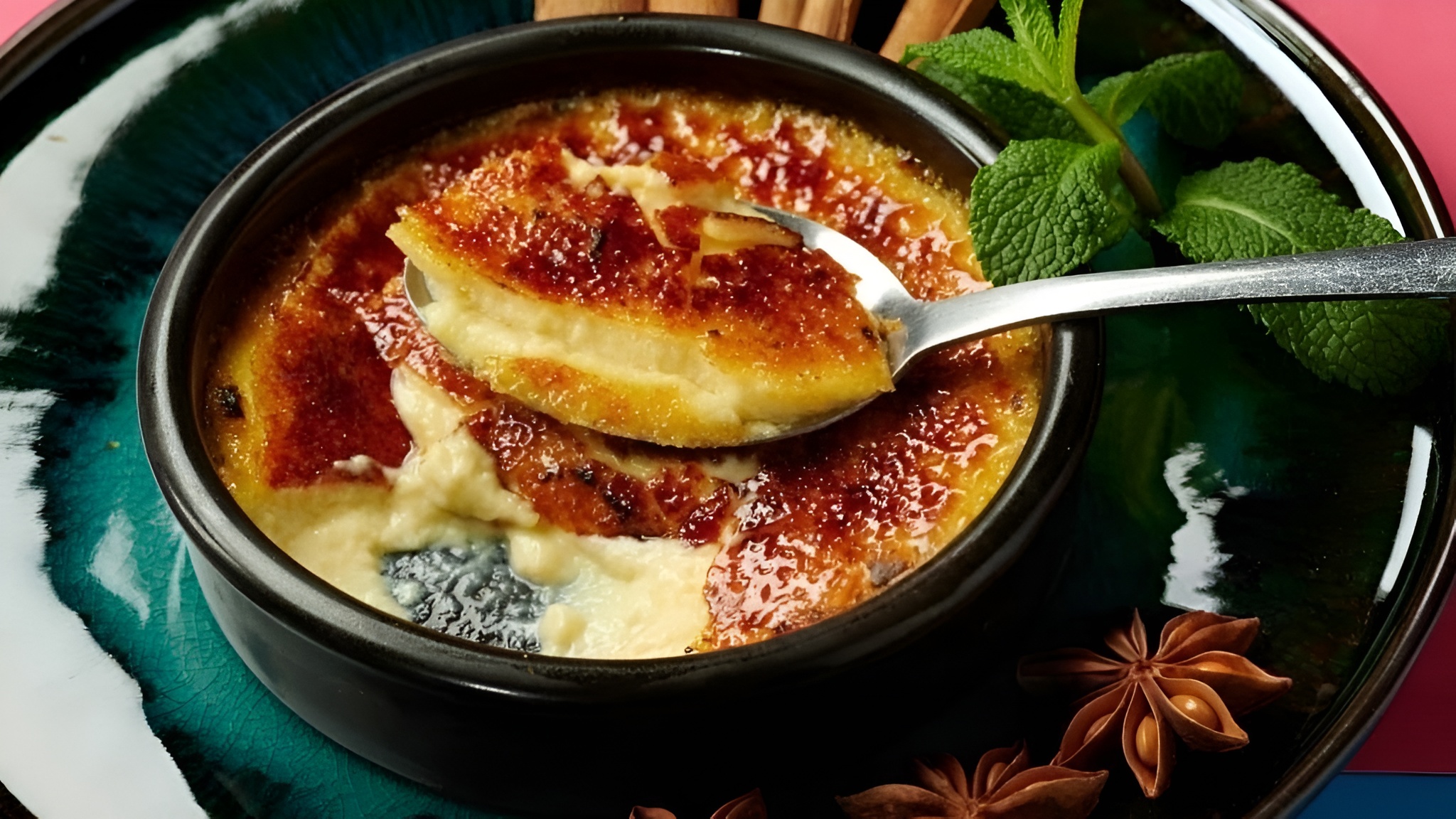
The ultimate reward of embracing the burn is a massive upgrade to how you experience food. You do not just tolerate the char; it actively tricks your brain into feeling more pleasure. By stepping away from the safety of golden-brown and venturing into the dark territory of the singed, you unlock a great reward system.
The extreme heat needed to burn sugar changes its physical state completely. It creates an ultra-thin, glassy shell that shatters beautifully against your teeth, contrasting with the soft cream underneath. The volatile smoke compounds tap directly into your olfactory system, triggering deeply buried memories of campfires and cozy comfort.
Because those bitter carbon components stop your tongue from getting bored of sugar, you can enjoy a complex dessert to the very last bite. Therefore, the next time you bake cookies, leave them in for two extra minutes until the edges turn dark bronze. When you buy a pastry, look for the one with the uneven, flame-licked crust. Do not be afraid of the darkness on your plate because it just the basic chemical process reaching its absolute, chaotic peak.