The kitchen smells of scorched sugar, browned butter, and old grease. You stand over a scratched laminate countertop, trading your thumb over the rented edge of an aluminium saucepan. Outside, the city hums with the aggressive roar of evening traffic and the cold rain drops of a late autumn night, but inside, the air is thick with the scene of shimmering apples and cinnamon. Your hands shake slightly as you start stirring the bubbling compote, trying to match the exact rhythmic cadence you watched your grandmother maintained thirty years ago. Then, you lift the wooden spoon, blow softly on the amber glaze, and taste. For a fraction of seconds, you feel your shoulder drop, and the tension in your jaw dissolves. You find yourself again as a nine-year old, who is wrapped in an oversized flannel shirt, listening to the floor board creak while rain beats against a different windowpane.
This sensory time travel is gastro-nostalgia, the profound psychological phenomenon where food acts as a vehicle to transport us back to specific moments, environments, or relationships from our past. Due to the mechanism of olfactory and gustatory inputs enjoying a direct, unmeditated highway to the brain’s ancient emotional and memory epicenter, the limbic system, a single bite can bypass intellectual defenses entirely. As a result, it hits us with the force of an emotional freight train. But as you stand alone in your apartment, holding a spoon that tastes like a deceased relative’s kitchen, a haunting question hangs in the steam, “Is this culinary retreat a legitimate healing sanctuary for a bruised psyche, or is it an addictive emotional trap that binds us to a reality that no longer exists?”
Why Do I Crave Childhood Comfort Foods When Stressed?

Generally, society promotes the idea that comfort food is a universal, harmless medicine. We treat the cravings for childhood meals as a wholesome, nostalgic quirk. Factors like media, marketing campaigns, and lifestyle experts constantly urge us to cook our feelings, suggesting that recreating a family recipe is an act of pure self-care. The cultural narrative insists that when the modern world becomes too fragmented, volatile, or demanding, we can simply retreat to the kitchen, reconstruct the flavors of our youth, and become emotionally restored. Due to this, we view these plates of memories as immutable sanctuaries of safety that we can visit whenever we need shelter.
This is the great misconception of gastro-nostalgia. It treats memory as a flawless video recording regardless of the reality. It is a highly edited, emotionally curated montage. When we crave the meatloaf, the specific brand of processed mac and cheese, or the burnt toast of our youth, we are rarely craving the actual nutrients or the literal flavor profile. In reality, we are craving the psychological ecosystem that surrounds the food. We mistakenly believe that the recipe holds the power to resurrect the safety, the lack of responsibility, and the presence of loved ones who once shared that table. We approach the stove expecting a chemical reaction to perform an act of spiritual resurrection, fundamentally confusing a sensory trigger with a time machine.
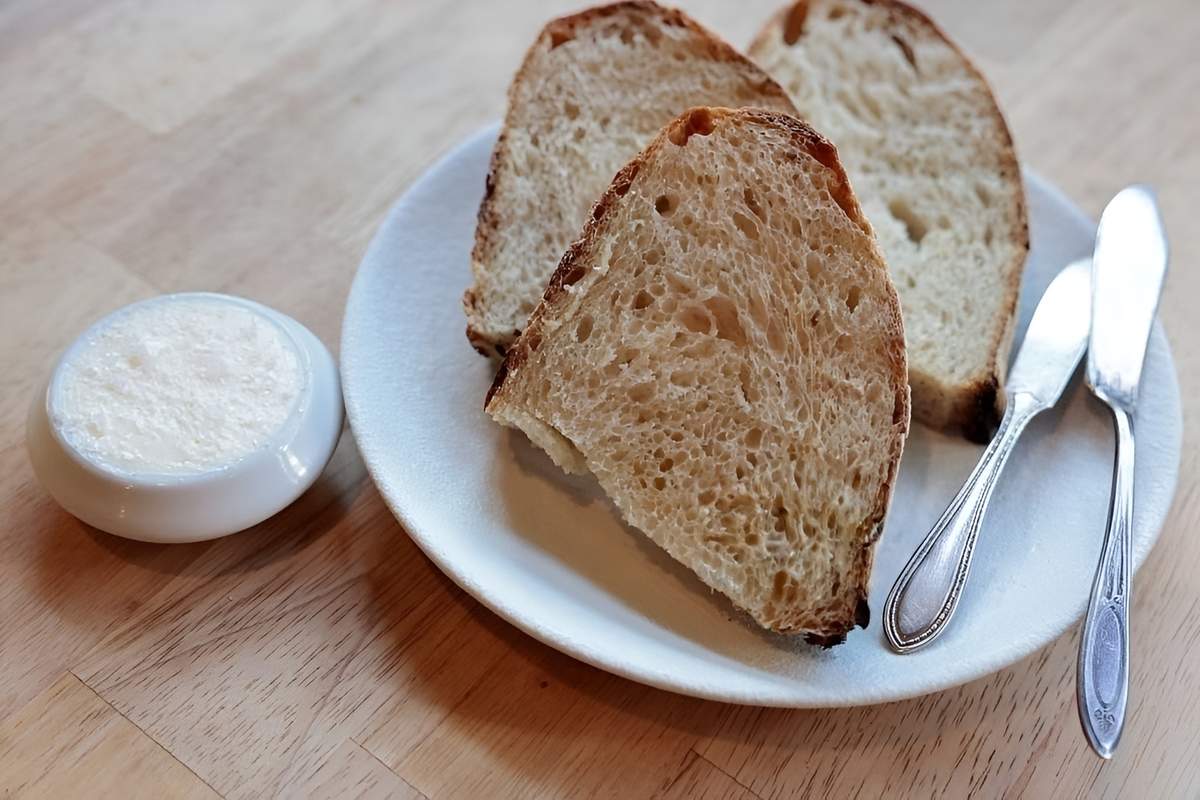
Also Read: Why Is Sourdough Better Than Regular Bread?
Can Food Nostalgia Trigger Depression Or Loneliness?

The illusion starts dominating the moment your food moves from the stove to the plate. For instance, when you sit down at your small dining table, you have meticulously recreated the apple compote, matching the exact color, the precise level of sweetness, and the specific texture you remember. Just after you take a large bite, the sensory data floods your brain, demanding that you feel the exact accompanying warmth, the ambient chatter of a busy household, and the profound sense of being fiercely protected by an elder.
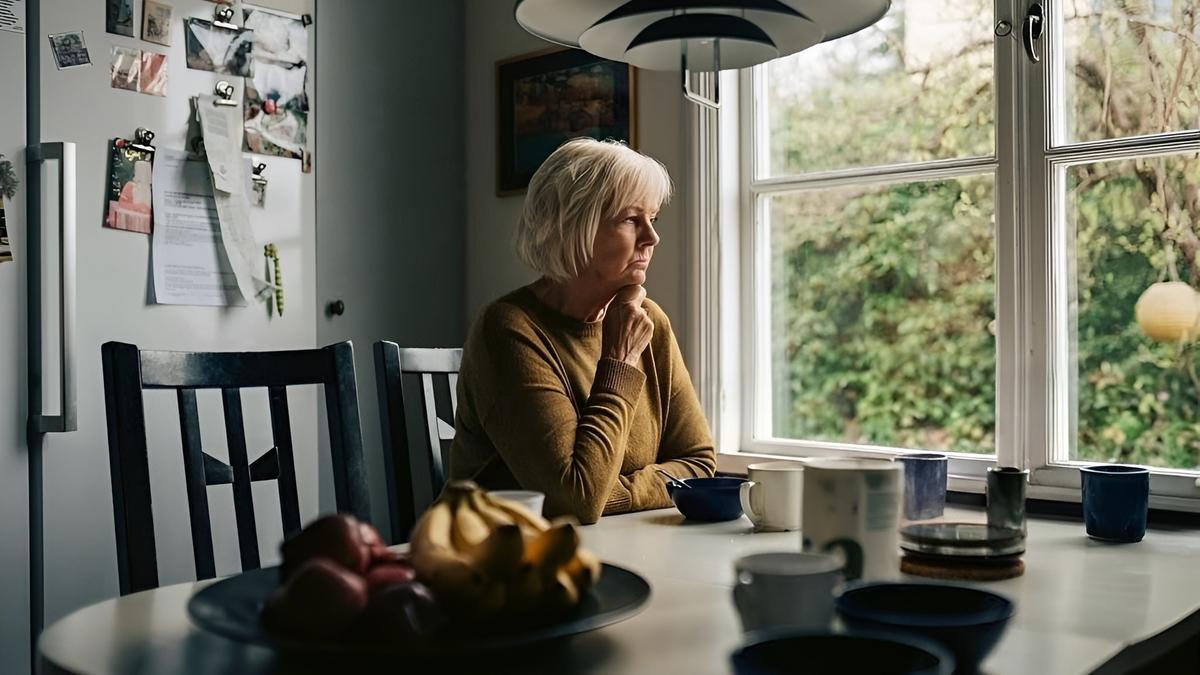
However, on the other side, your surrounding environment does not change, the laughter of the siblings does not materialize to fill the quiet corners of the room. Sadly, your grandmother who taught you this recipe might be no more, and this contrast between past and the present begins to sharpen like a knife.
With every swallow, the tension of the past memories starts escalating. The food acts as a hyper-specific mirror, reflecting exactly what is missing from your current life. The sanctuary begins to curdle into a psychological prison. Instead of soothing her loneliness, the meal which you are having amplified it, highlighting the absolute unrepeatability of the past. You will find yourself trapped in a devastating behavioural loop, like eating more of the dish to chase the fleeting ghost of safety, yet feeling increasingly isolated with every bite as the realisation settles in that the food cannot bridge the chasm of time. The nostalgic comfort turns toxic, anchoring your mind to a vanished world and rendering you entirely emotionally unavailable to the life you are actually living.
How To Stop Using Comfort To Cope With The Past
To break free from this emotional trap, it requires a profound shift in cognitive perspective. The resolution occurs when you stop demanding that the plate performs historical labor. As soon as you set your spoon down and look at the half-empty bowl, you realise that the intense warmth you felt initially does not reside inside the apple, the sugar, or the cinnamon. In reality, you experience a dormant emotional capacity living inside your own mind, which was awakened by the sensory key of the flavor.
The true healing actually starts when we start decoupling the memory from the physical object. The food does not act as a bridge to a lost paradise; it is a monument to the fact that we have loved, been loved, and survived. By accepting that the past is entirely unrecoverable, we free the recipe from the impossible burden of keeping the dead alive or making the lonely feel instantly connected. With time, you recognize that seeking refuge in gastro-nostalgia is an acknowledgement of a current emotional deficit, a signal that we need to build community, safety, and joy in our present reality, rather than mining the archives of our childhood.
Start acknowledging the true need; ask yourself whether or not you are truly hungry, or if you are just feeling lonely, bored, or grieving about something. Then, deconstruct the recipe by viewing ingredients as culinary tools for present nourishment, and not some sacred historic relics. Many people also keep a journal to record their shifting emotional states. You can even try this by keeping a record of your mood changes before cooking highly-nostalgic childhood dishes. Furthermore, you can purposefully alter an old family recipe to show your own cooking skills, marking your evolution and independent identity.
Also Read: Top 10 Countries With The Best Cuisine
What Are The Psychological Benefits Of Mindful Eating?

When this psychological knot is untied, the payoff is immediate and liberating. When you take that final bite of your compote, this time, your eyes do not look backward towards a distant childhood home. For instance, if you are eating an apple, you are actually tasting the sharp acidity of the apple, similarly, the deep warmth felt after eating cinnamon, and the present crystallization of the sugar exactly as they are right now, in this room, on this night.
According to science, food ceases to be an emotional trap or an elusive sanctuary. For us, it becomes a simple, delicious meal. By liberating our palates from the weight of unresolved longing, we can finally enjoy comfort food without choking on the grief of yesterday. It is nature’s will to let the past be beautifully remain in the past, and the present kitchen table becomes a place to create entirely new memories rather than a shrine where we mourn old ones. Therefore, we can say that mindful eating grounds us in physical reality, lowering cortisol, regulating digestion process, and transforming the kitchen from a place of bittersweet haunt into a space of genuine, contemporary joy.