When people think about medieval food, they often imagine grand feasts like those shown in Game of Thrones, with roasted swan, boar’s head, and large pies served with wine in goblets. While these elaborate meals did exist, they were mostly prepared for wealthy people during special occasions. In everyday life, medieval diets were much simpler and were based on what people could grow, afford, or easily obtain. Rural peasants mainly survived on basic foods such as vegetable soups, bread, and salads made from garden produce. Even wealthier people ate simple meals on most days, including dishes like beans, eggs, and grains. Food habits also varied depending on the region. For example, in the 10th century in Baghdad, people enjoyed a sweet dish called zalābiya, which is considered the ancestor of modern jalebi. Many medieval dishes were practical, filling, and nutritious, and several of them can still be enjoyed today with only small adjustments, although some ingredients, such as porpoise in frumenty, are no longer used.
Also Read: Top 10 Healthy Cuisines from Around the World
Cabbage Pottage (Medieval England)
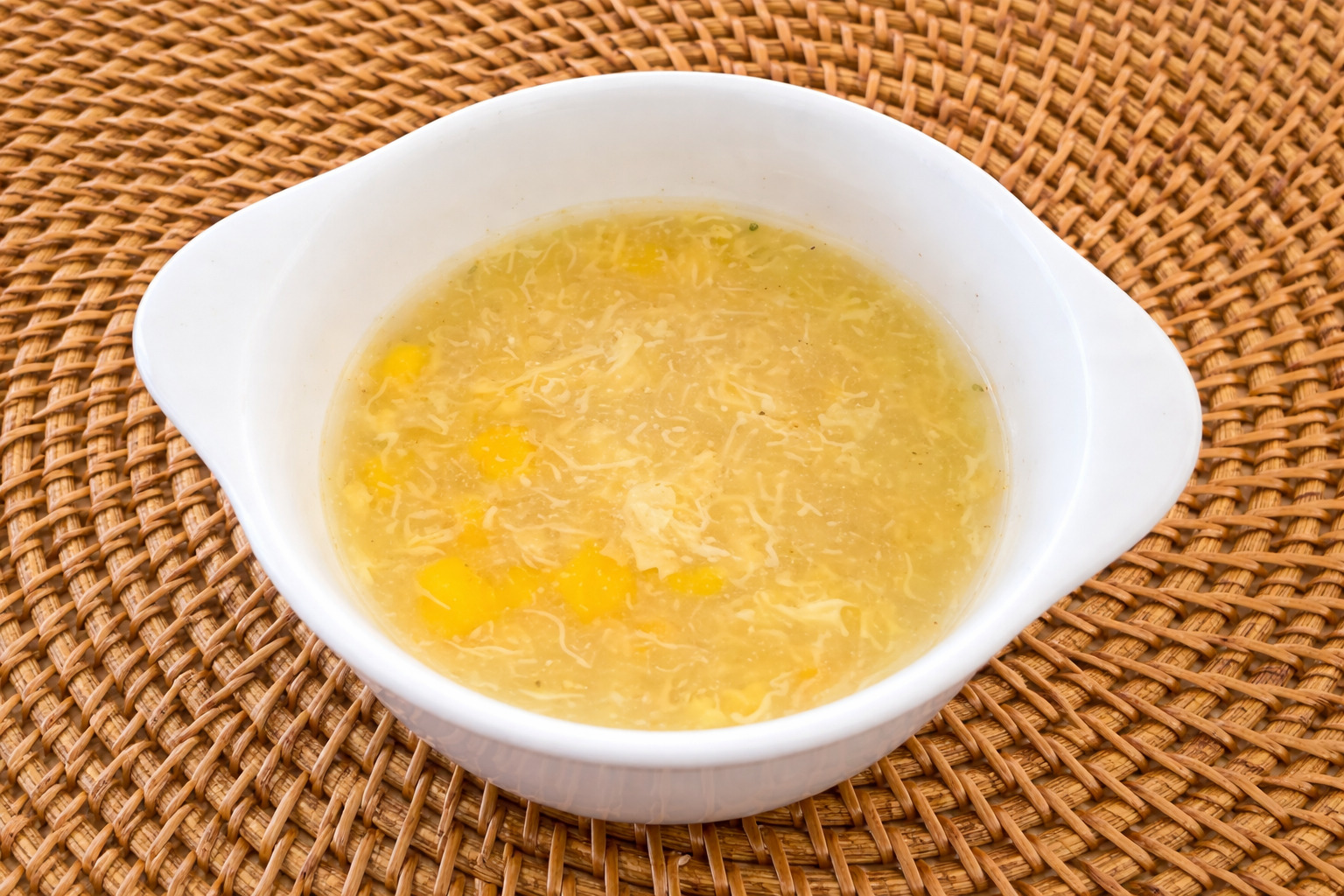
Cabbage pottage was a very common dish in medieval England because cabbage was cheap, widely available, and rich in nutrients. This dish was a thick stew made by cooking cabbage with vegetables such as onions, leeks, and celery, and fresh herbs were often added to improve the taste. The cooking was usually done in a cauldron, which was an essential tool in medieval households, especially among poorer families. Cauldrons were used not only for cooking but also for heating and sometimes for providing light, and they allowed multiple ingredients to be cooked together. Wealthier households also prepared pottage, but they used better-quality cauldrons and added more expensive ingredients like saffron and powdered douce, which was a blend of spices. Today, cabbage pottage can easily be prepared in a regular pot by simmering vegetables, herbs, and stock, and it is typically served with bread.
Primrose Salad (12th Century England)
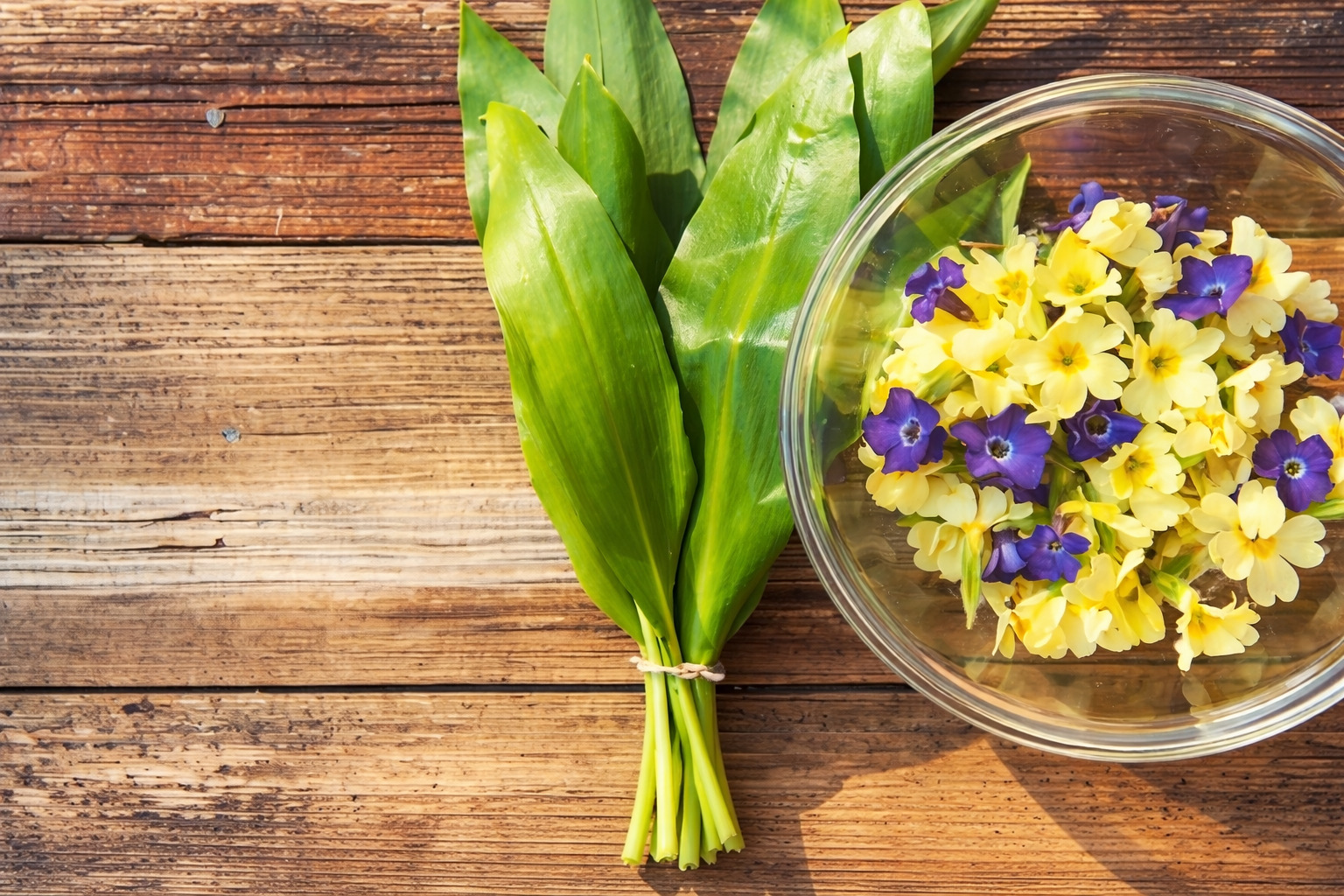
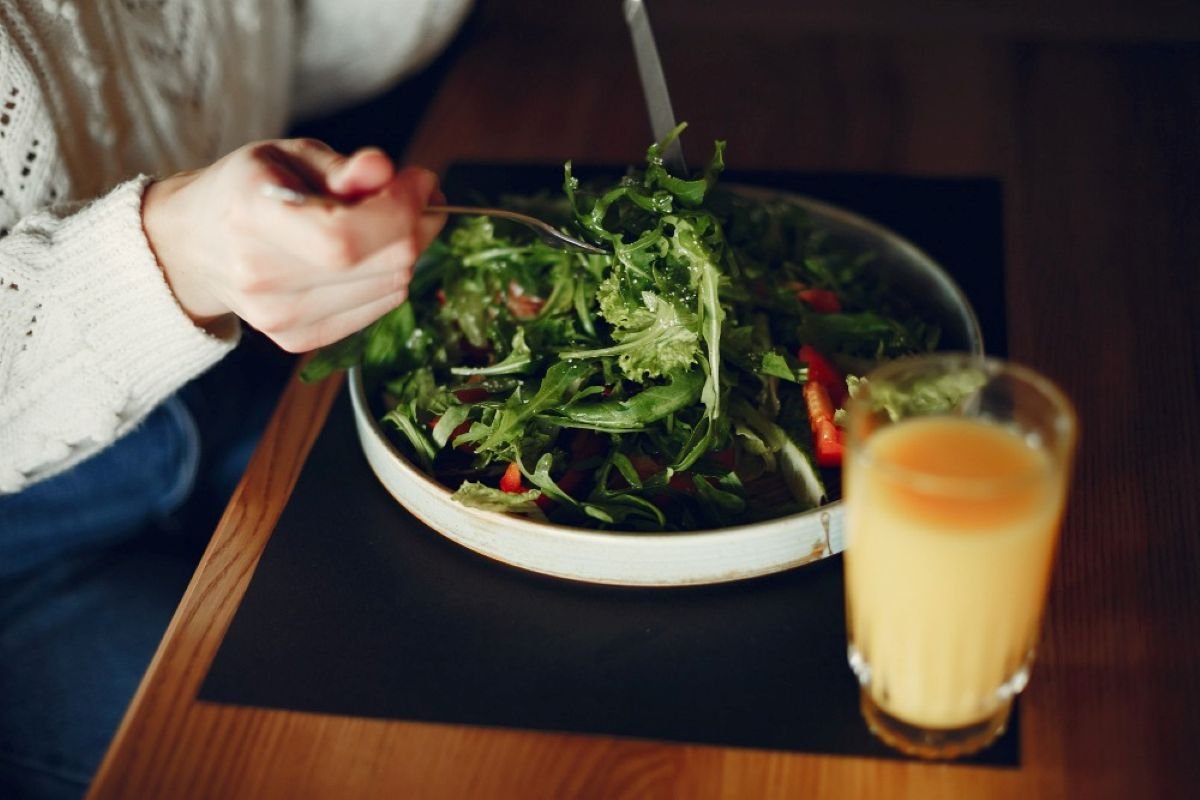
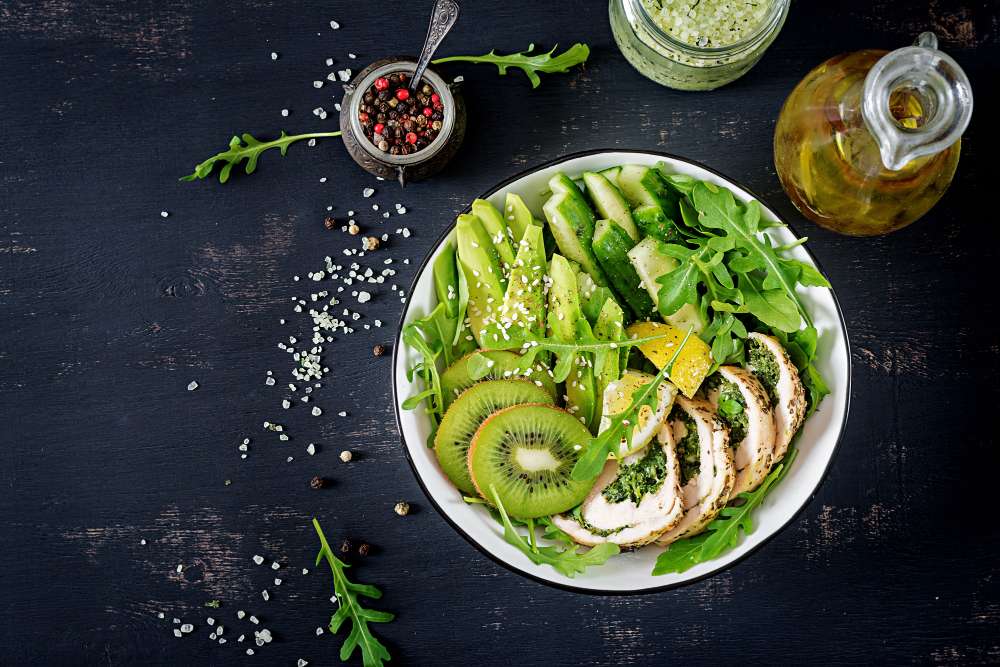
Primrose salad was a popular dish in 12th-century England, especially among people who relied on their gardens for food. The primrose plant grows in winter and spring, with edible green leaves and pale yellow flowers. People combined primrose with ingredients such as fennel, garlic, rosemary, and lettuce to create a fresh and flavorful salad. The flowers had a mild, slightly sweet taste, while the leaves were a bit spicy. In medieval times, people believed that primrose had medicinal properties. Even today, primrose oil is used in some treatments for skin conditions like acne and eczema, although there is limited scientific evidence to confirm its effectiveness.
Quince Connate (Late 1300s, England)
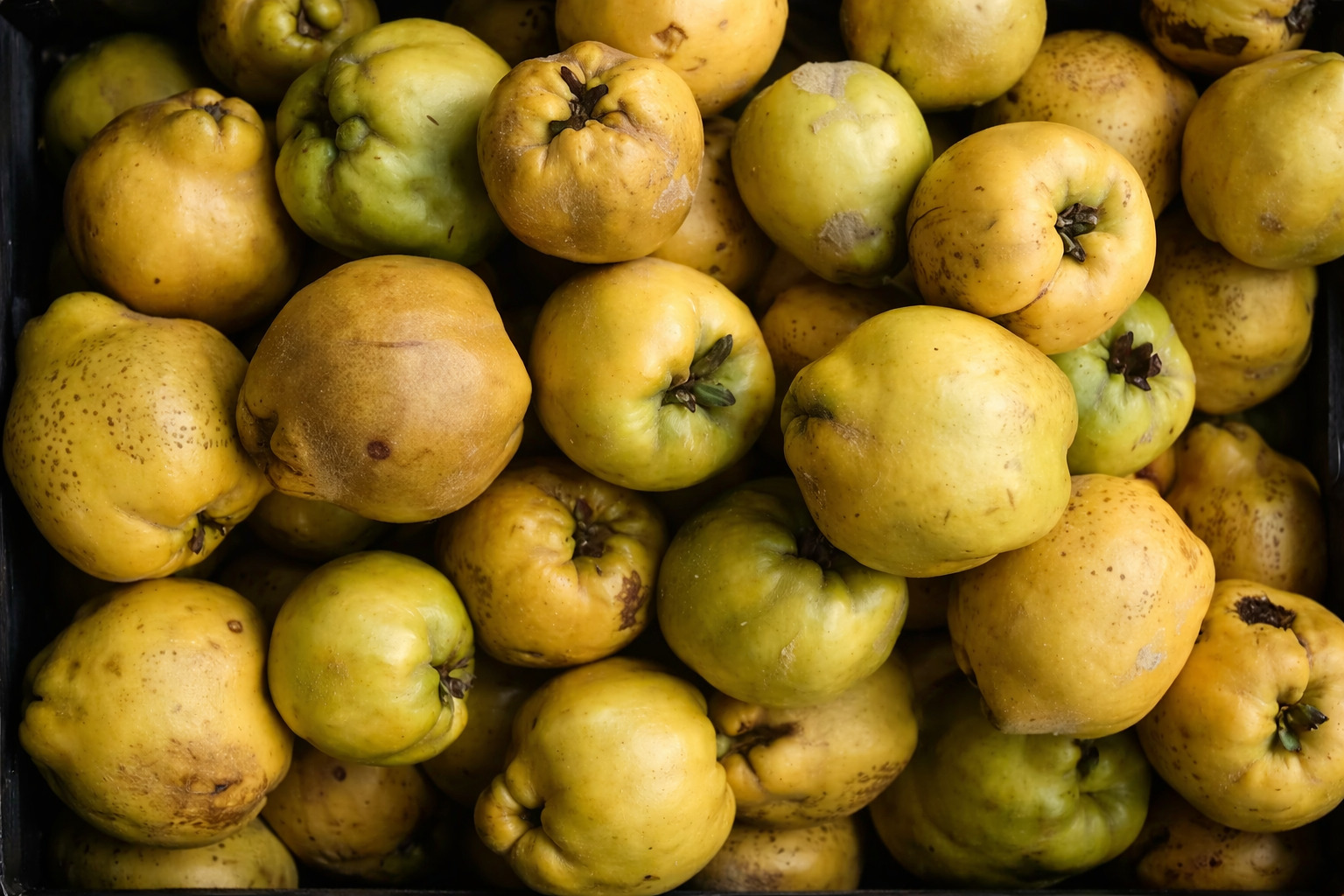
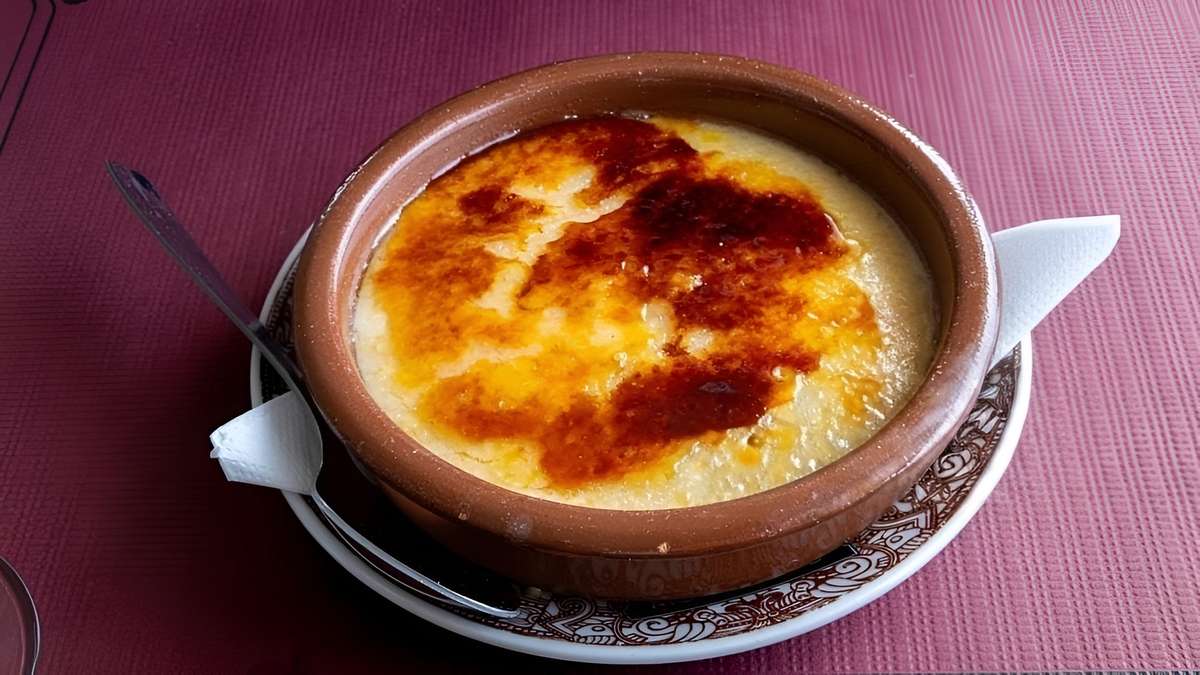
Quince connate was a medieval dessert recorded in the Forme of Cury, one of the earliest English cookbooks, written in the late 1300s by the cooks of King Richard II. This dessert was made by stewing quinces with lard until they became soft, and then honey, egg yolks, and saffron were added to create a creamy mixture. The final dish was smooth, sweet, and slightly fruity, with a texture similar to modern panna cotta. A similar dish existed in France, known as condoignac, which was also made with quince and honey, often with the addition of red wine. This shows that culinary ideas were shared and adapted across medieval Europe.
Benes Yfryed (Late 1300s, England)
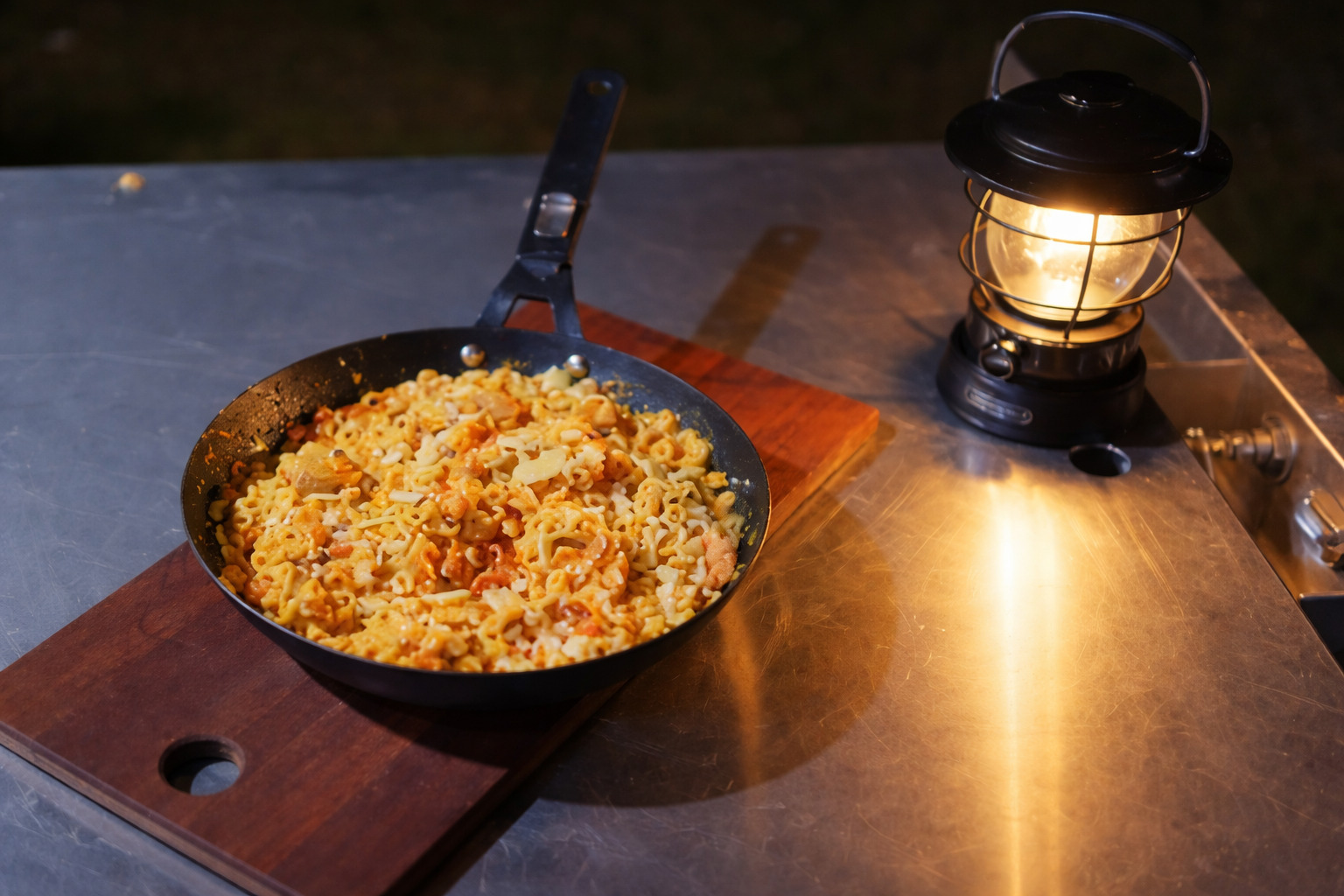
Benes yfryed, meaning fried beans, was another dish found in the Forme of Cury. It was simple but filling and nutritious. Beans, usually fava beans, were boiled until soft and then fried with garlic, onions, and powdered douce, a mixture of spices that included ingredients like ginger and nutmeg. In wealthier households, the dish might be served with gravy and roasted pork cooked in red wine, known as cormarye. Today, this dish can easily be recreated using a variety of beans such as black-eyed beans or cannellini beans, making it a flexible and practical recipe.
Payne Foundewe (Medieval England)
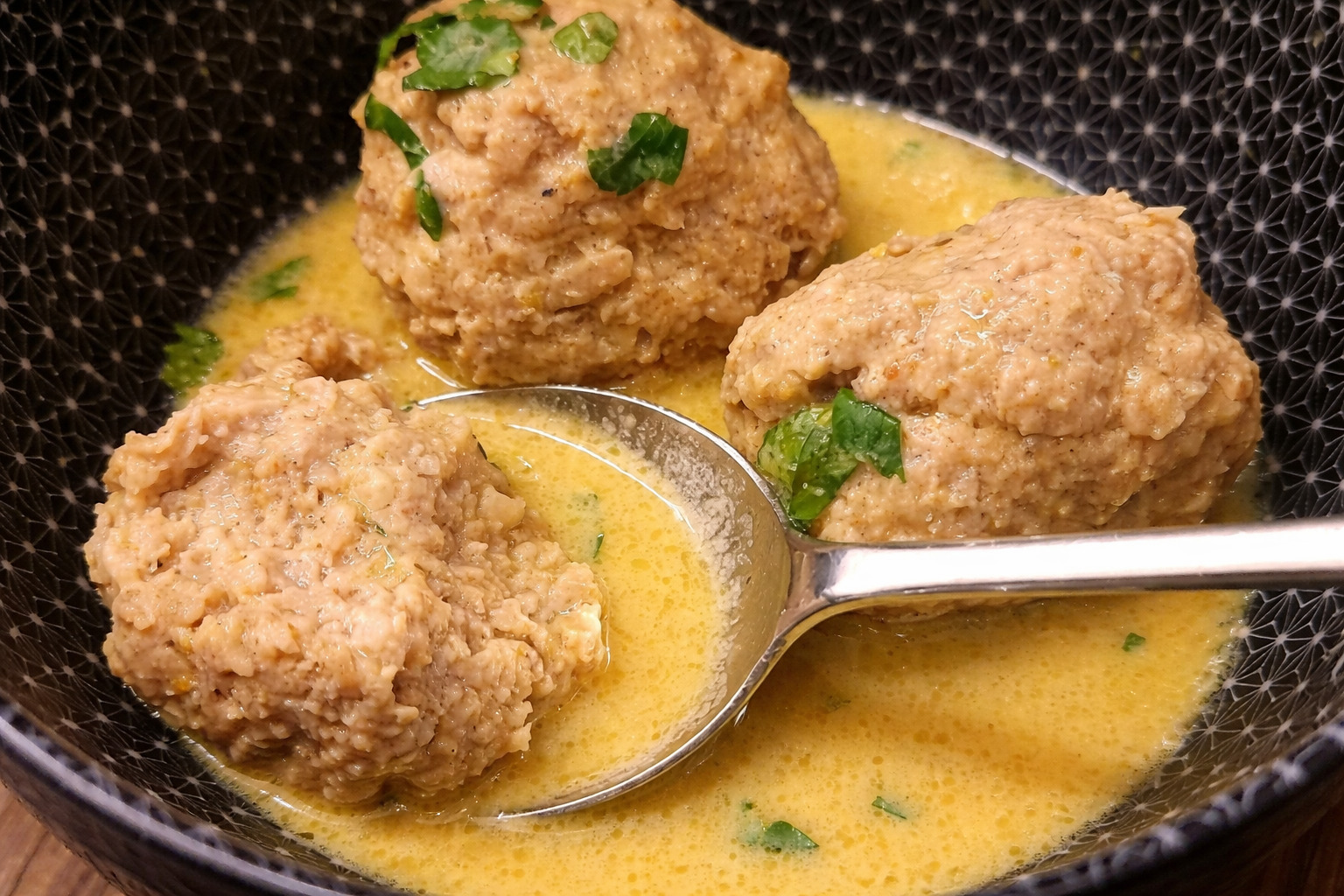
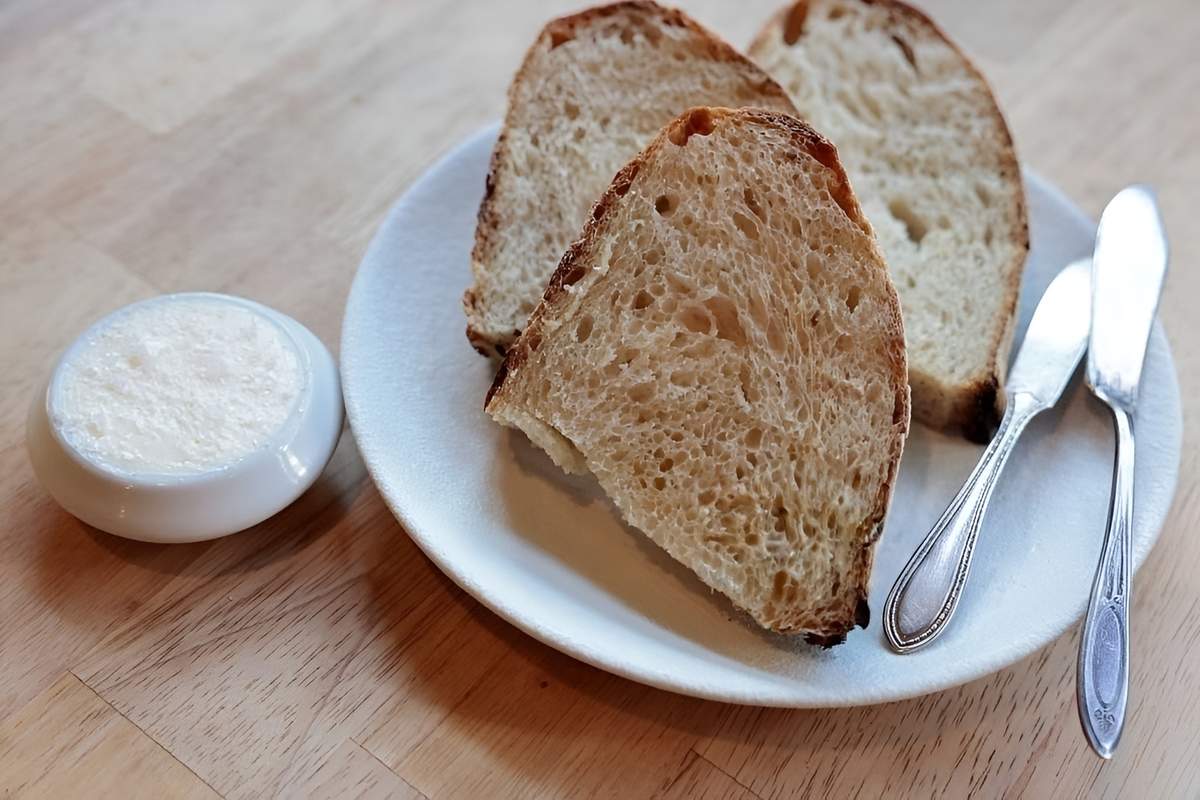
Payne foundewe was an early form of bread pudding and reflects the medieval practice of using leftover food efficiently. In this dish, bread was fried in grease and then combined with red wine, spices, raisins, and honey. The mixture was then ground into a thick paste using tools such as a mortar and pestle and served cold. It was often flavored with ingredients like anise, coriander, or sugar. Although modern bread pudding is baked and softer in texture, the basic idea of turning bread into a sweet dessert remains the same.
Apple Muse (15th Century Europe)
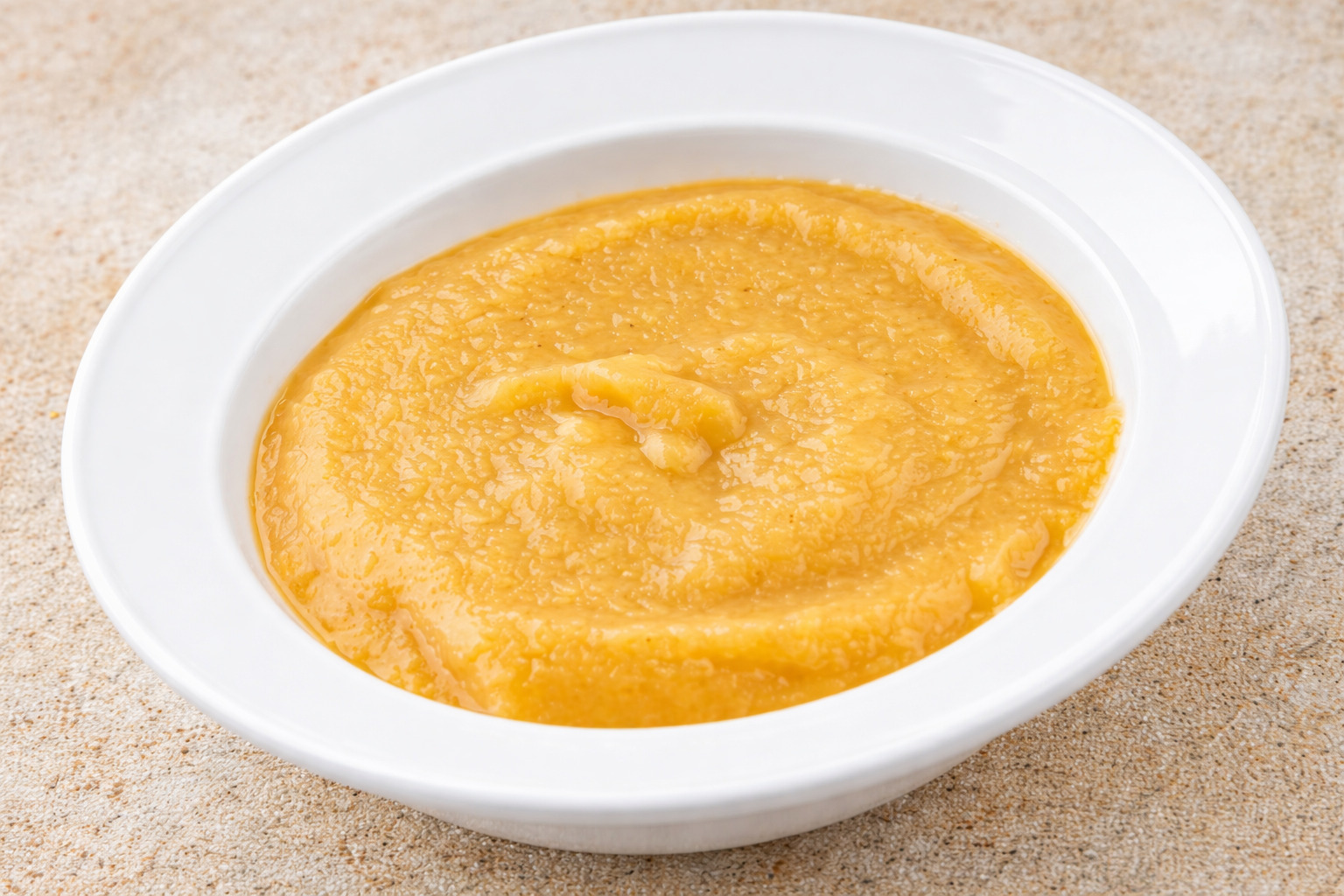
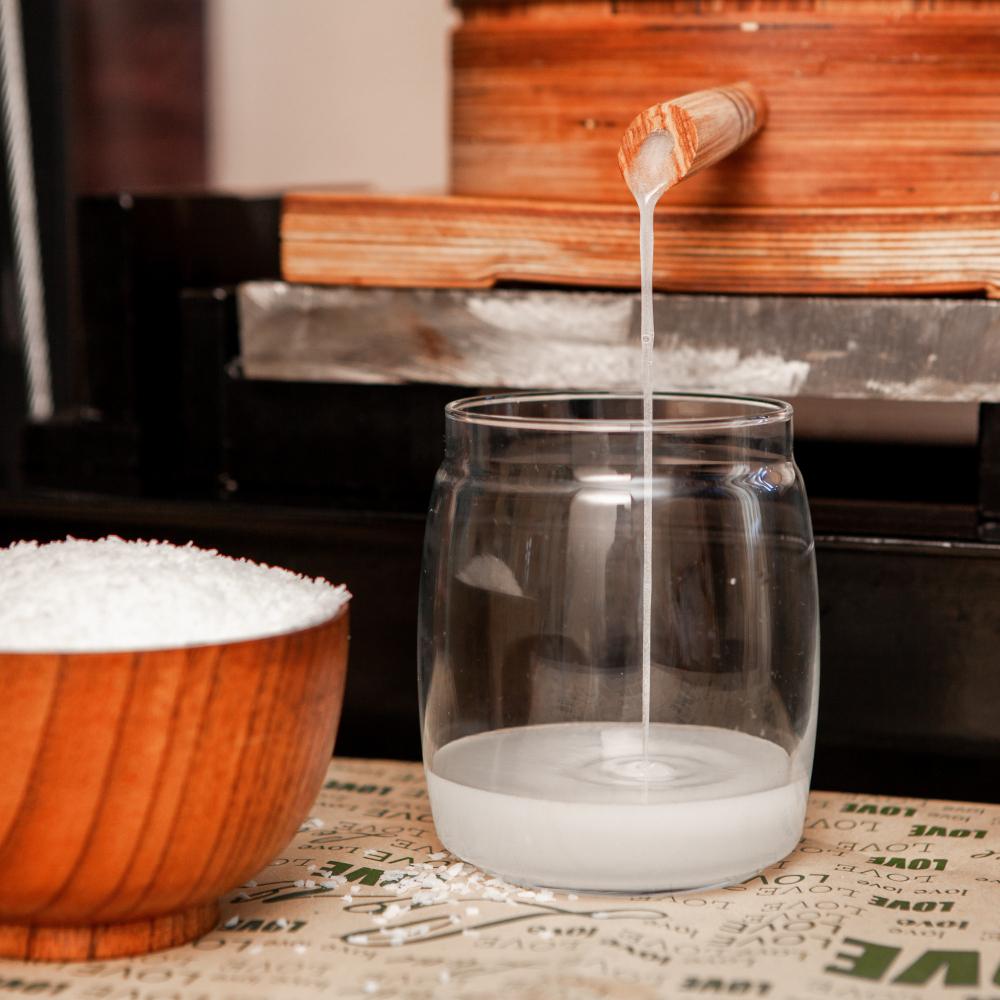
Apple muse was a simple dessert widely eaten in medieval Europe, especially during the 15th century, when apples were commonly grown in gardens. The dish was made by mashing apples into a smooth puree and mixing them with almond milk and honey. Sometimes, additional ingredients such as grated bread, saffron, or a small amount of salt were added to enhance flavor and texture. An earlier version of the dish, called appulmoy and recorded in the Forme of Cury, included rice flour to thicken the mixture. Despite these variations, the main feature of mashed apples remained consistent.
Departed Creamed Fish (Medieval England)
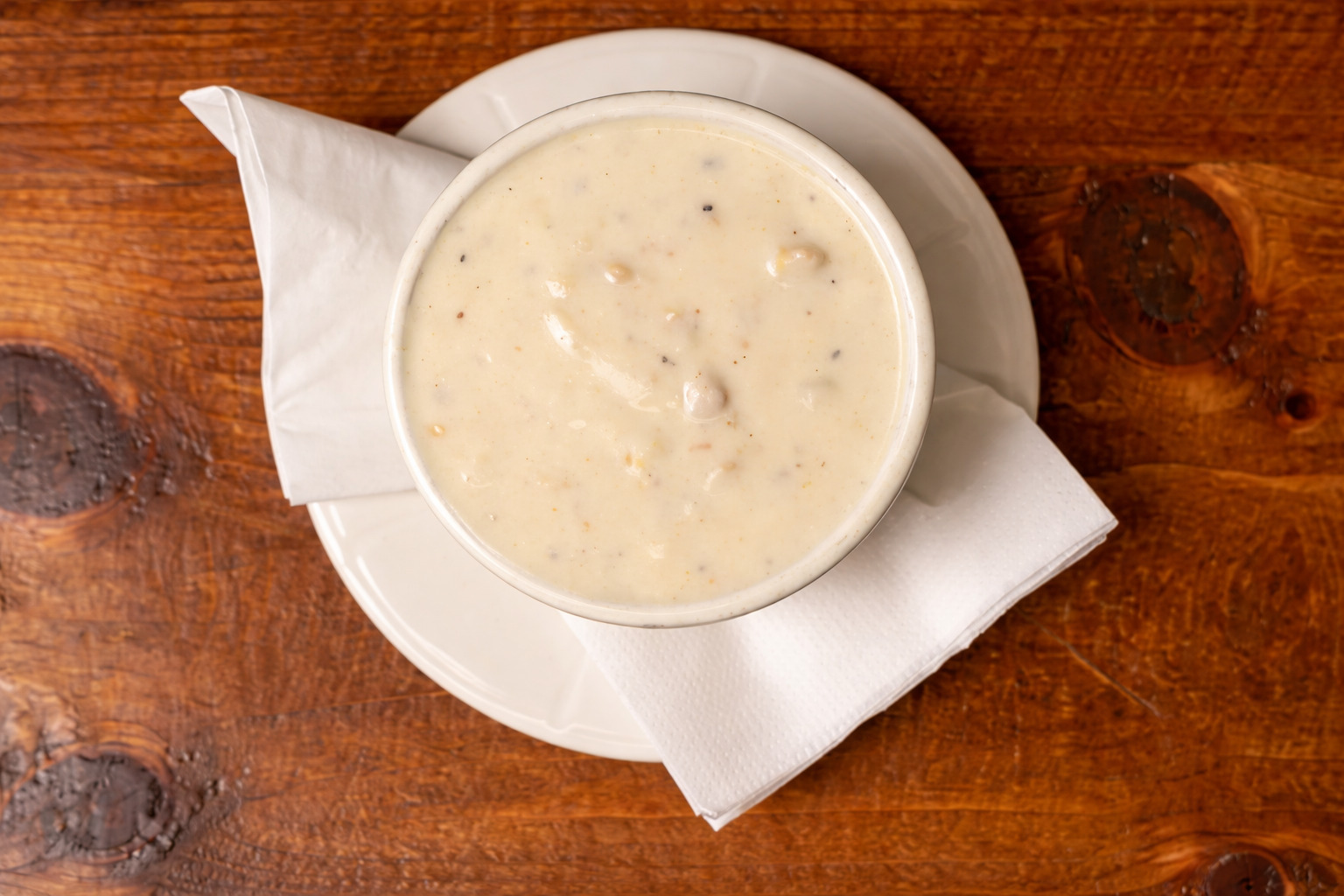
Departed creamed fish is described in Curye on Inglysch, a book published in 2013 that compiles recipes from medieval texts. This dish was a thick soup made with cod, almonds, spices, sugar, and salt. Even though fish was the main ingredient, the flavor was mild due to the combination of other ingredients. In medieval France, a similar dish called mortrews was prepared using meat or chicken liver instead of fish. In England, fish dishes like this were often eaten during Lent and other fasting periods, when the Church restricted the consumption of meat.
Kishkiyya (10th Century Baghdad)
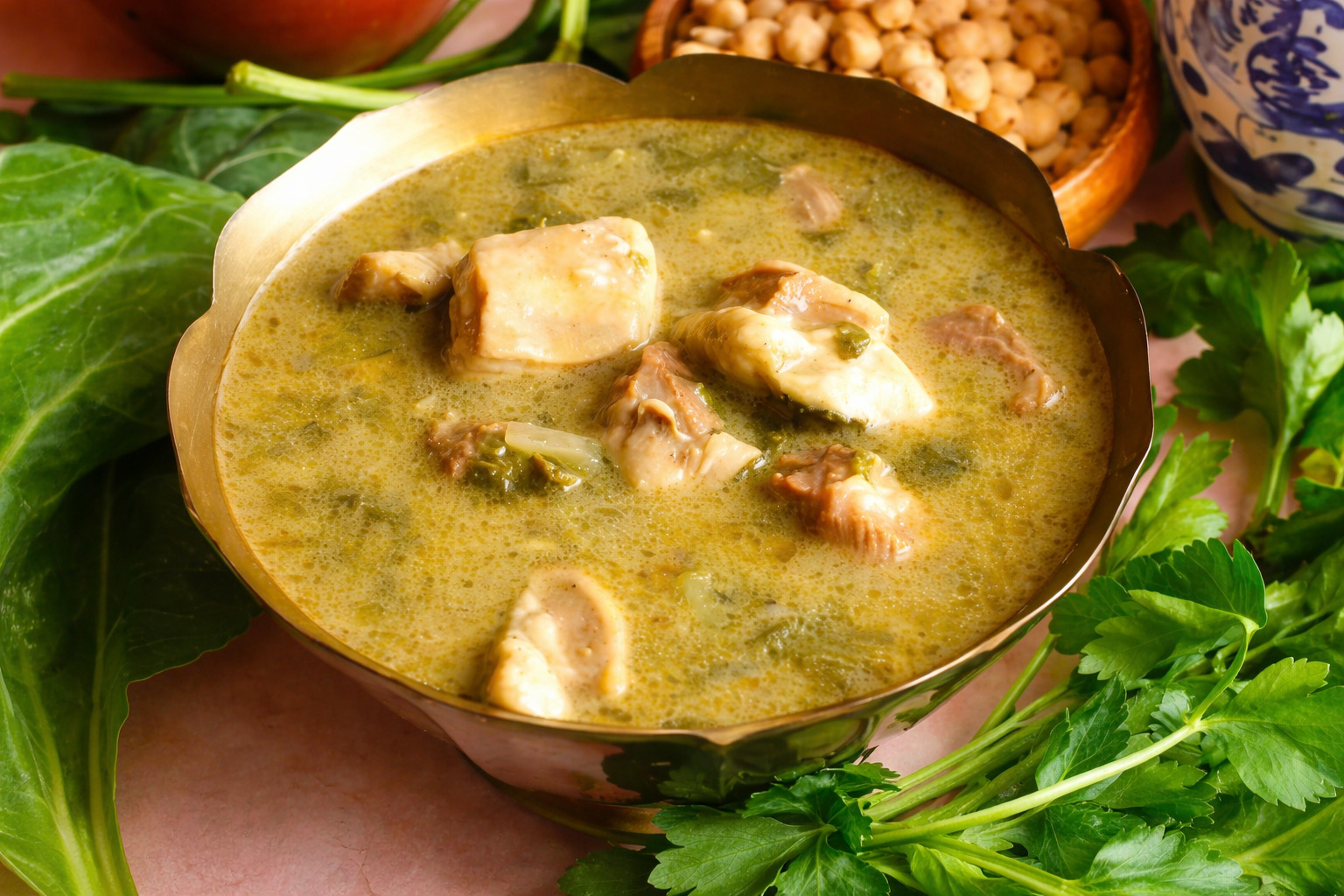
Kishkiyya was a dish from 10th-century Baghdad during the Abbasid Dynasty. It was a rich and complex lamb stew made with fatty lamb, dried yogurt, chickpeas, verjuice, galangal, onions, cassia, greens, olive oil, and herbs. This dish was both nourishing and filling. Because it contained a high amount of liquid and a variety of nutritious ingredients, it may have helped people recover from hangovers by providing hydration and essential nutrients.
Jalebi (10th Century Baghdad to Present)

Jalebi is a sweet dish that continues to be popular today in countries such as India, Nepal, Pakistan, and Egypt. Its origins can be traced back to 10th century Baghdad, where it was known as zalābiya and recorded in the cookbook Kitab al-Tabikh. The dish is made by pouring batter into hot oil in spiral shapes and then soaking the fried pieces in sugar syrup. The result is a crispy, sweet dessert that has remained largely unchanged for centuries.
Also Read: Foods People Think Are American But Where Are They Really From?
Soppes Dorre (15th Century England)
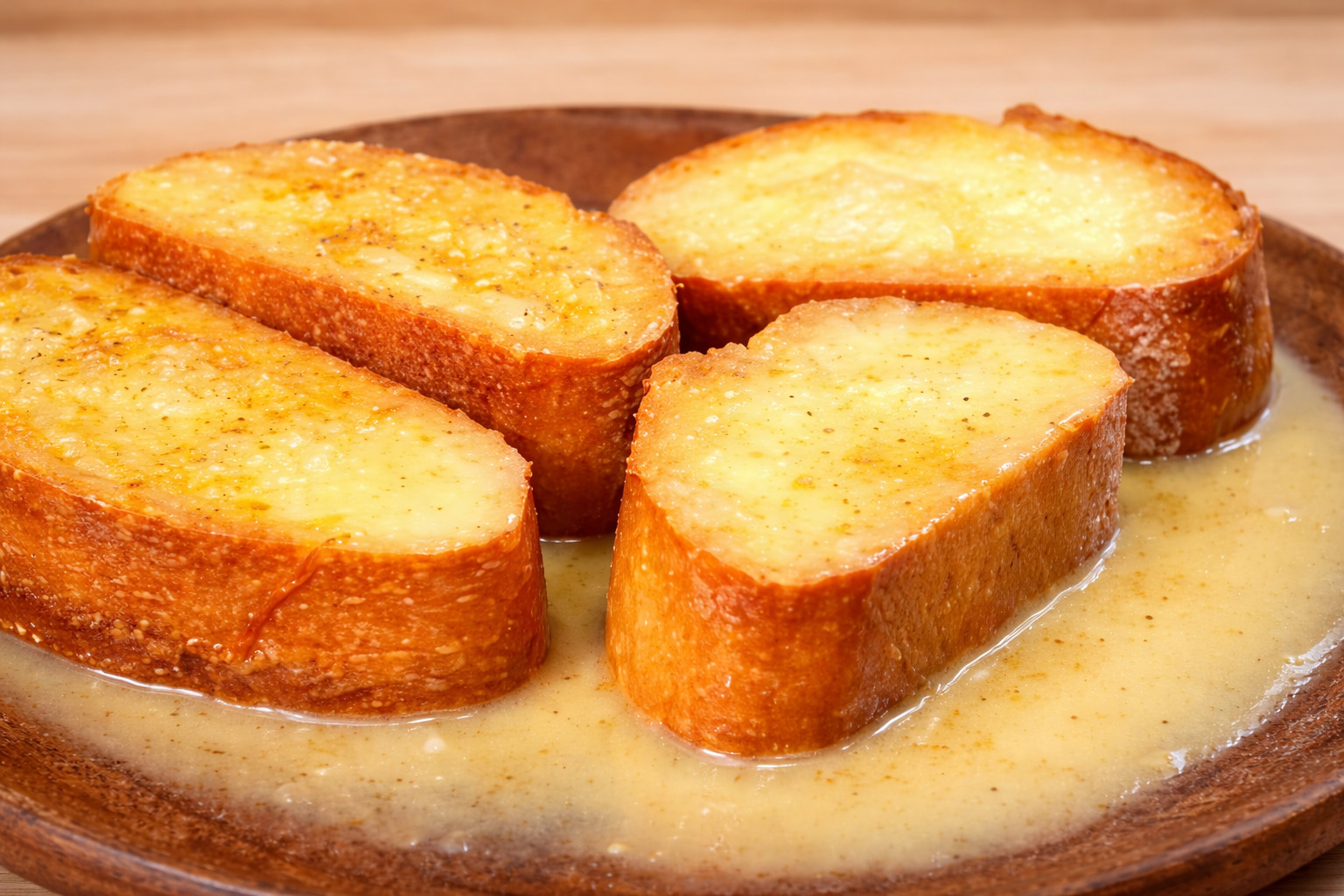
Soppes dorre was a breakfast dish commonly eaten in 15th-century England. It consisted of toasted bread soaked in milk, often almond milk, flavored with spices such as cinnamon, ginger, and cloves. Sometimes wine or ale was added, which shows that drinking alcohol in the morning was not unusual during that period. This dish was simple, filling, and suitable for families who had time to sit and eat together.
Stuffed Eggs (1300s Italy)

Stuffed eggs were a popular dish in Italy during the 1300s, as recorded in the cookbook Liber de Coquina. The eggs were boiled, cooled, and filled with ingredients such as marjoram, cloves, cheese, and saffron, and after being stuffed, they were fried and served with verjuice, a sour sauce. This dish is similar to modern deviled eggs, although the ingredients and flavors differ. Later variations from other regions included fillings such as apple and cinnamon, showing how recipes evolved over time.
Armored Turnips (Medieval Italy)
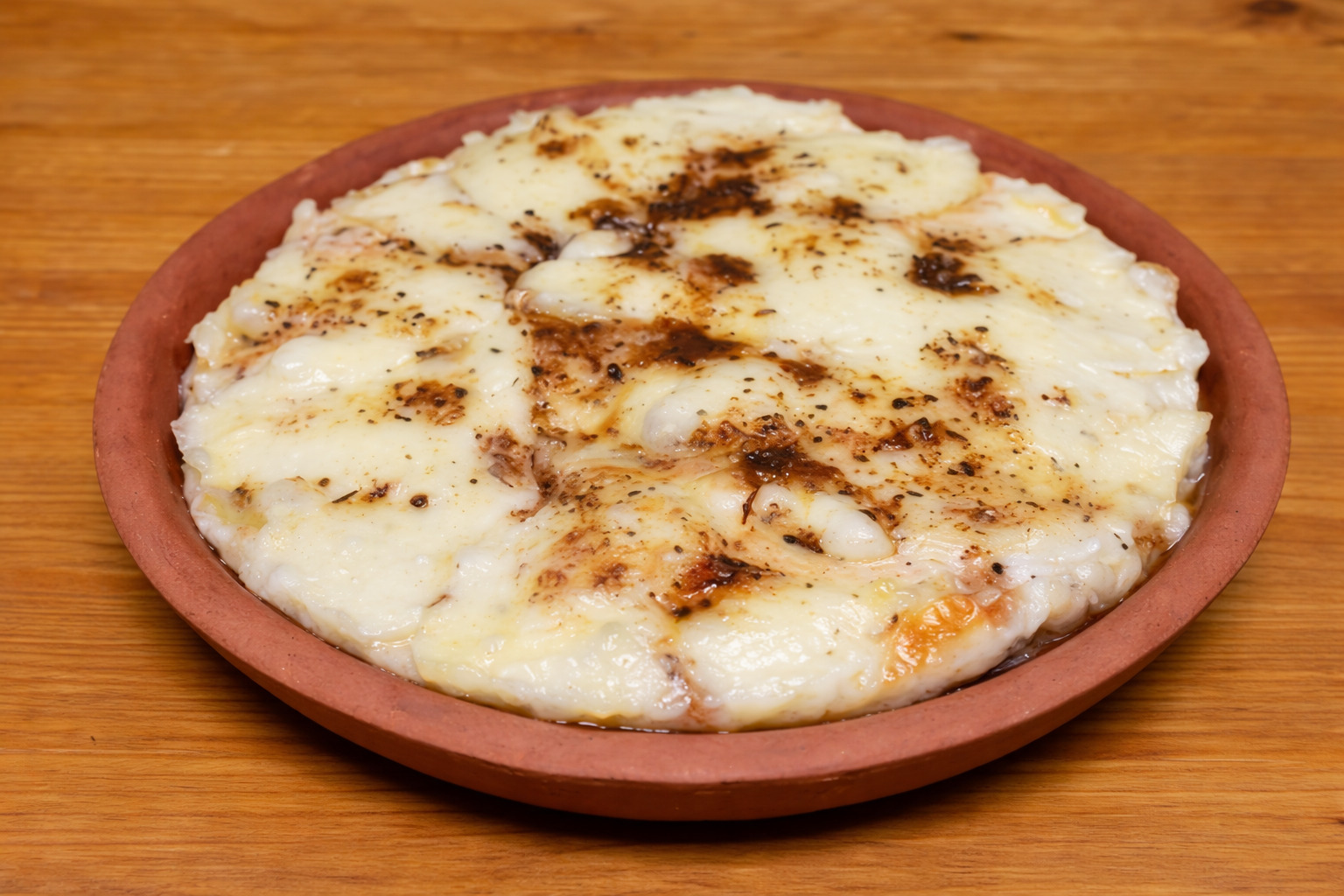
Armored turnips were made by boiling turnips, slicing them thinly, and layering them with butter, spices, and cheese. The dish was then baked until soft and creamy. It is similar to modern dishes such as potato gratin or cauliflower cheese. The recipe was recorded in De honesta voluptate et validudine by Bartolomeo Sacchi, who advised using cheese that was flavorful but not too aged, such as mozzarella.
Frumenty (Medieval England)
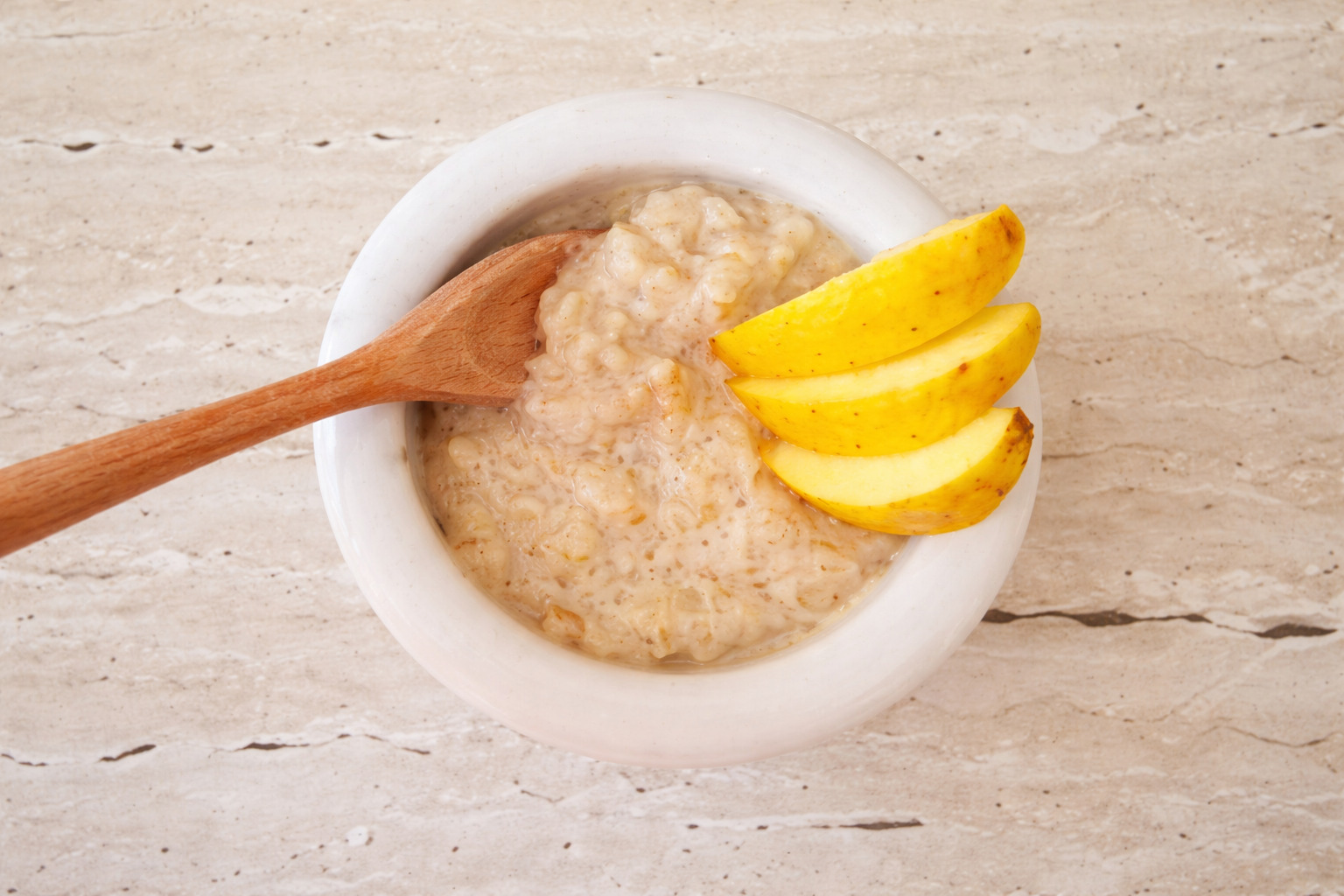
Frumenty was a popular type of porridge in medieval England made from wheat or barley. It was cooked with milk, sugar, spices, and fruit, and sometimes included almond milk, saffron, or eggs. One unusual version of the dish included porpoise, which was considered a luxury ingredient at the time. Today, such ingredients are no longer used, and simpler forms of porridge are more common.
Suppa Dorata (15th Century Italy)

Suppa dorata was the medieval Italian version of French toast and appeared in the 15th-century cookbook Libro de arte coquinaria by Maestro Martino da Como. In this dish, bread was soaked in eggs mixed with sugar and rose water, then fried and topped with saffron and more rose water. It was a sweet and richly flavored dish that shows how medieval cooks experimented with combining sweet and aromatic ingredients.
Dillegrout (1068–1821, England)
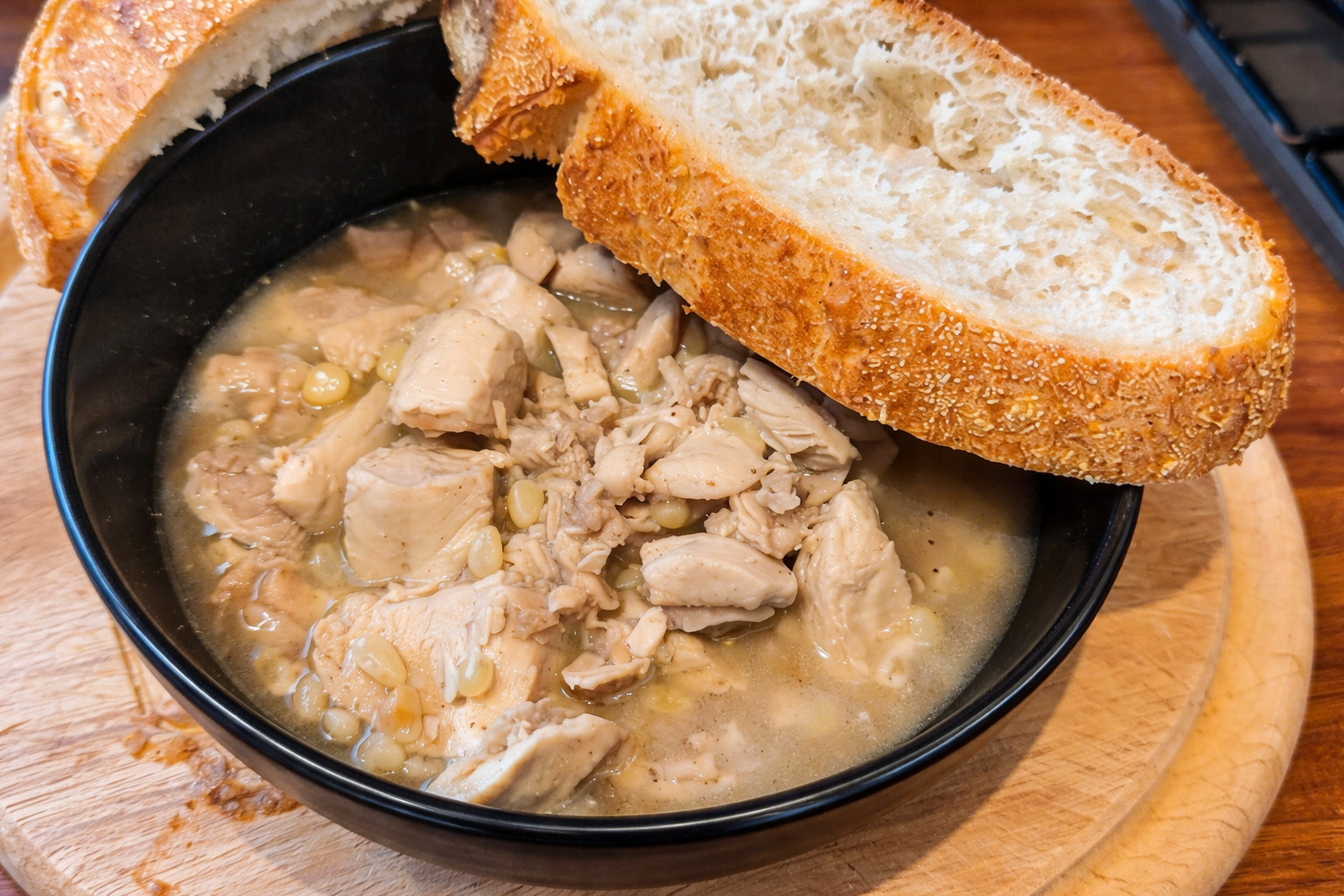
Dillegrout was a rich chicken stew made with almond milk, sweet wine, pine nuts, rose water, ginger, and sugar. Unlike simple peasant dishes, it was served at royal events. It was first recorded at a coronation in 1068 and continued to be served at coronations until 1821, during the reign of King George IV. This long history shows that the dish remained important in royal traditions for many centuries.