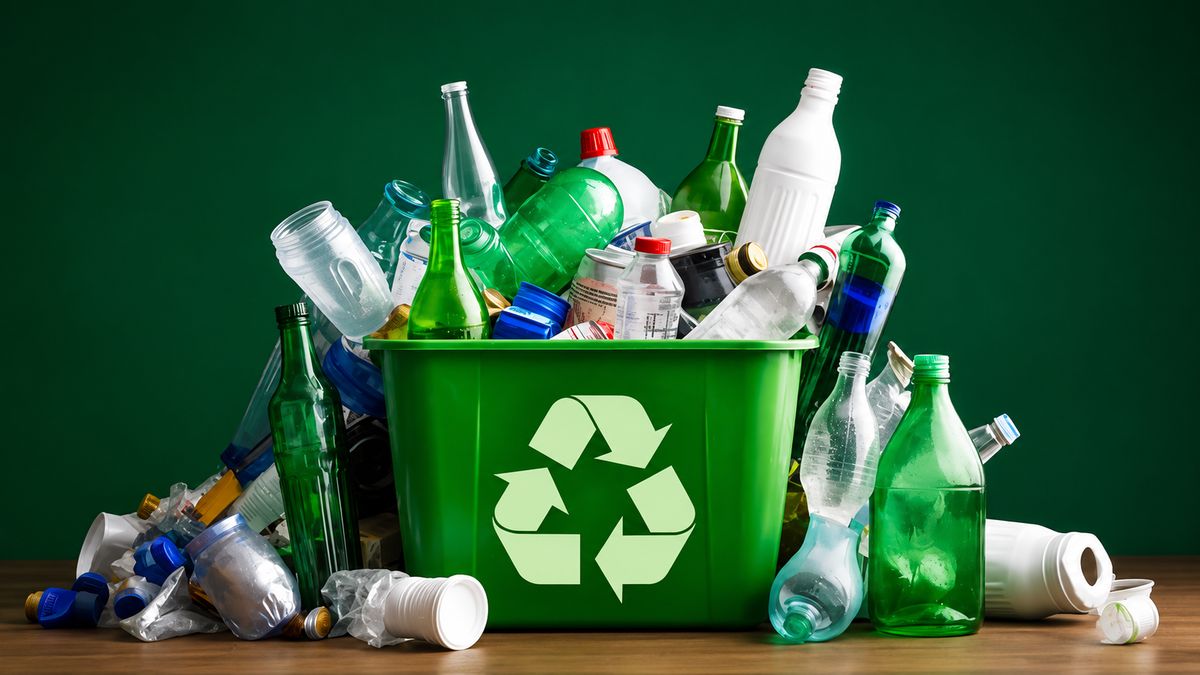
Plastic packaging is a part of everyday life, and almost every plastic container has a small recycling symbol with a number inside it. Many people assume that this symbol means the item can be recycled, but that is not always true. The number inside the symbol does not tell you whether the plastic is recyclable. Instead, it identifies the type of plastic the product is made from. Whether it can actually be recycled depends on your local recycling system, as recycling rules vary from one city or state to another. A plastic item accepted in one area may not be accepted somewhere else. This misunderstanding has led to changes in some places.
California, for example, passed a law that only allows the chasing arrows recycling symbol to appear on plastics that are actually recyclable through local recycling programs. Some local authorities in Florida and Ohio have also advised residents to focus more on the shape of the container than the recycling number, since bottles and jugs are generally much easier to recycle than flexible plastic packaging. Besides helping you sort your waste correctly, these recycling numbers can also help you choose safer plastics for storing or heating food.
#1 PET (polyethylene terephthalate)
.jpg)
Polyethylene terephthalate, commonly known as PET or PETE, is one of the most widely used plastics for food and beverage packaging. It is commonly found in water bottles, soft drink bottles, juice bottles, cooking oil bottles, and peanut butter jars. Among all plastic types, PET is one of the easiest to recycle, and most municipal recycling programs accept it.
Once collected, it can be processed into new bottles, food containers, clothing fibers, carpets, and many other products. Although PET is considered safe for storing food and drinks, it is not designed to handle high temperatures because it has a relatively low melting point. Containers made from #1 plastic should not be microwaved, and if you choose to reuse PET bottles, they should be kept away from heat.
Also Read: How the Internet of Waste Is Transforming Waste Management
#2 HDPE (high-density polyethylene)
.jpg)
High-density polyethylene, or HDPE, is a strong and durable plastic used to make products such as milk jugs, juice bottles, detergent bottles, shampoo bottles, and cutting boards. Most rigid HDPE containers are accepted in curbside recycling programs and can be recycled into new bottles, pipes, plastic lumber, outdoor furniture, and many other useful products.
However, thin HDPE products such as plastic bags and container liners are treated differently because they are considered film plastics. These soft plastics can wrap around recycling equipment and damage recycling machines, so they are usually not accepted in curbside recycling bins. Instead, many supermarkets and recycling drop-off locations collect clean plastic bags separately, and many people also reuse milk jugs and other HDPE containers around the home or garden before recycling them.
#3 PVC (polyvinyl chloride)
.jpg)
Polyvinyl chloride, better known as PVC, is commonly associated with plumbing pipes, but it is also widely used in food packaging. Flexible PVC is found in shrink wrap, cling film, snack containers, and some food trays. Although it is popular because of its flexibility and durability, PVC is rarely accepted by recycling programs.
During the recycling process, PVC can release harmful chemicals that may contaminate other recyclable plastics, making recycling more difficult and less efficient. Because of these concerns, many manufacturers are reducing the use of PVC in food packaging whenever possible.
#4 LDPE (low-density polyethylene)
.jpg)
Low-density polyethylene, or LDPE, is a soft and flexible plastic commonly used for grocery bags, produce bags, bread bags, frozen food bags, squeezable condiment bottles, and toothpaste tubes. Although the material itself can be recycled, most curbside recycling programs do not accept these products because soft plastics can easily become tangled in recycling machinery.
Instead, clean LDPE bags and film plastics should be taken to supermarkets or recycling drop-off locations that accept them. Before recycling, many people reuse grocery bags at home for storage, lining small trash bins, or carrying household items, making them useful for more than one purpose.
#5 PP (polypropylene)
.jpg)
Polypropylene, identified by the #5 recycling symbol, is considered one of the safest plastics for food storage. It is commonly used for yogurt cups, margarine tubs, takeout containers, medicine bottles, bottle caps, plastic straws, and many microwave-safe food containers.
This plastic can withstand higher temperatures than many other plastics, so many PP containers can safely be reheated if they are labeled as microwave-safe. In the past, polypropylene was not widely recycled because many recycling facilities lacked the equipment needed to process it, but today more local recycling programs accept #5 plastics, making them much easier to recycle than before.
Also Read: Is Pollution Creating Chronic Diseases?
#6 PS (polystyrene)
.jpg)
Polystyrene is available in both solid and foam forms, with the foam version, commonly known as Styrofoam, often used for disposable cups, egg cartons, meat trays, and takeout food containers because it provides excellent insulation. Despite these benefits, polystyrene is one of the least environmentally friendly plastics.
Foam polystyrene is made up of about 95 percent air, making it lightweight but bulky and expensive to recycle, so many recycling centers do not accept it. It also breaks into small pieces easily, contributing to environmental pollution and creating risks for wildlife. Heating polystyrene containers may also allow certain chemicals to move into food, so Styrofoam should never be microwaved unless it is specifically labeled as microwave safe.
#7 Other
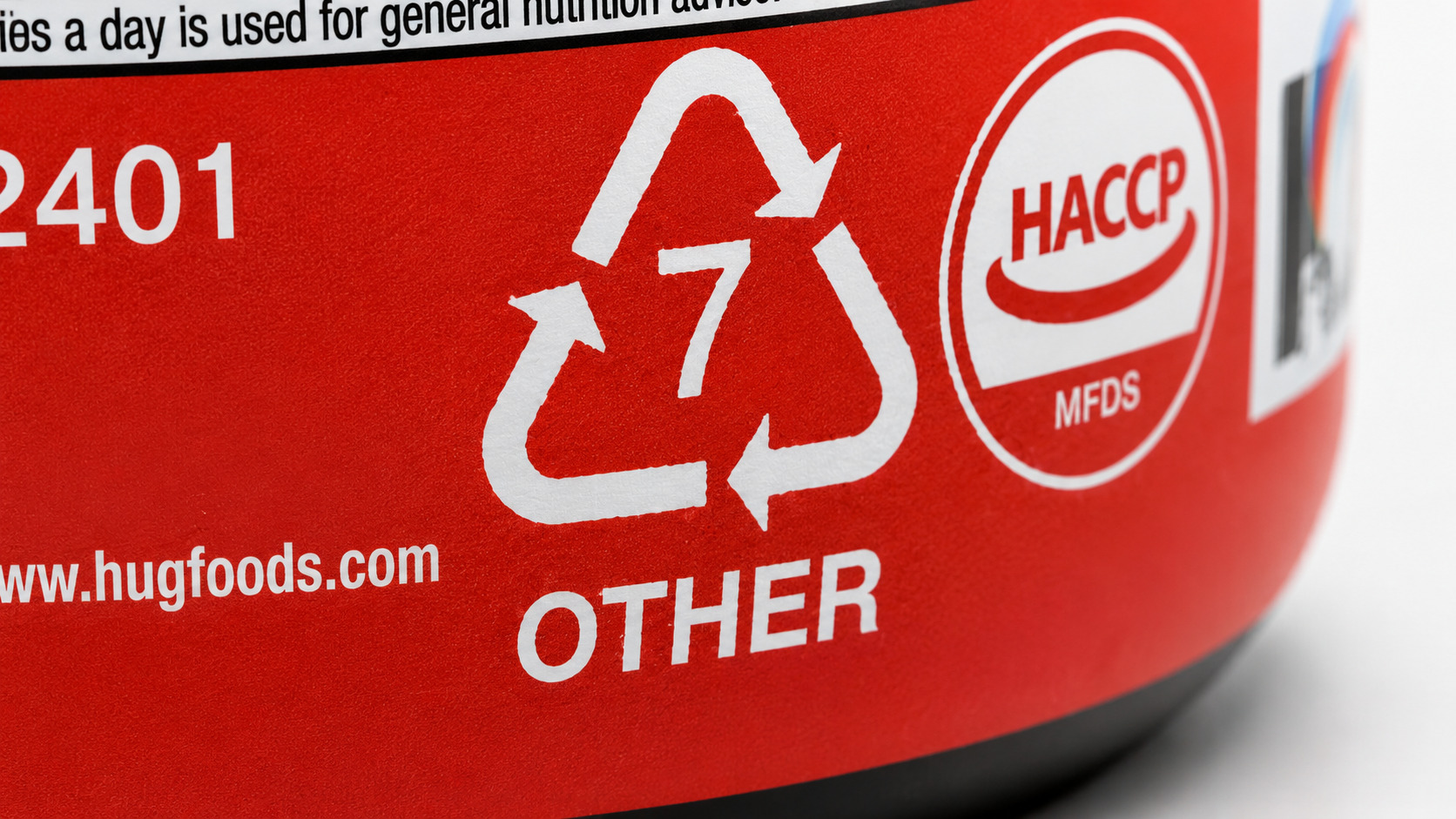
The #7 recycling symbol is used for plastics that do not fit into any of the first six categories. This group includes many different materials, such as polycarbonate plastics, BPA-containing plastics, acrylic, nylon, bio-based plastics, and other mixed plastic materials. Because this category contains a variety of plastics, recycling facilities often cannot process them efficiently, and most #7 plastics are not accepted in curbside recycling programs.
Some older products in this category may contain Bisphenol A (BPA), a chemical that has been linked to hormone disruption in some studies. Although many manufacturers now make BPA-free alternatives, it is still a good idea to limit the use of older #7 food containers whenever possible and choose plastics that are easier to recycle and considered safer for food use.