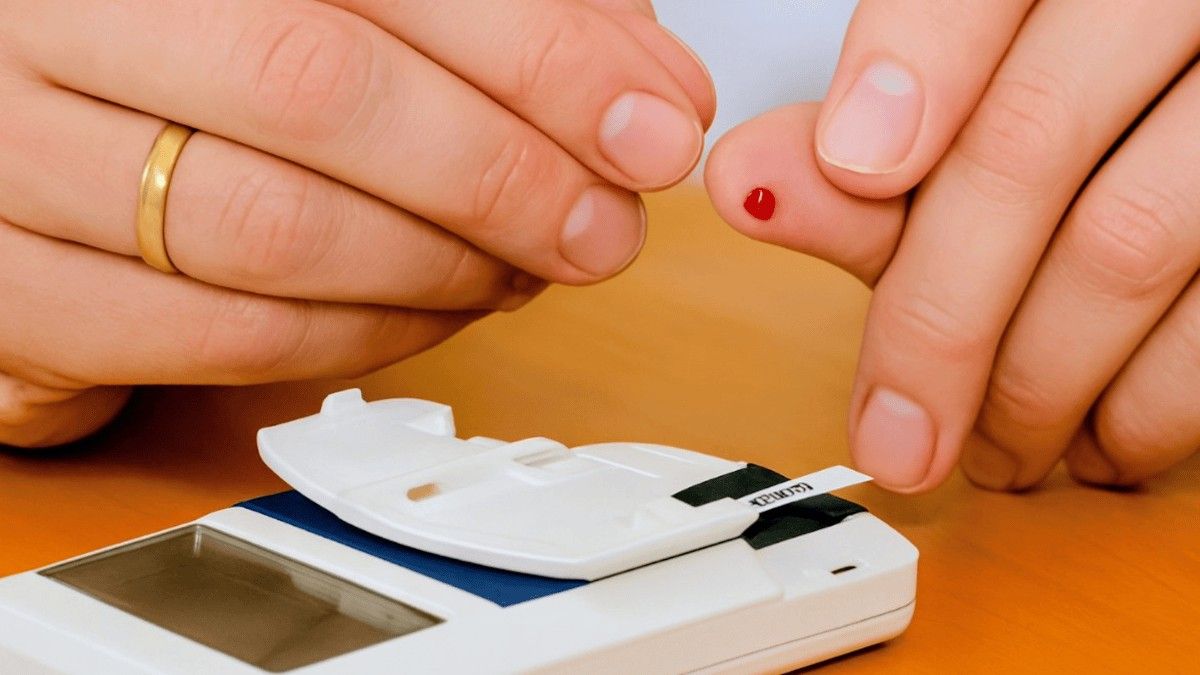
Long before a minor health issue turns into a health emergency, your body usually gives you quiet hints. However, when it comes to diabetes, these early signs rarely arrive with a loud bang. Instead, they sneak in softly, often wearing the mask of everyday tiredness, stress, or just getting older. The good news is that once you catch the signs at the earliest stage, you develop the power to step in, make simple lifestyle adjustments and stop a manageable situation from turning into a lifelong struggle.
What Exactly Is Happening Inside
For an individual who has got a high chance of developing diabetes, it is crucial for them to understand the symptoms as it helps to look at how their body handles energy. Every time you eat, your digestive system breaks down your food into a simple sugar called “glucose.” This sugar enters your bloodstream and its main job is to fuel your muscles, brain and organs. To remove that sugar out of your blood and get it into your cells where it can actually be used, your body releases a special hormone called “insulin,” produced by pancreas.
The most common types are type 1 diabetes and type 2 diabetes. Type 1 diabetes is an autoimmune disorder where your immune system accidentally destroys the beta cells responsible to make insulin. On the other hand, in type 2 diabetes, the body is still capable to make insulin, but the beta cells do not respond to it effectively, a mechanism known as "insulin resistance."
Therefore, when the sugar gets piled up in your bloodstream instead of fueling your cells, your body starts sending out distress signals. This early phase is often called “prediabetes.” According to global health updates from the World Health Organization (WHO), millions of people live with elevated blood sugar without even realising it because the early signs are often so easy to ignore by treating them lightly.
The Most Common Early Signs
It is true that everyone’s body responds differently to diseases, yet, the blood sugar disease, "diabetes," can manifest in many ways. There are five classic signs that usually appear first.
Polydipsia (Unquenchable thirst)
It is normal and expected to feel thirsty on a hot day or after an exhausting session of a workout. But in case of diabetes, the story takes a different turn altogether. It's a thirst that you can't quench, it feels like no matter how many glasses of water you gulp down, your mouth still feels dry.
This happens because your kidneys are trying to save you. When your blood becomes thick with excess sugar deposits, the kidneys have to work overtime to filter it out. To carry out this process, they have to draw extra fluid from the rest of your body, leaving your tissues completely parched and screaming for water.
Polyuria (Excessive passing of urine)
Because your kidneys are working into the night time to flush away the extra sugar, you will find yourself rushing towards the washroom far more than usual. You should pay close attention to your sleep quality and bring changes in your regular routine.
If you used to sleep throughout the night without waking up in between, but suddenly find yourself waking up three, four, or five times just to urinate, then understand that your body is actively trying to dump a sugar overload. This constant loss of fluid directly contributed back to the unquenchable thirst mentioned earlier.
Polyphagia (Insatiable hunger)
The term “Polyphagia,” usually means excessive hunger. An individual suffering from this usually feelings hungry more often than expected. For instance, you will finish a large, hearty meal but would want to taste the exact same meal all over again just twenty minutes later. This signals towards a major red flag for insulin resistance. Because the sugar cannot get into your cells, your muscles and organs are essentially starving even though you are eating plenty of food. Your brain gets repeated frantic hunger signals, making you feel constantly empty and unsatisfied.
Also Read: 10 Signs You May Have An Anxious Attachment Style
Abnormal Feeling Of Exhaustion
As the name suggests “abnormal,” the level of exhaustion is not the normal tiredness you feel after a long, tiring day at work. This is heavy, persistent fatigue that wraps around your bones and drains your daily energy. Most of the time, you will wake up feeling tired, you feel wiped out by simple tasks like grocery shopping, and no amount of caffeine weekend napping seems to fix it. Your cells simply do not have the required amount of fuel they need to keep your body functioning as it should. It is like trying to drive a car with a tank full of gas, but the fuel line is completely blocked.
Episodes Of Blurred Vision
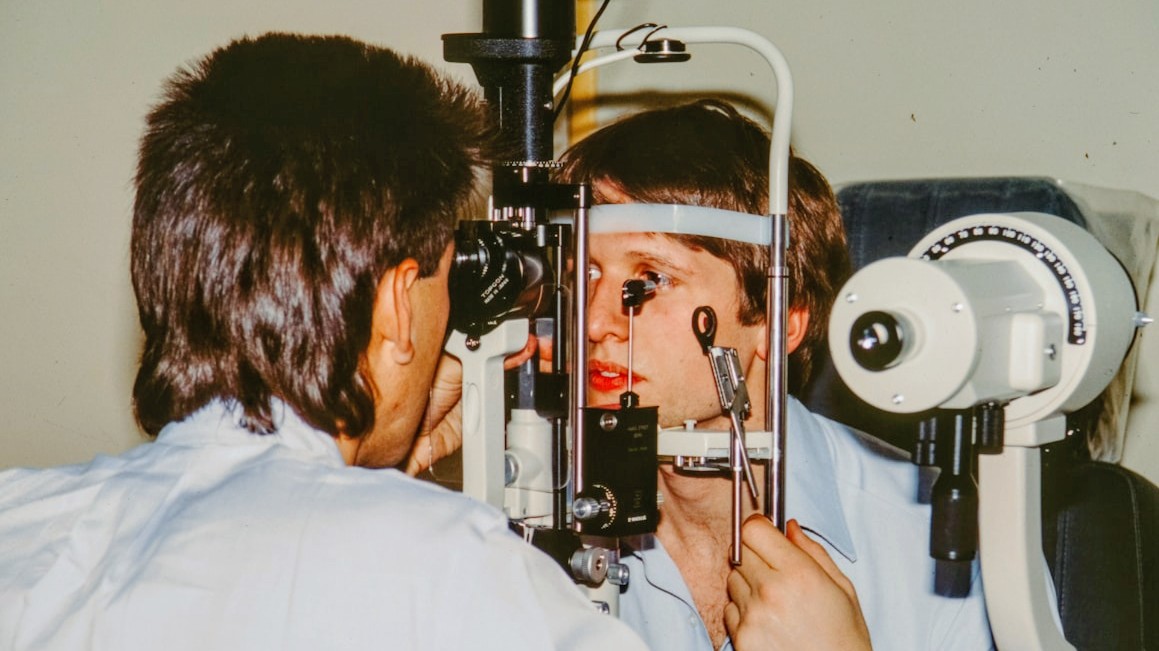
High blood sugar can play strange tricks on your eyes. When glucose levels rise, it alters the fluid balance inside your body, actually pulling moisture right out of the lenses of your eyes. This results in swelling of eye lenses and also brings change in their shape, making it hard for your eyes to focus clearly. For instance, you might notice your vision is blurry in the afternoon but perfectly fine in the morning. This rollercoaster usually depends entirely on what you ate and how high your sugar levels are at that moment.
Hidden Signs You Might Not Expect
Some symptoms of early diabetes do not seem connected to blood sugar at all. People often blame these signs on bad luck, poor skincare, or clumsy accidents. If you find a minor scratch, or, an insect bite taking weeks to heal, it could simply mean that your body is struggling to repair itself. High sugar slows down your circulation, making it harder for fresh blood and nutrients to reach a wound to rebuild the skin.
According to doctors, sugar provides a perfect breeding ground for the growth of unwanted guests like bacteria and yeast. This often shows up as recurring episodes of urinary tract infections or having frequent skin and yeast infections. Furthermore, they also suggest that uncontrolled sugar levels damages the tiny, delicate nerves of your heart.
This usually starts as an uncomfortable sensation in your toes or fingers. You might have a strange sensation of tingling or experience a mild burning sensation on your toes, fingernails, or, some even experience a feeling of numbness that makes you feel like your feet are asleep. Additionally, sometimes, high levels of sugar in your bloodstream causes skin cells to reproduce faster than normal. This can create patches of skin that look dark, velvety, and slightly dirty. These patches usually appear in the folds of your body, like the back of your neck, your armpits, or your inner thighs.
Also Read: Atkins Diet: Is It A Fad Or Real Deal?
Other Types Of Diabetes To Be Mindful Of
While we hear the most about Type 1 and Type 2, diabetes can even show up in several different forms depending on what is happening in your life. Other forms include gestational diabetes, which happens during pregnancy, usually around the second or third trimester. The placenta makes hormones that accidentally block the mother’s insulin from carrying out its job normally. It rarely showcases any symptoms. Many moms feel a little extra tired or experience excessive thirst, however, they assume it is just a part of carrying a life inside them. This is the reason behind doctors suggesting for a routine check up, including glucose test, especially, during pregnancy.
Another form includes latent autoimmune diabetes in adults, or LADA, is an autoimmune condition, similar to Type 1, but it develops differently in adults, meaning it is often misdiagnosed as Type 2. At the beginning, you might experience standard fatigue and thirst, so it becomes a bit tricky to diagnose it, but according to the health experts, the biggest clue is that lifestyle changes and typical Type 2 medications stop working after a while, and you begin losing weight unexpectedly.
Maturity-Onset Diabetes of the Young, or MODY, is a rare form passed down directly through family genes. It usually shows up in teenagers or young adults under 25 years of age. The symptoms rarely manifest and even if they do, it is incredibly mild. It is often discovered during a routine urine or blood test. Another form is Type 3c diabetes, which happens when your pancreas are physically injured or they are compromised by something else entirely, like pancreatitis, cystic fibrosis, or surgeries.
Along with standard high sugar symptoms, this type comes with unique digestive trouble. Because the pancreas also helps to digest food, you might experience stomach pain and greasy, oily stools. If you find yourself suffering from these symptoms, don't panic. Instead, get a quick, routine check up done along with a blood test, which will give you all the clear answers to your questions.

A blood test will likely mean checking your fasting blood sugar or running an HbA1c test, which looks at your average blood sugar levels over the last few months. If your levels are at a higher range, remember that context is everything that truly matters. If you catch any of the type at its earliest stage, you are more likely to reverse the trend entirely by simply enjoying more whole foods, doing physical exercise daily, and getting a sound sleep every night. Start listening to your body’s signals, even if they seem to be minor, so that your health can be shielded from tomorrow's emergency.