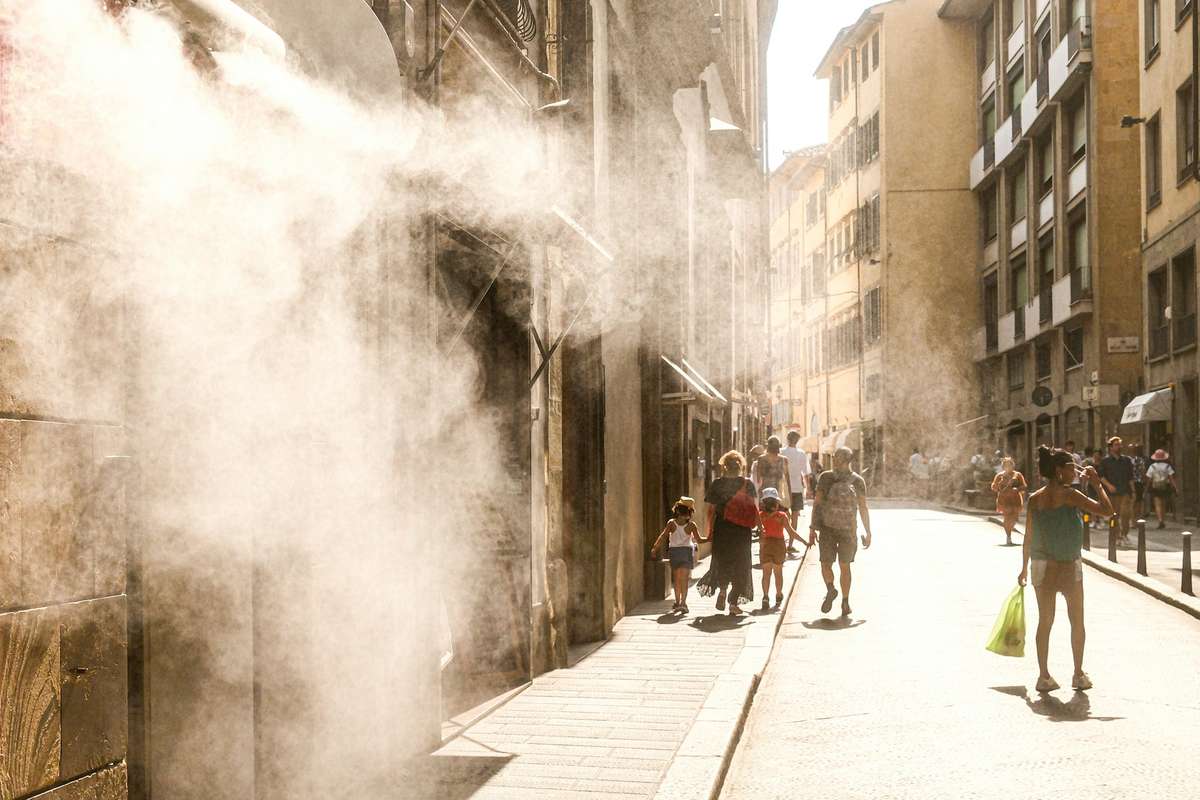
Europe is going through one of the toughest summers, and the numbers are scary. Since June 21, there have been over 1,300 deaths linked to heatwaves that have scorched the continent. The World Health Organization chief, Tedros Adhanom Ghebreyesus, called Europe the fastest-warming continent on Earth. At this point, France alone has logged roughly 1,000 heat-related deaths, while Czechia, Germany and Poland have witnessed temperatures above 40°C this week.
While tropical regions are used to extreme heat, Europe is unprepared for such temperatures. The homes, hospitals, and infrastructure were not ready for scorching heat, and the recent deaths testifies the truth. Trends such as "heat dome", "heatwave Europe," and "excess deaths" have spiked sharply on Google Trends this week, implying the gravity of the situation. But here is what is driving the death toll, and how Europe can get rid of it.
Also read || How AI Is Fixing Medicine's Broken Information Gap
What's Actually Killing People
The French Public Health Agency confirmed around 1,000 excess deaths since June 20, where most victims are aged 65 and above. Similarly, Spain reported a 90-year-old woman dying of heatstroke near Bilbao, and a 68-year-old man in Almería. Deutschland witnessed seven heat-linked deaths, several from drowning incidents as residents sought relief from heat in natural water bodies.
Overall, the core danger is heatstroke, and Garyfallos Konstantinoudis of Imperial College seconds this thought. He explains that heat stress forces the body to struggle with temperature regulation, triggering dehydration and exhaustion that can escalate into organ failure. It typically occurs when your core body temperature exceeds 40°C, and you get symptoms like confusion, heartbeat, and loss of consciousness.
Beyond the direct heatstroke, the waves are triggering secondary killers. Konstantinoudis notes that heat stress provokes heart attacks, strokes, and respiratory failures among older adults and people with disabilities. With at least 40 recorded deaths due to drownings in France, the situation is getting out of control. While humans are collectively responsible for climate change, nothing justifies the death of innocent people.
Also read || Doomsday Clock 2026: How Close the World Is to Danger
The Heat Dome Behind It All
This intense heat is being caused by a real meteorological phenomenon, known as a heat dome. What happens here is a giant "lid" of high-pressure that traps hot air over the region. Normally, high-altitude winds move weather systems along quickly, but in this scenario, these winds are bent into a stubborn shape called an omega block. As a result, it stalls the weather, locks the hot air in place, and prevents it from moving away for several weeks.
Another culprit is climate change. The global temperatures have risen, and Europe is now warming twice as fast as the rest of the world. That is the reason why rare extreme heatwaves are becoming normal in Europe every decade. This shift is destructive for Europe as the continent is not simply built for it. For generations, European homes and buildings were designed to keep you warm during the winters, and intense heatwaves were never part of the equation.
Also read || These Southeast Asian Capitals Are Secretly The World’s Best Wellness Escapes!
Why Europe Can't Cope, and What Comes Next
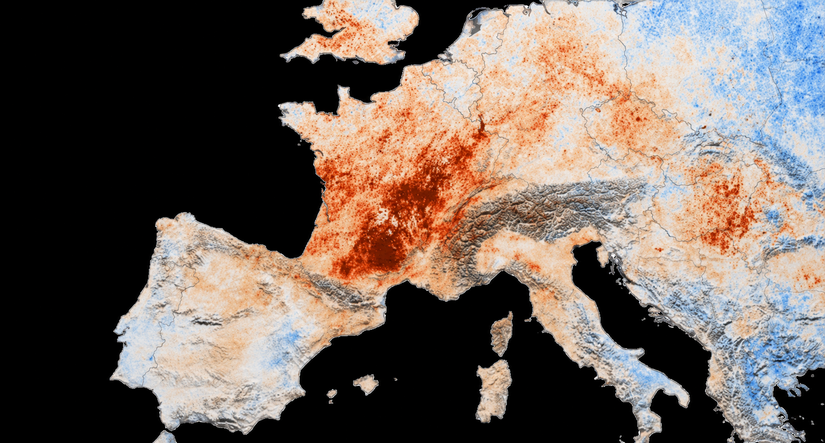
We can't ignore that Europe's infrastructure problem is not incidental, but structural. Homes across northern and western Europe are designed to retain warmth and provide comfort in winter, so they can't sustain 40°C heat. Besides, only a handful of European households have air conditioning, which means the majority is vulnerable, especially the elderly and people with compromised health. If the heatwaves extend further, the death toll could rise even more.
Cities are rushing to adapt and solve this crisis. For instance, Barcelona has opened over 500 climate shelters, while Paris and Denmark have ramped up welfare-monitoring programs for elderly residents. The European Trade Union has pushed Brussels to set a binding maximum working temperature law, with union leaders warning that another summer of inadequate protections is unacceptable for outdoor and exposed workers.
Also read || Eating This Daily? It Might Be Triggering Your Acne
Some may feel that air conditioning is the solution, but it is not a clean fix either. The UN Environment Programme shows that cooling could generate 10 percent of global greenhouse emissions by 2050, partly because many units still run on hydrofluorocarbons. HFCs warm the planet thousands of times more than carbon dioxide does, which would worsen the heatwave situation even more.
Expert Joeri Rogelj of Imperial College argues that the real fix requires a balanced approach. So, we will have to tackle both symptoms and real root causes simultaneously. The continent will need more trees and shade, retrofitted housing, stronger early-warning systems, and a well-protected healthcare infrastructure. Along with that, there should be aggressive cuts to emissions fueling global warming.
Currently, the heatwave is expected to drift further east towards Poland, the Baltic and the Balkan region, expected to last till the mid of July. To sustain such situations, Europe will need to rebuild its cities and energy systems around a hotter future rather than a cooler past. As the world population, consumption, and commercialization grow, deadly heatwaves like this one will unfortunately become the summer's new normal.