
As summer approaches, many people are pulling their Crocs out of storage and wearing them again. These lightweight foam clogs have become one of the world's most popular types of casual footwear. Since their introduction in 2002, Crocs have evolved from a simple comfort shoe into a global fashion trend.
Today, both children and adults wear them almost everywhere, from grocery stores and parks to schools and even some workplaces. Many people choose Crocs because they are comfortable, easy to wear, and simple to clean.
However, foot specialists say that while Crocs offer several benefits, they are not the ideal shoe for every situation. According to foot health experts, Crocs can be a good choice for certain activities, but wearing them for long periods or during high-impact activities may contribute to foot problems in some individuals.
Why Crocs Can Be Good for Your Feet
Crocs have several features that make them comfortable for everyday use. They are lightweight, soft, and easy to slip on and off, while also providing better cushioning and support than many flat sandals or flip-flops. Their foam construction creates a soft, shock-absorbing surface that helps reduce pressure on the soles of the feet and absorbs some of the impact of walking, making them comfortable for short walks or standing for limited periods.
Many people even wear Crocs as recovery shoes after long work shifts or after spending hours on their feet. Another important advantage is the wide toe box, which allows the toes to spread naturally instead of being squeezed together. This can be especially beneficial for people with bunions, hammertoes, or swollen feet.
In addition, the ventilation holes across the top allow air to circulate around the feet, helping keep them cooler in hot weather, reducing sweating, and improving overall comfort during the summer. Because of these features, Crocs are a practical choice for relaxing at home, running quick errands, spending time by the pool, or wearing after exercise.
Also Read: Atkins Diet: Is it a Fad or Real Deal?
The Downsides of Wearing Crocs
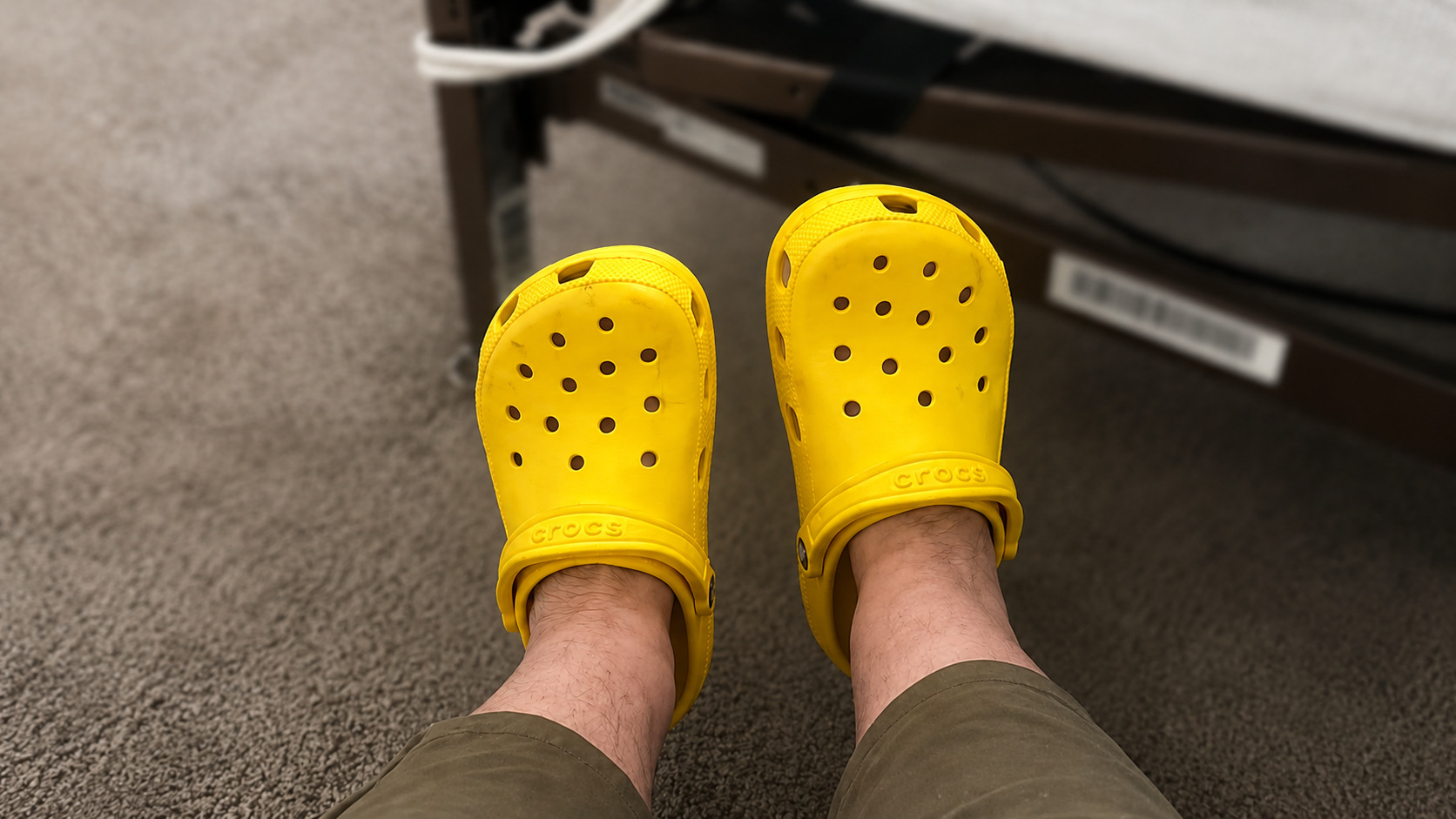
Although Crocs are comfortable, they should not replace supportive walking or athletic shoes. One of the biggest concerns is their flexibility, which, while adding comfort, also means the muscles in the feet must work harder to keep the foot stable while walking.
Unlike sneakers, many Crocs styles have an open heel that allows the foot to move around inside the shoe, which can contribute to foot fatigue, muscle strain, and discomfort, especially after several hours of wear. People with existing foot conditions, such as flat feet, plantar fasciitis, tendon injuries, or balance problems, may experience even greater discomfort because Crocs generally do not provide enough arch support or stability for prolonged walking.
Another drawback is that the foam material gradually compresses and wears down over time. As the cushioning becomes thinner, the shoes provide less shock absorption and support, meaning worn-out Crocs may no longer protect the feet as effectively as they once did.
Are Crocs Safe for Children's Feet?
Crocs are one of the most popular footwear choices for children because they are lightweight, colorful, comfortable, and easy for kids to put on by themselves. Parents also appreciate that they are easy to clean and dry quickly. The soft foam helps reduce pressure on growing feet, while the roomy toe box allows children's toes to move naturally without being cramped.
However, parents should be cautious when children wear Crocs during active play. Because Crocs do not hold the foot firmly in place, children may be more likely to trip, slip, or twist an ankle while running, climbing, or playing on playground equipment.
For sports, physical education classes, hiking, or long periods of walking, supportive athletic shoes are generally a safer choice. Another concern is that the material can trap moisture, especially on hot days. Wearing Crocs for extended periods, particularly without socks, may increase the risk of blisters, skin irritation, or general discomfort.
Also Read: Is Technology Changing Your Body?
How to Wear Crocs Safely
Crocs are best suited for casual, everyday activities rather than all-day wear. They are ideal for walking around the house, gardening, relaxing by the pool, or making short trips to the store, but they are not designed for long walks, hiking, running, sports, or jobs that require standing or walking for many hours.
Wearing Crocs occasionally is generally considered safe for most people, but relying on them as an everyday walking shoe may lead to fatigue or discomfort over time. For children, using the heel strap, often called "sport mode," helps keep the shoe securely attached to the foot, reducing slipping and preventing the toes from gripping the shoe while walking.
It is also important to replace Crocs once they begin to lose their shape or become noticeably worn, as shoes that have lost their structure provide less support and may increase the risk of slips, falls, or ankle injuries.
So, Should You Wear Crocs?

Crocs can be a comfortable and practical footwear choice when used appropriately. Their lightweight design, soft cushioning, wide toe box, and breathable ventilation make them well suited for casual wear and short periods of walking, and they may also reduce pressure on the feet compared with flat sandals or flip-flops.
However, Crocs are not designed to provide the support and stability needed for long walks, sports, or all-day wear. People with foot problems, balance issues, or jobs that require prolonged standing or walking may benefit more from supportive athletic shoes.
For both adults and children, the key is to wear Crocs in appropriate situations, use the heel strap when extra stability is needed, and replace the shoes once they become worn out. When used correctly, Crocs can be a comfortable addition to your footwear collection, but they should not be your only pair of shoes.