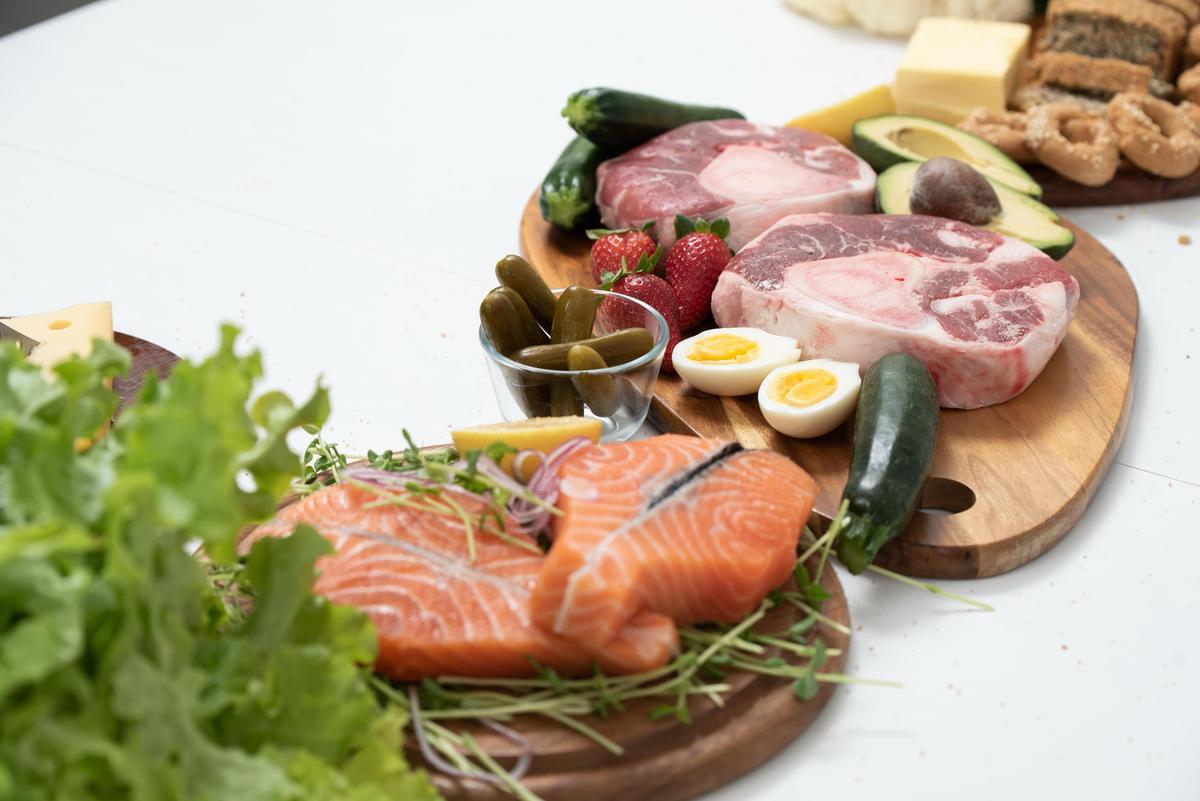
For years, there have been debates around the Atkins diet, whether it actually works or is just a gimmick. It was popularized in 1970s, when American Cardiologist Dr Robert Atkins found that cutting down on starches and sugars had a great impact on weight loss. He became an advocate of this strategy and wrote a book named 'Dr. Atkins' Diet Revolution."
The Atkins protocol belongs to the broader category of Ketogenic diet therapy, or KDT. It is not one single diet but a spectrum of high-fat, low-carbohydrate protocols, which makes it slightly confusing. The name differs across clinical centres worldwide due to naming conventions; some call it a low-carb or high-fat diet or the Modified Atkins Diet.
What makes Atkins different from the Keto diet is its carbohydrate ceiling and its phased structure. Unlike Keto, it does not keep your body in constant ketosis, which implies your body is burning fat for energy, but rather emphasize on reintroducing healthy carbohydrates in your diet. Atkins caps carbohydrates at 20 grams of net carbs a day for the first phase, which is an induction phase.
Bernard V Miller III, M.D., in a paper called 'An Evaluation of the Atkins' Diet' believes that a near-total carbohydrate removal is the mechanism that triggers the diet's earliest and most dramatic effects, and not just calorie counting. Since Atkins has a simple structure, it is different from clinical Ketogenic Diet Therapy (KDT). You don't need ratio calculations or age-stratified carbohydrate targets, which makes it simpler to execute.
Also read || Awiqli: A Relief From Daily Insulin Shots Has Arrived
Where the risks and hype collide
There is a gap between casual adoption and clinical rigor, which can indeed pose health risks. Clinical KDT protocols require patients to undergo mandatory metabolic screening and physician oversight before starting the program. Atkins is slightly different and is usually self-directed, which means many individuals frequently start the induction phase without any medical screening.
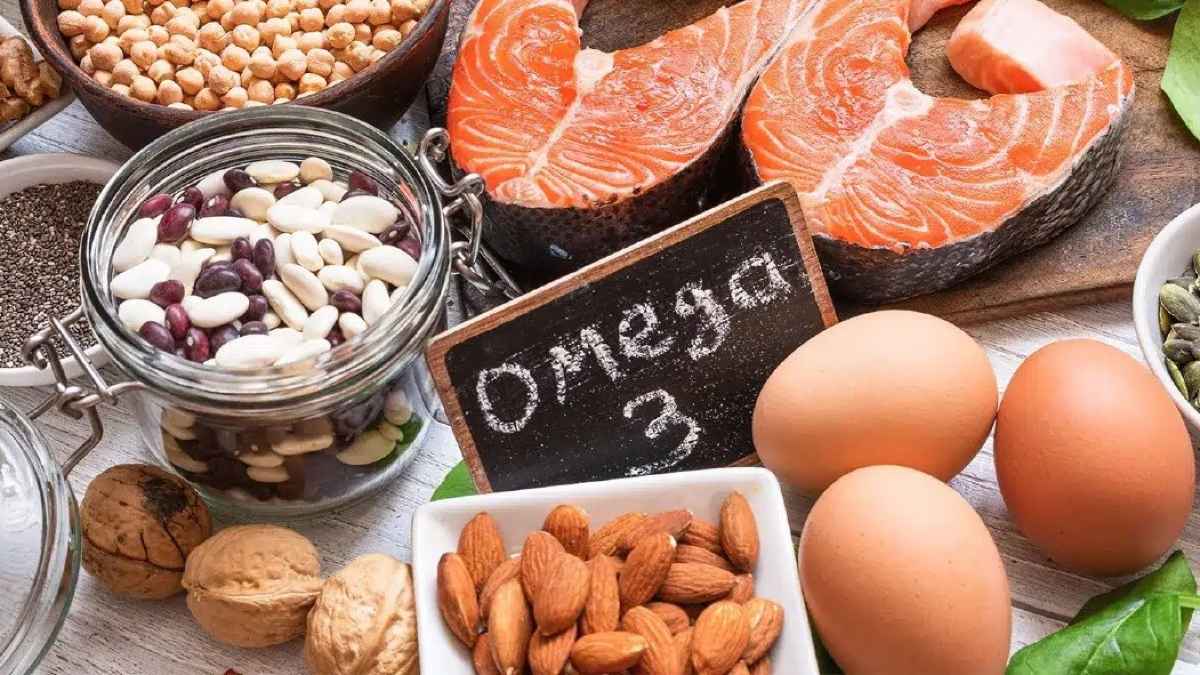
Although it sounds harmless, the nutritional cost of starting without screening and oversight is well documented. Whether it is a therapeutic or self-implemented ketogenic diet, both carry the risk of severe micronutrient deficiency. The UCL researcher Natasha Schoeler stated in her "Ketogenic diet therapy in infants with epilepsy" research that a lack of Vitamin C can be a cause of scurvy.
Moreover, the low intakes of Vitamins A, B6, C, and D are common with a modern weight-loss plan like Atkins. Also, the mineral intakes, such as calcium, magnesium, and iron, frequently fall below dietary reference intakes. In the Journal of Human Nutrition and Dietetics, selenium deficiency is pointed out as a concern related to impaired heart muscle function.
The worst-hit macronutrient is fiber, as it drops sharply during the Atkins Induction phase. As a result, some dieters report digestive complaints. To make things worse, social media influencers do their part; they routinely market ketogenic eating and the Atkins diet as a miracle or quick fix without understanding the underlying risks and the influence of popular health trends on public well-being.
In the peer-reviewed Indonesian journal Sikontan, Surrahmi notes that social media trends arrive without any medical disclaimers. There is also a behavioral quirk called the "last-supper" effect, where individuals consume a massive amount of calories, especially carbs, right before the induction phase. The same study highlights that although social platforms can spark change, they do not prioritize long-term well-being or evidence-based sustainability.
Also read || 8 Signs Your Body Is Telling You to Stop Eating
Why it works when it's done right
Not everything about the Atkins Diet is controversial; it exists because someone got some benefit from it. There is real biochemistry underneath the Atkins protocols. In its phased approach, carbohydrates are capped at under 20 grams a day, should be gradually increased during the weight loss. In Atkins' evaluation research, the primary driver of weight loss is an involuntary drop in caloric intake, even with unrestricted fat and protein.
The data not only justify but exceed our expectations. In the evaluation of the Atkins Diet research paper, the researchers found that the mean weight loss during the induction phase reached 3.8 kilograms, while the expected loss was 2.0 kilograms. Also, the mean caloric intake dropped substantially during the induction and ongoing weight-loss phases. This supports the idea that the early results are driven largely by lower energy intake rather than carb restriction alone.
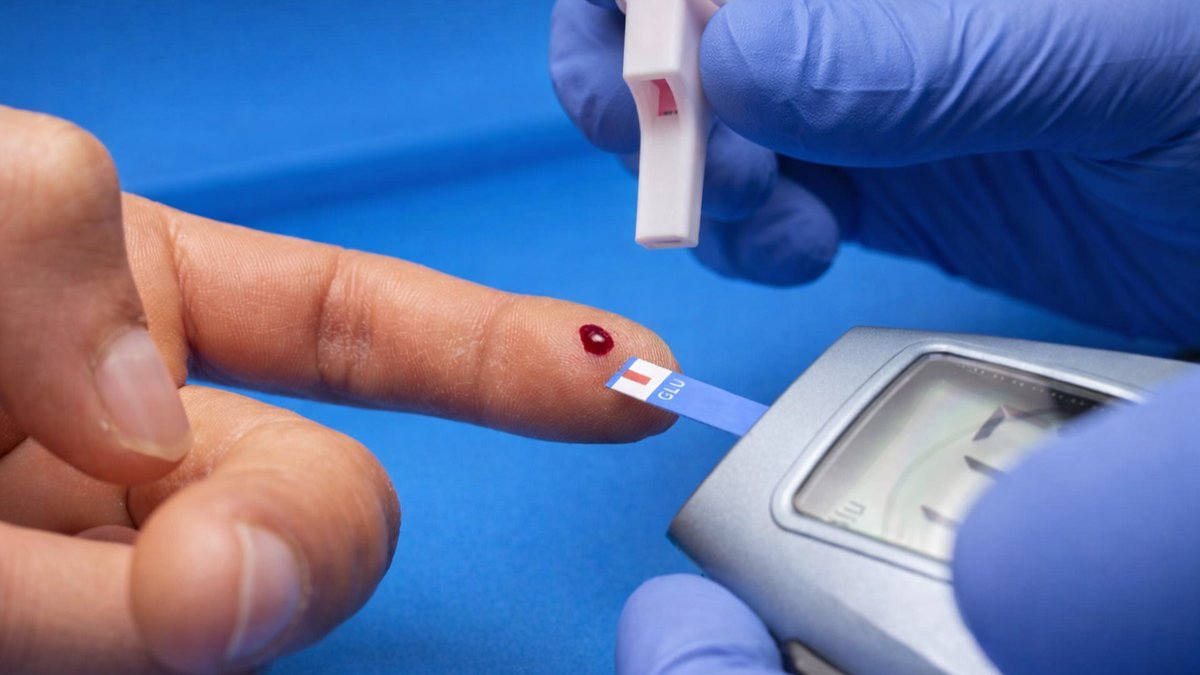
But why does this happen? When non-reabsorable ketones increase sodium delivery to the distal lumen of the kidney, it forces the body to shed water alongside fat. Consequently, blood chemistry shifts, too. Dr. Bernard Miller documented significant decreases in fasting insulin during induction and improved insulin resistance scores on both the HOMA and QUICKI scales.
In contrast, glucose concentrations remained the same across every phase. During the Atkins' ketogenic phases, triglycerides fell, and total cholesterol also moved downward in the short term. However, HDL and LDL were not measured in these trials. Nevertheless, nothing cancels out the earlier risks we mentioned.
Also read || Why Is Walking Better Than Running For Some People
Is it really effective?
Dr. Miller suggests that dieters need real discipline to make this diet safe; one can counter the risks by adding fiber substitutes and micronutrient supplementation to manage the nutrient decline during the induction and beyond phases. And that's how it could be effective. Dieters believe in Atkins protocols as it produces measurable and explainable results, which are grounded in real biochemistry, not placebo or willpower alone.
Broadly, there is a lot of literature favoring and opposing the ketogenic and Atkins diets. The key is to monitor your nutrients, whether the goal is medical or purely aesthetic. There is real science behind Atkins, but so are the deficiencies and after-effects documented alongside it. You have to treat it like a disciplined protocol rather than a dangerous unsupervised social media trend, or it will become just another dangerous fad.