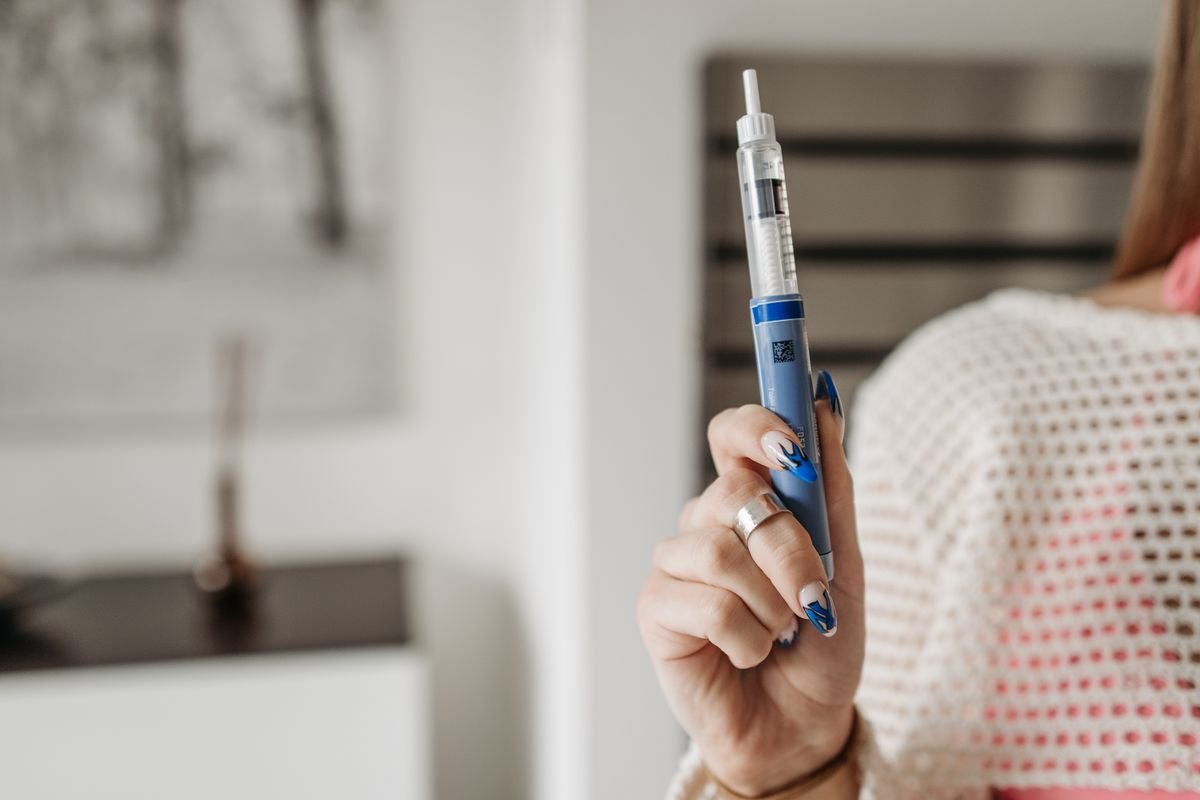
For years, basal insulin meant nothing but a daily jab that you have to take as a Type-2 diabetic for the rest of your life. But with Novo Nordisk's Awiqli, you would get relief from your daily insulin shots. Awiqli is now the first and only once-weekly basal insulin approved for adults with Type 2 diabetes.
With this move, it cuts down injections from seven a week to just one, improving the quality of life for patients. In March 2026, the Food and Drug Administration (FDA) cleared the medicine. Currently, it is approved and available in around 15 to 20 countries, including Canada, the United States, Japan, China, Switzerland, and India.
Also read || 8 Signs Your Body Is Telling You to Stop Eating
What Awiqli Actually Does
The arrival of Awiqli is one of the biggest shifts in insulin therapy since long-acting basal insulins arrived around two decades ago. It is an ultra-long-acting insulin which needs to be injected under the skin of the belly, thigh, or upper arm, once a week, on the same day each week. Awiqli binds to albumin protein in your bloodstream, which keeps it circulating in the body far longer than daily insulins.
Since it circulates longer, it stabilizes blood sugar for a week from a single shot. Patients start feeling the effect within a few hours of injection, while the strongest impact typically shows up a couple of days later. What's great is that most people experience stability, a consistent blood sugar level, within three to four weeks. All you need to do is buy a FlexTouch pen at the prescribed concentration and see the results.
Patients missing the dose is a concern in diabetes. However, Awiqli can be taken up upto four days late, and resume the normal weekly schedule. If you miss it by more than four days, it is better to skip the dose entirely and wait for the next scheduled day. However, guidance differs from person to person, and medical consultation is advised.
Also read || Why Is Walking Better Than Running For Some People
What the Research Actually Shows
Awiqli is approved after the ONWARDS phase 3a clinical trial programme, where 2,680 adults with uncontrolled Type-2 diabetes were enrolled. In the four randomized, active-controlled trials, Awiqli (insulin iodec) was compared with basal insulins like glargine and insulin degludec. In these trials, once-weekly insulin was statistically superior to daily insulin in reducing HbA1c with a consistent overall safety profile.
In the ONWARDS 3 trial, the mean HbA1c of insulin-naïve adults with Type 2 diabetes fell from 8.6% to an estimated 7.0% in 26 weeks with Awiqli insulin, compared to a drop from 8.5% to 7.2% with degludec insulin. While the difference is not huge, doing it with just weekly injections makes it a superior choice. Besides, the weight change and fasting plasma were also similar between different groups.
The Awiqli once-weekly insulin icodec has also been tested as a basal insulin in combination with mealtime insulin for Type 1 diabetes patients as well. Across these ONWARDS type 1 studies, it showed superiority to daily insulin for HbA1c reduction. However, it carried a higher risk of hypoglycemia (low blood sugar) compared to daily insulin. As a result, the European regulators are cautious about its usage in Type 1 diabetes.
Also read || Is Autophagy good or bad?
Who Awiqli Is Approved For and Best Suited To

The FDA has approved Awiqli (insulin icodec-abae) injection 700 units/ml as the first and only once-weekly long-acting basal insulin for adults with type 2 diabetes in the United States. However, it is not approved for people with Type 1 diabetes, and is not safer or more effective in children or adolescents, claims WebMD.
Awiqli is authorized for the treatment of diabetes in the European Union, for both Type 1 and Type 2 diabetes, based on the broader ONWARDS programme. Several other regulators, such as Health Canada, have also approved Awiqli for adults. The bottom line is that Clinicians and reviewers generally see once-weekly basal insulin as specifically useful for adults tired of needle fatigue, a busy lifestyle, and daily injections.
If someone is using once-daily basal insulin, switching to Awiqli requires a calculated initial weekly dose and close titration. The best would be to connect with a medical practitioner, use the prescribed dosage, and monitor glucose levels closely in the initial phase. They can help you adjust weekly doses to reach your target Hb1AC, and minimize hypoglycaemia.
Awiqli is not ideal for everyone. For instance, certain groups, such as people with kidney or liver impairment, or with heart failure, who are on dozens of medicines, may have risks such as fluid retention or organ failure. Taking Awiqli requires careful monitoring and individualized risk-benefit assessment.
Also read || How to Stay Safe From Cyclospora
Side Effects Worth Knowing About
While there are numerous benefits of Awiqli, it has a common side effect of hypoglycaemia, which can cause symptoms like sweating, confusion, shakiness, intense hunger or rapid heartbeat. ONWARDS trials and regulatory reviews show that hypoglycaemia rates with weekly basal insulin are generally in the same range as daily basal insulin in Type 2 diabetes. However, the rates are higher in Type 1 diabetes with Awiqli, making it a high-risk medicine if not monitored properly.
Since it stays for a long time in the body, any missed adjustments or dosing errors can have effects persisting for several days. Other reported adverse effects include redness, itching, or swelling at the injection site. There can also be changes in the fatty tissue under the skin if the injection site is not rotated regularly. Besides, the patient can have hypokalaemia (low potassium), weight gain and swelling of the hands, feet or ankles in some rare cases.
With the ONWARDS programme and regulatory assessments from the European Medicines Agency (EMA), Health Canada and the FDA, Awiqli has been described as having a safe and well-tolerated overall profile, and broadly consistent with other basal insulins. While the modest weight gain was noticed in clinical trials, it is similar to that of other daily basal insulins. Moreover, diet, activity levels and regular blood sugar monitoring are equally essential for diabetic patients for better results.