Learning how to live sustainably is one of the most strongest steps you can initiate from your side to protect our earth today. Every single piece of trash we throw away has a lasting impact on oceans, forests and wild animals. By taking decisions wisely creates less garbage and we can help stop pollution and keep our local neighbourhood clean and beautiful.
Let's learn those daily habits to get started with the journey without feeling stressed or feeling overwhelmed. Together, we can discover how easy and rewarding it is to live a healthy, happy and low-waste life by focusing on simple actions like refusing single-ise items, repurposing what we already own, and recycling properly.
What Is A Zero Waste Lifestyle
A zero waste lifestyle typically refers to a serious personal effort to produce as little daily trash as possible. The primary goal here is to keep our household garbage out of the local landfills, dirty dumps and the big blue oceans. Millions of people do this by changing their small daily habits so that everything they use can be fully reused or safely turned back into healthy dirt. It is definitely not about being absolutely perfect or never throwing anything away at all during your busy week. Instead, it is simply about doing your absolute best to make smart, mindful choices that protect our beautiful planet from unnecessary harm.
A zero waste lifestyle also focuses heavily on how industrial products are originally manufactured and sold to modern consumers worldwide. Many massive companies intentionally make cheap items that are meant to be broken and thrown into the trash after a very short time. This growing collective movement slowly forces global companies to design much better products that last for many years and do not harm the environment. Every single time you choose to refuse a piece of plastic trash, you are casting a powerful vote for a cleaner world.
Living this green way also connects you much more deeply to your local neighbourhood community and the friendly people living around you. You will start interacting with people around you, maybe your neighbours, who care about the exact same environmental goals. This way, the journey will not be a monotonous one, rather, the sharing and exchange of creative ideas makes this sustainable journey feel much more fun and seem less lonely for beginners. You might even want to join a local tool sharing library where people borrow garden gear instead of buying their own expensive equipment. Coordinating among green-minded individuals creates a strong network of support that makes eco-friendly living a lot easier for everyone involved.
The 5 Rs Philosophy Of Zero Waste Living
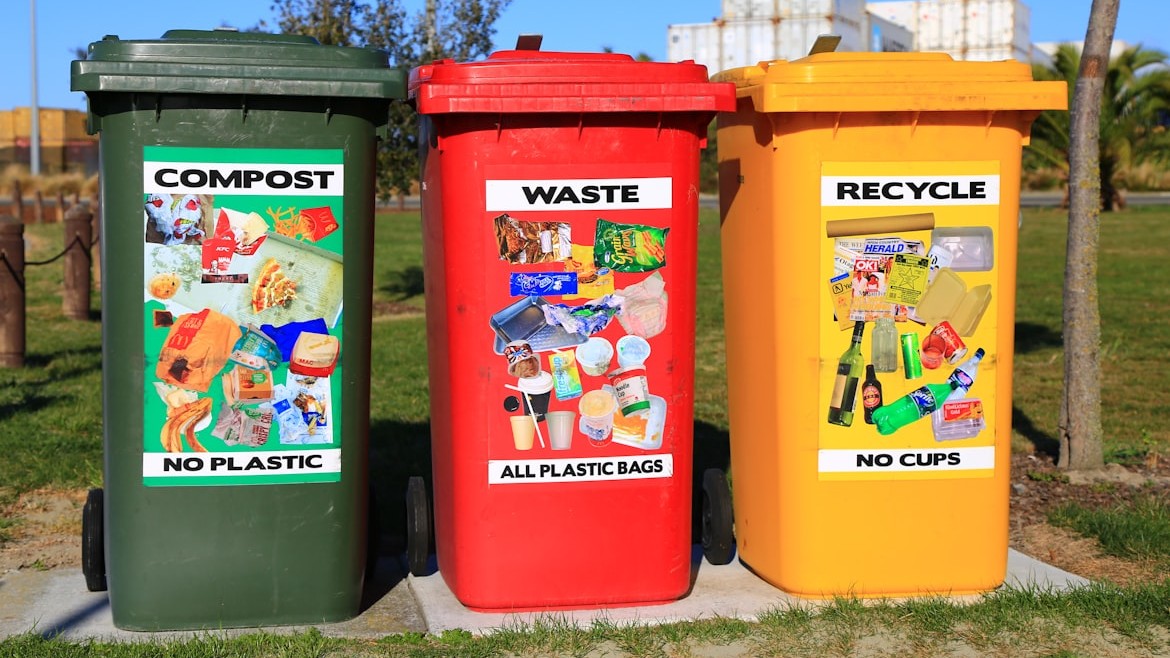
The famous 5 Rs are five highly effective guidelines that show you exactly how to live a truly low-waste life every single day. These five helpful words are: Refuse, Reduce, Reuse, Recycle and Rot, and they must always be practiced in that exact hierarchical order. Starting with the first word, “Refuse,” you refuse things which you don't really need, like disposable plastic straws, so they never even enter your house. Next, you carefully reduce the amount of new items you buy and constantly reuse the old items like water bottles over and over again. Product recycling comes next on the list, but it is actually a last resort because turning old trash into brand new things takes too much energy.
Refusing is always considered the most powerful step of the framework because it stops waste from even being created in the first place. This means saying a polite “no” to free plastic pens, promotional paper flyers and cheap single use shopping bags at the supermarket checkout. It definitely requires you to be brave and speak up kindly to the person who tries to offer you cheap plastic items. When thousands of mindful consumers refuse these useless objects, factories eventually stop manufacturing them as nobody wants to buy them anymore. This simple, yet, effective act quickly turns you from a passive shopper into an active protector of our planet’s precious natural resources.
Reducing your household consumption means looking closely at your current living space and choosing to live happily with much less physical stuff. As a beginner, you can start by taking a look inside your bedroom closet, packed kitchen drawers and messy garage to see how many items you rarely ever use. Buying new things in less quantity naturally leads to less clutter in your rooms and makes you less stressed in your daily mind. It also directly means that fewer precious natural resources like green trees, clean water and crude oil are extracted to make useful products. Start embracing a layer of life which is simpler and more minimalistic to intentionally open up more physical space and free time for things that actually matter.
Also Read: 7 Recycling Symbols On Plastic Packaging Explained
Steps For Starting A Zero Waste Lifestyle
Before you go out to spend your money on new products, you must look closely at what you are currently throwing away. You can do this by easily tracking your household garbage cans for just one whole week to evaluate your family’s habits. Surprisingly enough, many excited beginners are very surprised to discover how many plastic snack wrappers and paper towels they carelessly toss out everyday.
This easy household test shows you exactly that your biggest and most frequent trash problems are actually hiding inside your own home. Once you clearly know what your weekly trash consists of, you can easily make a great plan to stop it permanently. You can begin by swapping out single-use paper towels for reusable microfiber cloths. Additionally, buying snacks in bulk instead of individual packaging will significantly reduce plastic wrapper waste. These small and intentional changes will quickly compund into a highly effective and sustainable routine.
Next, you can look for simple alternatives for your most common kitchen and bathroom items. Swapping single-use plastic wrap for beeswax wraps or silicone lids is an excellent first step. You can even think of replacing plastic shampoo bottles with solid soap bars,which keeps unnecessary packaging out of landfills entirely. You don't have to do everything at the same time, focus on changing one small habits at a time to avoid feeling overwhelmed.
Refuse Unnecessary Items & Reduce Your Everyday Consumption
The very first step to establish a clean, sustainable home is completely preventing unnecessary items from passing through your front door. You can instantly refuse free plastic keychains, extra product packaging and unwanted junk materials before they clutter up your peaceful living space. It also allows you to think carefully for a few days before making any expenses on trendy clothes, new toys or electronic gadgets.
Buying less items naturally gives a signal to the industrial factories, which will make fewer goods and use less toxic plastic packaging around the world. This mindful habit is incredibly beneficial for the health of our earth and nevertheless, it will save you a lot of money too. By consciously controlling your spending habits, you actively disrupt the cycle of mass production and environmental degradation.
To move forward with this aim, try to prioritise goods over cheap, single-use disposables that immediately end up in landfills. For instance, switching to long-lasting alternatives like stainless steel water bottles, cloth grocery bags, and glass containers significantly cuts down on daily waste production. While these durable goods may require a higher initial investment, their long lifespan saves you money over time. Therefore fore, making this conscious swap breaks the continuous cycle of mass production and environmental degradation.
Quit Single-Use Disposables For Sturdy Reusable Alternatives
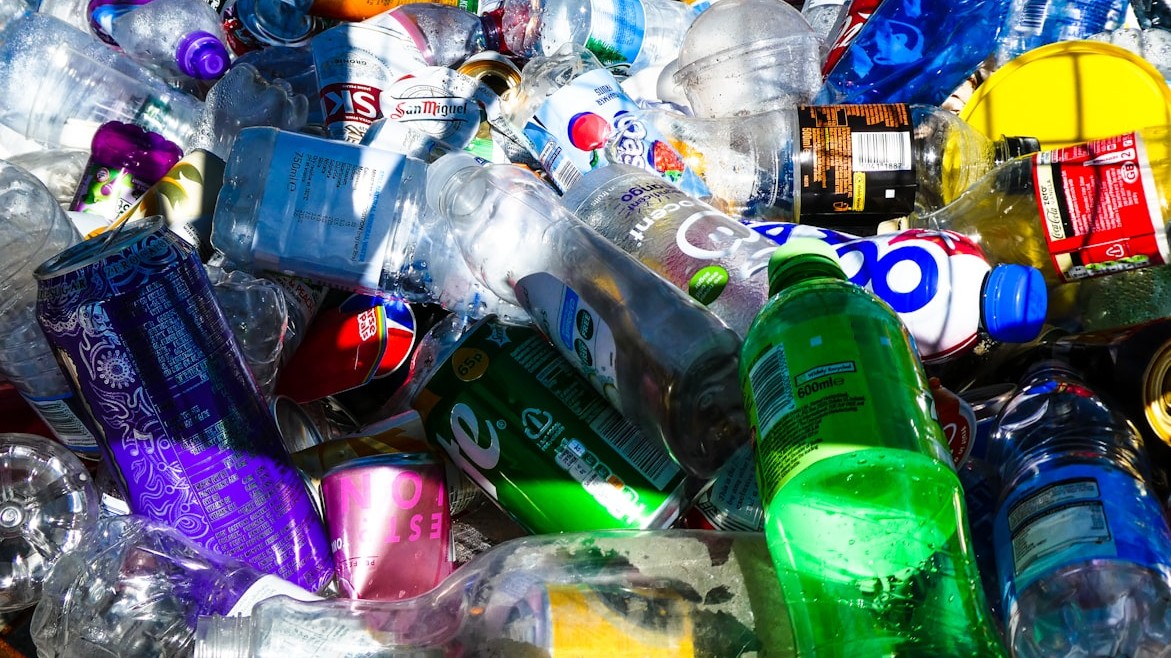
For beginners, swapping out everyday single-use items for highly durable, long-lasting goods is really a quick win. You can easily trade disposable plastic water bottles for shiny metal flasks and bleached paper napkins for washable cloth towels. It is really a smart move to keep a small canvas bag filled with reusable grocery totes and metal forks inside your car.
Usage of these items on a routine basis successfully breaks the modern habit of using a plastic object at every step. These minor and simple changes, if added to your daily routine, quickly add up to a massive and highly positive change for our mother nature. Once you consistently choose durability over convenience, you actively prevent hundreds of pounds of unnecessary waste from entering our fragile ecosystems each year.
By embracing these eco-friendly swaps also sends a powerful message to manufacturers about changing consumer demands. When communities collectively refuse single-use plastics, businesses are forced to invest in sustainable packaging solutions. Ultimately, these routine individual habits spark systemic changes that protects our oceans, wildlife, and natural resources for future generations.
Upgrade To Eco-Friendly Bathroom Products
Inside your bathroom, you can effortlessly switch from cheap plastic disposables razors to a classic, heavy-duty metal safety razor that lasts forever. You can also swap out messy plastic bottles of liquid shampoo for solid shampoo bars that are sold wrapped in a simple paper. You can even consider replacing your old plastic toothbrushes with biodegradable bamboo toothbrushes that can be safely thrown when they are totally worn out.
For ladies, they can use washable cotton pads instead of disposable chemical makeup wipes to clean their delicate face every single night. These simple, budget-friendly bathroom alternatives look really beautiful on your counter tops and help to eliminate tons of unnecessary plastic packaging waste. Furthermore, swapping out liquid products for solid bars dramatically decreases the carbon footprint associated with shipping heavy, water-filled plastic bottles.
Gradually, as you start transitioning to a zero-waste bathroom routine, you will also keep yourself away from the exposure of harmful microplastics and synthetic chemicals out of our local water systems. Over time, making these mindful purchases encourages sustainable brands to expand their eco-friendly product lines. This continuous collective demand ultimately forces mainstream manufacturers to reconsider their packaging methods entirely.
Also Read: Why Is Walking Better Than Running For Some People
Master The Art Of Eco-Friendly Purchases
To get started, rethink the specific way you buy your food as it is a giant milestone towards creating a truly zero waste and eco-friendly kitchen. You can happily bring your own lightweight cloth produce bags and clean glass jars to the local grocery store every week. The decision to buy fresh, whole fruits and raw vegetables instead of canned meals helps in cutting down on your plastic waste purchases.
Additionally, shopping at local farmers markets means your fresh food does not travel thousands of miles to get to your plate. Supporting nearby growers also guarantees that your produce is harvested at peak ripeness, maximizing it's nutritional value and flavor. Furthermore, this direct relationship allows you to ask vendors face-to-face about their specific farming methods and pesticides use. It is a very wise decision to choose these local options from the expensive ones as it directly keeps your hard-earned money within your immediate community.
Apart from modifying where you shop, it is also very necessary to maintain a proper food storage system, as it plays a critical role in minimising kitchen waste. For instance, you can store leafy greens in damp cloths or keeping root vegetables in dark spaces, as it dramatically extends their shelf life. Utilising these simple preservation techniques prevents the ingredients from rotting in the back of your refrigerator. Ultimately, when you notice that the food waste has reduced significantly, it mot only stretches your grocery budget but also helps in shrinking your household's overall carbon footprint.
Implement A Simple Home Composting System
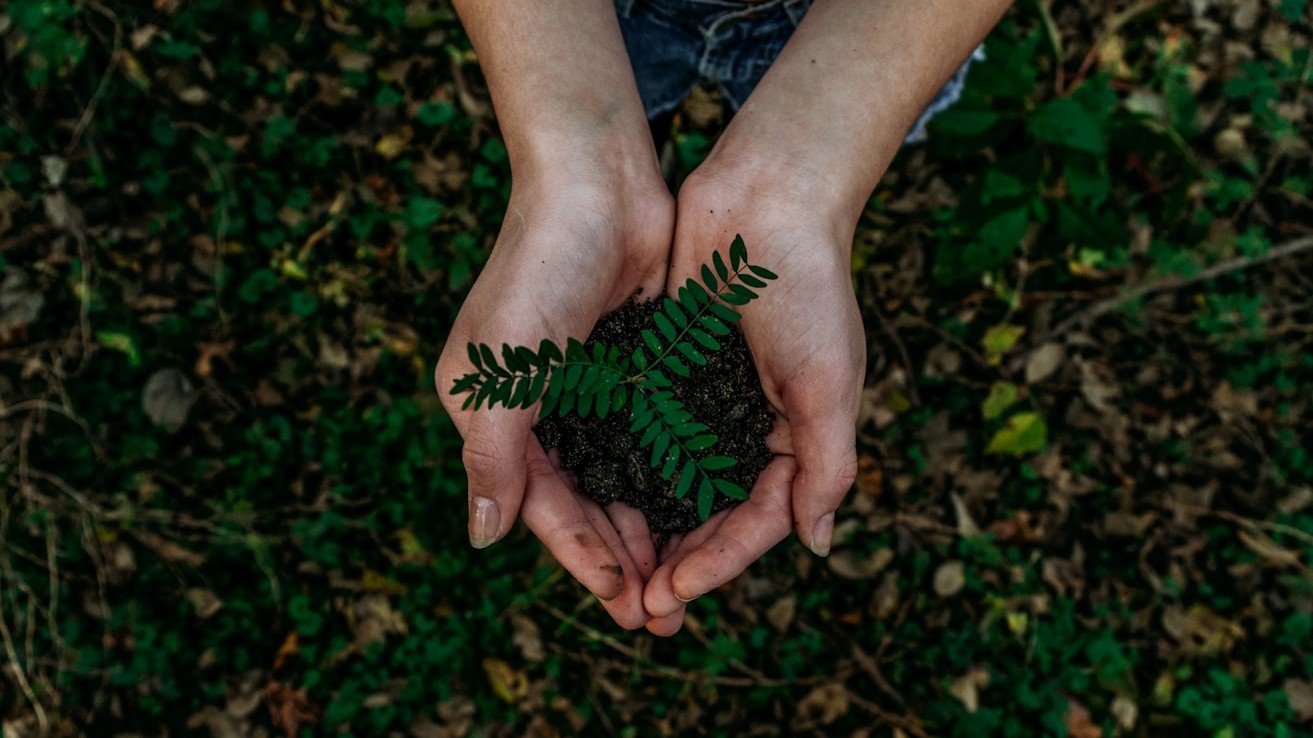
Setting up a basic home compost bin is undoubtedly the best way to handle your leftover kitchen food scraps and organic waste. When chunks of organic waste gets trapped inside the deep, tightly packed trash dumps, it cannot break down safely and creates dangerous greenhouse gases. So, start transforming common things like brown apple cores, morning coffee grounds and crushed eggshells into a rich, healthy soil for your plants.
You can easily use a small, sealed bin under your kitchen sink or a larger plastic tub outside in the yard. This effortless, eco-friendly lifestyle change plays a massive role in shrinking your personal carbon footprint while nourishing the planet at the same time. Ultimately, small domestic habits like composting opens the door towards a cleaner, greener, and completely plastic-free future for generations to come.