If you ever thought vaccines were only childhood medicine, a travel precaution, or a yearly flu shot, you may not have understood their significance. For healthy people, that might not be true, but for someone living with a long-term health condition, vaccines are a boon. It's the first line of defense against infections that can turn a manageable illness into a hospital stay, organ disease, or an emergency.
Whether it is heart disease, diabetes, kidney disease, liver disease, lung disease or cancer, most treatments weaken the immune system and change how your body fights germs. A healthy person can fight a virus and get fit within a few days. On the other hand, the same virus can hit a person with disease much harder and put an already-strained body under more strain. That's where vaccination plays a critical role.
The estimates by the World Health Organization say that vaccines prevent 3.5 to 5 million deaths every year. A 2025 study in the International Journal of Environmental Research and Public Health found that vaccines play a crucial role in managing conditions like asthma, diabetes and Chronic Obstructive Pulmonary Disease (COPD) because infections can increase hospitalization risk in people with these conditions.
Also read || Can Skinny People Have Too Much Visceral Fat?
Why Chronic Illness Raises the Stakes
A long-term condition doesn't close all your doors. You may or may not catch an infection, but your immune system is more compromised than that of a completely healthy person. Thus, making infections more dangerous. For instance, diabetes weakens the immune system and makes blood sugar harder to control, while heart problems can't afford the stress of fever, dehydration and low oxygen. Similarly, Asthma and COPD narrow the airways so that a chest infection can become a serious crisis.
Things don't end here. If you have kidney or liver disease, an infection can disrupt fluid balance, blood pressure and waste removal, which can be critical and take longer to recover from than in others. Patients who are on steroids, chemotherapy or other immunosuppressants may have even less protection against common germs. And the numbers back it up.
In the American Journal of Managed Care, Mary Patricia Nowalk's team found that invasive pneumococcal disease is 3.6 to 7.7 times more common in adults with chronic heart disease, lung disease, or diabetes than in healthy adults. Similarly, a 2018 study in BMC Infectious Diseases, Dongmu Zhang and associates found that pneumococcal disease rates were significantly higher in adults with chronic conditions than in healthy adults.
Also read || Can We Stop NAFLD? The RPN11 Fat Switch Explained
When Infection Makes the Condition Worse
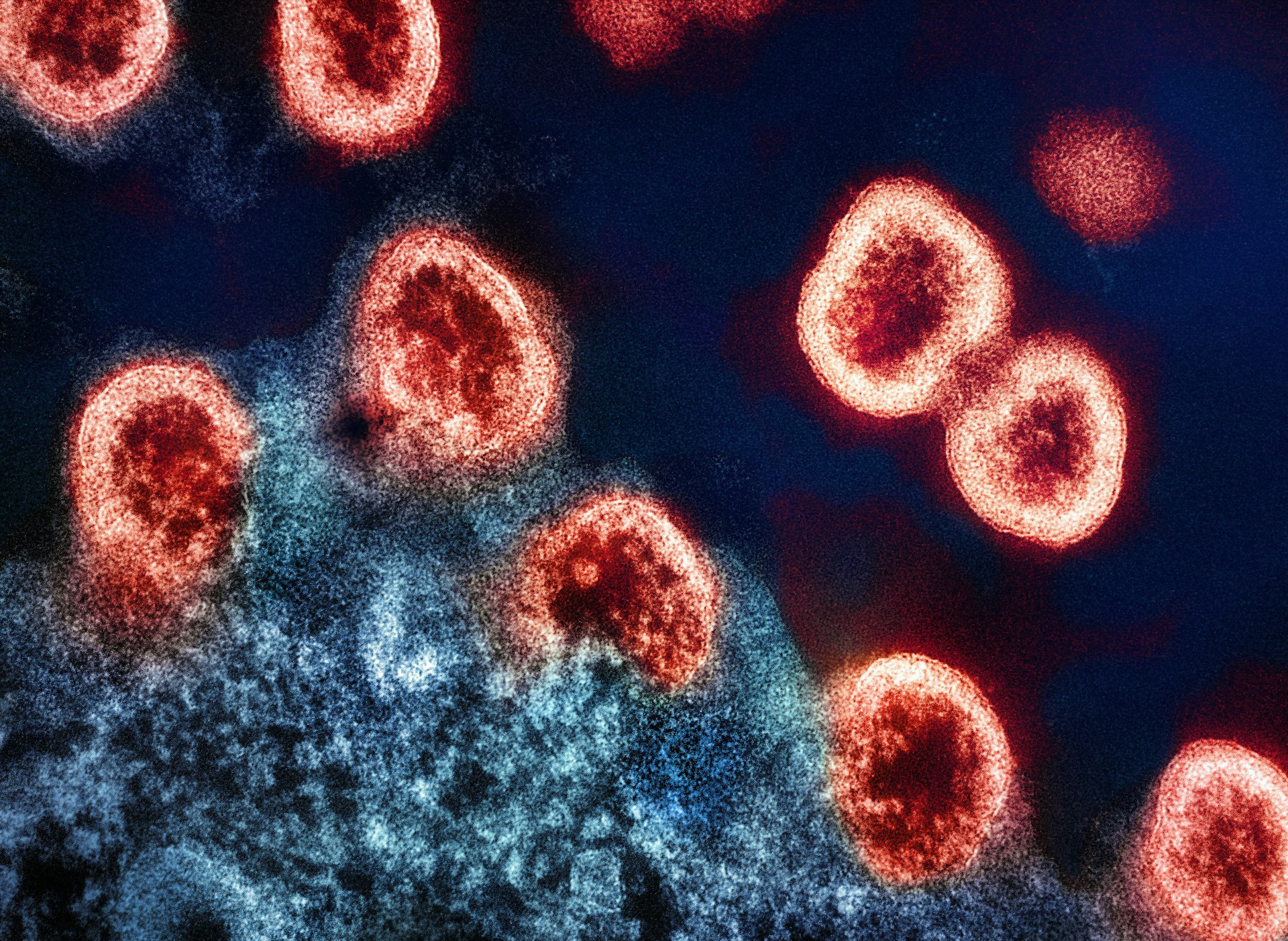
The sad part is that infection doesn't know where to stay in your body. So, it interacts with the illness you already have. As a consequence, it can raise blood sugar, spark inflammation, reduce your appetite, and cause dehydration, all of which strain your organs already working hard. For instance, if a diabetic person gets COVID-19 or the flu, it can make blood sugar swing up and down, which raises the risks of complications.
The same goes for heart, liver, lung or kidney disease, as any fluctuations can be flared up by a minor infection. Even after the infection or reaction is gone, effects can last long enough to make recovery hard. A 2022 study in Aging Clinical and Experimental Research, led by Mark Doherty, examined 3,127,768 hospital admissions of US adults aged 50 and older.
In those older people, it was found that 3.1 percent had a vaccine-preventable disease as the main diagnosis. The study notes that illnesses like flu and shingles increase the risk of heart, nerve, brain and kidney complications. Even after recovery, the risk doesn't decrease quickly. Similarly, a 2024 BMC Public Health study followed hospitalized adults for a year and compared them with matched controls. It showed that the adults who were hospitalized for a vaccine-preventable disease tended to see their health worsen and were less likely to return to earlier health.
The Vaccines That Matter Most

You can't just pick and choose vaccines, as they depend on your age, diagnosis, medications and immune status. The Centers for Disease Control and Prevention (CDC) publishes an adult schedule by age and another by medical condition because people with certain conditions need more than the standard plan.
Pneumococcal vaccines protect against bacteria that cause pneumonia and other serious infections. The CDC recommends pneumococcal and shingles vaccines for most adults 50 and older, and for younger adults at increased risk. Many chronic conditions put people in that high-risk group, so you'll have to check if you actually need one or not.
Never underestimate how damaging the flu can be. It can worsen breathing and strain the heart, so a yearly shot is one simple way to reduce that risk. September and October are good times for most adults, so if you haven't had yours, now is the best time to ask. Respiratory syncytial virus (RSV) is often misunderstood as a childhood illness, but it can damage lungs, even in adults.
Apart from the vaccines mentioned, the most important ones are the COVID-19 vaccine, Flu vaccine and Tetanus, which most adults need. Other vaccines are also required for people with diabetes, liver disease or kidney disease. Because their immunity is weakened, they may also need hepatitis vaccines. But it's always better to ask your clinician what is right for you.
Also read || Inside the Lucid Dream: Brain Science vs Inception
Closing the Gap Starts With You
Vaccines are available, but not everyone is getting them. In a 2018 study in BMC Infectious Diseases, it was noted that only 23.0 percent of at-risk adults between 19 and 64 years of age received the pneumococcal vaccine, far below the national goal of 60 percent. The gap can shrink, and a 2017 American Journal of Managed Care study supports that. Among 4,737 high-risk adults aged 18 to 64, pneumococcal vaccination rose 12.2 percentage points, but still fell short of national goals.
Where you live matters more than you think: a 2025 study in the International Journal of Environmental Research and Public Health found that adults in Florida's most rural counties were hospitalized for vaccine-preventable diseases at about 265 per million people, compared with about 158 per million in large metro areas.
The gist of this article is that you shouldn't wait for an emergency. At your next appointment, ask your clinician, "What vaccines do I need for my health condition and medicines?" Being well-controlled does not mean you're immune to everything, so always trust your doctor or physician. However, vaccines won't replace good care for a chronic condition, but they can strengthen it and help prevent hospitalization.