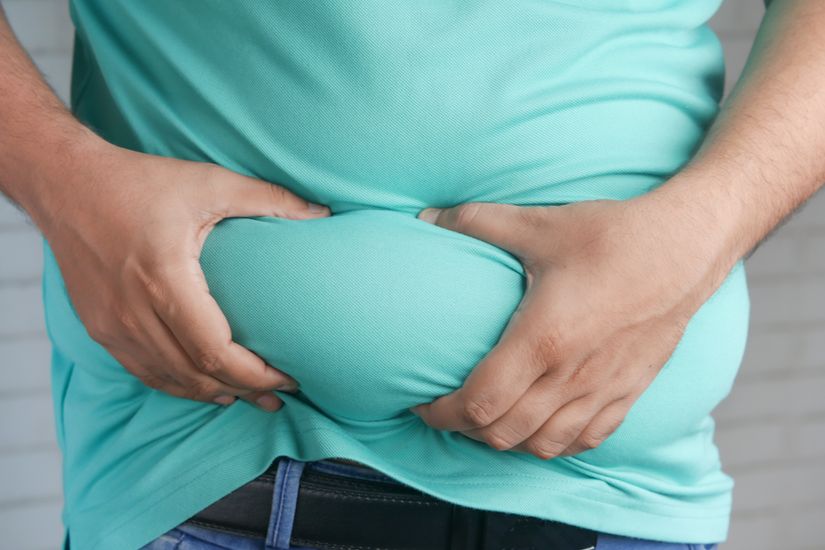
Does it ever happen to you that whenever you see a scale, you start fearing that you might have gained a few extra pounds? What if we tell you that the fat in your body you can pinch isn't dangerous, but it's the other way round? Visceral fat sits deep in the abdomen and is wrapped around the pancreas, liver, and intestines. Interestingly, a slim person and a person who appears fit might be carrying far too much of it.
The 2024 review in Current Cardiology Reports says that visceral adipose tissue behaves like a metabolically hyperactive organ. The same visceral adipose tissue is responsible for fueling inflammation, insulin resistance, and cardiovascular issues. Moreover, it is independent of body mass index (BMI). So, you might be the fittest-looking person, but there can be some problems inside your body.
There are two phenotypes that expose that gap. Despite a "healthy" BMI, Metabolically Obese Normal-Weight (MONW) people develop complications. Similarly, Metabolically Healthy Obese (MHO) individuals keep their insulin sensitivity, in spite of having high total body fat. So, opposite outcomes despite different BMIs. It happens because BMI can't distinguish muscle from fat, and it cannot tell you where your fat lives.
Also read || Can We Stop NAFLD? The RPN11 Fat Switch Explained
A Warning Issued in 1947

People think that visceral fat is a modern-day problem, but the idea is older than the existence of some countries. The French Physician Jean Vague published his observations in 1947, where he found that patients with hypertension, diabetes, and gout were not necessarily the heaviest. Most of them were carrying fat in their trunks, and Vague called this dangerous upper-body pattern "android obesity", and the safer gluteofemoral pattern "gynoid obesity".
Vague's work reached English readers in 1956, yet it took a few more decades to be recognized when Swedish and American investigators validated it with imaging technology. The regional fat distribution, especially visceral adipose tissue, is more strongly linked with adverse cardiological outcomes than BMI-defined obesity, based on the 2024 Current Cardiology Reports.
Ethnicity plays a critical role as well. WHO expert panel proposed lower BMI cut-offs for Asian populations, where people weighing 23.0 kg per metre square were overweight, and 27.0 kg per metre square were obese, as they accumulate higher body fat percentages at lower BMIs. For South Asians, the International Diabetes Federation defined central obesity as a waist circumference of over 90 cm in men and 80 cm in women.
The Tchernof and Després (2013) research says that Caucasians usually carry more visceral fat than African Americans at the same total adiposity. On the other hand, Asian populations are prone to visceral accumulation at much lower BMIs. In the same paper, DeNino and colleagues mention that visceral fat area in non-obese women rises by 2.36 cm square every year.
The new thoughts are moving in the same direction. In a 2025 Lancet Diabetes & Endocrinology Commission, Francesco Rubino argued that BMI alone should not define obesity, and it is recommended to pair BMI with at least one other measure, such as waist circumference, waist-to-hip ratio, or with direct measurement of body fat.
Why Hidden Fat Does More Damage
But why is visceral fat so harmful? The answer lies in the "Lipid Overflow" model. Our subcutaneous fat is the body's safe energy sink. When the storage capacity is saturated by genetics, a sedentary lifestyle, or lipodystrophy, our excess lipids spill into places they don't belong. It can be the heart, liver, renal sinus, or skeletal muscle.
It's their location that makes things worse. Omental and mesenteric fat drain directly into the portal vein, so free fatty acids arrive at the liver in a concentrated stream. Tchernof and Després observed that visceral fat is hyperlipolytic and resistant to insulin's antilipolytic effects. As a result, the liver responds by producing more glucose and larger triglyceride-rich VLDL particles.
The overproduction of those VLDL particles feeds the atherogenic lipid triad: high triglycerides, low HDL cholesterol, and small, dense LDL particles that easily penetrate arterial walls, and when you add Hyperinsulinemia (high blood insulin levels) and elevated apolipoprotein B (ApoB)to the small LDL, you get the atherogenic metabolic triad. When small, dense LDL particles, high apolipoprotein B (ApoB), and hyperinsulinemia are present, it raises coronary heart disease risk 20-fold in middle-aged men.
Visceral fat is also considered an endocrine organ. In visceral obesity, macrophages infiltrate the tissue, marked by higher CD68+ cell percentages. They drive chronic release of interleukin-6 and tumor necrosis factor-alpha while adiponectin, an insulin-sensitizing hormone, declines. The enzyme 11β-HSD-1 is also more active in omental fat, which creates a "local Cushing's syndrome" even when circulating cortisol is normal.
The research by Tchernof and Després considers this more as a case of storage failure, and not just an excess. When subcutaneous fat can't expand by generating new, small, insulin-sensitive cells, the energy surplus is pushed toward the viscera. Based on this, visceral fat is a symptom of failed energy partitioning. And that's how a person who looks lean can still be metabolically sick.
Also read || Inside the Lucid Dream: Brain Science vs Inception
The Numbers Behind the Risk
The numbers and the evidence are hard to ignore. The 2004 INTERHEART study, which covered 27,098 participants across 52 countries, found that waist-to-hip ratio was a stronger correlate of myocardial infarction than BMI. Insulin Resistance Atherosclerosis Study and research by Wang and colleagues (2005) showed that waist circumference predicts type 2 diabetes significantly better than BMI does.
Time also plays a crucial role. Based on a 6-to-10-year follow-up of Japanese Americans by Boyko and colleagues, excess visceral adiposity precedes diabetes and is independent of total adiposity or family history. Similarly, a 2024 meta-analysis of nine cohort studies discussed in Current Cardiology Reports observed that each one-unit increase in visceral fat index carries a 424 higher risk of developing type 2 diabetes.
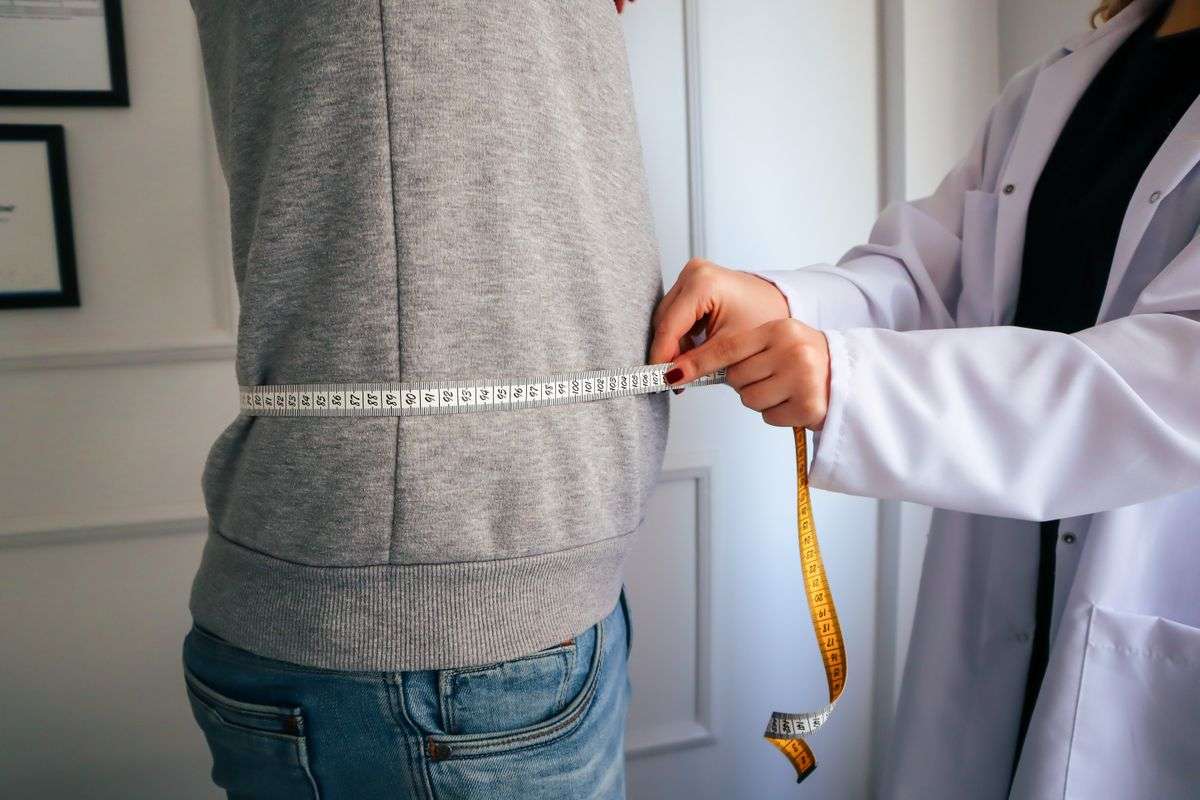
You can easily identify dangerous visceral fat with a simple tape measure and a basic blood test. Tchernof and Després define the hypertriglyceridemic waist phenotype as a waist of 90 cm or more with fasting triglycerides of 2.0 millimoles per litre or more in men, and 85 centimetres with 1.5 millimoles per litre in women. The data from the landmark EPIC-Norfolk cohort study revealed that this easily measured phenotype carries an alarming hazard ratio of 2.40 for future coronary artery disease in men and an even higher 3.84 in women.
In regular clinical practice, the simple dual assessment bridges a critical diagnostic gap by catching high-risk patients who routinely slip through the cracks of standard medical algorithms. A study in the Journal of the American Heart Association found the phenotype correctly reclassified 9.7% of people missed by the traditional Framingham Risk Score, which means one in 10 patients initially considered lower risk may have had cardiovascular features warranting closer evaluation or preventive intervention.
Also read || Intermittent Fasting: What It Really Does to Your Brain and Body
What Actually Moves the Needle
Interestingly, visceral fat is also the fat most willing to leave. Tchernof and Després noted that weight loss usually mobilizes it preferentially, and exercise is quite effective. The higher density of β-adrenergic receptors in visceral fat as compared to subcutaneous fat makes it more sensitive to catecholamine-driven lipolysis during intense workouts. Regular activity helps shrink waist circumference and visceral fat even when body weight stays flat.
One can not ignore the impact of food, as the landmark 2009 study in the Journal of Clinical Investigation observed that participants who drank fructose-sweetened beverages providing 25% of daily energy for 10 weeks. It gradually increased visceral fat volume, hepatic de novo lipogenesis, and fasting triglycerides. Similarly, another group that drank glucose-sweetened beverages did not gain visceral fat, though they gained comparable weight. This suggests that fructose is "one of the only nutrients" that raises visceral fat independent of calories.
Now, what should a slim person do? You must measure your waist at the navel and compare it with the cut-offs given above. Further, you must ask your doctor about a fasting triglyceride test, and minimize sugary drinks. Apart from that, start vigorous exercise like strength training, as it adds lean mass and hides fat loss on the scale, while delivering real cardiometabolic advantages.
So, can skinny people have too much visceral fat? Jean Vague says, "Absolutely," and he suspected it in 1947. We could have ignored it if the imaging, large cohort studies, and decades of lipid research had denied it, but they didn't. The bottom line of all this research is that it does not matter how much you weigh, but where you carry it can be life-threatening.